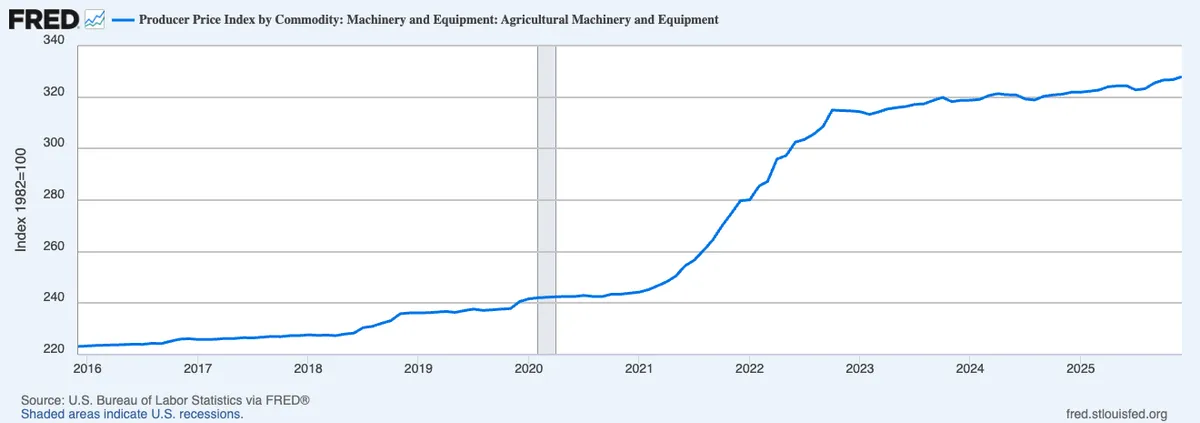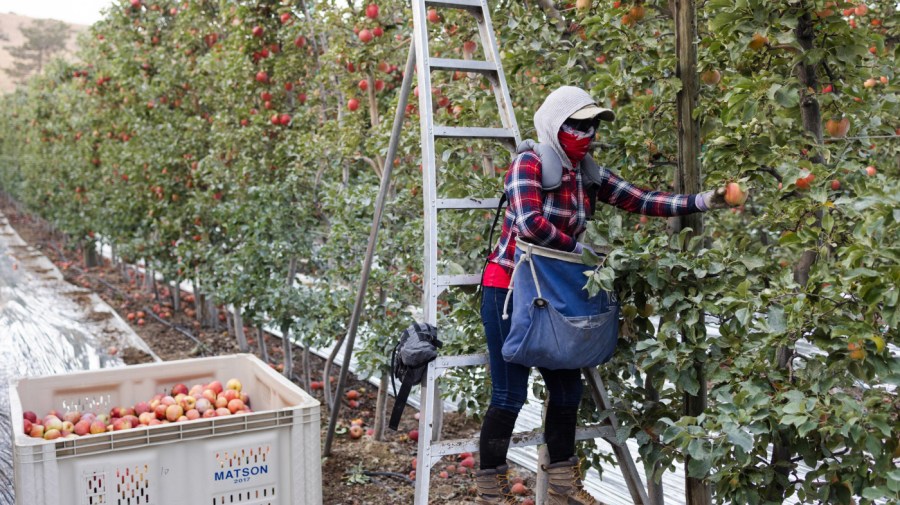

A bipartisan group of 27 former agricultural executives, commodity association chiefs and senior USDA officials sent a letter this week to the leadership of the House and Senate Agriculture Committees warning that American agriculture is at risk of a “widespread collapse” without urgent legislative action. The letter details how rising input costs, lost export markets, labor shortages and cuts to USDA staffing and research have strained farm finances, with bankruptcies reportedly doubling and fewer than half of U.S. farms expected to be profitable this year. The signatories include past leaders from the National Pork Producers Council, National Corn Growers Association, American Soybean Association, National Milk Producers Federation, and Renewable Fuels Association.
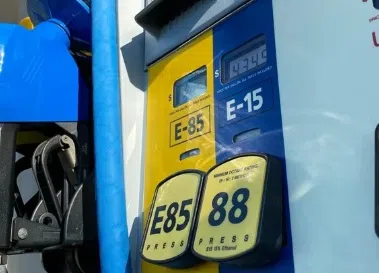
Former Renewable Fuels Association CEO Bob Dinneen, one of the letter’s authors, said the intent is to launch a solutions-focused dialogue, emphasizing that “it is perilous” for agriculture and urging policymakers to work together on practical fixes. Among the nine specific recommendations in the letter are exempting all farm inputs from tariffs, repealing tariffs that disrupt export markets, passing year-round E15 legislation to expand biofuel demand, renewing Trade Promotion Authority to facilitate new trade agreements, completing the USMCA review process and advancing a new farm bill.
The group also called for reforms to immigration and ag labor policy, increased research investments, and restoring cutbacks in domestic and foreign food aid programs to support commodity demand. While the letter reflects deep concern about current policy impacts, its bipartisan signers aim to shape the legislative agenda by underscoring broad industry consensus that Congress has tools to stabilize the rural economy if acted upon promptly.
USDA shifts Food for Peace back to U.S. commodities
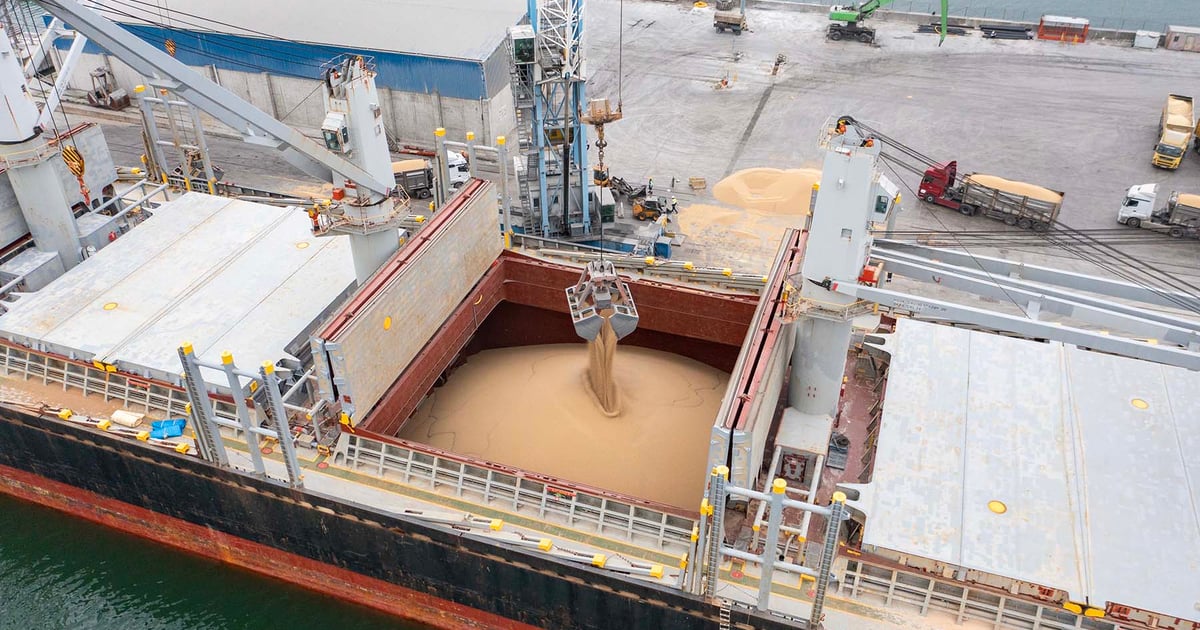
USDA has announced plans to purchase roughly 211,000 metric tons of American agricultural commodities as part of a $452 million Food for Peace agreement with the United Nations World Food Program, marking a significant shift in how U.S. international food aid is administered. Under the move, USDA will oversee Food for Peace for the first time in years, bringing the program under the same umbrella as Food for Progress and McGovern-Dole and tying food aid more directly to U.S. farm production.
USDA officials said the approach reflects President Trump’s directive that international assistance deliver tangible benefits for American producers. The agreement requires 100 percent U.S.-origin commodities, tighter accountability to prevent fraud and waste, and an emphasis on reducing long-term aid dependency. Commodities slated for purchase include wheat, corn-soy blends, rice, sorghum, pulses, vegetable oil and ready-to-use supplemental foods.
For farmers and ranchers, the announcement signals a renewed demand channel for U.S. crops and value-added products, with USDA expecting purchases to begin as early as March. USDA officials also said consolidating food aid programs is expected to improve efficiency and generate cost savings, while continuing to supply food assistance to countries facing humanitarian need.
USDA expands export credit terms to boost farm sales abroad
The Trump administration this week announced an expansion of export financing options aimed at making U.S. agricultural products more competitive in overseas markets. USDA said it is updating its Export Credit Guarantee Program, known as GSM-102, to allow a new 18-month, single-payment repayment option for foreign buyers, a change officials say aligns the program more closely with current commercial financing practices.
Under Secretary for Trade and Foreign Agricultural Affairs Luke Lindberg said the new option is designed to support American farmers and increase use of GSM-102 in regions with strong growth potential, including Africa, the Middle East and Asia. “This new policy brings GSM-102 in line with current industry practices and gives American exporters new opportunities for financing,” Lindberg said, calling it another tool to help move U.S. commodities into global markets. Previously, GSM-102 required repayment in installments, even though loan terms could extend up to 18 months.
The change allows approved foreign buyers to repay the full loan amount at the end of the 18-month term, a structure USDA believes will make U.S. credit guarantees more attractive without increasing financial risk to the program. Lindberg announced the update during a USDA agribusiness trade mission to Indonesia, underscoring the administration’s broader focus on export growth, market access and reducing trade barriers for American agriculture.