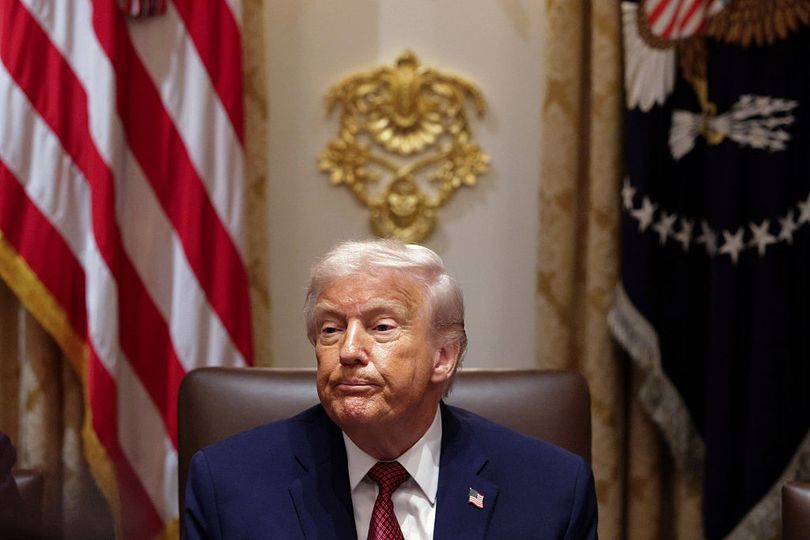

President Trump announced a $12 billion farmers’ bridge payment program to ease economic concerns for farmers -Credit:Getty Images
(Getty Images)
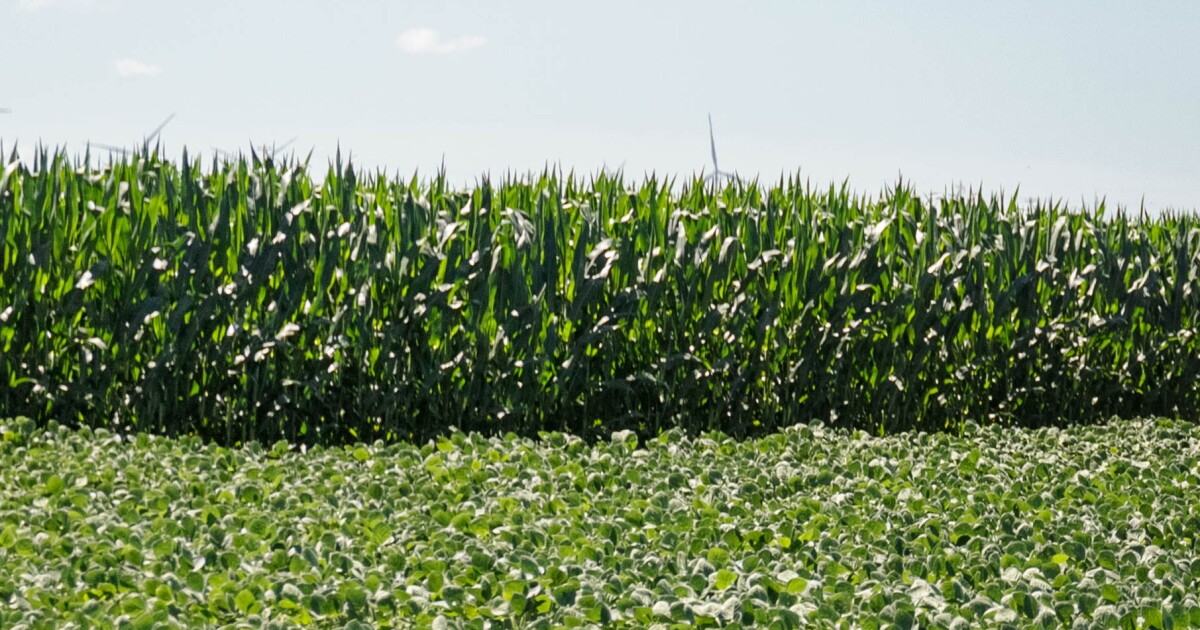
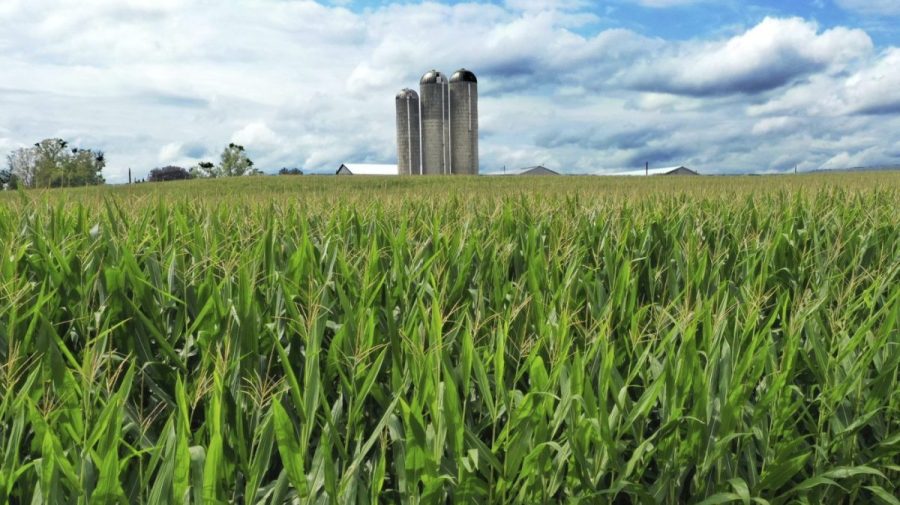
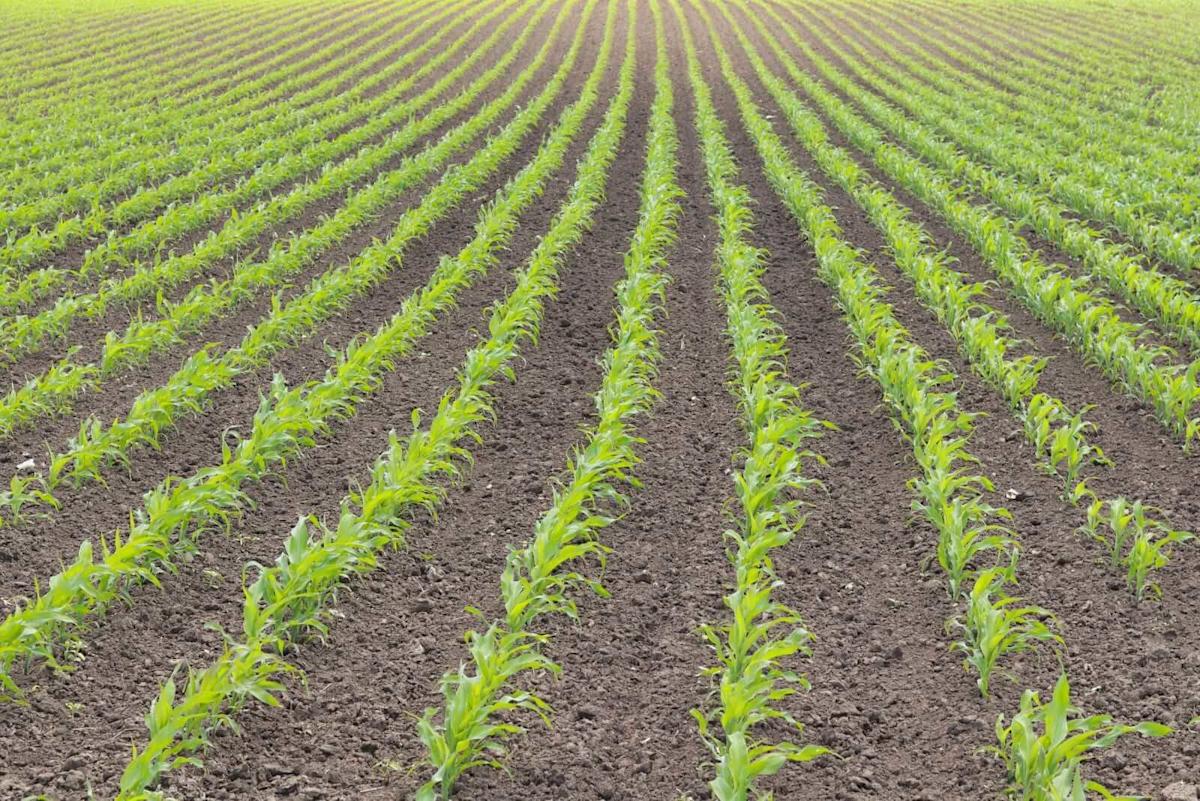
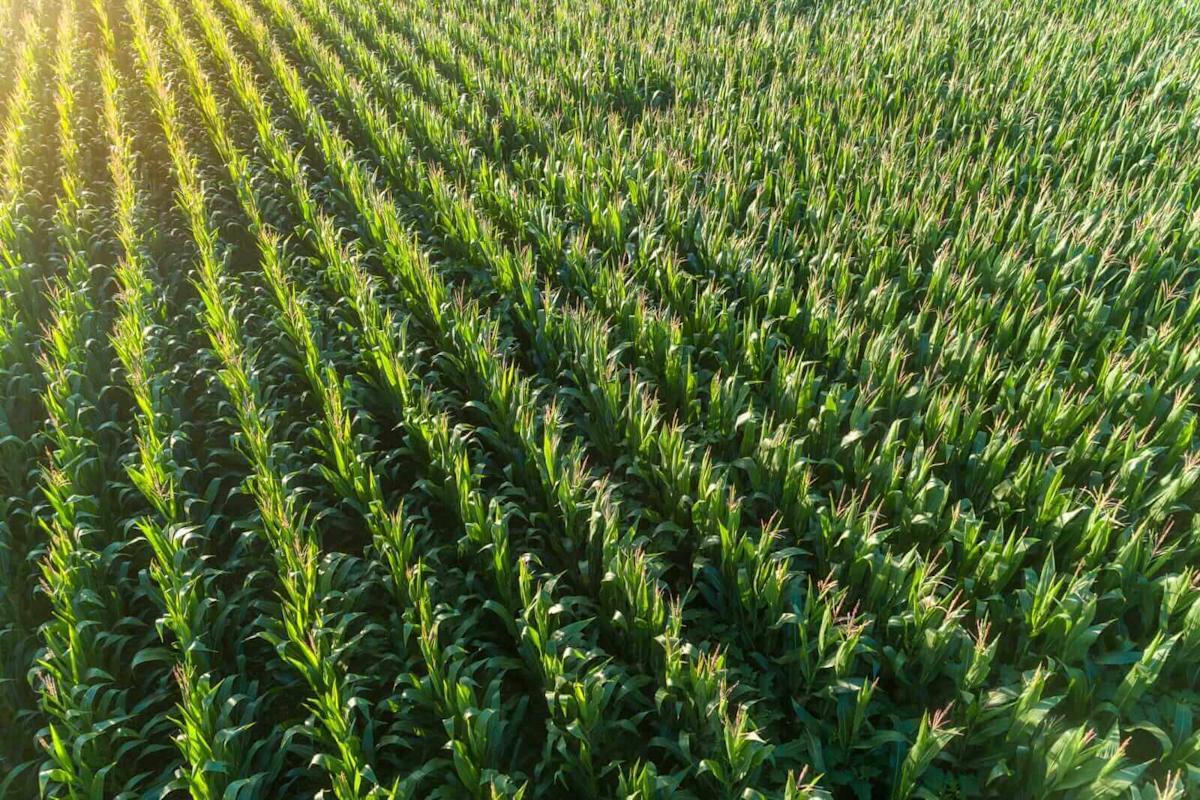
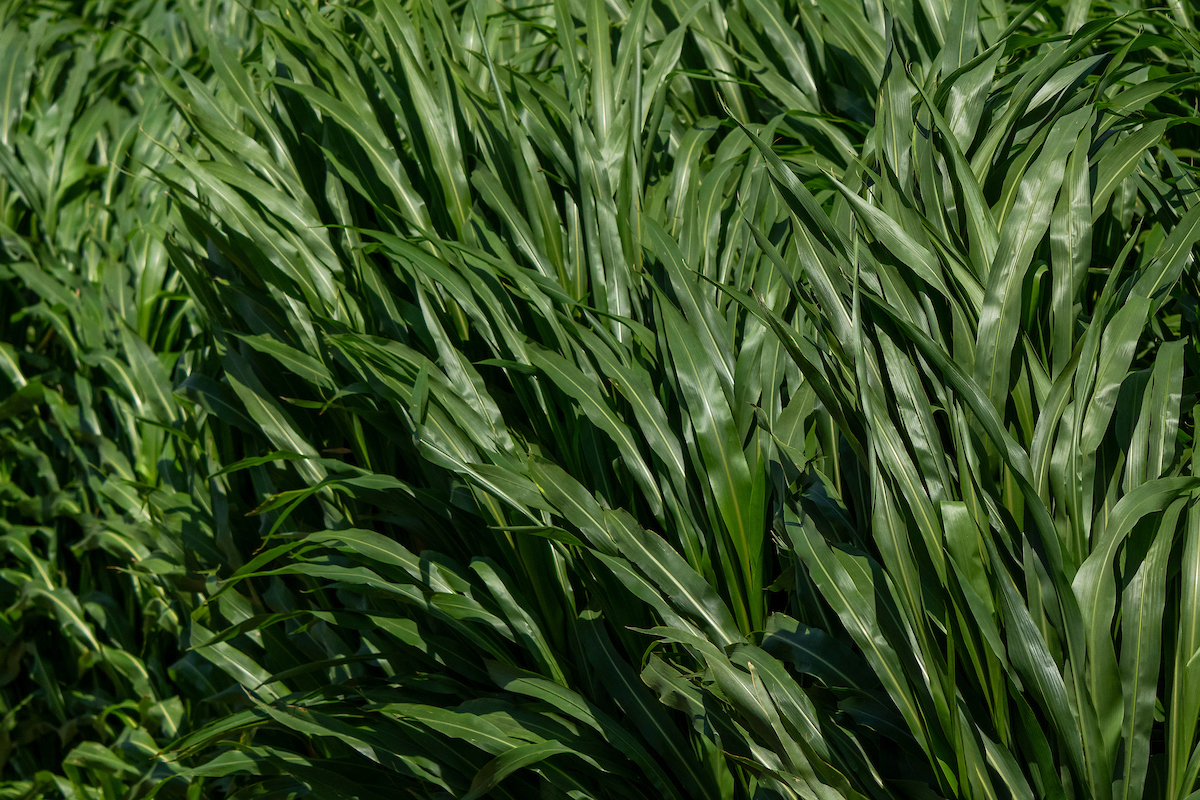
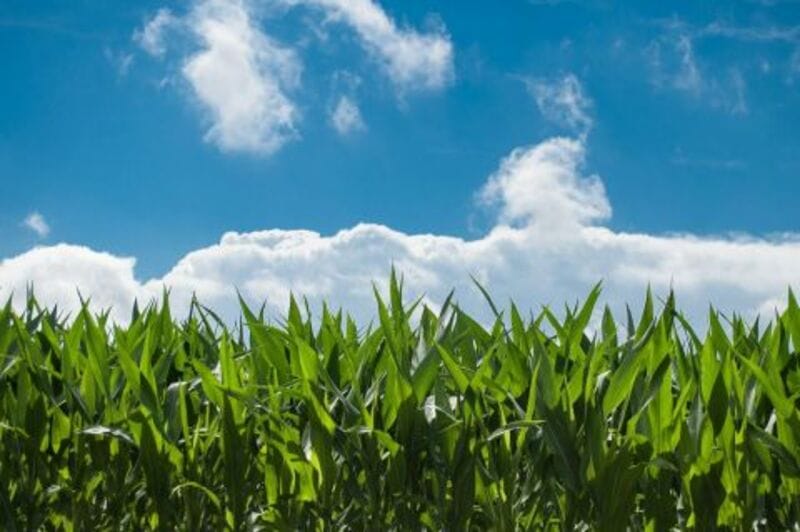
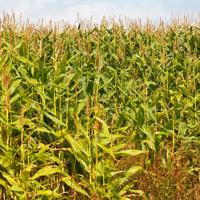
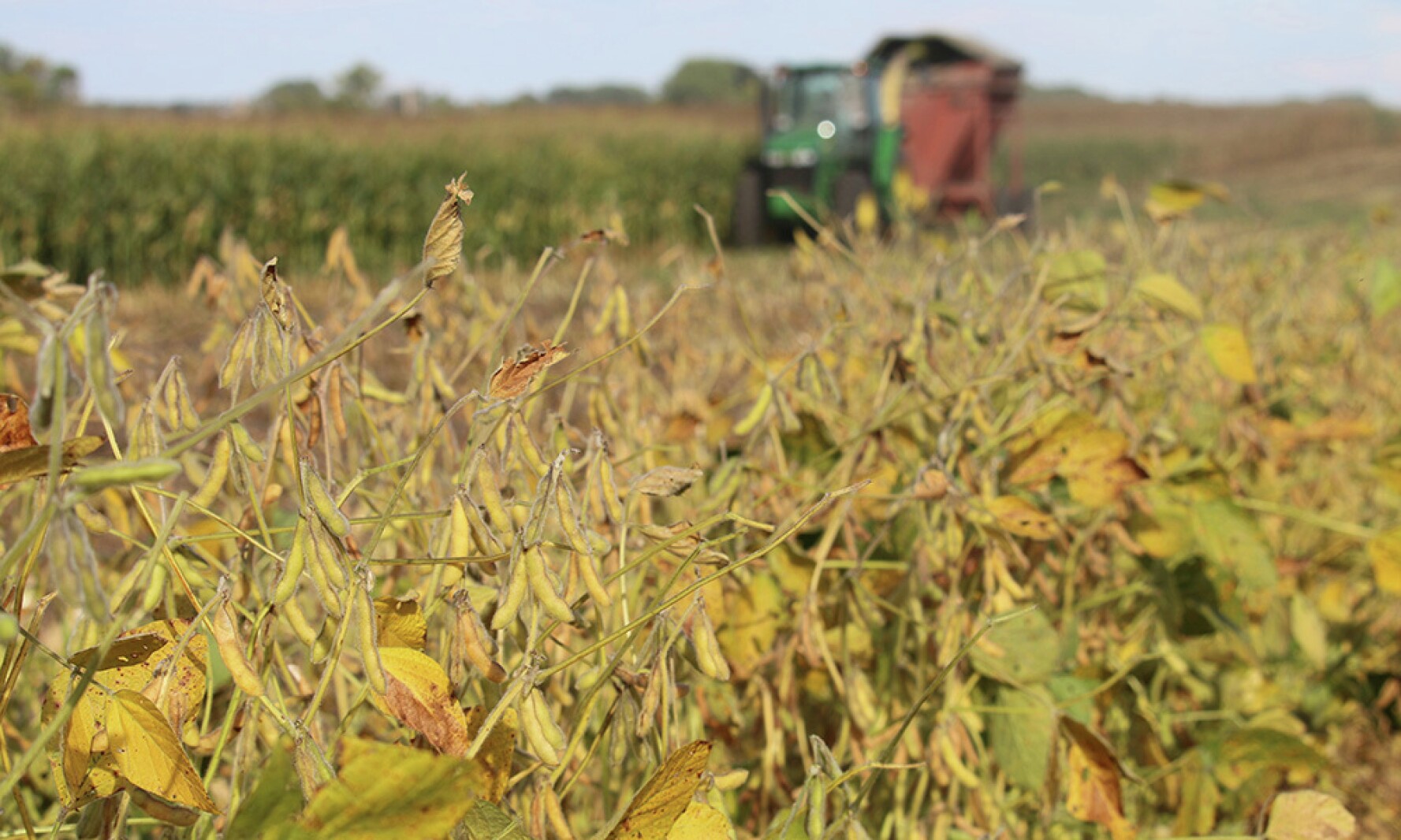
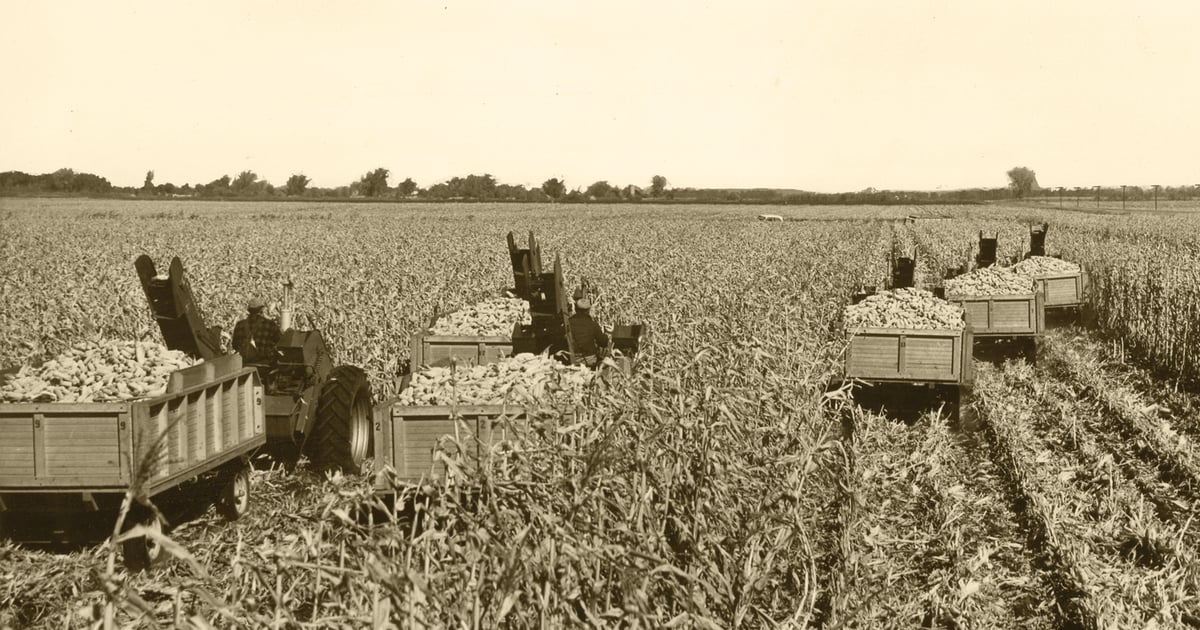
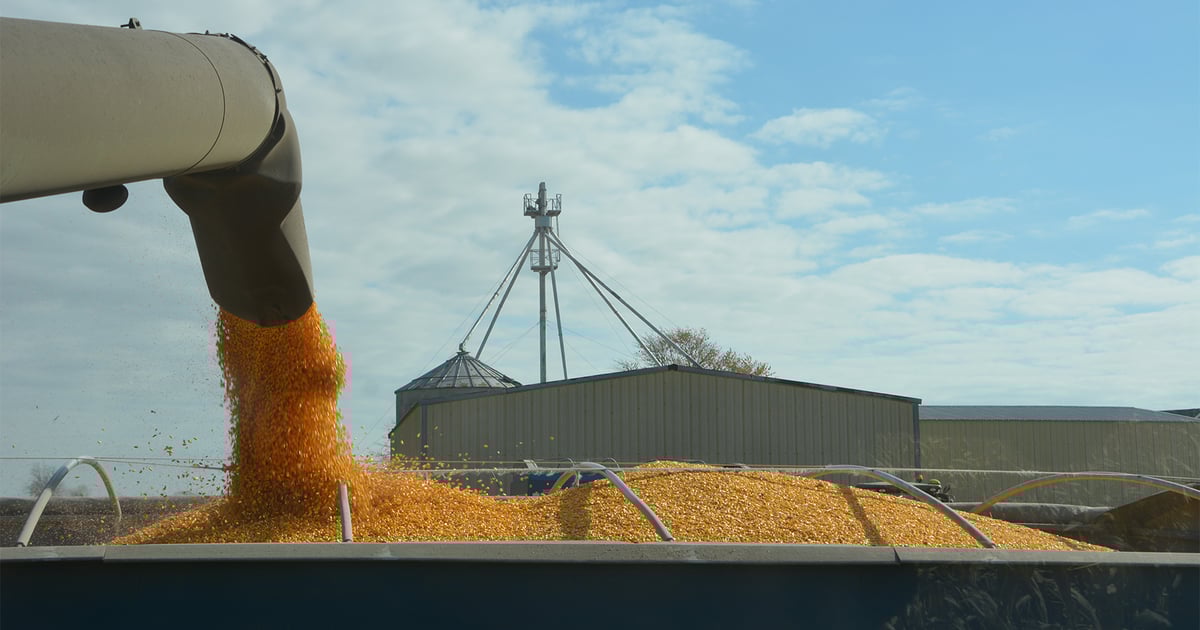
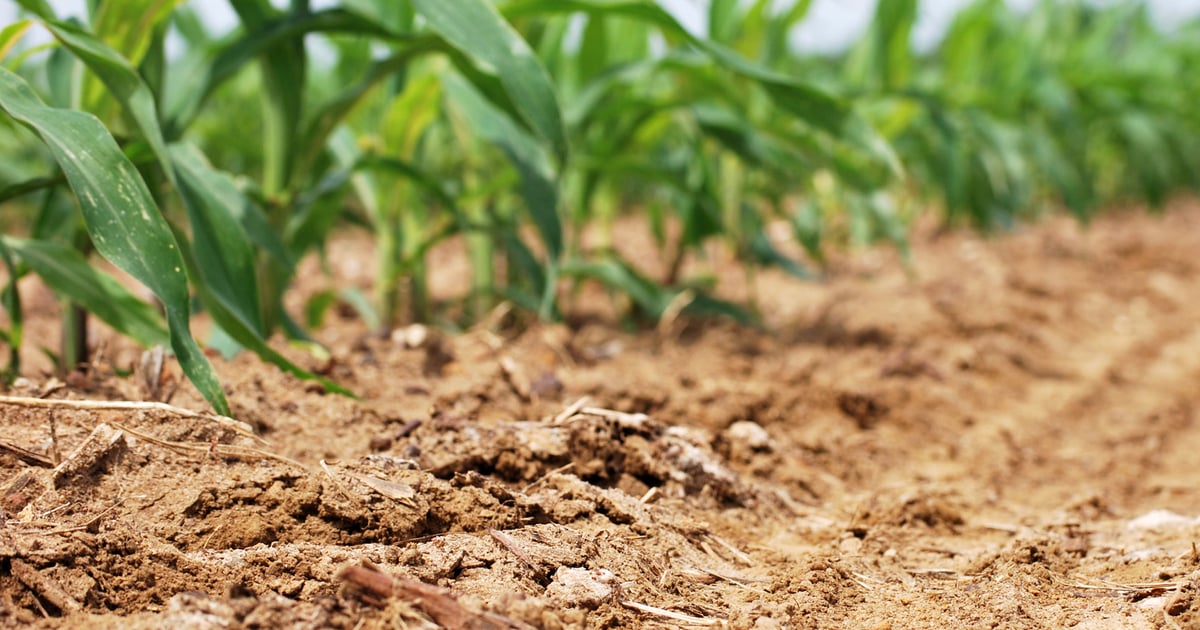
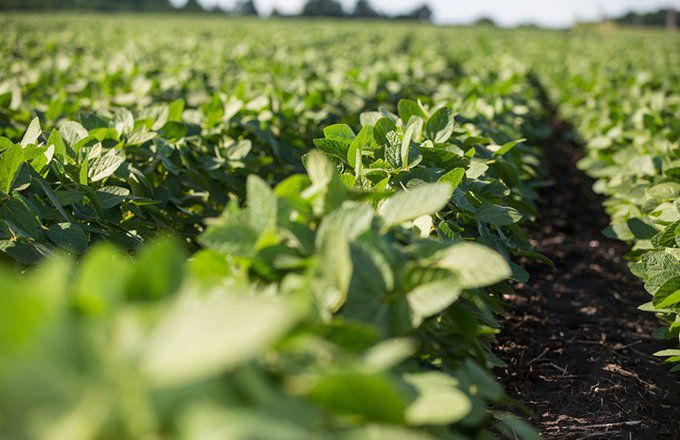
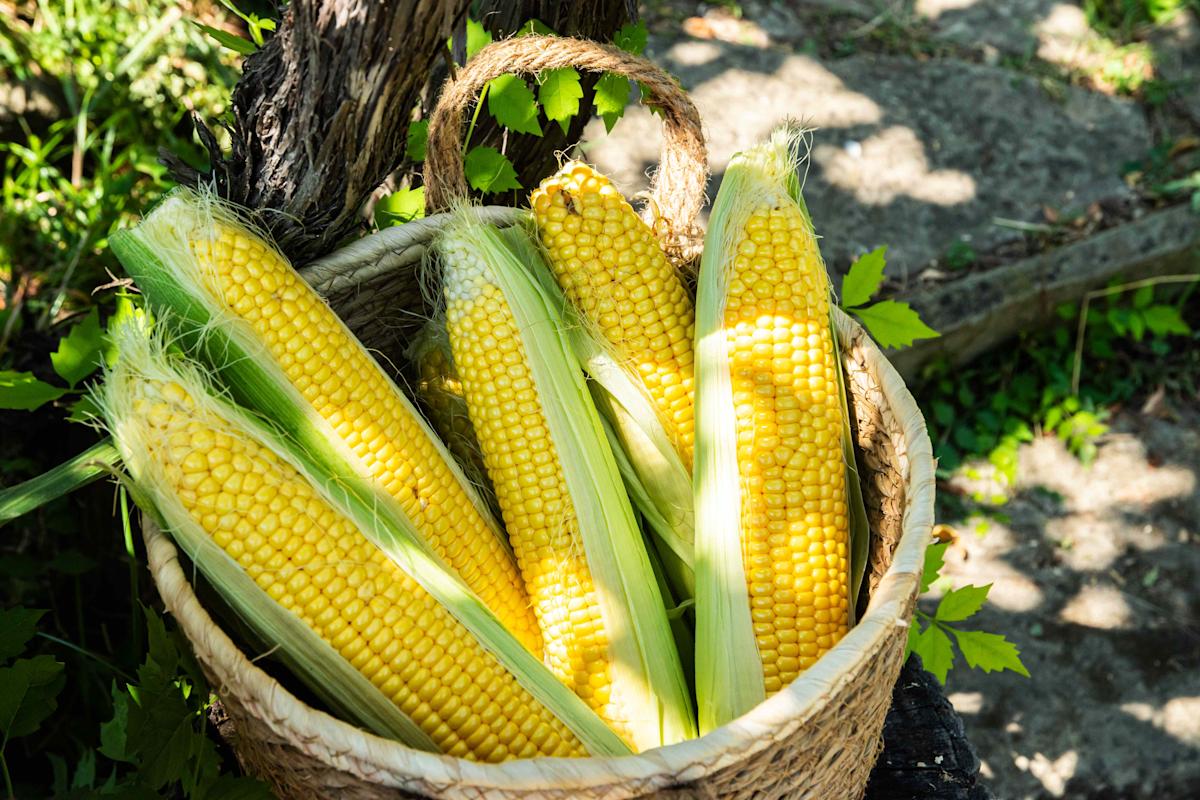
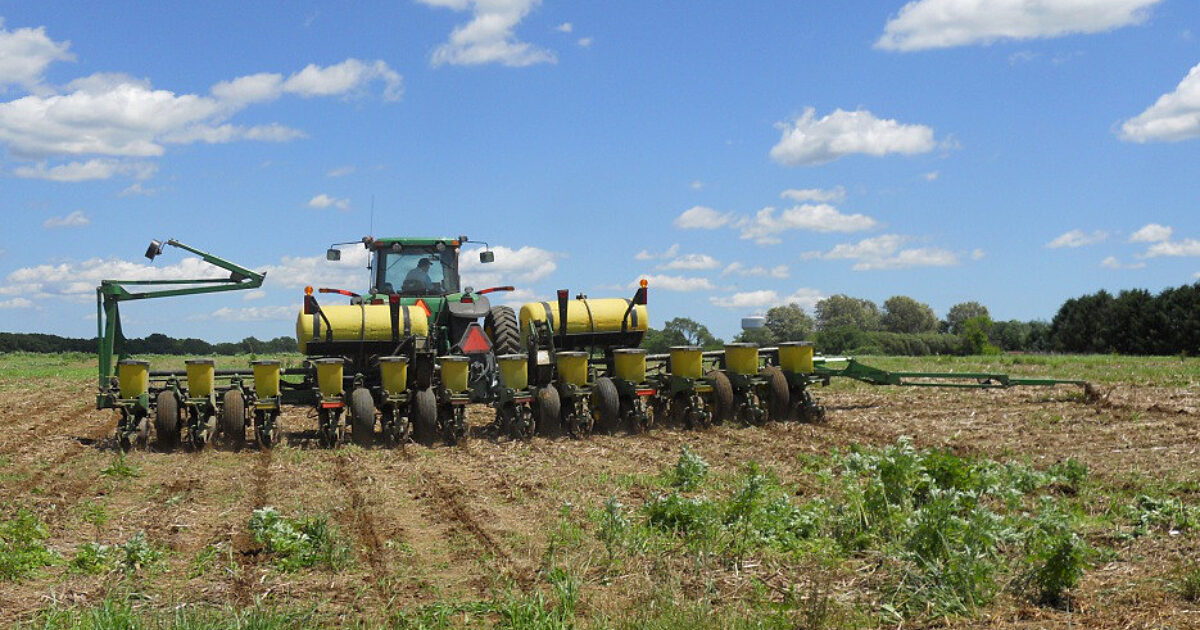
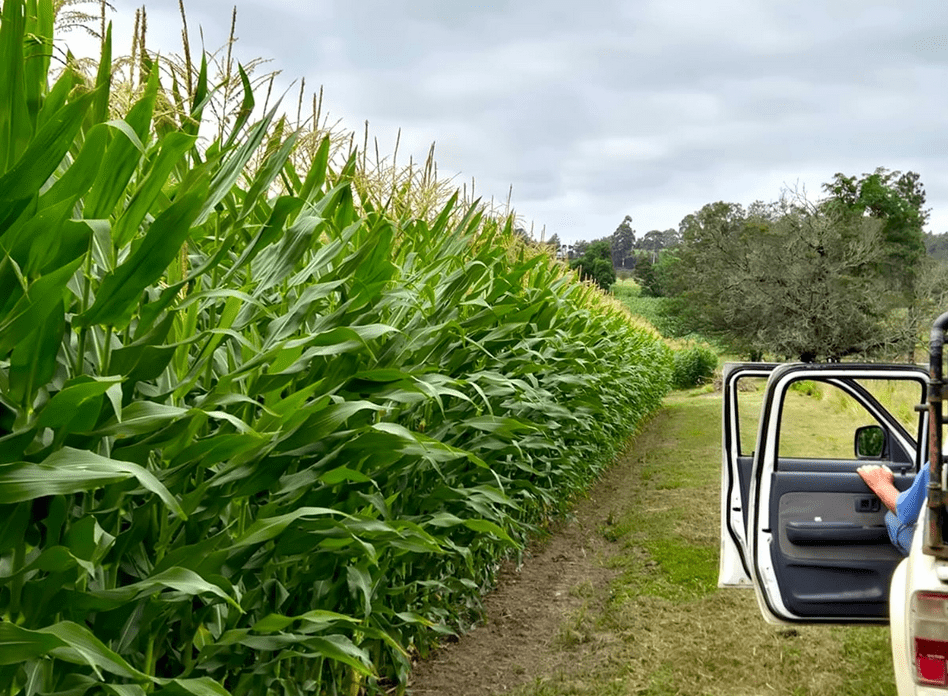
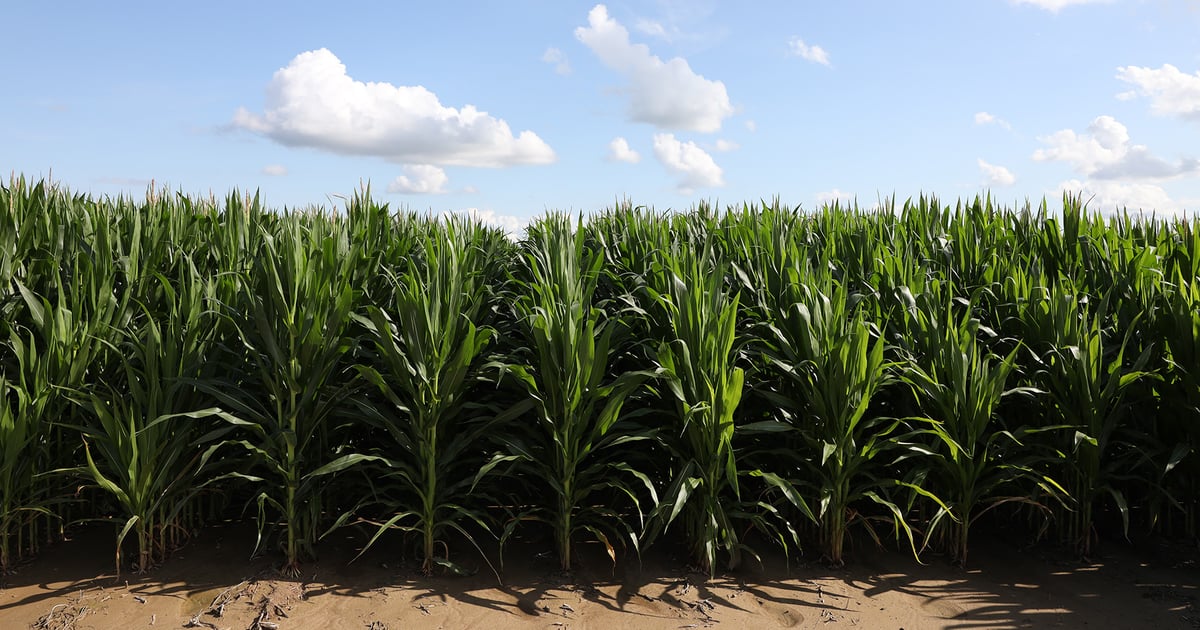
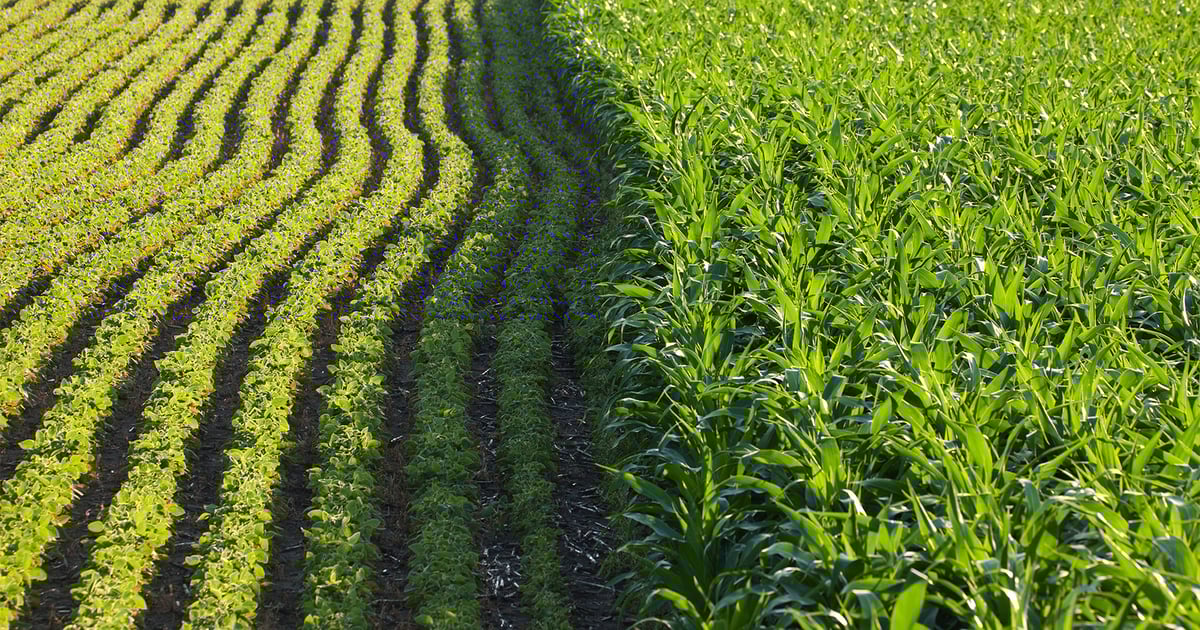
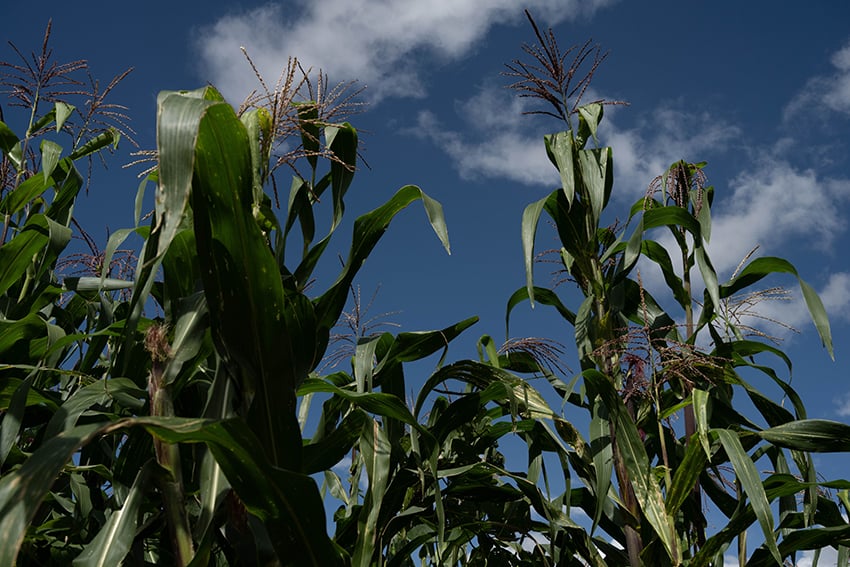
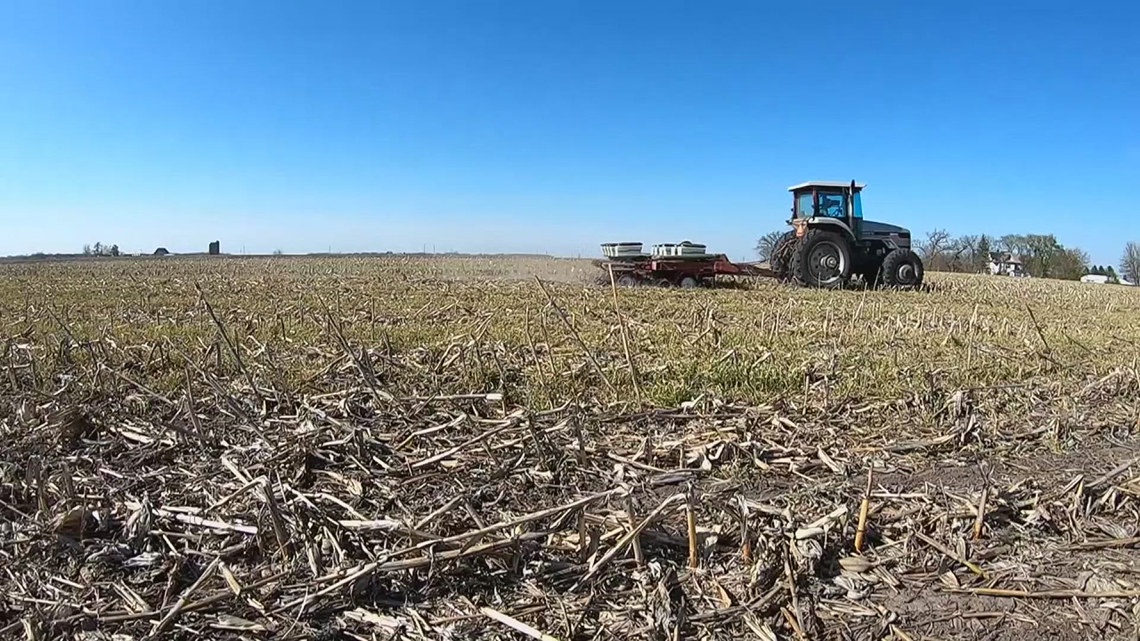
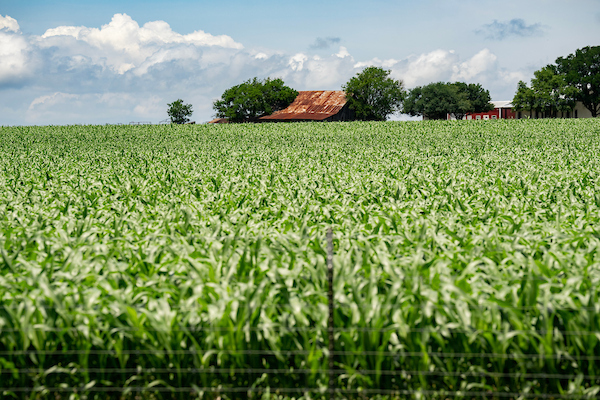
At the center of the American Heartland in Iowa, you can’t drive through the state without noticing the seemingly never-ending rolling farmlands, where corn and soybean farmers produce the largest portion of the state’s agriculture.
Iowa farmers not only drive the rural economy but also play a significant role in the global agricultural trade, responsible for contributing one in five jobs to Iowans and $159.5 billion in total sales in 2024, according to the Coalition to Support Iowa’s Farmers. Moreover, the U.S. Department of Agriculture reports that Iowa is home to 30 million acres of farmland, equivalent to the size of Pennsylvania.
Although it’s clear how significant farming in Iowa is to the economy, farmers are increasingly expressing their dismay at how brutal the business has become due to low crop prices and exorbitantly priced input costs. This has only been exacerbated by President Donald Trump’s continuously shifting tariff policies and trade war.
• Tax refunds may only be $748 higher despite Trump’s $1,000 promise
• Barron Trump to launch new drink business headquarter near Mar-a-Lago
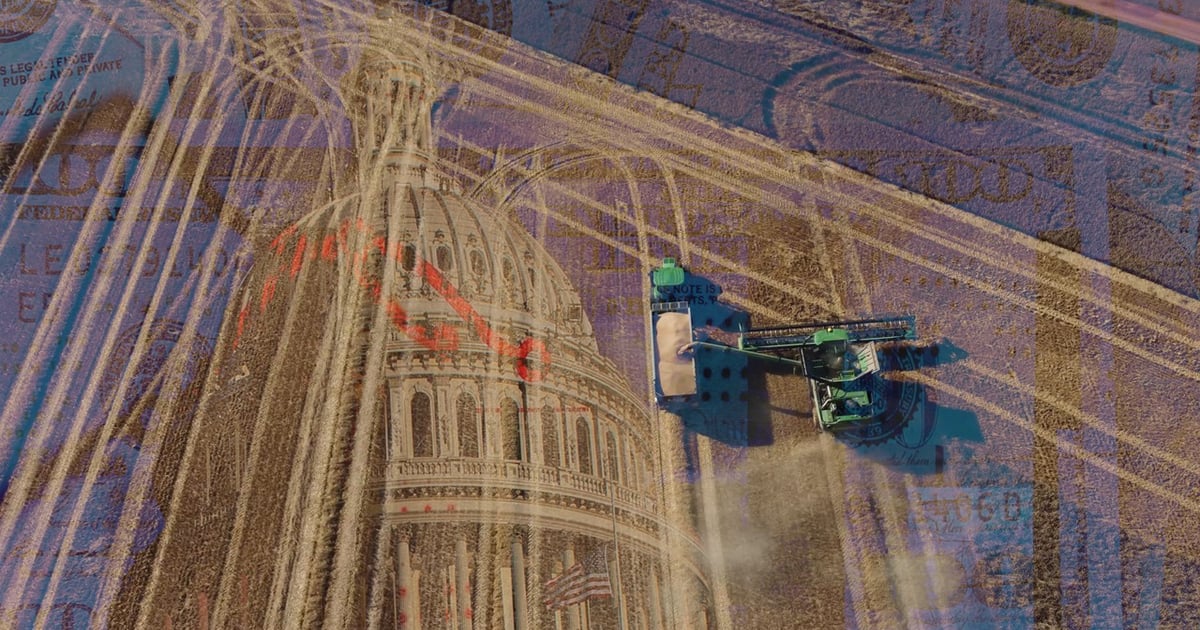
The Trump administration has recognized how hard farmers have been hit by what it has called “unfair market disruptions” and is releasing a $12 billion Farmer Bridge Assistance (FBA) Program through the USDA. The funds will be issued to eligible row-crop farmers, including soybean, corn, and wheat, on Saturday, Feb. 28.
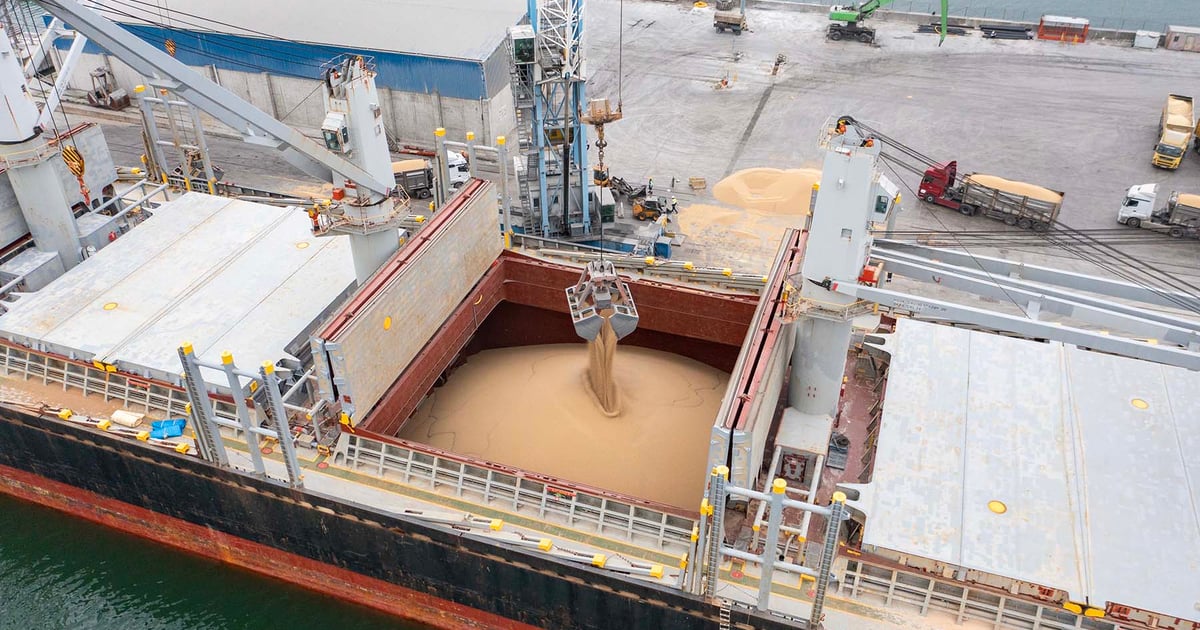
While Trump’s sweeping tariffs were ruled illegal by the Supreme Court last week, he issued new 15% tariffs under different authorities that could continue to impact the agriculture sector. His illegal tariffs led China to block all purchases of U.S. soybeans last summer, a move that significantly hurt farmers. China has now started purchasing soybean again from the U.S., but trade agreements could shift, depending on Trump’s tariff agenda.
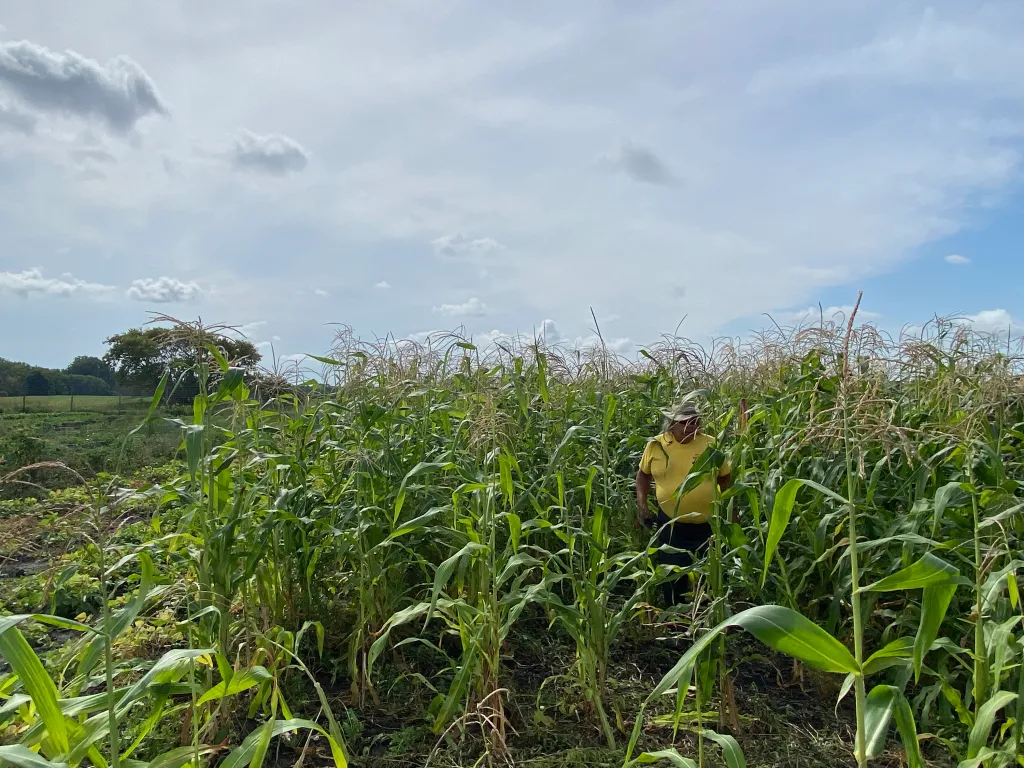
Andy Helgeson, an Iowa-based corn and soybean farmer and former agricultural loan officer at a bank, spoke to the Mirror US about the farming crisis he is experiencing firsthand.
He grew up in a farming family and decided to take the plunge into operating his own roughly 1,500-acre farm in 2010 while also working full-time at a bank. However, in recent years, he decided to go all-in with farming, and he typically grows corn, soybeans, alfalfa, and hay.
“I was always under the impression the harder you work, the more money you made, and so you knew if you were working hard and working a lot, you were doing fine,” Helgeson said. “But today, that’s not the case.”

Andy Helgeson, an Iowa farmer, says there’s less room to make mistakes in the ag sector now -Credit:Getty Images
“It’s just not fun anymore,” he added.
While Helgeson grew up on the love of farming, he has slowly become disenchanted due to the economic hardships he has faced over the past four year. While Trump’s tariffs aren’t all to blame for farmers’ struggles, they are adding to already existing issues.
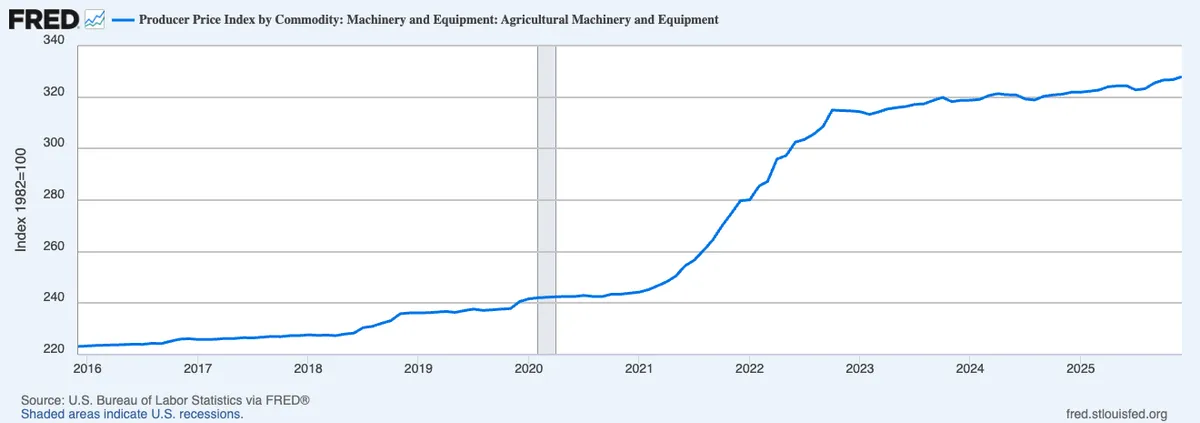
“I still enjoy farming, and I enjoy numbers; there really isn’t much room to mess up anymore,” he explained. He said farmers have faced issues with employees wanting to be paid more and skyrocketing equipment and fertilizer costs on top of the unpredictability of environmental and economic factors.
Helgeson expects to receive a farmers’ bridge payment, which he says will be a temporary provision to help reinvest in his farm. “It will be much appreciated for sure,” he said. “It’s much needed, and I would say it’s can’t come soon enough.”
Farming expenses are increasing while crop prices remain stagnant
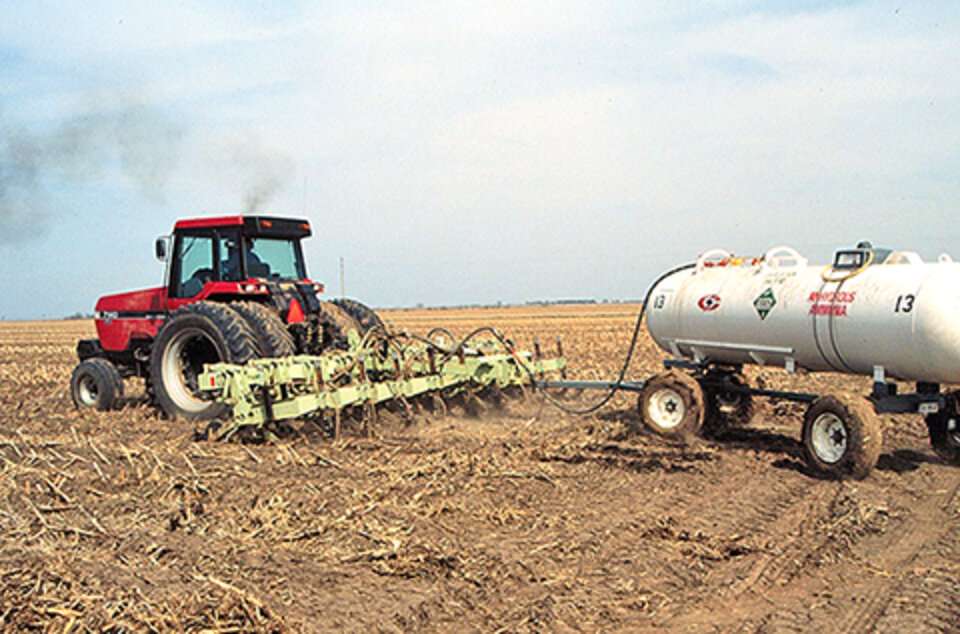
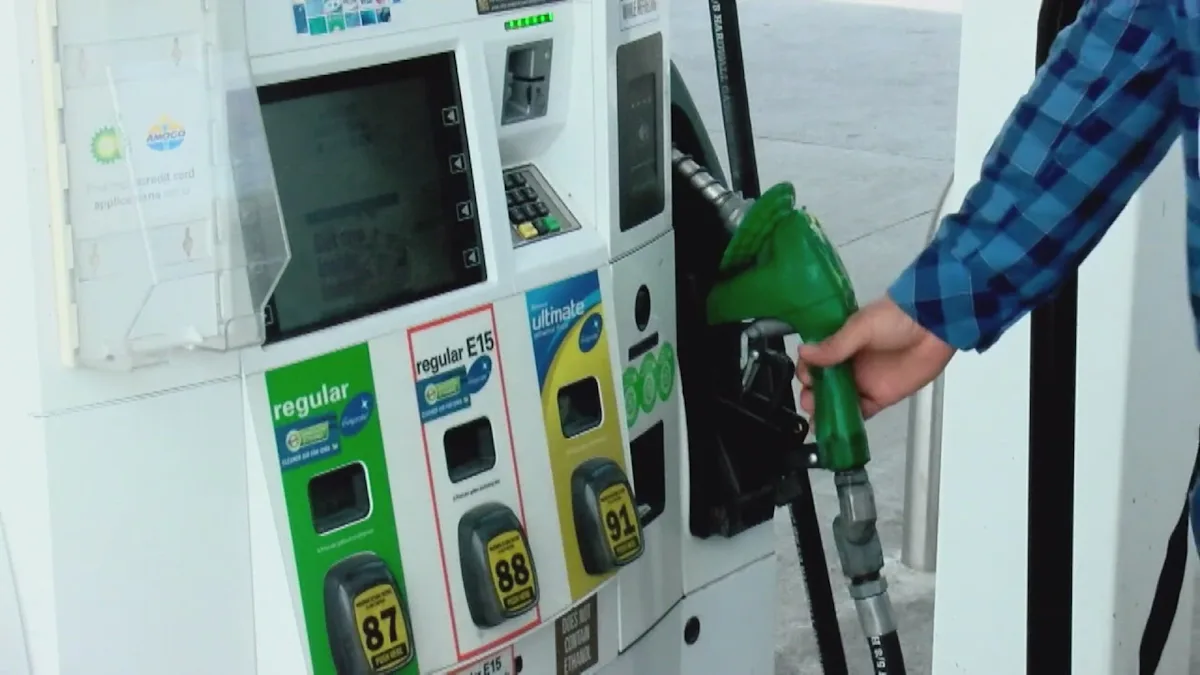
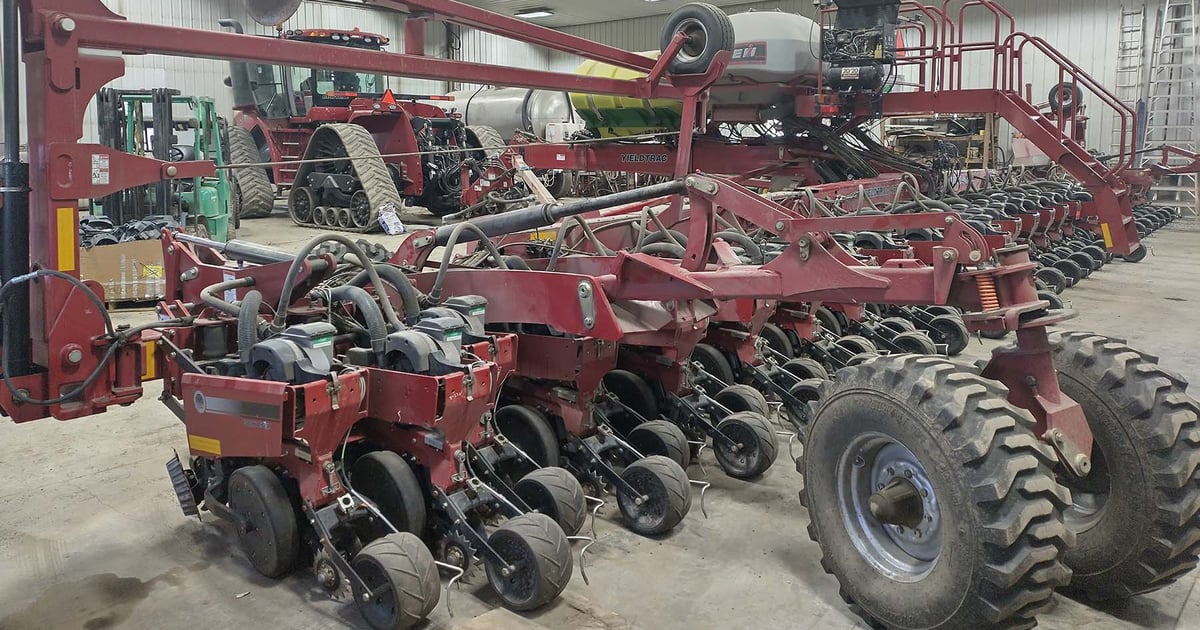
Helgeson cited nitrogen fertilizer prices as one of the main issues he has been facing, as the critical cost for most field crops has been volatile in recent years. According to the USDA, Economic Research Service’s (ERS) Commodity Costs and Returns data, since 2020, fertilizer constituted 33-44% of corn operating costs. In Iowa, fertilizer is the fourth-most expensive production expense, totaling $2.95 billion in 2024.
“If I took a snapshot of when I started farming, and right today, everything’s the same except for all the expenses almost doubled,” Helgeson said. These circumstances make it difficult for many farmers to be profitable, and he said he feels sorry for those who entered the sector only a few years ago.
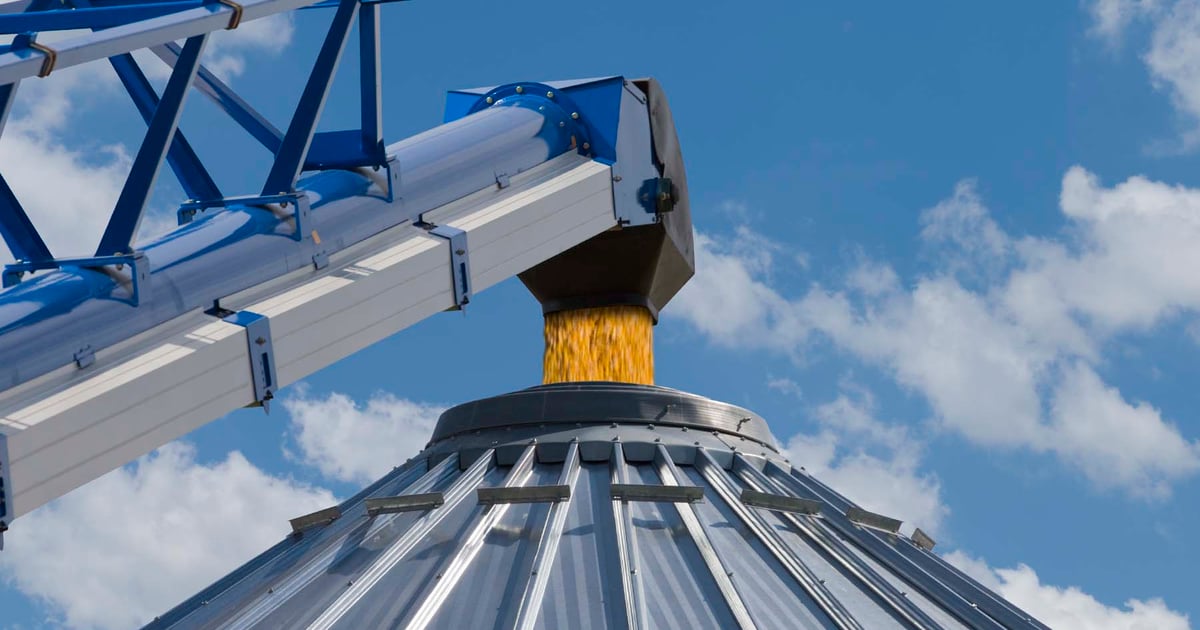
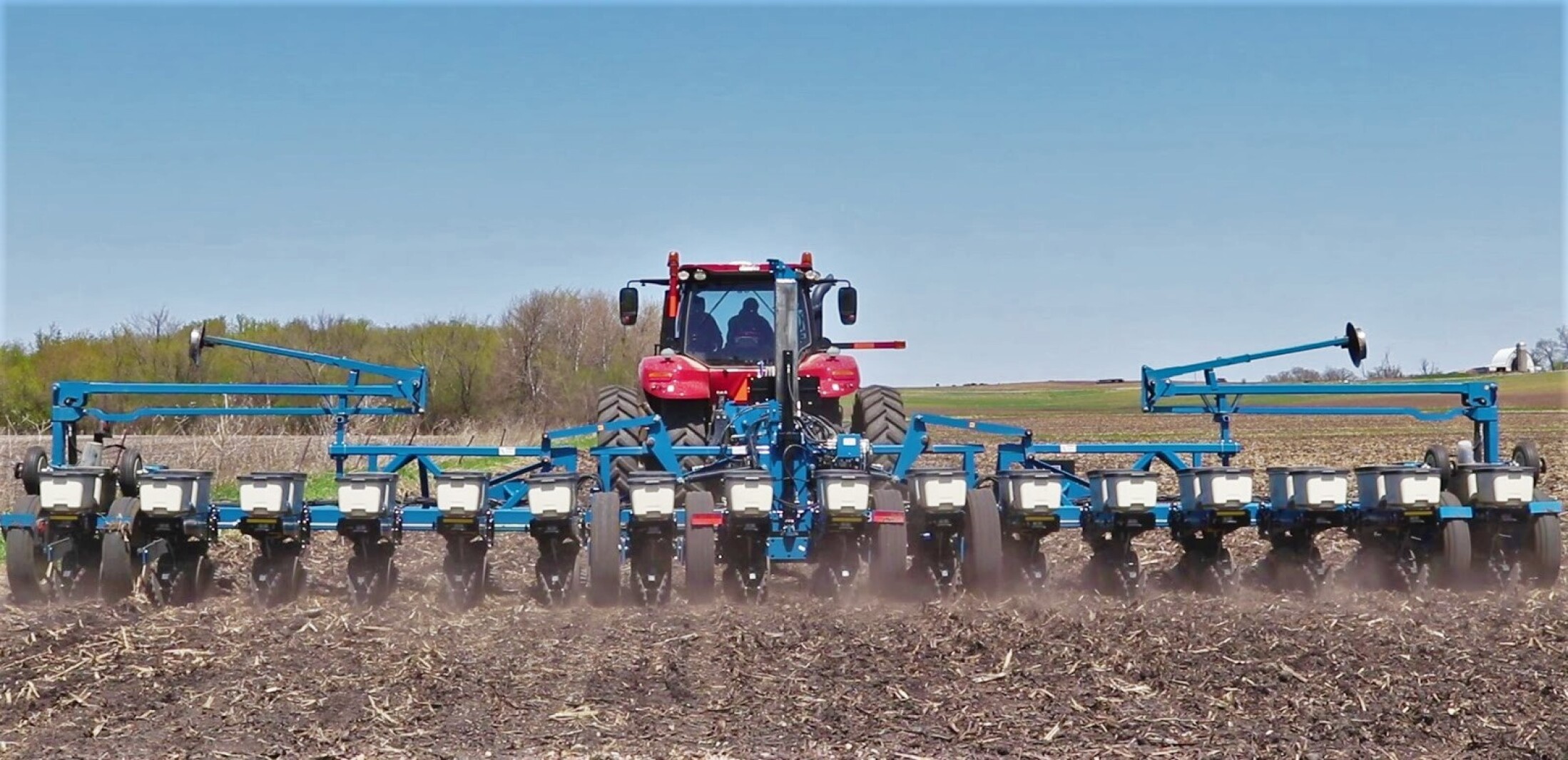
The National Corn Growers Association projects that it will cost farmers $917 to plant an acre of corn in 2026, which is a $27 per acre increase from 2025. It also estimates that the average corn price for the year will be $4.10 per bushel — 37% lower than $6.54 for the 2022 crop.

Low crop prices and rising input costs are hurting many U.S. farmers. -Credit:Getty Images
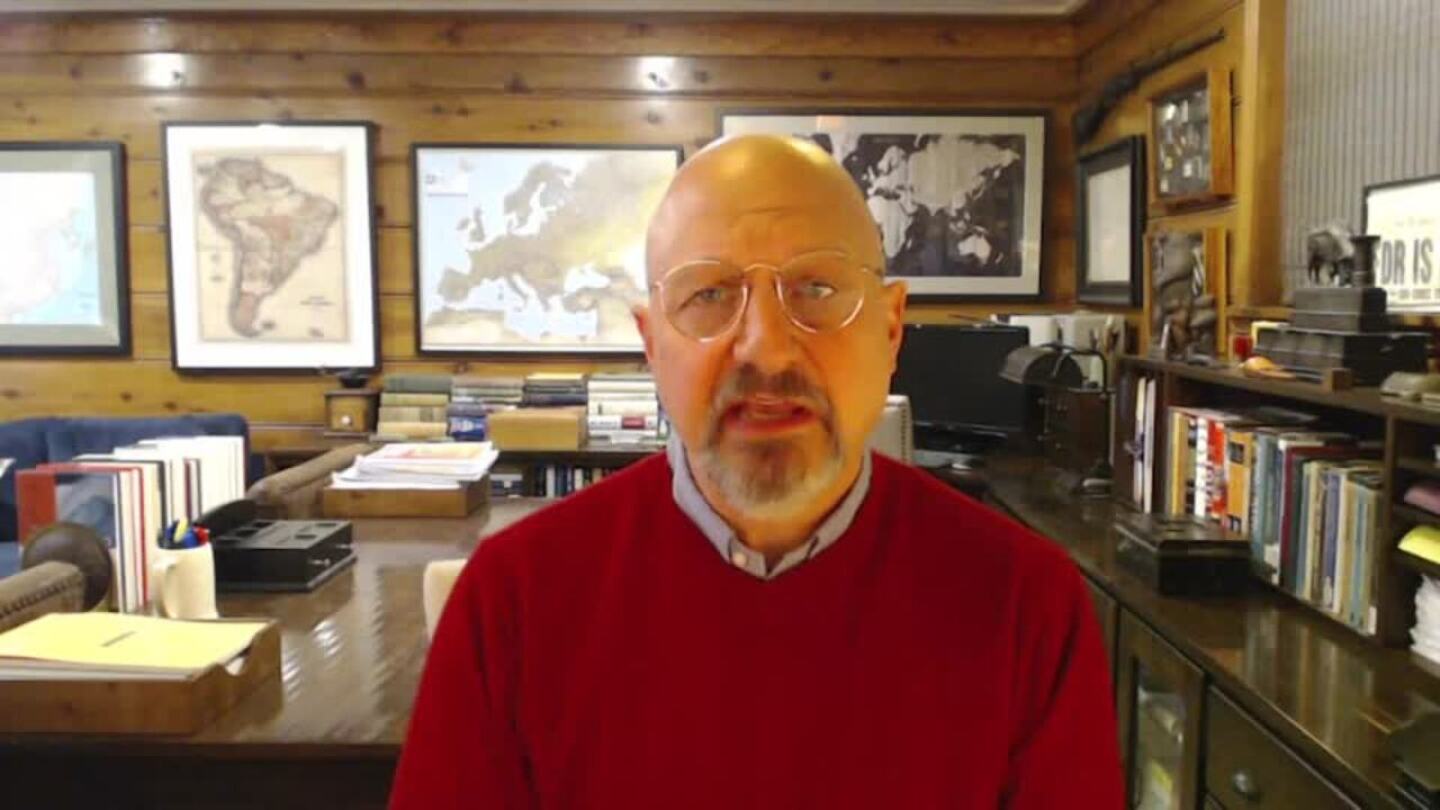
Iowa State University agricultural economist Chad Hart, Ph.D., explained to the Mirror US the hike in fertilizer prices is the combination of post-COVID-19 when Europe was using more natural gas to power their economy, as well as the Ukraine War.
“Shutting down a fair amount of natural gas (particularly into Europe)… caused natural gas prices to spike really high,” Hart said, which then “led several fertilizer companies to either slow down production or, in some cases, shut down certain land.”
The limited supply of fertilizer combined with the strong demand for it in the U.S. and global market, “sent prices through the roof,” he explained.
“For the farmers themselves, having these bridge payments does help make sure that the bills are covered for this year,” Hart said. “You can think of it as it’s a short-term benefit because it helps ensure that farmers who are struggling right now [are] able to pay their bills.”
“But in the long run, these payments aren’t addressing the market imbalance — it’s not addressing why farmers are in trouble,” he said. Hart notes that farmers will continue to face concerns about how to make ends meet as they grow the next crop.
For farmers like Helgeson, these bridge payments are critical relief because, as he put it, “You can’t just quit farming… You either farm until the end and pass it on or you’ll just go right back to square one where you started.”