How much “ground” have you gained toward profitable farming over the past 10 years? Michael Langemeier, director of the Purdue Center for Commercial Agriculture, told an audience of 150 Midwestern farmers recently that there is both good news and not-so-good news.
“The good news is that crop prices, even though they are low historically, are higher today than they were a decade ago,” he said. “The rest of the story, though, is that costs on the input side are also significantly higher. So, on a per-bushel basis — and especially for corn — the gap between today’s crop price and the breakeven cost of production is wider than it was in 2016.”
Here is a closer look, crop by crop.
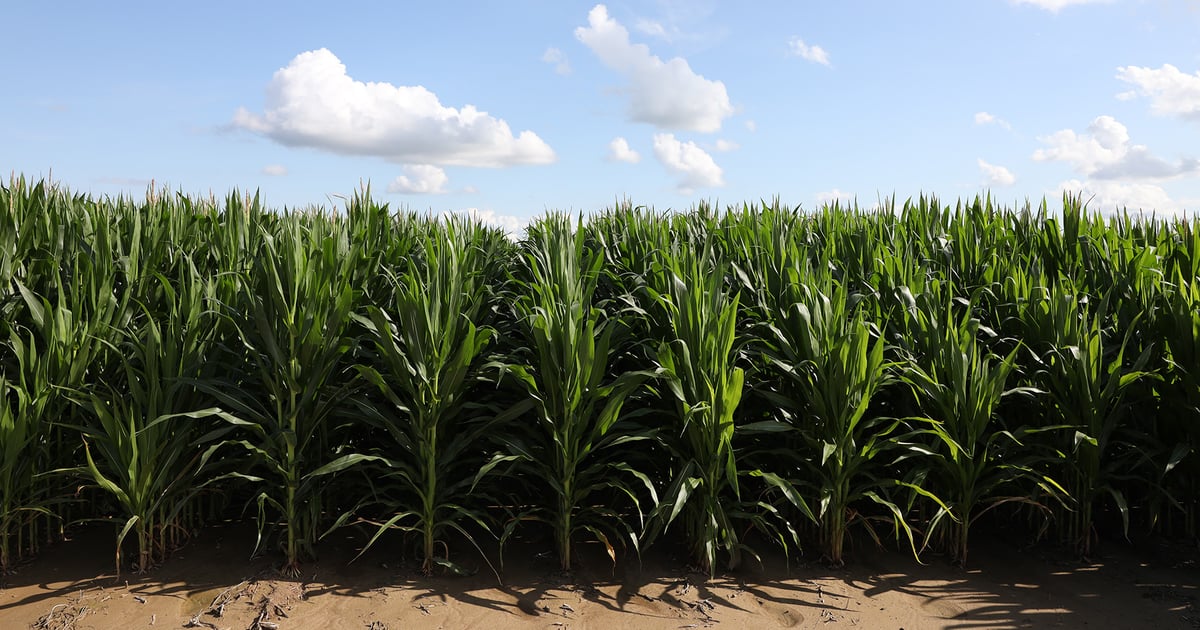
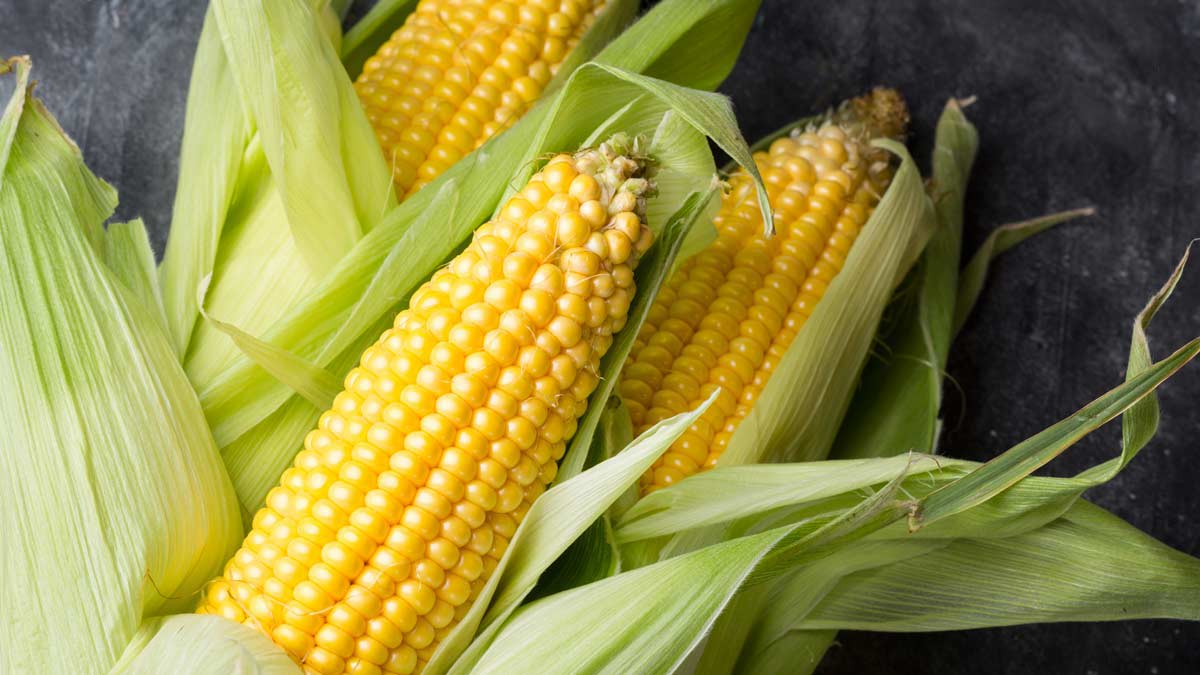
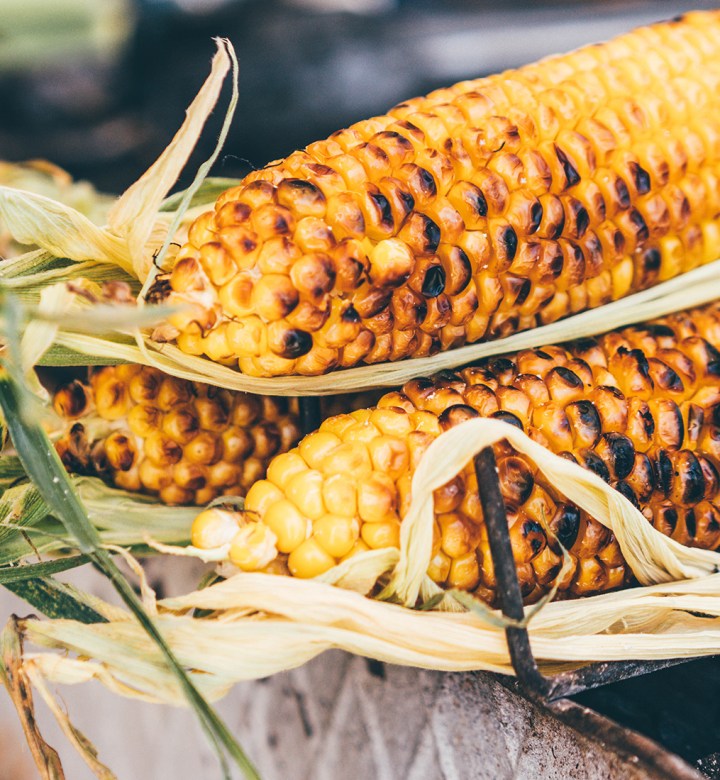
Corn. Prices for both corn and soybeans were generally low throughout 2014 to 2019, following favorable prices from 2007 through 2013, feeding primarily off the ethanol boom for corn.
“Some people thought the 2007 price boom meant a new, continuing era for higher crop prices, but it didn’t turn out that way,” Langemeier said. “By 2016, the U.S. average corn price was about $3.40 per bushel.”
For 2025, the average U.S. price was $4.10 — 70 cents per bushel higher than in 2016. The kicker comes when you consider costs of production.
“Our Purdue crop budgets showed the breakeven price to cover all costs on highly productive land in 2016 was $4 per bushel, or about 60 cents per bushel above the corn price,” he said. “Now that cost is about $5 per bushel, or about 90 cents per bushel above the average corn price. The gap is wider today than a decade ago.”
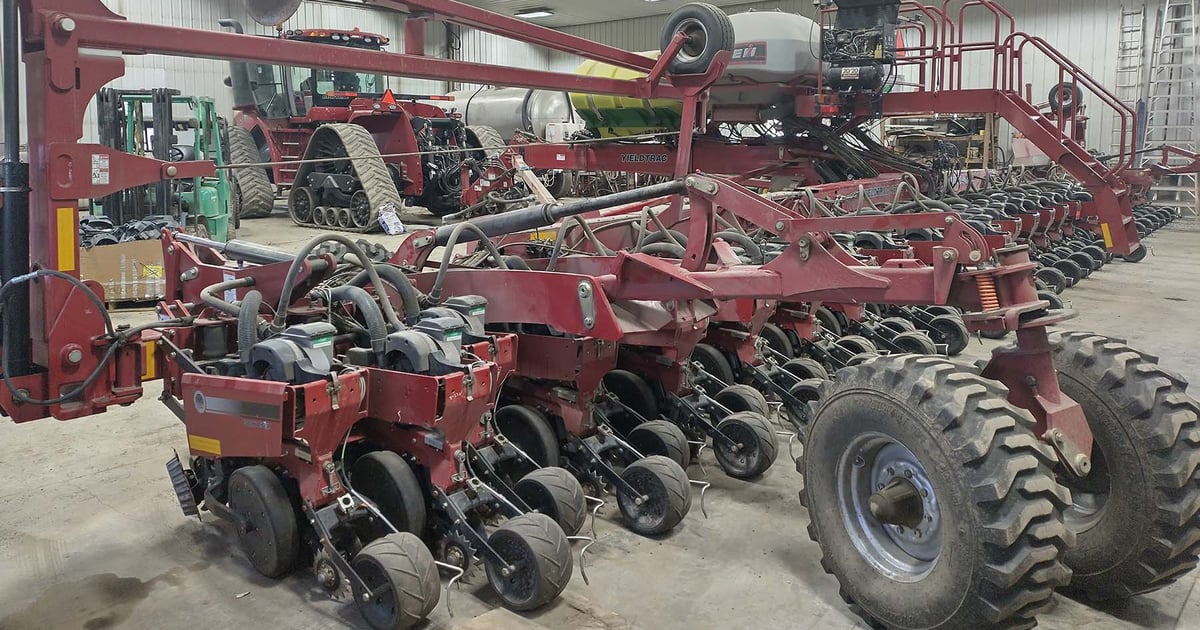
Langemeier said the budgeted breakeven price to produce a bushel of corn covers all costs, including labor and equipment. These two large ticket items represent indirect, not variable costs. Some people prepare crop budgets without including them. “You must earn enough to pay for your time and living expenses, and sooner or later equipment must be replaced,” he said.
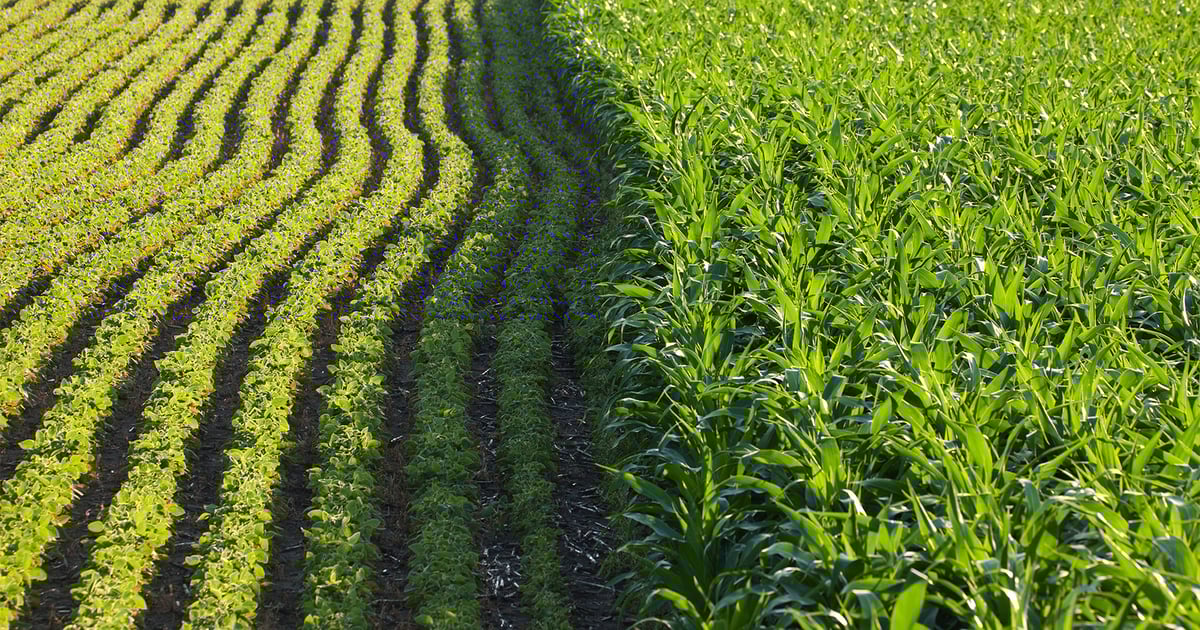
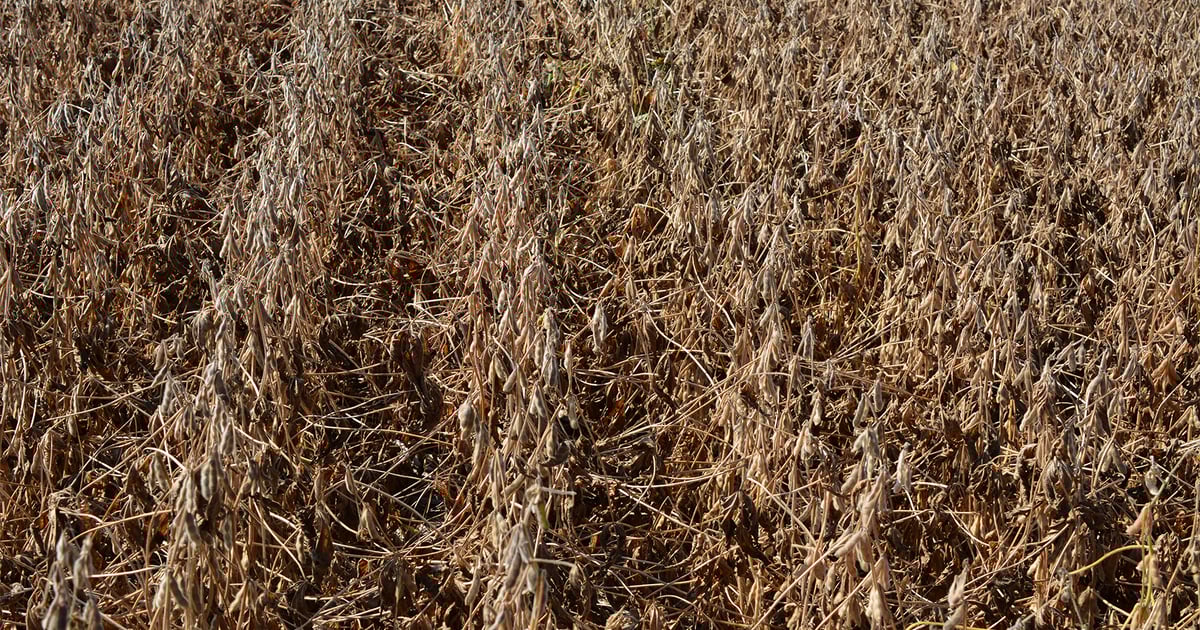
Soybeans. Prices for soybeans are also higher today compared to 10 years ago. The gaps between price and cost of production are similar, but both are still negative, Langemeier said.
Soybean prices farmers received were also relatively low in 2014-19. The 2016 U.S. average price of $8.50 per bushel compares to $10.20 per bushel coming out of 2025. In 2016, the breakeven price for soybeans was $10 per bushel, for a gap of $1.50. The breakeven price calculated in the most recent Purdue crop budget was $11.75 per bushel, for a gap of $1.55.
“The gaps are similar, but cost of production is still more than today’s soybean price when you include all costs,” he said.
Langemeier doesn’t see corn prices moving upward over the next few years, he sees some upside potential for soybean prices. “We saw this already this year when the market moved upwards on talk about more export sales of soybeans,” he said.
The difference is because the current carryout for soybeans isn’t as burdensome as for corn. The stocks-to-use ratio for soybeans is more in line with normal expectations, he concluded.