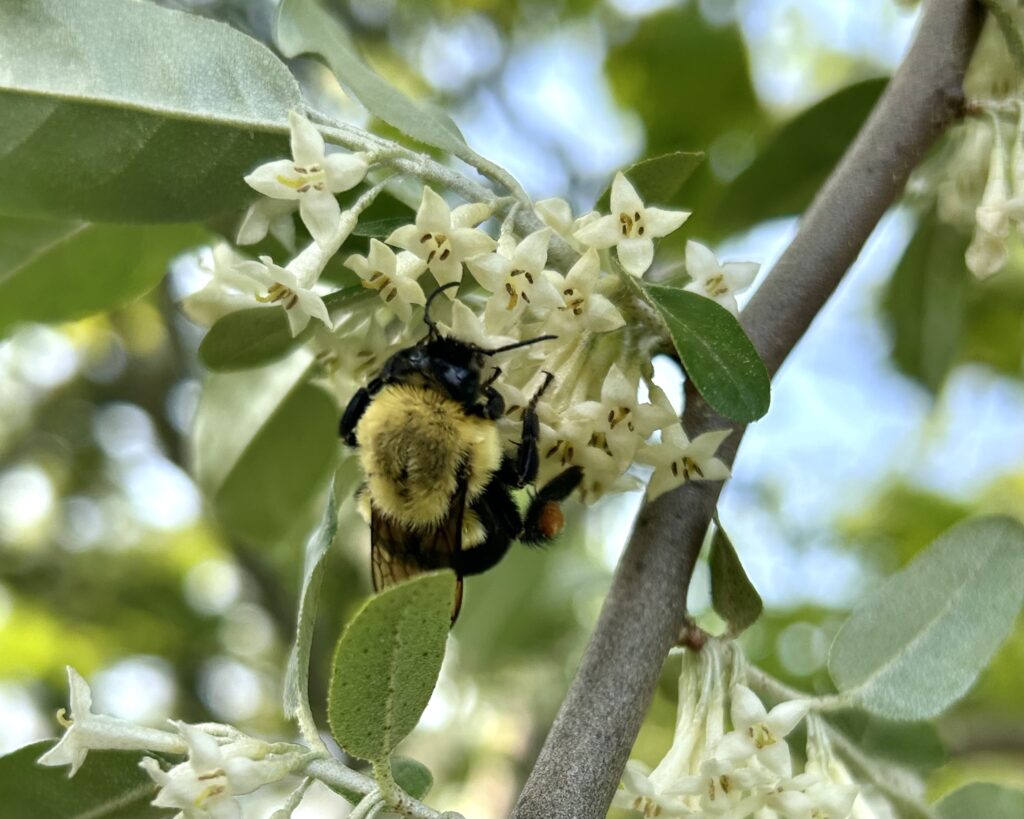
A common Eastern bumble bee pollinates a blossom. Bees are one of the off-target species that can be negatively impacted by neonicotinoid insecticides. (Photo by Molly Rains/New Hampshire Bulletin)
Amended versions of two bills intended to study or address the decline of native insect populations and insecticide spillover in New Hampshire were advanced, while a third was shut down by the House Thursday.
All three were inspired by constituent concerns about insect decline, sponsors said in September. Insects across New England and the world are experiencing downturns in their numbers, with some populations hitting critically low totals. Factors include overuse of insecticides, climate change, and habitat loss, experts said in September.
House Bill 1054, sponsored by Rep. Peter Bixby of Dover, proposed forming a study committee to assess the extent of the phenomenon in New Hampshire. But the problem is too complicated to tackle within the scope of the committee, Bixby wrote in a report after a hearing before the House Committee on the Environment and Agriculture.
“The size of this research project would substantially exceed what a study committee could achieve in two months,” he wrote.
The House voted HB 1054 inexpedient to legislate on Thursday.
Meanwhile, two bills sponsored by Wolfeboro Rep. John MacDonald aiming to address the use of neonicotinoid pesticides passed, albeit with alterations. Neonicotinoids are the most widely used class of insecticide in the U.S. The chemicals, used to kill pest insects and protect crops, can also have off-target effects on a wide range of other species, including pollinators and birds.
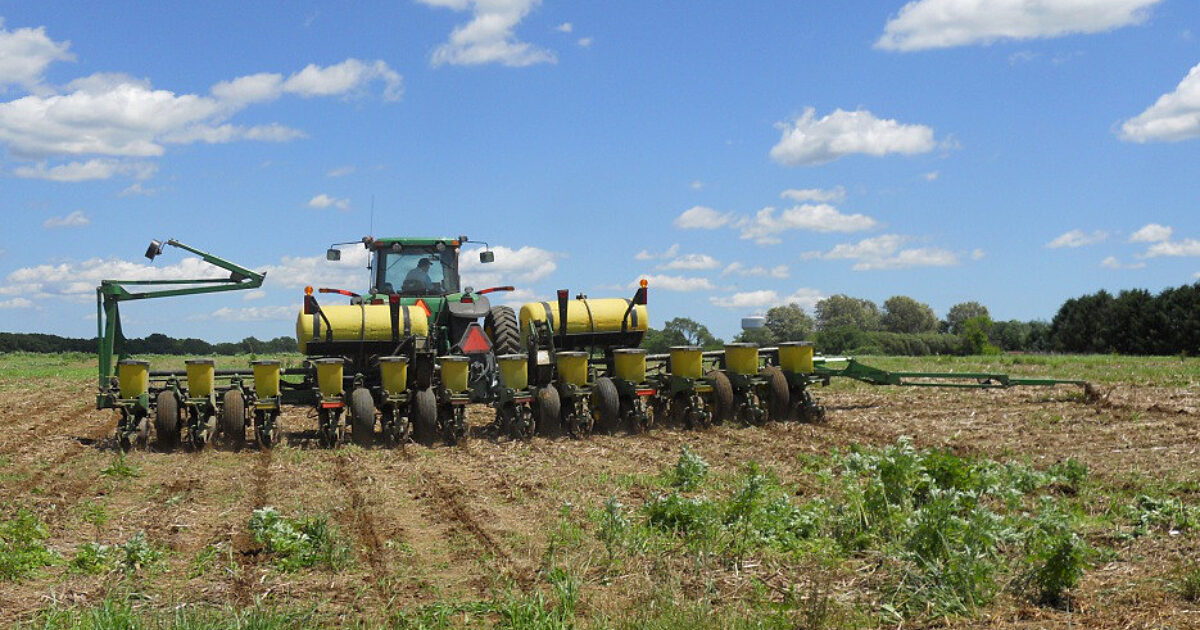
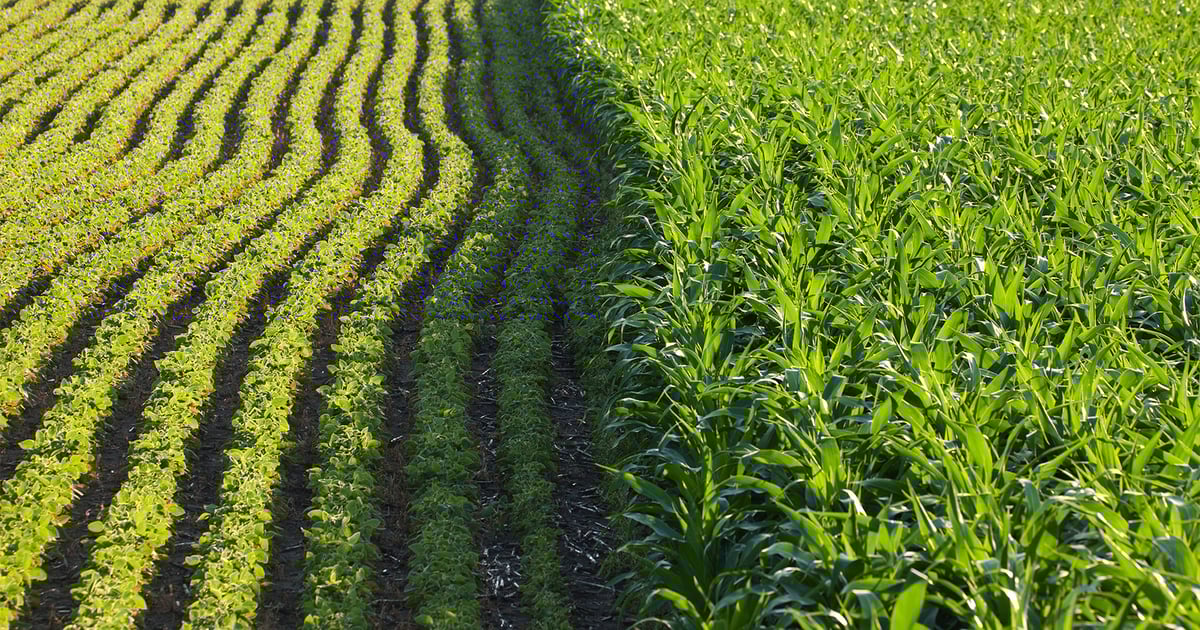
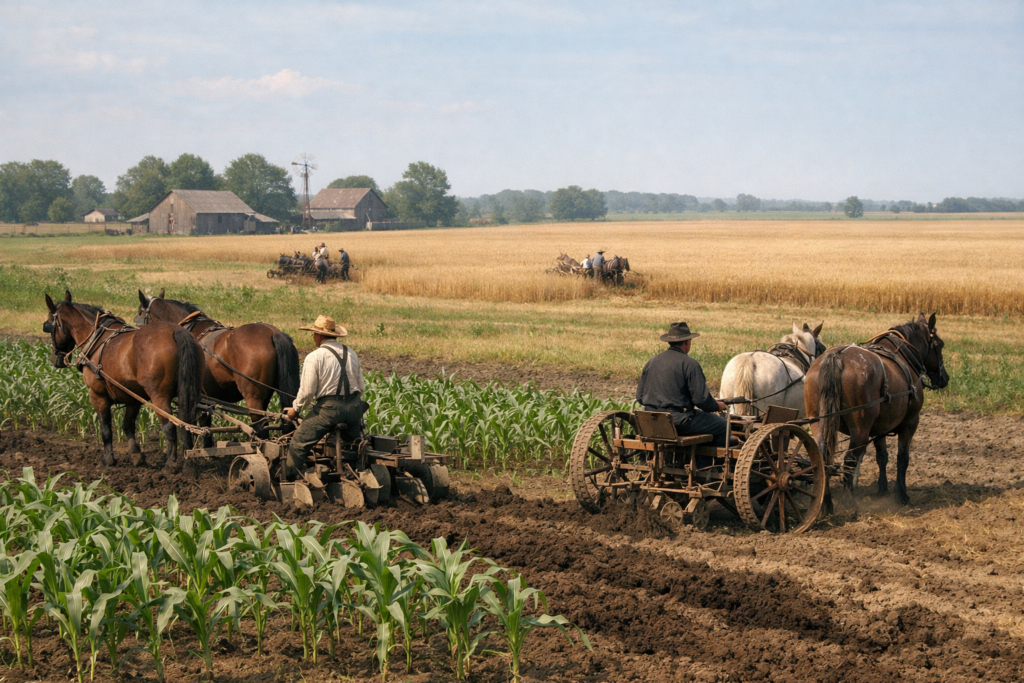
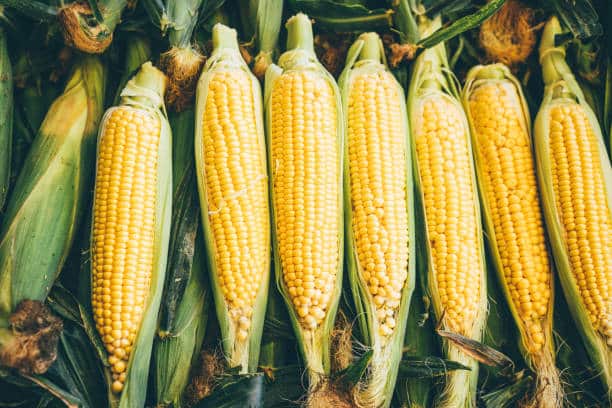
One, House Bill 1086, originally proposed banning the use of neonicotinoid pesticide seed coatings on corn, soybeans, and wheat. As amended by the House, the bill would no longer initiate a ban; instead, it would create a study committee to evaluate the outcomes of similar bans in Quebec, Vermont, and New York, including through the lenses of environmental outcomes and crop yields.
Also passed was an amended version of House Bill 1431. The bill originally called for the classification of neonicotinoid pesticides as restricted use, meaning they would be available only for purchase by licensed individuals; disallowed their use on state-owned properties; and called for an educational program to inform the public about the impacts and proper use of the pesticides.
As amended, the bill still reclassifies neonicotinoids as restricted use. However, it no longer seeks to outlaw their use on state lands, instead directing the Department of Agriculture, Markets, and Food to make rules for their use that “may” include restrictions on state land use and more. The amendment also removes the requirement for educational programming.
HB 1431 and HB 1086 will now be considered before the House Committee on Criminal Justice and Public Safety.