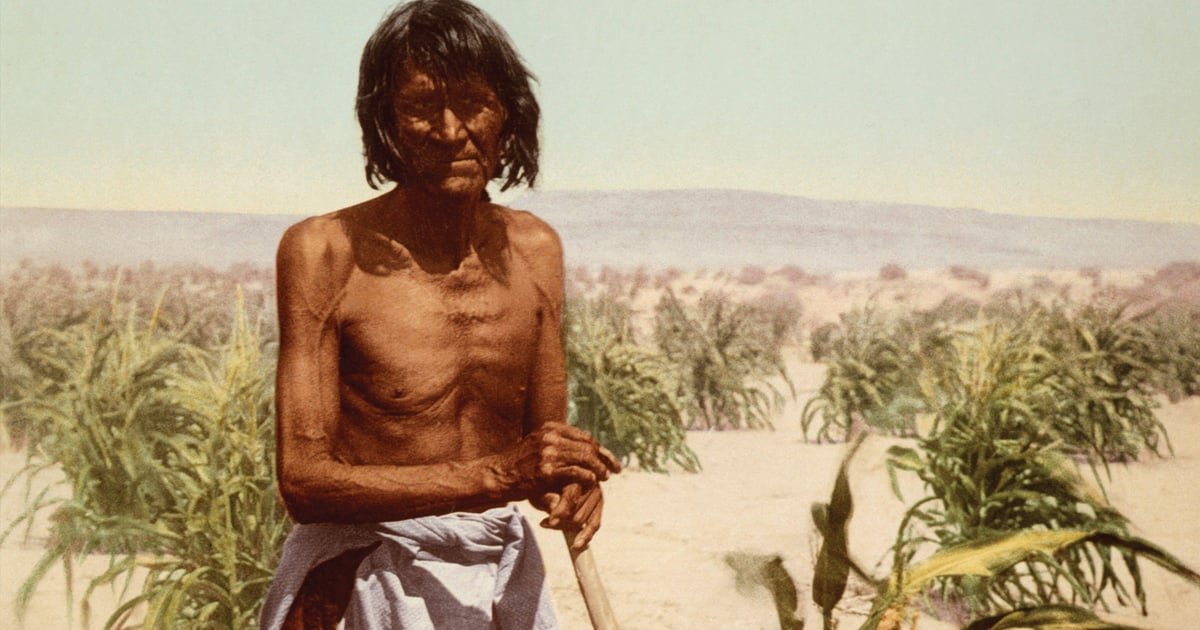
Corn’s success story didn’t happen overnight. It’s a mystery that goes way back — about 10,000 years, in fact, to ancient farmers who could be considered the world’s first plant breeders.
Corn was developed in Mexico and spread both north to the rest of North America and south throughout South America.
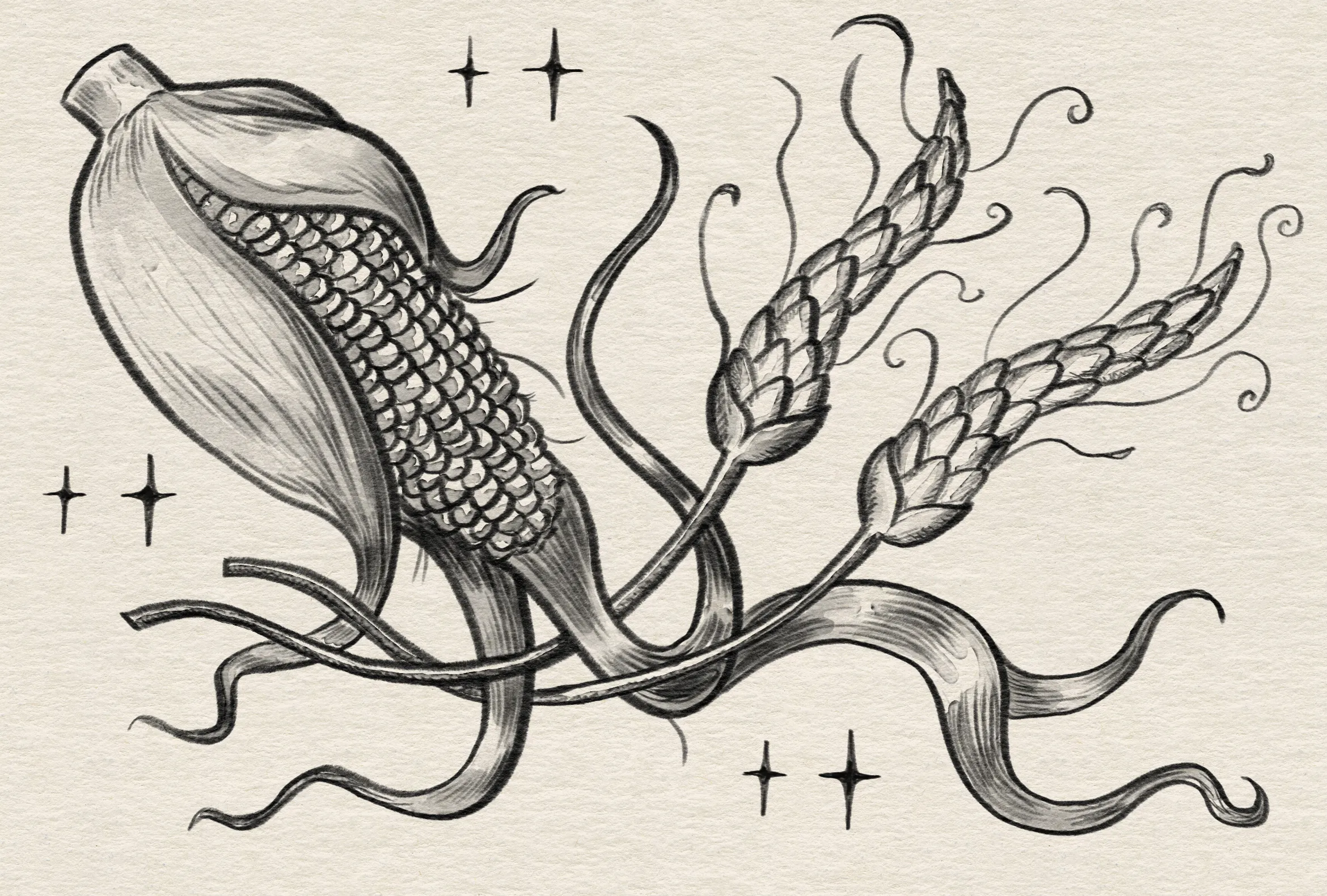
Those early native foragers, mainly farm women, gathered seeds from “cobs” off a clumpy bunch grass called teosinte. With each growing season, they would handpick and save the biggest seeds with the best traits and replant them the next year.
Sound familiar?
“They did most of the breeding and progress that’s been done in maize over 10,000 years,” said Thomas Hoegemeyer, who owned a small seed company for 35 years before finishing his career at University of Nebraska teaching students about plant breeding and genetics.
Early kernel tough to crack
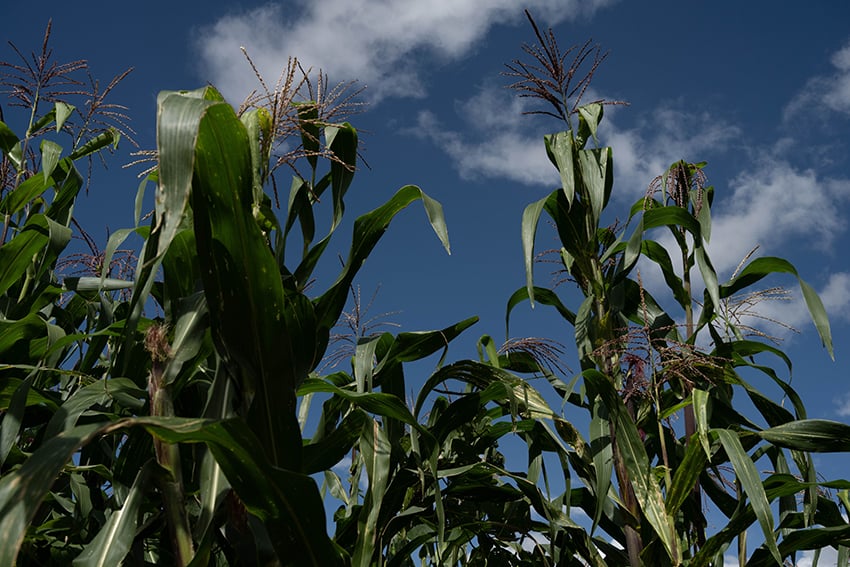
Eventually, Indigenous people migrated north and took their seeds with them. That clumpy grass evolved into today’s elegant stalk laden with ears. But it’s a wonder that maize ever actually took hold at all. Teosinte pods were covered by hard shells. Hungry farmers foraging for food had to break those shells with rocks, or put them around fires to pop them open, just to get to the seeds inside.
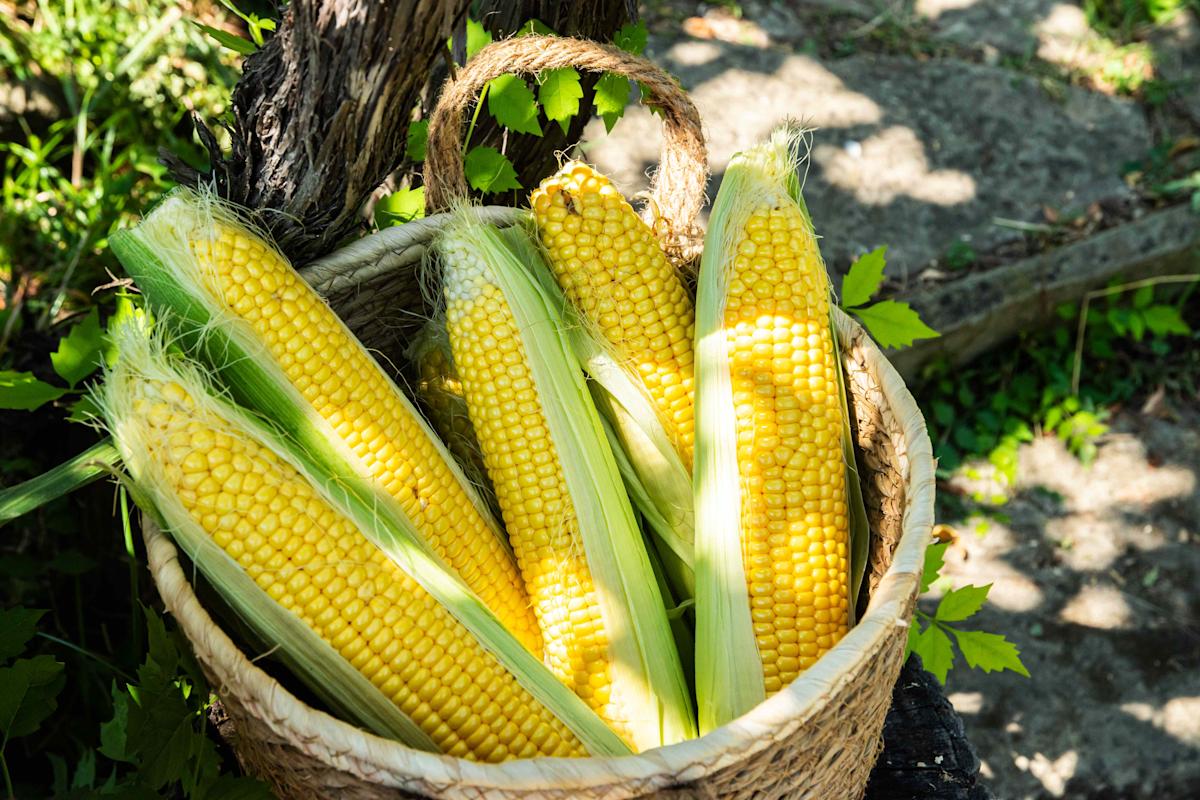
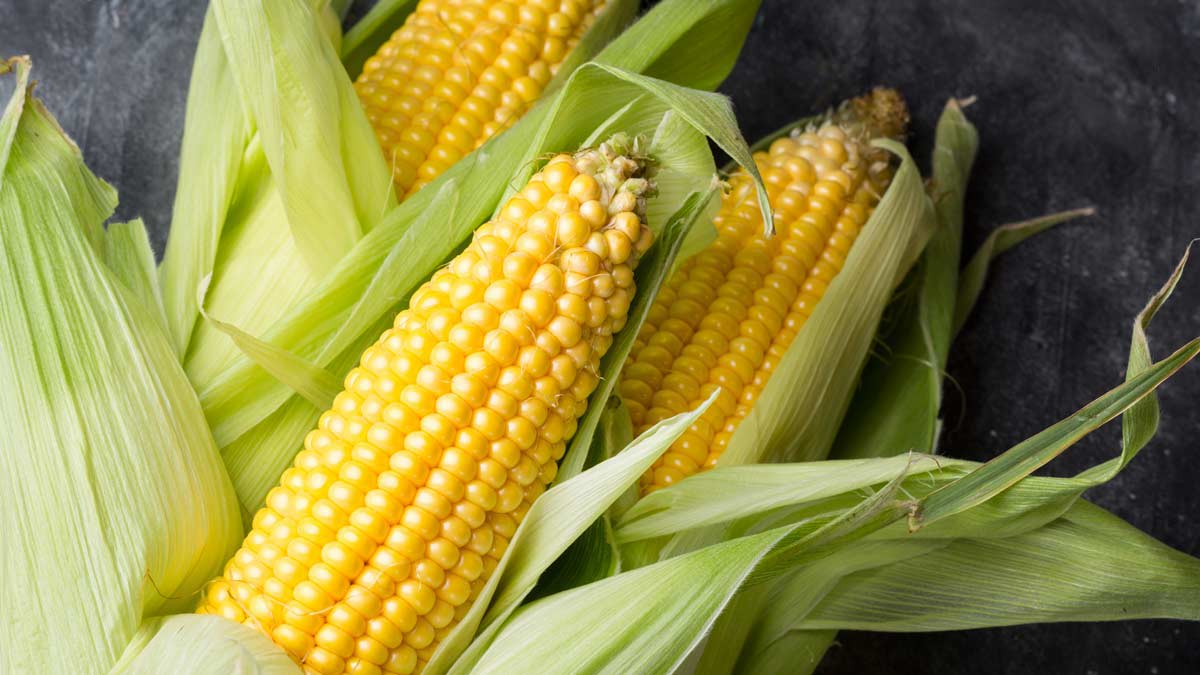
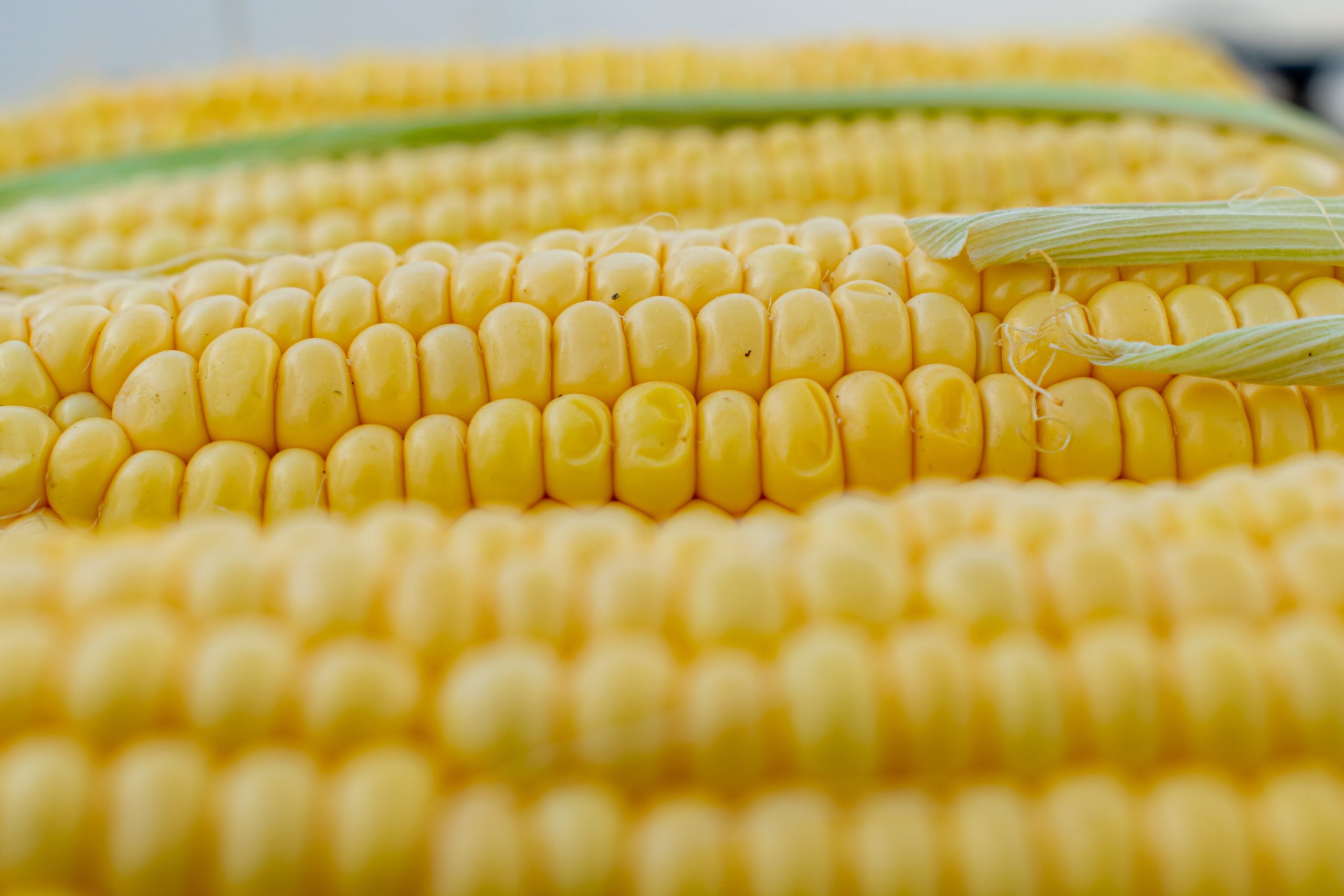
Over the next several hundred years, these Native Americans selected for mutations that, eventually, had no hard shell — just a husk. They found mutations that had a tassel on the top, and female flowers that eventually became ears, or cobs.
“What they began to breed for became a cob, and the little cups that hold each kernel used to be that whole shell,” Hoegemeyer said.
Next, they selected for a mutation that had multiple rows of kernels on each cob. This was about survival: The more kernels, the easier it was to accumulate food.
“They were trying to gather enough carbohydrates to survive,” Hoegemeyer said.
About 5,000 years later, Indigenous people began migrating north, taking their dried corn kernels with them, selecting and planting only the best seed in each new region. They entered the southwestern U.S. and spread across the southern regions before moving north up the Mississippi River Valley and into the Atlantic and mid-Atlantic regions.
3 sisters
“Indigenous people grew maize in a system called the Three Sisters, where maize, beans and squash grew together,” said Mark Licht, Iowa State University Extension and Outreach agronomist. “Maize provided a stalk for beans to grow up on, beans provided nitrogen for the maize and squash, and squash shaded the soil to suppress weeds and retain soil moisture.”
Maize was popular because it was a high-calorie food source that could sustain communities throughout the winter. It was so valued that Indigenous people would trade it for textiles and pottery, ushering in the early days of capitalism and economic security.
Many kinds of corn came north in tribes such as Sioux, Lakota and Pawnee. The Caddo Tribe, known for its large ceremonial mounds, moved to what is now known as Kansas, Nebraska and parts of Iowa, bringing corn with them.

NAVAJO HARVEST: This Navajo farmer has just started harvest with ears she has picked from ripe stalks. (Corbis/Getty Images)
The Arikara Tribe led the last tribal movement north to North Dakota. They were skilled corn farmers who relied on the crop for sustenance and trade. They were also the first Plains tribe to battle the U.S. Army in 1823.
Between sickness, infighting and wars with the U.S. Cavalry and settlers, Native Americans faced an unwinnable battle. But their farming legacy remains. Teosinte yielded a fraction of today’s modern corn yields, but the methods for improvement stand the test of time.
“We have these early plant breeders to thank for the practice of selecting what works in whatever environment they were in,” Hoegemeyer said. “That’s why we today encourage farmers to do field trials to learn what works best on their farm.”
Thanksgiving origin
Seeking gold, Spanish conquerors set out in the 1500s to explore the Americas. In 1620, another group landed in North America, seeking not gold but religious freedom. Both groups crossed paths with Indigenous people who grew corn.
In the South, the corn was the southern gourd seed, a big productive variety limited by the need for a long growing season.
In the North, they grew eight-row northern flint, known for its fast maturity. This is the corn Squanto, an English-speaking Wampanoag native, likely planted when he taught the Plymouth settlers how to grow corn with fish as fertilizer.
Eventually, the two races of corn were crossed to form what was called “Corn Belt dent,” said Lance Gibson, agronomy training manager for Corteva Agriscience.
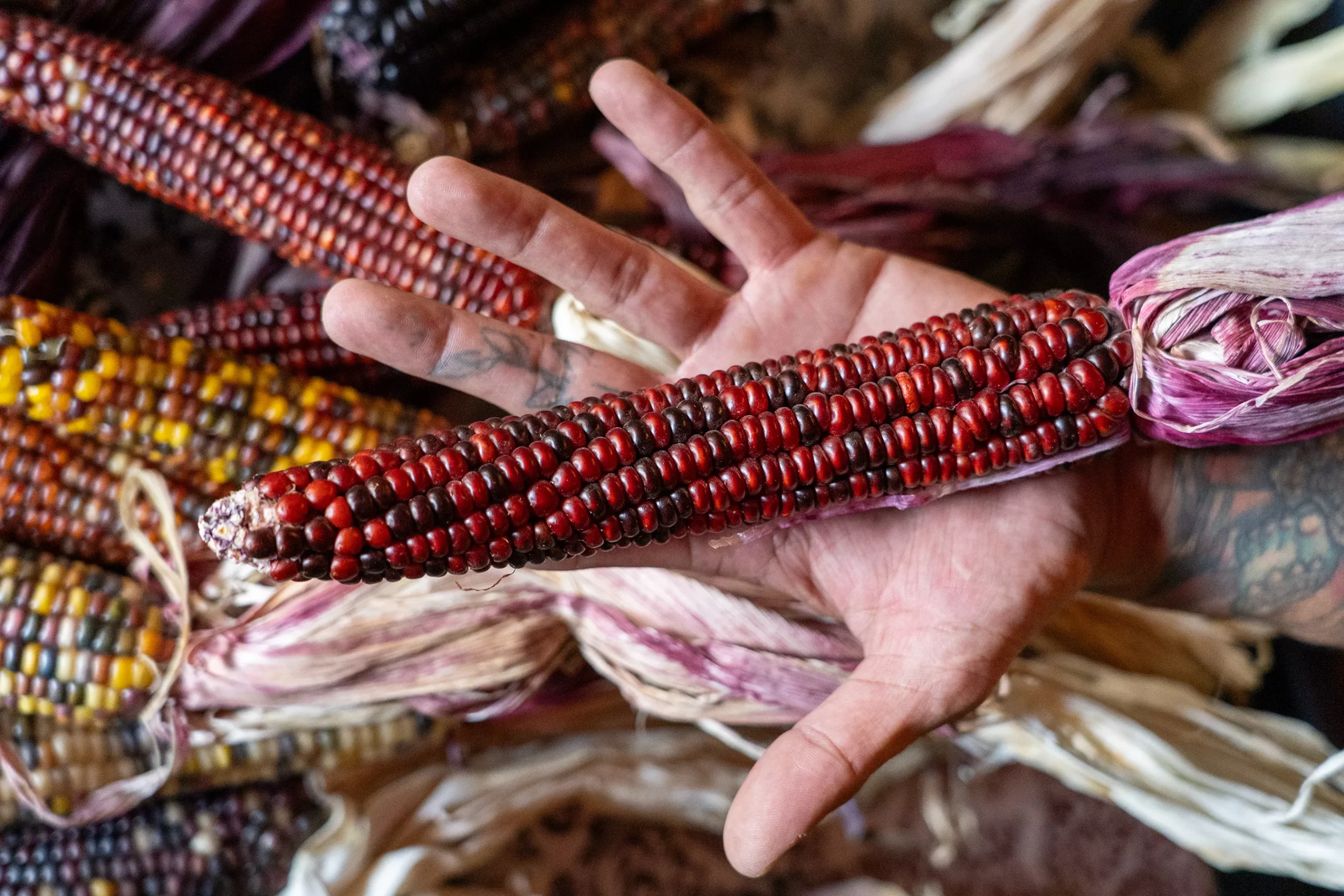
“Farmers adapted that seed and developed their own varieties in the late 1800s and early 1900s,” Gibson said. “They took it westward as they settled in places like southern Ohio, Indiana and Illinois, where the Reid yellow dent variety was created.”
Along the way, they selected traits for shorter-maturity dates, better germination and higher productivity.
“Crosses between those two races is really the majority of what’s planted now, not just in the U.S. but also worldwide, in terms of germplasm,” Hoegemeyer said.
“If you farmed in Virginia and moved to Ohio, you would take your best seeds with you and select for productivity,” he said. “You would plant them out the next year. Basically, each farmer was his own corn breeder.”