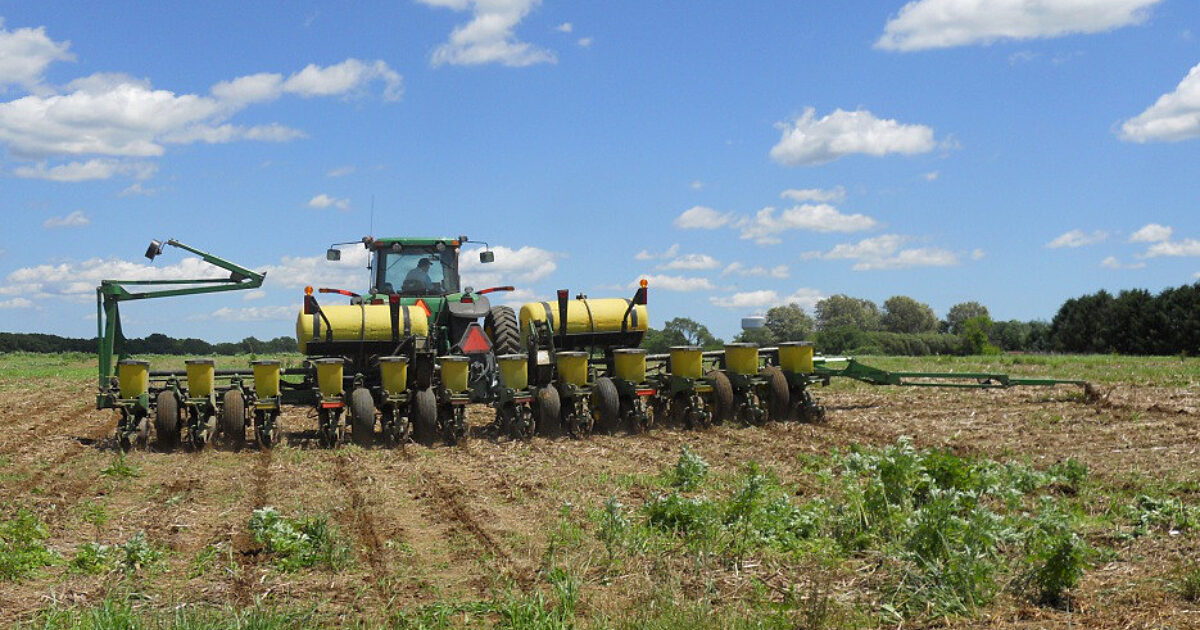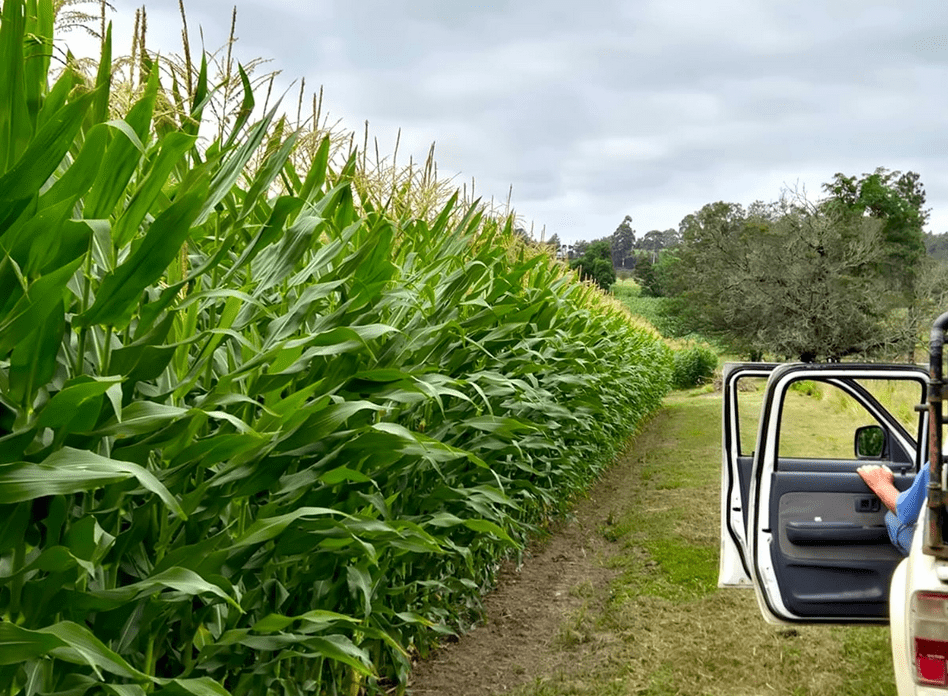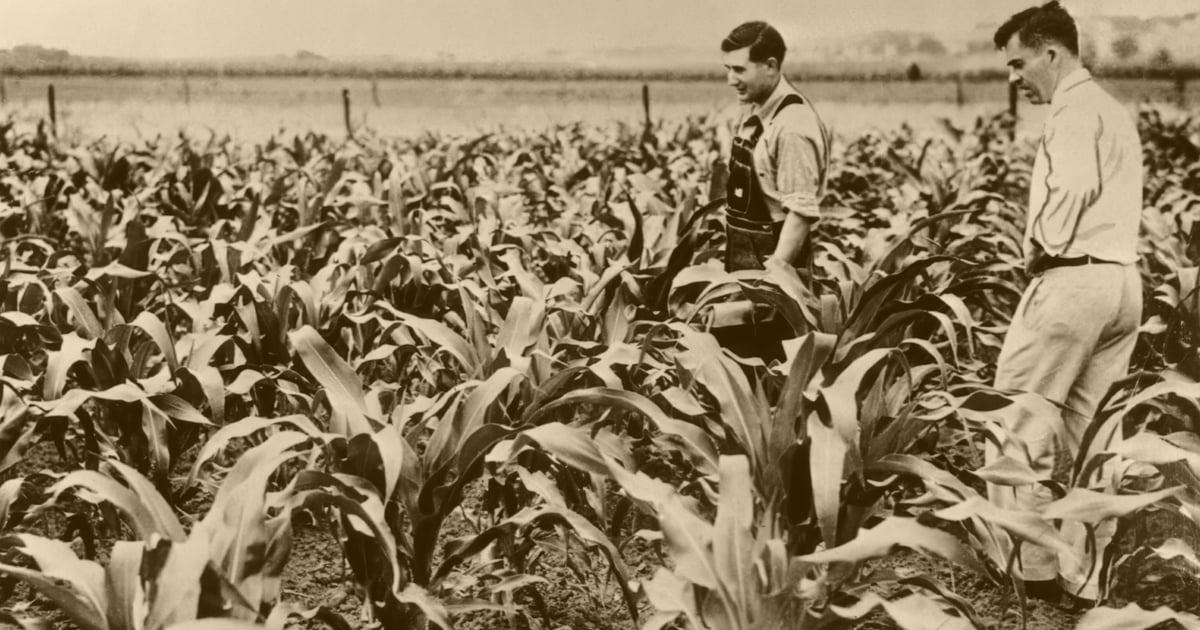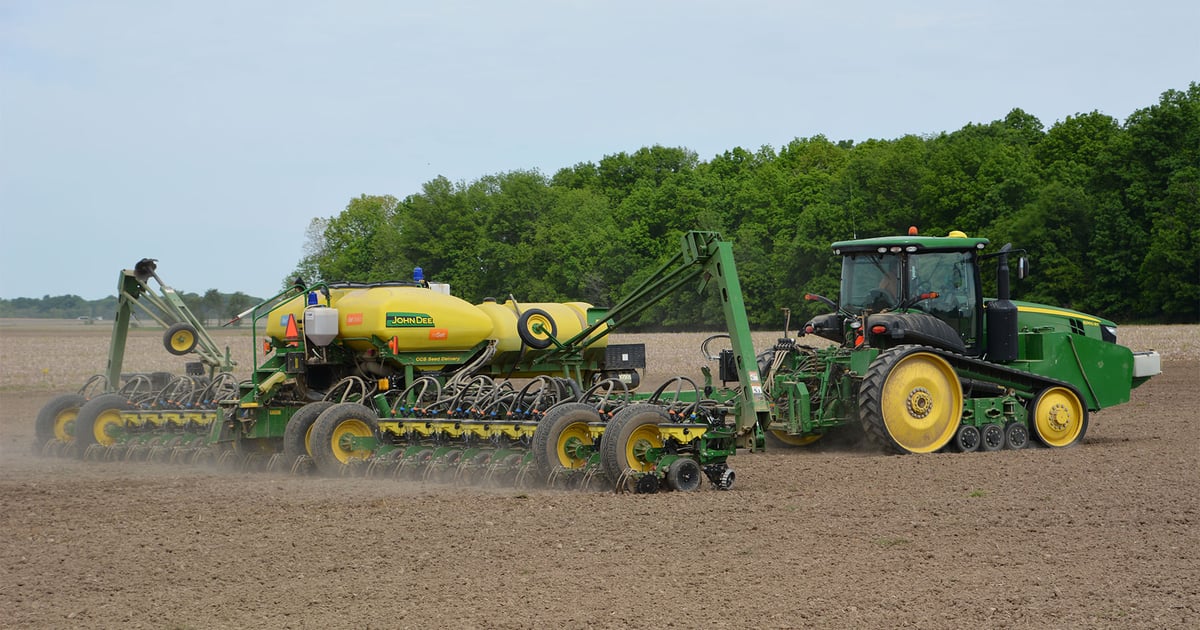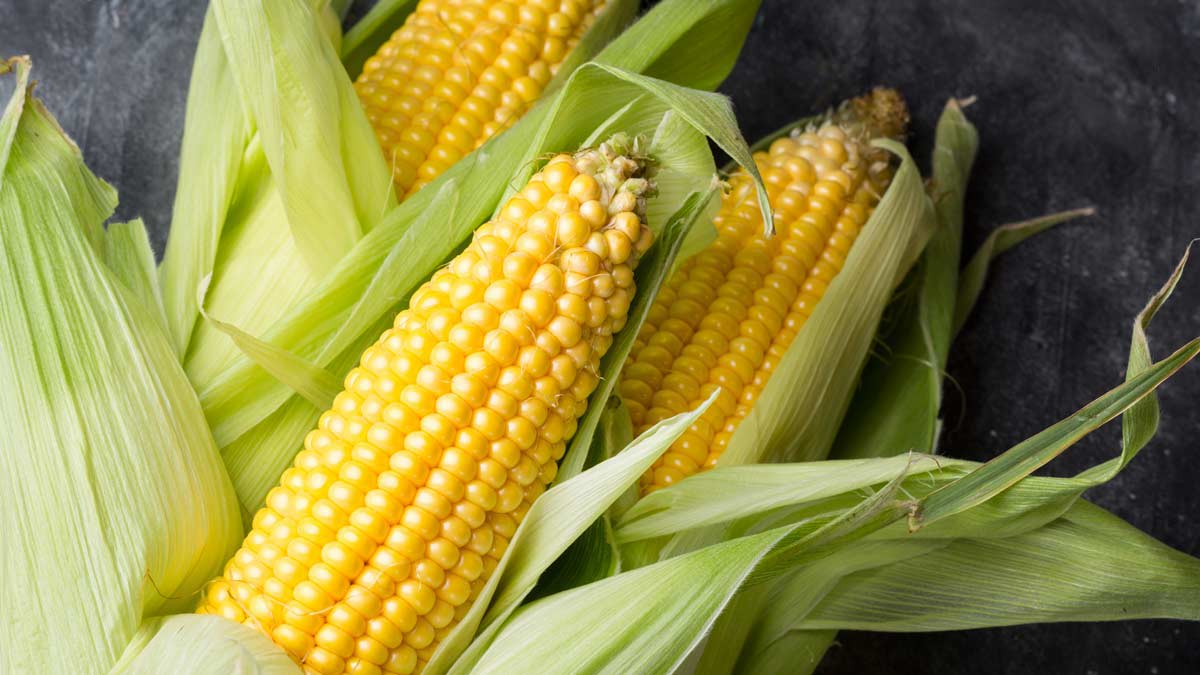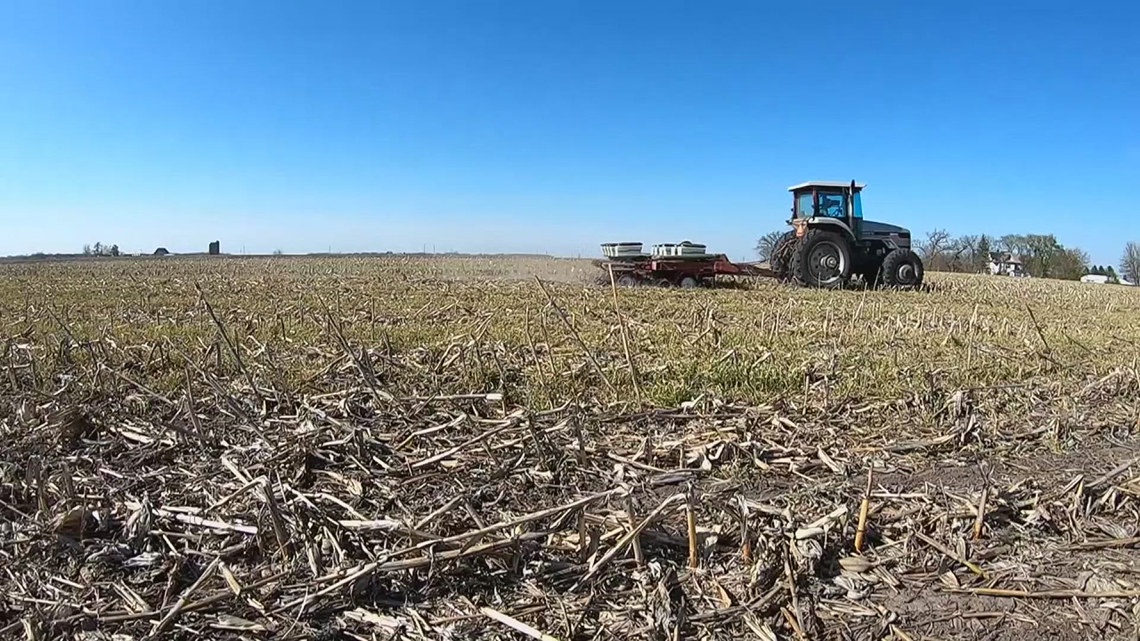
There are several reasons farmers might choose to plant continuous corn. With advancing technology and attention to market signals, planting corn after corn can be beneficial for the farm.
However, every growing season brings challenges. For farmers planting continuous corn, one common issue is mitigating volunteer corn in the field.
According to a survey conducted by the University of Nebraska-Lincoln, volunteer corn ranked among the top seven weed concerns for 1,000 Nebraska farmers surveyed.
“Producers and crop consultants are seeing this in the field, and it can come from a variety of sources,” said Adam Leise, director of UNL’s on-farm research program. “Harvest efficiency is the main route that volunteer corn is getting into our fields.”
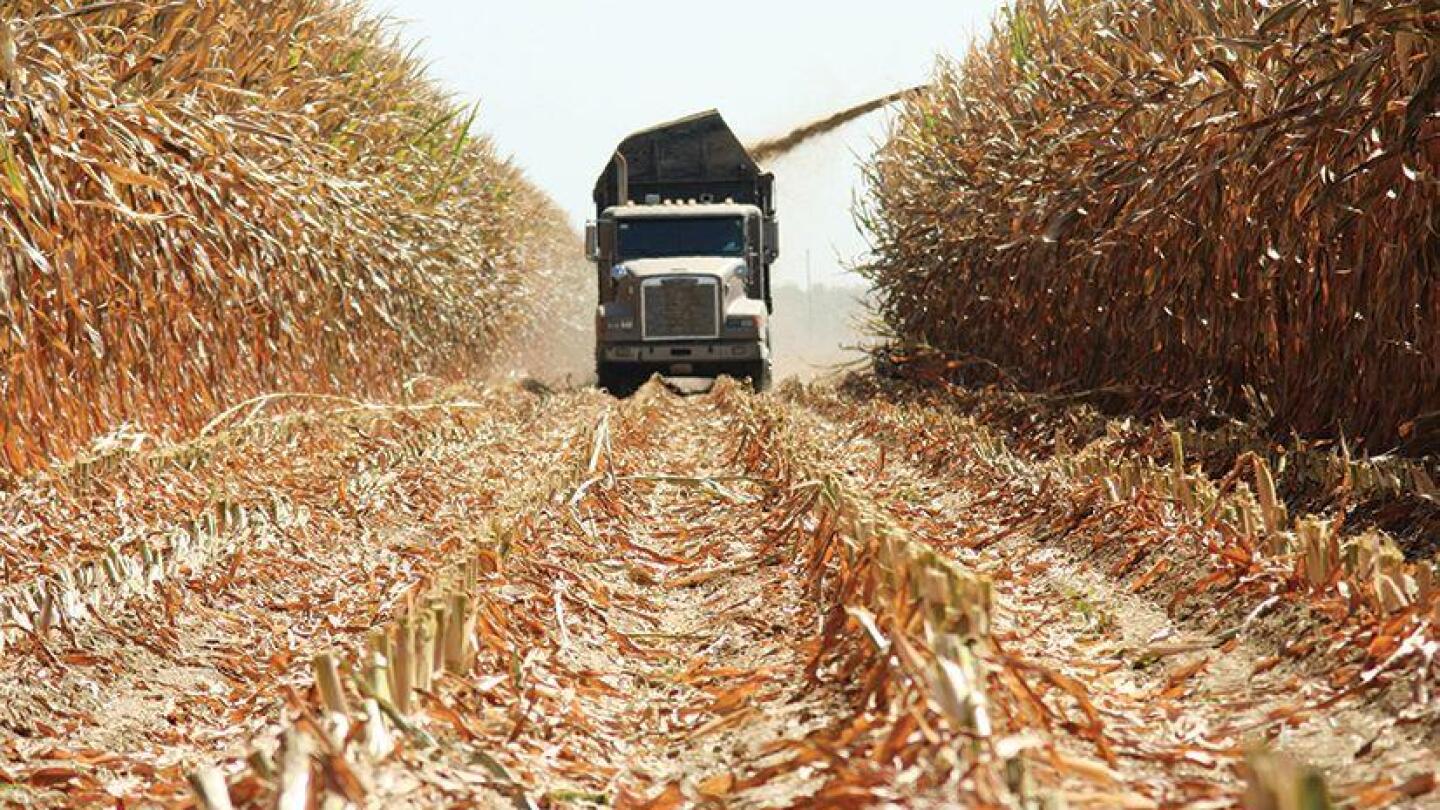
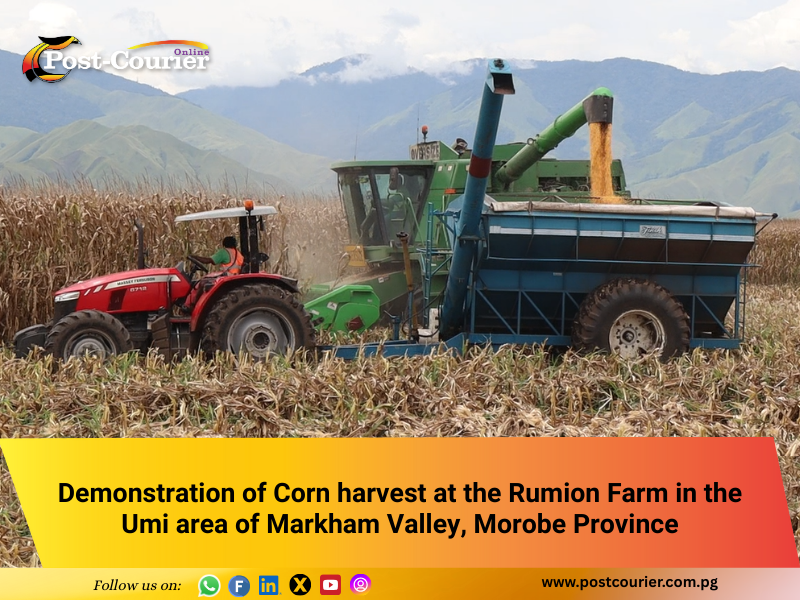
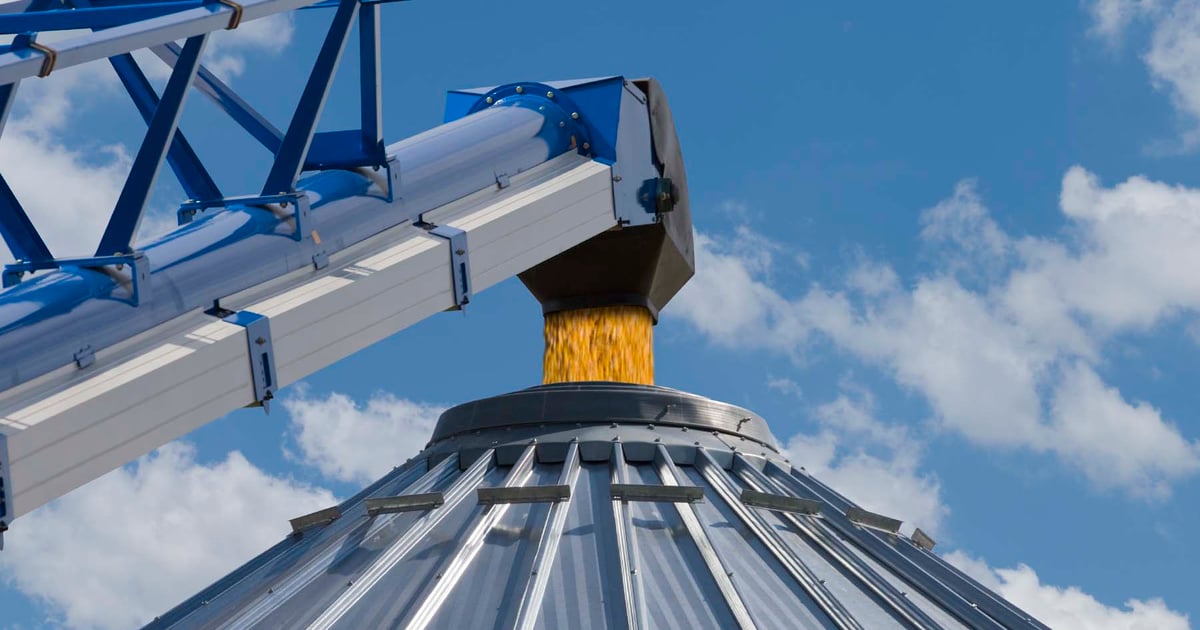
While producers aim for high harvest efficiency, some corn inevitably remains in the field and emerges the following season. Leise also noted that heavy winds from the previous year contributed to more corn being left behind. Additionally, corn spilled during transfers to grain carts or semis can create problems in subsequent years.
Effective control
What are the best ways to mitigate the yield loss caused by volunteer corn? The solutions include using chemical controls, rotating crops or employing dual-tank spraying technology. Here are some suggestions:
Using Assure II in Enlist corn. “When we try to control volunteer corn in soybeans, we typically look at Group 1 herbicides like Clethodim, Fluazifop, Quizalofop or Sethoxydim,” Leise said. “These herbicides are highly effective at controlling grassy weeds or volunteer corn and are cost-efficient. Controlling volunteer corn in corn is more challenging. One of the newer corn traits on the market is the Enlist corn variety.”
Enlist E3 hybrids feature multiple herbicide-resistant traits, allowing them to withstand the herbicide Assure II. Research conducted at the South Central Ag Lab near Clay Center, Neb., found that using Assure II on Enlist corn provides effective control of volunteer corn.
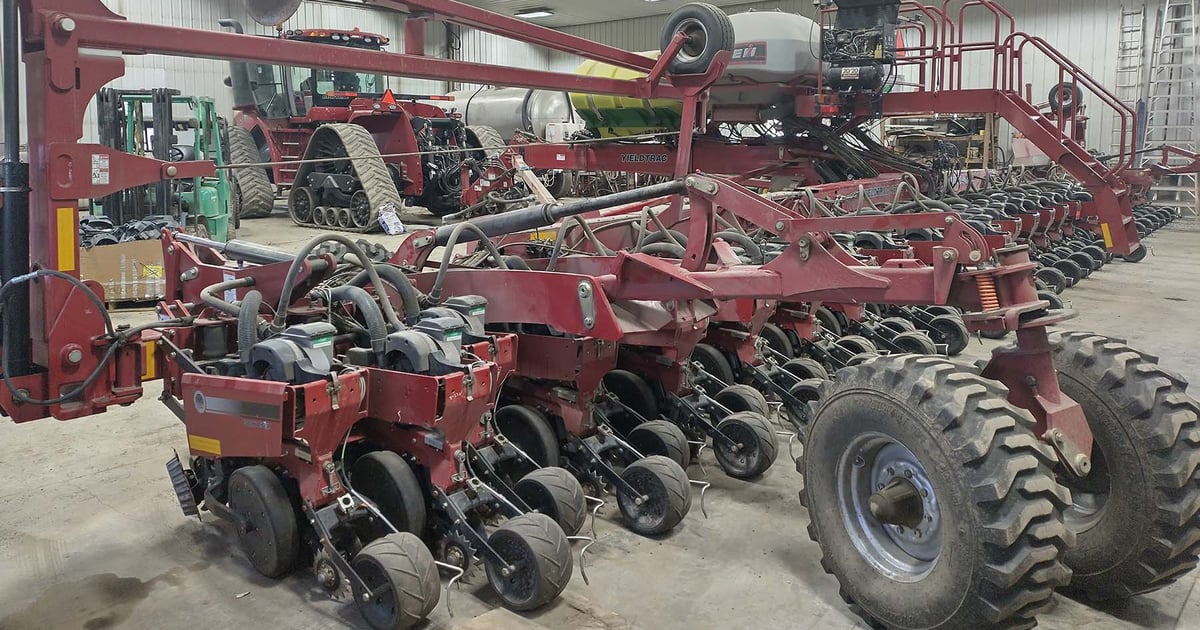
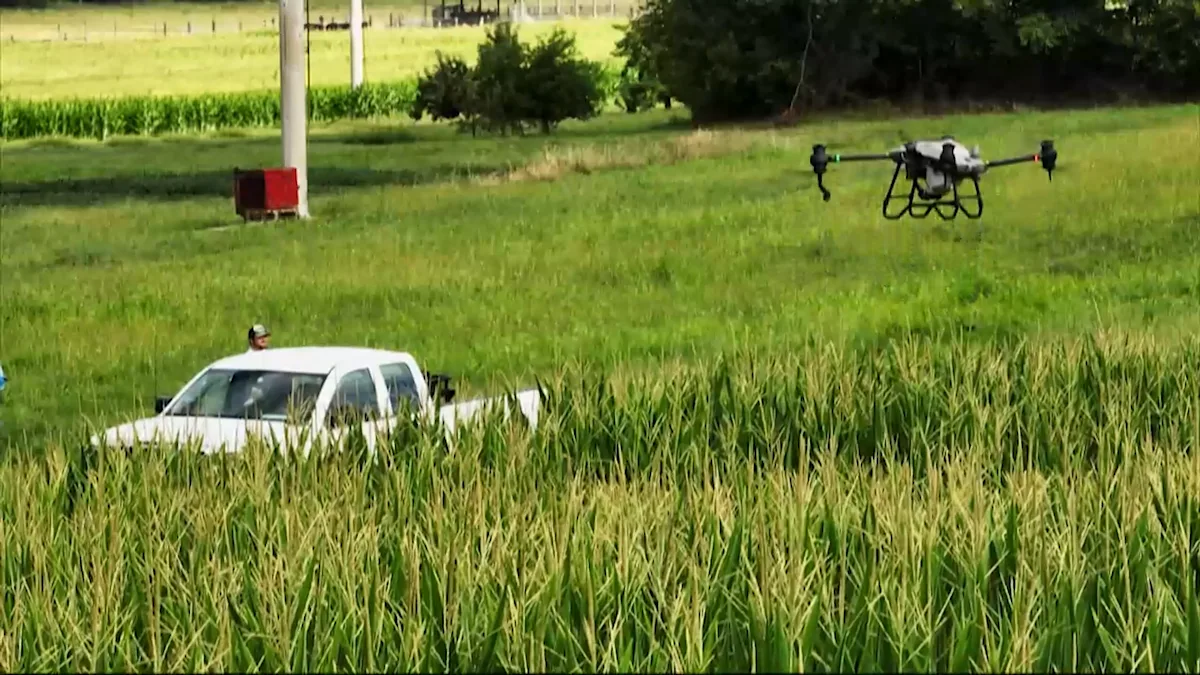
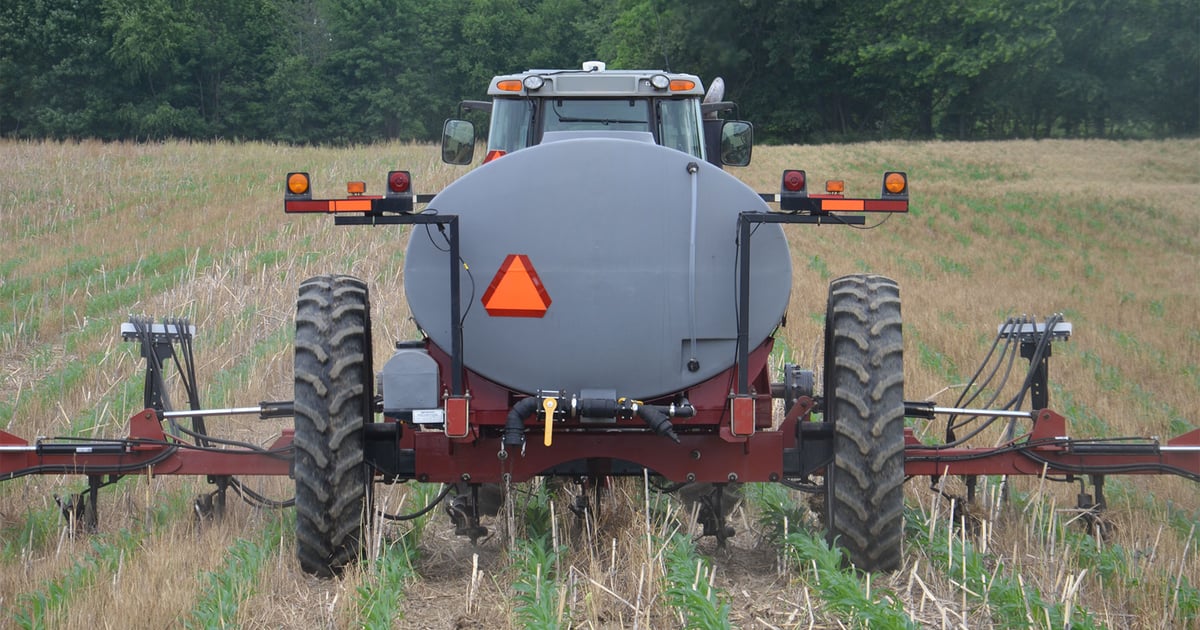
Utilizing dual-tank technology. With new precision ag equipment hitting the market, it can be effective to utilize dual tanks to reduce herbicide antagonism.
“When we start mixing our Group 1s with other, say, broadleaf herbicides, that herbicide antagonism really can affect that grass herbicide efficacy,” Leise said.
Leise shared that there are different ways that mixing herbicides can be harmful to the plant. The herbicide compatibility can be found by doing a simple jar test. On the flip side, understanding physiochemical incompatibility is also important.
“As those herbicides are interacting on the plant, there’s something going on there that’s decreasing their mode of action,” Leise said.
By having the ability to use dual-tank technology, herbicides applied can bring higher efficacy in fighting off volunteer corn.
Setting up a good rotation. No matter what weed problem farmers are facing in their fields, having a good crop rotation can mitigate some of these headaches.
Leise proposes a six-year crop rotation plan that is set up to better control volunteer corn in corn:
Year 1. Food-grade white corn or popcorn
Year 2. Roundup Ready corn with glyphosate
Year 3. Liberty Link corn with Liberty
Year 4. Roundup Ready or Liberty Link corn
Year 5. Enlist corn with Assure II
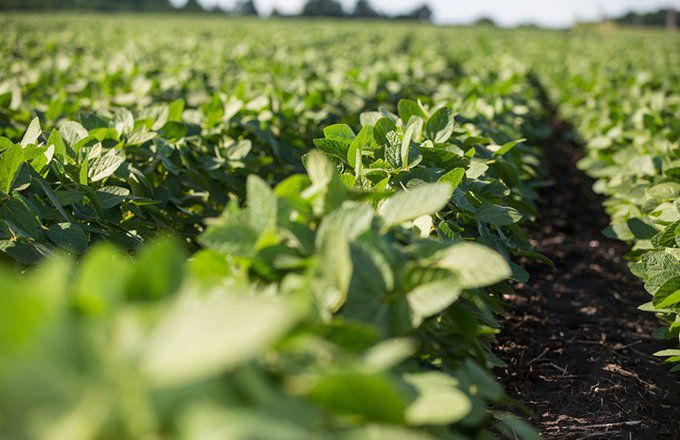
Year 6. Soybeans with a DIM-based herbicide like Select Max
“This is a real-world scenario where you can choose your herbicide program,” Leise said. “I encourage all of you to think two to three years ahead. Consider what herbicide resistance traits might already be in your field and how they could impact the herbicides you choose today.”
By planning ahead and being mindful of herbicide resistance built up over time, farmers can better manage volunteer corn and protect their yields.
Learn more at on-farm-research.unl.edu.