Flour or corn?
It’s one of the most important decisions that the millions of us who live and die by L.A.’s Taco Life make every day.
It is a question that is equal parts privilege and sweet daily torment as we navigate our tortilla-and-salsa-filled lives, whether we’re eating breakfast at home or out in the street seeking late-night salvation.
In any other city in the U.S., asking “flour or corn?” is usually a simple either/or question, with an obvious right answer. Depending on what you’re eating.
In our city of masa, where the average Angeleno body is at least 1/3 tortilla and both options are executed at such an absurdly high level of quality, your quandary is simply the beautiful burden of living in what is undeniably the tortilla capital of the United States.
Los Angeles doesn’t just have good tortillas—it has an embarrassment of riches. The city’s massive and incredibly diverse Mexican and Mexican-American population has created a landscape where regional traditions from Oaxaca, Michoacán, Guerrero, Sonora, Sinaloa, and Jalisco all flourish side by side, often evolving into something new that’s distinctly of Los Ángeles.
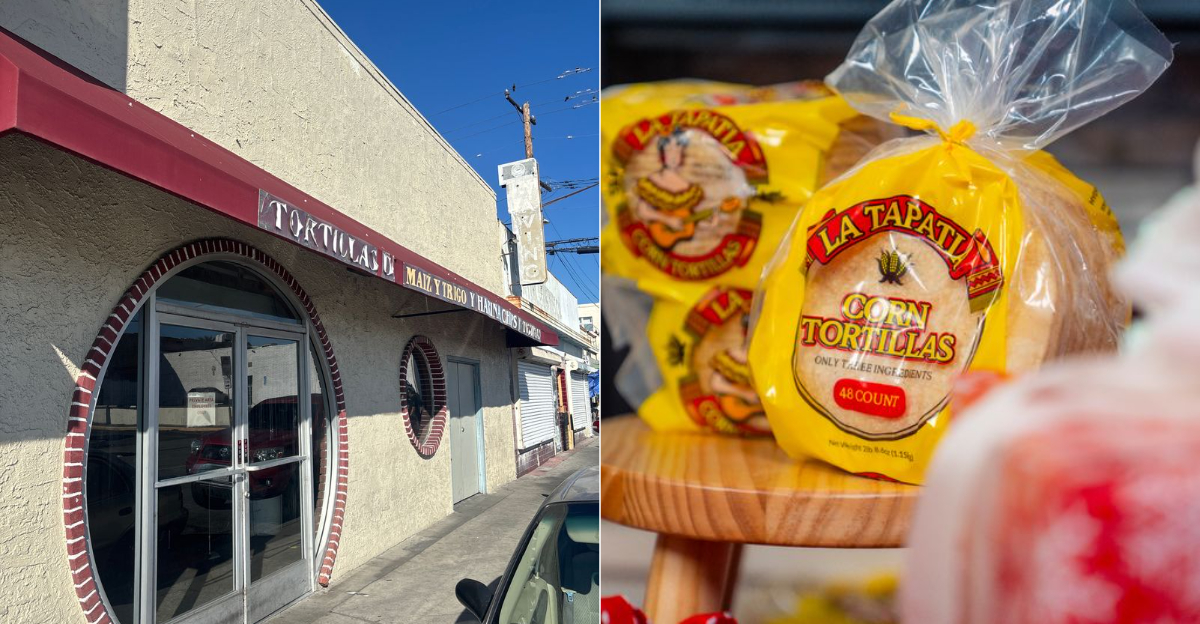
From artisan molinos in South Central to high-volume tortillerías in Boyle Heights to family-run restaurants in the San Fernando Valley, the sheer density and quality of our tortillerias are unmatched anywhere else in the country.
What truly separates L.A. is the obsessive attention to the craft of tortillas. While other cities might have one or two places with standout tortillas, or a handful if they’re lucky, here you can throw a rock in almost any direction and hit someone making tortillas by hand—with real nixtamal for corn tortillas or freshly milled wheat for flour tortillas.
The ingredients are better, the techniques more refined from generational recipes emphasizing flavor and texture, and the competition is fiercer. New York has bagels, Chicago has deep-dish, Texas has barbecue, but when it comes to tortillas, Los Angeles is playing a completely different game.
It’s our geography and collective memories of the formerly Mexican land that modern-day Los Angeles was built over, with history and culture colliding in the best possible way. We became a tortilla capital thanks to the constant flow of immigrants unwilling to compromise the quality of their staple foods, refusing to settle for the Wonderbread-ification of the corn tortilla via ubiquitous, packaged brands like Guerrero and Maseca flour, which are pumped full of preservatives and GMO corn.
The recent access to heirloom corn varieties through direct relationships with Mexican farmers and their transparent B Corporation distributors, such as Tamoa, has brought with it a handful of craft molinos to the city.
The demanding palates of millions of daily taco eaters in L.A. are forcing every tortillero and taquero to level up. The result is a city where you’re more likely to find a tortilla given the same amount of respect and dignity as the meat and salsa that make up the rest of the taco.
So, before we crown specific temples of tortilla excellence, it’s worth slowing down to understand what actually makes a corn tortilla or a flour tortilla exceptional in the first place. Because once you know the anatomy of tortilla greatness and the proper way to bring these creations back to life at home, you’ll soon realize that life is way too short for middling tortillas.
How Los Angeles Became a Tortilla Capital, With Gustavo Arellano
Los Angeles has been hailed as the United States’ Mexican food capital after snatching the title from San Antonio in the 1950s, according to Gustavo Arellano, author of “TACO USA” and the host of KCRW’s Great Tortilla Tournament.
Our powerful tortilla culture helped solidify this honor, one that the city wears with deep integrity as L.A. chefs serve as the country’s leading tastemakers of diasporic Mexican cuisine.
“L.A. is . . . where you start seeing these innovations happen first, and then the rest of the country just follows,” Arellano tells L.A. TACO.
Arellano attributes this hefty reputation to the state’s “early history,” namely the Mexican Revolution’s function as a catalyst for immigration. This rich history has paved the way for movements like the explosion of heirloom tortillas, guided by cultivators like the ones behind Kernel of Truth, established in 2014, and Chef Carlos Salgado from Taco Maria, established in 2013.
Despite widespread belief that flour tortillas are disingenuous compared to their corn counterparts, restaurants and tortillerías have shown that flour tortillas most definitely have a home in L.A. restaurants like Burritos La Palma and Sonoratown. Even HomeState has been lauded for its own.
According to Arellano, the biggest challenge for local tortillerías is competing with the tortilla products megacorp GRUMA. They are the Mexico-based manufacturer behind the most common tortilla brands, Mission and Guerrero.
“They constantly undersell other tortillas because people want to save as much money as possible, so they’ll undercut people by a buck or whatnot,” Arellano says. “It’s sad because [when] you go to a place like Northgate or Cardenas or Superior, places that make their own tortillas, there’ll still be a huge display for Guerrero tortillas. Because that’s the bestseller, because people think somehow that’s the most authentically Mexican one, even though it’s the most disgusting one.”
Arellano told L.A. TACO that tortillerías have existed throughout Los Angeles since the 1930s, and buyers usually stick to the ones within their neighborhoods. ~ Julianne Le
“In that sense, that helps out tortillerías, because tortillerías focus on trying to attract locals instead of trying to be everything for everyone,” Arellano says. “So, that’s why you have all these tortillas that a lot of Angelenos have never heard of, even if they’ve lived in L.A. their entire life.”
In East L.A. alone, you can find tortillerías that have become pillars within their bubbles, like Acapulco and Miramar, Arellano tells us. Even Los Cinco Puntos, a Boyle Heights carnitas destination established back in 1967 makes their own corn tortillas in-house.
With local tortillerías nearing a century of operation and more chefs serving handmade tortillas, it’s clear that L.A. has developed a rich culture around this famously overlooked, under-loved ingredient.
Here’s our guide to what makes a great tortilla and where to find them in L.A.
The Anatomy of a Good Corn Tortilla
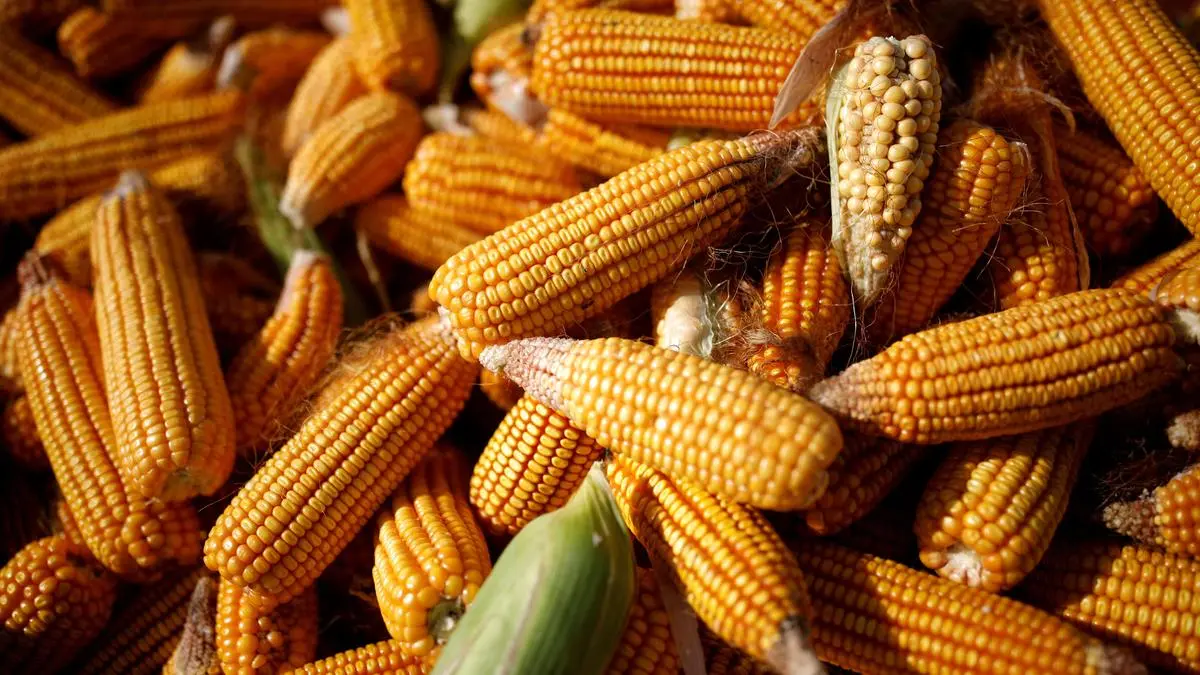
All great corn tortillas are direct descendants of the first masa to ever be slapped on a hot rock some 10,000 years ago in Mexico.
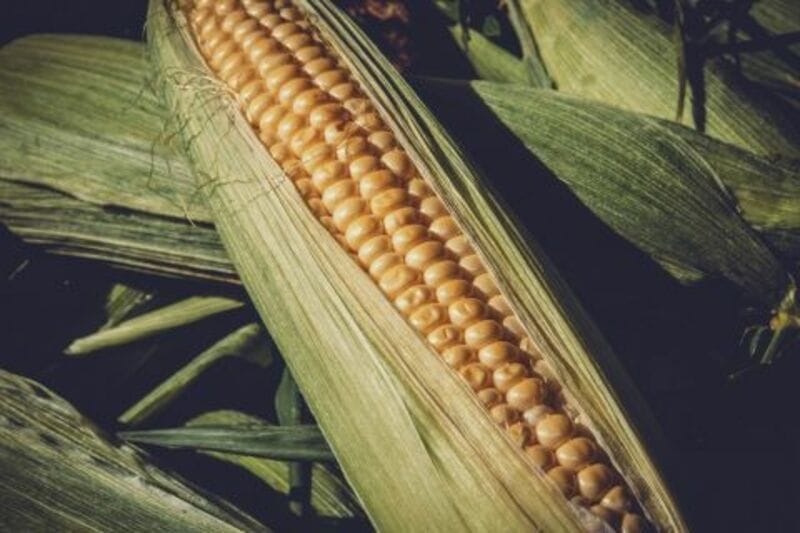
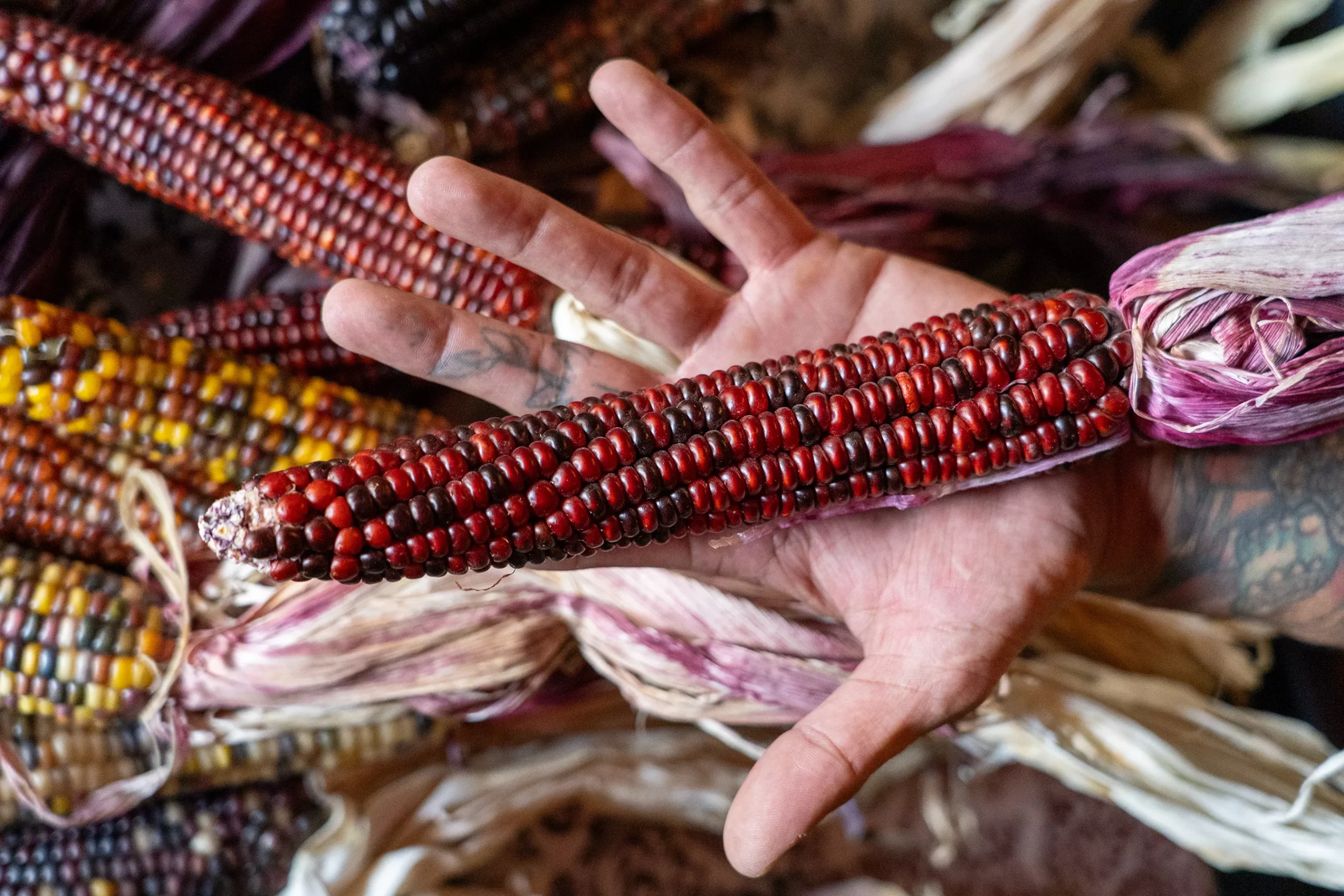
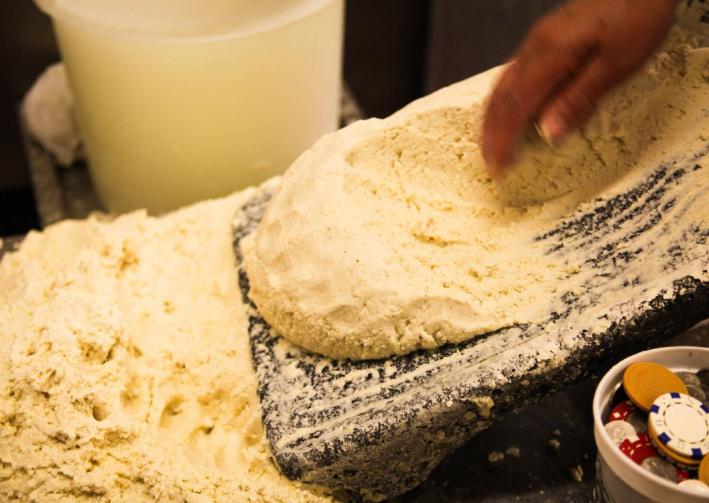
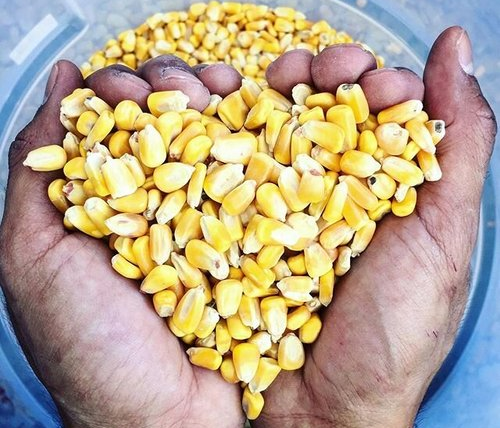
Los Angeles has become the place where that ancient craft is practiced at the highest, most obsessive level in the entire United States. It all starts with nixtamal, which is not just a term to sound like you know your shit about tacos but actually a pre-hispanic recipe where dried corn kernels—blue, red, white, yellow, or the rare pink-hued ones—are simmered in an alkaline cal bath, resting overnight so the pericarp loosens and the niacin unlocks, making the corn both more tender and more nutritious. You can see the process in its action in this video from Maria’s Tortillas and restaurant in Westchester, which supplies the owners’ Mar Vista restaurant Quiadaiyn.
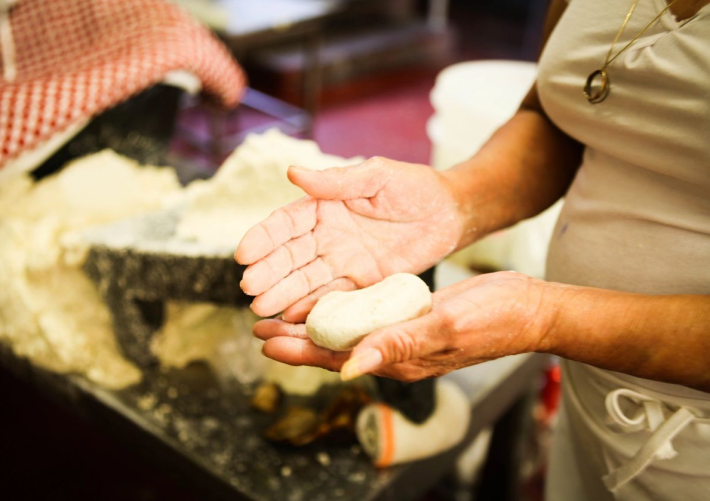
The corn is then washed clean and ground on volcanic stone or a steel molino into warm, fragrant masa that smells like the first rain of the season on a cornfield. Originally, wood ash was used instead of calcium carbonate, while some Mayan societies are believed to have burned or boiled bivalve shells to create an alkaline “cal” solution to add to the corn to achieve the same results. Food historians consider nixtamal to be one of the world’s first processed foods.
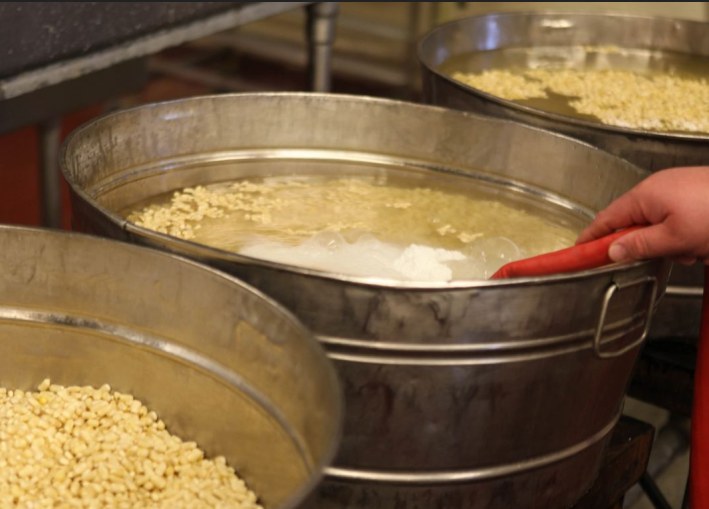
The hydration has to be perfect—too short a soak and the tortilla cracks too easily, with a raw interior. If it’s too wet and sticks, it is impossible to deal with, immediately killing your home tortilla-making game when that tortilla hits your screaming-hot comal.
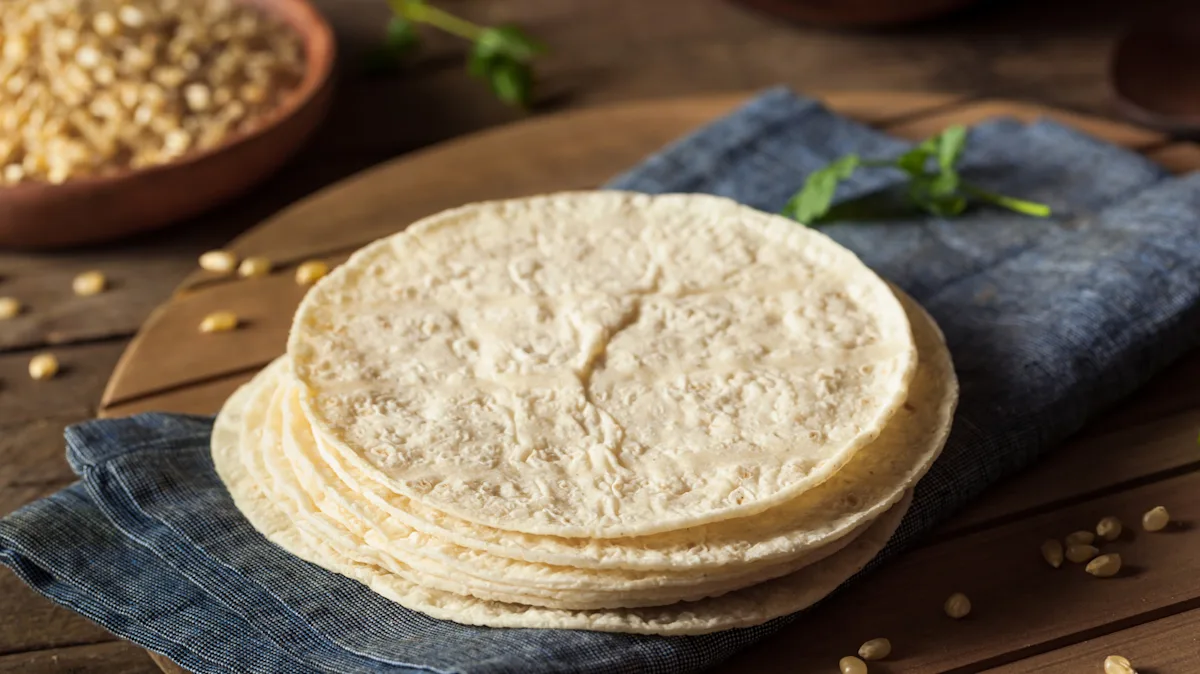
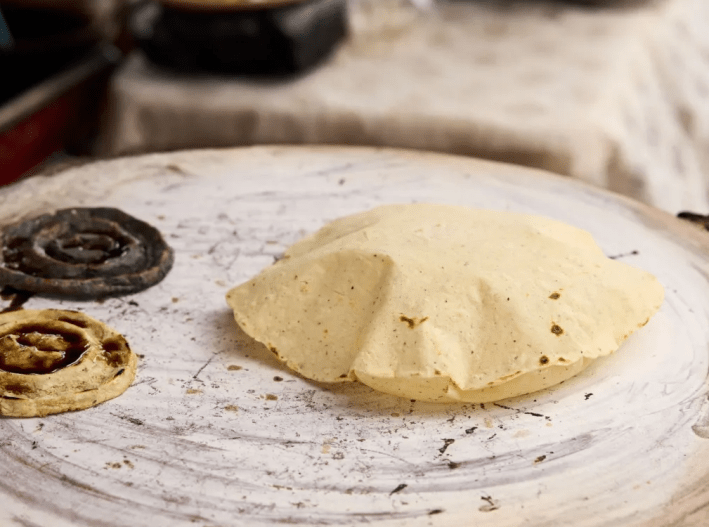
If the masa is done well and you’re making handmade corn tortillas, they should puff up within a minute like a tiny balloon, releasing an aroma of pure toasted corn husks, warm earth, and an almost floral note. A great tortilla has a gentle chew and should never smell or taste like burnt tires, which is a sign it was made with low-quality Maseca corn flour or pumped with unnecessary preservatives.
There should always be subtle minerality from the lime (calcium carbonate), and enough backbone to hold a lake of salsa or a pile of carnitas without turning into mush. Yet it still must melt on the tongue.
L.A.’s secret weapon is the insane density of Oaxacan families who never assimilated into an embrace of shitty tortillas , creating underground, border-defying black markets for tlayudas—a kind of large, crisp tortilla—that have always been made with heirloom corn since before the marketing term even existed. Tienditas like Mi Oaxaca Market in Koreatown, or Corredor Oaxaqueño market on the edge of Miracle Mile and Arlington Heights, have offered these tortillas to the public since the 1990s.
As I wrote in my 2018 L.A. TACO piece that called out the fake-blue-corn epidemic, skip anything that claims “blue” but doesn’t turn vivid pink when you hit it with fresh lime juice. The real anthocyanin-rich ones deliver deep, nutty, almost berry-like complexity that dyed impostors can never fake.
This is why we’re spoiled. Every year in Los Angeles, it gets easier and easier to stumble into an outstanding corn tortilla that still tastes like it was made by our ancestors.
The Anatomy of a Good Flour Tortilla
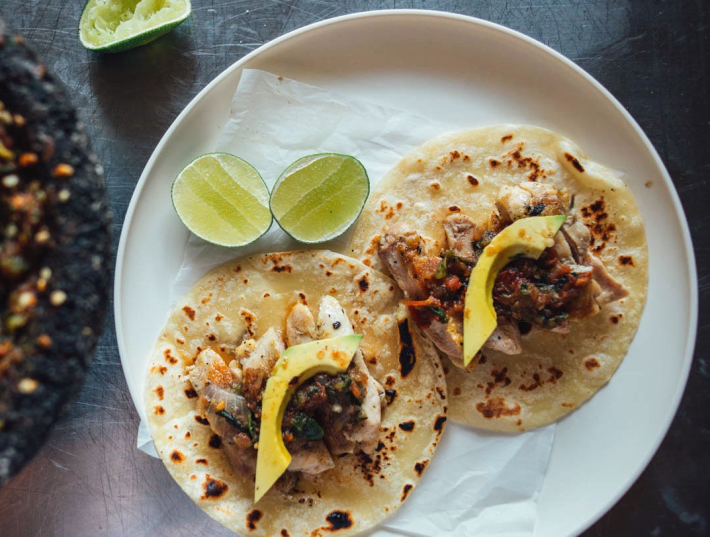
Flour tortillas have fully ascended. In L.A., we get to choose between straight-up Sonoran border magic at places like Sonoratown and Tacos La Rueda, Juarez-style flour tortillas at Los De Juárez Burritos in Anaheim that are slightly thicker, Texan-style at Homestate if you’re into that kinda thing, and Zacatecas-style, medium thickness via the widely available Mejorado brand. Choose your fighter!
The base of a legendary flour tortilla starts with good wheat flour, usually a tender summer wheat like Sonoran wheat, and a heavy hand of real lard (the stuff that carries flavor like nothing else) or, sure, vegetable shortening. And you will always have your outliers like the Sonoran-style flour tortillas from Kansas-based Caramelo, available at Gusto Bread, Cookbook markets, or via delivery.
After that, salt, maybe a whisper of baking powder, maybe, and water. Knead until the dough is silky and smooth, let it rest so the gluten relaxes, then hand-press or roll it paper-thin—almost see-through—so it cooks in seconds on the comal. You’re looking for those beautiful, toasted leopard spots, the faint sweet aroma of toasted wheat, and that stretchy, chewy, almost elastic texture that folds like warm silk but refuses to tear even when you load it with beans, asada, and guacamole.
These aren’t the dry, cardboard discs sold in supermarkets or the sad versions you get in other cities and–don’t even say the W word (wraps). They’re supple, savory-sweet, and slightly puffy vehicles that turn any filling into a religious experience. You can find impeccable ones at a family-owned spot in the Valley, a strip-mall taquería in Bellflower, or a window-only burrito shop positioned next to the projects. They’re all made with the same quiet obsession.
The Proper Way to Reheat Each
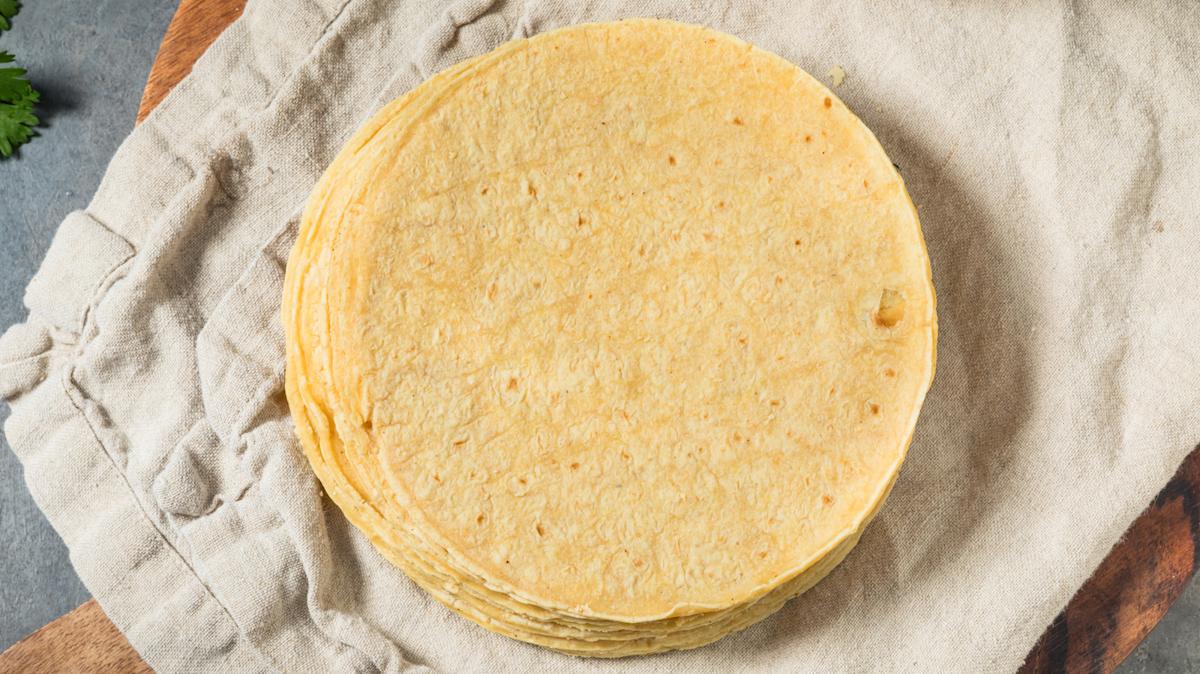
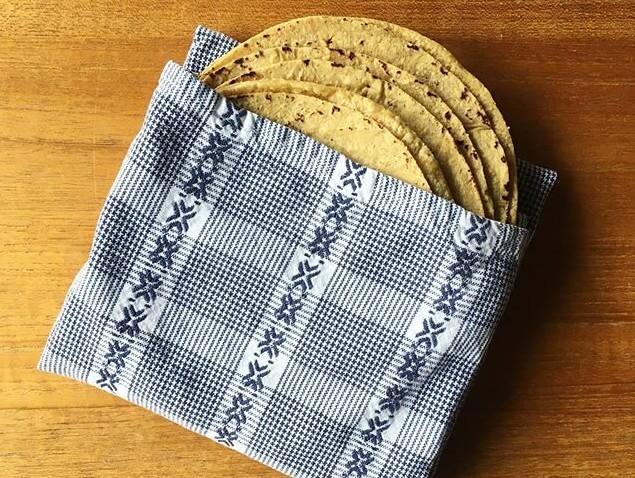
Corn tortillas: Nothing else will do except a screaming-hot dry comal or cast-iron skillet on medium-high heat. Give them 20–30 seconds per side until they puff, blister, and pick up those sexy dark char marks that make your whole house redolent of a tortilla factory in Mexico. Stack them straight into a thick kitchen towel or a real tortilla warmer the second they come off— the trapped steam keeps them soft and pliable for about 15 minutes after you make them.
Pro-move for older, stiffer tortillas: Mist them very lightly with water before the second side. Microwave only in true emergencies (damp paper towel, 15–20 seconds max), but note that every time you nuke a tortilla, a Xoloezuincle howls in disappointment in Mictlán (the underworld). Never, ever leave them naked on a plate—they dry out and get cold in seconds. A secret known among tíos and tías is to only tear half of a tortilla while you use it as a scooper for your eggs or home-cooked guisado, so the other half stays warm in the tortilla warmer.
Flour tortillas: Same hot comal treatment, but with a lower heat that is more medium-high. Each flour tortilla should also puff like little pillows, revealing layers of fat-kissed glory. The instant they’re done, wrap them tightly in foil or a warmer; flour turns leathery or brittle faster than corn if left exposed for even 60 seconds. These are not worth microwaving, ever.
The Eight Best Places to Score Great Corn Tortillas in L.A.
KOMAL MOLINO ~ HISTORIC SOUTH CENTRAL
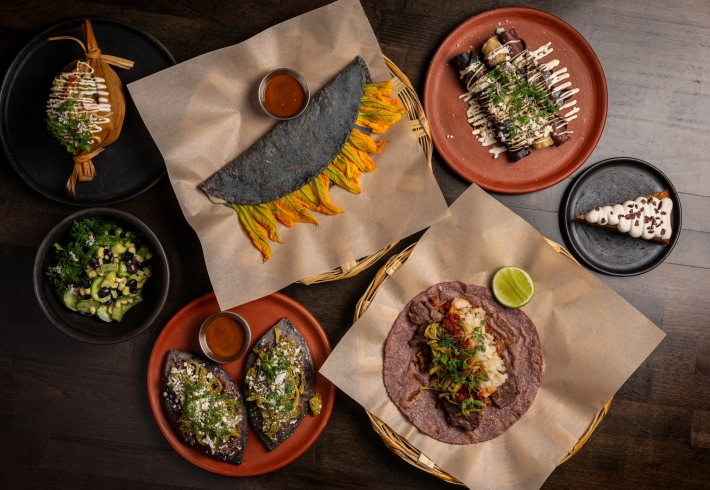
The city’s first standalone craft-molino—the latest extension from Komal chef-owner Fátima Juarez—opened last month, and based on how fast her provisions like fresh salsas and mole paste sell out every day, it is something L.A. desperately needed.
This masa temple sources the same rare heirloom corn straight from Oaxaca, the Valleys of Mexico, They nixtamalize each color of corn according to its respective hydration and lime amounts in-house with obsessive precision, and press tortillas that will change the minds of people who thought tortillas can’t be as complex as sourdough bread. Each color is layered with a nuanced flavor. The blue, white, and red varieties are corn poetry on a plate. Get the tasting flight when they start to offer it later this year, or just load up on whatever taco they’re serving that day—you’ll taste the difference immediately. It’s the future of L.A. masa, but every bite still feels rooted in the Indigenous villages where the corn was grown. Komal is what happens when fine-dining obsession meets street-level soul.
3655 South Grand Ave. C2, Los Angeles, CA 90007
LA YALALTEQUITA ~ MID-CITY
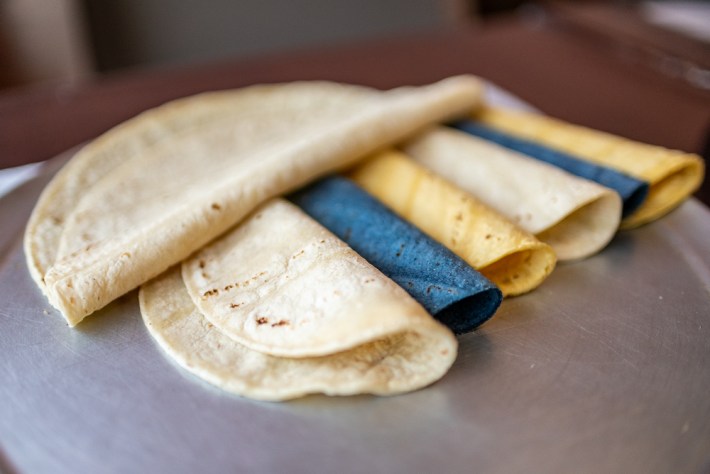
La Yalaltequita on Crenshaw Boulevard stands as living proof that tortillas can be a form of resistance. Third-generation Oaxacan bakers Sinecio Mecinas and his son, Jeffrey, keep the flame of ancestral corn knowledge alive, drawing from Hidalgo Yalalag’s misty mountains where their grandfathers taught them the sacred recipe for nixtamal and soaking heirloom maíz in cal and patting it into thin, soft tortillas. In Oaxaca, non-tlayuda tortillas are known as “blandas” because they are much softer than the rugged tlayudas, though La Yalaltequita has those too.
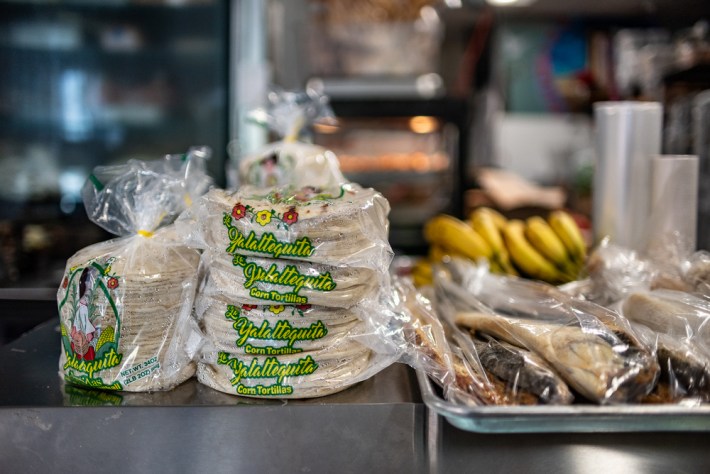
Mecinas arrived as a dishwasher barely speaking Spanish yet turned this unassuming spot—still stubbornly listed as “Venice Bakery” online—into a quiet sanctuary of OaxaCalifornia. Their tortillas emerge blistered, fragrant, and impossibly resilient, ranked among L.A.’s elite in Gustavo Arellano’s Great Tortilla Tournament for tasting like the Sierra Norte itself—earthy, alive, never the flat, chalky ghosts of industrial Maseca.
1531 Crenshaw Blvd. Los Angeles, CA 90019
CARNITAS URUAPAN ~ BOYLE HEIGHTS
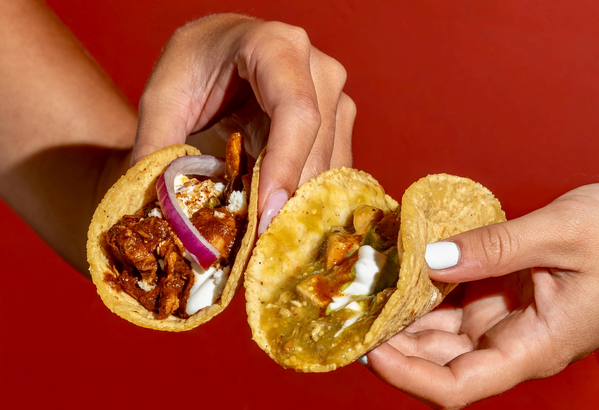
Boyle Heights is arguably the nixtamal heart of Los Angeles. The De La Torres family keeps traditional tortilla-making alive with the same quiet strength that their son, Armando Jr., built in the Guisados empire that began in the neighborhood at the family’s Carnitas Uruapan. This is the sole masa that supplies the hundreds of tortillas sold daily across Guisados.
Armando’s brother, Eddie, nixtamalizes and stone-grinds heirloom corn into warm, fragrant masa that gets shuttled across the threshold multiple times a day. These aren’t delicate, paper-thin rounds—they’re substantial, deeply corny discs with beautiful blisters from the comal, wonderfully elastic, and built like the neighborhood itself: strong enough to cradle heaping spoonfuls of legendary, slow-braised guisado (tinga, bistek en salsa roja, chicharrón en chile verde, mole poblano) without tearing or going soggy, yet tender and comforting in every bite.
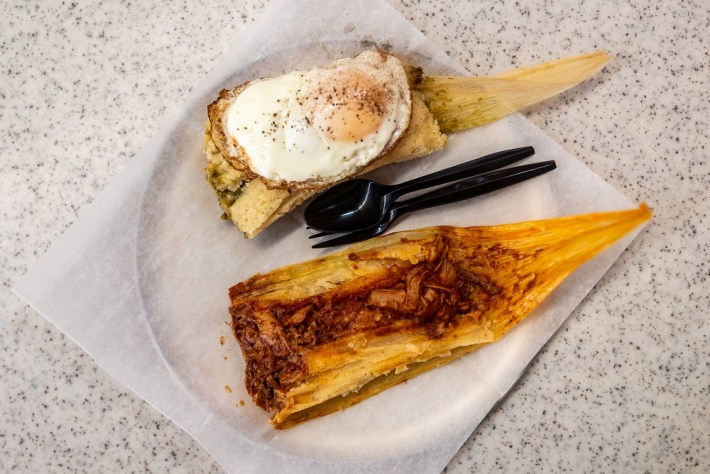
What began in 2010 as a single, rent-free storefront (a former tamal shop turned into a taqueria when the family had “nothing to lose”) handed down by Armando Sr.’s father, Mario, has grown into a citywide chain. Yet the heart of the operation—every tortilla, every batch of masa—still beats right here on this Boyle Heights block.
Sold hot by the stack alongside Carnitas Uruapan’s carnitas, tamales, and fresh masa for home cooks, these tortillas have powered the family’s rise while refusing every modern shortcut. In an Eastside constantly tested by gentrification, rising costs, and convenience culture, the De La Torre family’s tortillas stand unbroken—warm, flexible, full of soul, and living proof that true resiliency tastes exactly like home.
2102 E. Cesar E. Chavez Ave. Los Angeles, CA 90033
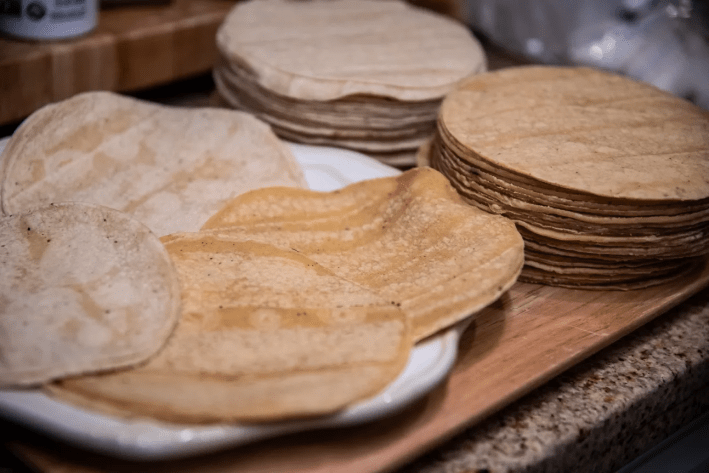
LA PRINCESITA ~ BOYLE HEIGHTS
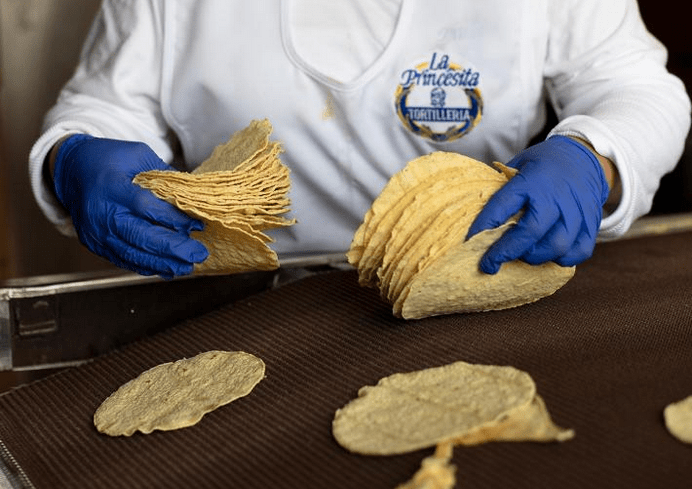
Family-owned since 1972, La Princesita is still making their tortillas the same way all these decades later, using U.S.-grown corn that is nixtamalized overnight and ground on volcanic stones every single morning. These tortillas are honest, deeply corny, tender but with real bite, and they taste like a nostalgic memory if you were raised on the real East Side.
Order them with a pound of their house carnitas or just eat a stack warm with nothing but salt and lime—they’re that pure. This is the place legions of uncles and aunts have been loyal to for years because they never chase trends; it just quietly stays perfect. Accessible, fresh daily, and the definition of what a traditional corn tortilla should be. They also make flour tortillas.
Fun fact: Their current CEO played a big role in saving all the corn tortillas made from nixtamal in California from having to be fortified with synthetic folic acid.
2514 E. Cesar E. Chavez Ave. Los Angeles, CA 90033

DITROIT ~ ARTS DISTRICT
Ditroit serves house-nixtamalized, maíz criollo-driven corn tortillas that prove high-end restaurants can still make masa that hits you straight in the heart. The texture is elegant yet rustic, and the flavors of its tortilla varietals, like chalqueño blanco, have notes of lactic tang and yogurt. These higher-quality tortillas are worth every penny and somehow still feel like something your tía would approve of. Eat them in taco form, or take home a half-dozen to mess around with at home. Enrique Olvera’s first L.A. restaurant raised the bar for what “restaurant tortillas” can be in L.A. If you only plan one fancy dinner this month, make it to their sister restaurant located on the front side of this takeout window, Damian, just for the tortillas.
2117 Violet St. Los Angeles, CA 90021
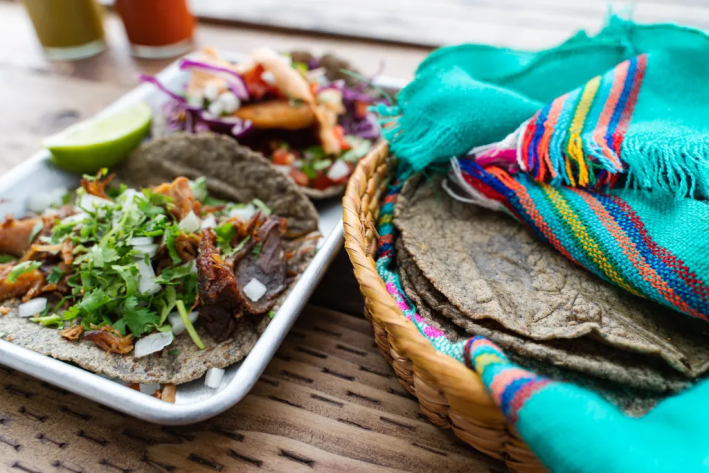
SABY’S CAFE ~ MAR VISTA / NEAR SANTA MONICA
Saby’s is a mother-and-son operation that hand-nixtamalizes blue corn from scratch every day in tiny batches. These tortillas are pricey, at just under $3 each, but that’s what labor and heirloom corn demands sometimes , especially in Santa Monica. They’re worth every penny plus some—real blue corn that actually tastes like it, with that vivid purple hue and deep, walnut-adjacent undertones. The texture is perfect: soft, chewy, with just enough structure. You can watch them press the tortillas while you wait. This is the kind of hidden gem in a random corner that makes L.A. tortilla culture unbeatable, especially in western Los Angeles.
12900 Venice Blvd. Los Angeles, CA 90066
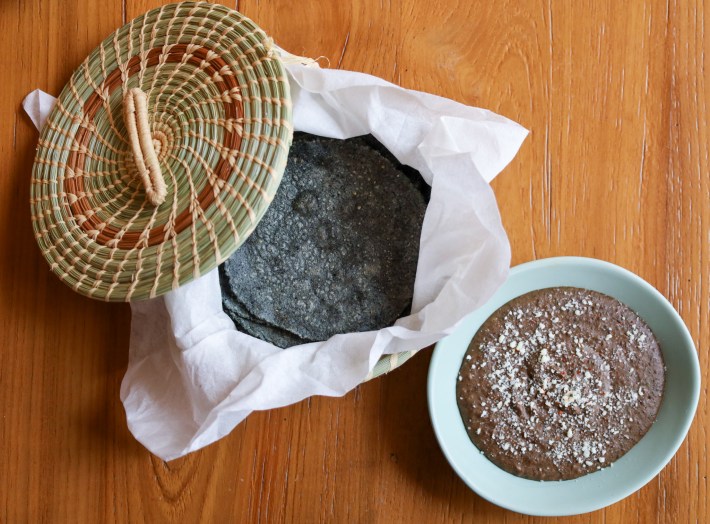
BROKEN SPANISH COMEDOR ~ CULVER CITY
It’s difficult to take a cuisine that’s already great, like Mexican food, and elevate it into a new tier of greatness. Making smoked tuna flautas or albondigas with duck meat showcases a talented chef’s creativity and skill, but to be a true master is to understand that you must first prove yourself with the fundamentals, in this case, tortillas. One bite of Chef Ray Garcia’s tortillas at Broken Spanish Comedor and you know that he knows what we know, that it’s always about the tortillas first.
They don’t just nixtamalize any corn here; they nixtamalize blue conico corn from Tlaxcala, a region in Mexico fighting its hardest to keep its ancestral varieties of treasured corn from going extinct. Each freshly made tortilla is thin yet fluffy, with a gentle toughness that makes it as foldable as a silk napkin, yet sturdy enough to scoop up their refried lentils, which are a must to pair with. The subtle, earthy taste, the fresh heirloom corn sent, and the pleasant chew make these tortillas alone worth the trip to this recently revived restaurant, if you’re a true tortilla connoisseur. ~ Memo Torres
12565 Washington Blvd. Los Angeles, CA 90066
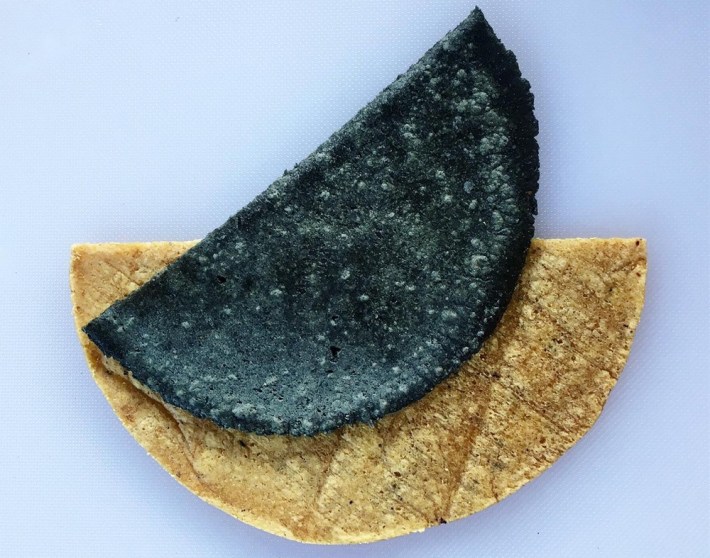
KERNEL OF TRUTH ORGANICS (AVAILABLE AT COOKBOOK MARKET AND SARA’S MARKET)
Kernel of Truth are the OGs who basically taught the rest of us what real blue corn tastes like. Organic, no shortcuts, explosive corn flavor that hits you in waves. These are the tortillas that schooled an entire generation on how to spot the dyed fakes. Buy them fresh and warm—they’re the ones you take home and reheat on your own comal just to show off to friends.
The difference between these and supermarket masa is night and day. If you want to understand why L.A. is the tortilla capital, start with these. They are also the tortilla of choice used exclusively at taquerías like Villa’s Tacos and Cacao Delicatessen.
Eight Flour Tortillas In L.A. That Will Ruin The Rest For You
ASADERO CHIKALI ~ EAST LOS ANGELES AND INGLEWOOD
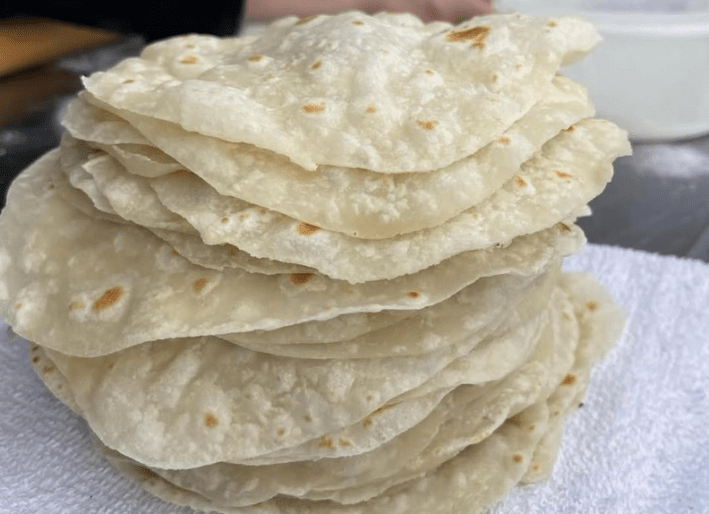
Asadero Chikali has been flying low as one of the city’s best flour tortillas since opening in , selling smoky carne asada from a trailer on East L.A.’s Atlantic Boulevard ten years ago. Like in Mexicali, their tortillas are hand-rolled, as opposed to pressed, and made with flour imported from Baja California, resulting in a melt-in-your-mouth texture from the kind of flour tortilla that leaves your fingers coated with a layer of wheat flour from being so fresh. They’re sturdy enough to hold even the stewiest of guisados and tasty enough to hold up to their mesquite-grilled asada.
1321 S Atlantic Blvd. East Los Angeles, CA 90022
4233 W Century Blvd #7 Inglewood, CA 90304
SONORATOWN ~ DOWNTOWN, MID-CITY, AND LONG BEACH
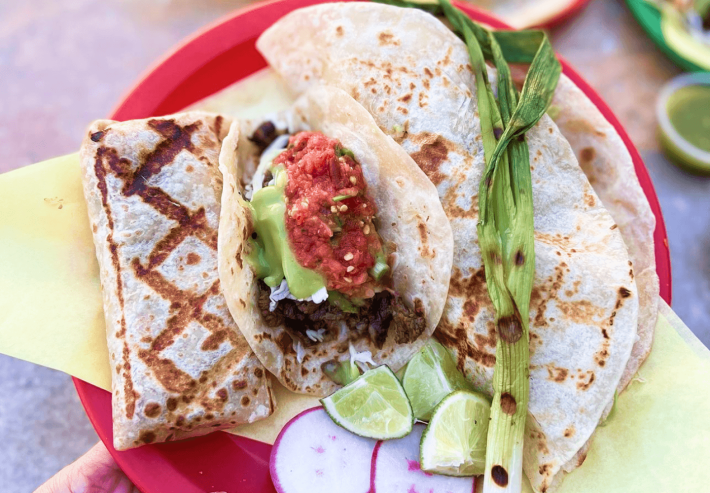
Sonoratown’s owners are the undisputed king and queen of the giant, paper-thin, lard-kissed Sonoran flour tortilla have managed to maintain their quality even as they gently expand into different corners of Los Angeles County. These vessels are stretchy, slightly sweet, ridiculously flavorful, and basically kicked off the entire flour renaissance in Los Angeles. One bite and you understand why people still line up for the tacos in its original Fashion District location. The texture is unreal—they fold like warm bread that somehow doesn’t break under the weight of their burrito. This is the standard by which every other flour tortilla in the city is judged.
LA RUEDA ~ BELLFLOWER
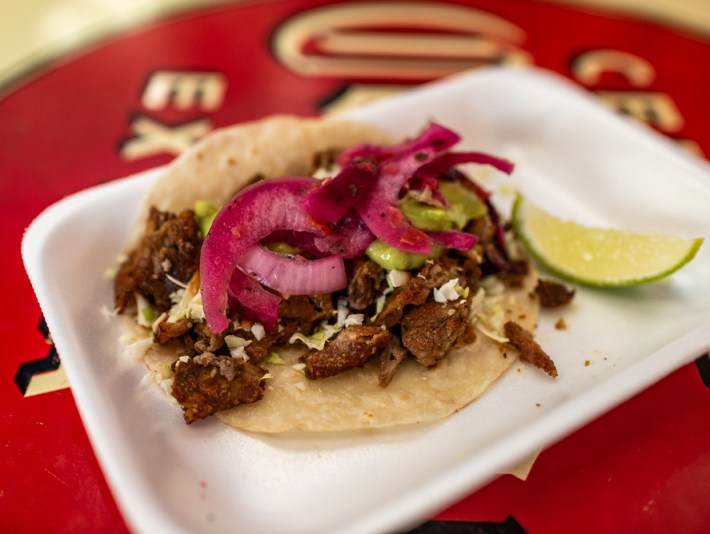
Pure Sonoran glory tucked in the heart of this southeast Los Angeles taqueria. La Rueda’s custom thin flour tortillas wrap mesquite-grilled meats like a warm, savory hug, especially their fall-apart tender cabeza. They’re pliable, strong, and have that perfect, faint sweetness. The smell when they come off the comal is borderline addictive. Locals drive from all over the county just to get their hands on them. Pair these with the carne asada, their crispy milk duct tripitas, or any of their meats (or grilled nopales if you’re vegetarian). This is old-school border cooking.
16900 Lakewood Blvd. Bellflower, CA 90706
LOQUI ~ CULVER CITY
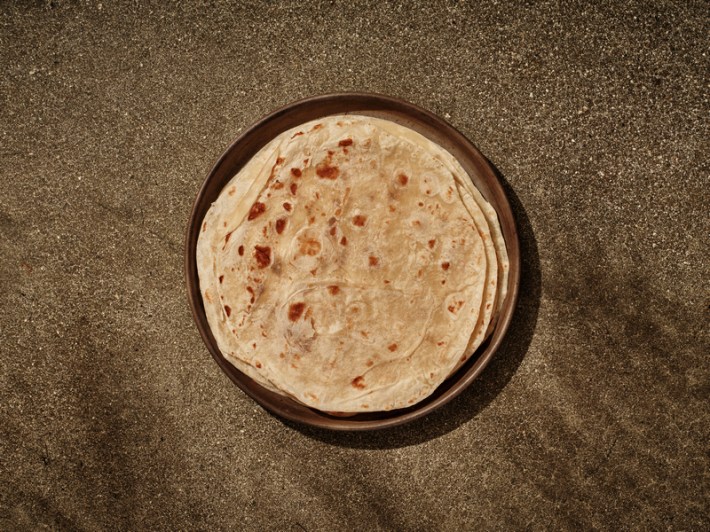
We’ve long been fans of the chicken tacos and mushroom tacos at Loqui, which began as a pop-up inside of Tartine Bakery in San Francisco and now has five L.A. locations, with a sixth due shortly on La Brea. Though the chicken is seductively smoky and the mushrooms’ natural flavor shines, a large part of our affection centers on the chain’s flour tortillas, which are now made by La Gloria using Loqui’s Northern Mexico-inspired recipe. Made with palm shortening in place of lard, in order to serve its vegetarian clientele as well as its meat eater, they blister and inflate on the grill before enrobing your proteins in a soft, downy blanket of wheat flour. Best of all, they’re priced at $6 a dozen so you can take them to-go and play with them in the privacy of your own home. ~ Hadley Tomicki
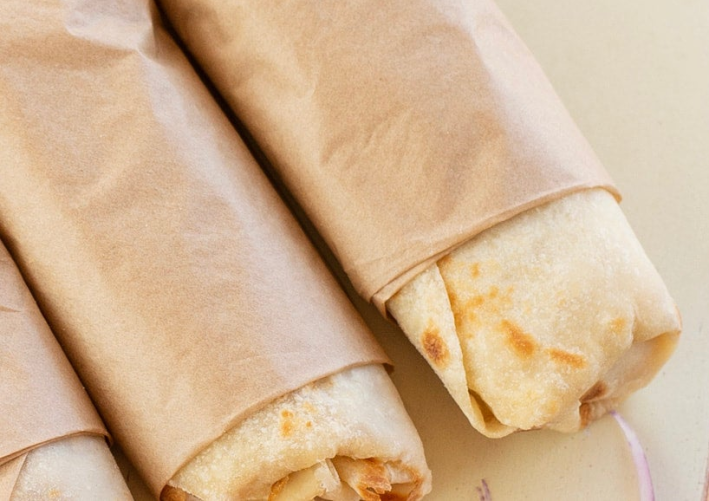
LA MONARCA ~ MULTIPLE LOCATIONS
Bakery-fresh, abuela-approved flour tortillas that hit the sweet spot between structure and melt-in-your-mouth tenderness. La Monarca’s are slightly thicker than Sonoratown’s, but still paper-thin where it counts, marked by a beautiful char and an unmistakably homemade flavor. Great for breakfast tacos or late-night burritos alike. The consistency across every location is ridiculous. This is the tortilla you bring to family gatherings when you want to flex without bragging. Pure comfort in tortilla form.
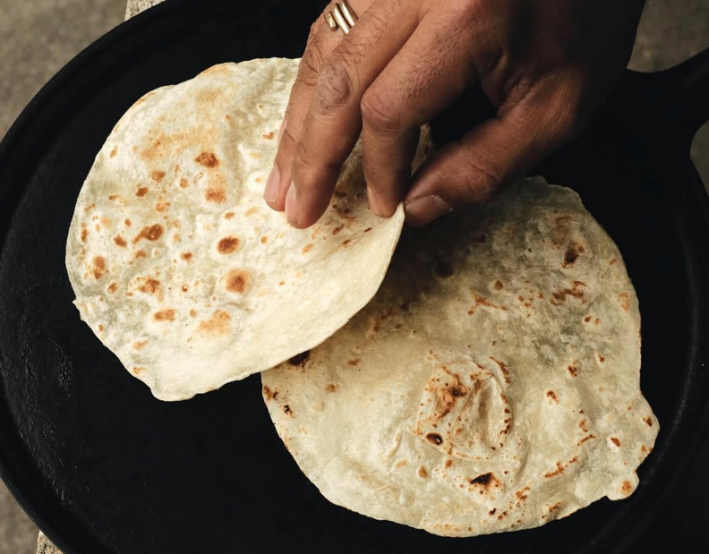
MEJORADO ~ AVAILABLE ALL OVER L.A.
Mejorado is the go-to behind the locally made, small-batch, packaged flour tortillas you see in the best taquerías and markets citywide. Medium-thickness with Zacatecas roots–the business evolved out of Burritos La Palma–these tortillas are doughy, savory, and consistent. They have that lovely, slight chew and a rich flavor that elevates everything they touch. Whether you find them at your neighborhood boutique market, tiendita, or as the sole flour tortillas used for the burritos at Taquería Frontera, they never let you down. This is the tortilla the pros use when they want to win. Quietly, one of LA’s greatest tortilla flexes.
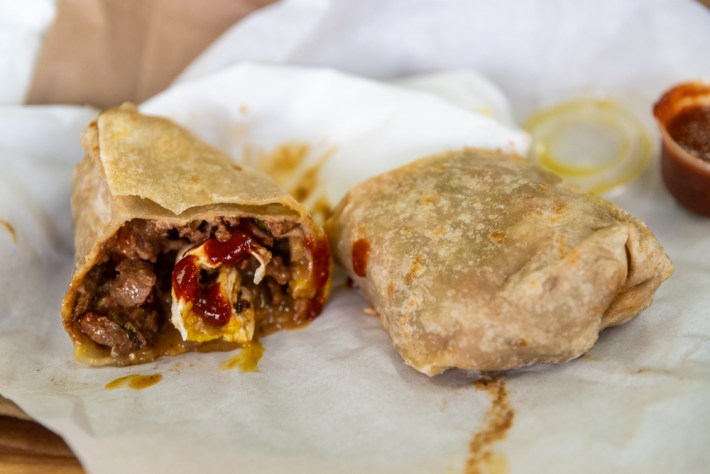
LA AZTECA TORTILLA ~ EAST L.A.
La Azteca Tortilla is one of those rare L.A. establishments that checks off three boxes: it’s a ‘hood favorite, a tortillería, and home to one of the best burritos in California. Its flour tortilla, enriched with lard, is the kind that you actually want to eat all the way down to the final drop of refried beans hiding in the last fold. It is chewy and immediately evident that it was cooked from scratch, since the outside gets lightly crispy and the inside still a little translucent.
Its chile relleno burrito is arguably one of the top ten tortilla-wrapped dishes in all of L.A., equally beloved by sheriffs deputies, clout-chasing influencers, and the working class families that live around its surrounding unincorporated east los angeles. It travels well and stays warm for hours, but you’ll likely annihilate it as soon as you feel its power around your hands. They recently changed locations to a bigger strip mall on the edge of Monterey Park, and their clientele have loyally followed.
287 S. Atlantic Blvd. East Los Angeles, CA 90022

TACO PERRO ~ COMMERCE/CUDAHY
Taco Perro’s Luis and Pablo Galvan offer prime examples of the lengths L.A. chefs will go to to ensure their quality holds a candle to the cooking in Mexico. Every Friday, the chefs make a run for the border to receive a large supply of their Tijuana-based, Michoacán-raised mother’s handmade flour tortillas to make their gargantuan perrónes filled with marinated, mesquite-grilled carne ranchera, griddled mozzarella, pinto beans, chipotle crema, jalapeno, and guacamole.
Mama Angelina’s tortillas, made with butter, salt, and Mexican flour, with the dough left out for a few hours, are soft, snappy, and springy as you chew through them. Their drive? Worth it. As will be yours when you track them down to their locations in Cudahy and Commerce. ~ Hadley Tomicki
12731 Towne Center Dr. Cerritos, CA 90703
4630 Santa Ana St. Cudahy, CA 90201
So, flour or corn? It doesn’t matter.
In Los Angeles, we win either way.