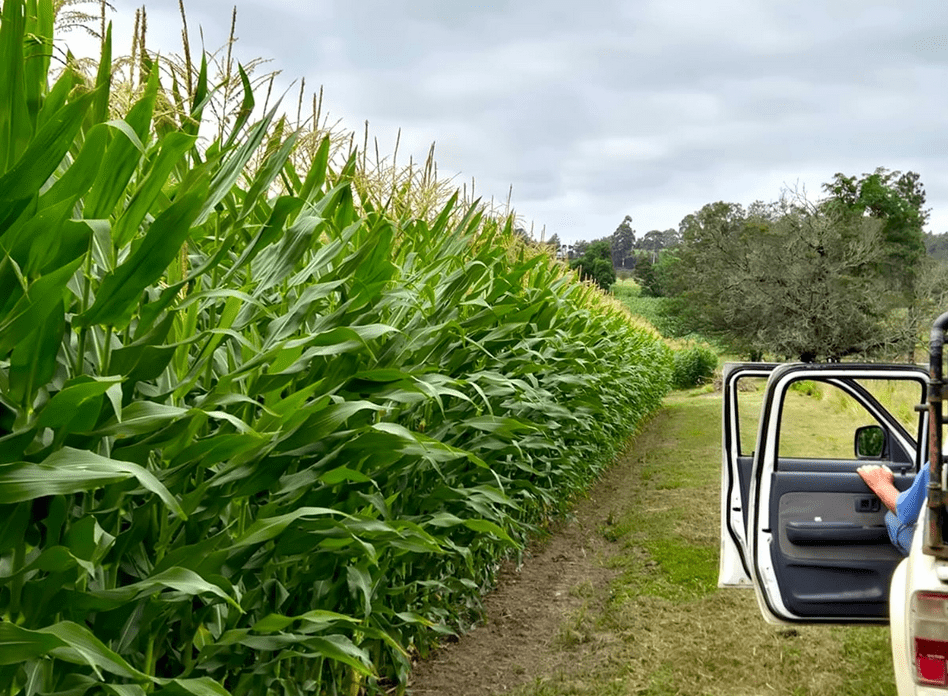
For years, brown midrib (BMR) corn silage has been a solid forage option for dairy producers looking to push forage quality and milk production. While it was rarely planted across an entire farm, many producers valued BMR as a strategic addition to their hybrid lineup.
But as seed companies have adjusted their hybrid portfolios, BMR options have become less available. As a result, many producers are preparing for a future where BMR is no longer a choice, and they are reevaluating their silage plans with that change in mind.
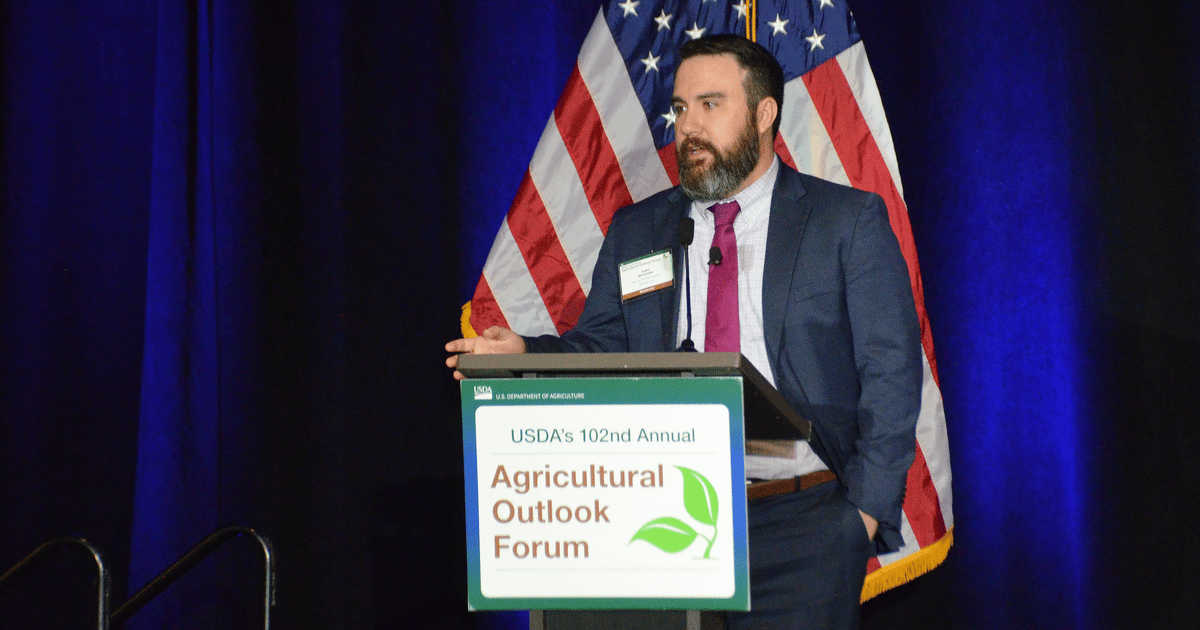
During the Professional Dairy Producers Business Conference, John Goeser, dairy nutrition and management consultant at Progressive Dairy Solutions Inc., and Luiz Ferraretto, assistant professor and Extension specialist in dairy nutrition at the University of Wisconsin-Madison, discussed what that shift could mean for dairy rations and how producers can adapt.
What BMR Offered
Compared with conventional corn silage, BMR hybrids typically deliver greater fiber digestibility and lower levels of undigestible fiber. The difference stems from reduced lignin in the plant cell wall, allowing rumen microbes to break down more of the neutral detergent fiber (NDF).
Because the fiber in BMR silage was easier for cows to use, they often ate more and gained more energy from their ration.
“If you improve fiber digestibility, there is potential for cows to improve intake,” Ferraretto says. “And when intake increases, there is potential for greater milk production.”
Despite these advantages, BMR typically made up only a portion of a farm’s corn silage acres. The hybrids often yielded less than conventional corn silage and carried a greater agronomic risk. Over time, these challenges pushed some producers away from the variety.
“For whatever reason, people were not really planting BMR a lot anymore,” Ferraretto says. “But whenever companies decided that this would be phasing out of the market, everybody started asking, ‘What do I do now?’”
According to Ferraretto and Goeser, the answer is not to search for a direct replacement. Instead, the transition away from BMR may push producers to rethink how they evaluate and manage corn silage altogether.
Selecting Hybrids
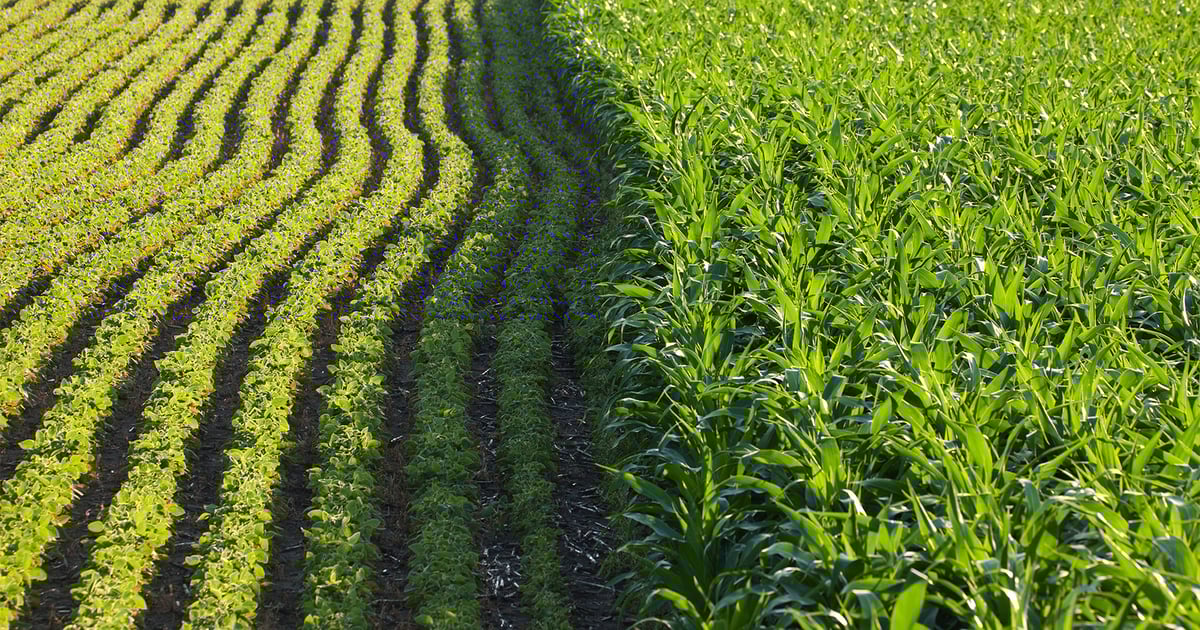
As BMR corn silage phases out, producers are learning they cannot rely on a single hybrid trait to solve digestibility challenges. While BMR delivered higher fiber digestibility than conventional corn, that advantage came from a specific genetic mutation most other hybrids do not have.
“BMR corn silage sits in its own class for fiber digestibility,” Goeser says. “No current conventional hybrid matches it in the same way.”
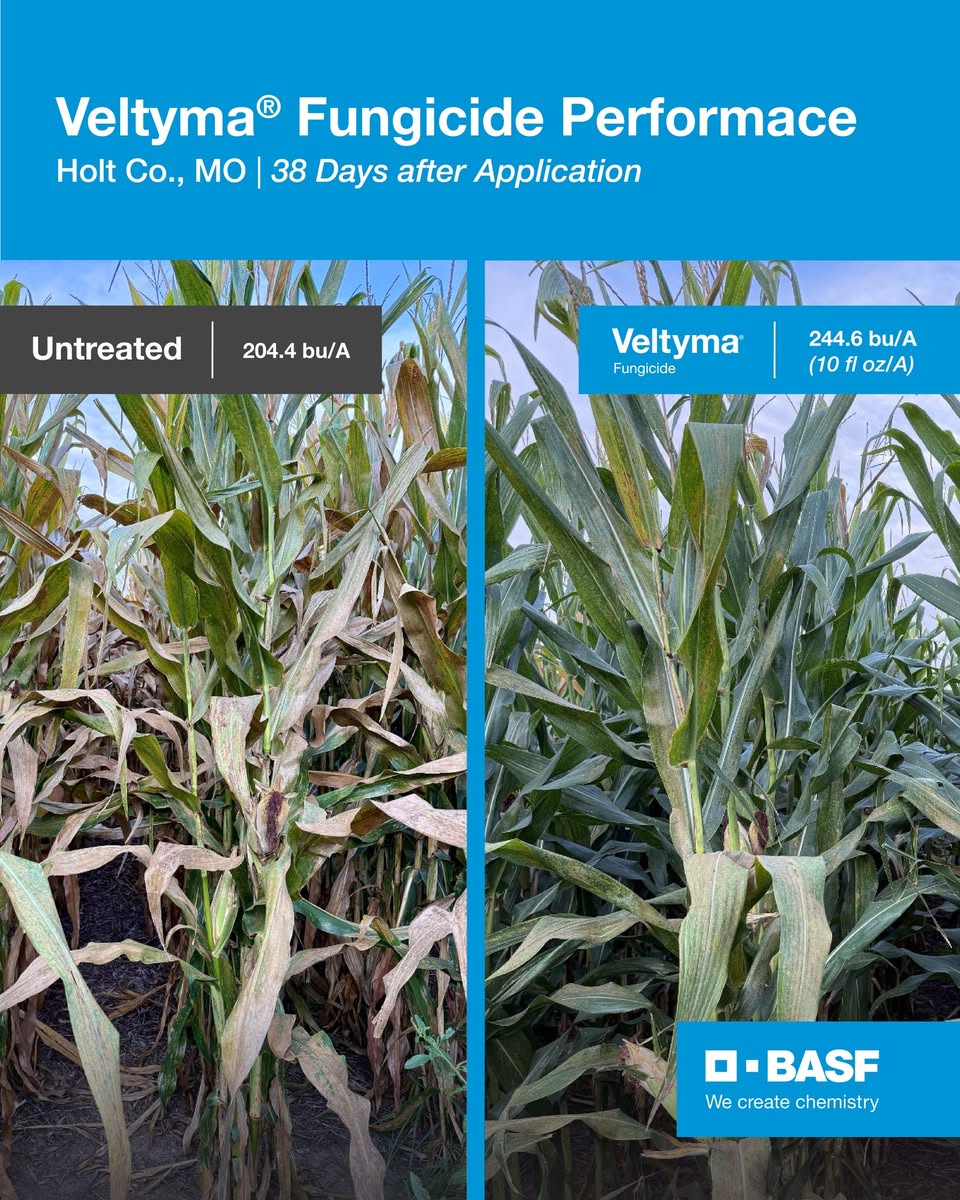
Corn silage quality has always come from a mix of traits, not just one. Hybrid choices for digestibility, starch and overall forage quality matter, but so do agronomic traits like standability, disease resistance and yield potential.
“What drives our bottom line isn’t necessarily how much cows eat but what efficiency we get,” Goeser says. “We need to understand what our cost of production is per acre. Then we can judge our hybrid choice and our management decisions relative to the yield and energy we’re getting from that acre.”
According to Ferraretto’s colleagues at UW-Madison, choosing hybrids with strong fiber digestibility, measured as neutral detergent fiber digestibility at 30 hours (NDFD30), is an option. Most conventional corn silage hybrids have NDFD30 values between 47% and 67%, while BMR hybrids typically range from 54% to 74%. Choosing a top-performing conventional hybrid with NDFD30 around 60% to 65% can produce as much, or even more, milk per ton than an average BMR hybrid.
“There’s nothing that’s going to replace a brown midrib mutant, kernel for kernel, in terms of fiber digestibility,” Goeser says. “But there are still several management decisions producers can make to improve fiber digestibility in their silage program.”
Planting Population
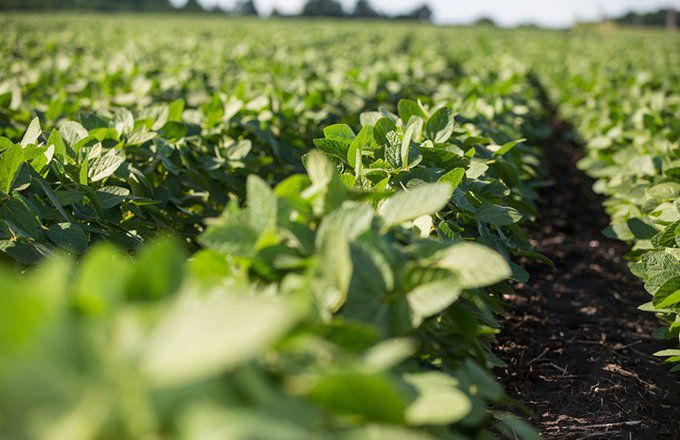
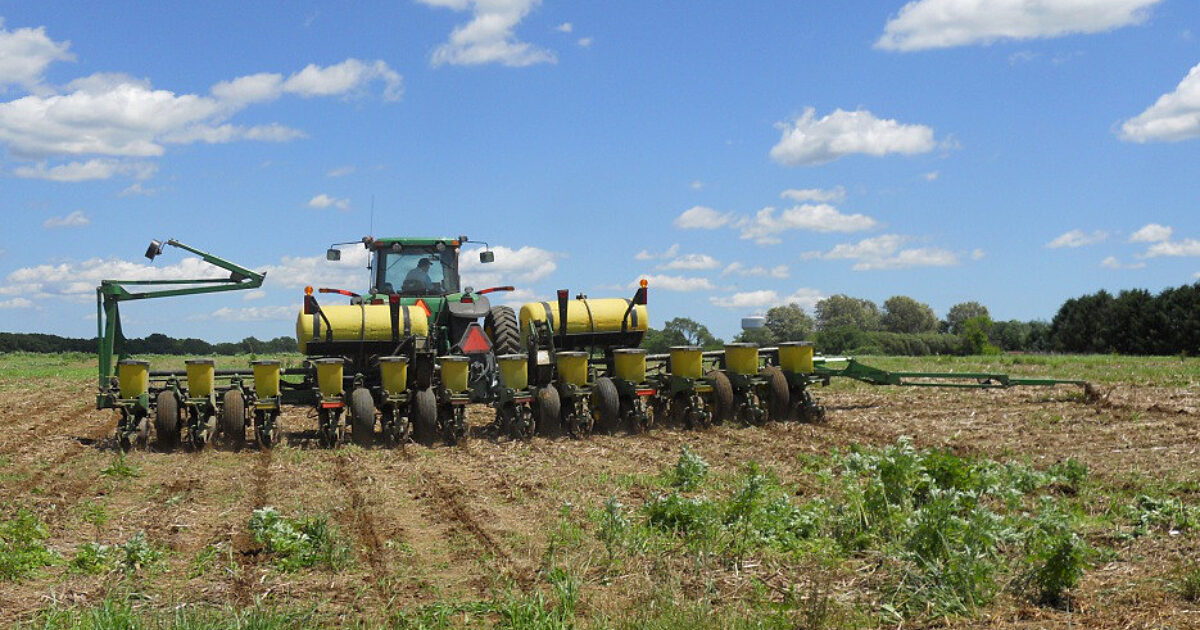
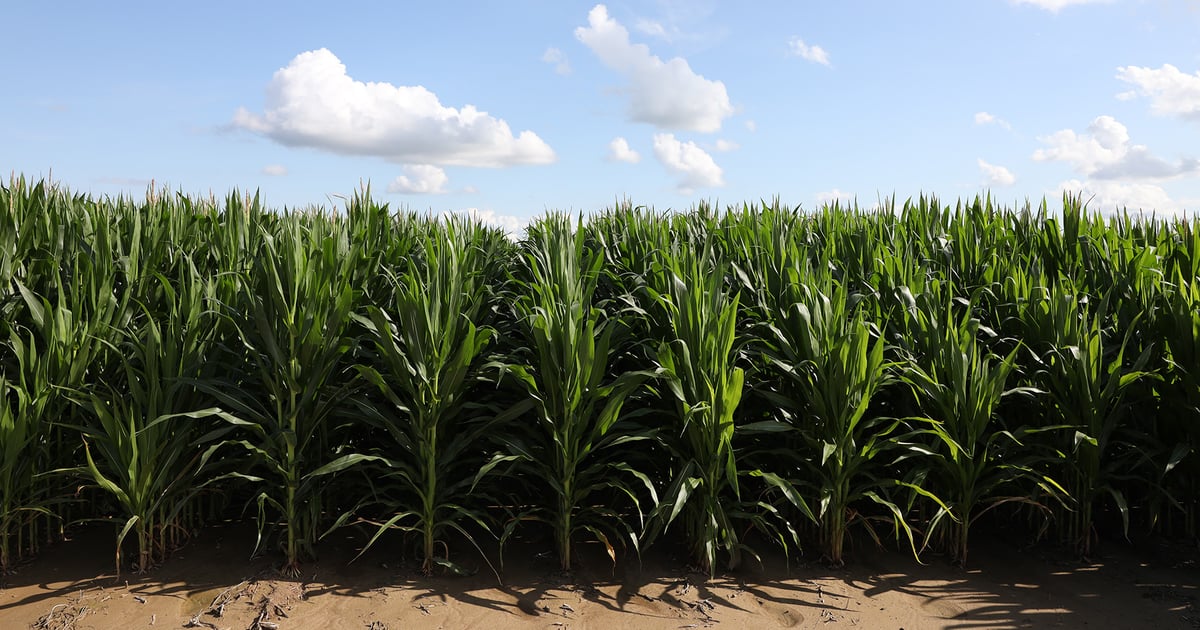
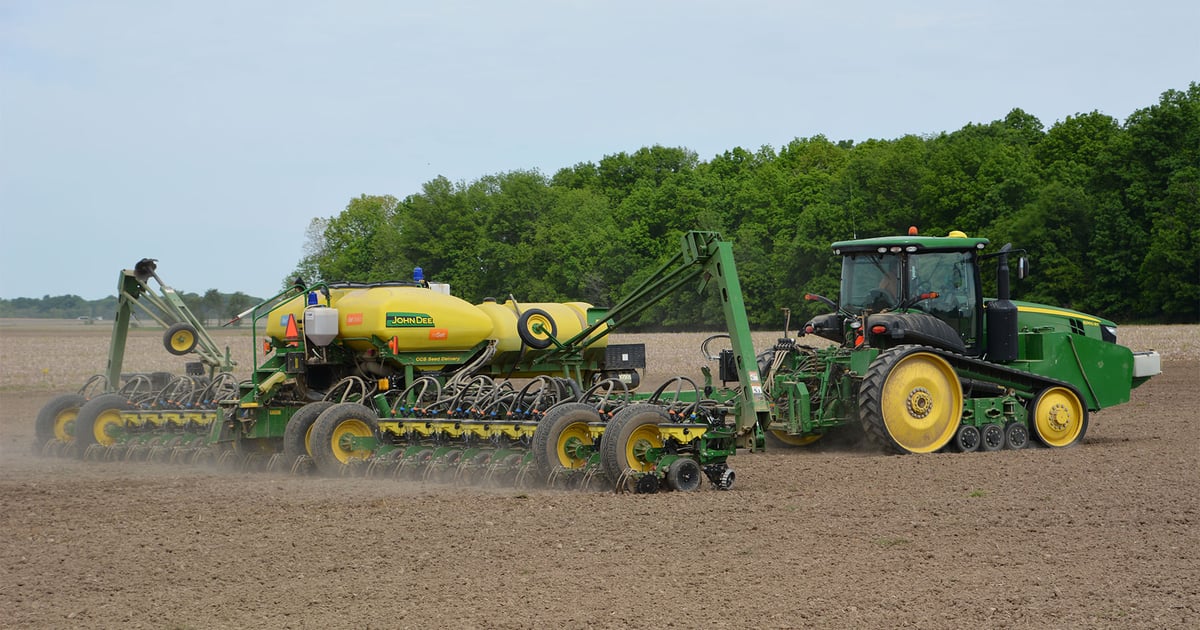
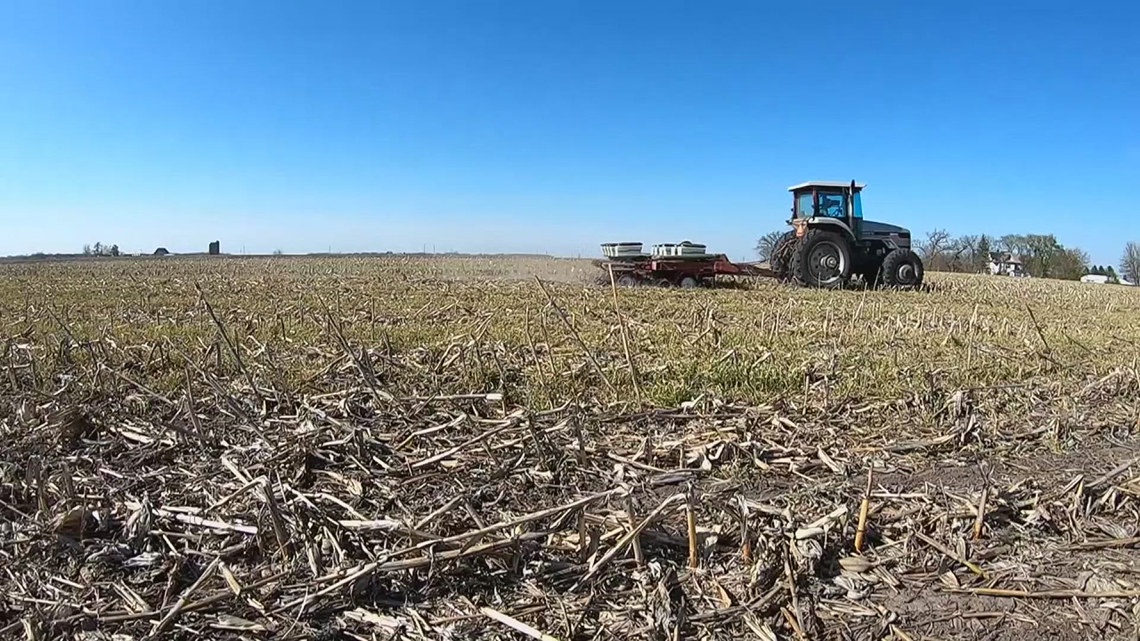
How many corn plants are planted per acre can affect silage quality. Research with the Midwest Forage Association found that planting 30,000 plants per acre produced higher fiber digestibility than planting 35,000 or 40,000 plants per acre. In other words, fewer plants per acre can make forage easier for cows to digest.
“Generally speaking, with greater plant populations, say 40,000 to 45,000, we see a decrease in fiber digestibility,” Goeser says. “Yield will increase, but there’s a negative relationship between quality and yield.”
Increasing plant population can boost total dry matter yield, but only to a point. Beyond that, adding more plants may not improve yield and can reduce digestibility. Farmers also need to consider other risks, such as higher potential for insect and disease damage when plants are crowded.
Not every hybrid reacts the same way. Soil type, fertility, row spacing and weather during the growing season can all change how plant population affects silage quality. That means planting decisions should be tailored to each farm and each field rather than following a single number for all acres.
Cutting Height
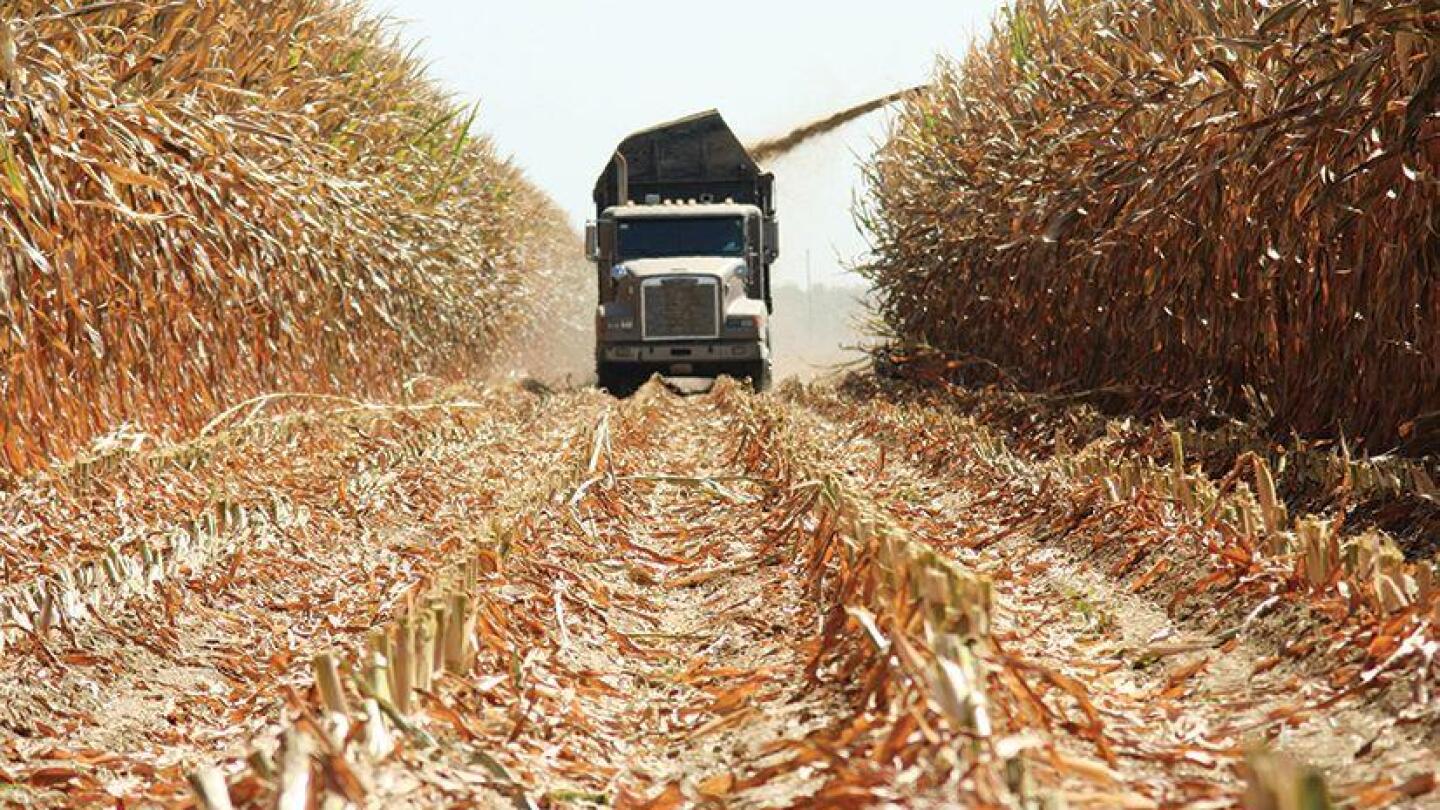
Among the tools available to improve fiber digestibility, adjusting chop height is one of the simplest and most effective. Raising the cutter bar leaves the lower, most fibrous part of the plant in the field and harvests more of the digestible portion.
“I’ve been asked many times what happens if we increase our cut by 8 or 10 inches,” Goeser says. “Every 10 inches higher, we give up about a ton and a half in as-fed yield, but we gain roughly two units of starch and two units of fiber digestibility. This strategy essentially trades some total tonnage for higher-quality feed.”
Research supports this approach. Studies show that milk per ton is highest at a cutter bar height of 18 inches and lowest at 6 inches. Yield drops about 15% at the higher cut, but starch concentration increases.
However, the economics of higher cuts depend on the year. In years with big crops, it is easier to trade some yield for better feed quality. In tighter years, the focus may shift toward maximizing tonnage. The key is to make the decision intentionally, rather than treating chop height as a fixed setting. Even with the best hybrid, fertility and disease control, timing the harvest and processing the silage properly is critical to capture its full feed value.
Adjusting for the Future
As BMR becomes harder to find, the focus will shift toward a broader mix of management decisions that shape forage quality. Hybrid selection, harvest timing, chop height and emerging genetics all play a role in shaping forage quality. The challenge for producers will be determining how those pieces fit together within the economics of their operation.