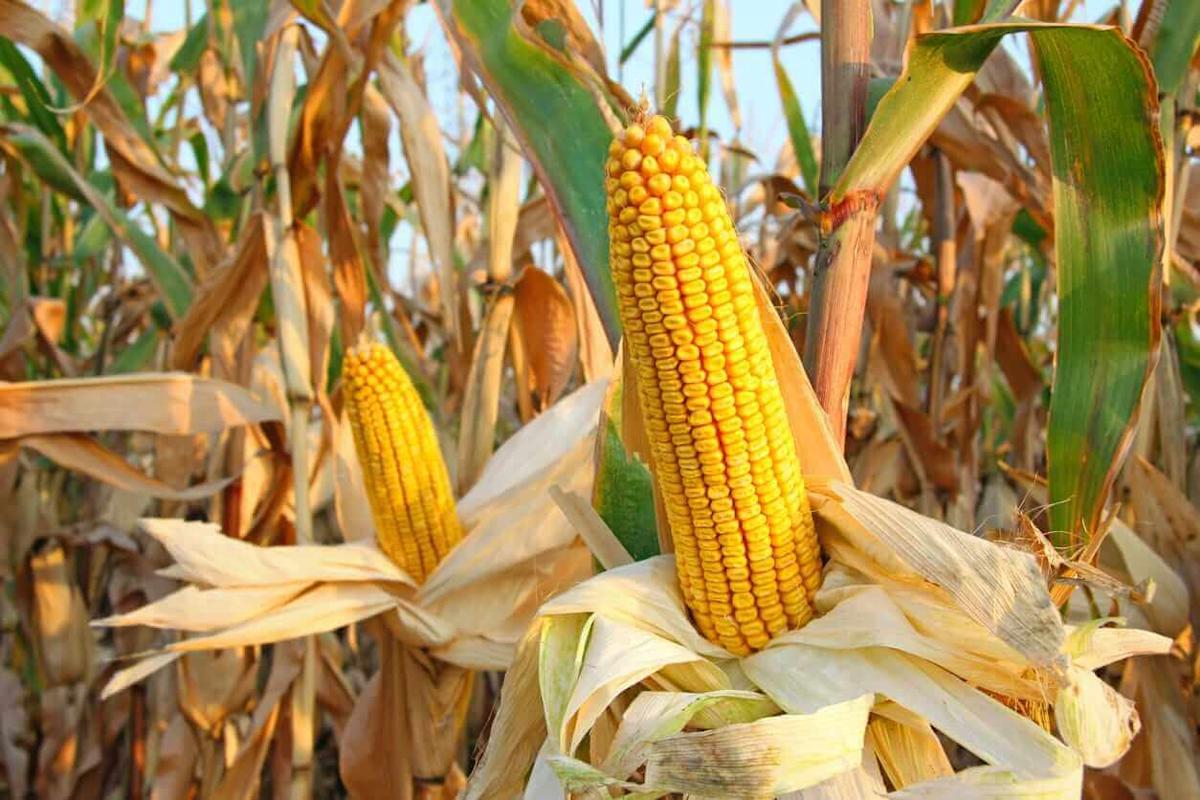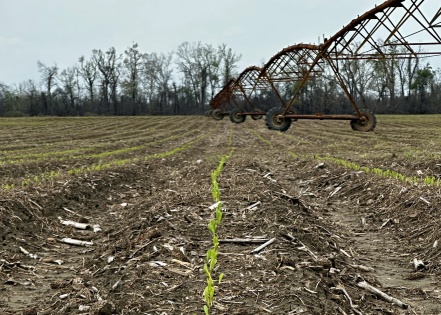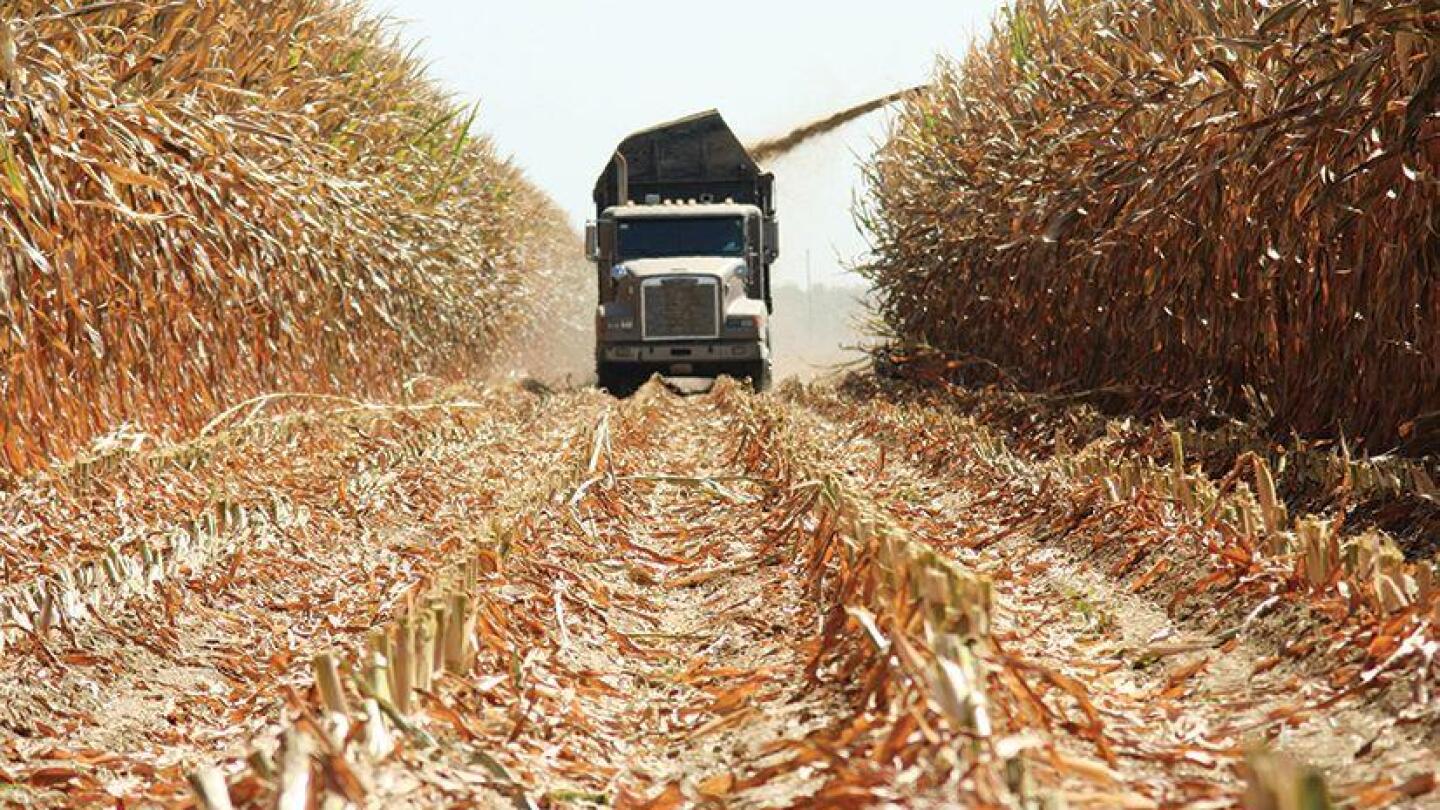
In the warm, mild days of February, Louisiana farmers arrived in corn fields armed with the memory of a 2025 . Early planting had saved corn yields from late-season pest damage as well as a hot, dry summer.
This year, nearly 100% of the state was ready to enjoy a brief break in early March after finishing in the fields when a frigid wind and freezing temperatures provided an unfavorable environment for thousands of acres of fledgling corn.
“Our earliest corn started getting planted probably the week of Feb. 12 in northeast Louisiana, and a lot of people followed suit,” said Shelly Pate Kerns, Louisiana State University Extension corn specialist. “Most were, if not all the way done with every acre they were going to plant, they were pretty close when we got that cold weather.”
Lots of acres of corn laid over or in cold shock means a lot of farmers ready to haul out the equipment for another round of field work. But Kerns said time and sunshine is the best medicine for corn in this situation.
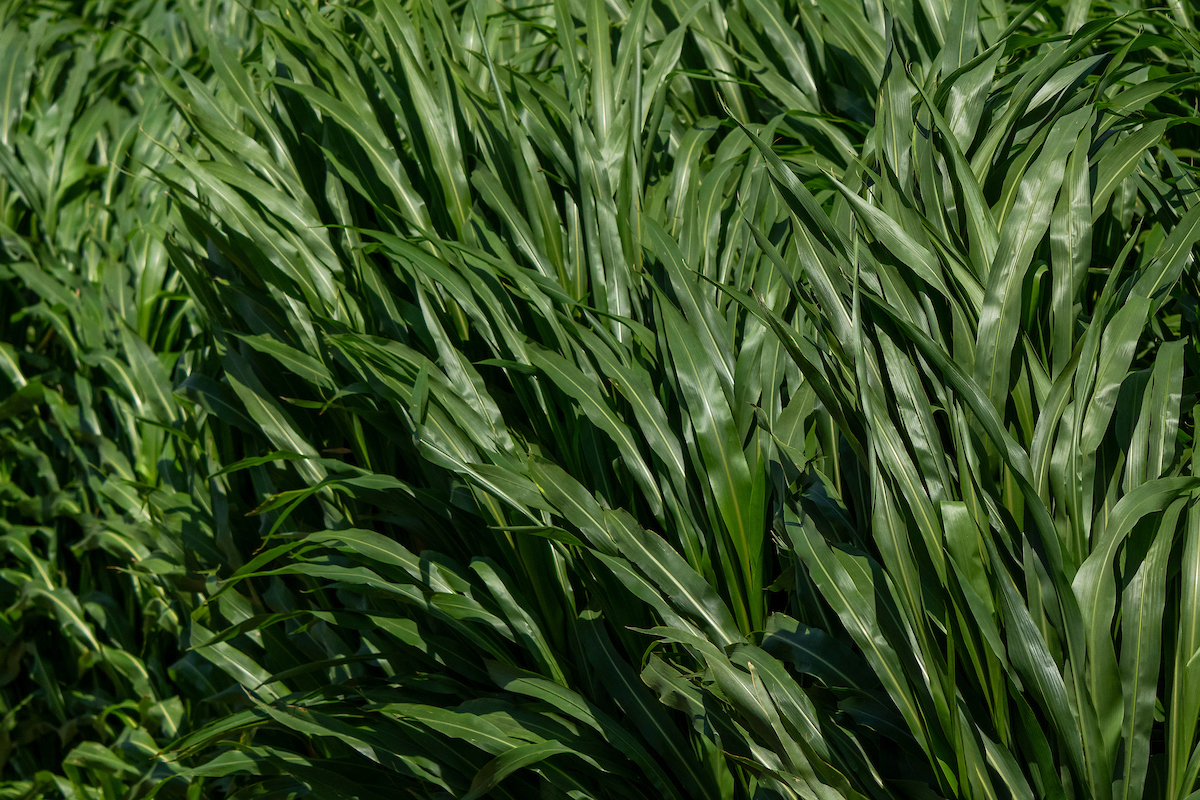
Most of the corn had not yet hit the V6 growth stage, leaving the growing point underground and less vulnerable to freezing temperatures. Although wind damage and cold likely made the plants look less than desirable, there’s still time to grow a great corn crop in Louisiana this year.
“Even though that growing point was underground, we did get freezing temperatures, and the further that plant is along, the closer it is to V6, the closer that growing point is to the soil surface,” Kerns said. “In a lot of cases where we already had corn in the ground, we’re in a wait-and-see situation as far as a replant decision because there’s always a chance the corn could bounce back as long as the sun stays out and the weather warms up.”

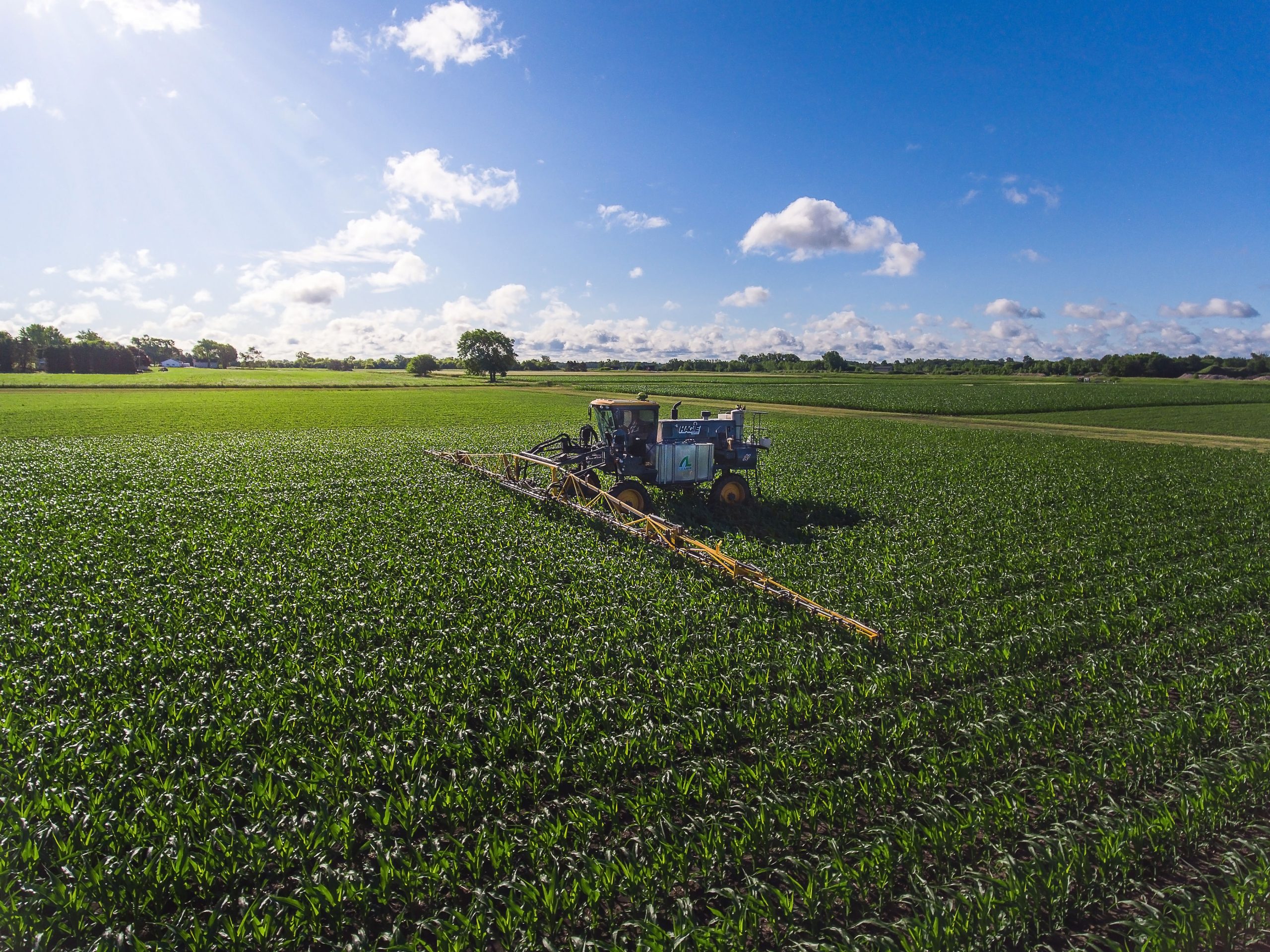
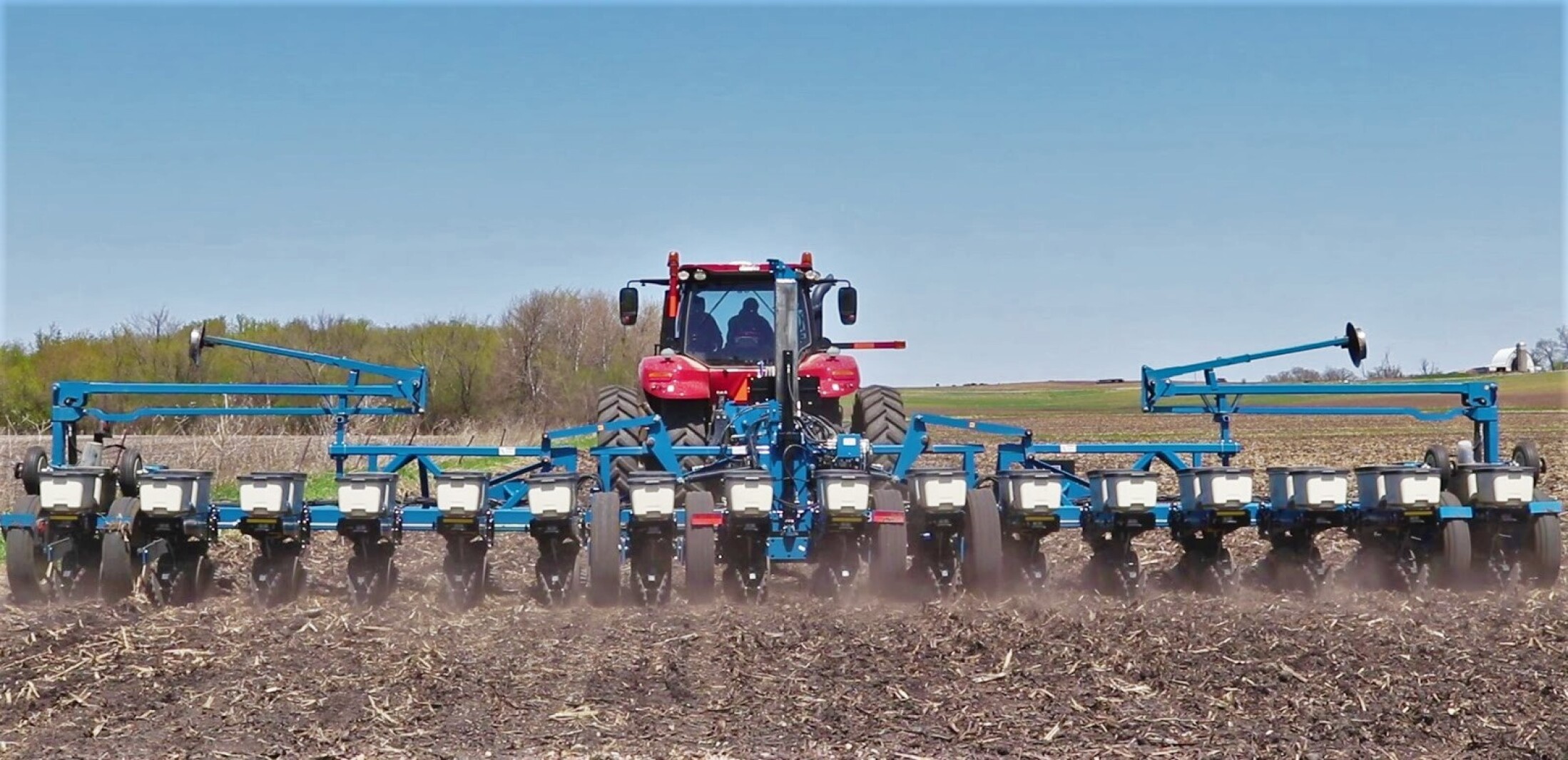
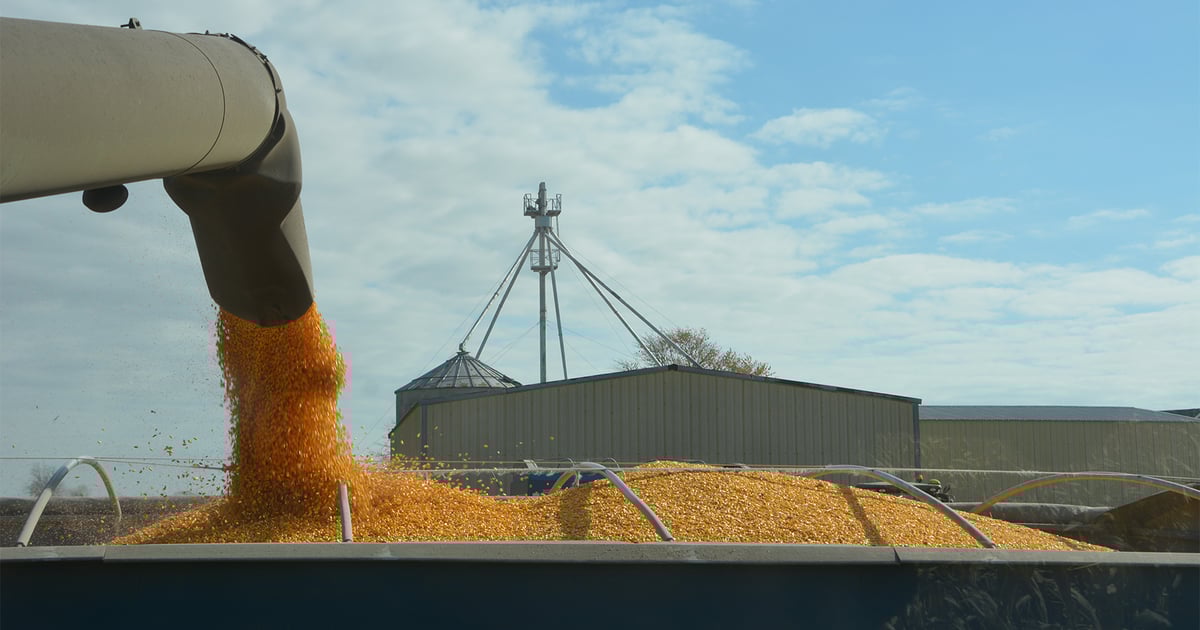
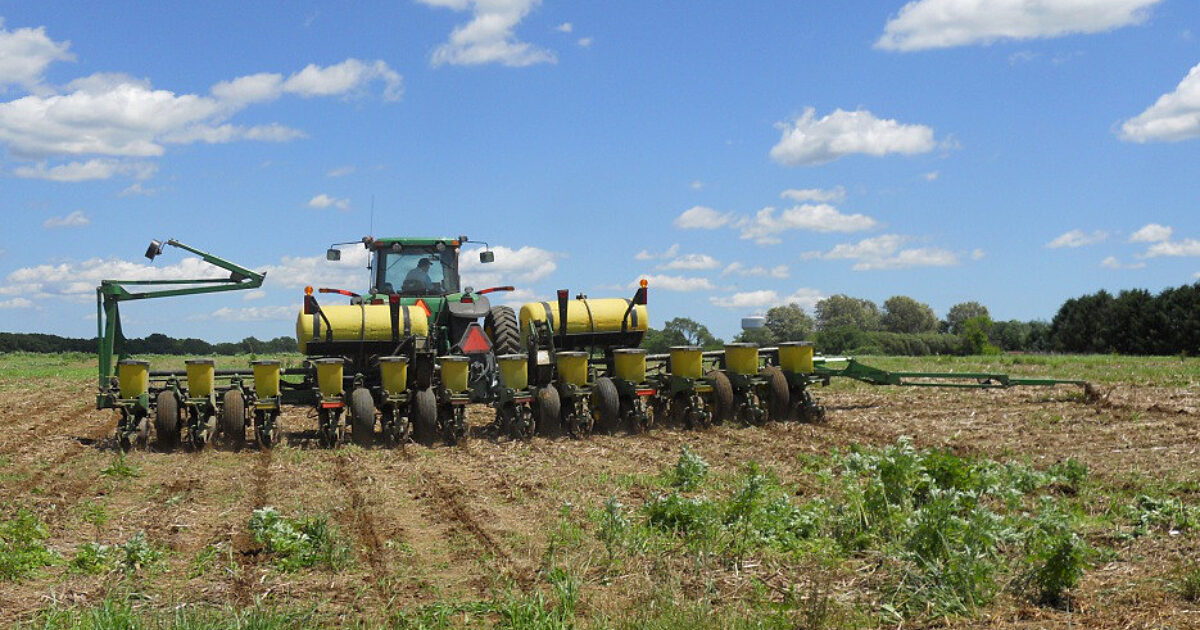
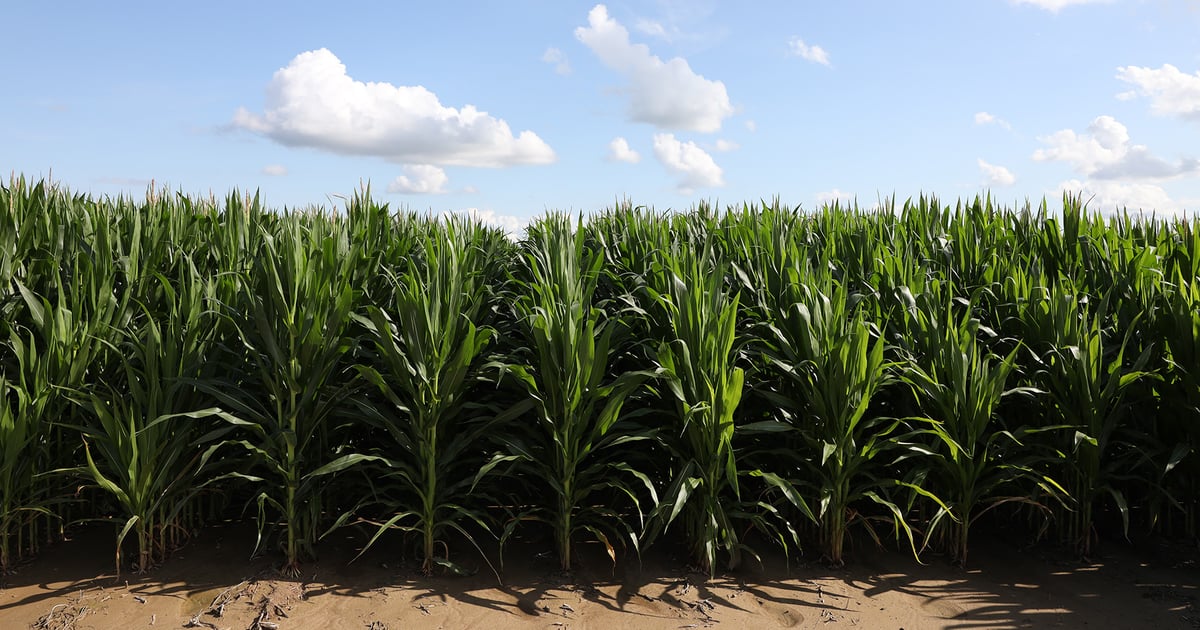
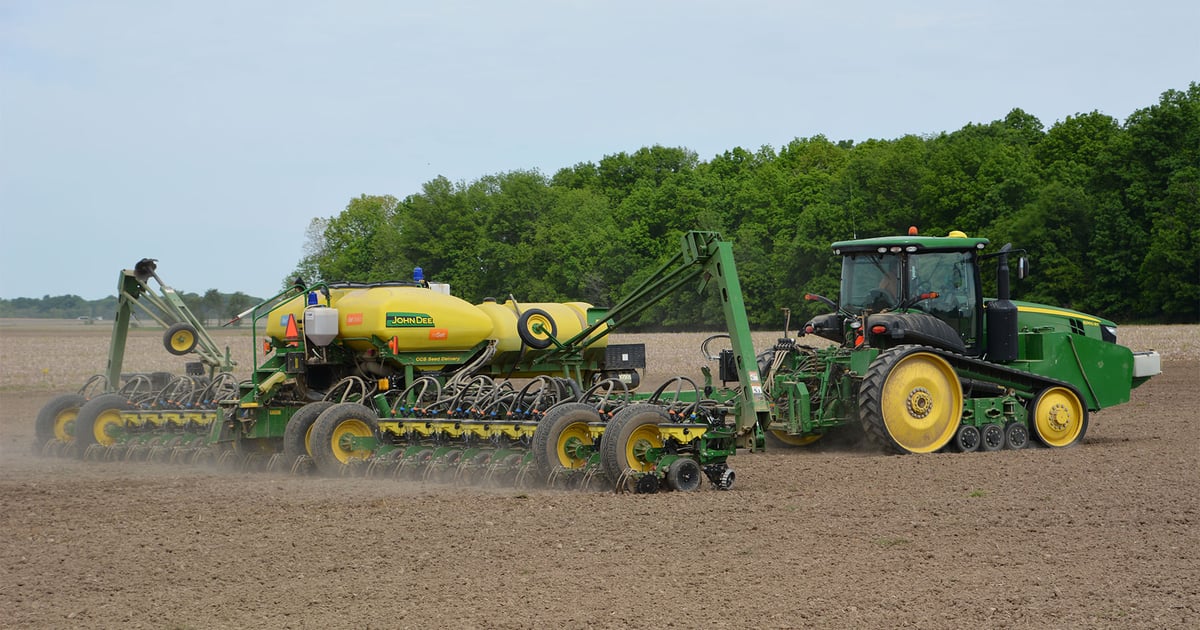
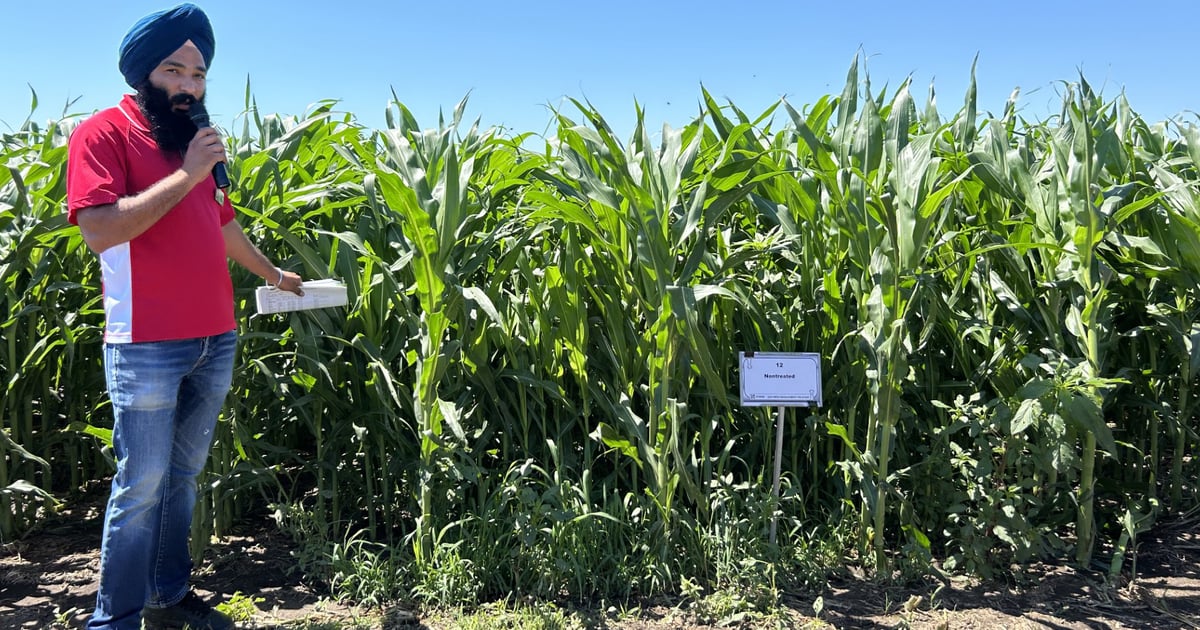
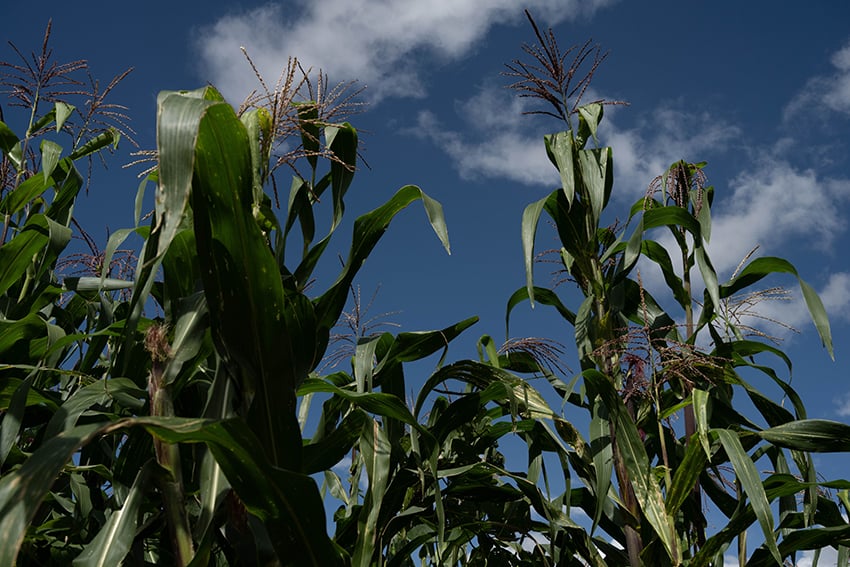
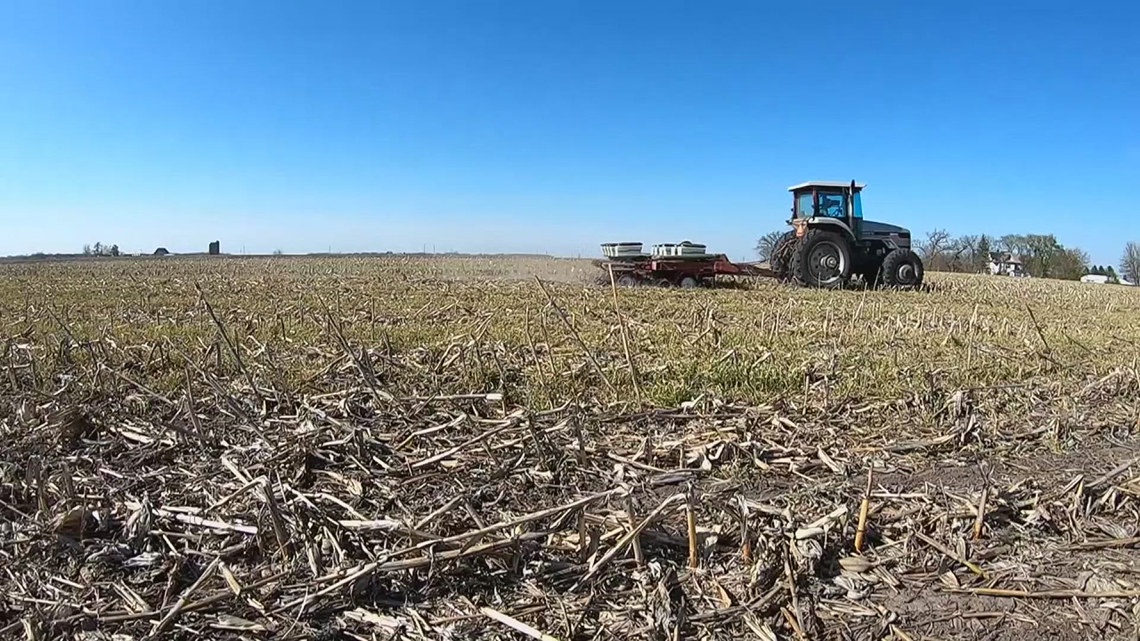
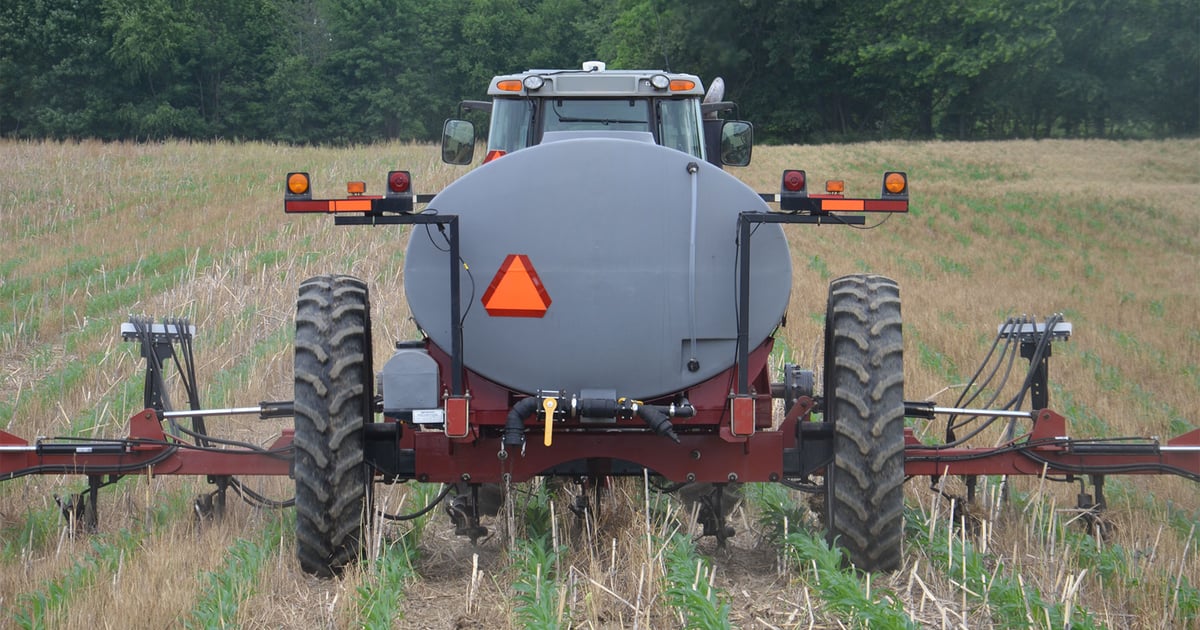
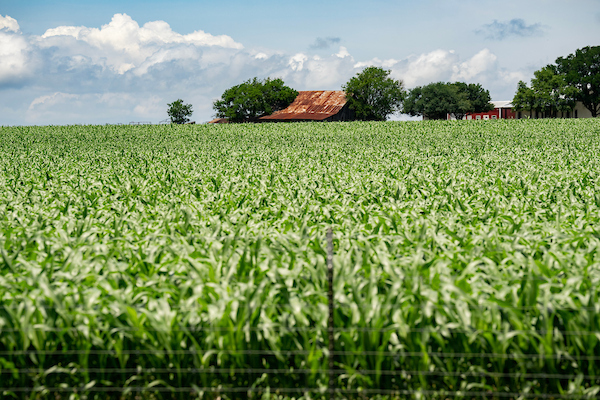
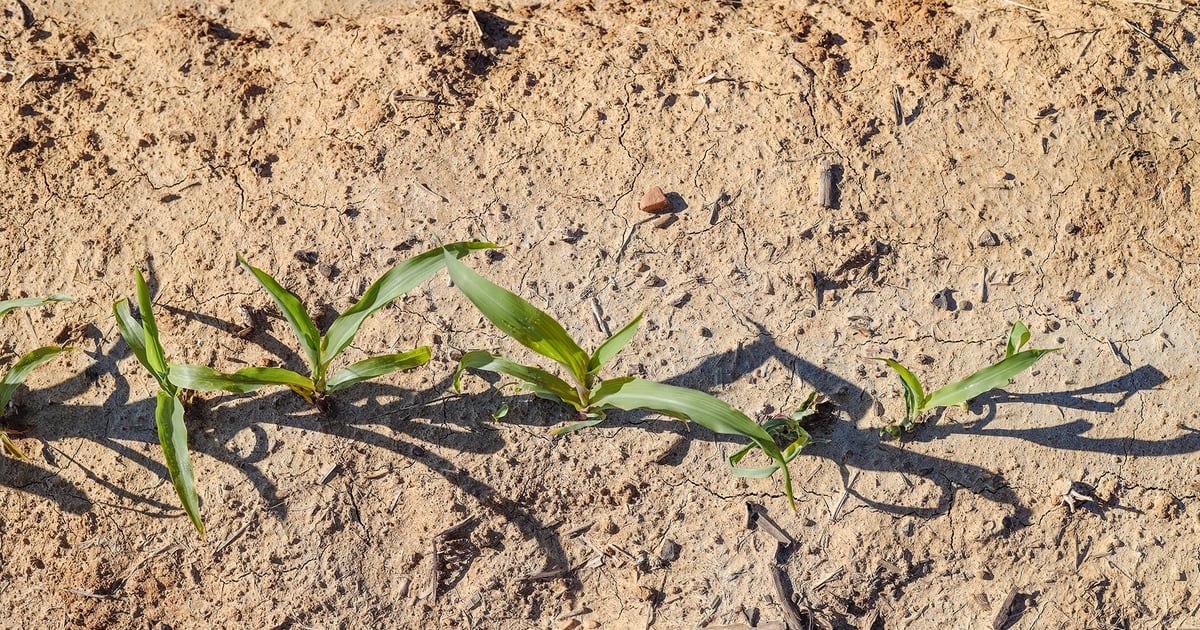
PLANTING HOPE: Louisiana farmers work to replant or monitor early-planted corn after freezing temperatures hit in March.
Monitor crop condition
If corn condition is a concern, Kerns said waiting five to seven days before assessing crop damage is key to getting a good idea of whether a replant is truly necessary. In many cases, corn that looks wilted or burned can rebound if the growing point was protected from cold damage and warm weather continues consistently.
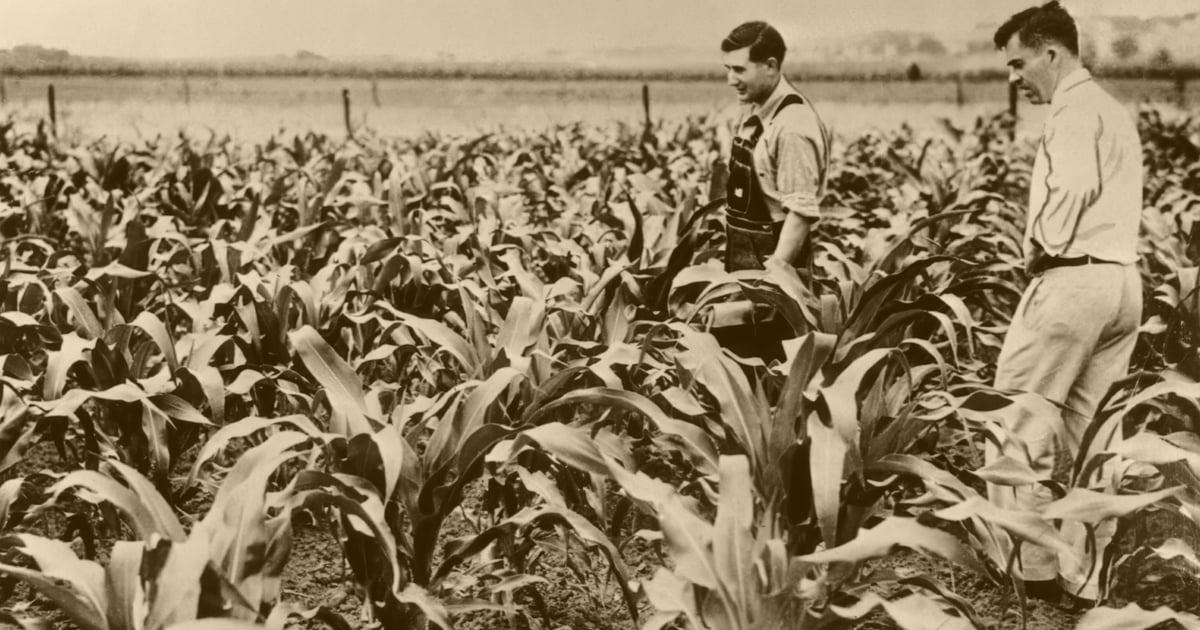
You can evaluate damage to your corn by monitoring for various signs. Cold-damaged plants will turn brown and droop, while wind-damaged plants will lean over but remain green. Healthy corn plants should develop a new leaf from the whorl every three to four days. Get a closer look by splitting the stalks of plants in the field and checking for a firm, white growing point.
“As long as you’re cutting open plants, splitting the stems and checking to see if that growing point is still below the soil surface and it’s white and moist-looking and there’s new growth coming out of the top whorl every three to four days, then theoretically, we should be able to bounce back,” Kerns said. “We’re early enough that we shouldn’t get a hit on yield at the end of the season, but that’s as long as the sun stays out and the temperatures stay warm.”
After a week of watching and waiting to see plant improvement, damage assessment can begin if plants aren’t showing signs of continued growth:
-
Measure one-thousandth of an acre.
-
Count living plants in the one-thousandth sections.
-
Multiply by 1,000 to know plant populations per acre.
Make decisions
Once damage has been assessed, Kerns said farmers should consider field history, physical state of the crop, plant population, stand uniformity, replant costs and yield potentials.
If plant populations are around or below 18,000, replanting could be a good decision. If the replanting happens later in the window, consider an early-maturing hybrid to help make up the difference in time.
“We are at a good point in the season where we still have a few weeks left in our planting window,” Kerns said. “If we do end up in a situation where we have to replant, it’s a good time where as long as a replant is economically feasible, we shouldn’t be taking any hits from a yield standpoint because we are still in that optimal window.”
Because optimal planting windows extend through April in much of Louisiana, Kerns said farmers have plenty of time to allow corn to soak up some sun and hopefully recover from cold temperatures before making a costly replanting decision.
“It’s obviously very alarming to see damaged corn, but I would stress to not make decisions on replants too early,” Kerns said. “I would monitor for at least five days up to a whole week after we got those freezing temperatures and then start to make decisions because there’s a good chance that that corn will bounce back instead of making a replant when we really don’t need to.”