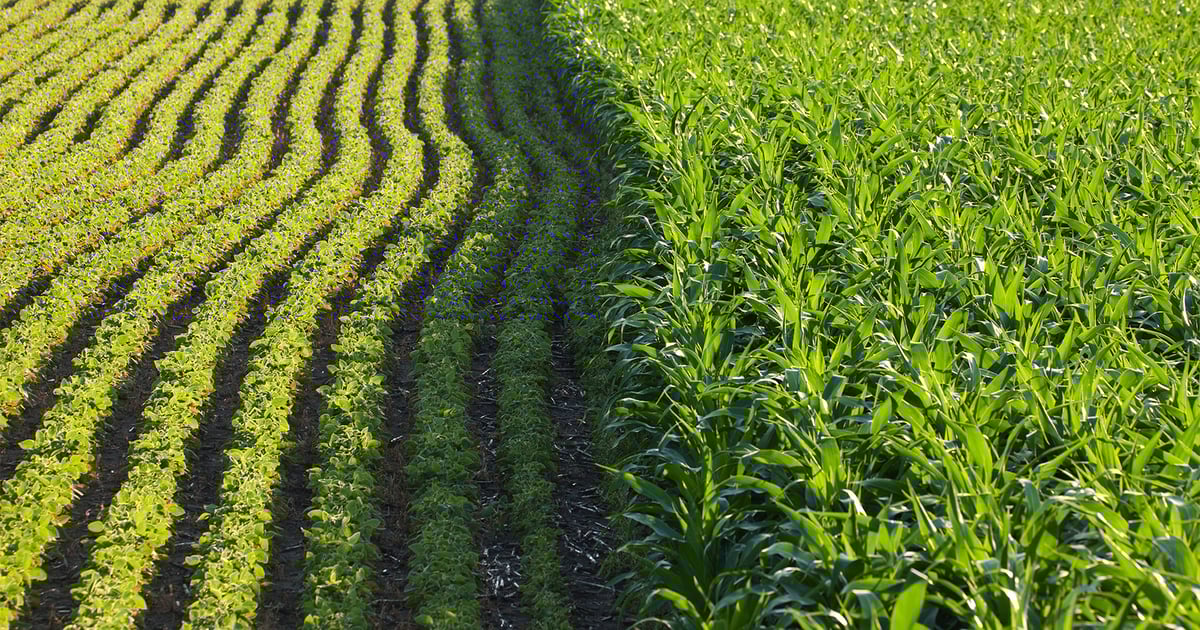
The choice between focusing on profit per acre rather than bushels per acre is becoming more prevalent for corn and soybean growers as input costs rise and margins tighten.
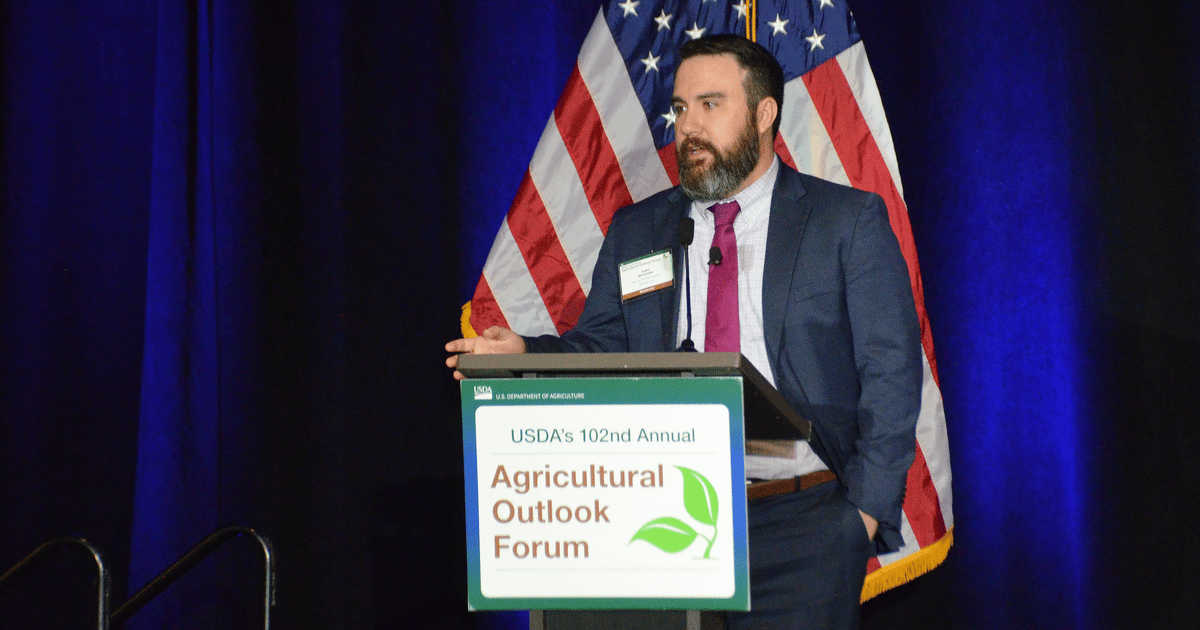
Stephan Melson, a Minnesota crop adviser with United AgTech and former president of the Minnesota Independent Crop Consultants Association, shared his expertise on what farmers should focus on.
Prioritize ROI
Melson said a main factor to consider would be what inputs have the highest likelihood of a return on investment.
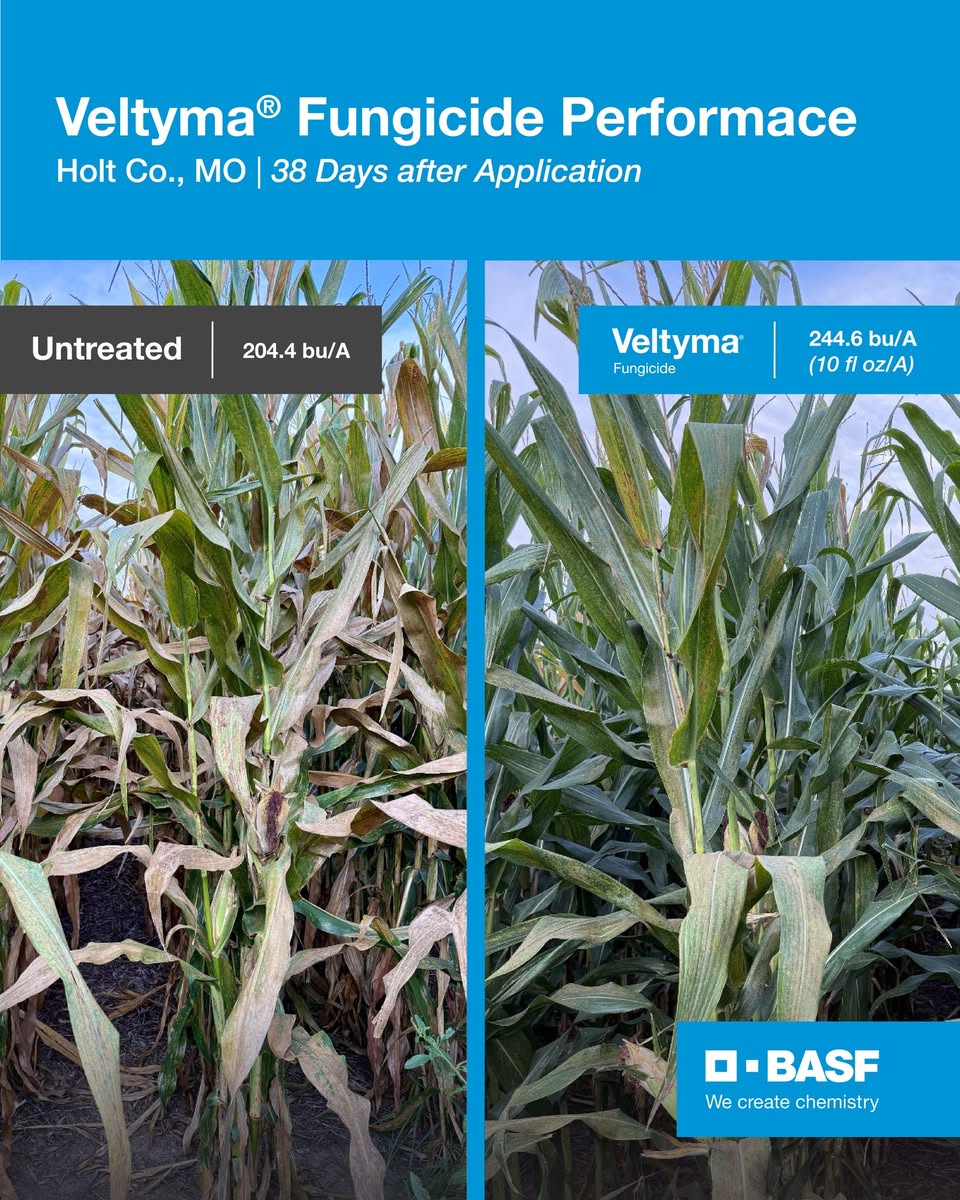
“Some inputs are necessary, like nitrogen for corn production, and some are more voluntary and provide a low chance of a return, like a foliar micronutrient application,” he said.
So where should you cut costs? Start with inputs that are unlikely to provide a yield benefit.
He said one strategy farmers can use would be to reduce corn and soybean seeding rates.
“I think many seeding rates are at the higher end of where they need to be to maximize yield,” Melson added. “Assuming $300 for a bag of seed corn, cutting your corn seeding rate from 36,000 to 34,000 seeds per acre is a savings of $7.50 per acre.”
It’s not a huge amount per acre, but he said it’ll add up.
Another strategy to consider is cutting phosphorus fertilizer rates. Soil scientists at the University of Minnesota and Iowa State University have years of data to predict the response of fertilizers to different soil test levels.
“Soils testing in the high to very high categories of the fertilizer recommendations have a low chance of a return on the addition of phosphorus fertilizer,” Melson said.
He said trimming rates in this instance likely will not reduce yield but does reduce fertilizer costs per acre.
Reducing input costs while improving profitability
“Precision agriculture can be a great tool to keep track of input usage like fuel, seed, fertilizer, etc.,” Melson said.
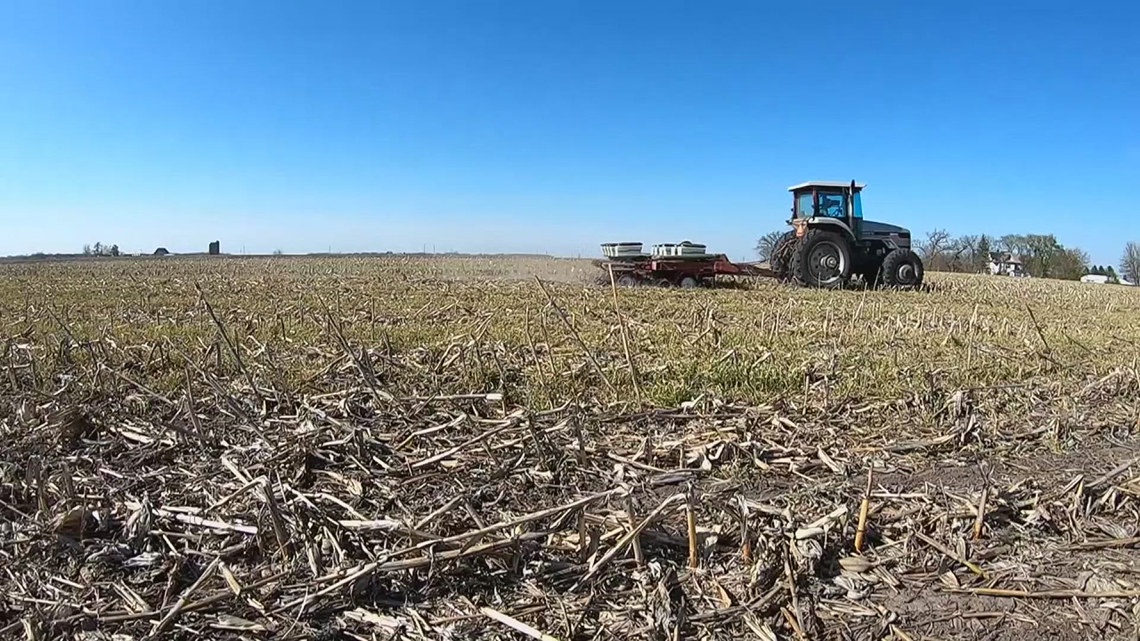
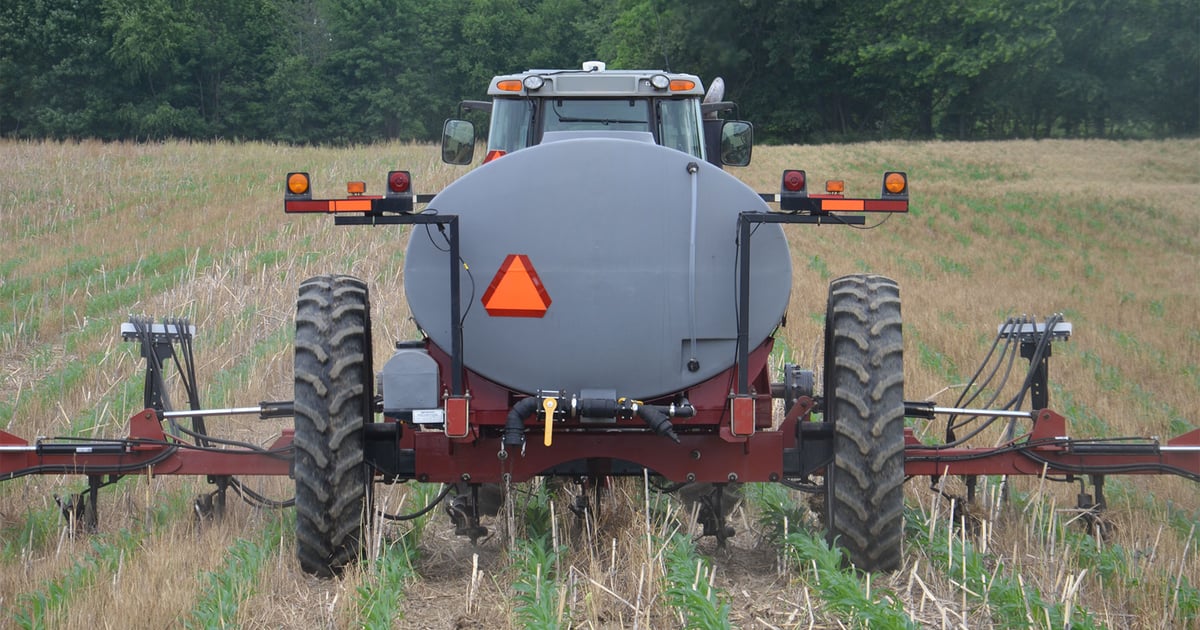
Another way to reduce costs is to reduce tillage, as fuel savings and equipment savings are what he deemed “low-hanging fruit.”
Transitioning from using tillage to no-till also provides direct savings. As a popular soil health resource, Melson offered a warning about cover crops from a cost point of view.
“Cover crops can work, but they are also an expense,” he said. “Adding a cover crop to the no-till system is an additional expense negating the savings from reducing tillage.”
Melson encouraged farmers to continue soil testing because it is essential to keep a lid on fertilizer expenses and a good way to maximize return on every acre.
“The law of diminishing returns is critical when talking about fertilizer,” Melson said. “When soil tests are low for nutrients like potassium and phosphorus, the rate of return is high. Conversely, when soil tests are high, the rate of return is low.”
If crop farmers haven’t sampled soil in a while, Melson said they should because there could be additional cost-saving benefits depending on the results.
Higher levels of organic matter in the soil means more nutrients, better water retention and more tilth available for crops, he added.
“However, it is very tough to raise organic matter levels in soils,” Melson said. “I caution against practices being promoted to increase organic matter levels fast as I don’t think it is feasible.”
When to change your focus to higher profit over yield
Melson encouraged scouting and some handy tools to assess crop yields, such as nitrogen calculators and integrated pest management tools.
“Crop scouting goes hand in hand with IPM. Just because you had an insect or disease in prior years, doesn’t mean you will this year,” he added. “Scouting for pests is a way to evaluate if a crop input is needed.”
If farmers need help evaluating if their yield goals are aligned with profitability goals, a good benchmark is to look at crop insurance yields from the past 10 years, Melson said.
“For example, if the highest yield in the past 10 years has been 215-bushel corn, it’s probably not realistic to have a [250-bushel] yield goal.”
He also suggested farmers work with farm business management instructors from a university Extension or local college.
“They have a lot of data from local farms with yield and input costs that help determine where your farm is at and what could be changed to maximize profits,” Melson said.
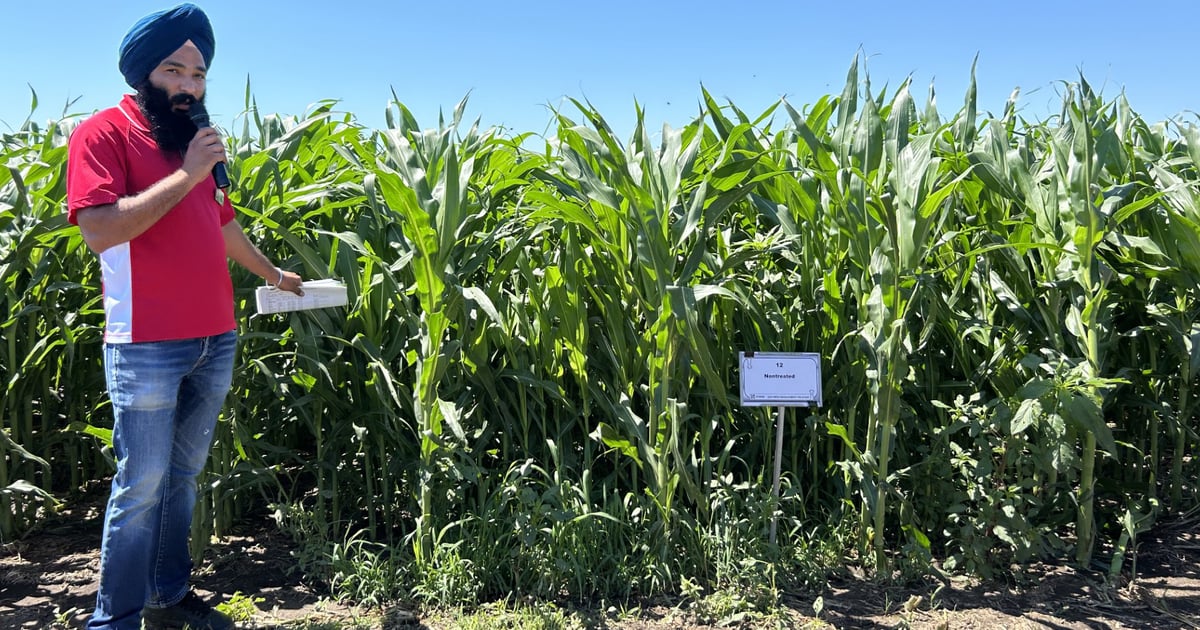
If you’re hesitant to make the switch fully to reduced-input practices, Melson has an easy method to try. He suggested cutting costs as a side-by-side trial.
“It’s easy to seed treat a box of soybean seed and plant a box of untreated seed next to it to determine if seed treating soybeans is worth it,” he added.
When it comes to focusing on profitability, Melson said simply tracking your costs and having a budget will come in handy. Without a budget, it’ll be hard to gauge where to cut inputs.