When you choose something to eat, the question is this: Is this real food that nourishes, or is it a manufactured invention of the 20th century? Some things in life are black and white, like a coin toss. Heads or tales, offense or defense, yes or no. But real life is a spectrum of grays.
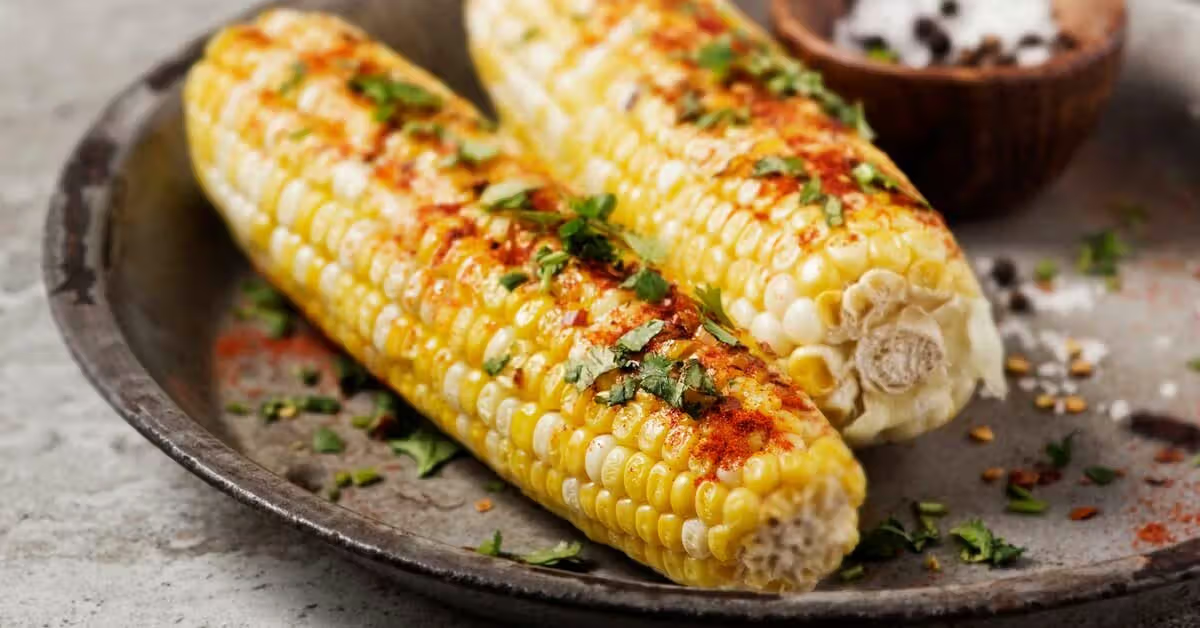
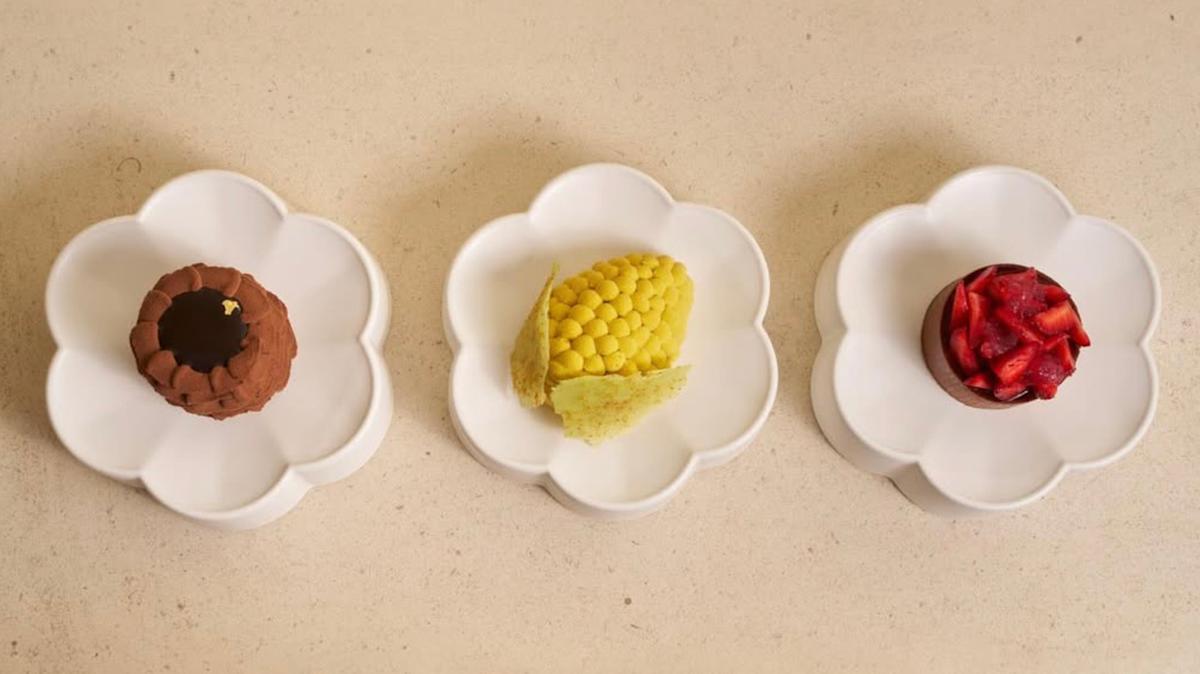
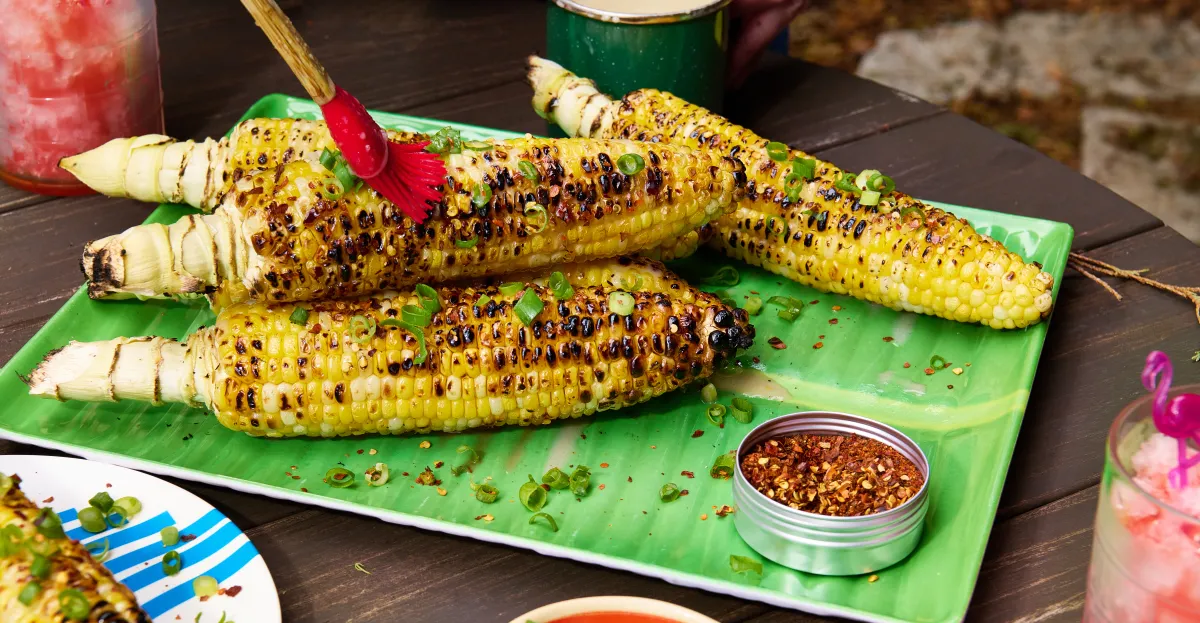
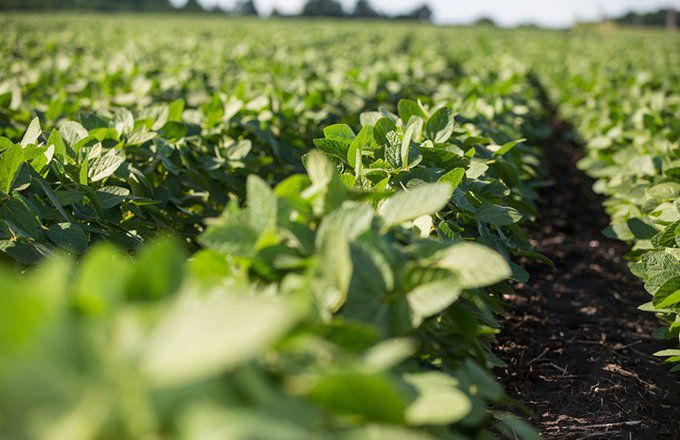
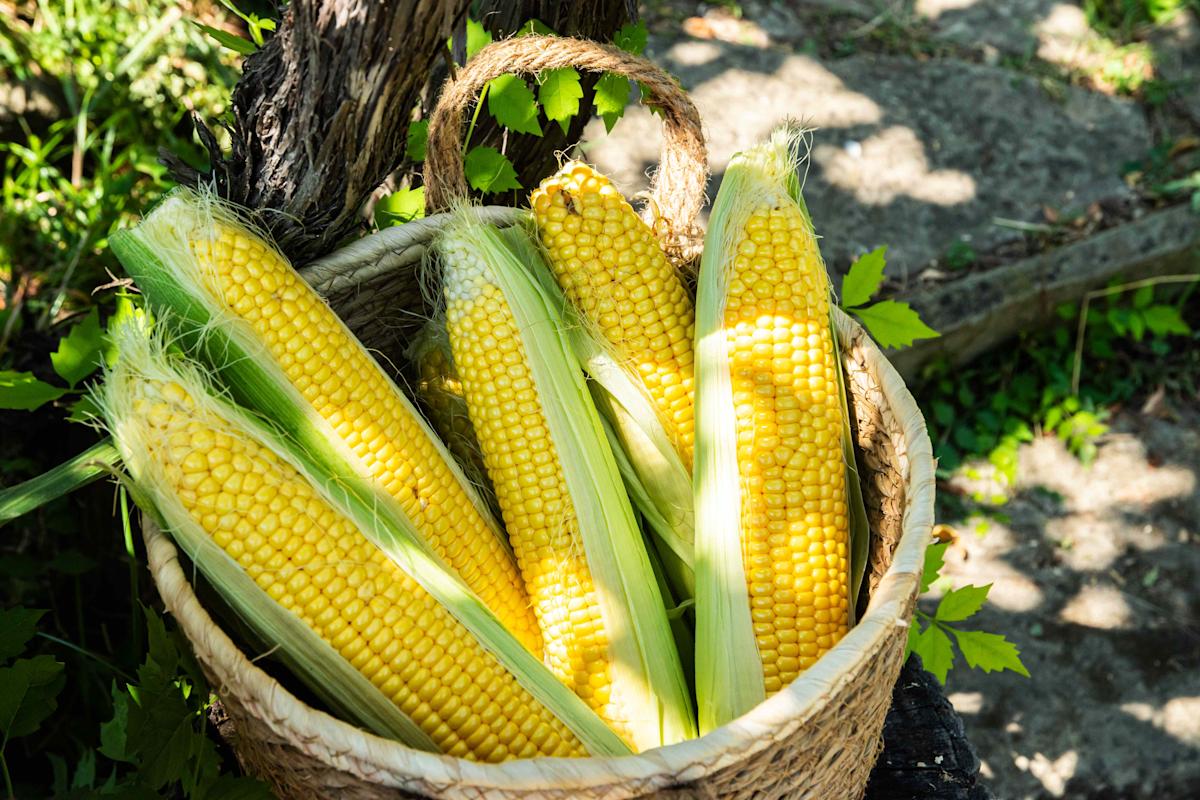
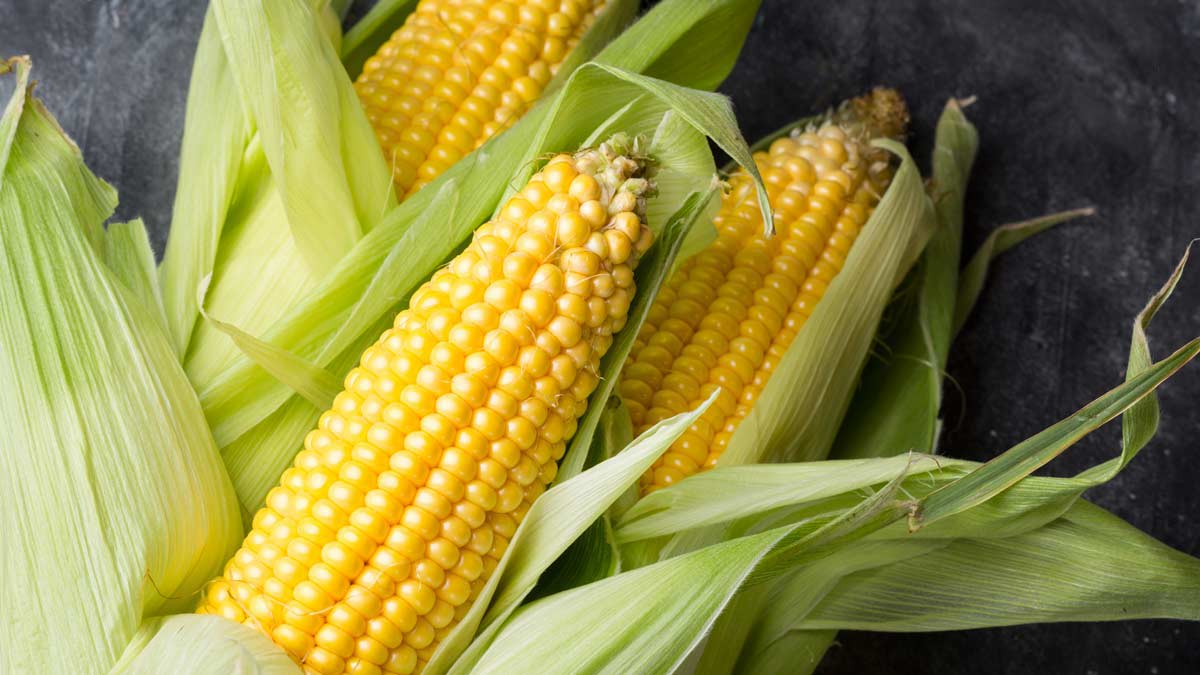
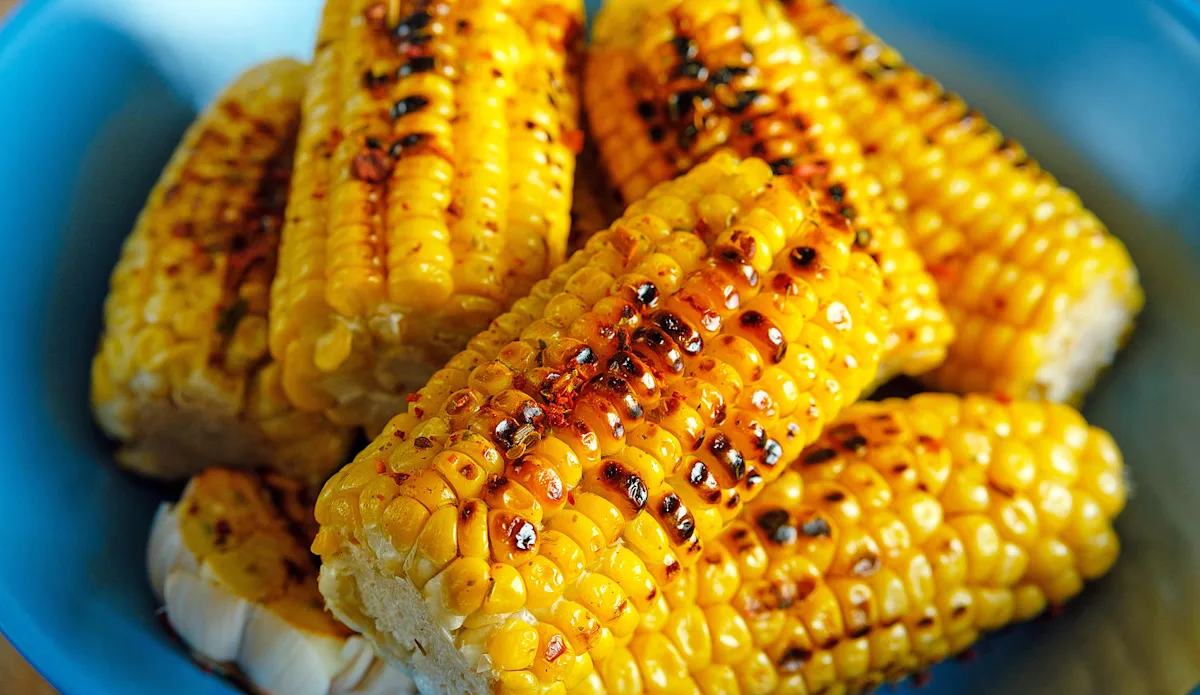
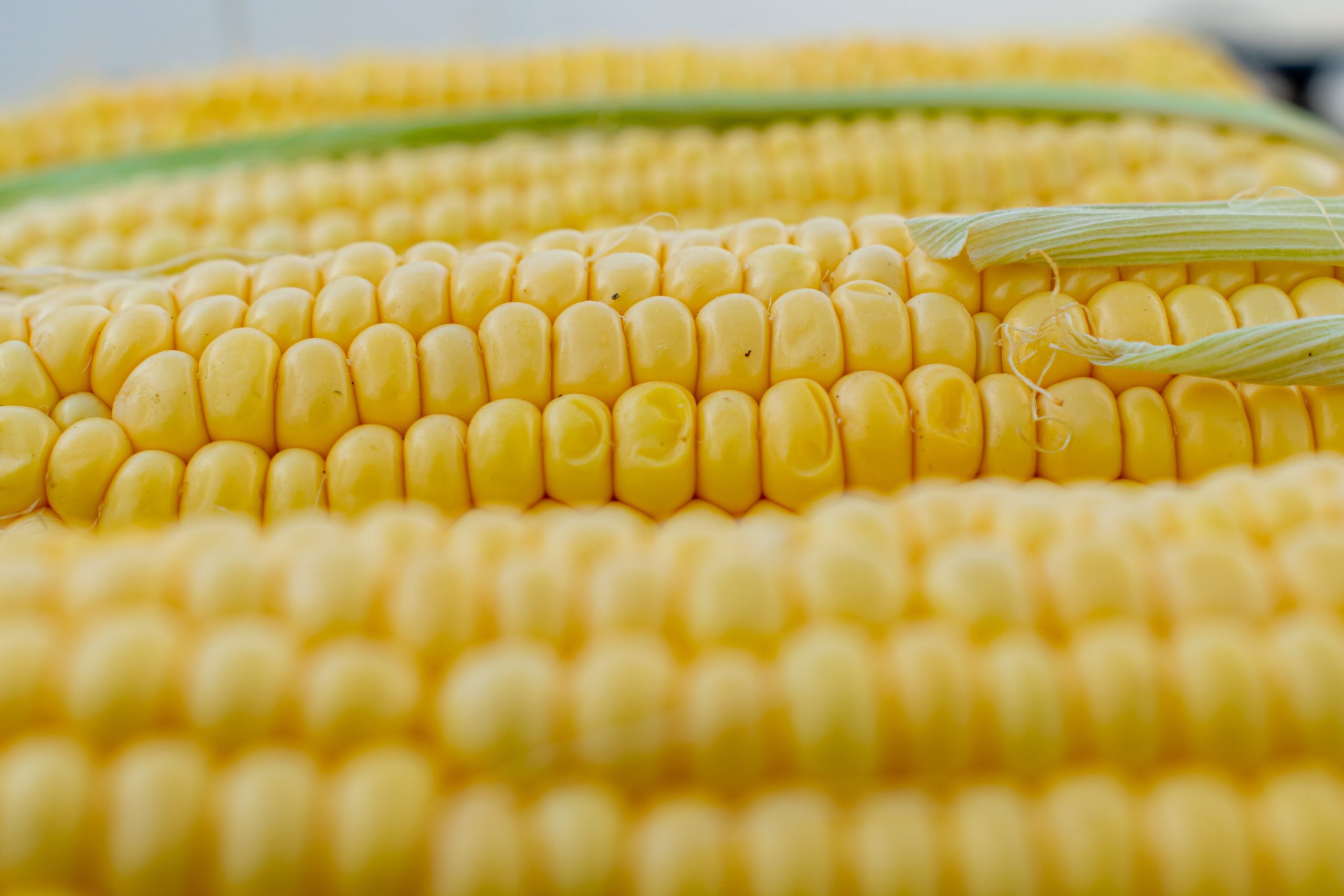
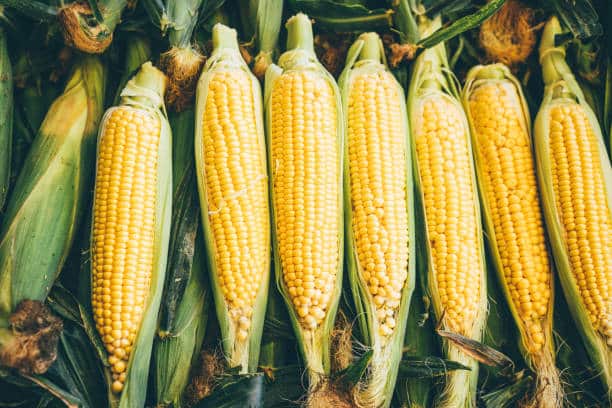
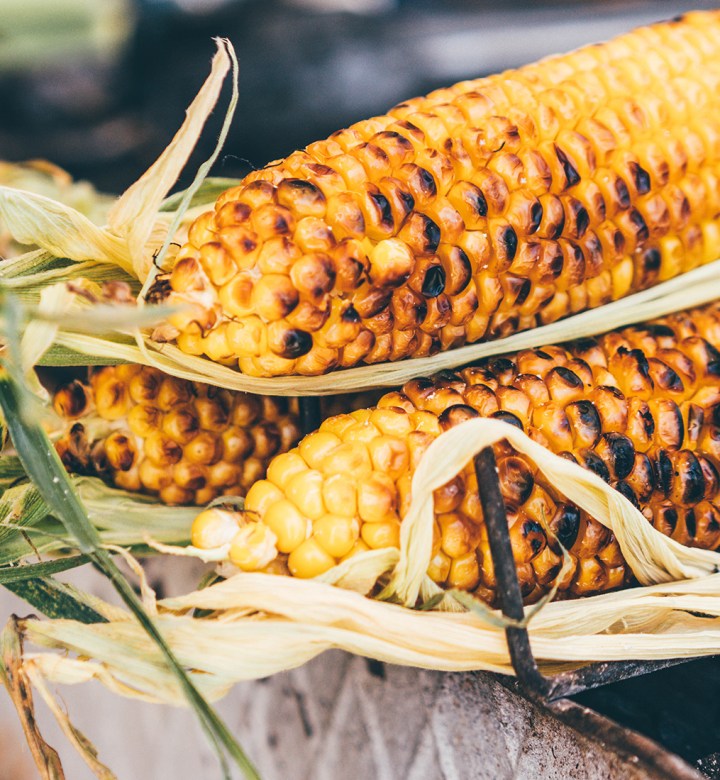
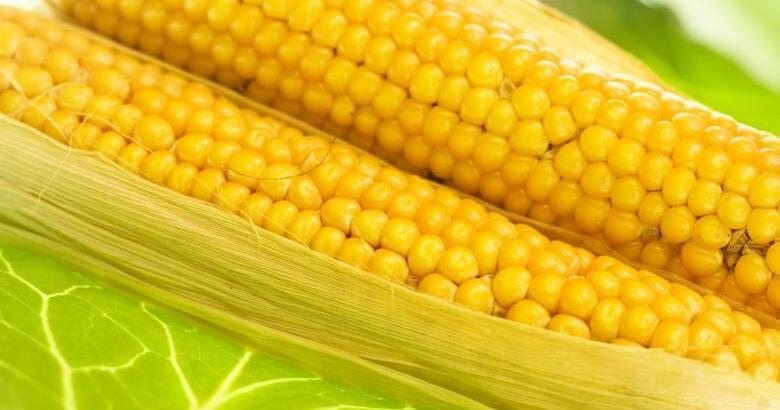
Corn is an example. The question is not: “Is corn good for me?” It depends. Like other real foods, the corn plant originates in the earth. Though usually boiled or roasted, sweet corn can also be eaten right off the cob.
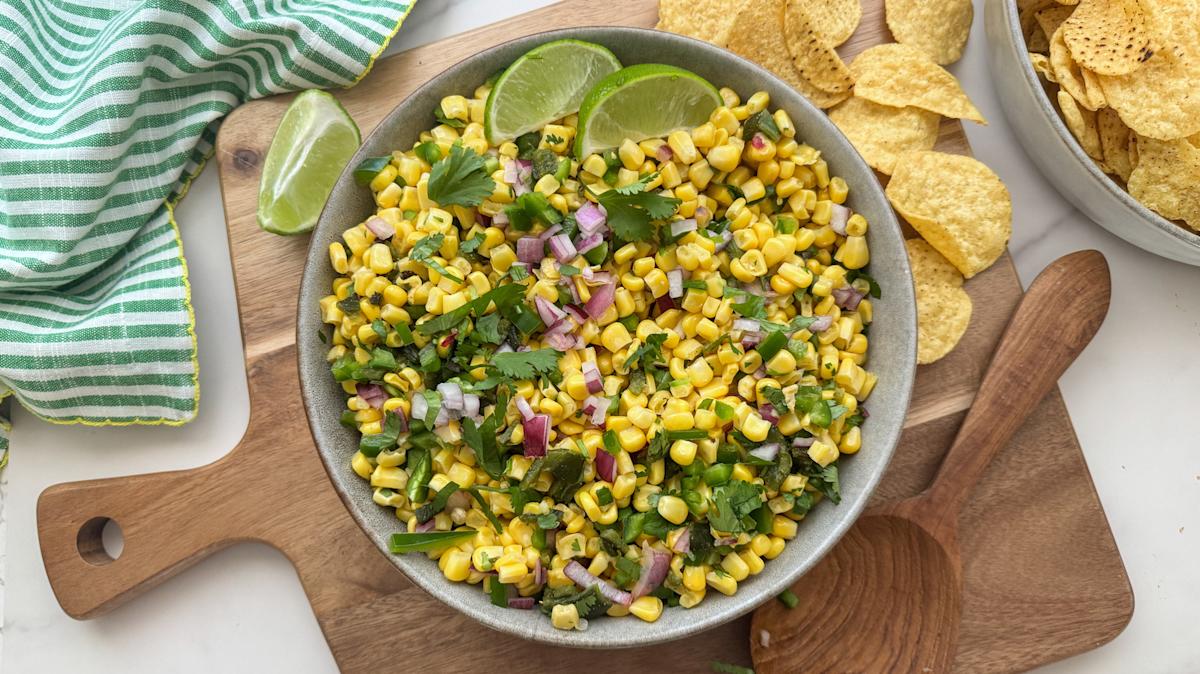
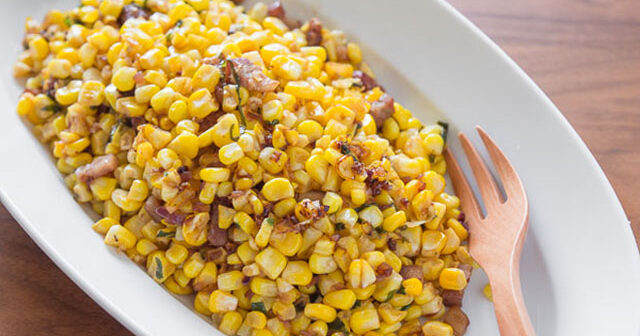
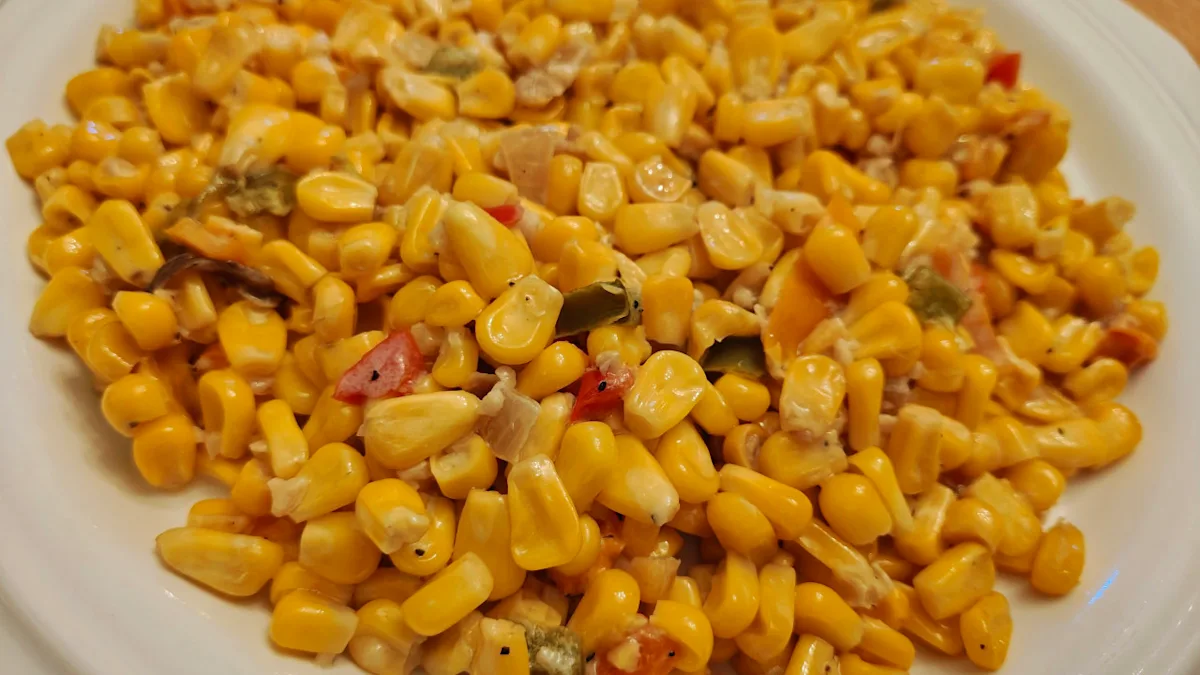
Once corn is picked, however, the sugars in the kernels begin converting to starch, which is not as sweet. One step removed is corn from the same crop, purchased a few days later, and boiled for a few minutes until bright yellow. This, too, may be eaten off the cob, or the kernels can be sliced off to make salsa or succotash, a corn-and-bean dish. Corn kernels are frozen or canned for consumption months or years later. These products still look and taste like corn, and it is definitely corn, as any 5-year-old can tell you. But step by step, we are moving farther away from the day that the corn was picked.
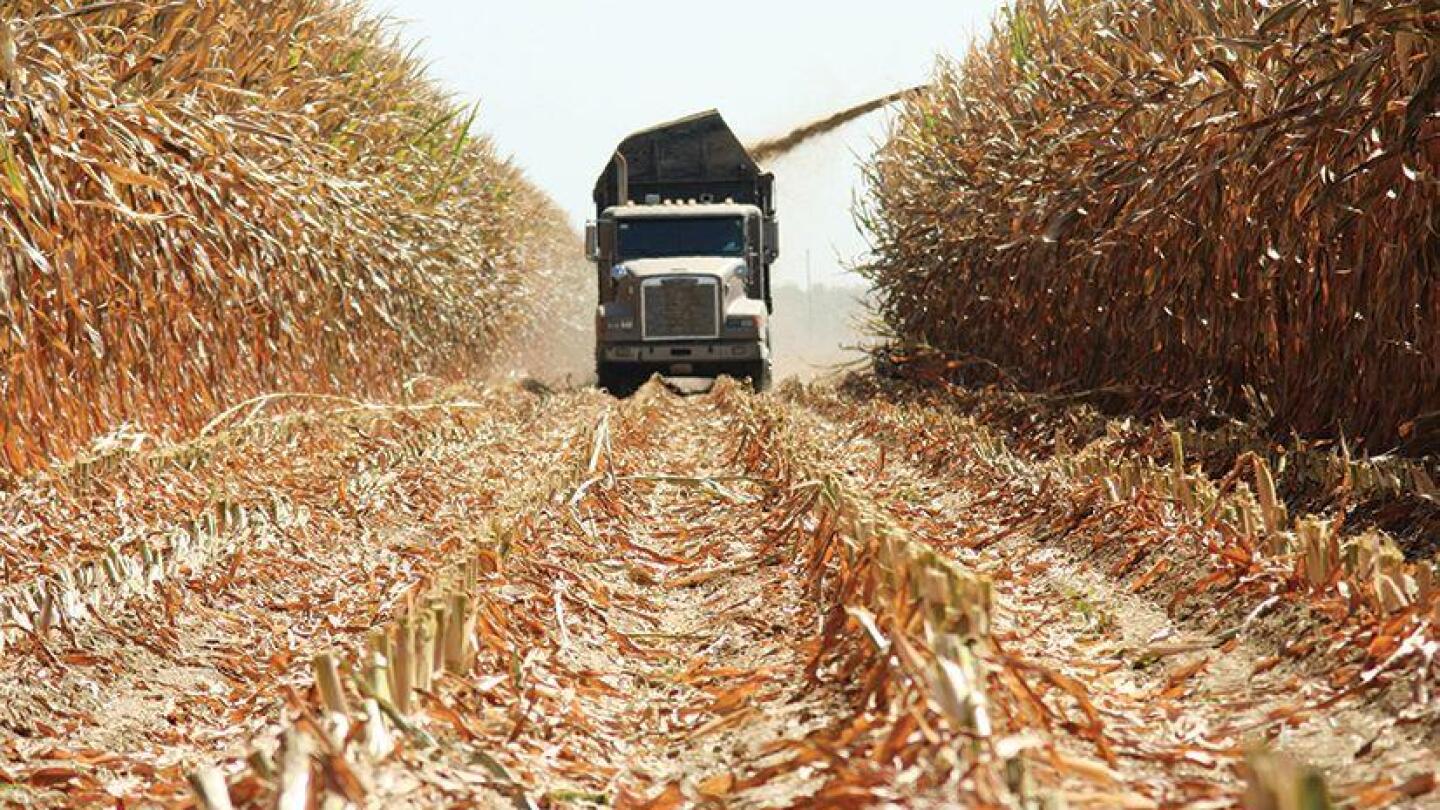
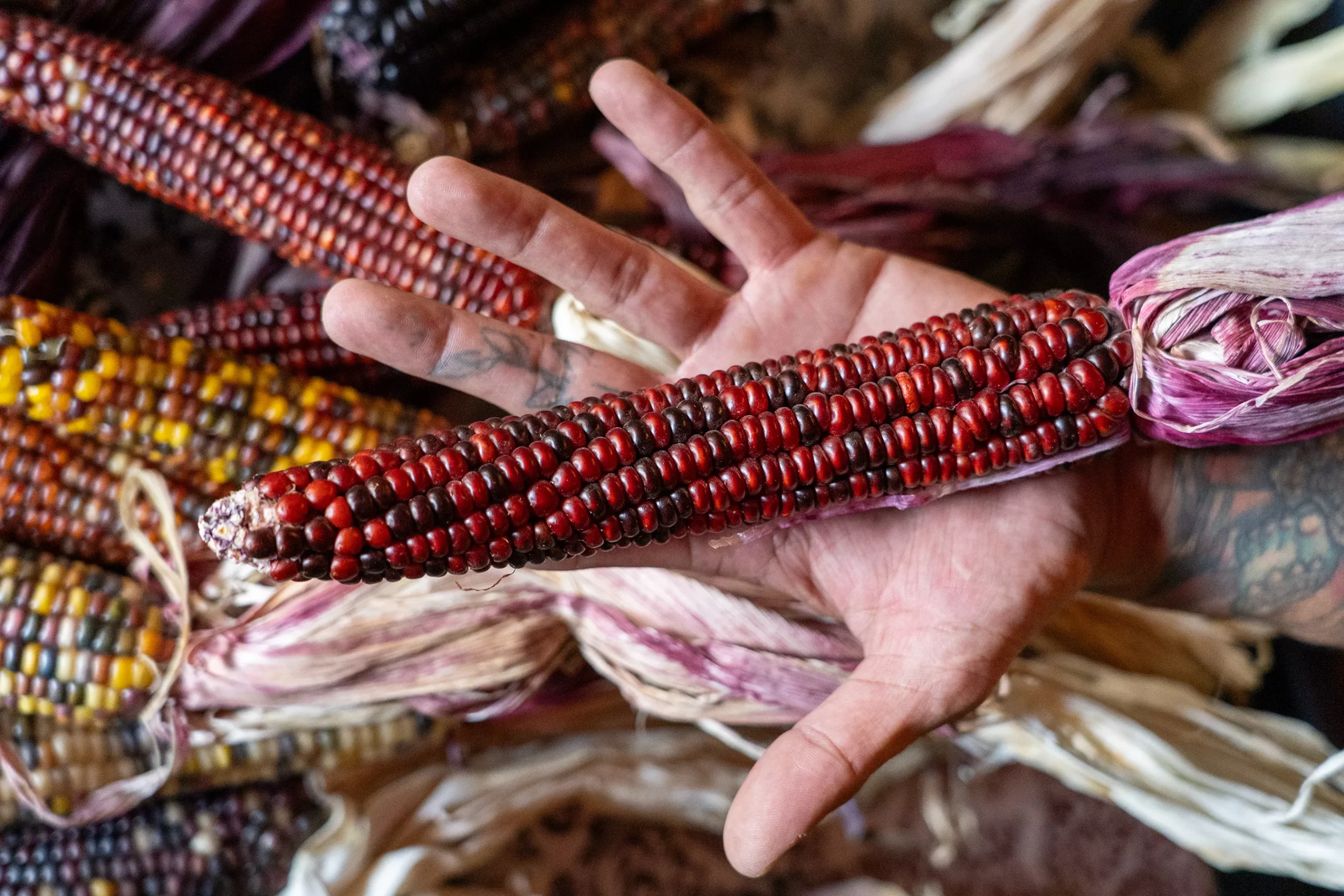
Some of that corn will be dried and crushed into corn meal. Whole-grain corn meal, manufactured in comparatively small amounts with its germ and husk intact, ends up in specialty stores, farmers markets and organic food stores and restaurants.
Large amounts will be defatted or degerminated, with the nourishing germ removed. This process markedly decreases the nutritional value of corn meal. To prevent nutritional deficiencies in individuals who consume degerminated corn meal, selected nutrients are added back in a process called enrichment. Enriched corn meal is bound for fast food restaurants, snack food manufacturers and commercial bakeries the world over. Whole-grain corn meal does not require enrichment.
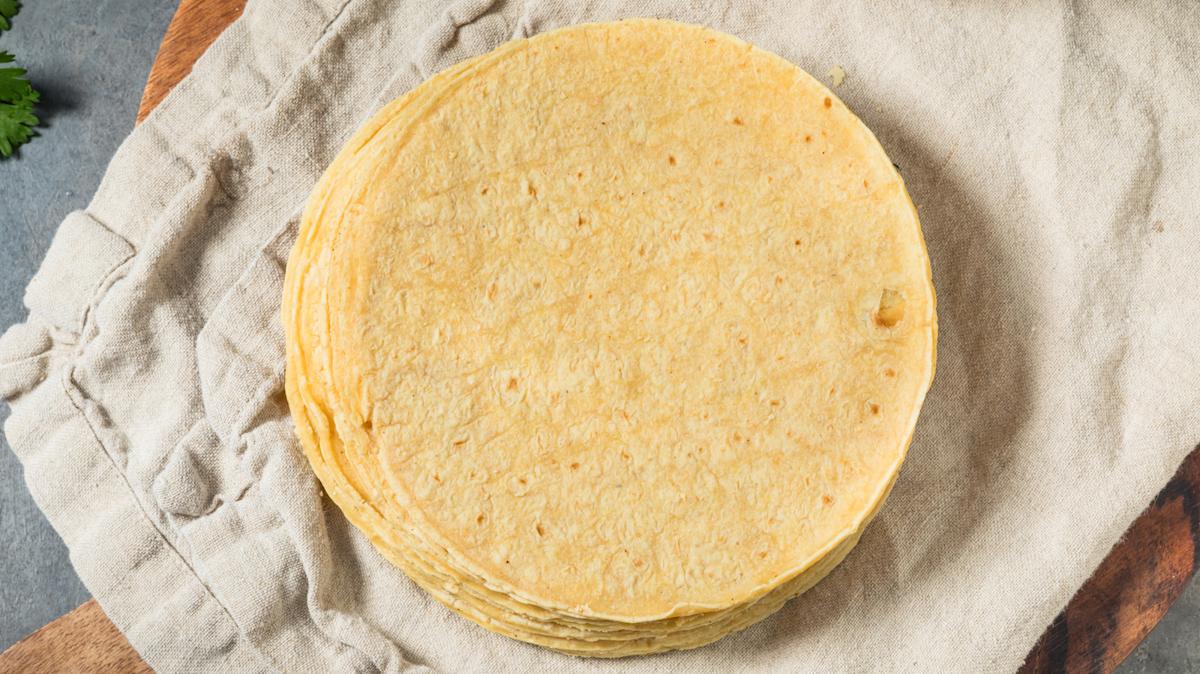
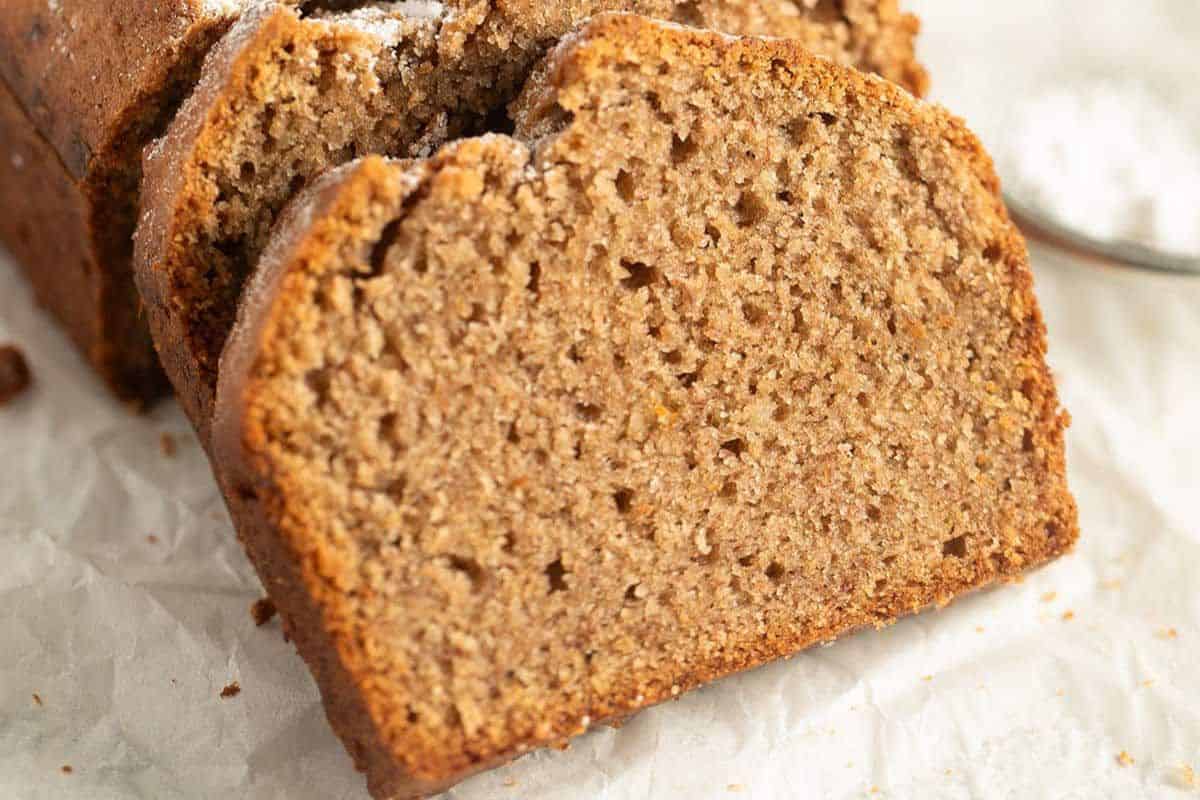
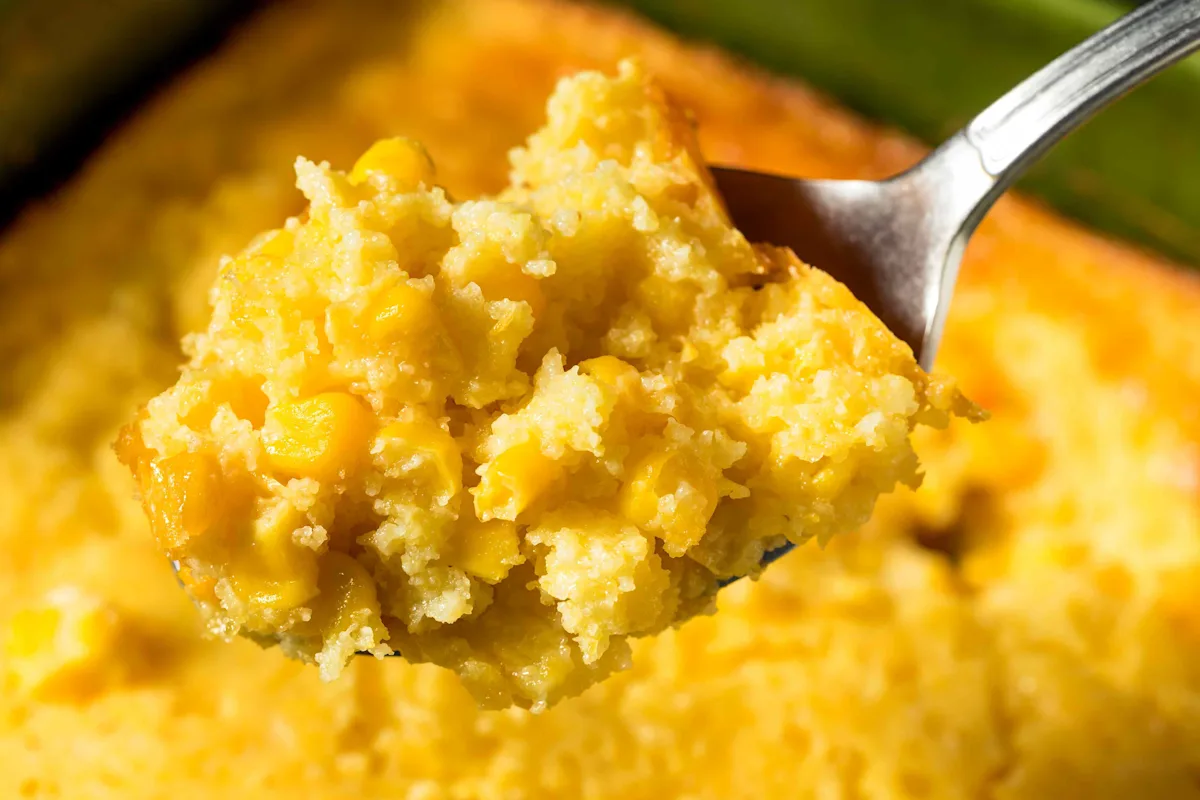
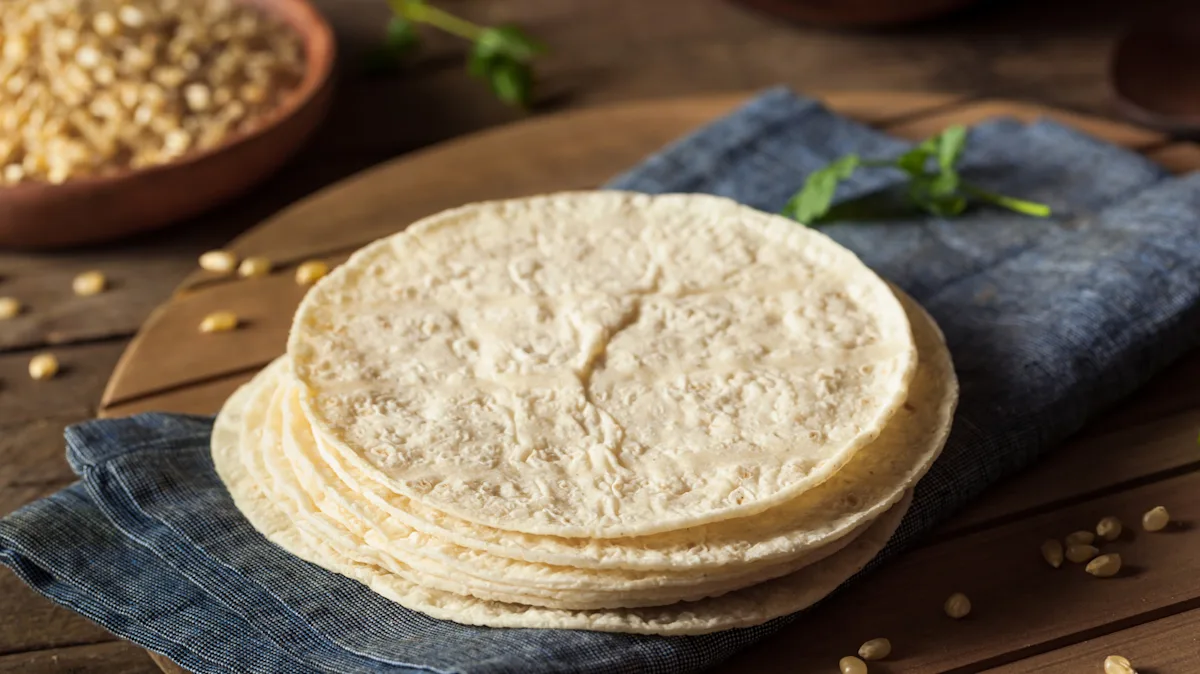
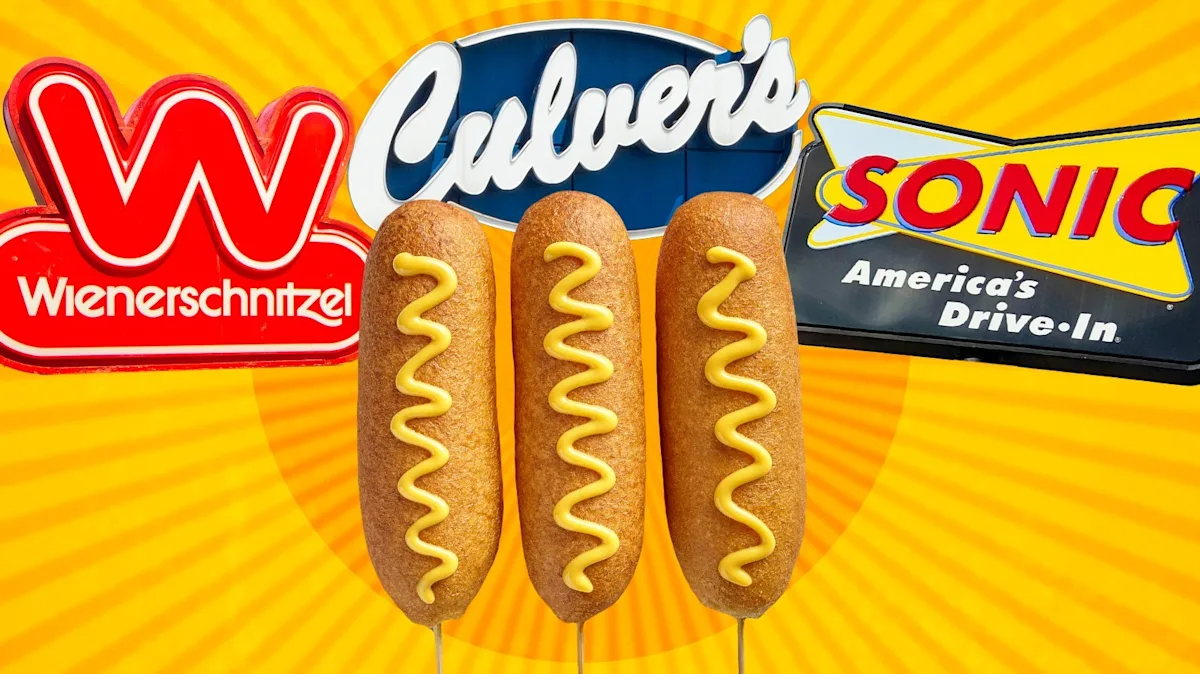
Corn meal is used in muffins, corn bread, corn dogs and more. It is dusted onto fast-food burger buns. Some corn meal is diverted for the manufacture of corn chips, the quintessential manufactured calorie product. We are now very far from the sweet corn picked on that long-ago summer day.
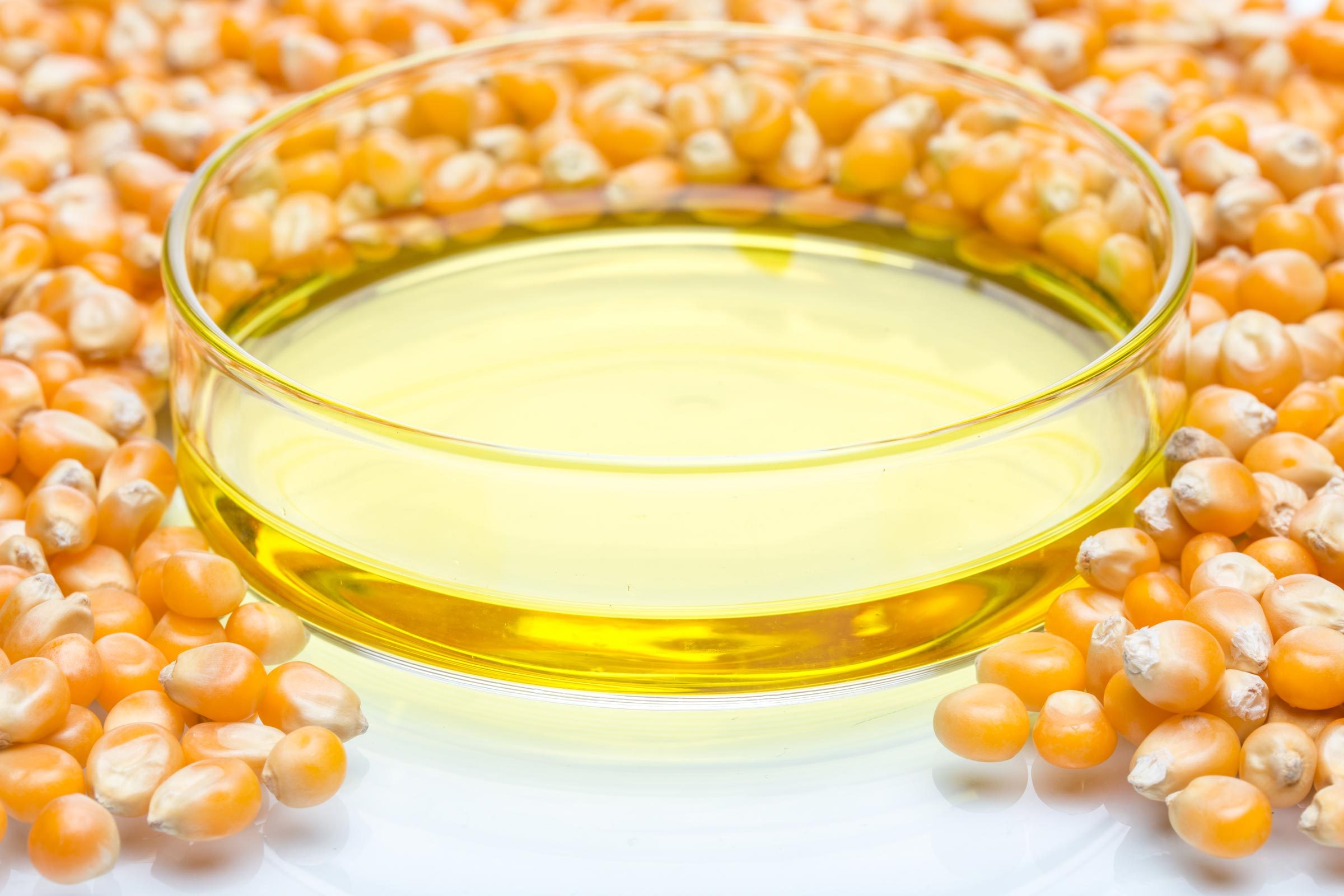
Another manufacturing stream will generate high-fructose corn syrup, which has extraordinary economic value as a sweetener in the manufacture of ultra-processed products. This is no longer real food.
I don’t think the occasional corn chip or high-fructose-corn-syrup-based product will permanently affect your immunity, worsen your arthritis or cause your first heart attack. We can all handle a little “enriched corn meal” on occasion. The bigger problem is that we’re drowning in it. Americans eat ultra-processed corn all day long.
Therefore, when you choose corn:
• Eat fresh or frozen corn.
• Choose whole-grain corn meal instead of “refined,” “enriched” or “degerminated” corn meal.
• Skip corn chips, which have little or no redeeming nutritional value.
• Don’t buy stripped corn meal.
• Don’t worry about this if you’re a guest at someone else’s table.
Dr. Roxanne Sukol writes about adult health, preventative medicine and wellness for the Cleveland Jewish News. She is a retired internal medicine physician from Cleveland Clinic.