What would you ask leading corn and soybean agronomists if the floor was open for questions? Would you zero in on how you might lower input costs without jeopardizing yields?
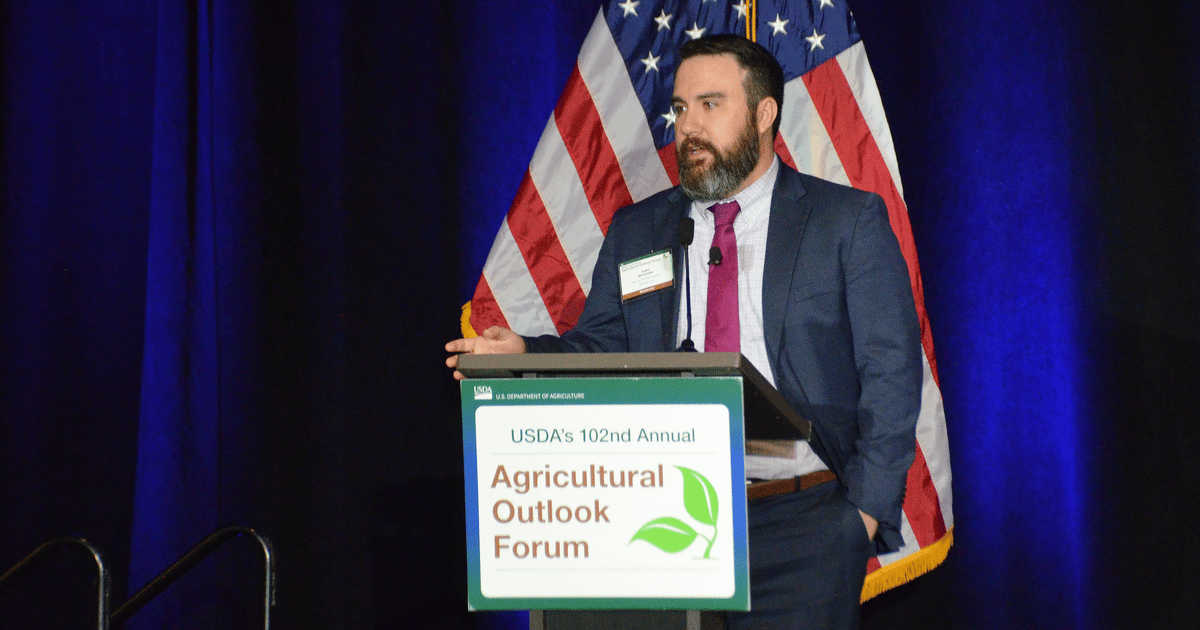
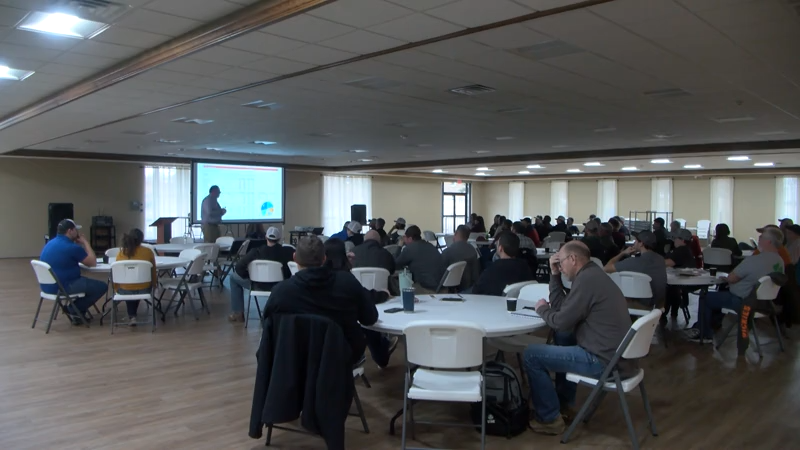
That’s what farmers and agronomists did at Purdue University’s Top Farmer Conference. Dan Quinn, Purdue Extension corn specialist, and Shaun Casteel, Extension soybean specialist, fielded wide-open questions from the audience. The event was sponsored by the Purdue Center for Commercial Agriculture.
Management questions
Here are key questions from farmers:
What about seed treatments for soybeans?
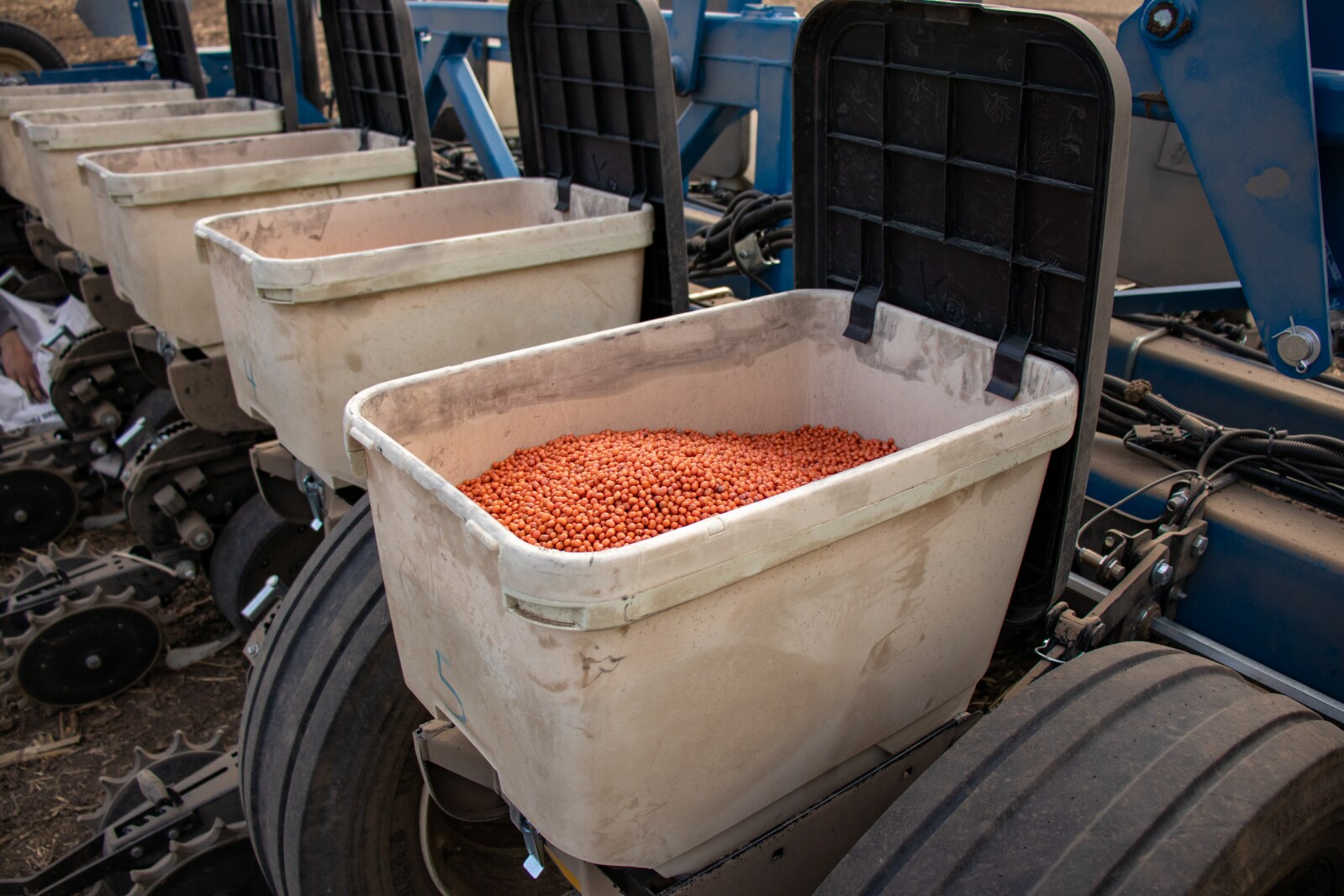
Casteel: Consider fungicide seed treatments for disease control. We have not seen advantages for insecticide seed treatments in soybeans in our trials. If you need to cut costs, you can likely leave off insecticide seed treatments without sacrificing yield.
What about seed treatments like Ilevo for sudden death syndrome?
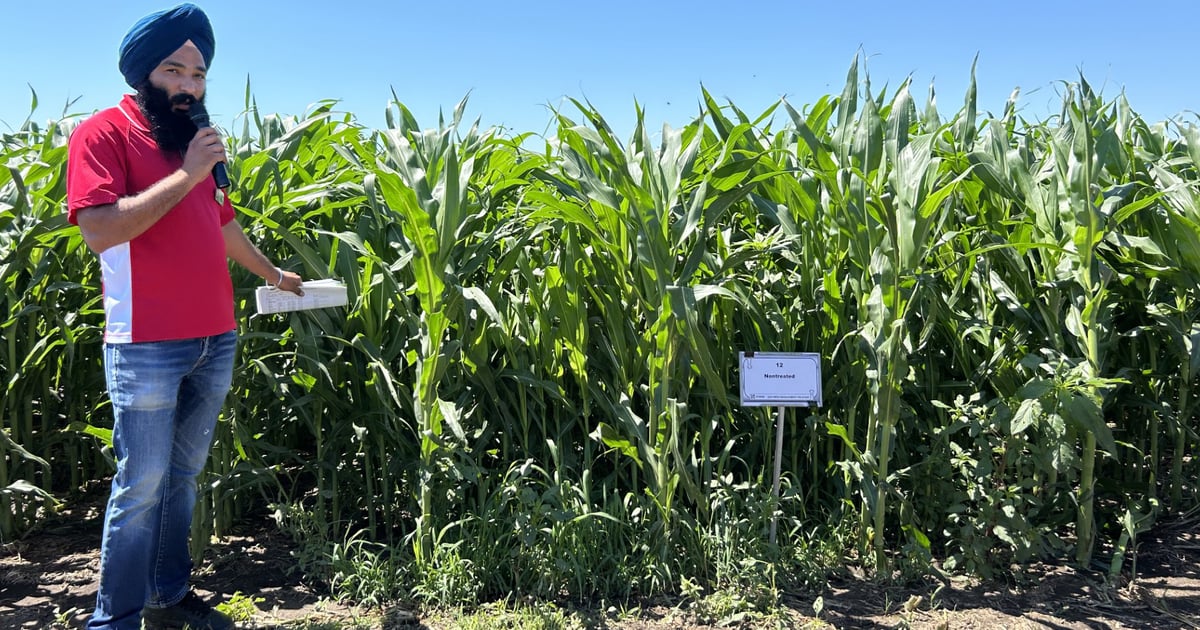
Casteel: We haven’t seen consistent response in our trials. What has worked is sulfur. Based on our observations, adding sulfur tends to suppress SDS. We’ve seen obvious differences in SDS symptoms in side-by-side plots where sulfur was applied versus where it was not applied.
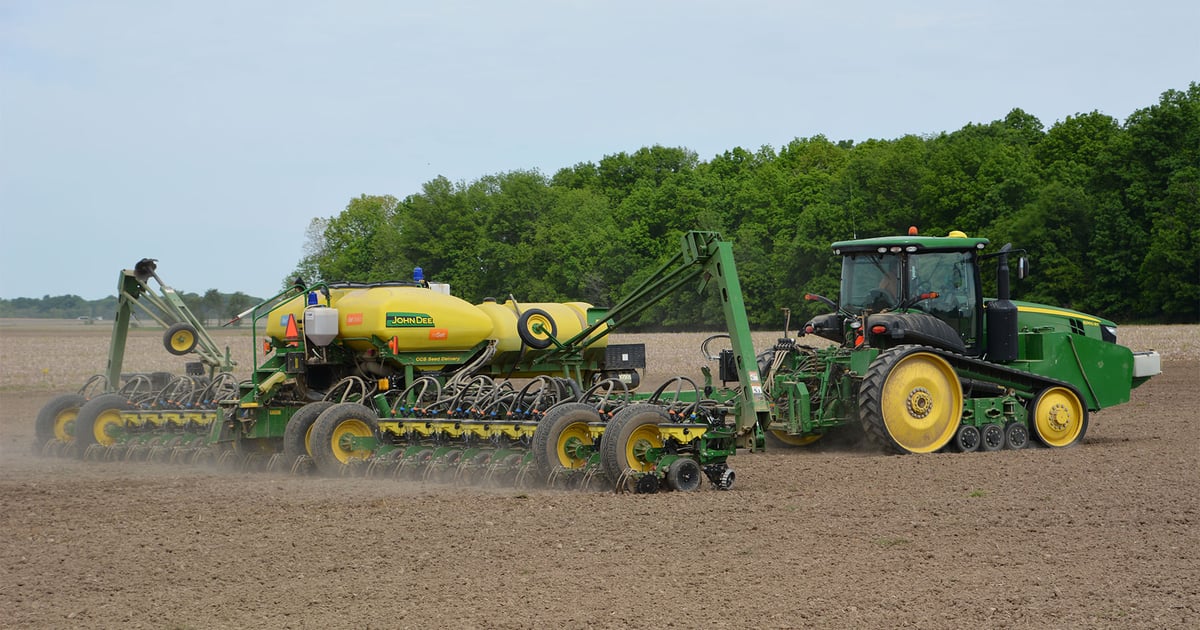
We apply nitrogen with sulfur from the planter, and then sidedress nitrogen with sulfur again. What else can we do to improve nitrogen efficiency? How about split-N applications at V10?
Quinn: You are already checking key boxes. That is what we prefer as our standard program — applying some nitrogen with sulfur early to get corn off to a good start, and then coming back with the bulk of nitrogen and sulfur in a sidedress application.
We haven’t seen yield advantages for preplanned, split applications of nitrogen applied at V10 or V12 in normal situations. It is a good approach as a rescue application when N losses are high, as in a wet season. That is the only time when we see an economic yield boost for those midseason, split-N applications.
So, do you believe including sulfur again in that sidedress application is worth it? (We apply ATS as our sulfur source.)
Quinn: Yes, it makes sense, and that is now standard procedure for us. Sulfur uptake is fairly constant through the season, so it pays to provide adequate sulfur for plant uptake.
What about inoculants for soybeans? Are they worth the money?
Casteel: We’ve not seen a response in the typical corn-soybean rotation. But if it is $2 or $3 per acre, you are in a corn and soybean rotation, and you feel better doing it, that’s OK, too. Maybe you don’t need it every year.
As a sidenote, we’ve planted soybeans recently in fields with varying soil types that were in continuous corn for 12 to 18 years. Surprisingly, we’re just not seeing a yield response to inoculant. We used two sources of inoculant, both alone and in combination. It’s not there, and it’s quite puzzling. Sulfur application has boosted nodulation in some of those fields, but inoculants didn’t make a difference.
What about years when we plant those last fields in June? What changes should we make?
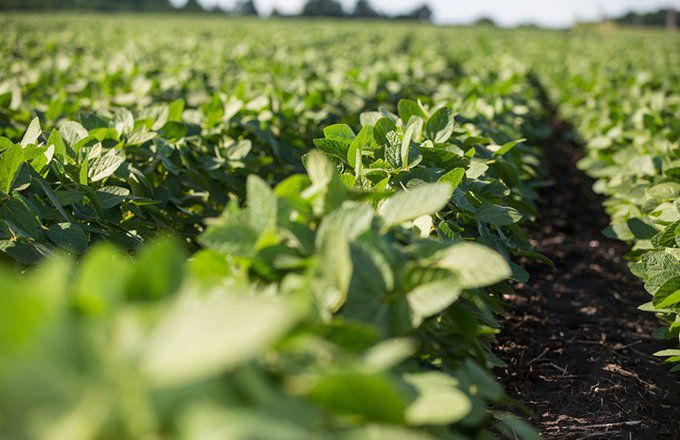
Casteel: For soybeans, consider upping seeding rate maybe 10,000 to 15,000 seeds per acre. Don’t get carried away unless it’s deep into June. Emergence rate will be better, somewhat offsetting the need for extra seed. And if it’s sandy soil, still apply sulfur. On heavier soils, you can leave sulfur out when planting in June.
Quinn: We wouldn’t recommend changes in seeding rate for corn. Warmer soils will likely deliver good emergence. Like for soybeans, still apply sulfur on coarse-textured soils.
What about starter fertilizer for corn? Do I need it?
Quinn: First, let’s assume you’re asking about starter in conventional tilled corn or no-till without cover crops. In those situations, we don’t always see a yield benefit for starter fertilizer. However, we always see a moisture benefit. Corn will be drier at harvest where starter fertilizer was applied. In recent economic studies, the drydown benefit paid for applying starter fertilizer, even without a yield benefit. Plus, corn just gets off to a healthier start.
For fields with cover crops, applying nitrogen and sulfur off the planter minimizes potential yield drag caused by the tie-up of nutrients in residue early in the season.
For double-crop soybeans, do we need to increase seeding rates? Is that 10,000 jump enough?
Casteel: Yes, absolutely increase seeding rates for double-crop soybeans. And no, 10,000 isn’t enough. You need more plants because there will be fewer nodes per plant with a shorter growing season. Tell me how much moisture will be in the soil at planting, and I will tell you how high to go on rates. The drier the soil, the higher the rate. You may need 200,000 to 220,000 seeds per acre, even in 15-inch rows, in very dry soils, as seeds wait for rain.
Also, shift to a variety that is a half unit earlier, like mid- to late 3’s, instead of 4’s, in traditional double-crop areas. If you are trying it farther north, go at least a full unit earlier because the season is compressed, and the risk of fall freezer is much greater.