
Key Takeaways
-
Whole wheat flour is the healthiest choice. All three registered dietitians agreed that whole wheat flour is the most nutritious option because it contains all parts of the wheat grain—bran, germ, and endosperm—providing more fiber, protein, vitamins, minerals, and antioxidants than refined white flour.
-
Processing level matters more than the grain itself. Less refined flours retain more nutrients and fiber, while refined flours (even from grains like rice or corn) lose much of their nutritional value. Choosing “whole” grain options ensures better energy, digestion, and heart health.
-
Whole wheat flour is versatile but benefits from balance. It can replace white flour in most recipes, but blending it with white flour or pairing it with moisture-rich ingredients (like yogurt or banana) helps maintain a softer texture while boosting nutrition.
As temperatures cool, the urge to cook—and especially to bake—is returning for many Americans. That means it’s time to start stocking up on classic baking ingredients like flour. Many of us grew up using traditional white (often bleached) all-purpose flour, as it was likely the only option available in most grocery stores.
However, those days are long gone, with the baking aisle now full of different flour options—both wheat-based and gluten-free. “Strolling through the grocery store, we can find everything from flour made of beans and coconut, to quinoa and oats,” Rachel Gargano, MS, RD, CSSD, CBS, chief registered dietitian at Live it Up shares.
While it’s nice to have options, this predicament can make purchasing decisions challenging and confusing for many shoppers. So, to shed some light on which flour is the healthiest choice, we asked three registered dietitians to weigh in on which option is not only best for you, but also easy to cook and bake with.
What to Look for in Flour
When assessing flour, the primary factor to consider is the ingredient (or ingredients) it’s made from—and how nutritious those are at their core.
“If you start with nutrient-dense foods to begin with, those flours often offer additional vitamins, minerals, and antioxidants that you aren’t getting from white flour, bringing a little more nutrition into everyday baking,” says Gargano. In turn, minimally processed nut- and legume-based flours, for example, tend to offer plenty of beneficial nutrients—including heart-healthy unsaturated fats, and fiber—in addition to those various micronutrients.
When it comes to grain-based flours—whether wheat-based or not—the level of processing is the most important factor to consider. “This is because a grain-based flour is generally considered healthier if it is less refined, meaning it is not stripped of the bran and germ that contains more of its nutrients like fiber, vitamins and minerals,” shares registered dietitian Sheila Patterson RD, CDCES.
To get the full benefits of B vitamins, fiber, and other micronutrients from grain-based flours, it’s essential to choose “whole” grain options. “These flours will retain more fiber, protein, and nutrients compared to refined flours that have these nutrients removed during processing,” explains Eliza Whitaker, MS, RDN, founder and registered dietitian at Nourished Nutrition and Fitness. And wheat isn’t the only culprit—rice, corn, sorghum, barley, spelt, and rye flours can all be found in refined forms as well.
Another important factor to take into account is whether you—or anyone you’re cooking or baking for—has food allergies or sensitivities. “Consideration for digestibility and gluten-intolerance are important in selecting a healthy option depending on individual medical issues,” Patterson adds. Whether it’s a gluten, nut, legume, or another type of allergy or sensitivity, it’s crucial to check the ingredients list before buying flour—especially when purchasing a blend.
Meet Our Expert
-
Rachel Gargano, MS, RD, CSSD, CBS, chief registered dietitian at Live it Up
-
Eliza Whitaker, MS, RDN, founder and registered dietitian at Nourished Nutrition and Fitness
The Healthiest Flour
When asked which flour these RDs considered to be the healthiest, they all agreed that whole wheat flour is the best—as long as you don’t have celiac disease or a gluten sensitivity.
“Whole wheat flour is made from the whole wheat berry—bran, germ, and endosperm—so it has a bit more protein (also known as gluten) than white flour, about 14 percent,” says Gargano.
And because it includes every part of the wheat grain, this flour offers plenty of alluring nutrition. “Whole wheat flour is denser than all-purpose, but delivers more fiber, B vitamins, and antioxidants,” shares Patterson. In whole wheat flour, you’ll also find notable amounts of magnesium, phosphorus, calcium, selenium, and zinc. These nutrients combine to support energy metabolism as well as bone, gut, and immune health. The higher fiber content of this flour can also help lower cholesterol levels, stabilize blood sugars after eating, and feed the healthy bacteria in the gut microbiome as a prebiotic. This support of the gut microbiome bodes well for several other elements of overall health, including the immune response, brain health, and chronic disease prevention.
Oat and almond flours were close seconds among these RDs as excellent gluten-free options—though they do require a bit more baking know-how to achieve results similar to wheat flour-based recipes.
Using Whole Wheat Flour at Home
Unlike gluten-free flours, whole wheat flour can be used in almost all the same ways as white flour—though paying some attention to detail helps achieve a better final product. “If you’re not careful, it might make your bake a bit too tough and dense,” Gargano warns.
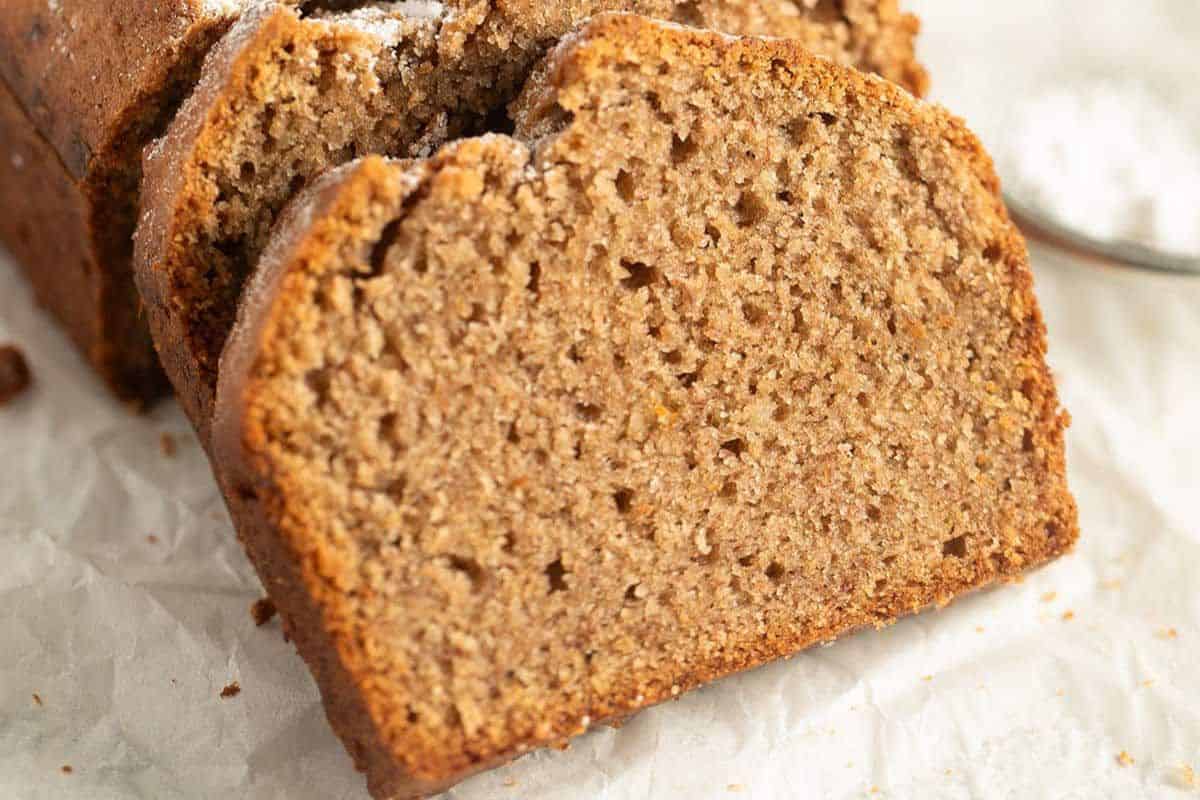
This can be avoided by using whole wheat pastry flour for baked foods, or doing a blend of white and whole wheat flour for breads. “I use half white and half wheat flour when I make banana bread to help boost fiber and nutrients, but some people may want to start with 25 percent wheat and work their way up,” Gargano adds. Patterson agrees, sharing, “mixing flours can be a way to balance the nutrition with texture and baking needs or preferences.”
That said, you can still use 100 percent whole wheat flour for many recipes, with some thoughtful ingredient selection. “Blending with moisture-rich ingredients like Greek yogurt, applesauce, mashed banana, or pumpkin puree helps soften the texture while keeping its nutrient benefits,” shares Patterson.
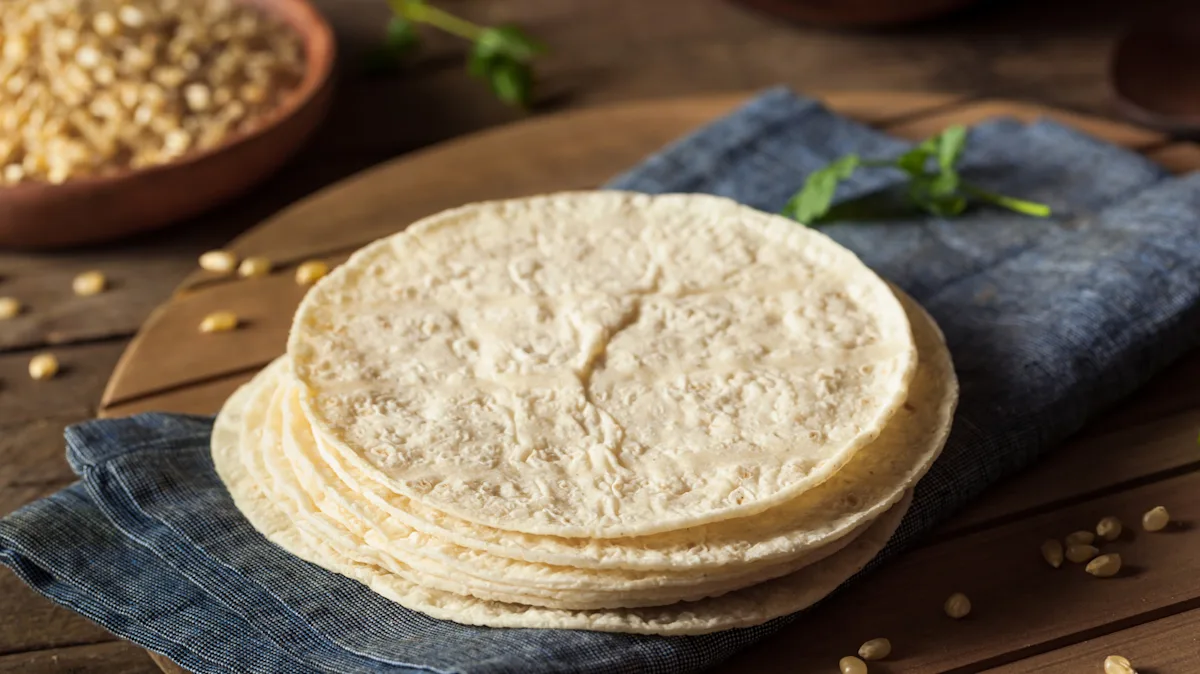
“Whole wheat flour is great for breads, homemade tortillas, and pizza dough,” Whitaker also offers. Waffles, pancakes, muffins, scones, cookies, cakes, brownies, and pretty much any other baked good you can think of are all great applications for this nutritious flour as well.
So, while the flour section of the baking aisle can be overwhelming, whole wheat flour is always a safe bet—offering not only optimal nutrition, but also versatility for everyday baking that still tastes delicious.
Read the original article on Real Simple