
Credit: varbenov / Getty Images
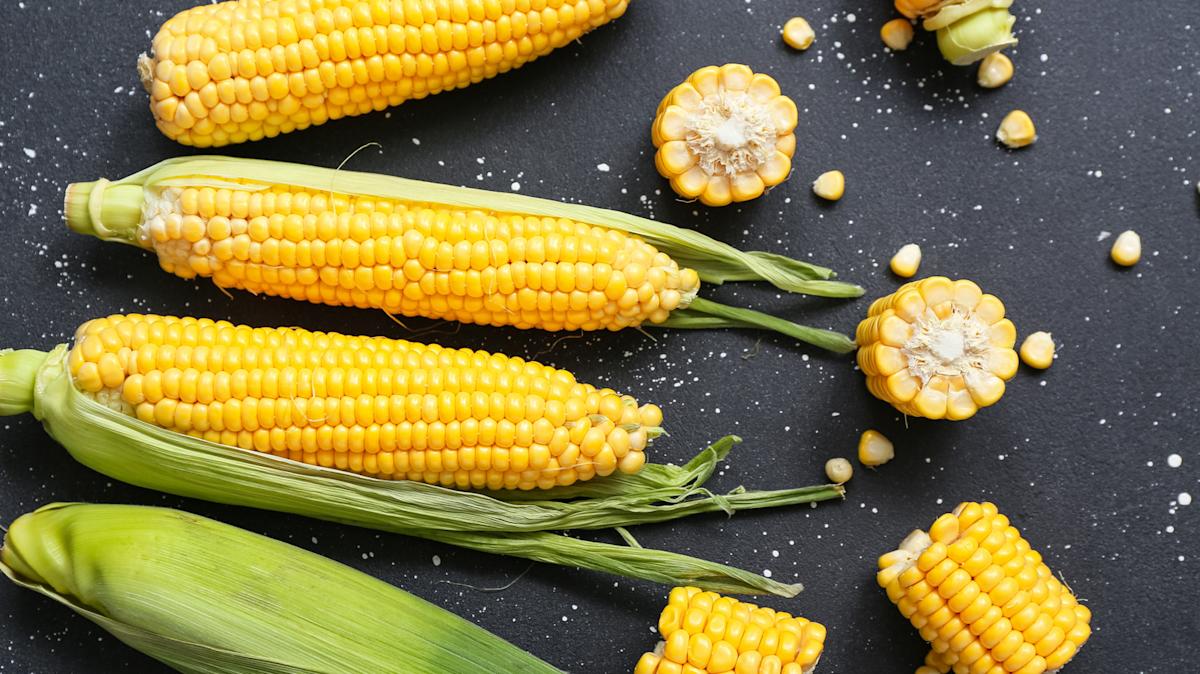
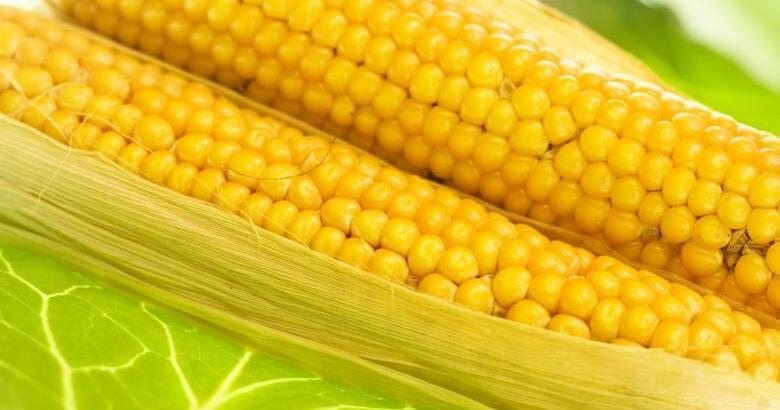
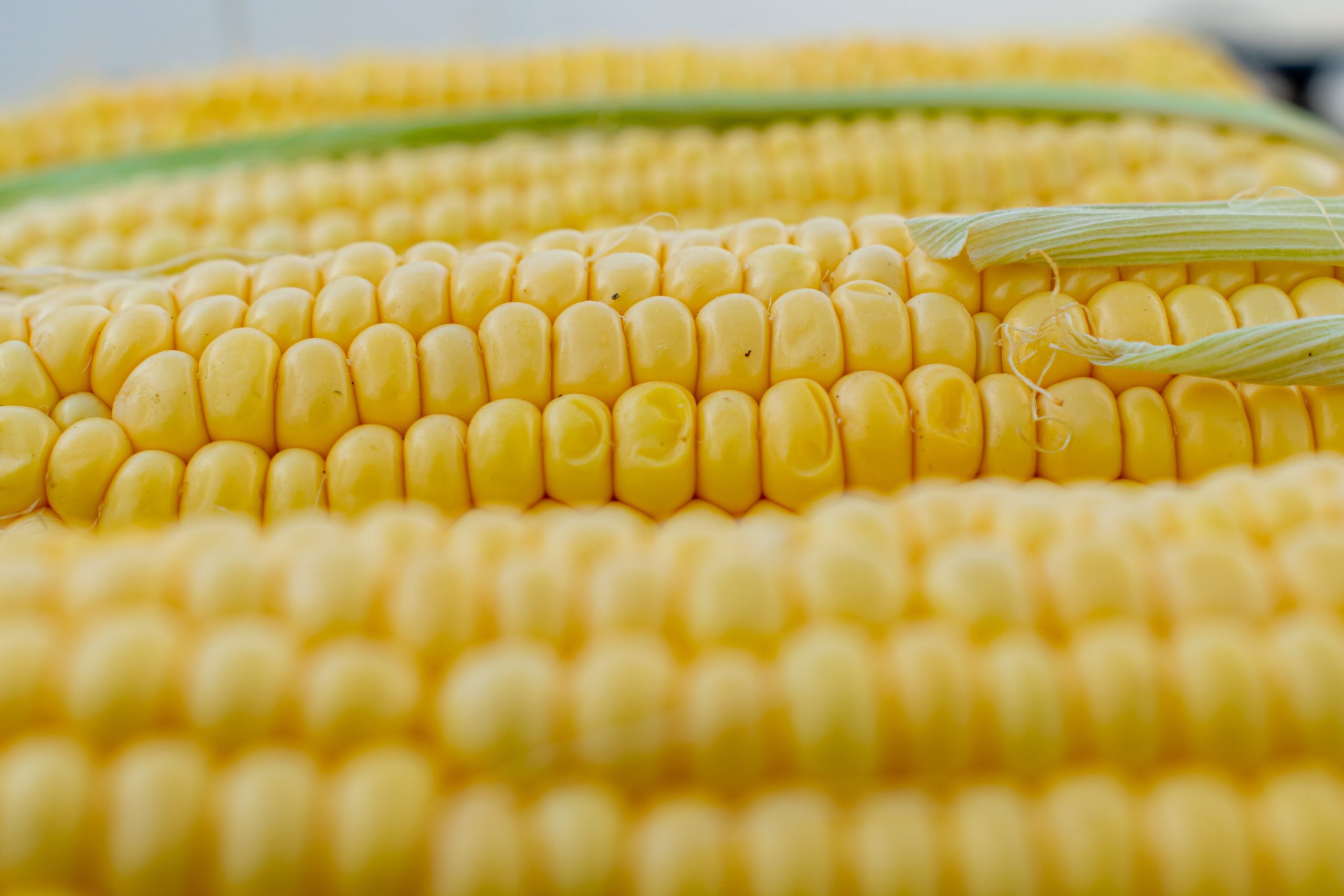
Corn is a delicious summer side dish, and it’s even more enjoyable when freshly gathered from the garden. Besides being tasty, corn is surprisingly easy to grow, making it one of the more popular garden vegetables. But the key to a bountiful harvest is knowing when to plant this crop. Corn is frost-sensitive, so it’s essential to wait until temperatures are consistently warm and the ground has thawed to sow corn seeds. To help you get the timing right, we consulted gardening experts who explained when to plant corn and offered tips for optimal success.
Meet the Experts
-
Lotte Berendsen, garden expert at PlantIn
Related: 8 Plants You Should Never Grow Next to Corn
The Best Time of Year to Plant Corn
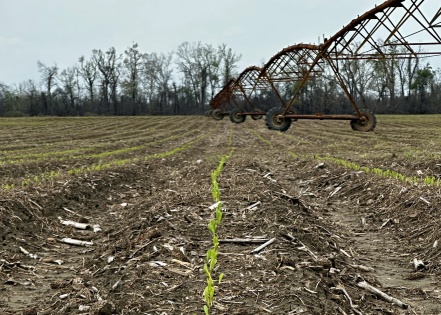
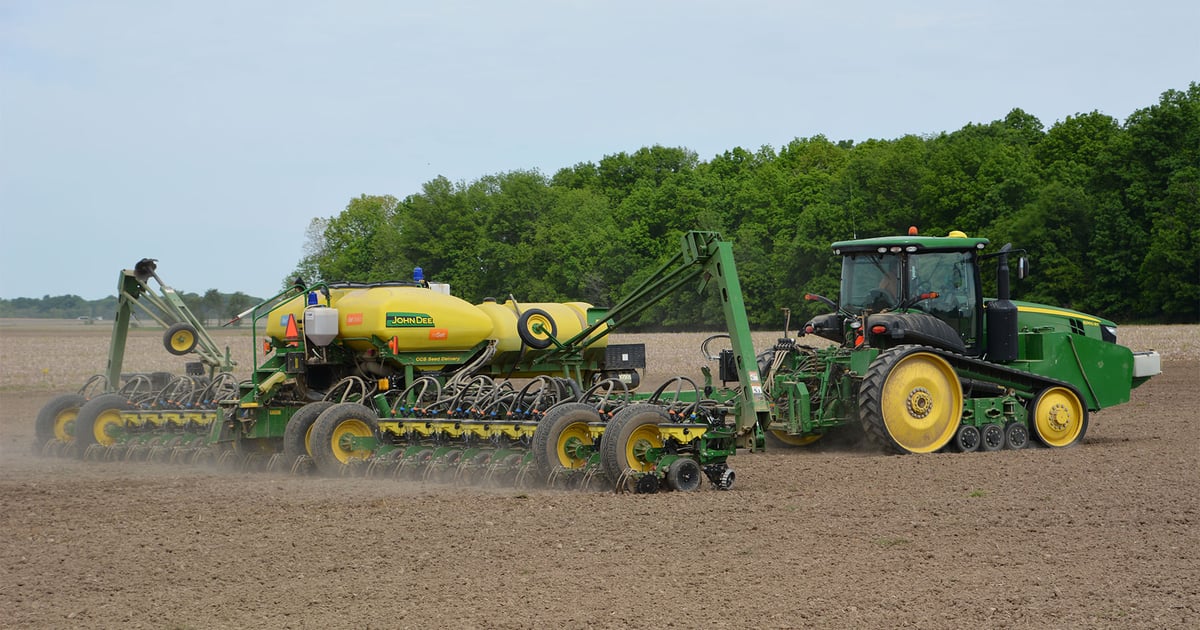
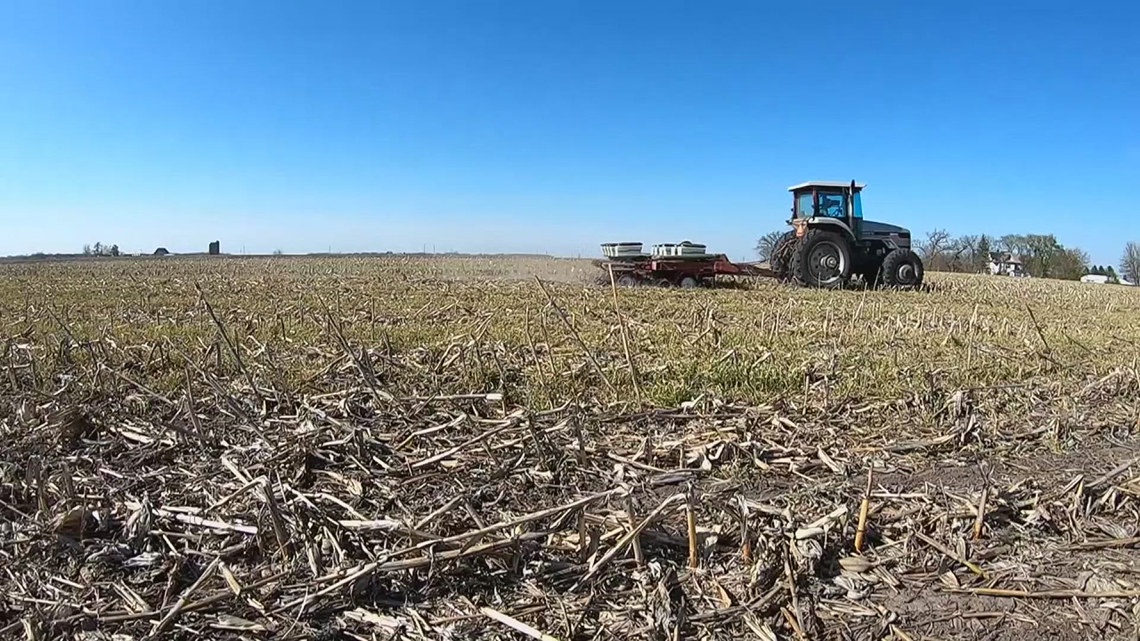
The best time to plant corn is typically in spring, two to three weeks after your region’s last frost date. “Corn is frost-sensitive, and even a light freeze can kill young seedlings,” says Jeremy Hill, co-founder of Gooseberry Bridge Farm. Corn also requires warm soil, at least 60 degrees Fahrenheit, for germination. “Because soil warms more slowly than air, planting too early can cause seeds to sit in cold, damp ground where they may rot before sprouting,” he warns.
When to Plant Corn by USDA Hardiness Zone
Corn can be grown in USDA zones 3 to 11. The best date to plant your corn depends on your USDA growing zone, says Lotte Berendsen, garden expert at PlantIn. The following are general guidelines, but you can determine more exact dates with the help of your local plant nurseries, whose garden experts will know when to plant corn in your region. Seed packets also typically include a breakdown of when to plant by your zone.
Signs It’s OK to Plant Corn Outdoors
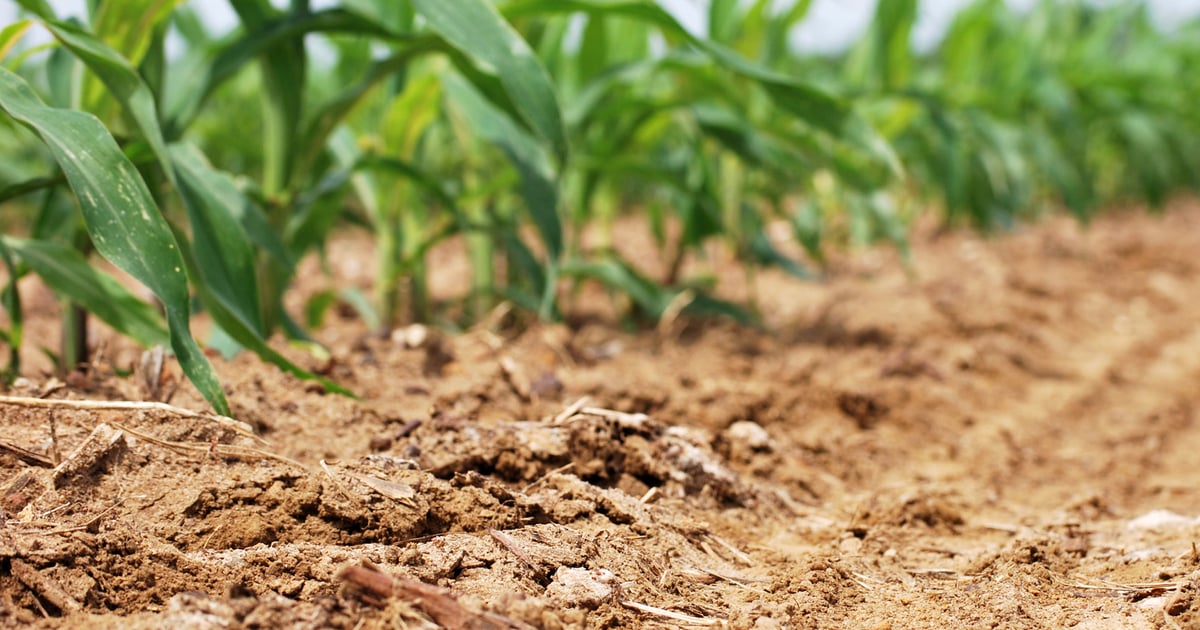
Plant corn in spring once soil temperatures have reached at least 60 degrees Fahrenheit and nighttime air temperatures are consistently above 50 degrees Fahrenheit, says Hill. Because corn is extremely cold-sensitive, check the forecast for unexpected frosts before planting.
To ensure the soil temperature is ideal, Gail Pabst, horticulturist for the National Garden Bureau, recommends using a soil thermometer. In addition to being the right temperature, your soil should be workable, but not soggy. Other signs it’s safe to sow corn seeds include trees leafing out and grasses actively growing, Hill adds.
What Happens if You Plant Too Early or Too Late?
Avoid planting too early or too late. “If you plant your corn too soon, you risk exposing it to cold temperatures, which can be detrimental to your seedling’s health,” Berendsen says. Corn seeds may even rot in soil that is too cold, Hill warns. Or germination may be slow or uneven (which can lead to poor pollination later on).
But if you plant corn too late, it won’t have enough time to fully mature within the growing season. This means you will get smaller yields from your corn plants. “Plants usually survive but may produce smaller ears,” Hill says. Additionally, pollination may occur during extreme summer heat, reducing kernels on your cobs.
Planting Tips
Follow these expert tips to grow the best corn possible.
Plant a Lot of Corn
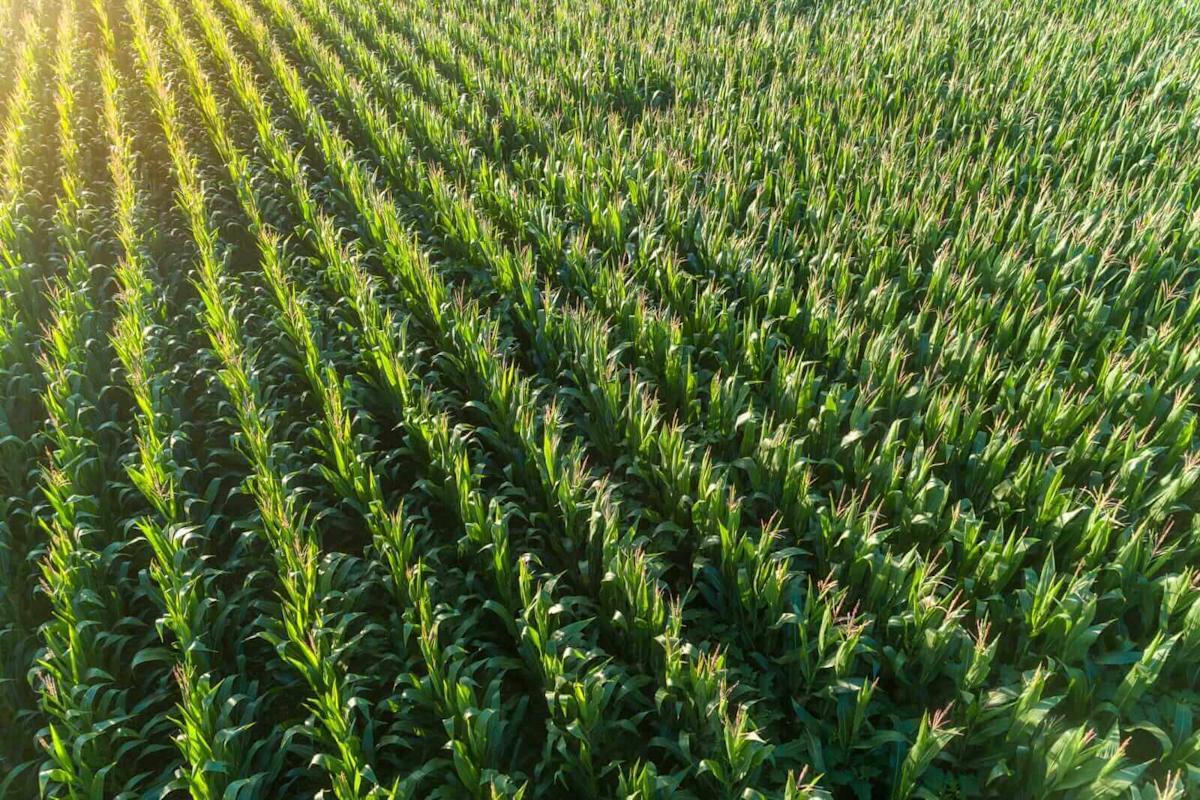
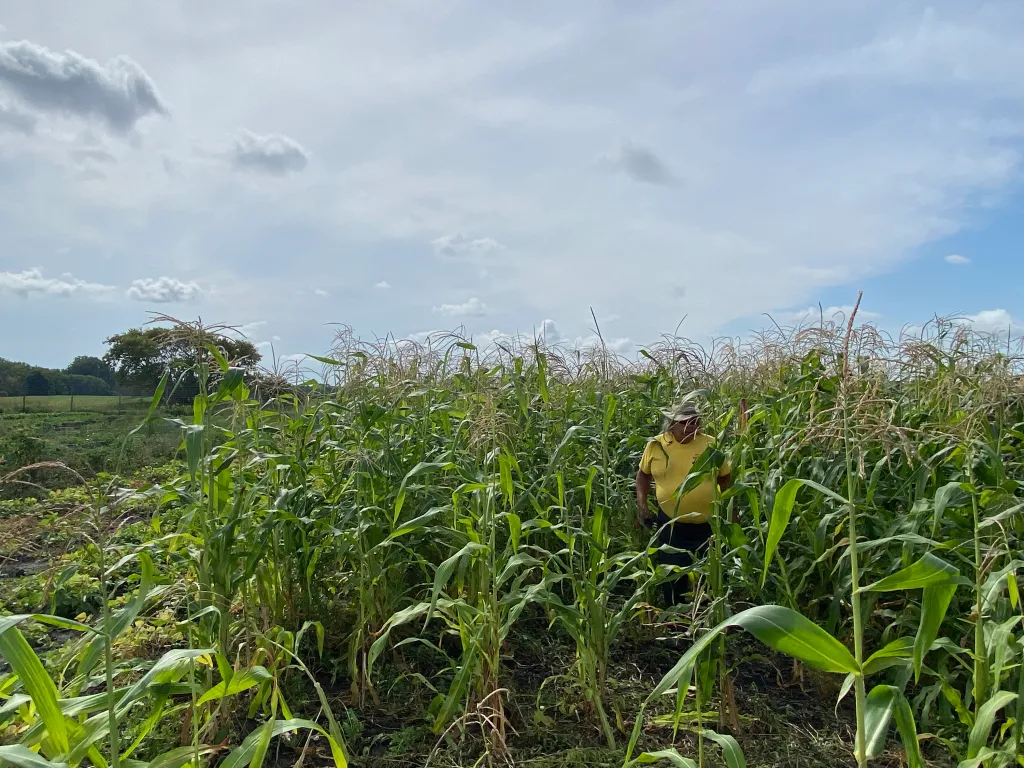
Corn needs a big garden or else you will be disappointed, Pabst warns. “Since each plant produces only one or two ears, you will need a large block of corn plants to produce enough,” she says. Planting in blocks instead of single rows also allows for more pollination. “Do not plant in one or two rows because the ears will not be pollinated, meaning there will be few kernels on each ear,” Pabst adds. Plant in succession over two weeks to enjoy the corn over a longer period.
Add Compost
Amend the soil with plenty of compost and organic matter to help provide nutrients and improve soil moisture. “Corn needs lots of water and fertilizing, so preparing the soil will save you trouble as the plant grows,” says Berendsen.
Plant in Full Sun
Corn prefers ample sunlight, so ensure your corn plants receive at least eight to 10 hours of direct sun daily to encourage fast and strong growth, says Berendsen. For this reason, avoid planting corn near tall trees, for example, or anywhere else where they won’t get enough full sun.
Read the original article on Martha Stewart