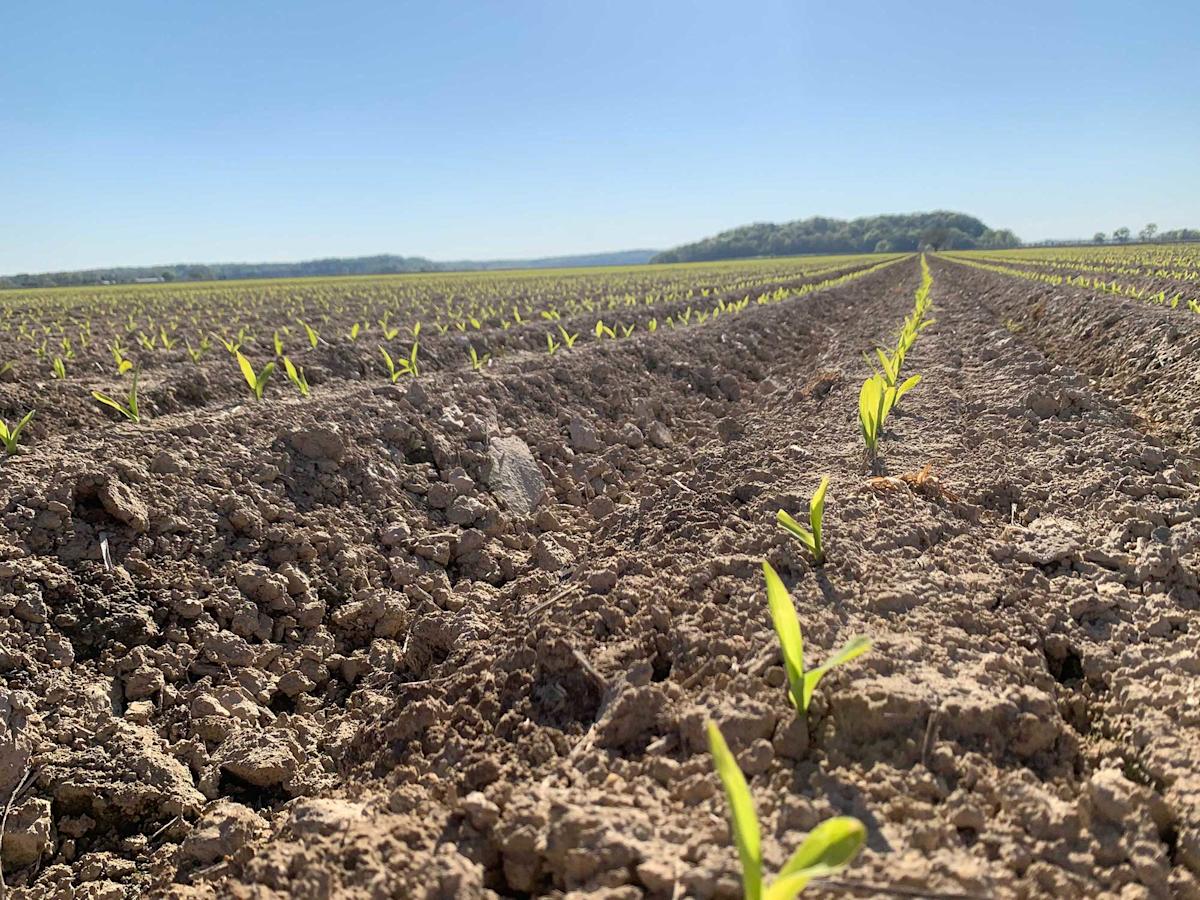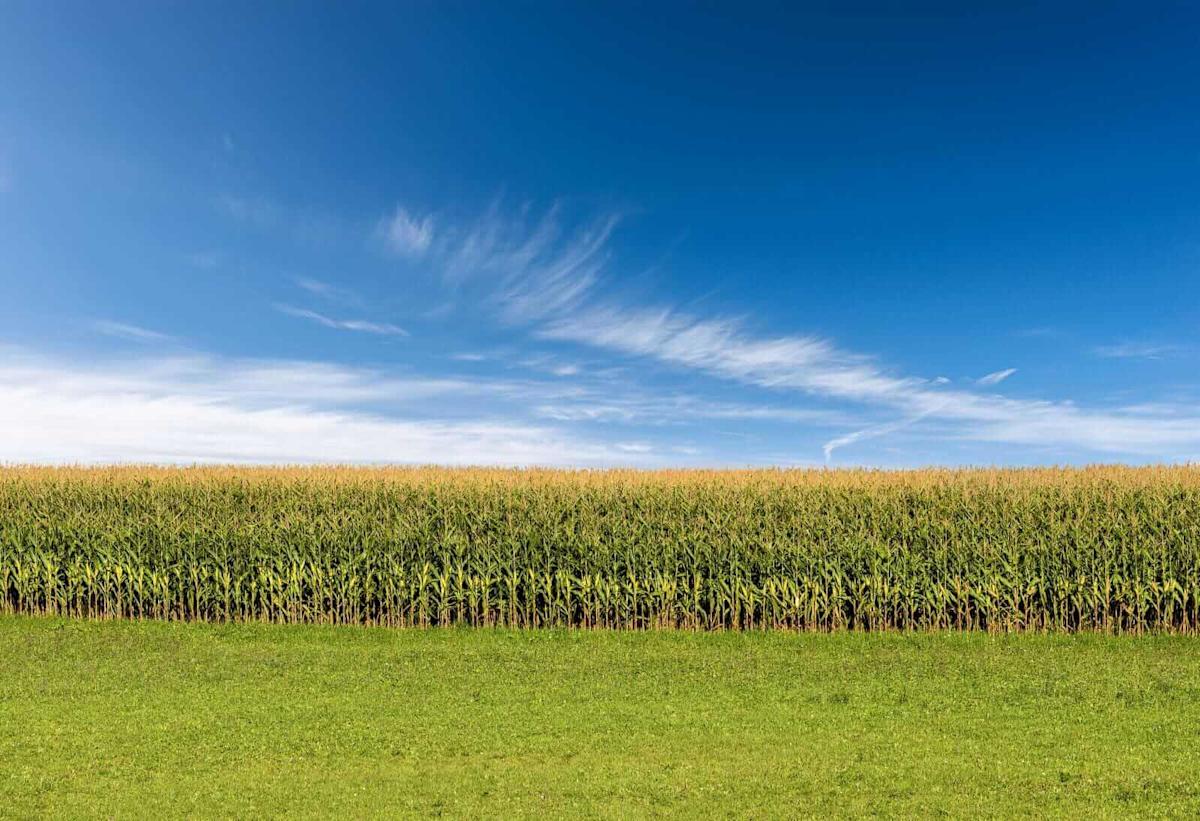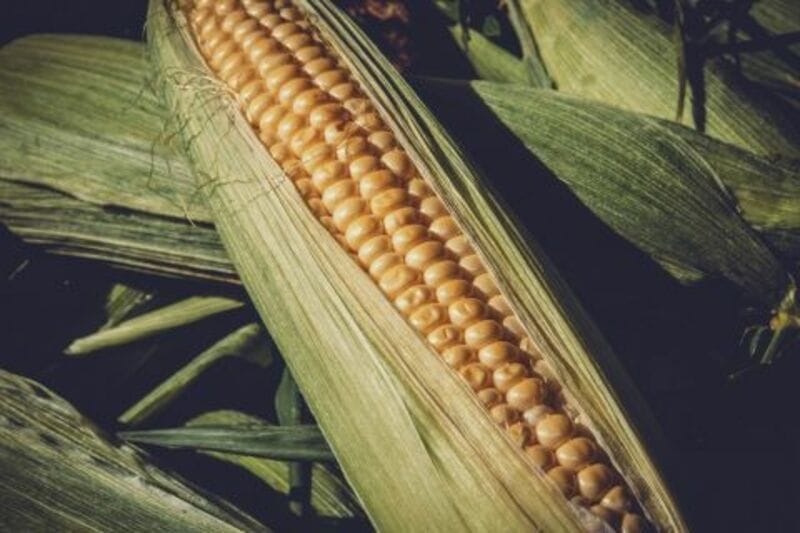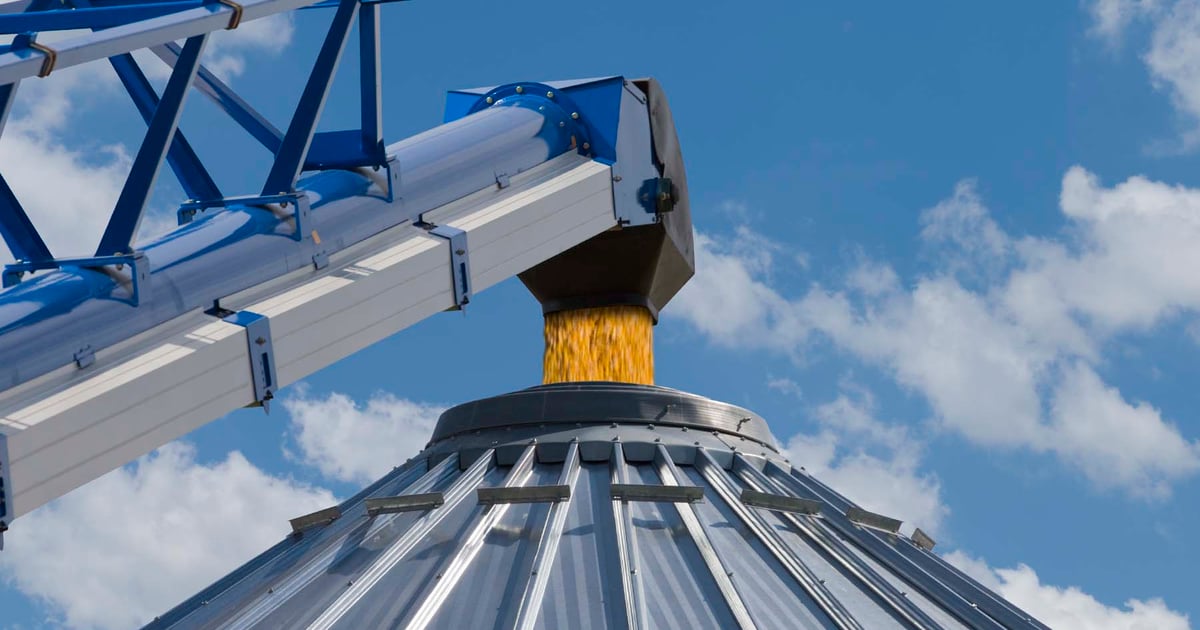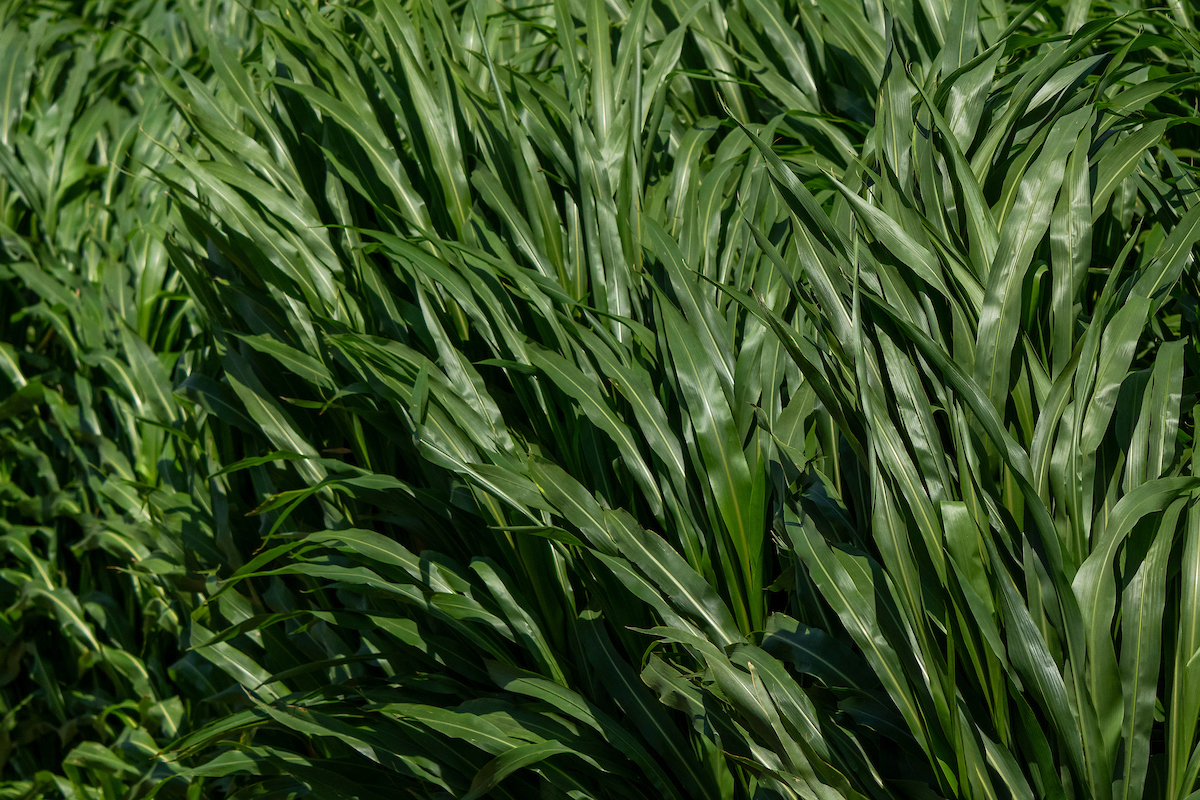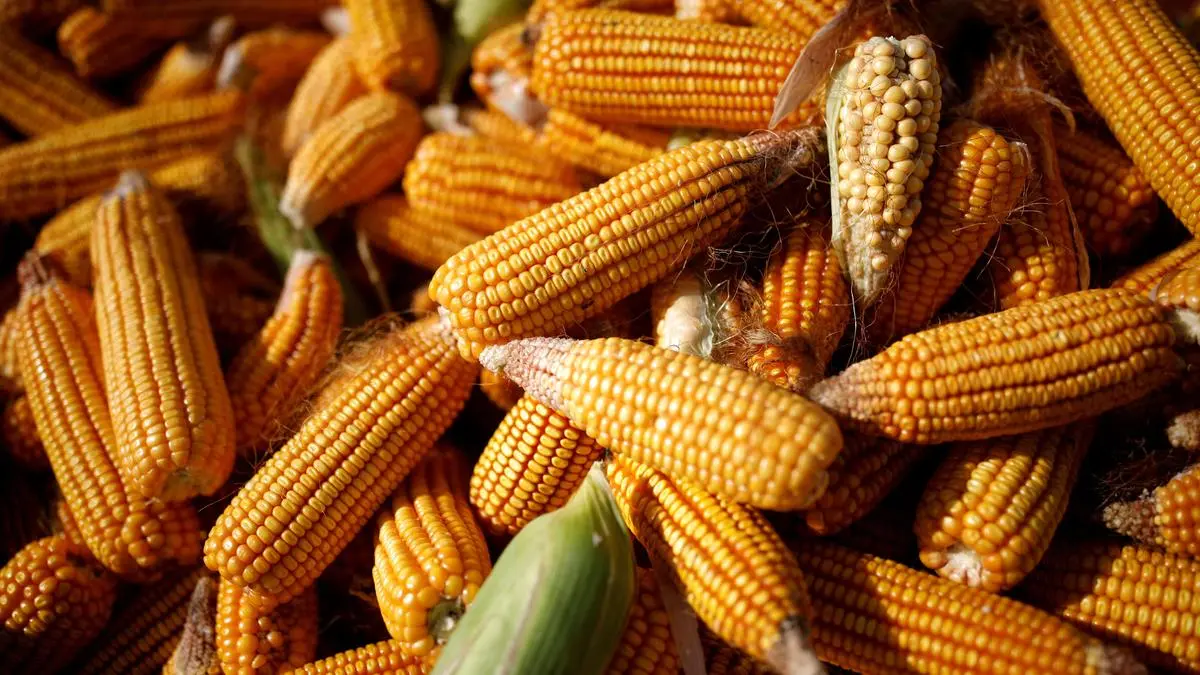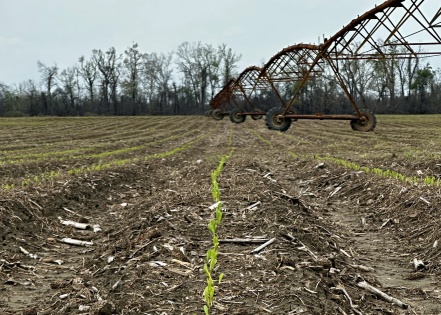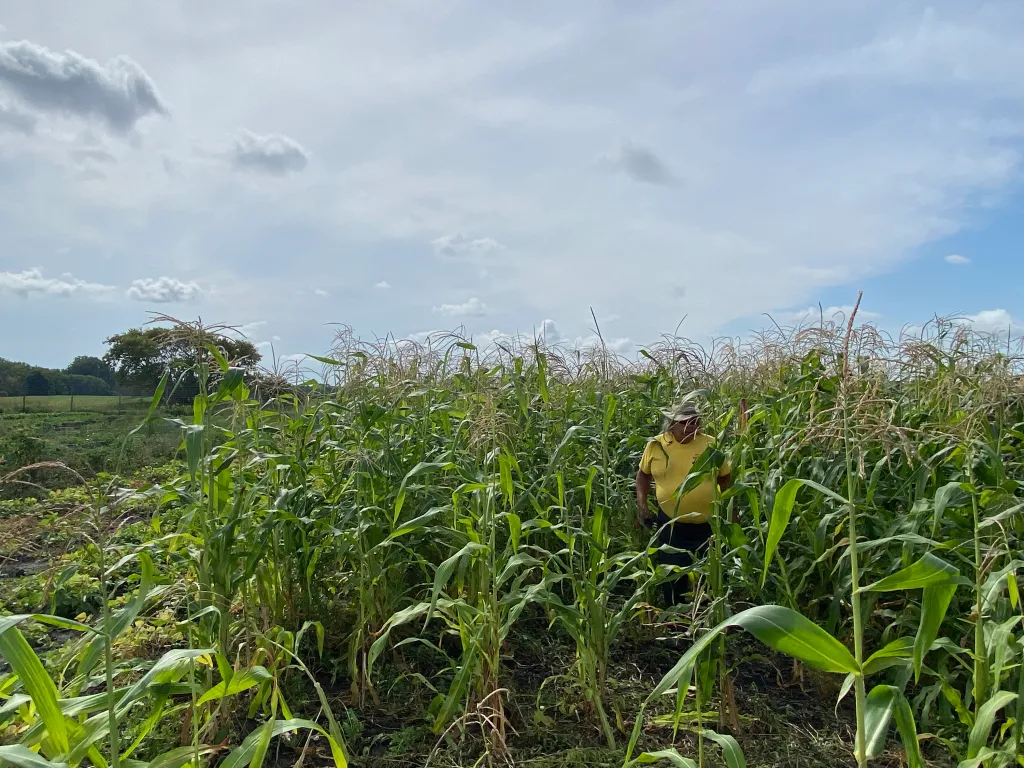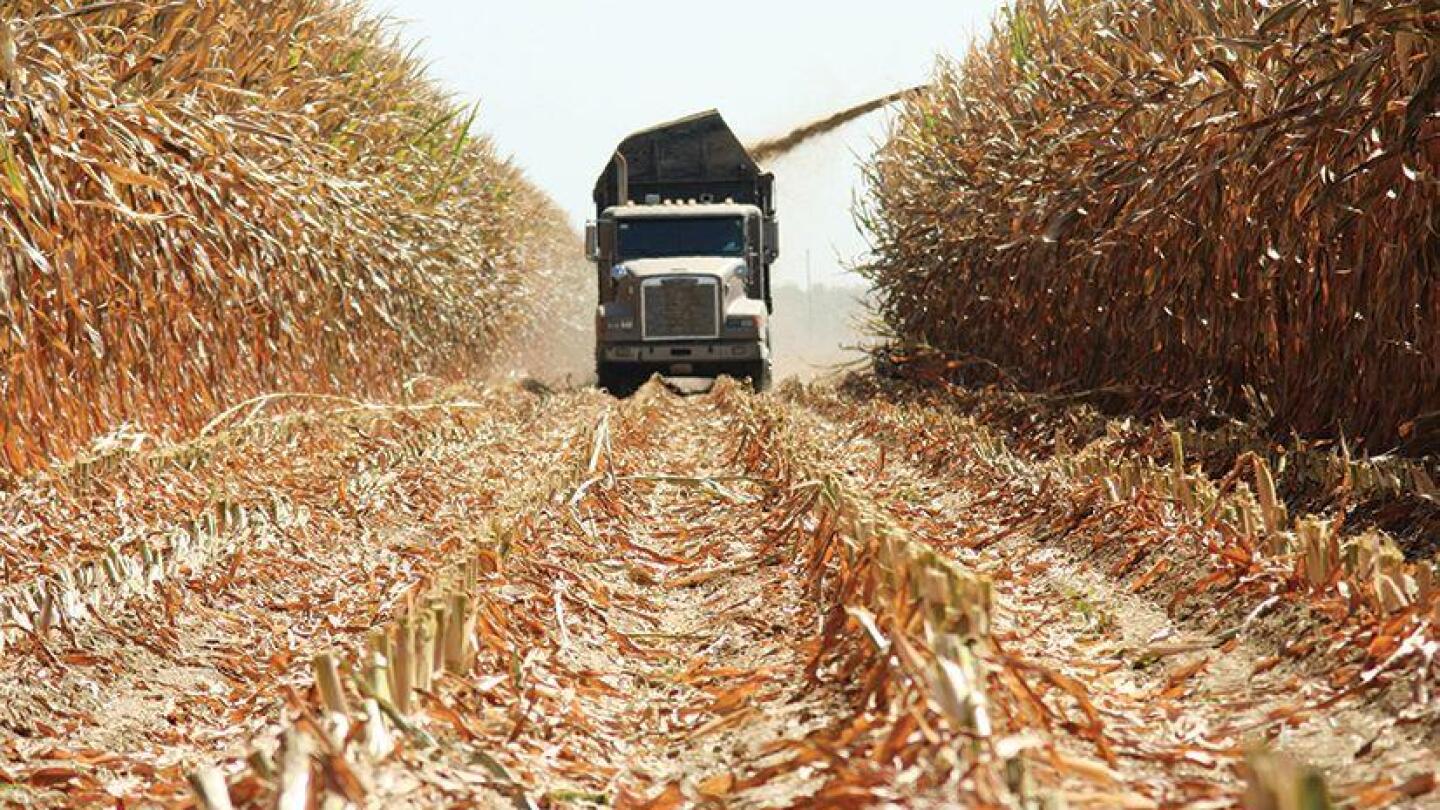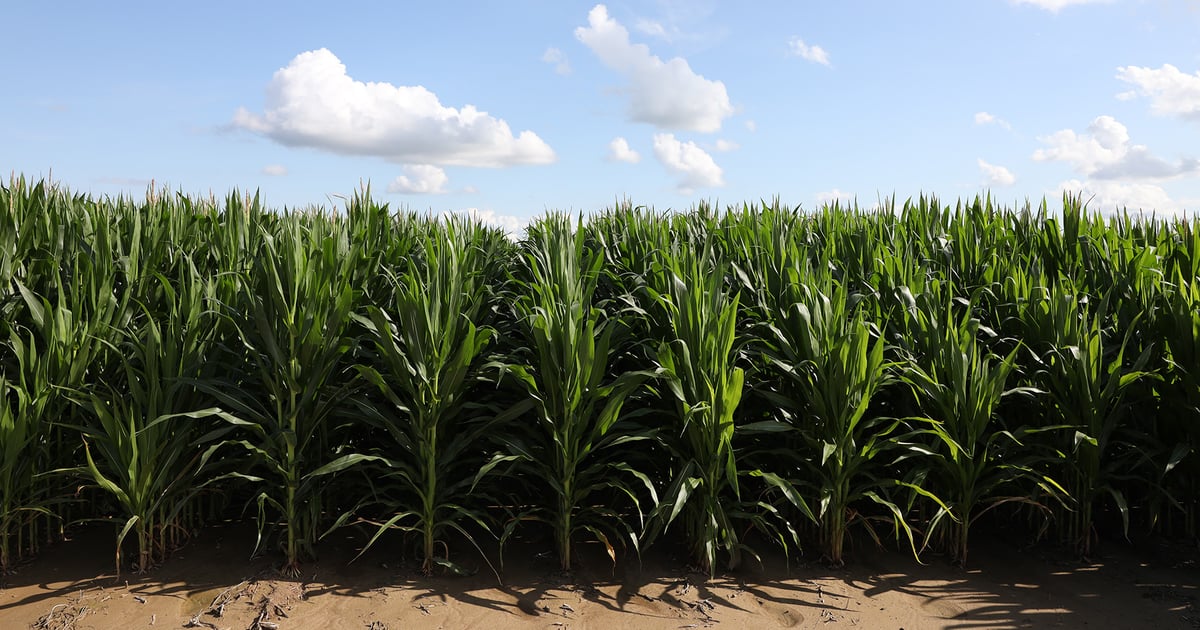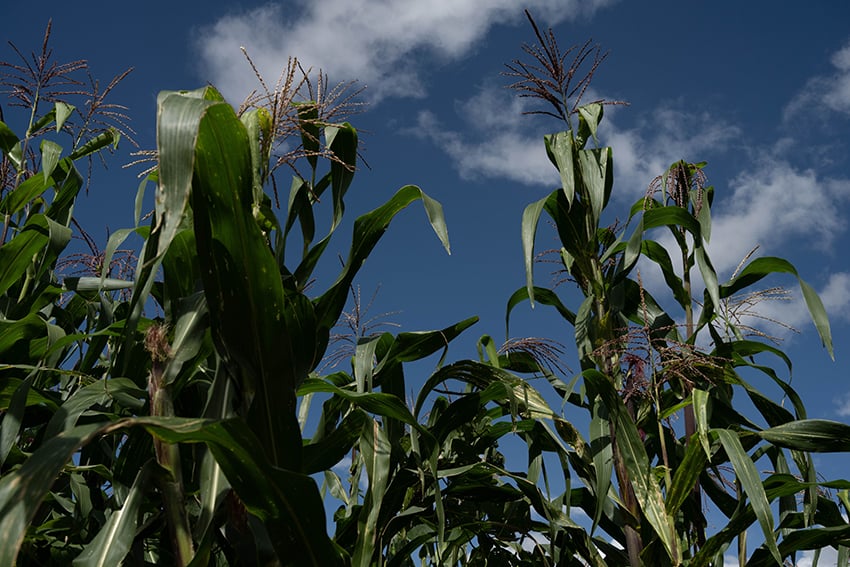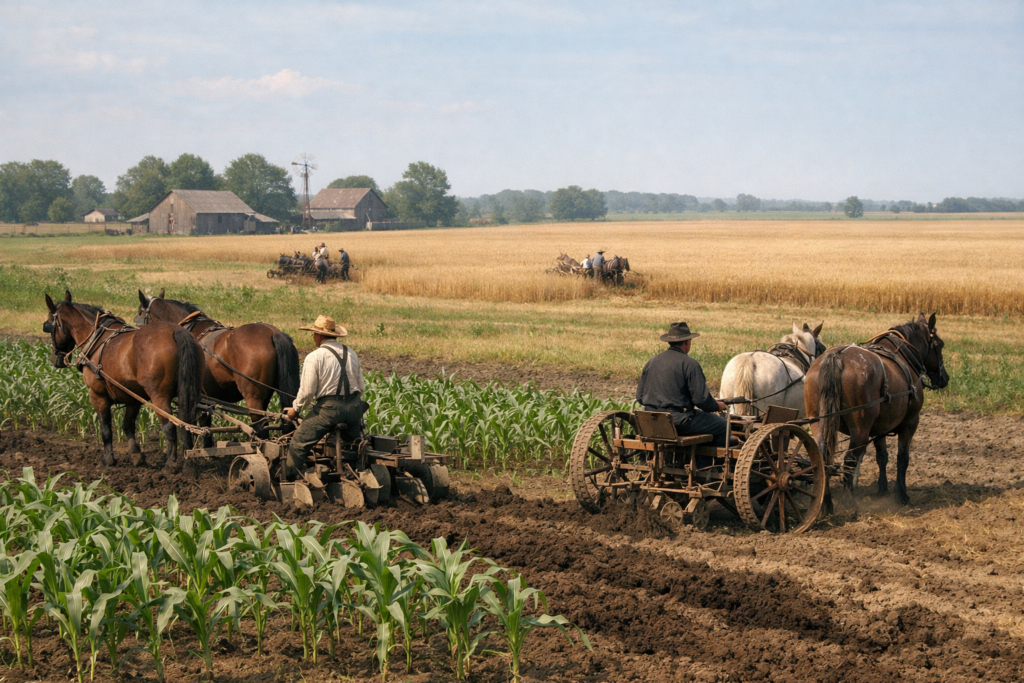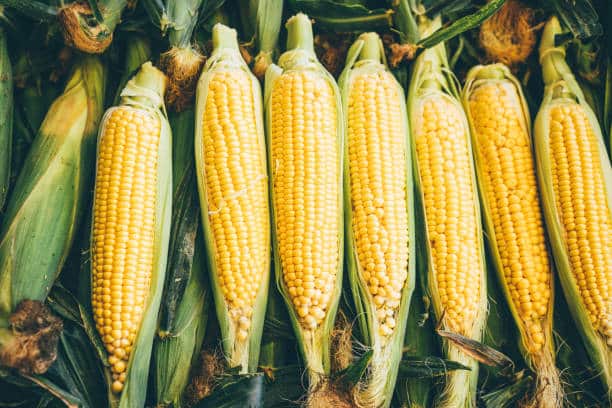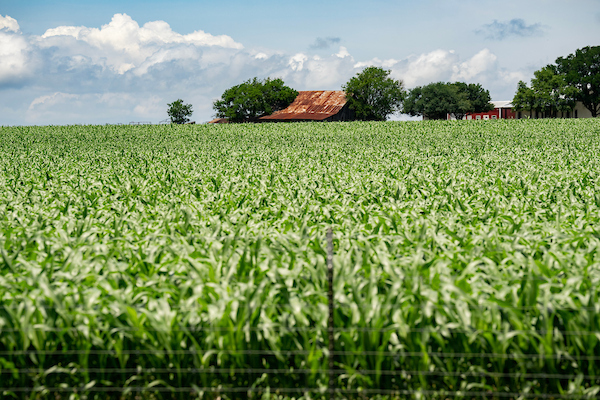

Walk into any Iowa cornfield and you’ll see the result of the longest agricultural research project in U.S. history. From the first yield trials in 1871 to today’s 200-plus-bushel-per-acre averages, Iowa farmers have consistently led the world in corn production.
The secret isn’t just good soil — it’s 150 years of continuous improvement in genetics, agronomy and farm management practices.
“Corn is one of the most productive plants in the world,” said Thomas Hoegemeyer, a retired Nebraska plant breeder, “and the confluence of good soil, the right amount of moisture and a long-enough growing season makes Iowa the corn king.”
Iowa’s 13.1 million corn acres generate $14 billion in farm-gate value — $1,069 per acre before considering basis advantages from local processing. Processors and shippers have built a marketing infrastructure around corn that generates billions of dollars for Iowa’s economy while supporting thousands of jobs.
Today, that infrastructure advantage continues. Iowa has 42 ethanol plants, the most in the nation. It also has more livestock feeding operations than most states’ total agriculture and transportation networks, which give farmers marketing flexibility other regions can’t match.
Recognizing its importance, in 1912 a group of Iowa Shriners came up with the “Iowa Corn Song,” a rousing march that promoted the state’s main product:
We’re from I-O-way, I-O-way
State of all the land,
Joy on ev-’ry hand
We’re from I-O-way, I-O-way
That’s where the tall corn grows
It became widely recognized and sung more often than the official state song. At conventions, Iowans would sing the last line of the chorus and raise their hands high to simulate the height of a cornstalk.
The People’s Department
Iowa’s rich soil, good growing conditions and well-educated farmer base put the state at the top of the leaderboard. But this story really began with President Abe Lincoln.
Even amid a civil war, the president in 1862 had the presence of mind to create the U.S. Department of Agriculture. He called it “The People’s Department” because at the time, half of the country lived on farms.
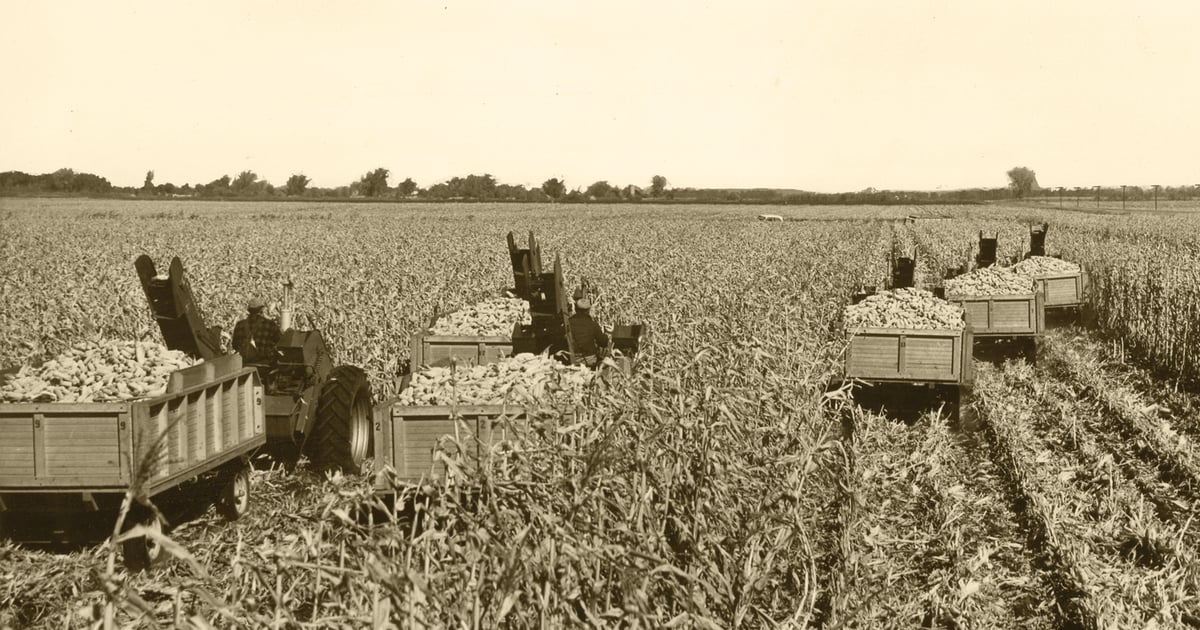
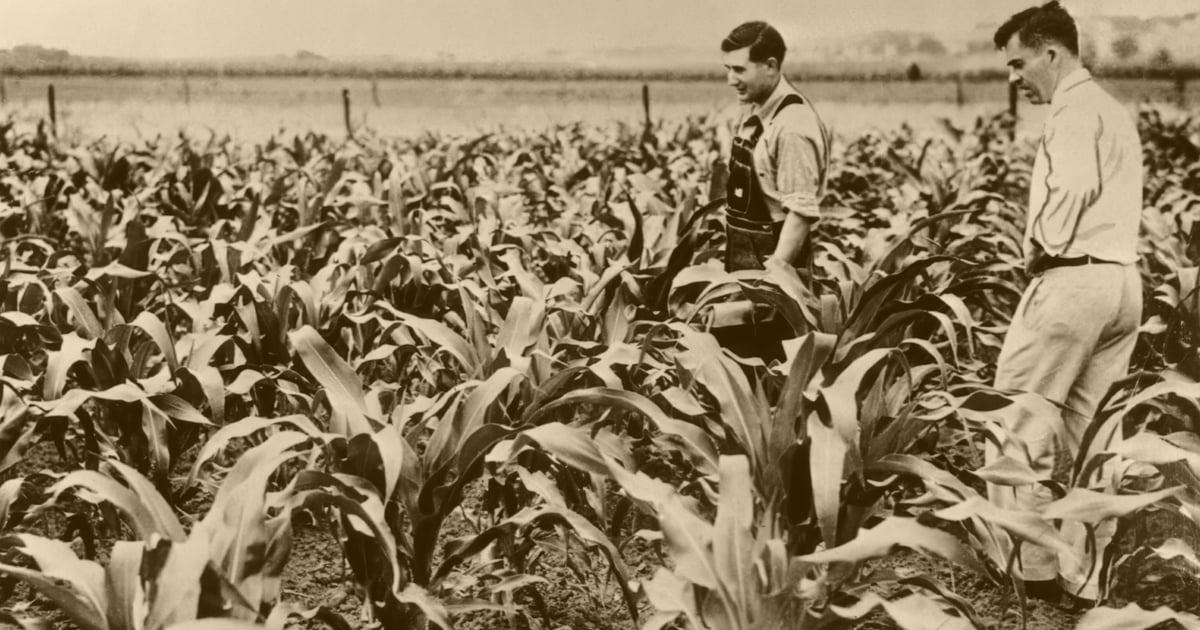
This led quickly to the Morrill Land Grant College Act, setting up public universities to teach agriculture and mechanical arts. Iowa was the first state to formally accept the Morrill Act, which allowed it to use federal land to establish a college. Iowa State, Iowa’s land-grant university, began conducting groundbreaking research in soil science and agronomy, launching its own corn variety testing in 1871. It established its own ag experiment station a few years later in 1888.
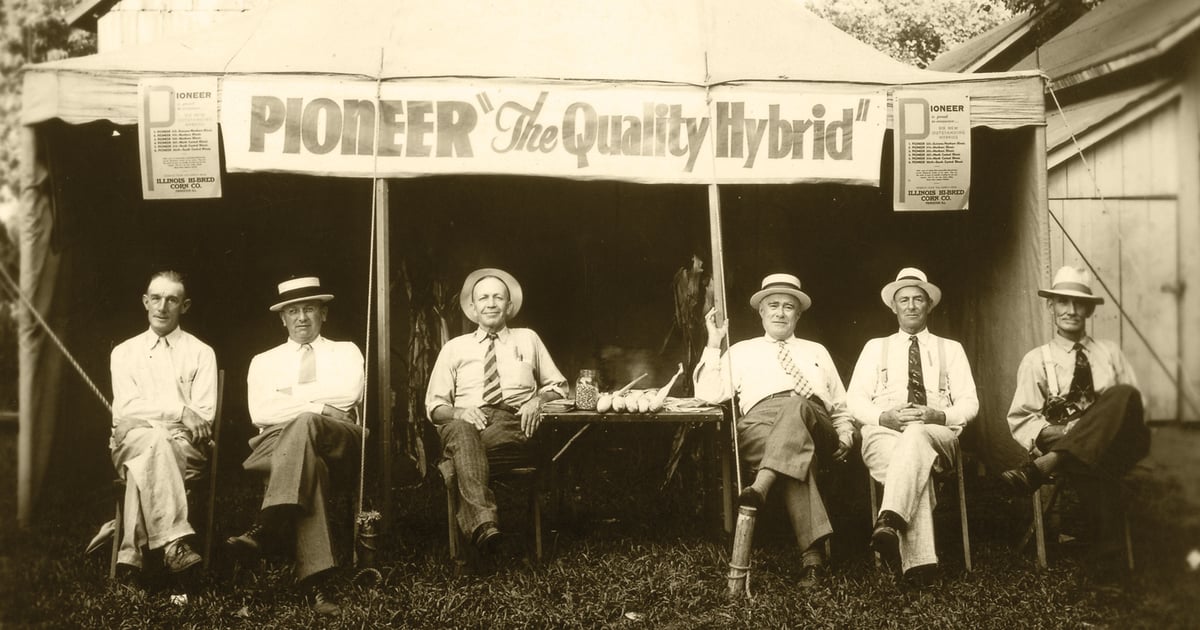
By the turn of the century, plant geneticists like George Shull and Donald Jones were breaking ground with self-pollinated corn, inbred lines and hybrids, paving the way for a young Henry A. Wallace and his new Hi-Bred Corn Co. (later Pioneer Hi-Bred). By the 1930s, the hybrid revolution was well on its way, followed by a host of innovations that soon spurred corn production worldwide.
The Iowa advantage
All these advancements — from Lincoln’s USDA and Iowa State University to Wallace and the corn breeders like him — helped corn become the perfect fit for Iowa farmers. Vastly different factors combined to help the marriage along:
What Mother Nature left behind. Glaciers, which came through about 12,000 years ago, left behind grasslands that rooted deeply, leaving organic matter and rich soils.
“All that residue left over from the grasslands was high in nutrients, and that is helpful to corn,” said Lance Gibson, an agronomy training manager at Corteva Agriscience.
That native fertility let Iowa take advantage of the productivity of the single crosses as well as the double crosses before that.
“To get optimal performance, you can fertilize and provide better genetics, but lots of productivity still comes down to weather and soil quality,” Gibson said. “And for my money, north-central Iowa is as good as it gets.”
A near-perfect climate. For corn, Iowa is like Baby Bear’s porridge in the fairy tale “Goldilocks and the Three Bears.” It’s just right. With 34 inches of annual rainfall, only 1% of the state is irrigated. Go anywhere north, west or south, and conditions are slightly less than idyllic.
“Iowa ended up being pretty perfect,” Gibson said.
Corn over wheat. Like most of the Midwest, Iowa was settled by farmers moving west, growing what they knew best — until they learned better. Pioneers at first grew wheat, but the climate proved too wet and the temperatures too variable, leading to crop diseases farmers still battle today.
“At one time in the 1870s, Iowa was the No. 2 wheat state. But by the 1890s, wheat was gone due to poor weather, insects and crop failure,” Gibson said.
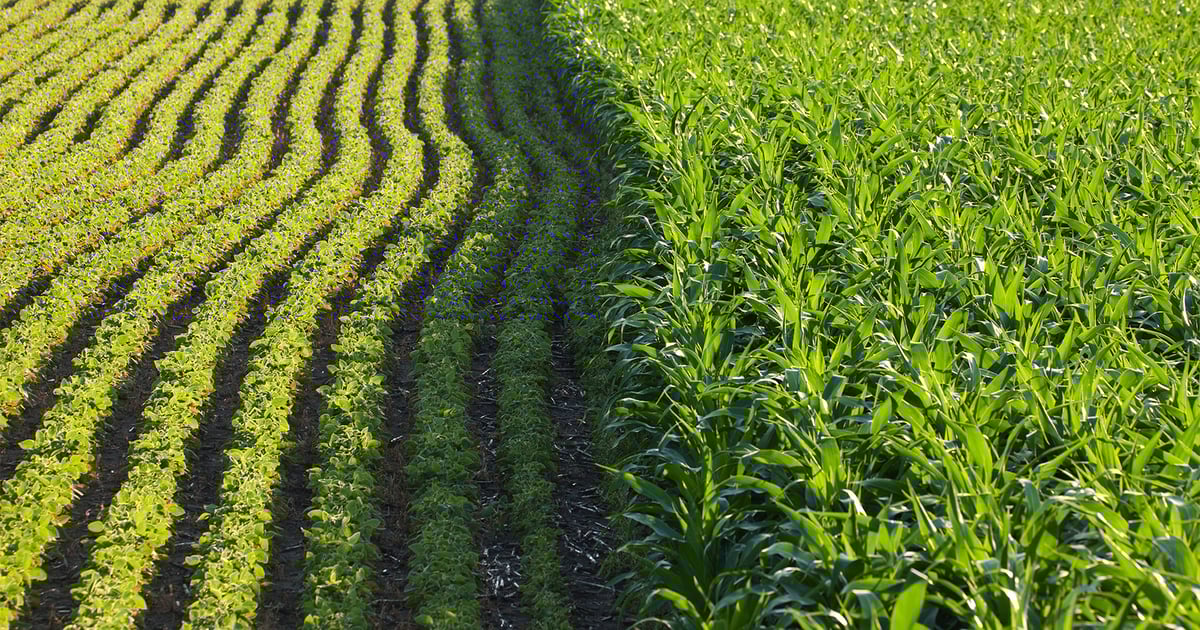
In wheat’s stead, Iowa farmers embraced corn, as the hot days and cool nights were well-suited for its growth.
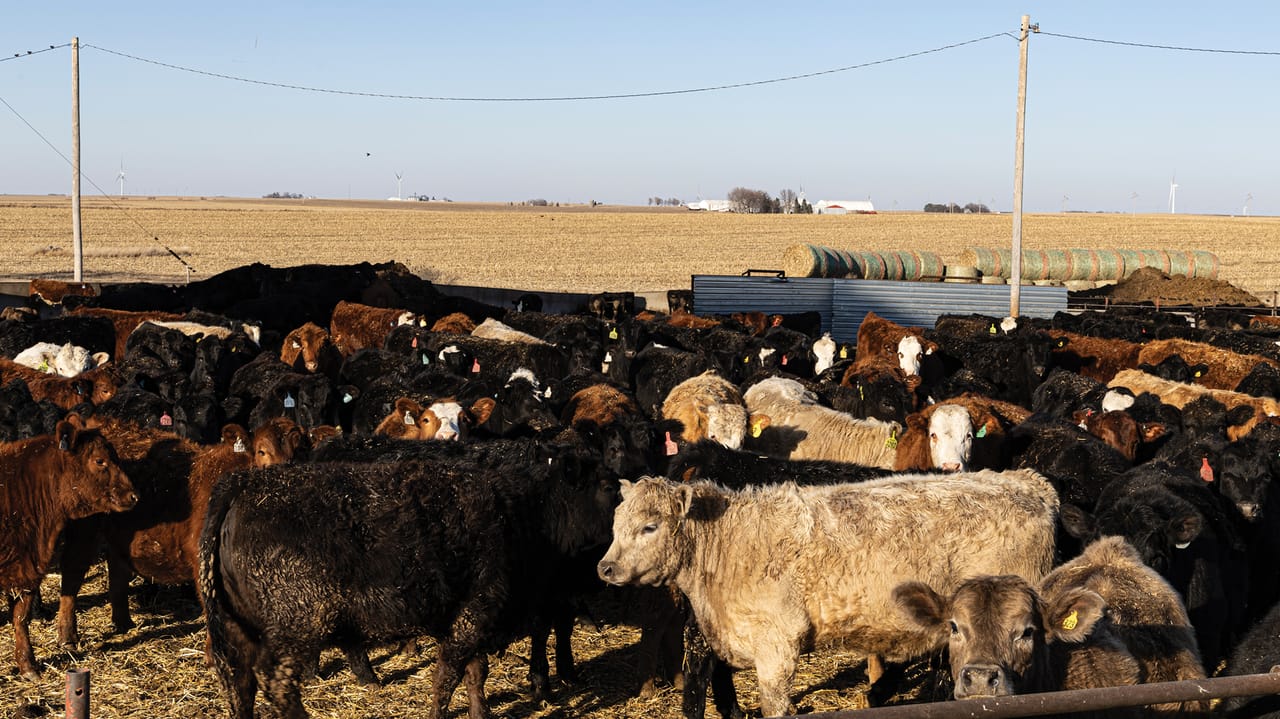
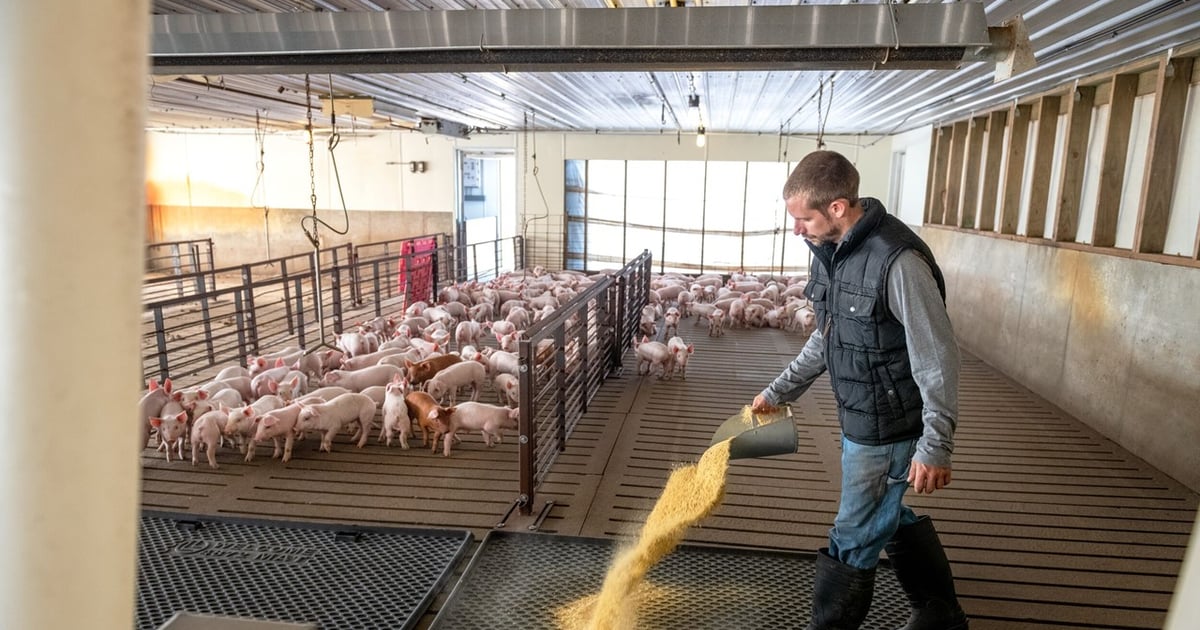
LOTS OF LIVESTOCK: Naturally, markets need to exist to consume Iowa corn, and livestock is a big one.
Livestock turning point. Corn acres began to grow when hogs replaced wool and wheat in eastern Iowa. Iowa’s dairy industry came about simultaneously with corn and hogs, made possible by refrigeration technologies (initially with ice and then with mechanical cooling within a couple of decades).
“Like dairy, wool was more of an eastern Iowa system,” Gibson said.
As western Iowa was settled in the mid-1850s through the 1870s, wheat was grown for the first decade or so before the corn and hog system took over. The wheat and wool system began in eastern Iowa shortly after Iowa was opened for settlement in 1833 and ended in the 1870s. Hogs became the way to diversify income from high-value pork and get manure fertilizer for next year’s crop. Hogs were called “cornfields on legs” and “mortgage lifters,” fueled by cheap feed.
Domination of yellow dent. In 1920, about half of Corn Belt farmers grew white dent corn, while the other half grew yellow dent. White corn was favored in the Corn Belt areas of northern Iowa, Minnesota and Wisconsin, while Reid’s yellow dent was preferred in the central Corn Belt, including south-central and southern Iowa.
Starting in 1920, the Ag Experiment Station in Wisconsin began studies that revealed hogs performed better on yellow corn than white corn, due to its beta-carotene content. This resulted in a rapid switch to yellow dent — and it has remained the most popular corn ever since.
Transportation breakthroughs. Railroads and refrigerated railcars meant you could slaughter hogs locally and ship the meat globally. “That’s how Iowa developed its packing industry,” Gibson said. “At one point, Sioux City was the second-largest hog processor behind Chicago. Waterloo, Cedar Rapids, Ottumwa and Dubuque all became packing towns, thanks to the refrigerated railcar developed in the 1870s for the packing industry.”
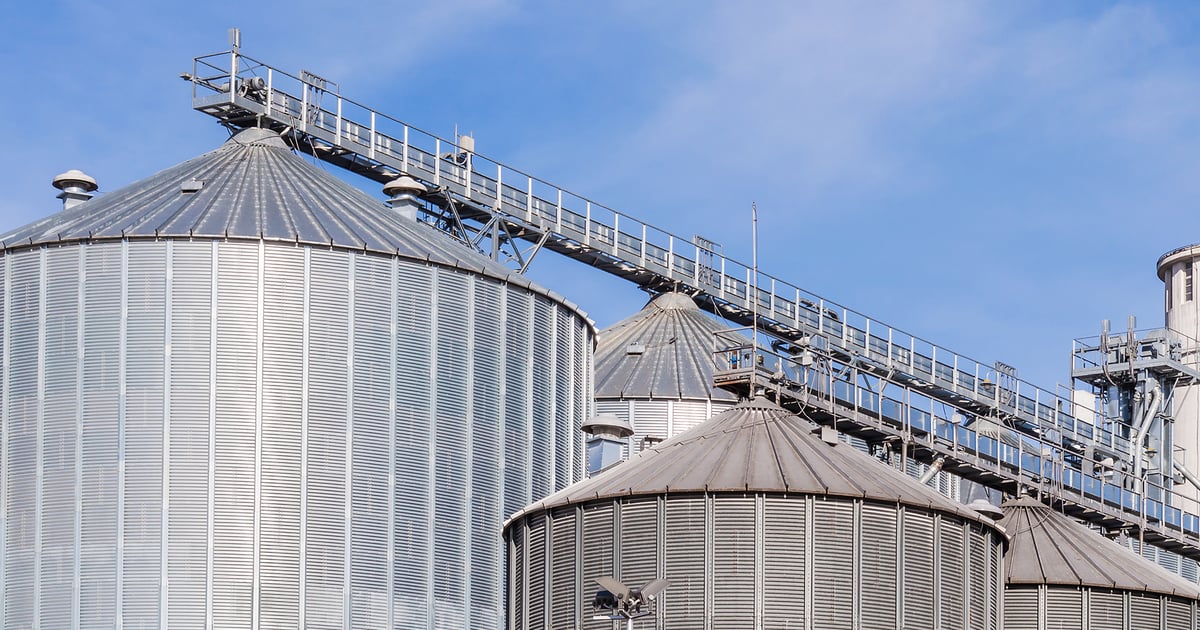
Those breakthroughs and more helped build a robust infrastructure that supports corn production today.
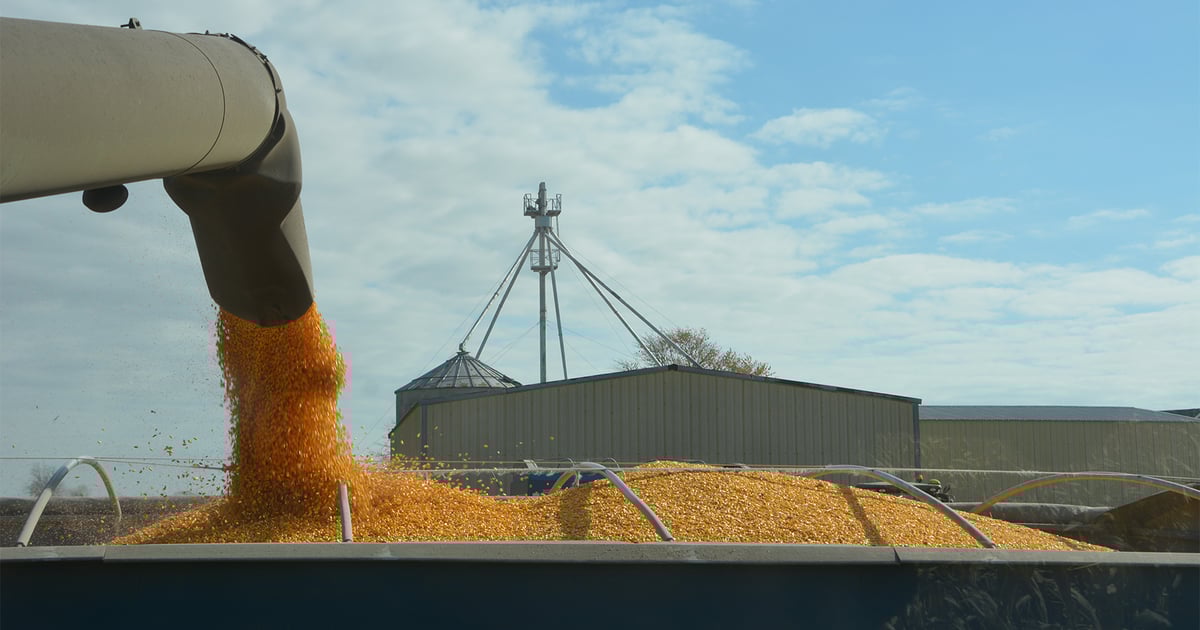
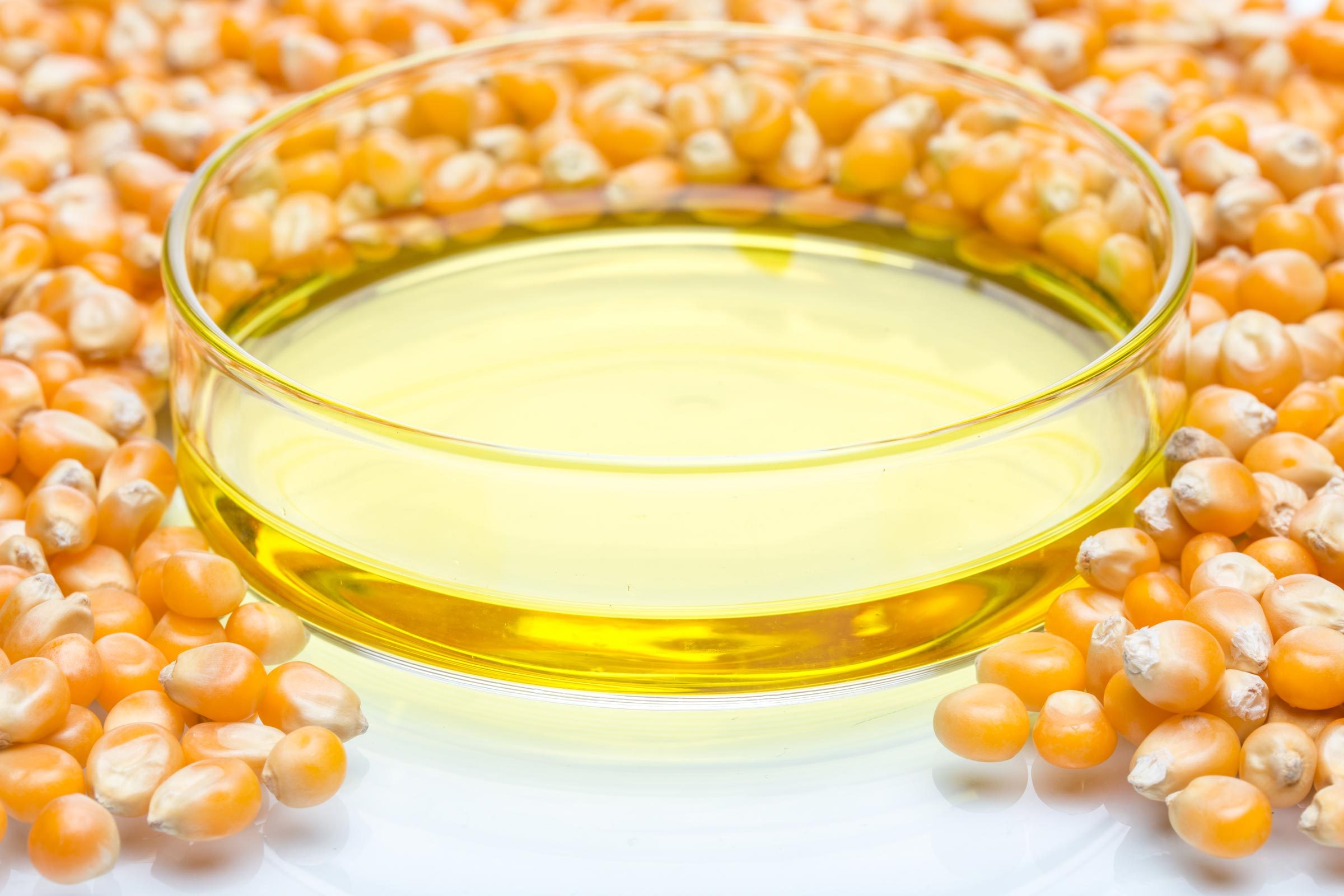
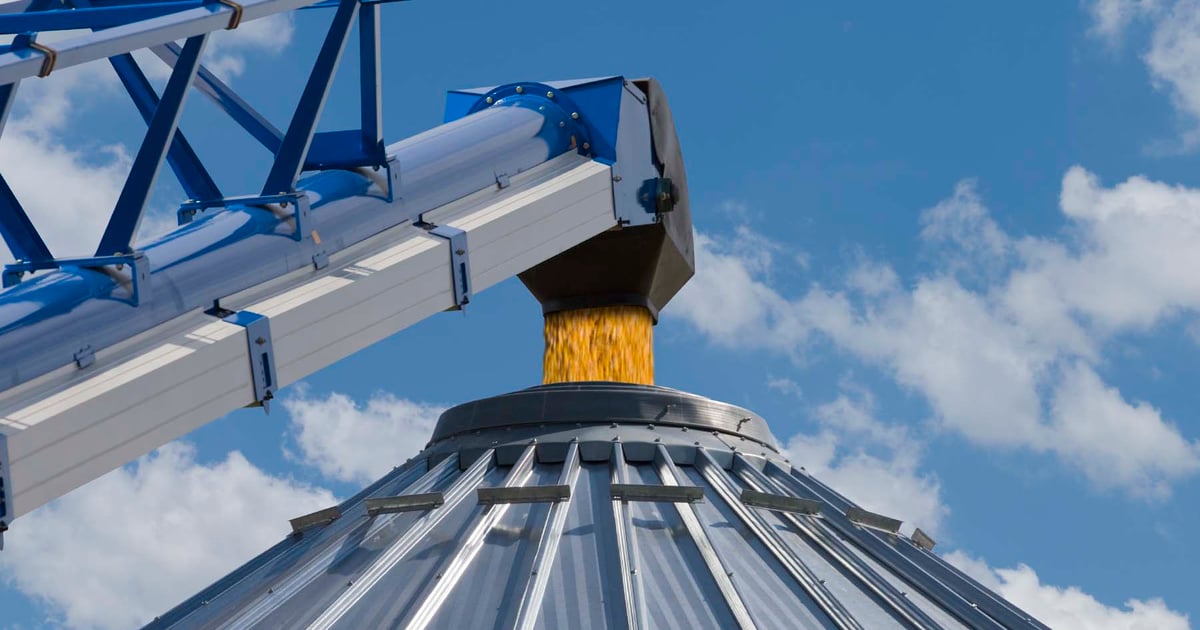
In Iowa, about 58% of the state’s crops go to biofuels and 21% is fed to livestock. It’s why Iowa farmers often enjoy a strong basis when it’s time to sell commodities.
“The Iowa success story is not about growing more corn; it’s about having more reasons to grow corn,” said Mark Licht, Iowa State University Extension and Outreach agronomist. “Corn became king in Iowa because the demand for corn grew as a feed, food, fuel, fiber and industrial product. We found we could grow corn quite efficiently, and that spurred those industries.”
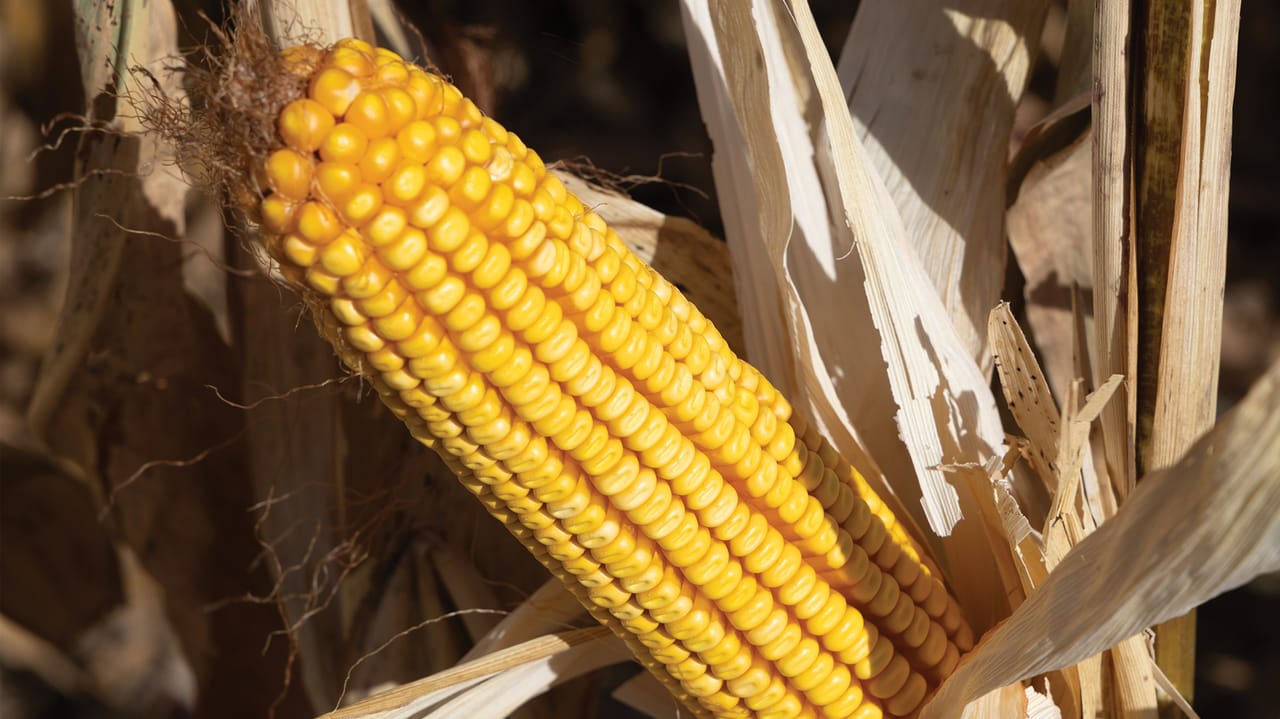
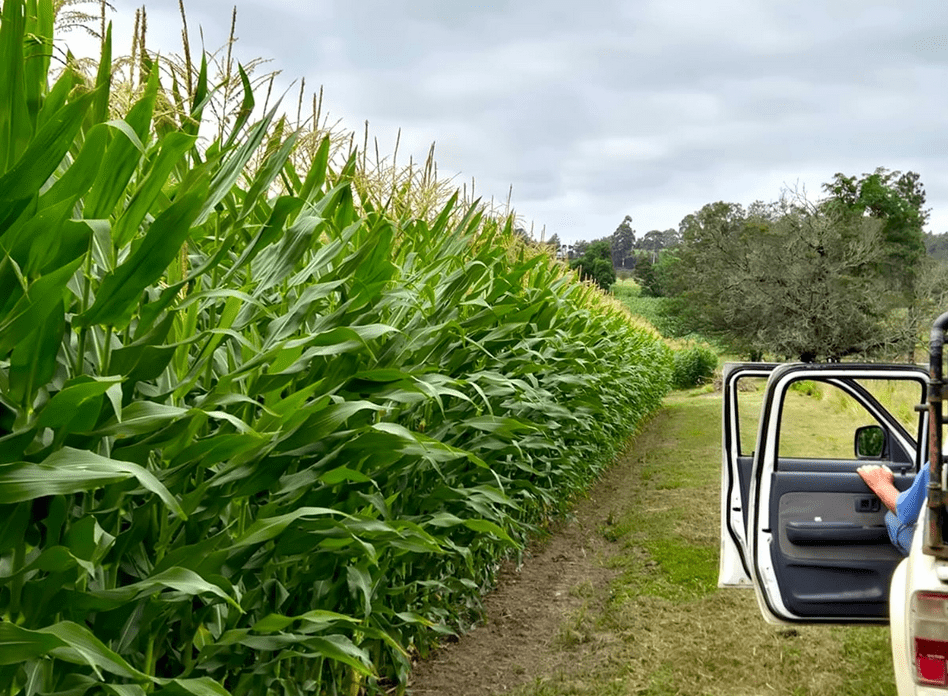
KING CORN: Iowa used to be a major wheat-producing state, but it exited in the 1890s. Farmers instead embraced corn that fit with the state’s excellent soils and growing conditions.
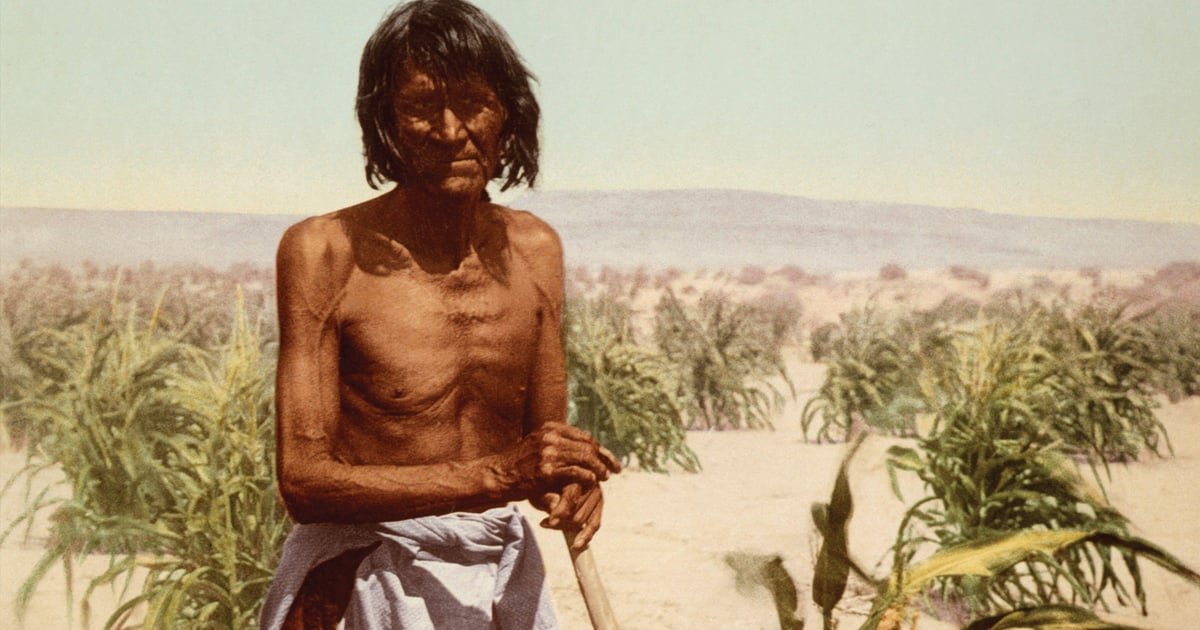
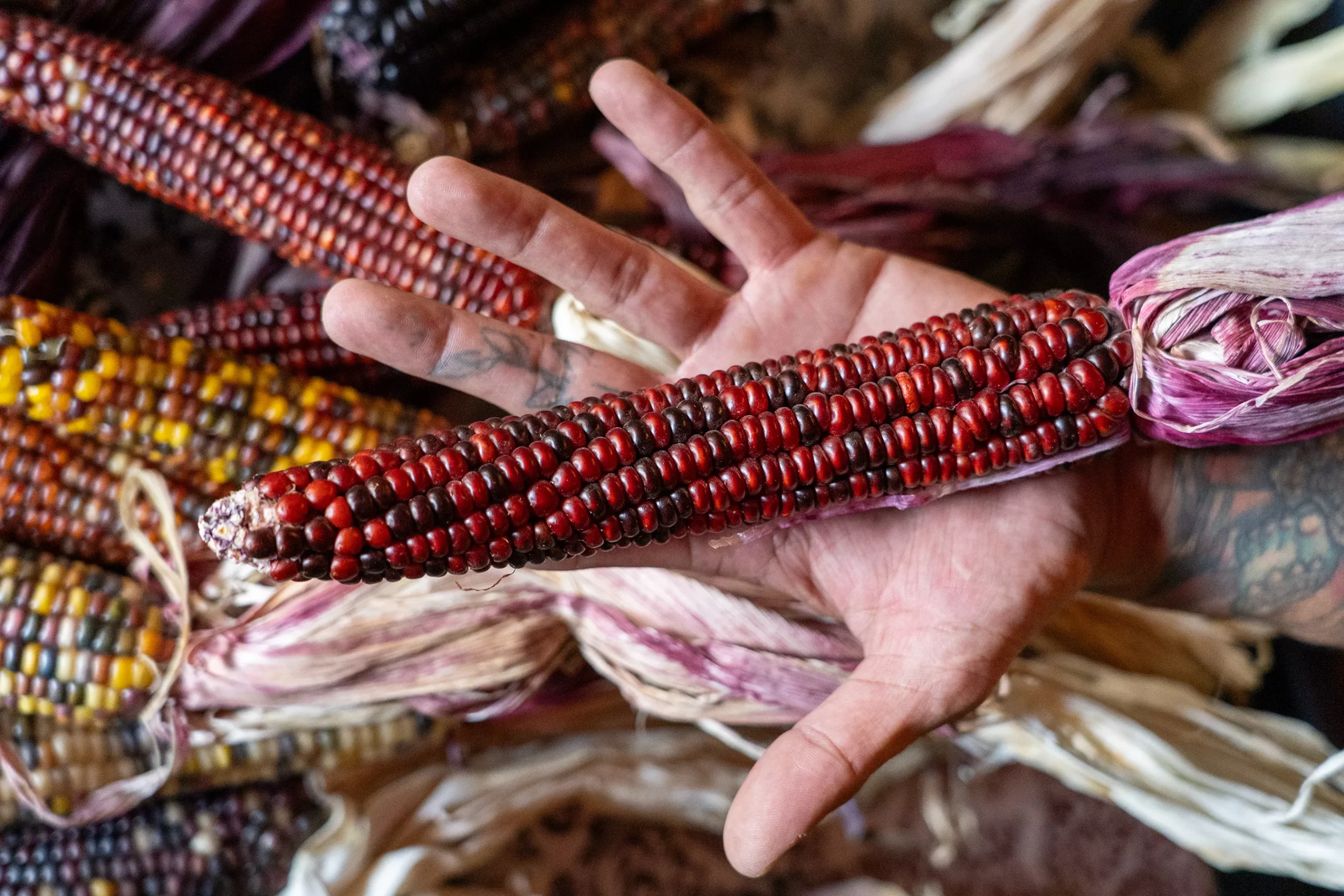
It’s a success story that keeps growing — one that would make the first plant breeders — Native Americans — proud. Yet, it’s a story few people have ever learned.
Which is a shame, Gibson said.
“In school, I learned about the Wright Brothers, Edison and Ford, but I didn’t learn about the development of hybrid corn,” he said about inventors Wilbur and Orville Wright, Thomas Edison, and Henry Ford.
“Without Edison, you wouldn’t have lights, and without the Wright brothers, you wouldn’t be able to fly. But there are billions of people thriving on this earth today who wouldn’t [be thriving] without hybrid corn.
“All that productivity from corn is life altering,” Gibson added. “It’s an incredible story — and one that continues today. Every time Iowa farmers plant corn, they’re building on 150 years of research, infrastructure and innovation that no other state can replicate. That’s why Iowa wins the corn game year after year.”