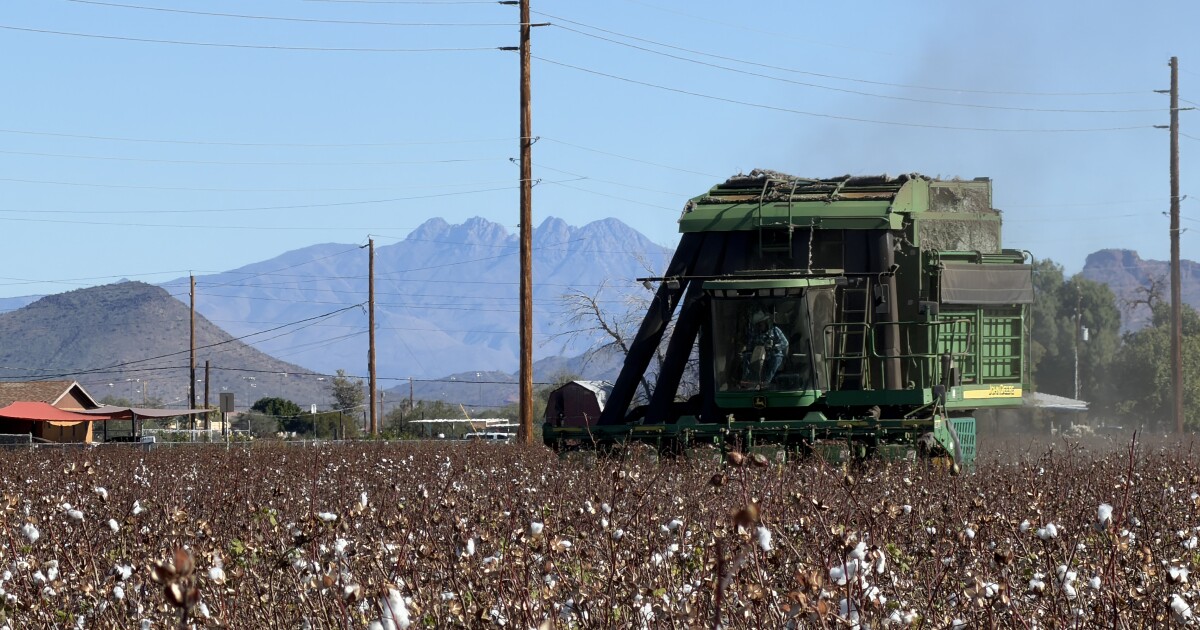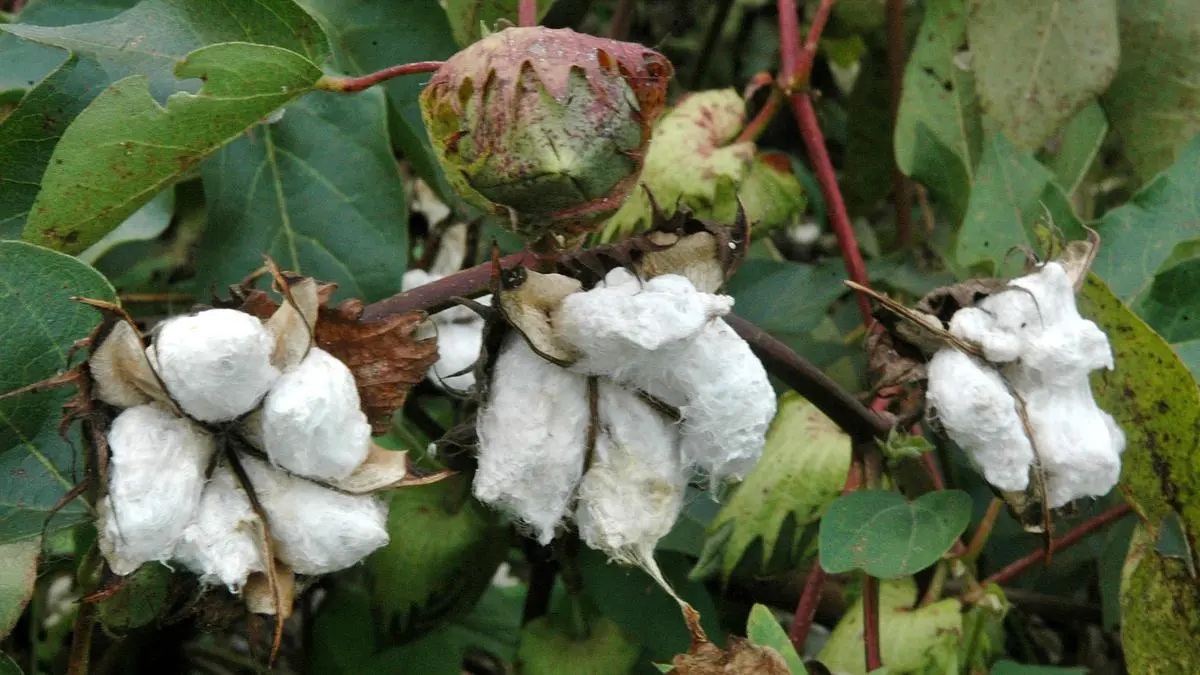
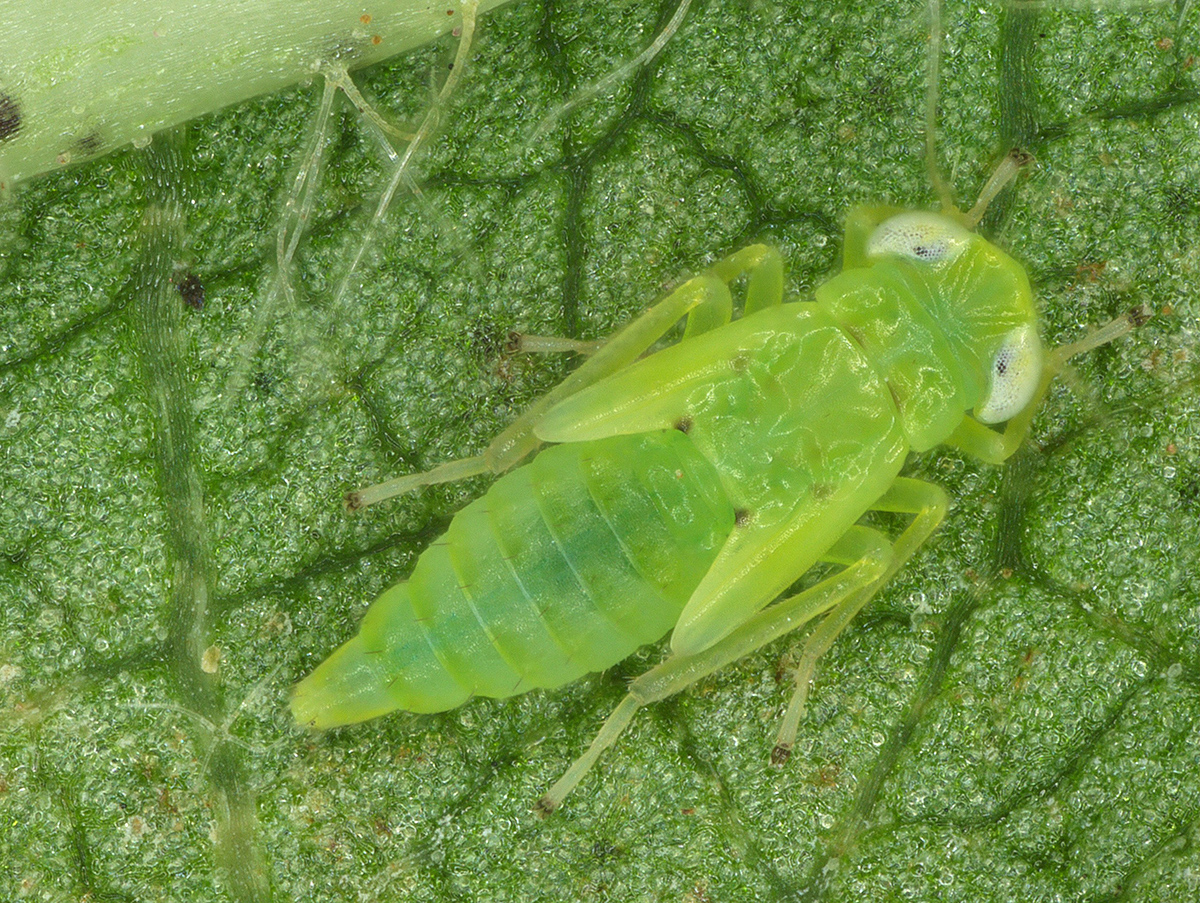
Texas A&M AgriLife scientists continue to assess potential impacts and prepare strategies to control a new invasive pest – the two-spot cotton leafhopper, also known as the cotton jassid – that is impacting Texas’ ornamental nursery industry and threatens future cotton production.
Protect your plants
Stay ahead of this emerging pest. AgriLife Extension’s new fact sheet provides cotton jassid identification tips, biological information and guidance for ornamental plants. Review the resource to learn how to monitor and respond.
Texas A&M AgriLife Extension Service and Texas A&M AgriLife Research experts in the Texas A&M Department of Entomology, Department of Horticultural Sciences and Department of Plant Pathology and Microbiology are actively working with stakeholders in the Texas nursery and ornamental industry as well as the cotton industry.
A new fact sheet to help ornamental producers with identification has been developed. This factsheet, which provides background and biological information about the insect as well as potential control options, was prepared by Andrew King, Ph.D., assistant professor and ornamental horticulturist, Department of Horticultural Sciences, and Rafia Khan, Ph.D., assistant professor and integrated pest management specialist, Department of Entomology, both located at the Texas A&M AgriLife Research and Extension Center in Overton.
Khan and King have also produced training videos for Texas Department of Agriculture inspectors as well as “green industry” growers and professionals, including the Texas Nursery and Landscape Association.
“We want growers and stakeholders throughout the nursery chain to have the resources to join the fight against this potential invasive pest,” King said. “We’ve established good communication about this insect among industry folks and hope to limit its impact on Texas’ growers and nurseries and prevent its establishment in fields.”


Limiting negative impacts for Texas plant nurseries
The team of AgriLife Extension specialists remains in close communication with experts in other states where the two-spot cotton leafhopper has been found. They are also working with the Texas Department of Agriculture and U.S. Department of Agriculture Animal and Plant Health Inspection Service to relay information as they continue to assess the pest’s potential for establishment in Texas.
King said this insect has a wide plant host range, and effective prevention and management will rely on a holistic, collaborative approach.
Khan and King encourage growers and professionals to reach out to AgriLife Extension for identification and to coordinate monitoring and science-based management activities. They also recommend immediately reporting identified specimens to the Texas Department of Agriculture.

AgriLife Extension specialists are engaged in a grant proposal focused on research that will help scientists and ultimately growers better understand and control the invasive insect as well as establish economic thresholds for losses in ornamental crops.
“We want ornamental growers and the nursery industry to know that we are here to help and that a unified approach will help mitigate the insect’s potential impact on their operation and its ability to spread,” Khan said. “We will learn more and more about this potential pest over the coming months, and further research will reveal best practices to protect the green industry and field crops.”