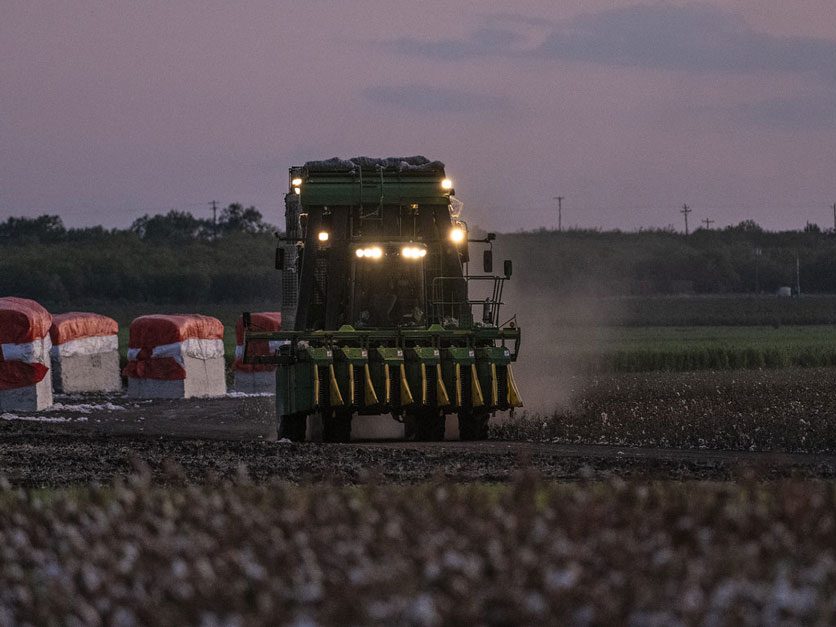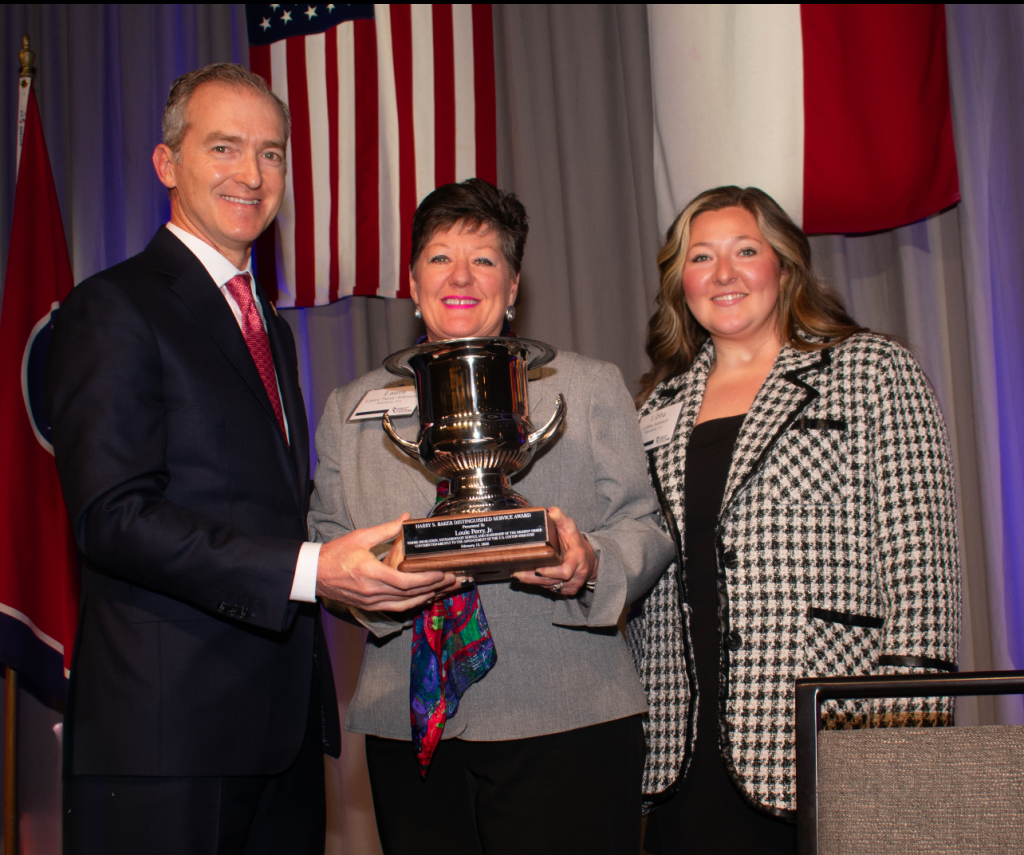
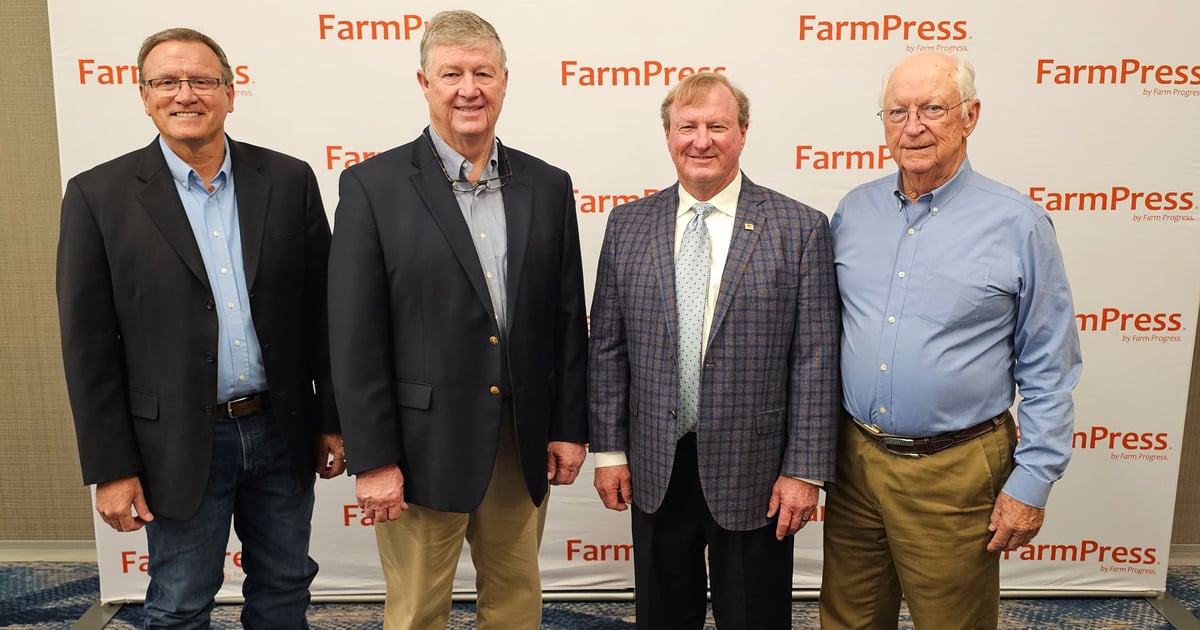
Over good fellowship, conversation and breakfast (and a few tears), the U.S. cotton industry gathered to honor some of its best during the 32nd Farm Press/The Cotton Foundation High Cotton awards in Memphis Feb. 27.
“Even after three decades, the High Cotton program remains a vehicle to showcase the country’s top cotton farmers who share their production methods, challenges and successes,” said Brad Haire, Farm Press/Farm Progress executive editor. “And this year’s class represents well what growers are doing to improve their production and the sustainability of their land.”
The winners this year stretched from coast to coast and up and down the Cotton Belt.
Southeast
From Leary, Ga., Jimmy Webb grows cotton, peanuts, corn and blueberries on 3,000 acres. He sticks to a strict crop rotation. Webb spent over 26 years serving multiple U.S. cotton organizations and traveled worldwide to represent the industry. He understands the challenges the industry faces but remains confident cotton has a future.
Delta
Jeff Hill farms 6,400 acres with his partners, son Robert, daughter Heather Hardy and her husband Chad, outside of Gates, Tenn. As he plans to step back from the management of the operation, he leaves a legacy of leadership, innovation and conservation for those who follow. His operation is the handy work of family pitching in to make a satisfying, cooperative and ultimately successful endeavor.
Southwest
Danny May of Port Lavaca, Texas, is known as Calhoun County’s “Mr. Cotton.” Within the industry, May is described as an innovator and leader, and a producer of many firsts, including mastering one-pass chemical stalk destruction, a practice widely adopted and instrumental in South Texas’s boll weevil eradication program. He was also one of the first in his county to enroll in the U.S. Cotton Trust Protocol.
Western
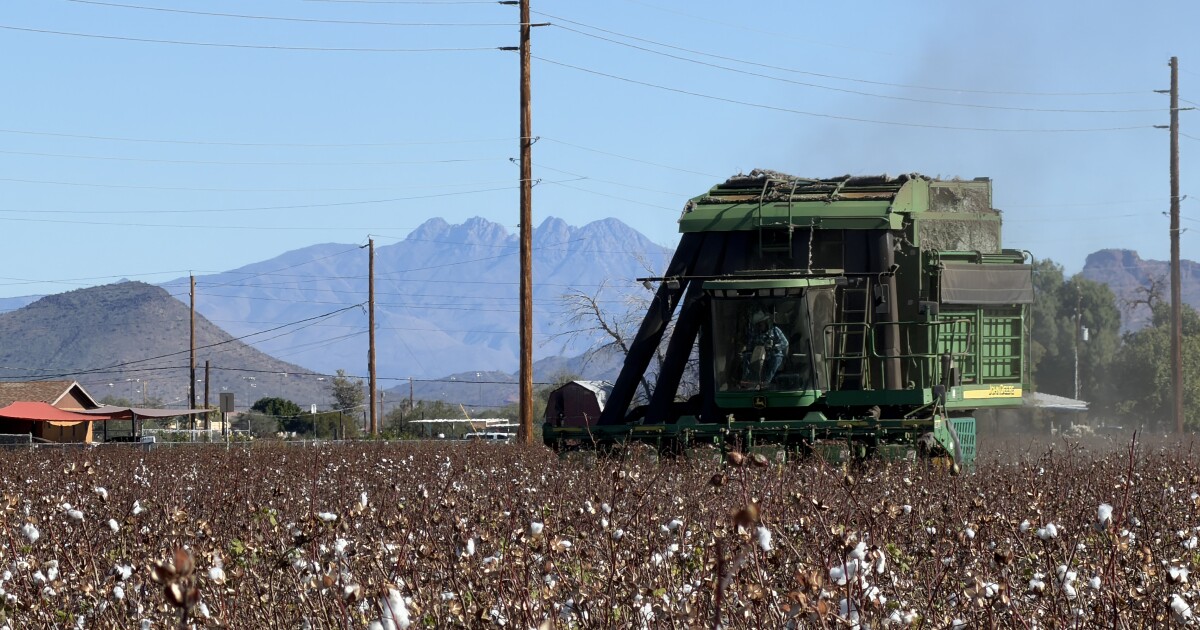
Some people believe growing cotton in the desert of Arizona is a bad idea. Adam Hatley doesn’t. He farms 1,000 acres of cotton on the Salt River Pima Maricopa Indian Community, a Native American reservation adjacent to one of the fastest growing metropolitan areas in the United States. Because of the climate and his water, cotton seed companies annually contract with Hatley to produce foundation cotton seed.
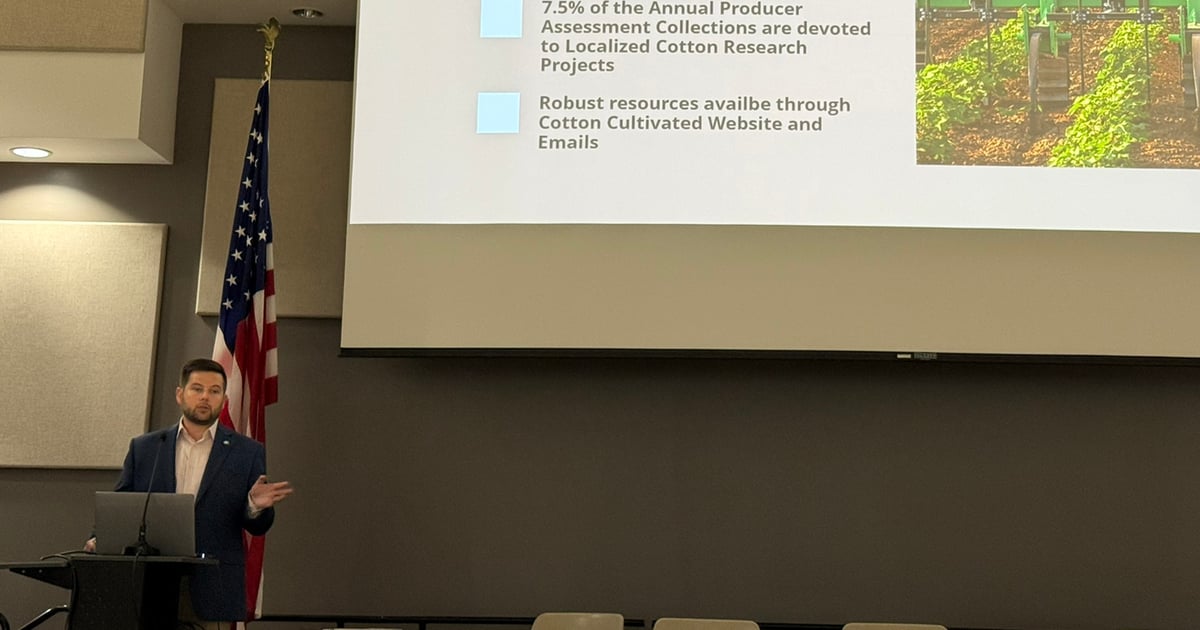
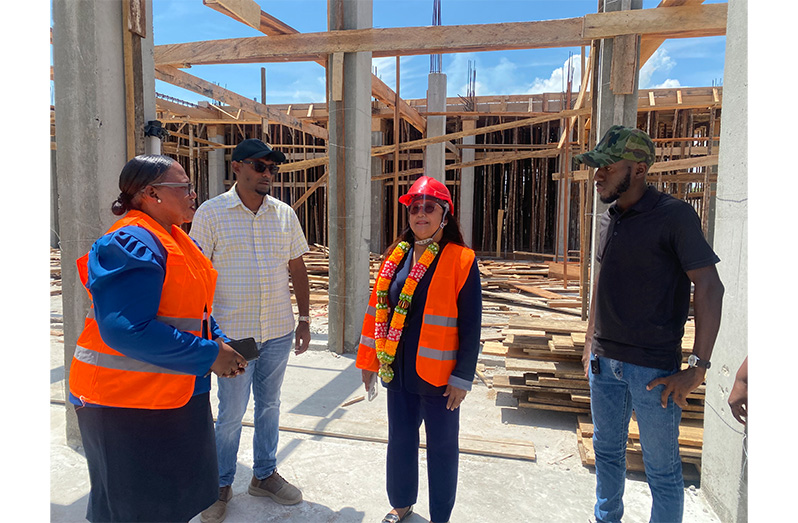
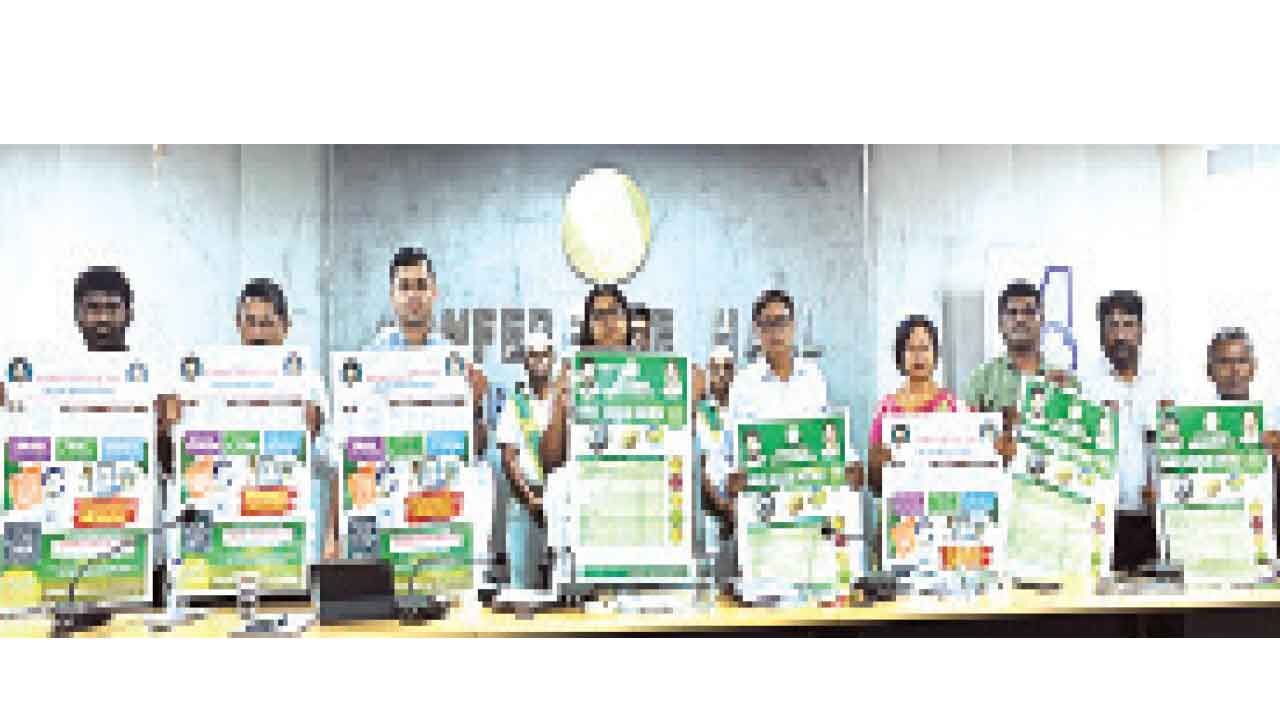
The breakfast drew many leaders and farmers who work daily to bolster U.S. cotton domestically and globally. They applauded the 32nd High Cotton class as some of the best the industry offers, and many were photographed in action doing just that. Take a look through this slide show to see who was there.