
Turkish vs. Egyptian Cotton Towels Getty Images
“Hearst Magazines and Yahoo may earn commission or revenue on some items through these links.”
You may have seen the terms “Turkish cotton” or “Egyptian cotton” written on tags or in the product descriptions for towels and just figured that meant the material was high quality. But if you’re wondering what these labels actually mean and which one ultimately makes for a better towel material, I can offer some helpful insight. I am a fiber scientist at the Good Housekeeping Institute Textiles Lab where my team and I have tested over 90 different bath towels, including ones made with Turkish and Egyptian cotton. While both types feature long-staple fibers, there are a few key differences between the two. And, in our towel tests, one of them clearly performed better.
What is the difference between Turkish and Egyptian cotton?
In a nutshell: Turkish cotton originates from Turkey, while Egypt produces Egyptian cotton. But, the story doesn’t end there. The two materials have other things that set them apart, which impacts how they perform in towels.
The fibers themselves differ.
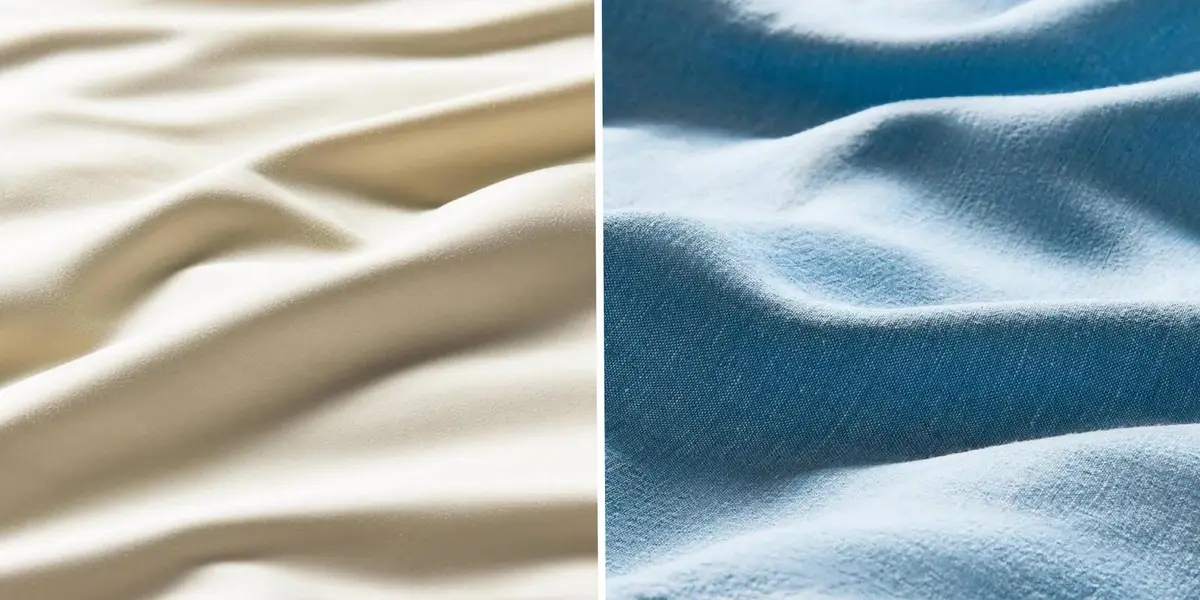
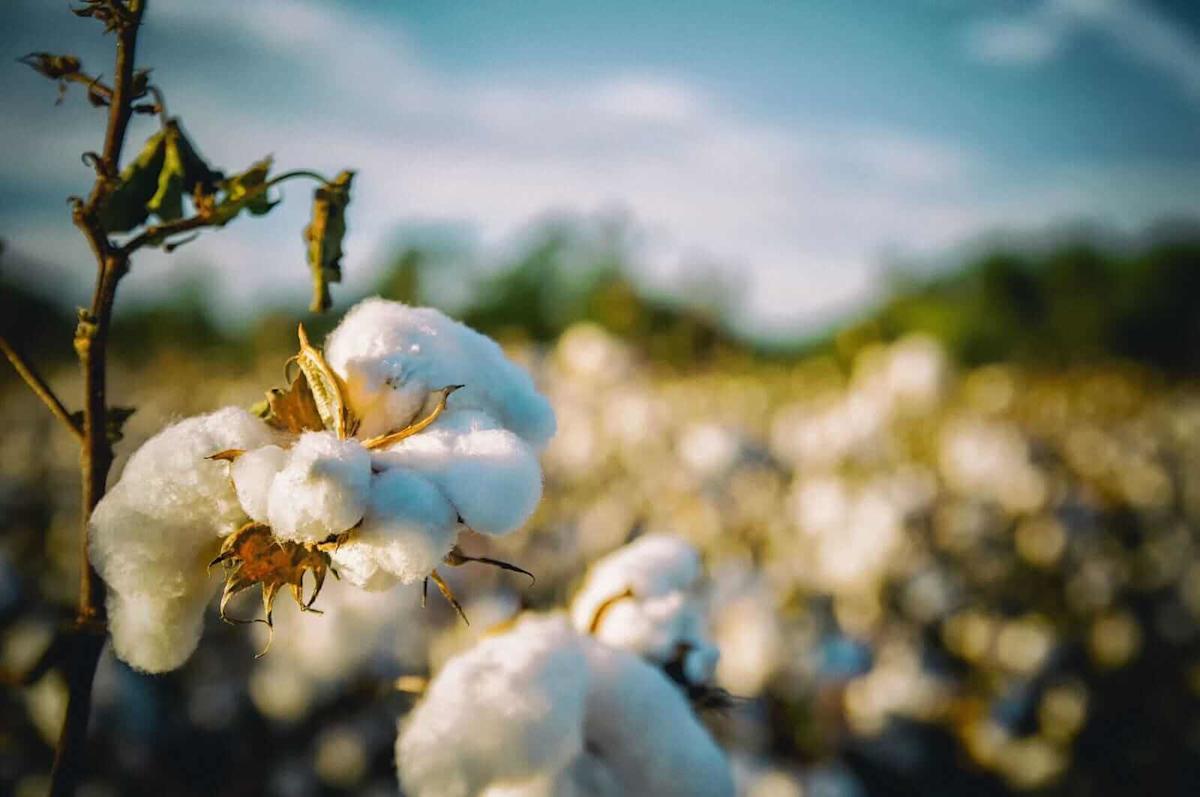
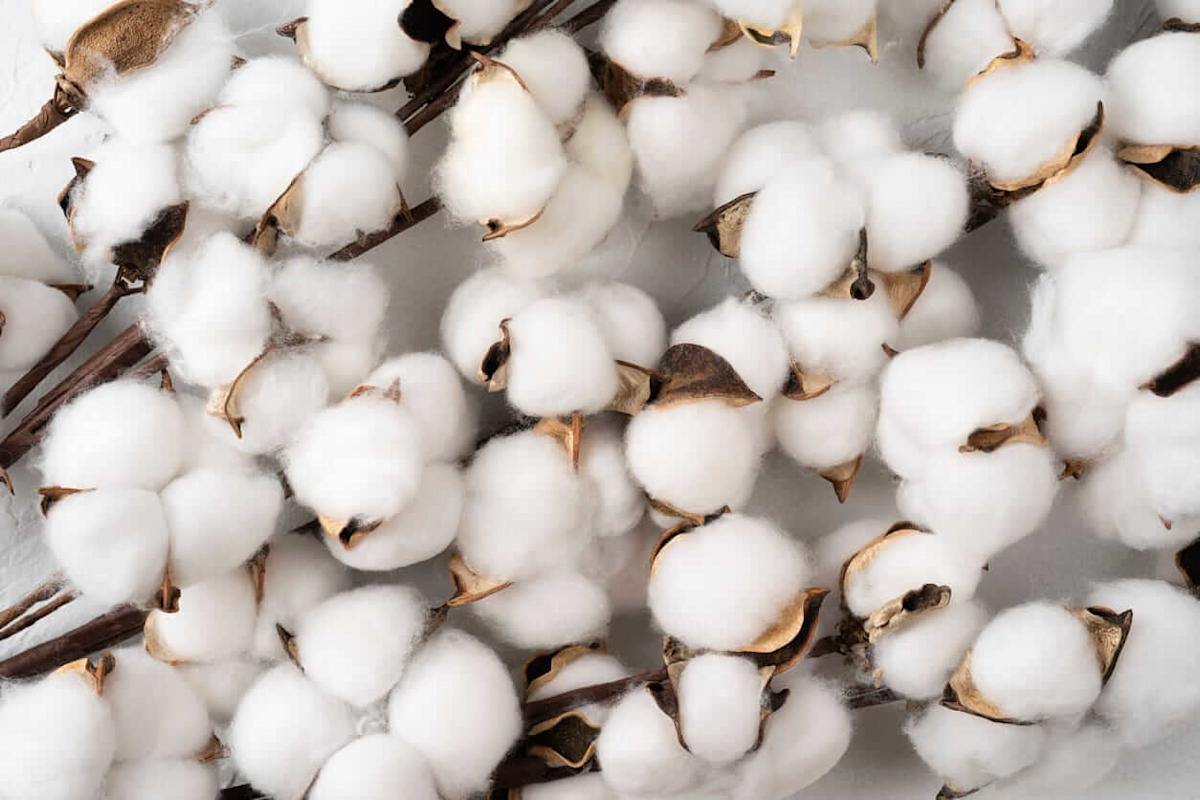
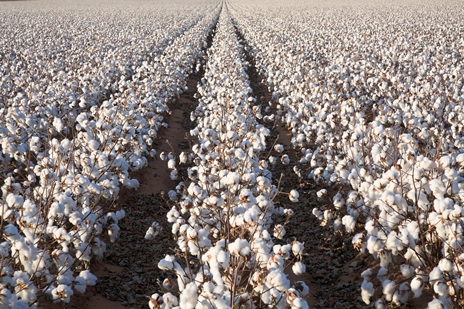
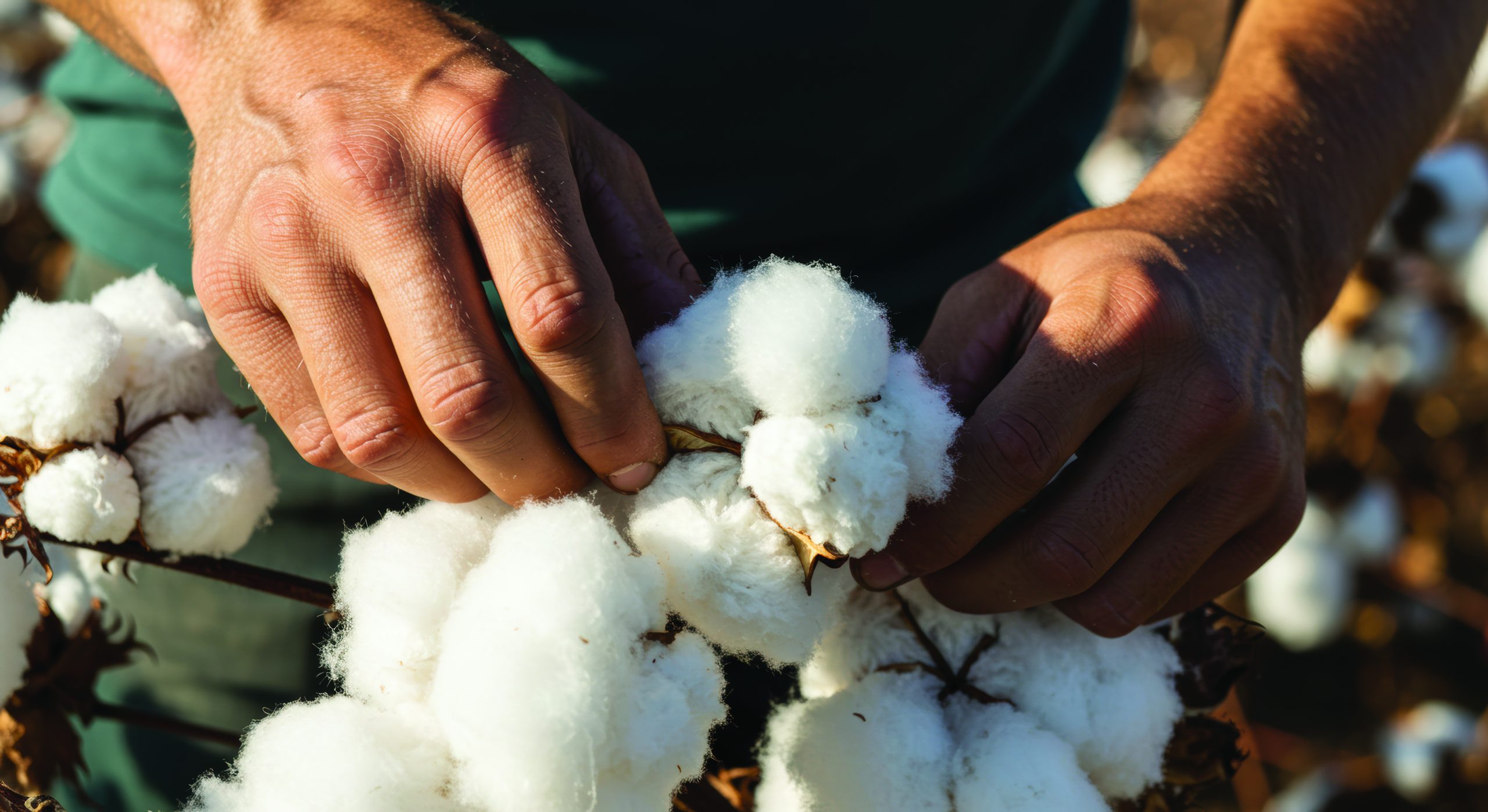
Turkish and Egyptian cotton are two species of cotton. Turkish cotton’s species name is Gossypium herbaceum while Egyptian cotton’s is Gossypium barbadense. Both Turkish and Egyptian cotton are long-staple cotton fibers, meaning they have a softer feel and are more durable compared to traditional cotton. Egyptian cotton has even longer fibers (called extra-long-staple cotton) than Turkish cotton does, so it has superior softness and durability.
Egyptian cotton towels often take longer to dry.
Because of Egyptian cotton’s longer fiber structure, towels made of Egyptian cotton have a denser weave with a more substantial weight to them. This premium heft gives the towel a high-end feel, but also makes them dry slower than Turkish cotton towels, typically. In Textiles Lab tests, we noticed that many Egyptian towels took longer to dry than Turkish cotton towels did.
Turkish towels tend to be more affordable.
Egyptian cotton is the more expensive of the two because it is an extra-long-staple cotton fiber with excellent softness, durability, and absorbency. Turkish cotton still has great performance and is a bit more affordable.
Egyptian towels are extremely luxurious, but tend to be mislabeled.
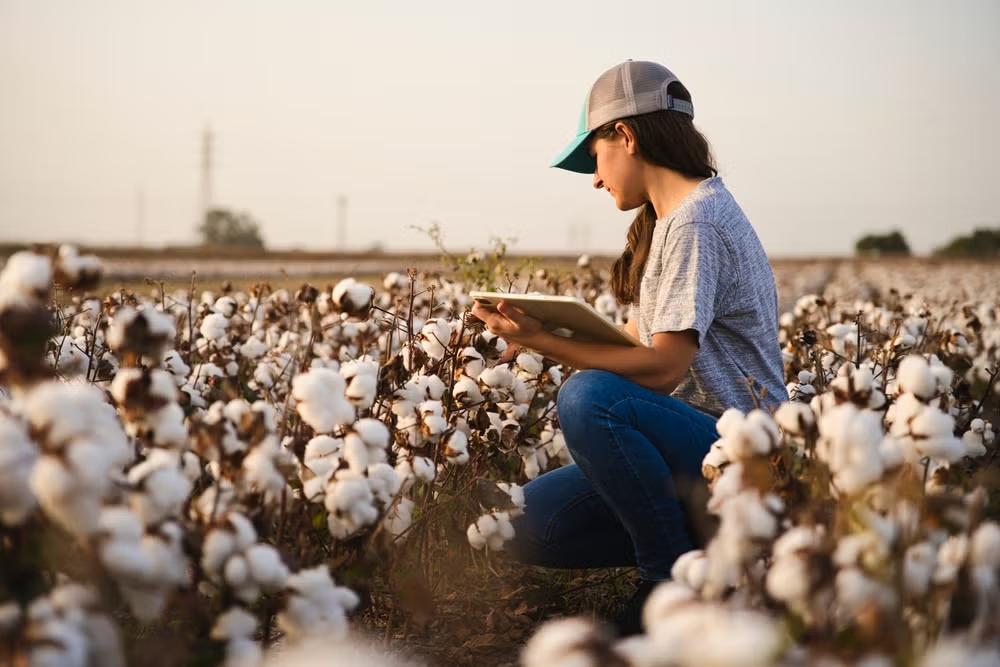
Because Egyptian cotton is known for being luxurious, many brands, unfortunately, mislabel their products as containing Egyptian cotton when they do not. I recommend looking for reputable certifications like Cotton Egypt Certification to ensure you are purchasing actual Egyptian cotton.

Good Housekeeping
Turkish towels can be different than Turkish cotton.
Shoppers often confuse “Turkish cotton” and “Turkish towels.” Turkish cotton refers to the type of cotton the towels use, but Turkish towels are a completely unique type of towel. Turkish towels (also known as peshtemals) are flat woven towels often with tassels on the end. They are very lightweight and stylish, but aren’t as plush as traditional terrycloth.
Turkish and Egyptian cotton aren’t always organic, but often are.
Just because a product uses Egyptian or Turkish cotton doesn’t mean it is organic. If you prefer to only use organic linens, I recommend looking for reputable organic certifications like the Global Organic Textile Standard (GOTS).
For example, Brooklinen Super Plush Towels use Turkish cotton, but aren’t certified organic. Coyuchi Temescal Organic Towels use certified organic Turkish cotton.
Bottom line: Are Turkish or Egyptian cotton towels better for your home?
In our tests, towels labeled as Turkish cotton performed better than those claiming to be made of Egyptian cotton. Testers liked the softness and cozy feel of Egyptian cotton towels, but they preferred the faster drying nature of Turkish cotton and the lighter weight construction.
For everyday towels, Turkish cotton is likely your best bet. It’s absorbent, soft, decently quick drying, and is more affordable. Egyptian cotton is more luxurious with a denser weave for a spa-like experience, but the higher price tag and slower drying speed makes them less popular.
Why you can trust Good Housekeeping
Emma Seymour is the associate director of the Good Housekeeping Institute Textiles Lab where she has been testing towels and other textiles products since 2018. She has a bachelor of science in Fiber Science from Cornell University and is a leading textiles expert.
You Might Also Like