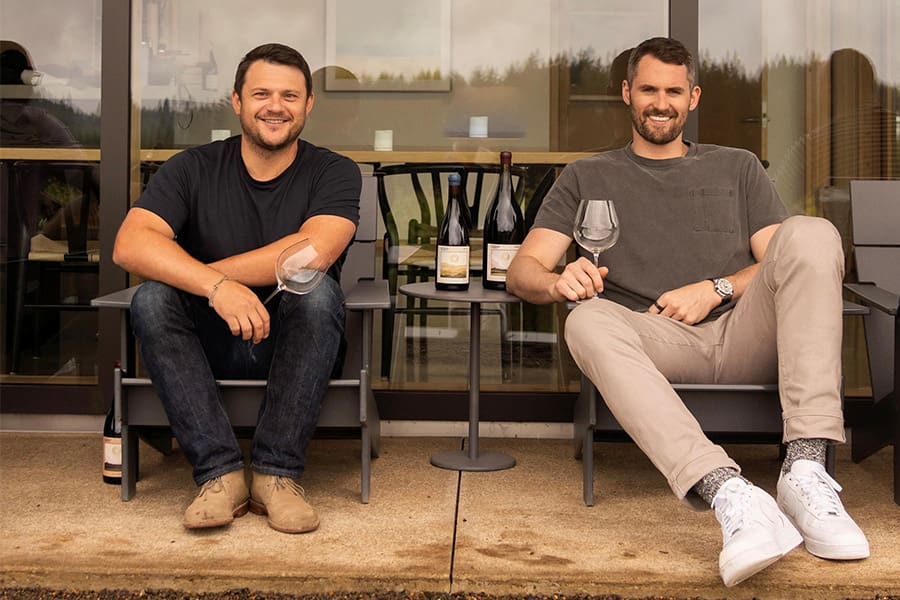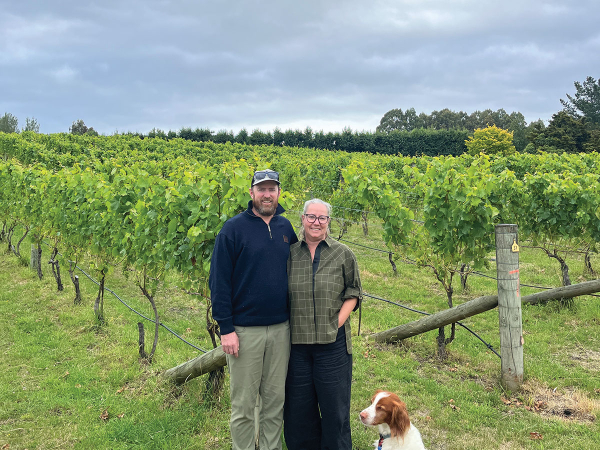
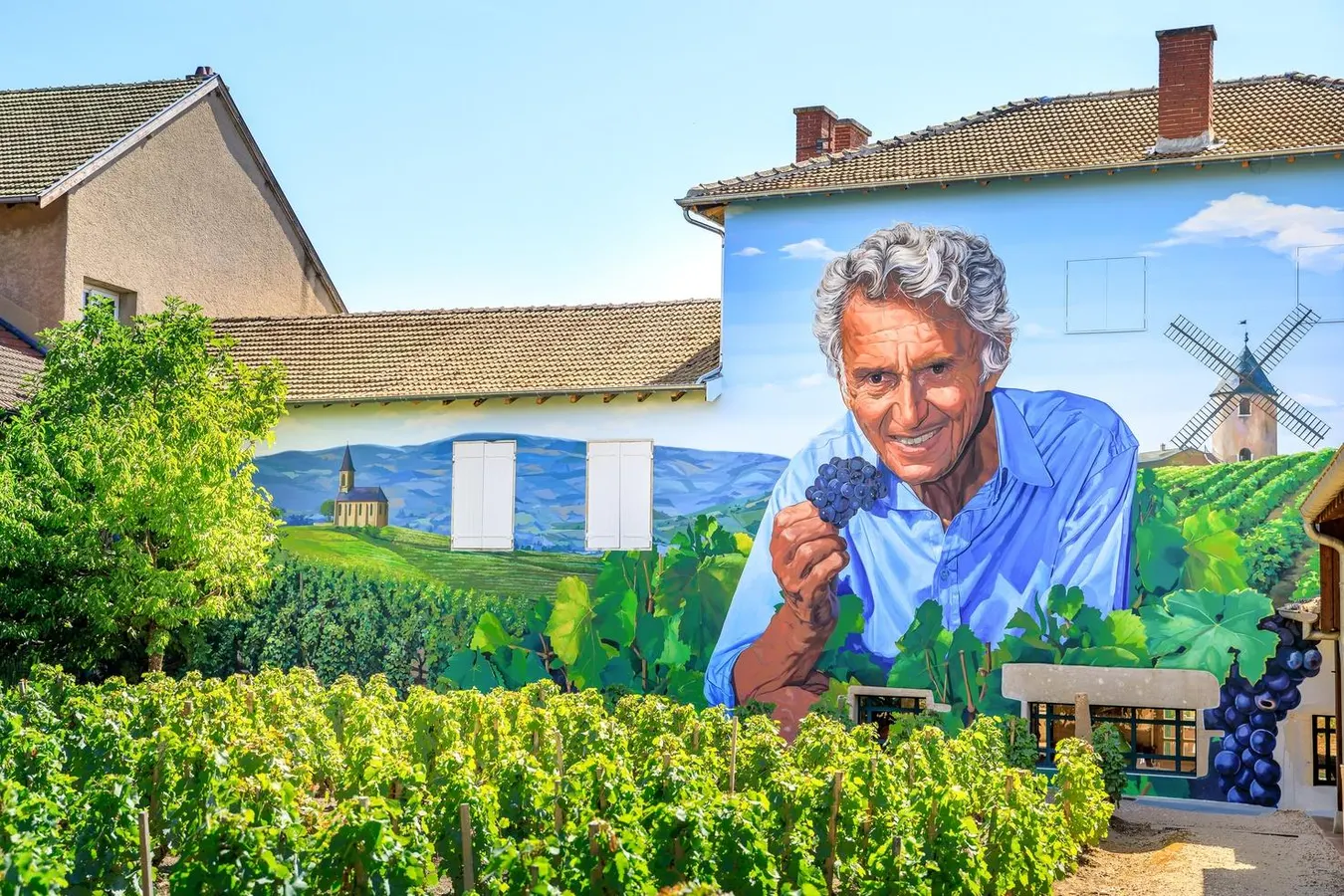
The Duboeuf team stand before a mural honoring founder Georges Duboeuf at the family’s estate in Beaujolais, with the iconic Moulin-à-Vent windmill painted behind them. Courtesy Georges Duboeuf
GREG BELLEVRAT PHOTOGRAPHIE
For decades, wine drinkers have cracked open Beaujolais every November, right on schedule. Beaujolais Nouveau is a calling card: festive, approachable, enjoyed by Christmas. But while that tradition endures, something interesting is happening in the same corner of eastern France. The Crus of Beaujolais, ten distinct appellations carved from ancient granite hillsides north of Lyon, are one of the most compelling buys in wine right now.
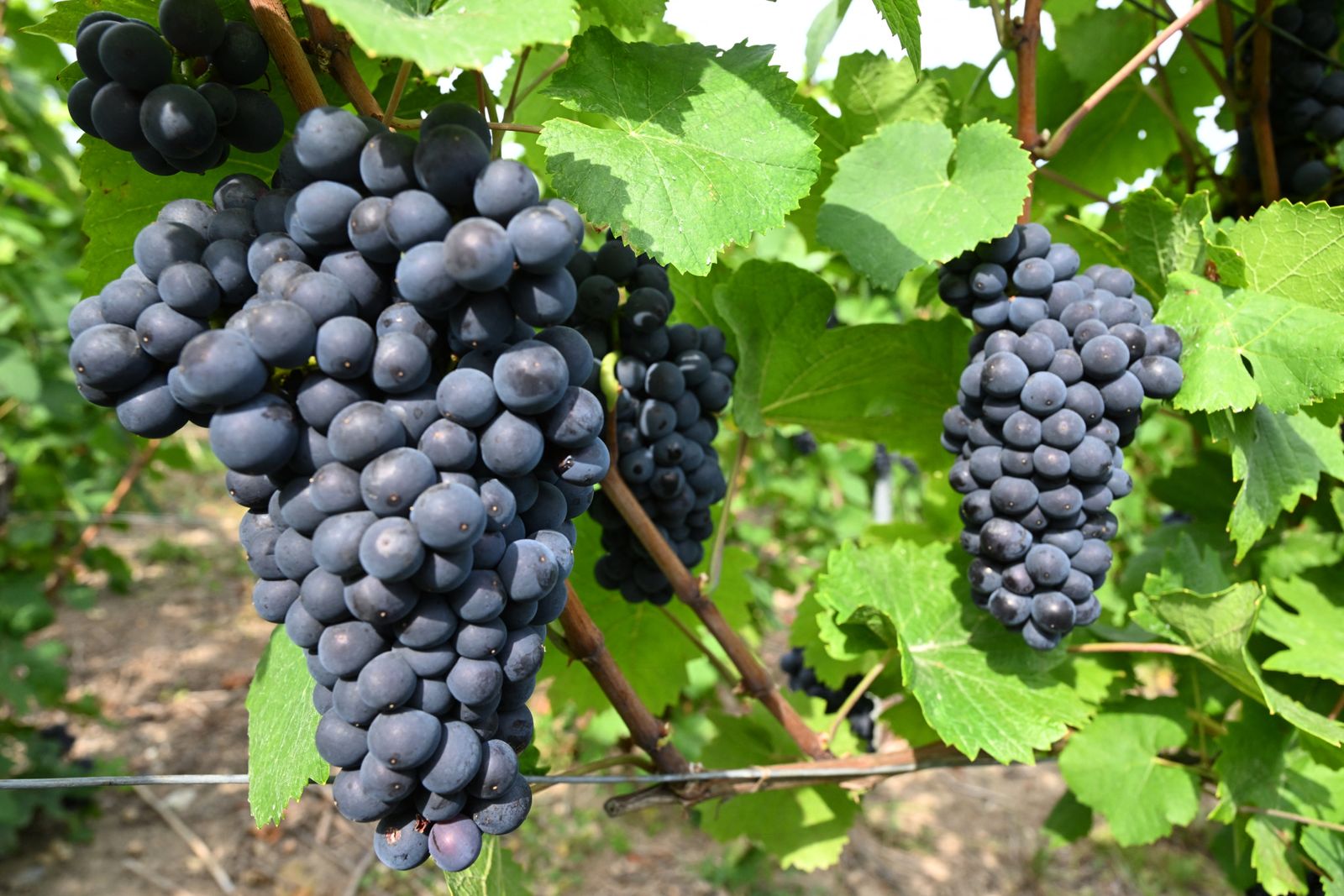
The timing couldn’t be better. Some wine buyers say certain prices have ballooned beyond reach for casual drinkers and many restaurant wine lists alike. Into that opportunity steps Gamay, Beaujolais’ native red wine grape: lower in alcohol, bursting with red and dark fruit, almost always skipping oak and still, remarkably, often priced under $30. The Crus, for many, are a discovery.
What Is Beaujolais Cru?
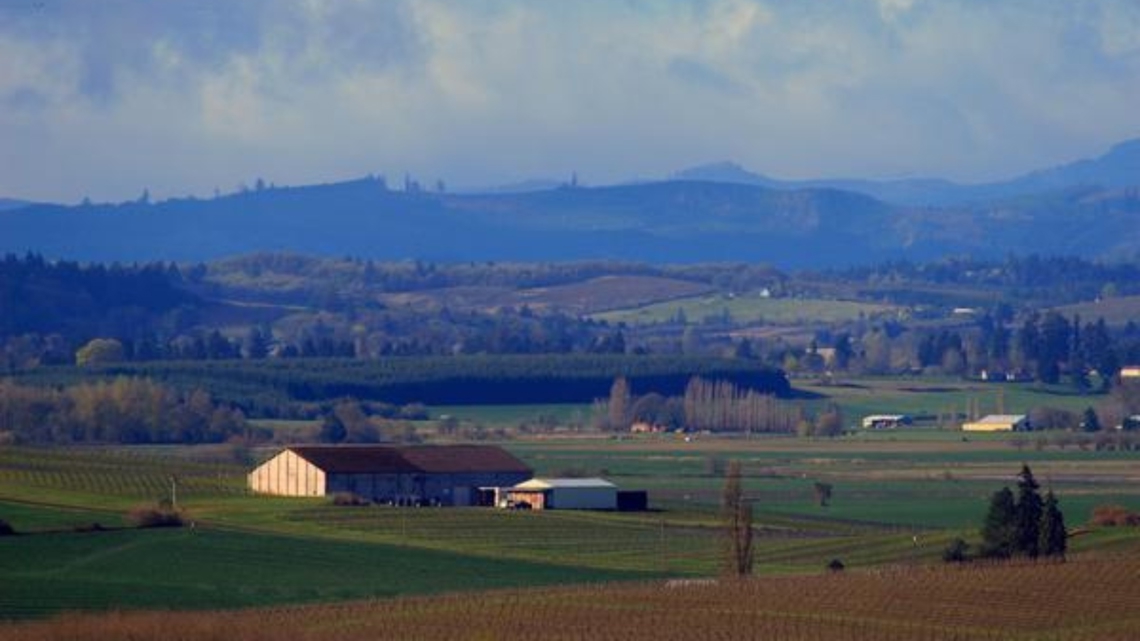
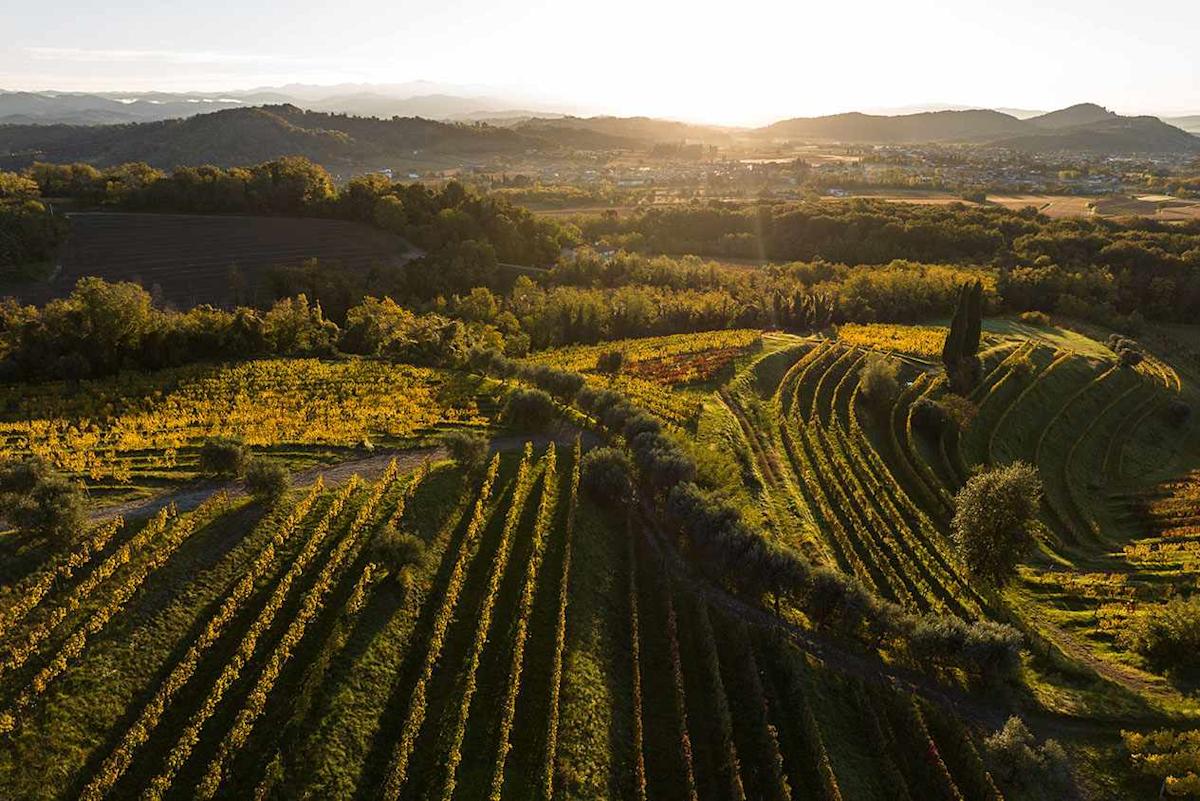
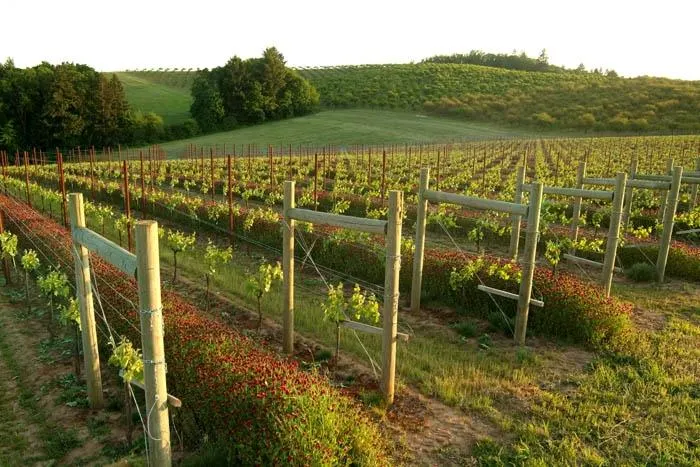
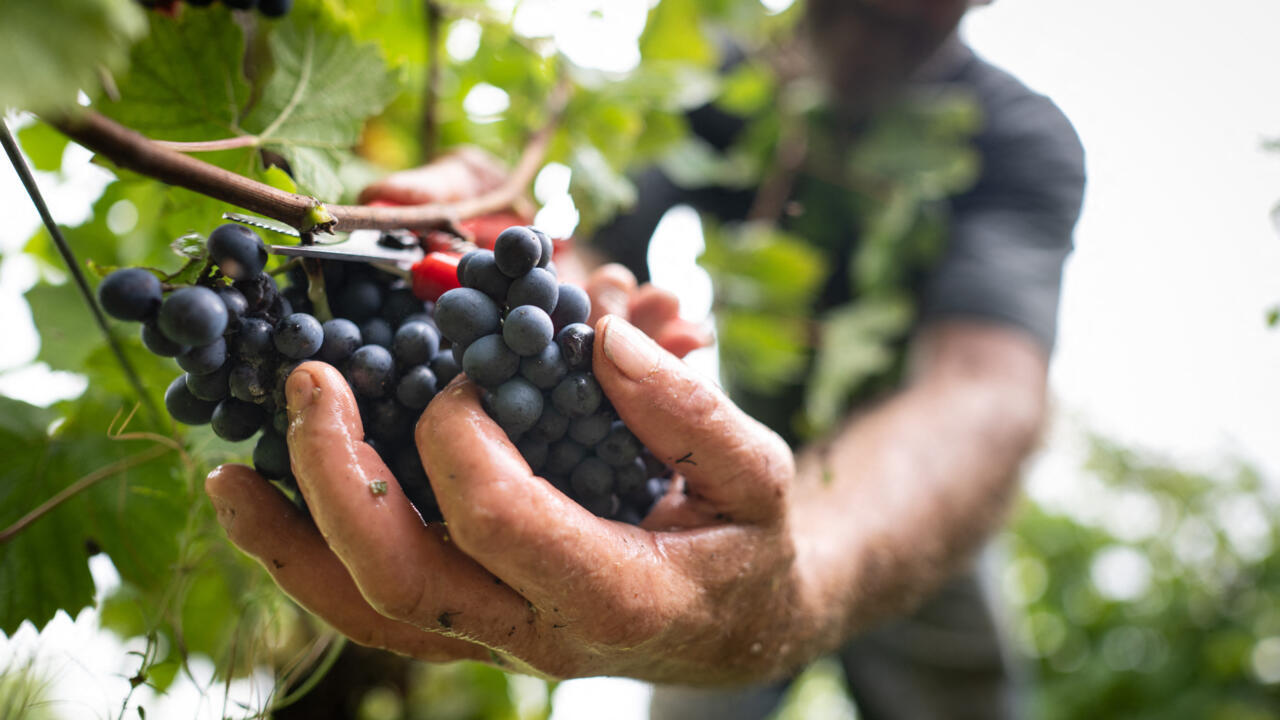
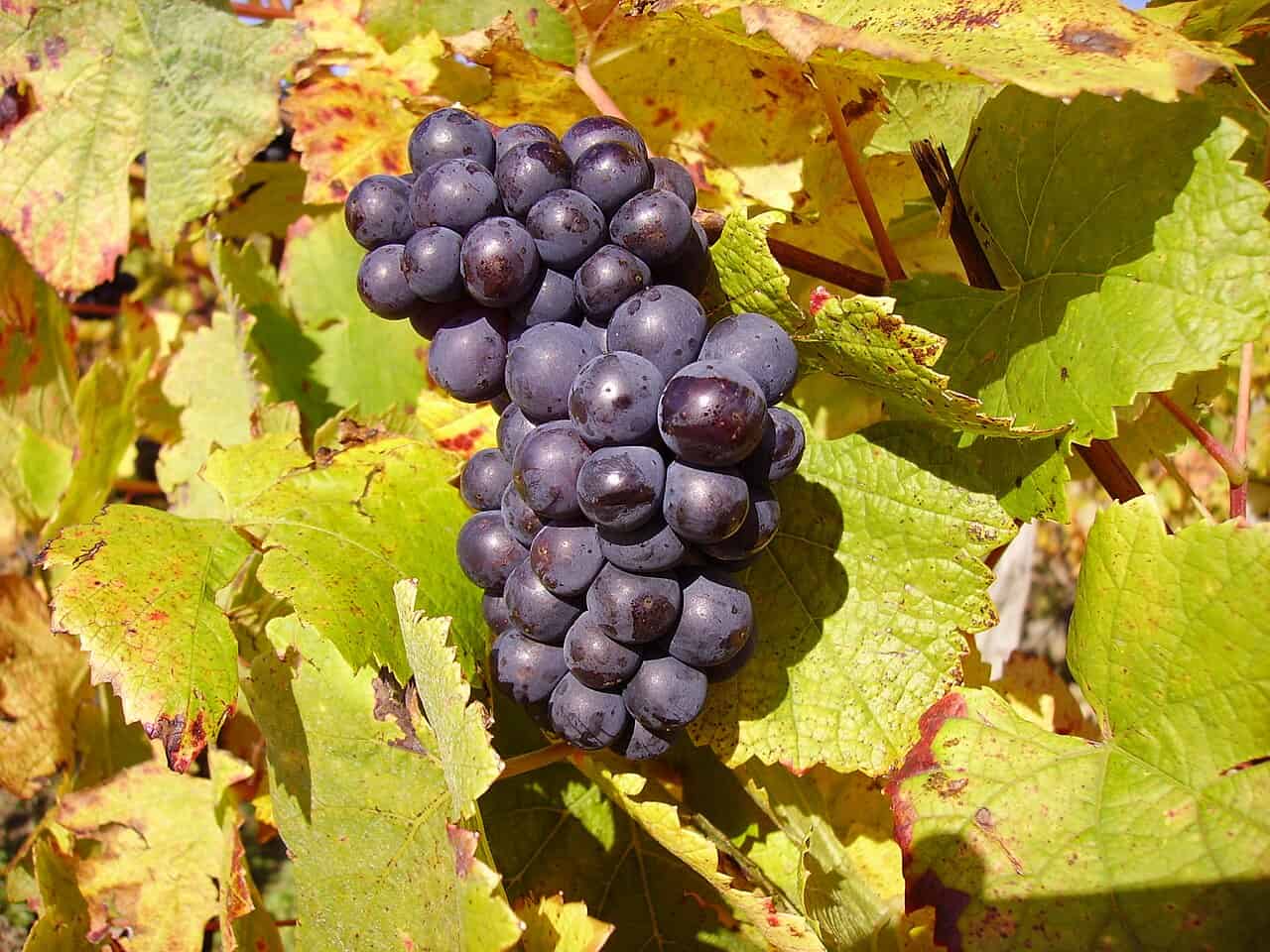
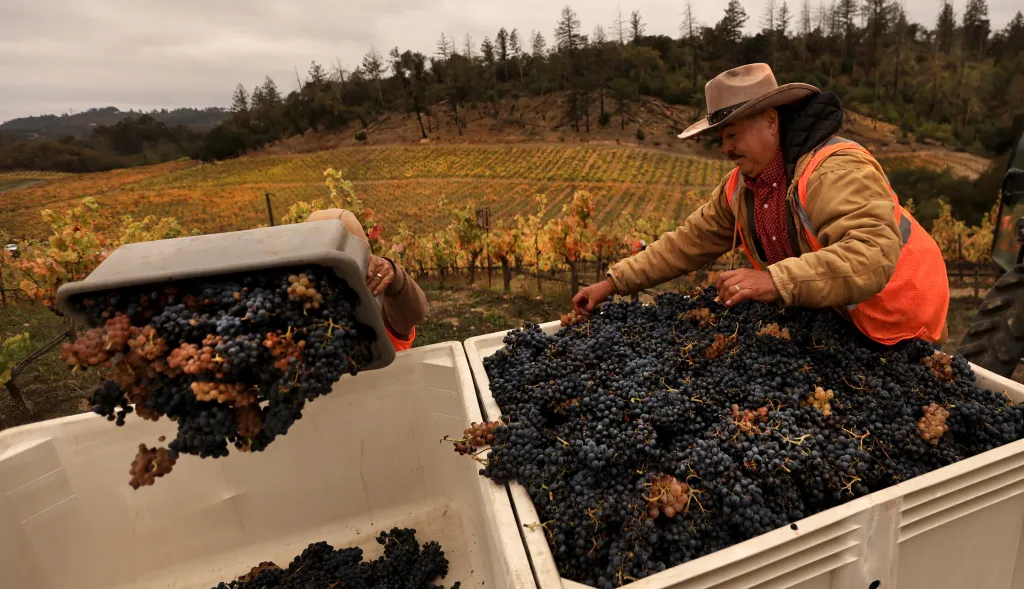
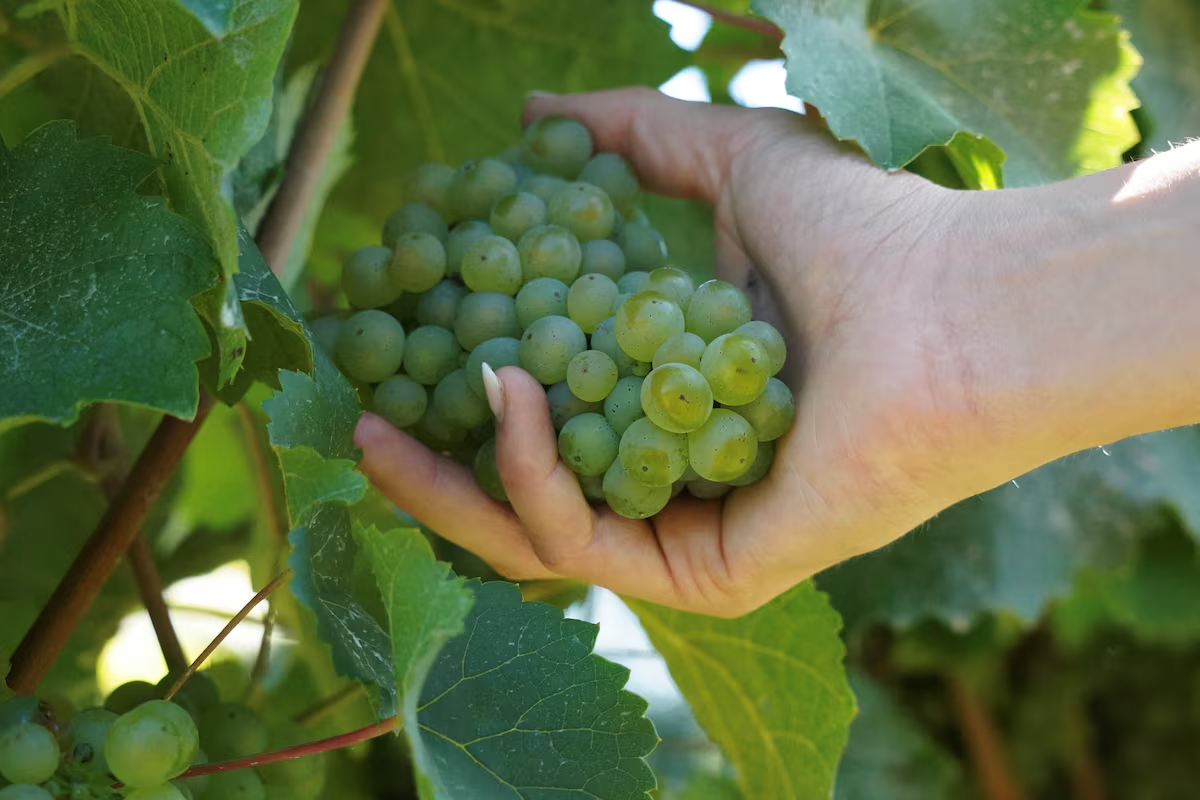
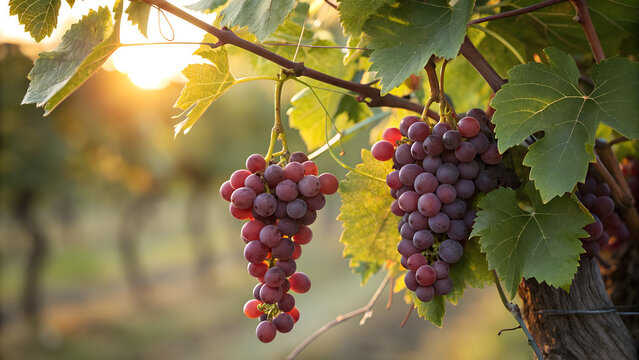
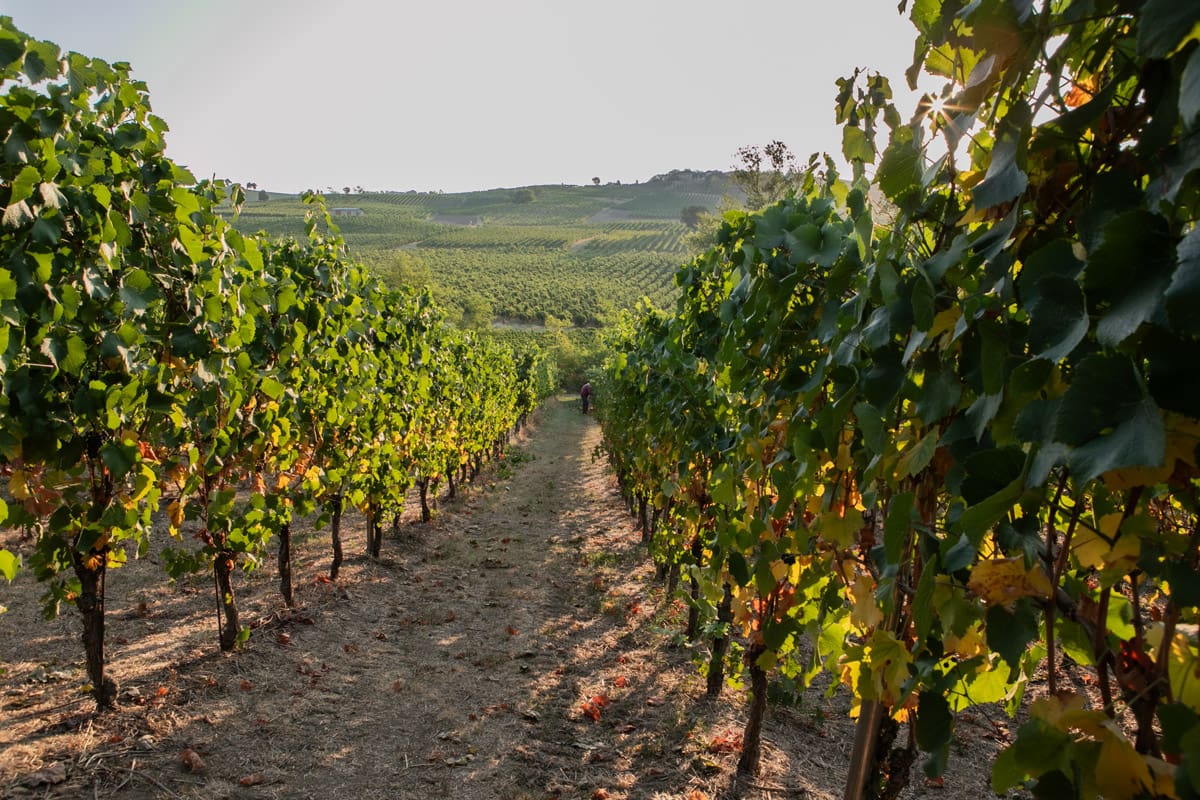
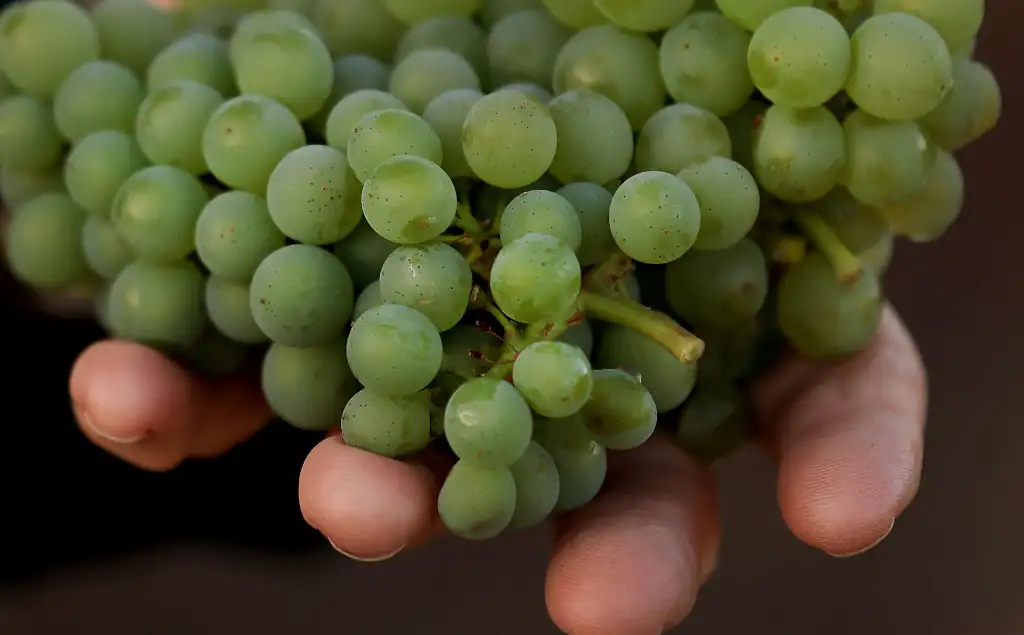
Beaujolais stretches roughly 55 kilometers north to south, tucked between the foothills of the Massif Central to the west and the Saône river plain to the east, just outside Lyon. The region covers some 13,500 hectares of vines, nearly all planted with Gamay. (And a bit of Chardonnay, for white wine.)
But the region tells two different stories. The south, where the broader Beaujolais and Beaujolais-Villages appellations dominate, sits on clay and chalk soils, producing the lighter, more immediately easy-drinking wines North Americans know from Nouveau. The north presents differently: sandy, granitic soils, steep slopes and ten named Crus, each with its own character shaped by geology as much as tradition.
Understanding the difference between those Crus is doesn’t require a labyrinthine classification system, which is part of the appeal. “There are only ten of them,” notes Adrien Duboeuf, the third generation of the Duboeuf family at the helm of Georges Duboeuf, one of Beaujolais’ most celebrated négociants.
“There is just one grape variety, Gamay, so there is no need for complex discussions about blending with other varieties,’’ says Duboeuf. “In most cases, there is little to no oak ageing.” No premier crus, no grand crus, just ten distinct places expressing themselves through a single, increasingly fashionable grape.
South To North: A Spectrum of Style
Think of the ten Crus not as a hierarchy but as a spectrum of personality, running broadly from lighter and more aromatic in the south to fuller-bodied and more structured in the north. Régnié and Chiroubles, sitting on limestone soils in the southern reaches of Cru territory, tend to be the most delicate, highly aromatic, loaded with red fruits, almost gossamer in texture.
Moving north, the granite takes over. Fleurie, perched on pink granite soils with manganese deposits, sits in the middle of that range: charming, floral, lifted, with just enough minerality to remind you this is serious wine. It’s the one Adam Sager, co-president of Chicago-based importer Winesellers, recommends as the ideal entry point.
“It has all the charming fruit and aromatics of Beaujolais and just enough minerality and complexity from the pink granite soils to demonstrate that Beaujolais is and can be considered an interesting and enjoyable wine for both new wine drinkers and experienced wine drinkers.”
At the northern end of the spectrum sits Moulin-à-Vent, often called the King of the Beaujolais Crus, a title earned primarily through longevity. Its manganese-rich granite subsoils, combined with traditionally longer fermentations and macerations, produce wines with genuine cellar potential. Duboeuf describes its distinctiveness precisely: those soils bring “depth, structure and aging potential.”
A well-made Moulin-à-Vent can evolve over a decade or more, developing the kind of secondary complexity—earthy, spiced, silk-textured—that Pinot Noir lovers spend money chasing. Morgon, with its decomposed schist soils on the Côte du Py, is another Cru with serious aging potential, and it’s emerged as one of the darlings of the natural wine movement, beloved by sommeliers who have championed the region’s cause for years.
The Chillable Red For Fine Dining Lists
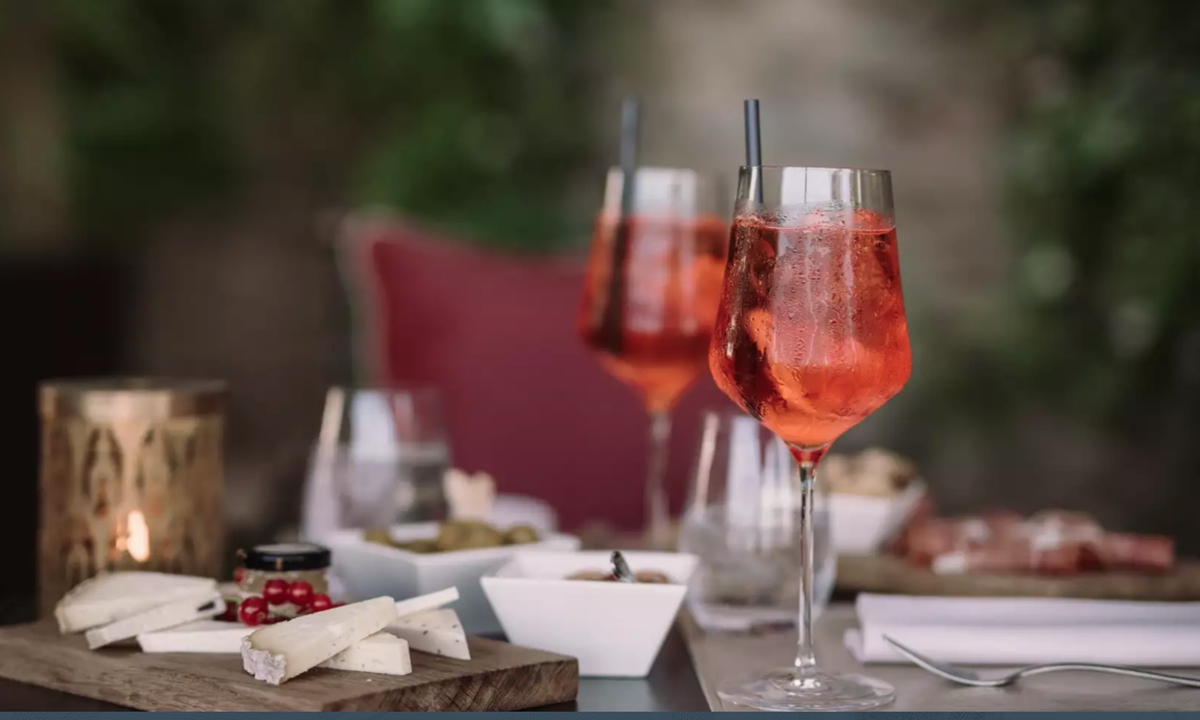
The “chillable red” trend has done Beaujolais enormous favors, even if the label undersells what the Crus can do. Yes, a light-bodied Fleurie or Chiroubles served at cellar temperature is one of summer’s great pleasures. But the broader conversation about low-intervention, fruit-forward, lower-alcohol reds has introduced a generation of drinkers to Gamay who might otherwise have never looked south of Burgundy.
For Sager and his team, that’s a dining story first. “On premise in major restaurant cities like SF, NYC, Chicago, DC, Boston,” he says of where Cru demand is strongest. Sager puts most of the Duboeuf Flower and Domaine Cru lineup between $20 and $30 SRP, wines that can realistically anchor a wine list’s French red section without breaking a sommelier’s budget or a diner’s will.
Crucially, these aren’t wines that require patience. “Beaujolais Cru is full of fruit and can be enjoyed immediately,” Sager says, “At a time when consumers may not have the time and money to wait, it’s a perfect wine for the moment.” That accessibility coexists with genuine depth: Morgon, Juliénas, Moulin-à-Vent and Saint-Amour all develop complexity with age, becoming more nuanced in the way good Pinot Noir does, but on a forgiving timeline.
The Trust Behind The Bottle
One reason Beaujolais Cru can punch above its weight at accessible prices has as much to do with relationships as geology. The Duboeuf model, maintained now across three generations, is built on working with more than 300 small growers, some of whom have supplied the family for over 50 years often without formal contracts.
“Much of our work is still based on trust,” Adrien Duboeuf explains. The result is a patchwork sourcing approach that preserves the individual character of dozens of small plots while allowing the blending expertise of a large négociant to present each appellation at its best. As Duboeuf puts it: “Even though we are a large company, we work with many small contributors, building our blends stone by stone.”
That philosophy reflects something broader happening in Beaujolais. The region has pushed its cheap-and-cheerful reputation, not by chasing prestige, but by returning to what it does naturally: make wines of genuine place and character from a grape that is, as Duboeuf notes, “both on trend and deeply rooted in its place of origin.”
Cru Beaujolais: Where To Start
For anyone curious to explore, Sager and Duboeuf each suggest a slightly different entry point, which is itself telling. Sager recommends Fleurie for its balance of approachability and complexity. Duboeuf, loyal to his flagship, points to Beaujolais-Villages as the most accessible expression of the region’s pink granite character.
The more adventurous path: buy one bottle of each and taste north to south, light to structured. Start with a Chiroubles or Régnié, move through Fleurie, land on a Morgon or Moulin-à-Vent. It is, as Duboeuf’s grandfather Georges might have said, impossible to choose a favorite child. Each Cru has its own character. But what unites all ten is a sense of place that, at these prices, remains one of wine’s most generous invitations.