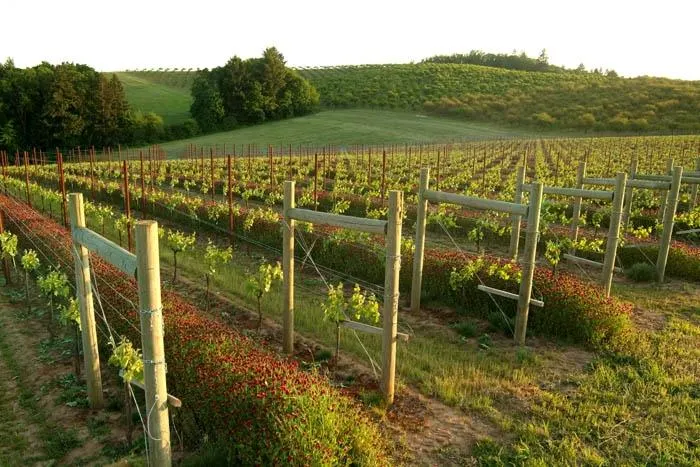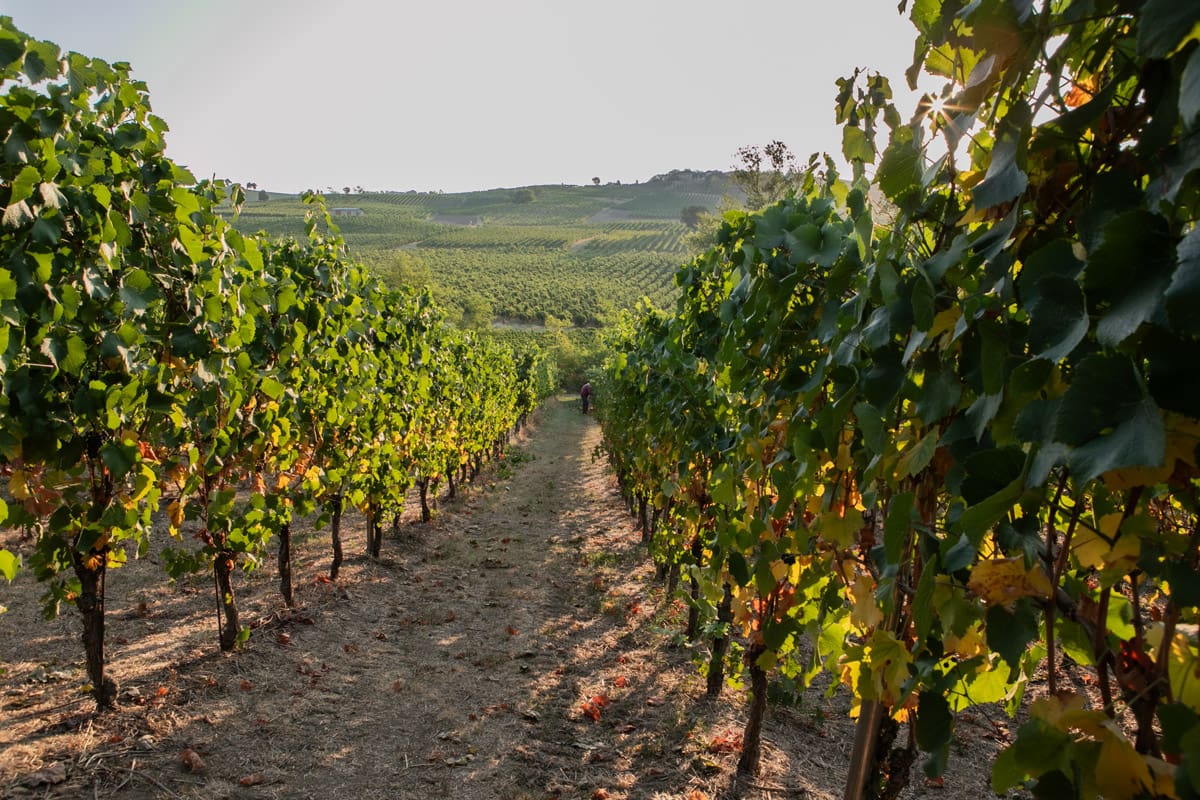

Irakli Gilauri in the Gilauri vineyards with Georgian Mountains in the distance.
Johan Berglund
How Gilauri Wines Is Reframing Saperavi And Georgian Wine
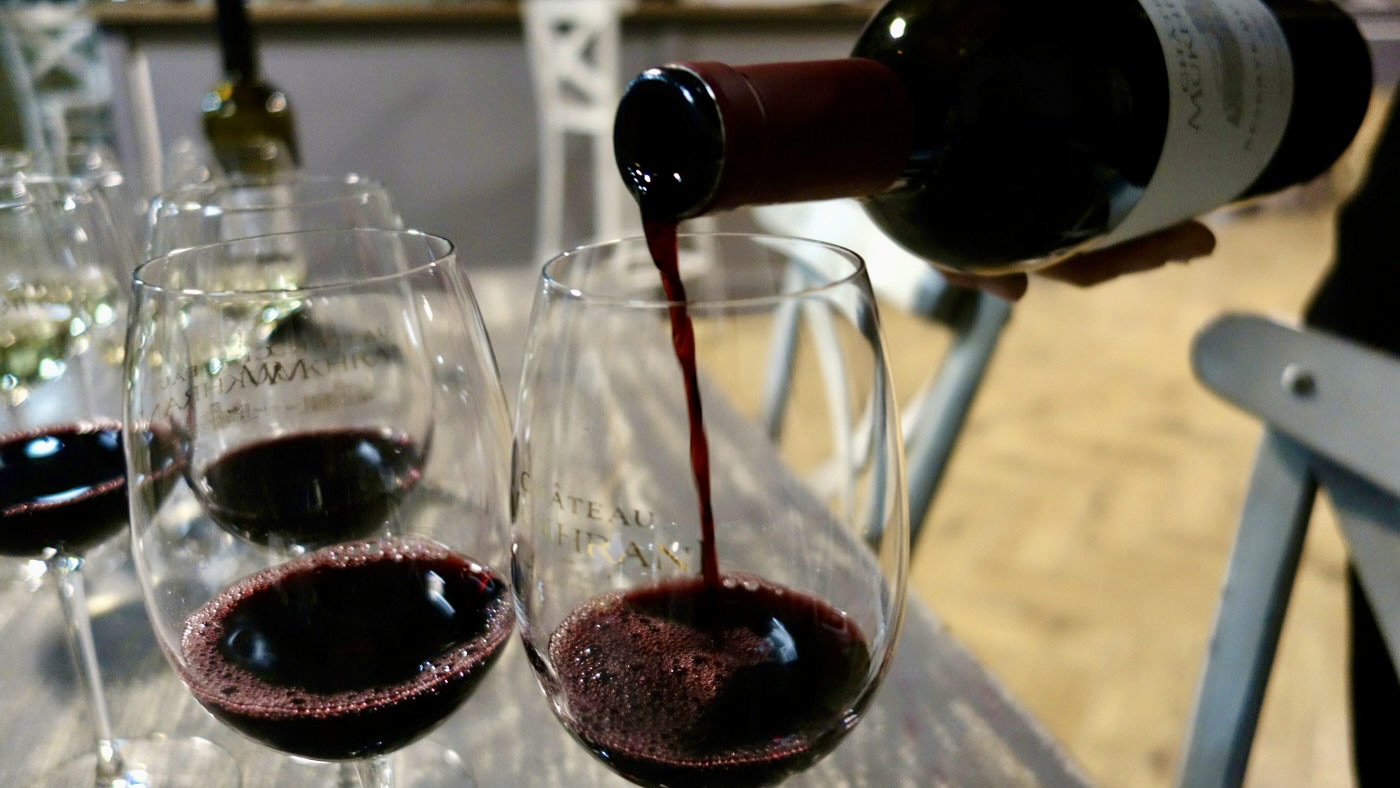
At an unofficial Napa Valley tasting, Irakli Gilauri of Gilauri Wines pulled a mini sample bottle from his bag and poured Saperavi for a small circle of wine industry guests. It was a first look at a Georgian red built with fine-wine ambition.
One of the leading wine critics in the U.S., Lisa Perrotti-Brown MW, explained her view of Georgian wine in an email exchange, writing, “I’ve been following the progress of Georgian wines since my first visit to the country in 2011. The quality of Georgian wines has come a long way in that short period, but there are still very few wines, if any, that could be of international collector interest.”
With his Saperavi, Gilauri is aiming to change that, betting the country’s next chapter will be judged by both heritage and fine-wine potential.
“It’s not just about wine,” Gilauri said. It’s about proving what Georgian terroir can do at the highest level.
Gilauri Wines’ Search for Georgia’s Fine-Wine Potential
Gilauri first fell into wine as a collector—discovering benchmark bottles from Bordeaux, Napa Valley, and Barolo during years of constant travel as CEO of Bank of Georgia.
These trips sharpened his sense of what separates truly great estates from merely good ones—and sparked a question that wouldn’t leave him alone: why didn’t his home country have a single wine recognized at that level?
He came to believe it wasn’t Georgia’s land that was lacking, but the long-game ingredients behind top-tier wine—consistent investment and technical rigor. He began learning about winemaking (graduating from UC Davis’ enology program) with the goal of building an ultra-premium Georgian wine positioned for global collectors.
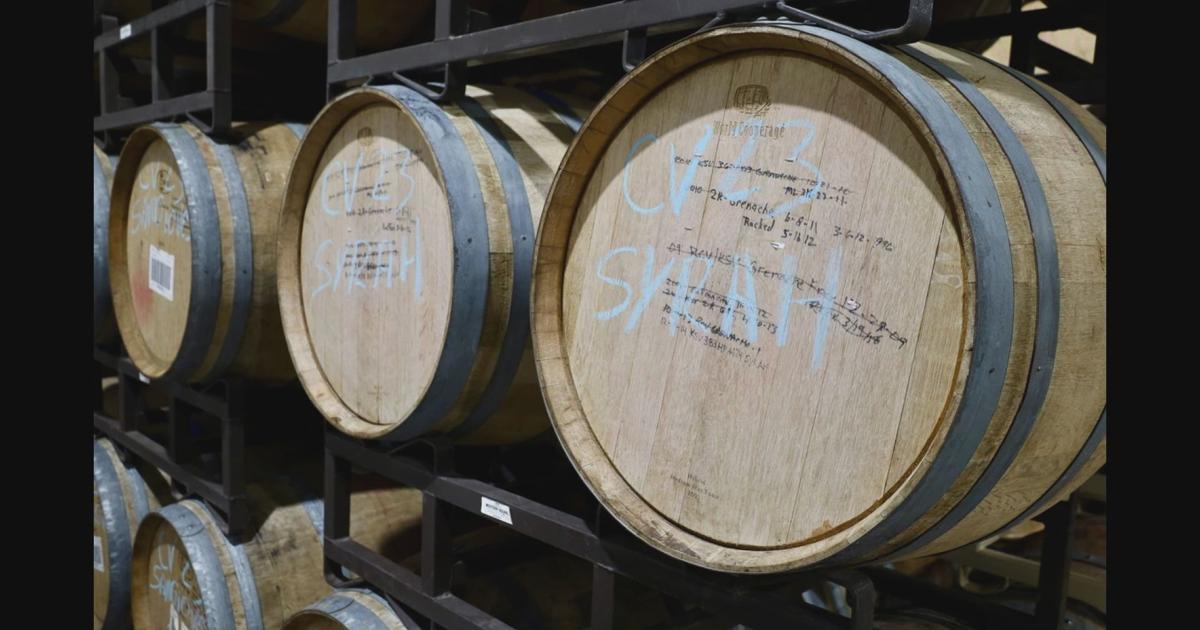
Irakli Gilauri in the barrel room of Gilauri Wines.
Johan Berglund
It’s quite a step for a man who grew up during the Soviet era, when winemaking was highly regulated—including which varieties to grow and how.
Before coming to his second career in wine, Gilauri was convinced that Georgia’s future depended in part on a stable financial sector. He studied business, economics, and finance and joined the Bank of Georgia—eventually serving as both CFO and CEO.
He draws a sharp contrast between what Georgia has historically exported and what he believes Georgia can produce when terroir is matched with investment and technique.
“I want to make the dry wine of the Western palate,” he says, arguing that instead of “making the semi-sweet wine for the Russian market,” he believes Georgians can make “proper great wine out of the terroir and sell it internationally.”
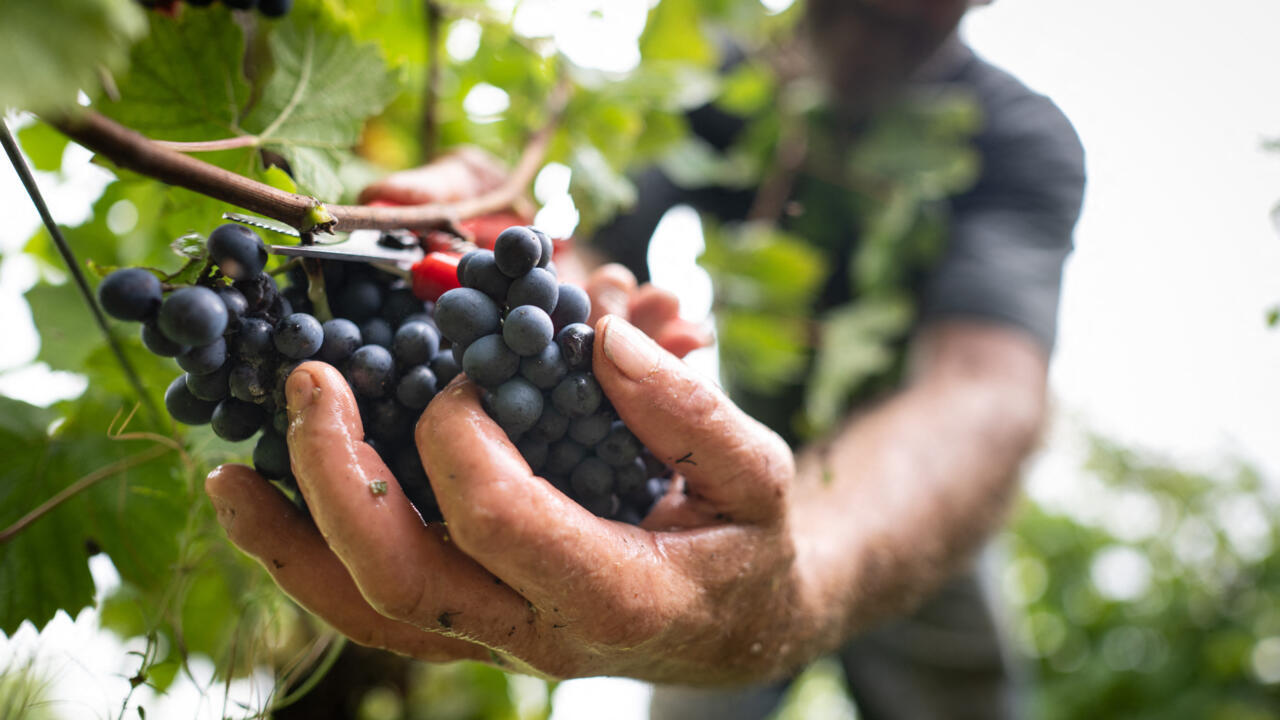
Vineyard worker in the Gilauri Wines vineyard in Georgia
Johan Berglund
Perrotti-Brown agrees. “Among indigenous grapes, Saperavi has the greatest potential to attract collectors. It has a black-fruited profile with savory accents similar to Syrah or Cabernet Sauvignon. Critically, it also delivers firm tannins and good acidity, making it well-suited for long-term aging.
“However, like Cabernet Sauvignon, it needs precise climate and soil conditions to ripen. Areas of Kakheti have the right conditions, but ripening is often hampered by viruses in the vine material and ill-suited canopy management.
“Irakli Gilauri is the only grower/winemaker I have met who has addressed these issues, sourcing virus-free planting material and making painstaking adjustments to trellising and vineyard management.”
Technical Expertise At Gilauri Wines
Gilauri planted his flag with a 100% Saperavi made with guidance from Michel Rolland’s Bordeaux-based team—an intentional signal to the fine-wine world that this is an estate built on technical rigor.
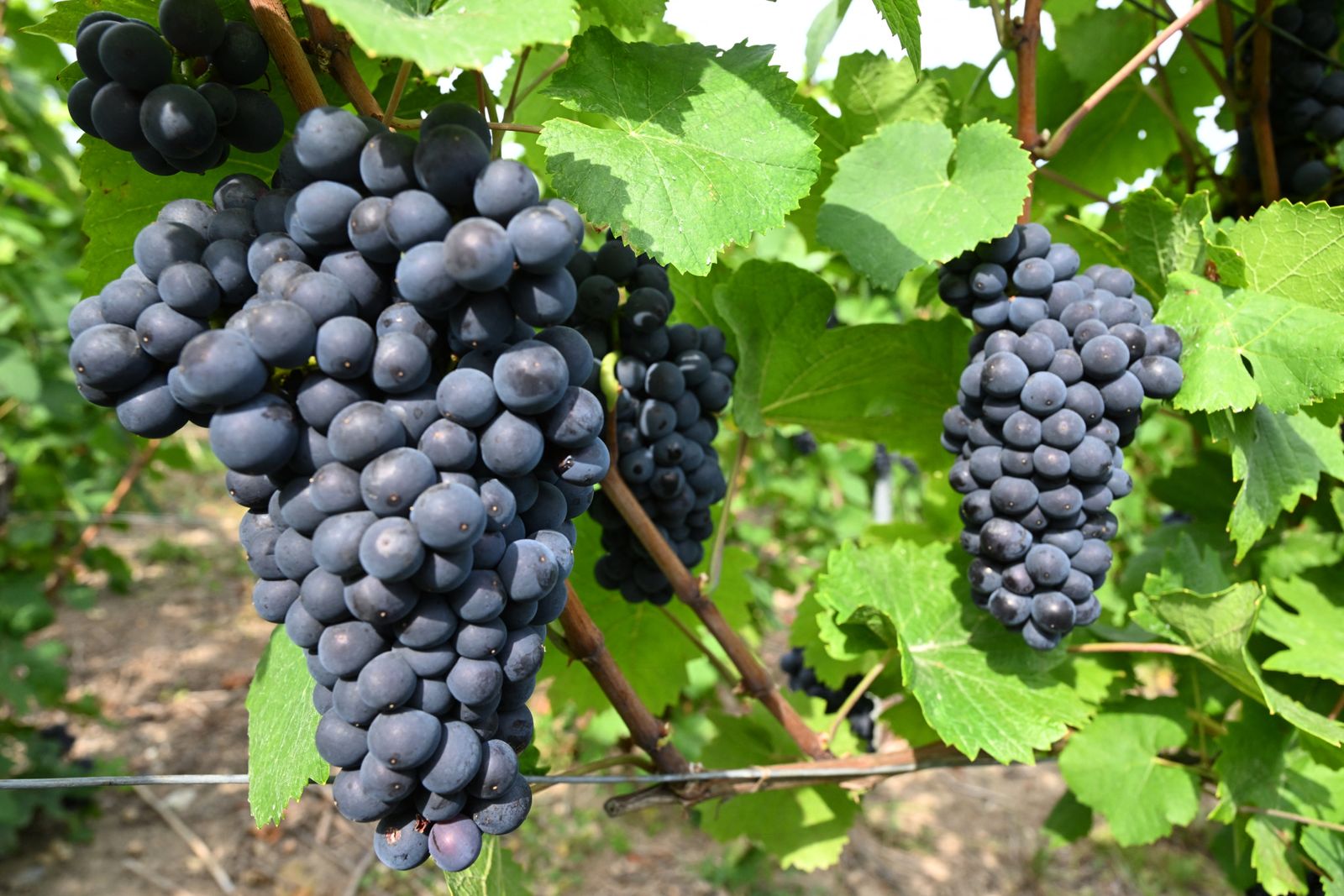
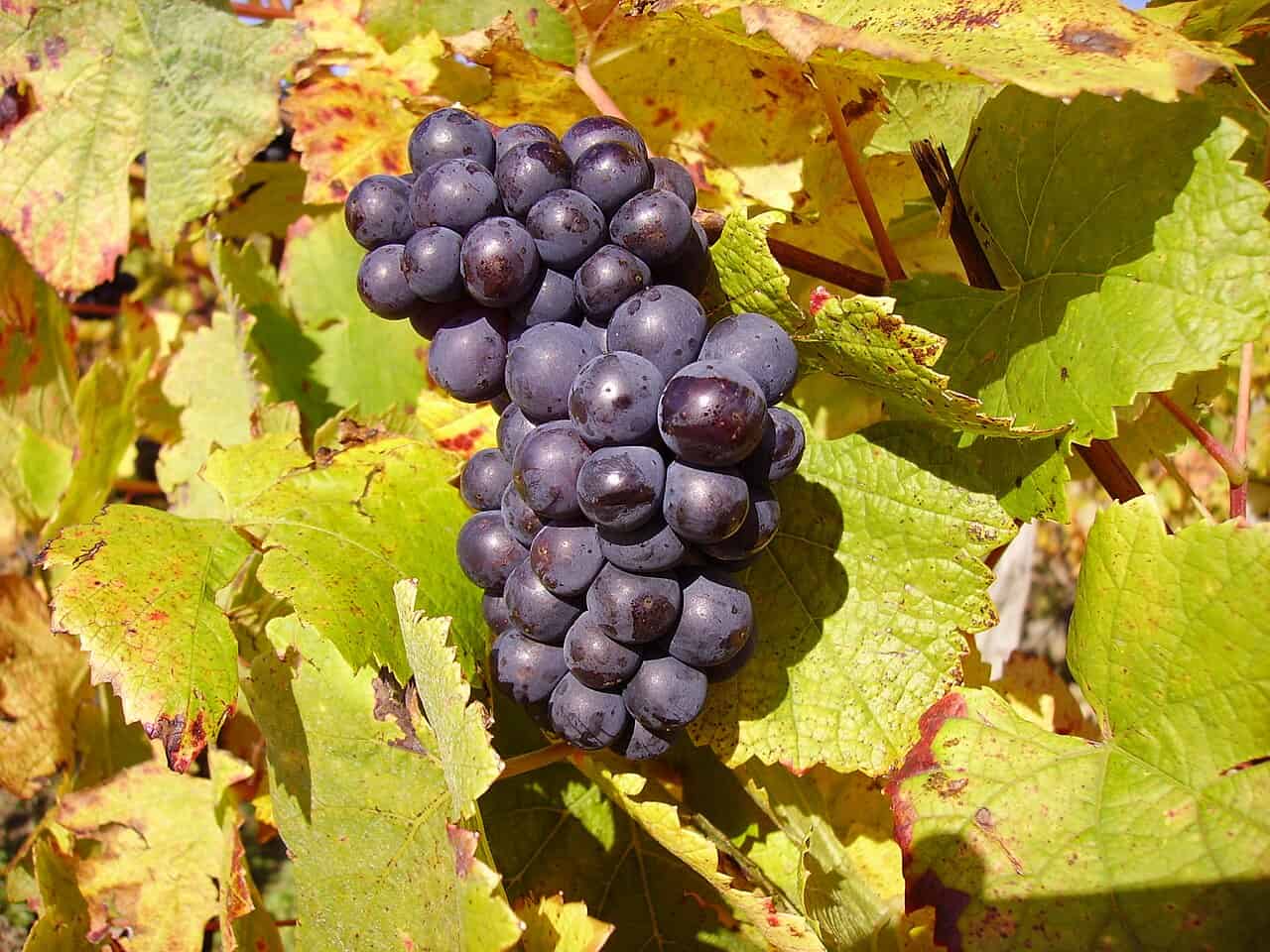
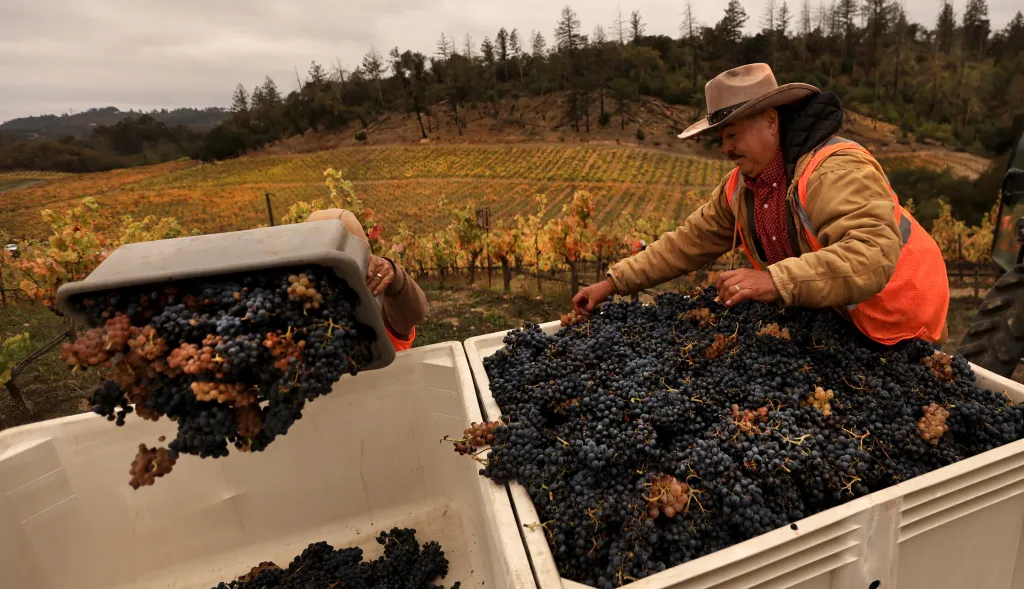
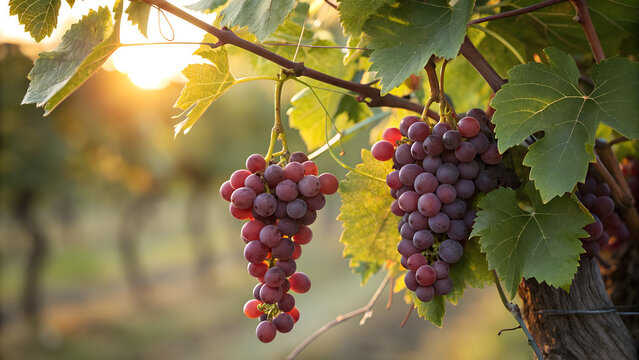
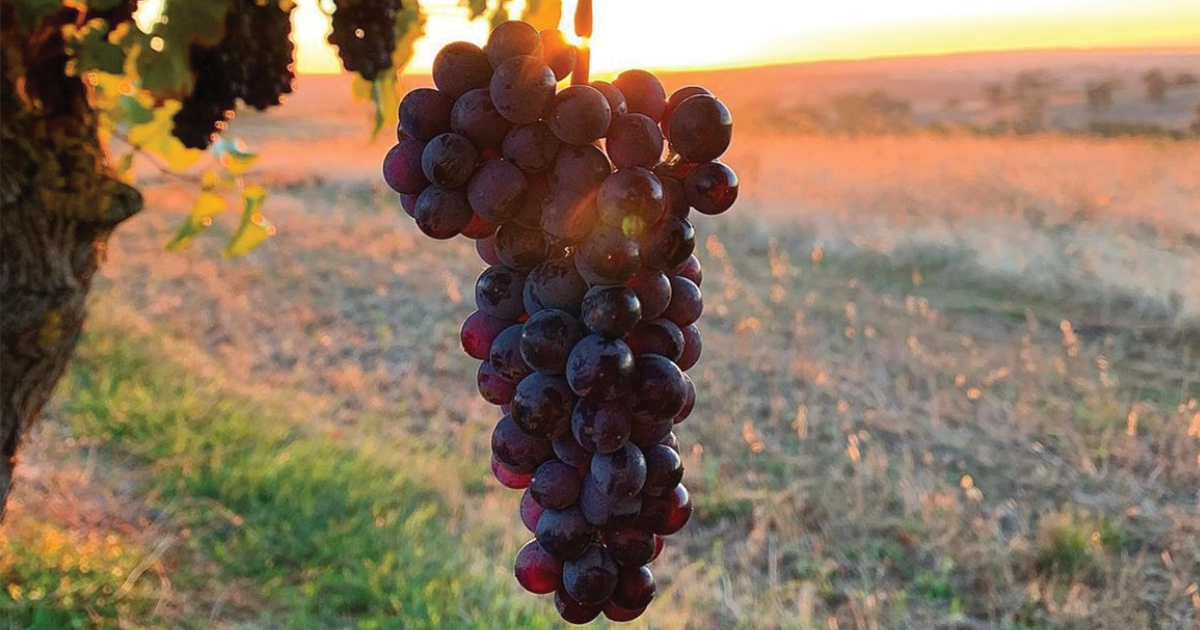
Saperavi grapes from the Gilauri vineyards.
Johan Berglund
Perrotti-Brown is one of the few who have tasted Gilauri’s Saperavi, with the first vintage scheduled to be released in fall 2026. “The proof is in the 2024 Saperavi he has produced—a wine I have tasted several times now from barrel.”
“This wine offers a level of Georgian Saperavi never before experienced. It is rich, dense, and firmly structured, with a level of tannin ripeness and complexity I frankly did not know was possible with Saperavi.”
Gilauri Wine’s Take On The History Of Georgia’s Premier Red Grape Saperavi
Gilauri points to Saperavi alongside other ancient Georgian grapes—like Rkatsiteli and Mtsvane Kakhuri—as indigenous Georgian varieties that were the precursors to modern wine culture.
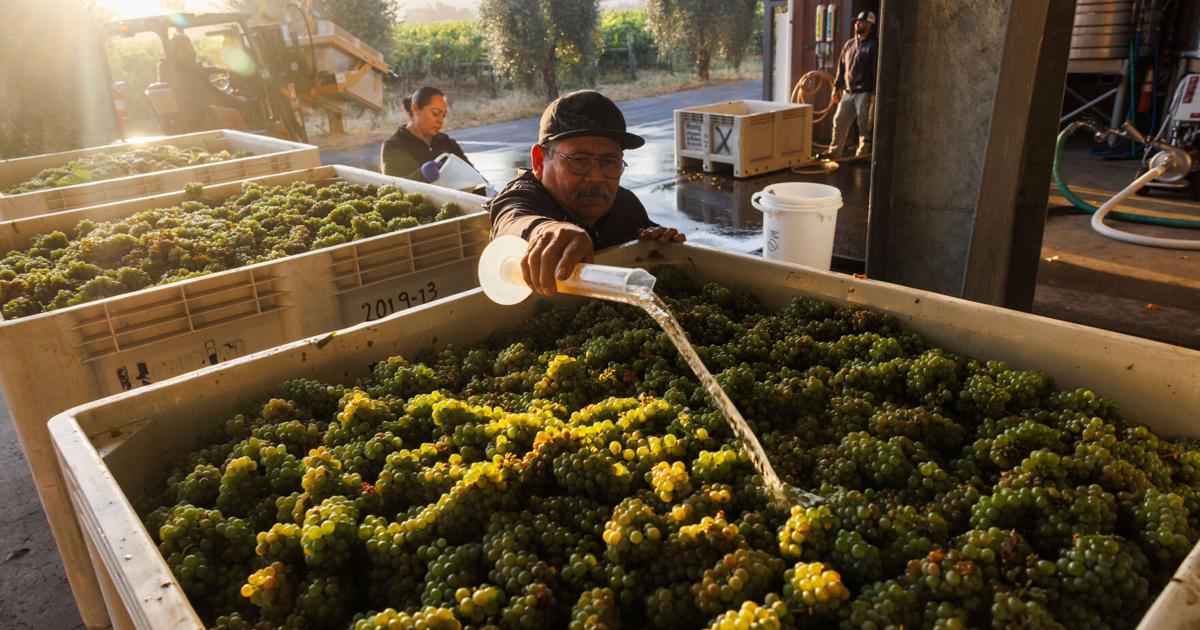
Gilauri vineyard staff arrying a crate of Saperavi grapes after picking.
Johan Berglund
“Saperavi is like the great-great-great-great-grandmother of the whole vitis universe—of all the grapes you drink. And we have the original one. I have it—ungrafted, on its own roots. So if you want to taste the real, real thing… like it was 8,000 years ago… I can give you that taste,” Gilauri asserts.
The fact that his Saperavi is grown on its own roots isn’t trivial—it’s the point. Gilauri wants to express Georgia’s ancient terroir at its highest level and in its purest form.
The Importance Of Symbolism—Gilauri Wines, Georgia’s History And Future
Gilauri mentions the Zelkova tree, native to the Caucasus—local, upright, often multi-stemmed. He sees it as symbolizing Georgian wine: one root, many futures. It’s what he’s attempting: not severing tradition or dismissing the qvevri lineage, but letting Georgian wine become more than a single box.
A view of the Kartlis Deda monument in Tbilisi, Georgia on September 23, 2025. (Photo by Jakub Porzycki/NurPhoto via Getty Images)
NurPhoto via Getty Images
He uses the tree as the core image for his logo/label, and then folds in a second layer: within the branches, you can see a reimagined Kartlis Deda (Mother of Georgia)—the most enigmatic of Georgian figures. She holds wine in one hand and a sword in the other, both welcome and defense.
Gilauri Wines Is The Bridge To International Fine Wine Prestige For Georgia
Georgia is entering a new chapter in its wine story—one increasingly defined by higher standards and a focus on global markets. Within that shift, the Gilauri estate positions itself as a bridge: honoring Georgia’s deep heritage while pursuing a contemporary technical approach.
“This wine is a game-changer for Georgian Saperavi, positioning it to compete, for the first time, with the world’s great collector-worthy red wines.”
What will remain constant is Georgia as an ancient cradle of wine with 8,000 years of history, famous for its buried qvevri tradition and amber wines that helped to ignite the last two decades of “natural” fascination.
It’s all true—and it’s also incomplete. Gilauri’s mission is to expand the category the world assigns to Georgian wine—one tasting and barrel sample at a time. If he succeeds, it doesn’t just elevate his estate—it will reposition Georgia in the global fine-wine conversation.