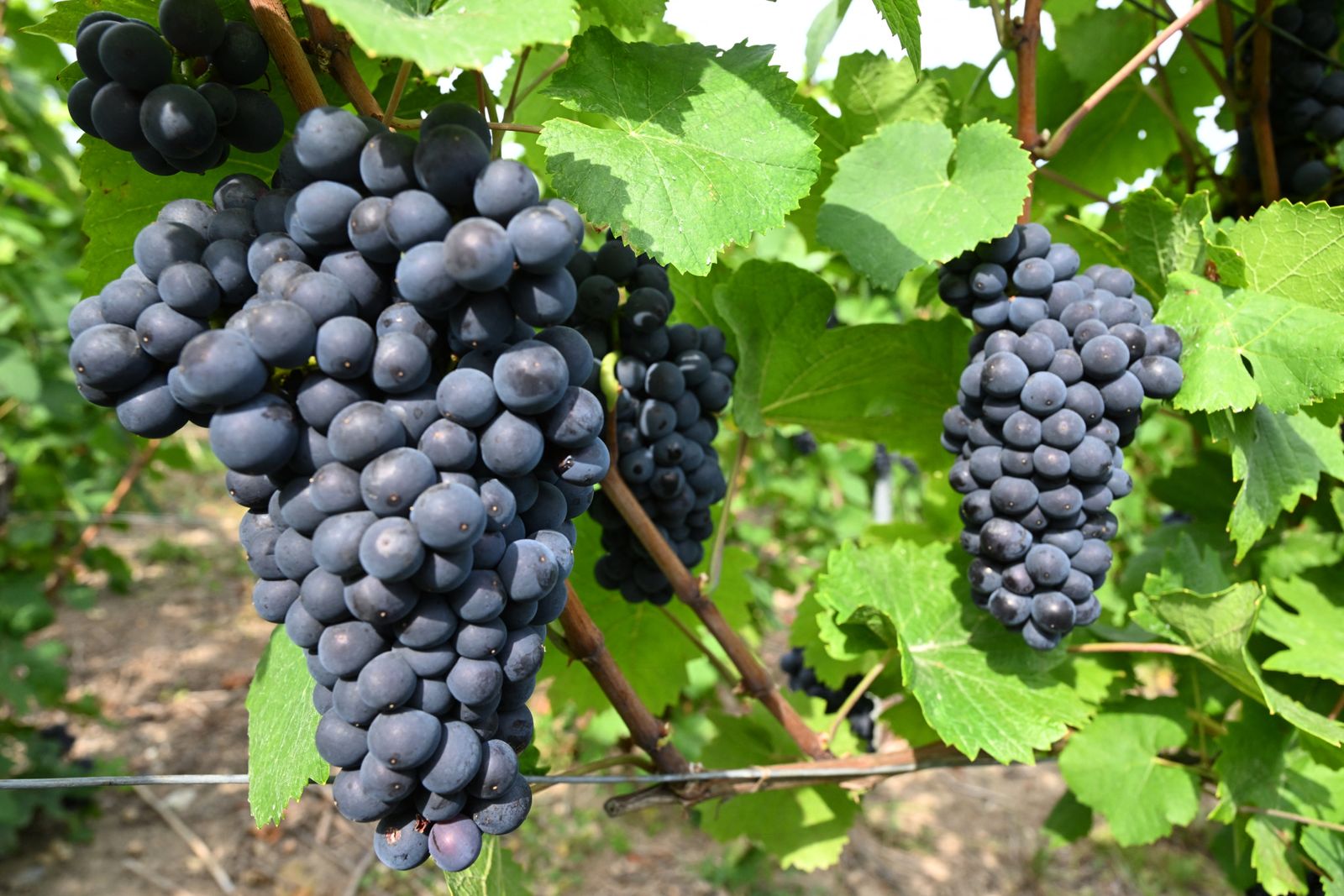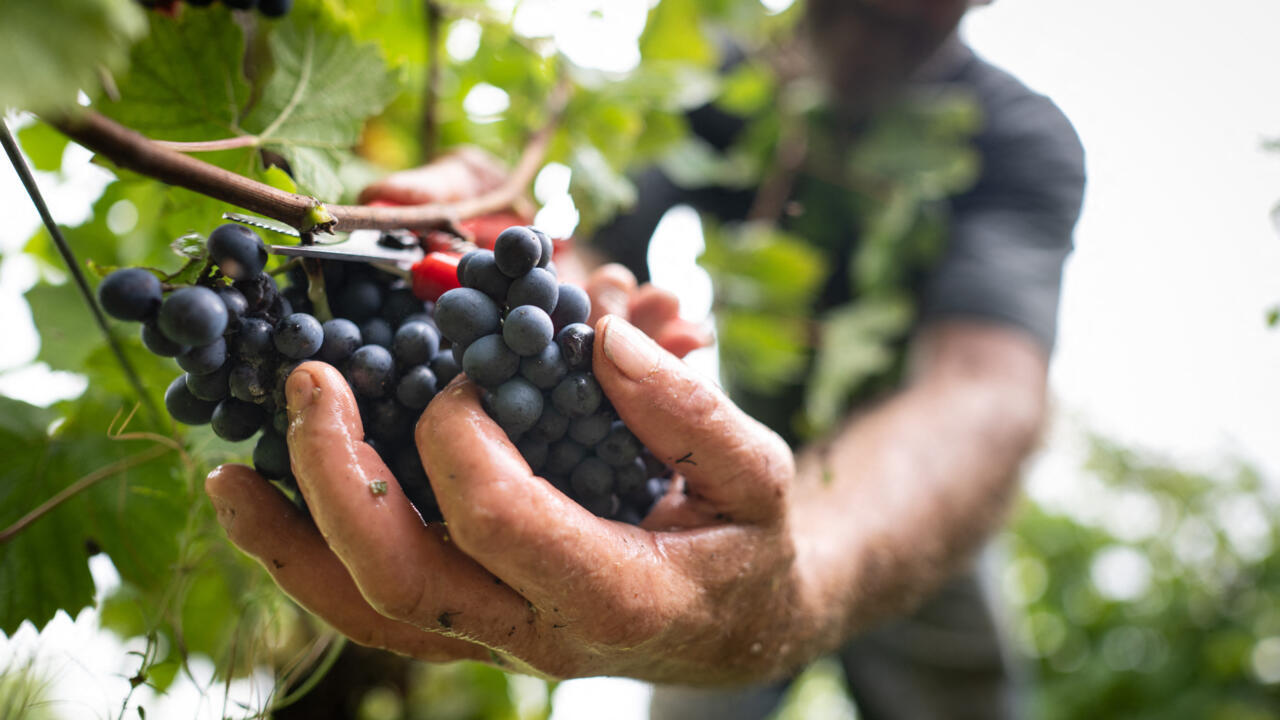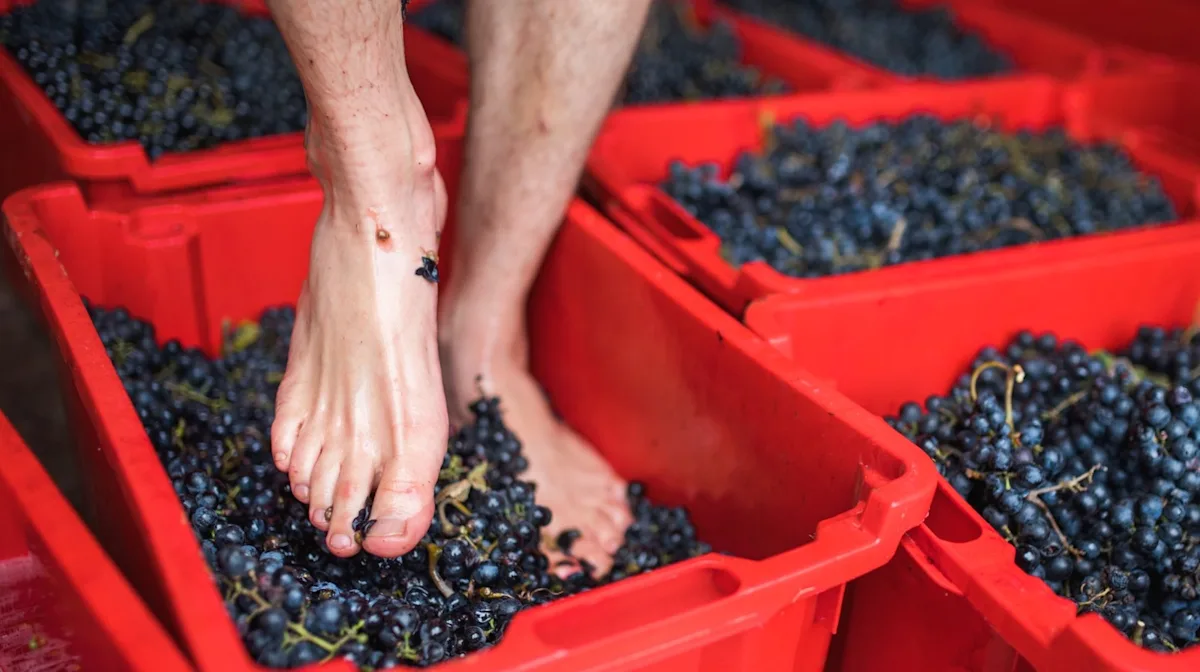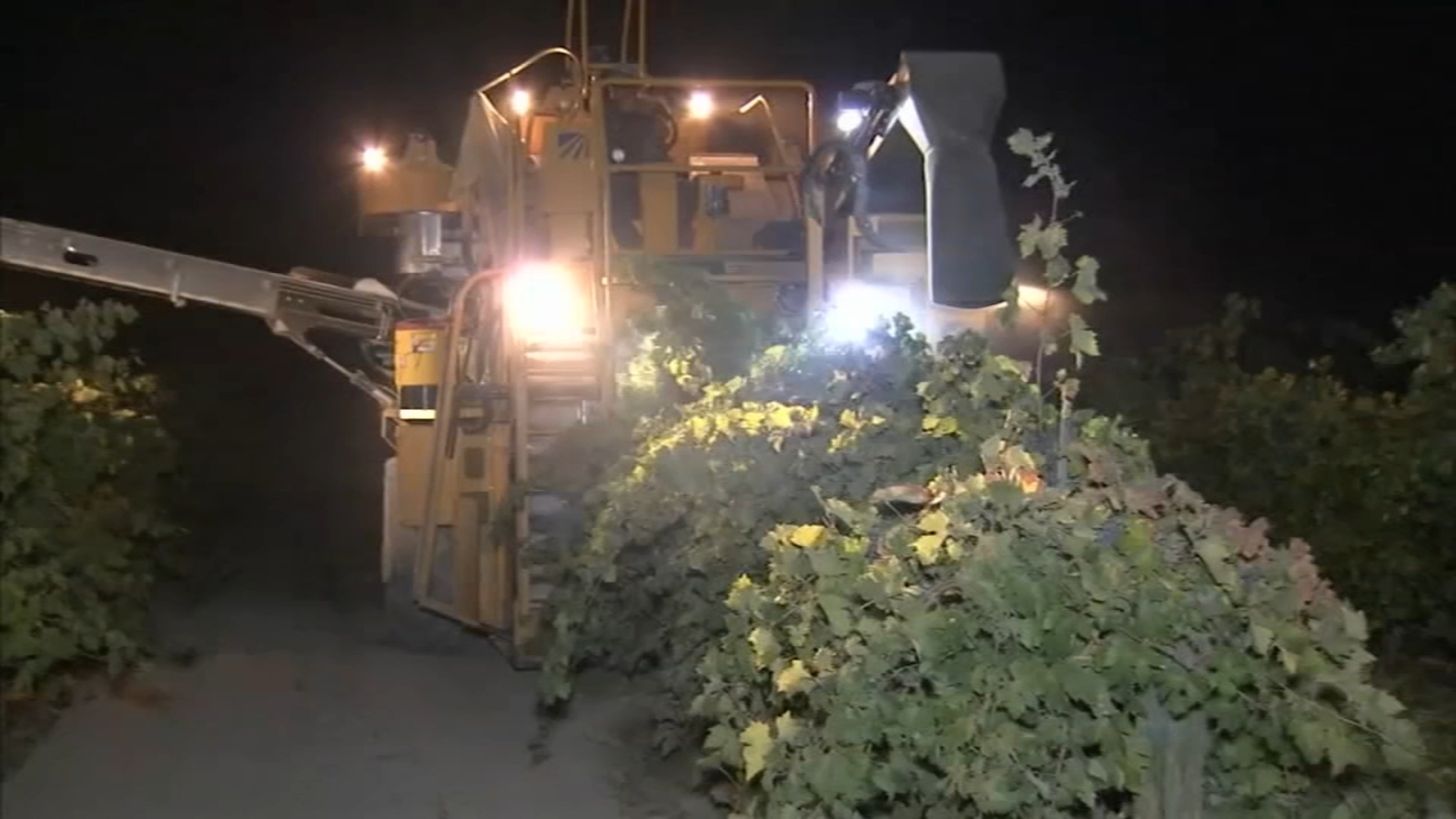
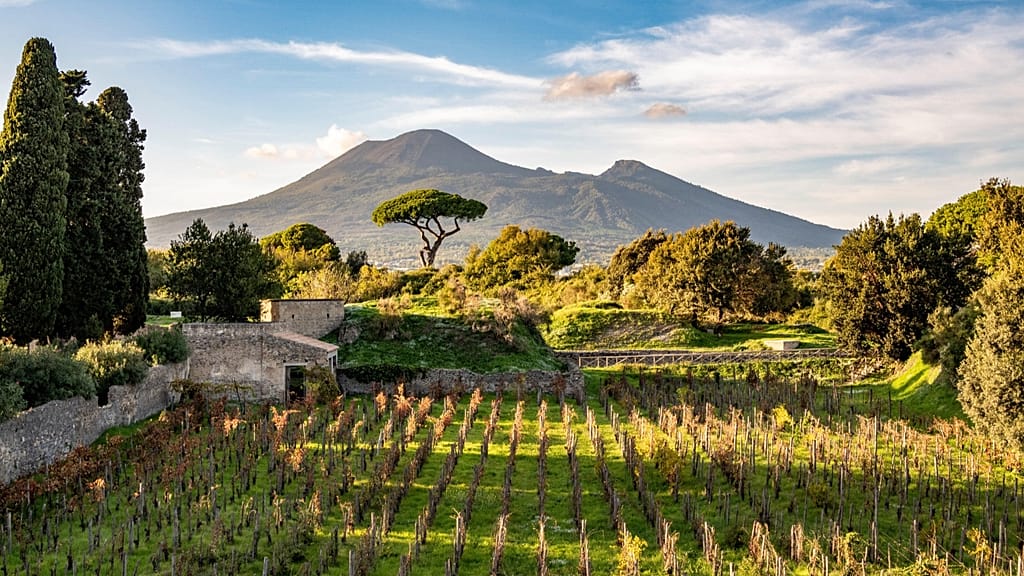
Dozens of grape vines have been planted amidst the ruins of Pompeii in a project to produce thousands of bottles of wine from grapes grown inside the archaeological site.
Pompeii was buried in roughly six meters (19 feet) of volcanic ash following the eruption of Mount Vesuvius in 79 A.D.
On the frescoed walls beneath the volcanic ash, archaeologists found signs that wine was an important part of ancient Roman society with parties and meals incorporating rituals linked to Dionysus, the God of wine.
There are ceramic jars for holding wine buried in the ground and amphorae for exporting the wine.
Related
The decision to bring the ancient vineyards back to life is rooted in history and is also meant to provide a boost to the local economy
“In Pompeii 2,000 years ago there were vineyards and today there are again vineyards where we cultivate wine and this helps us to lower the costs for maintenance,” said Gabriel Zuchtriegel, Director of Archaeological Park of Pompeii.

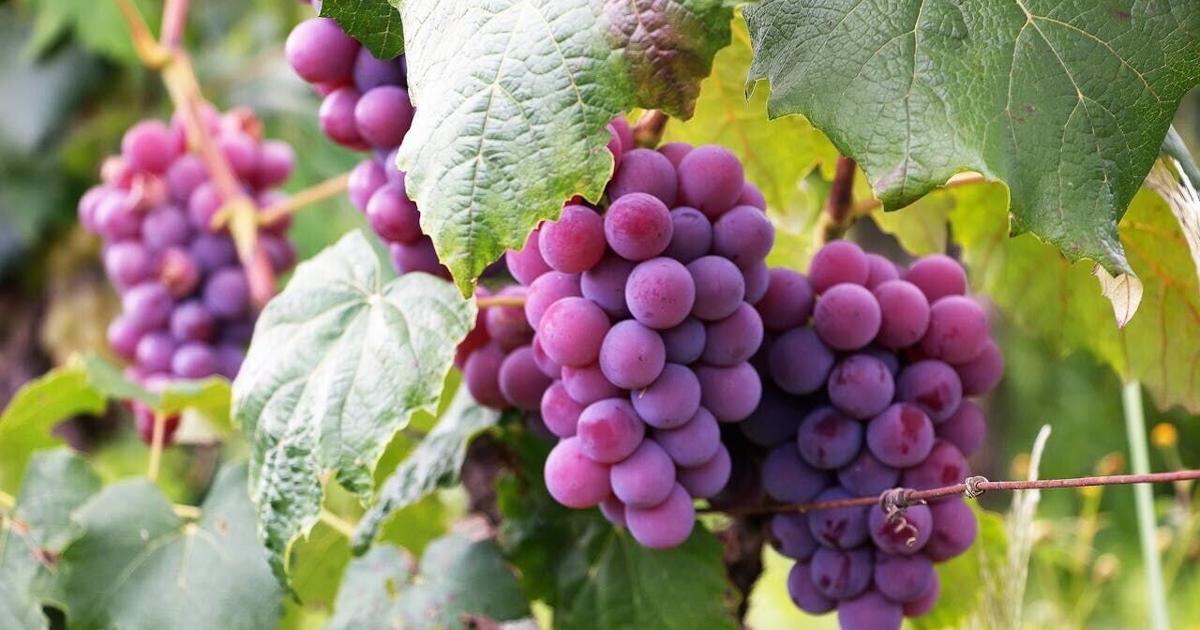
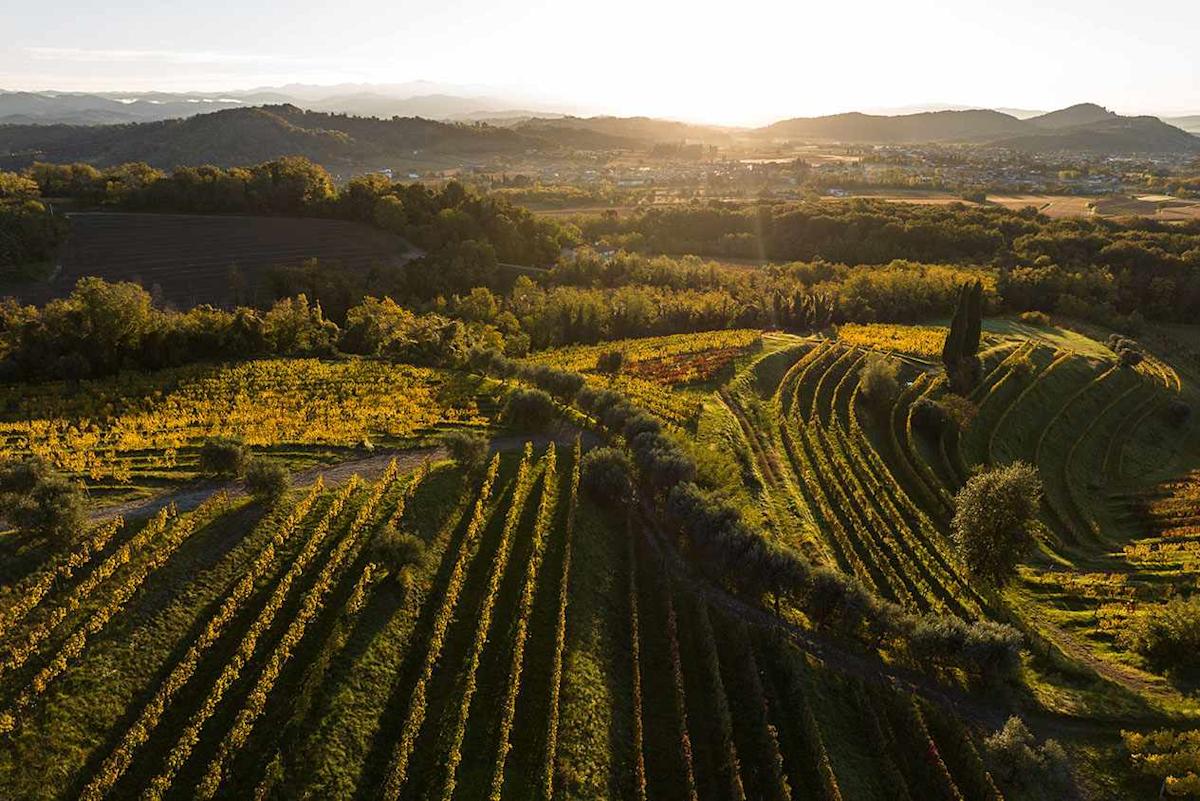
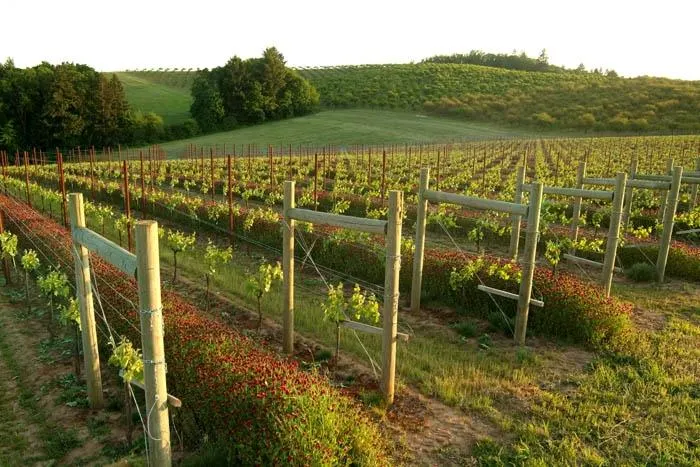
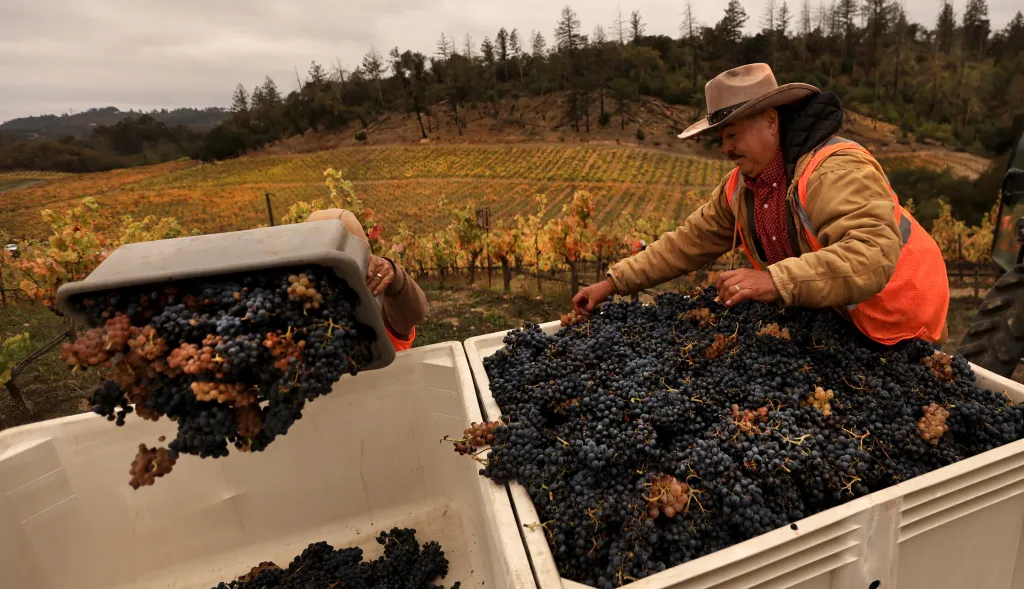
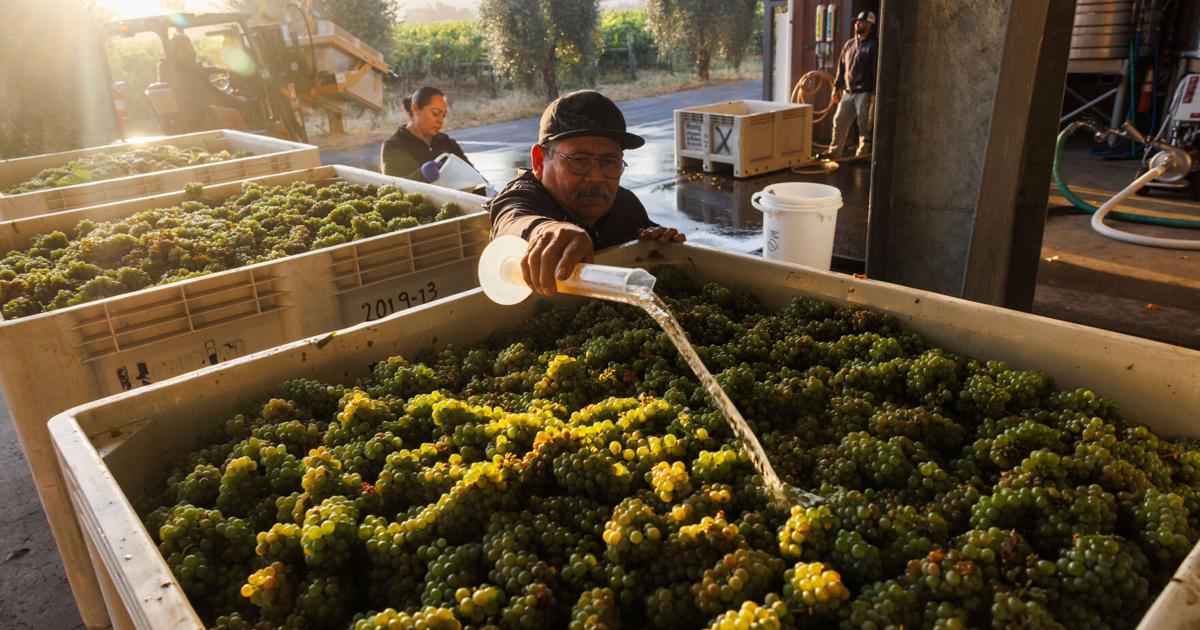
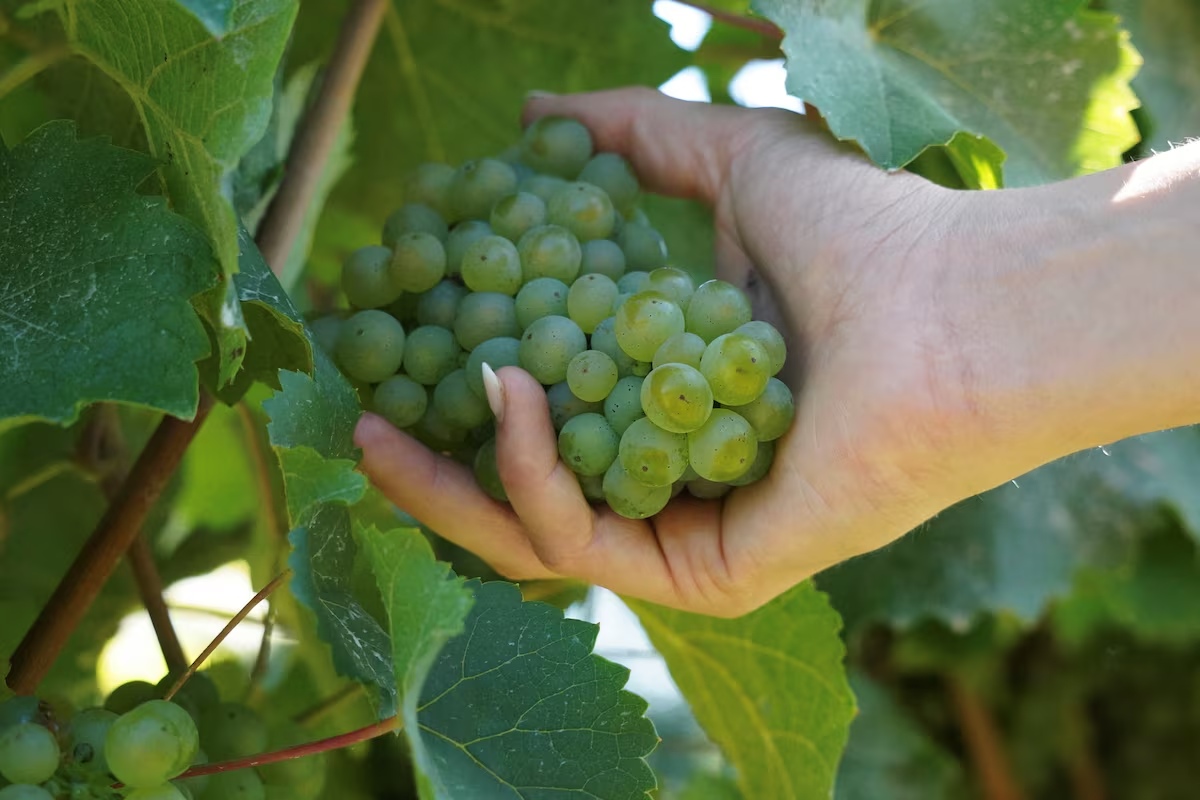
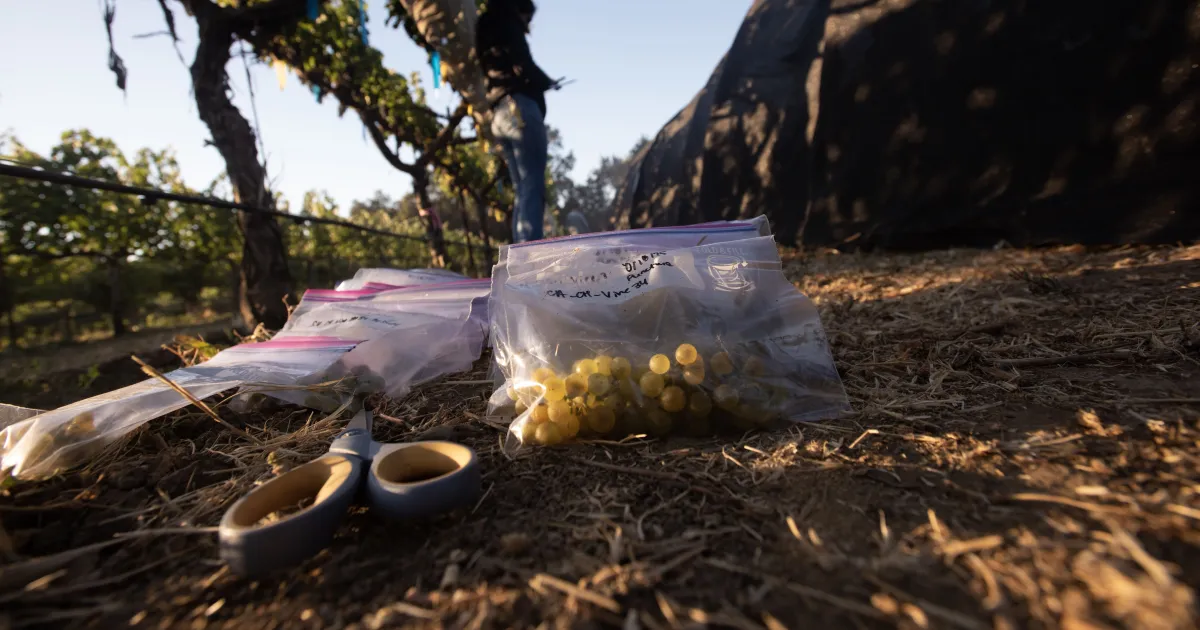
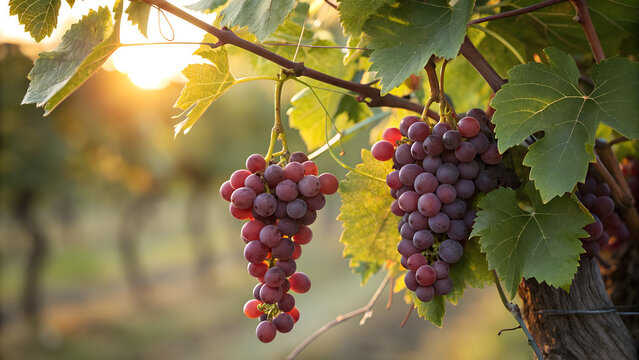
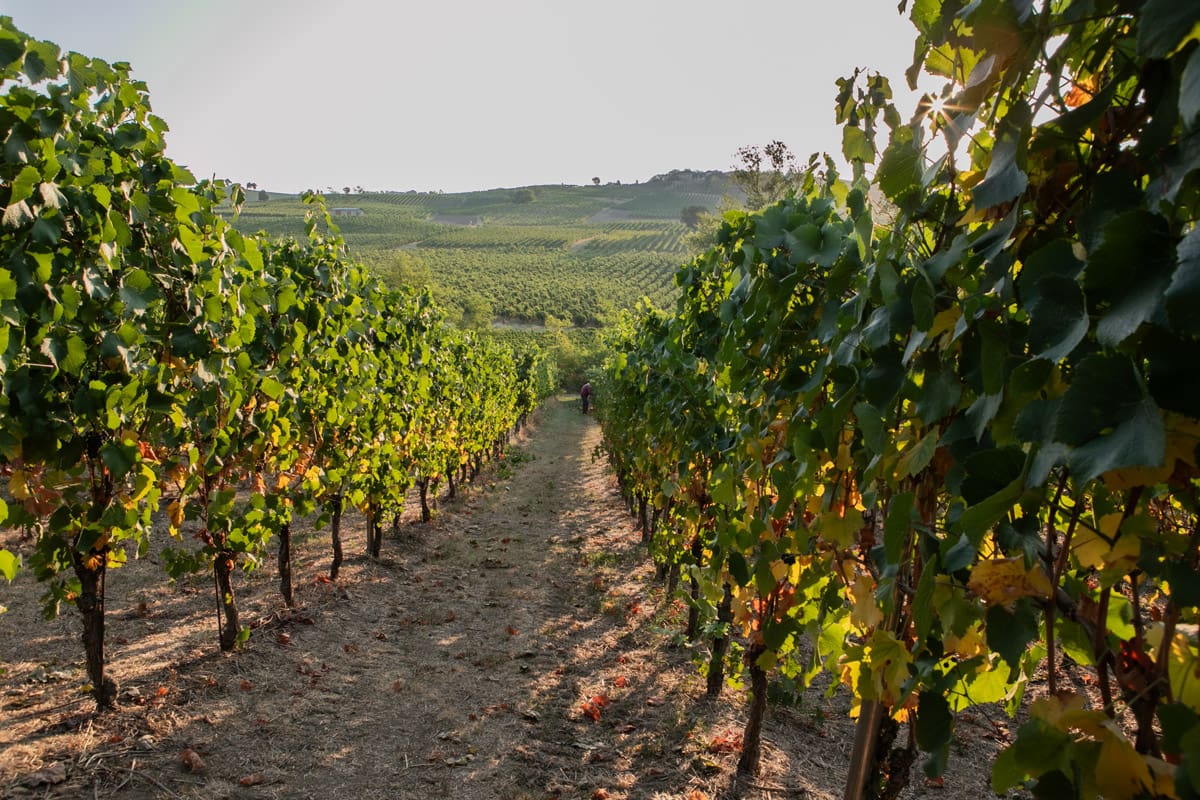
Grapes have been planted in every possible spot amidst the ruins of Pompeii as part of the expanding winemaking project. – Francesco Cecconi/Feudi di San Gregorio Via AP
“[This is] a fantastic opportunity to let people know about the history of Pompeii which is in large part the history of agriculture and the countryside and of the balance between human communities and environment,” added Zuchtreigel.
According to Zuchtreigel, the ancient Pompeiians treated wine as a part of their normal diet. Soldiers would drink it in the morning, they would put herbs and spices into it and heat it to make mulled wine to keep warm in the winter.
They made so much wine they even exported it around the Mediterranean – Spain, North Africa and modern Turkey and north to what is now Germany and Britain.
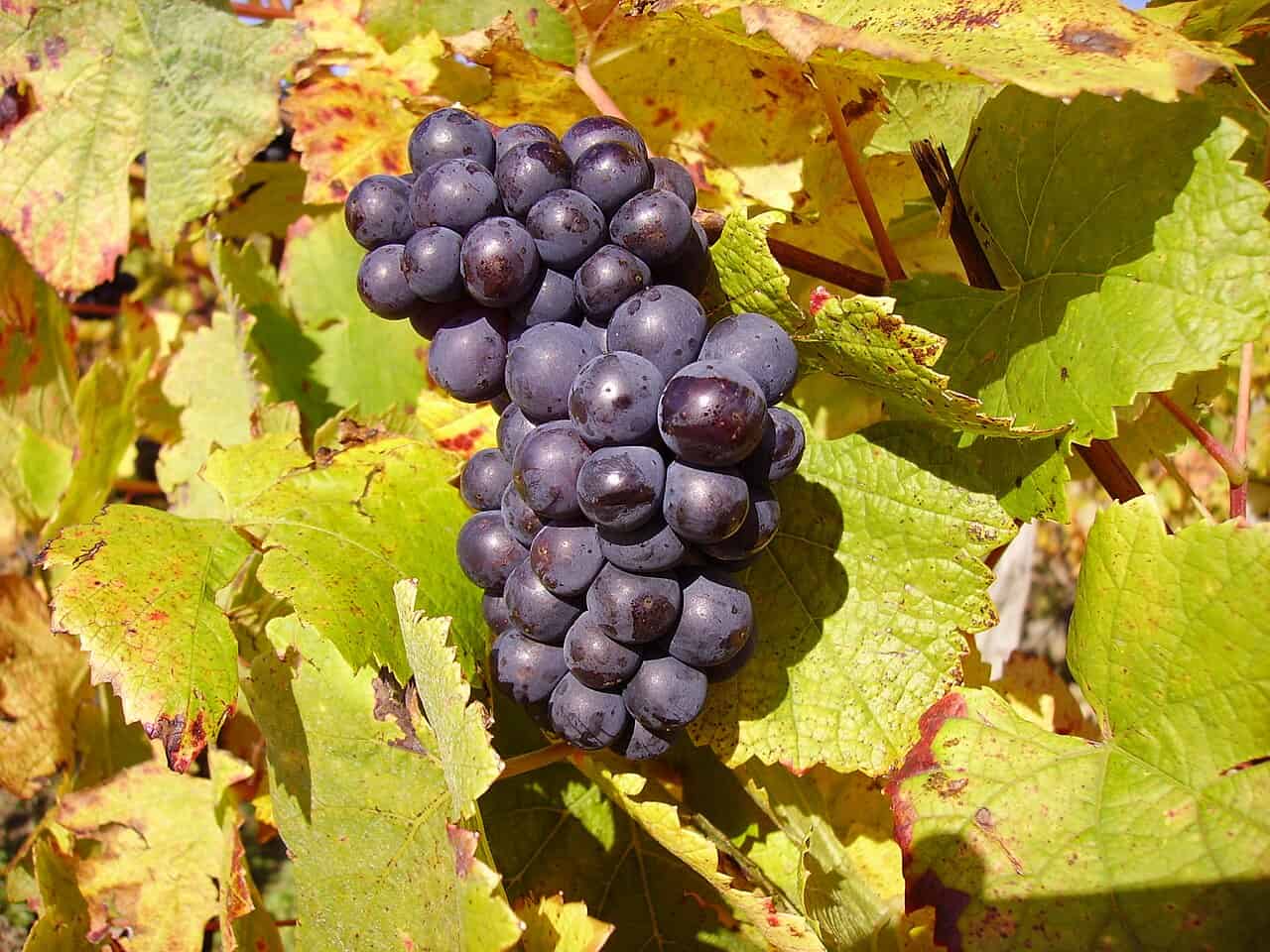
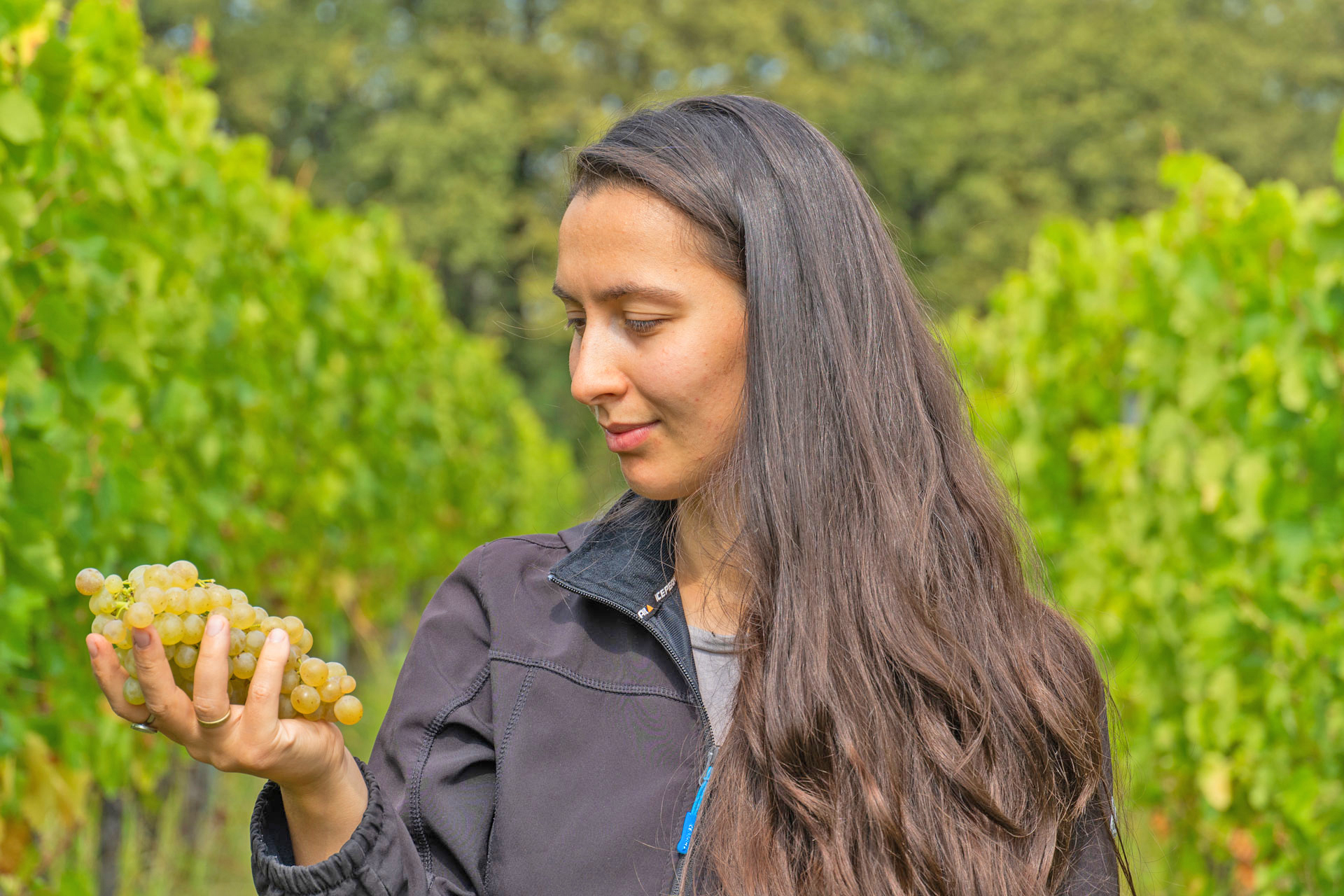
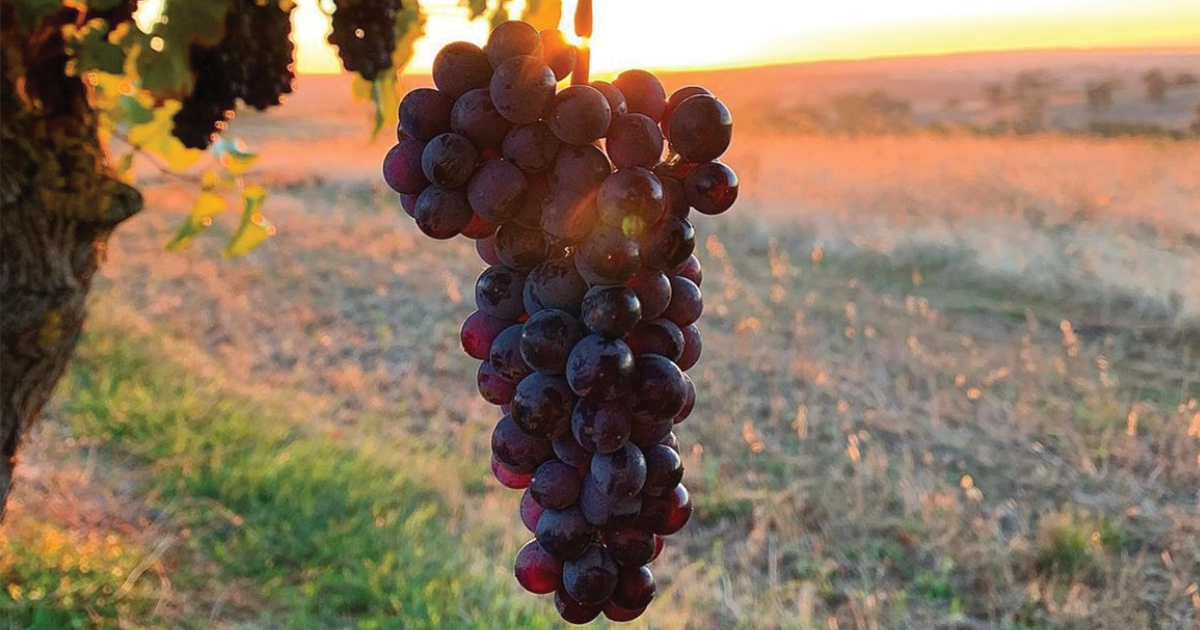
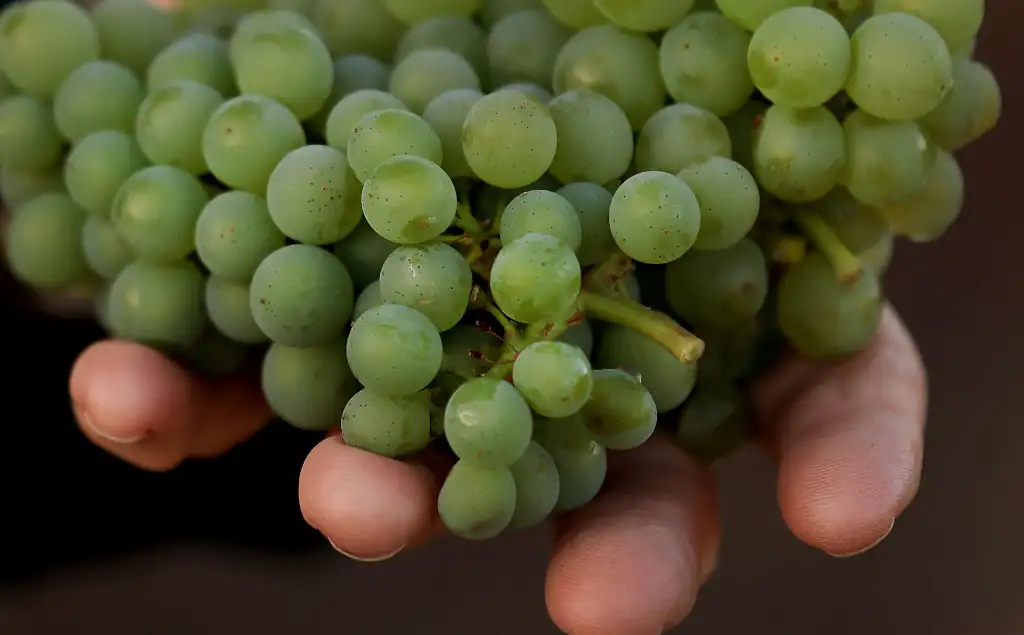
The grape they are using is called Aglianico, originally from Greece and introduced to Italy around the 7th to 6th centuries BC. Aglianico is one of the most famous varieties of ancient grapes, now also found in many vines in California and Australia.
The vineyard says the grapes will be cultivated using sustainable agricultural methods
Working with the Italian wine producer Feudi di San Gregorio, they plan to produce around 30,000 bottles of wine which will be sold at the park and online.