the casual wine drinker is at all familiar with the wines of Portugal, they would likely include Port and Madeira and perhaps the red wines of the Dão region. Few, I suspect, could identify any Portuguese white wines, and up until the present decade, there wasn’t much to say, especially since so few were ever imported to the U.S.

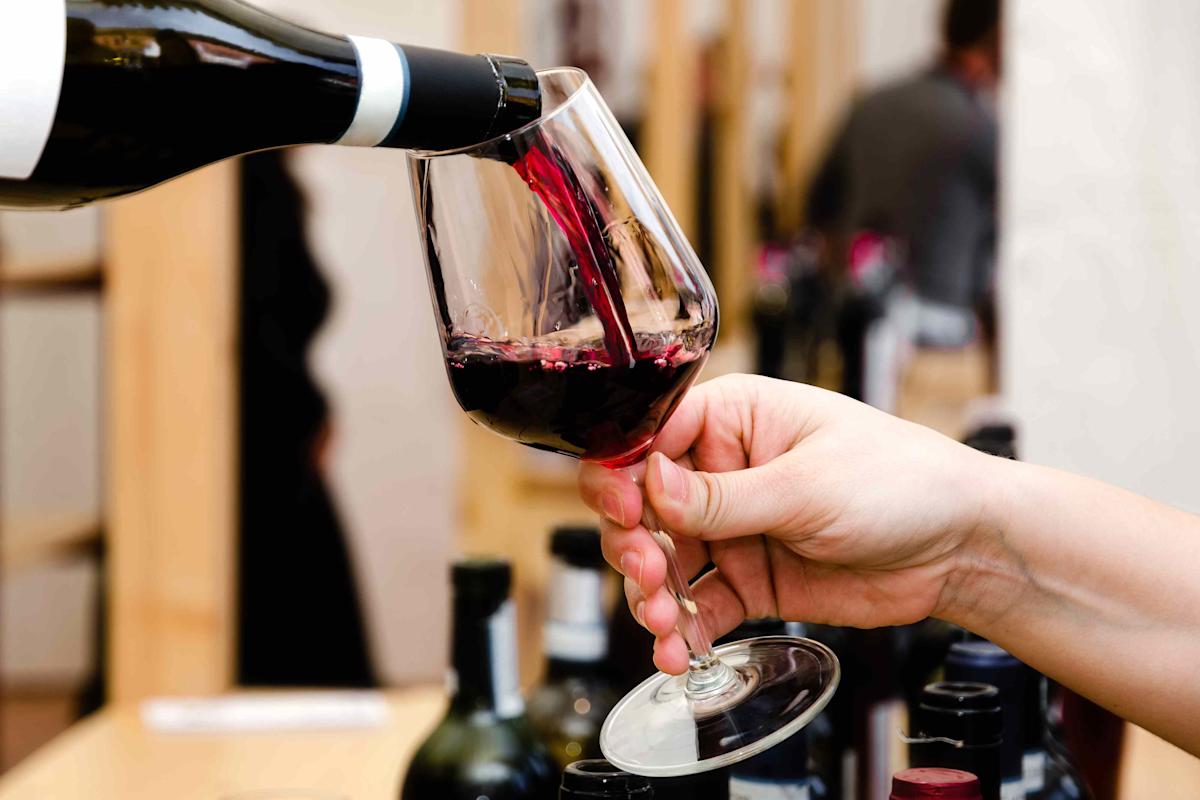
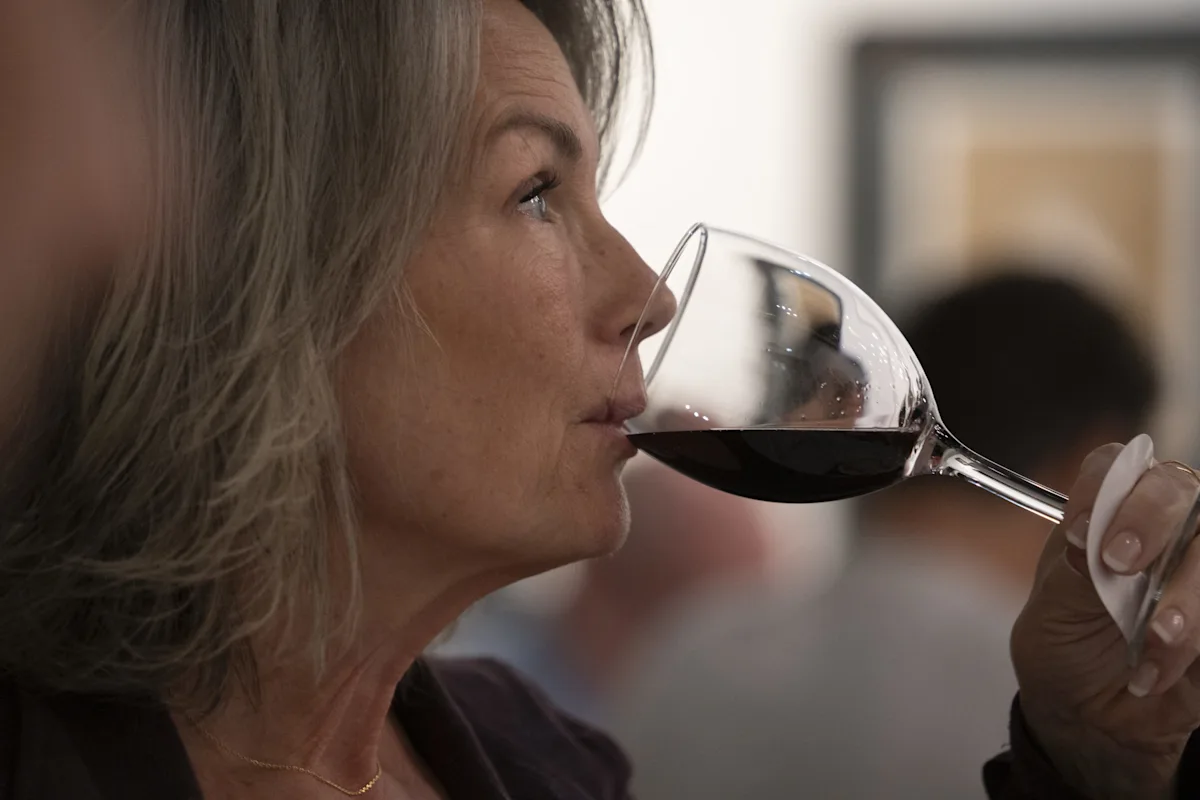
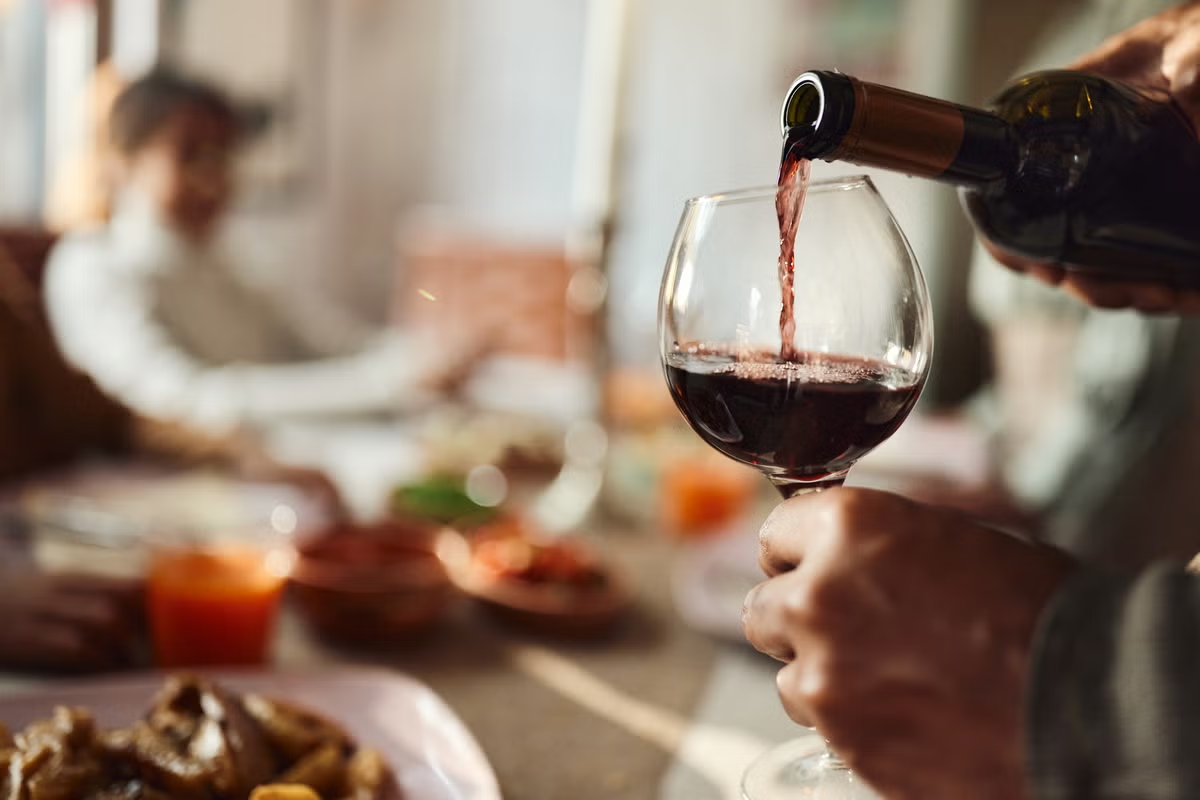
LISBON, PORTUGAL – NOVEMBER 03: A visitor is being poured a glass of white wine at one of the stands in the “Encontro com Vinhos e Encontro com Sabores 2018” (Encounter with Wines and Flavors 2018) in the Congress Center on November 03, 2018 in Lisbon, Portugal. (Photo by Horacio Villalobos – Corbis/Corbis via Getty Images)
Corbis via Getty Images
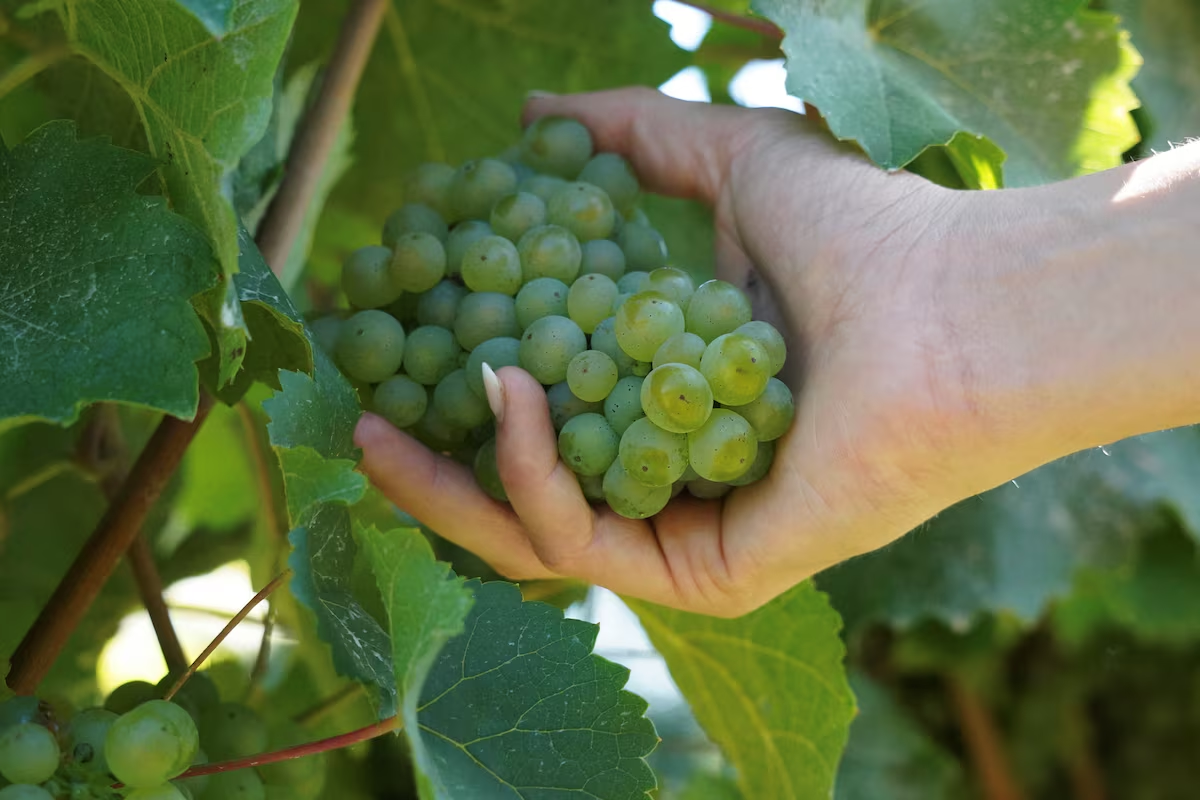
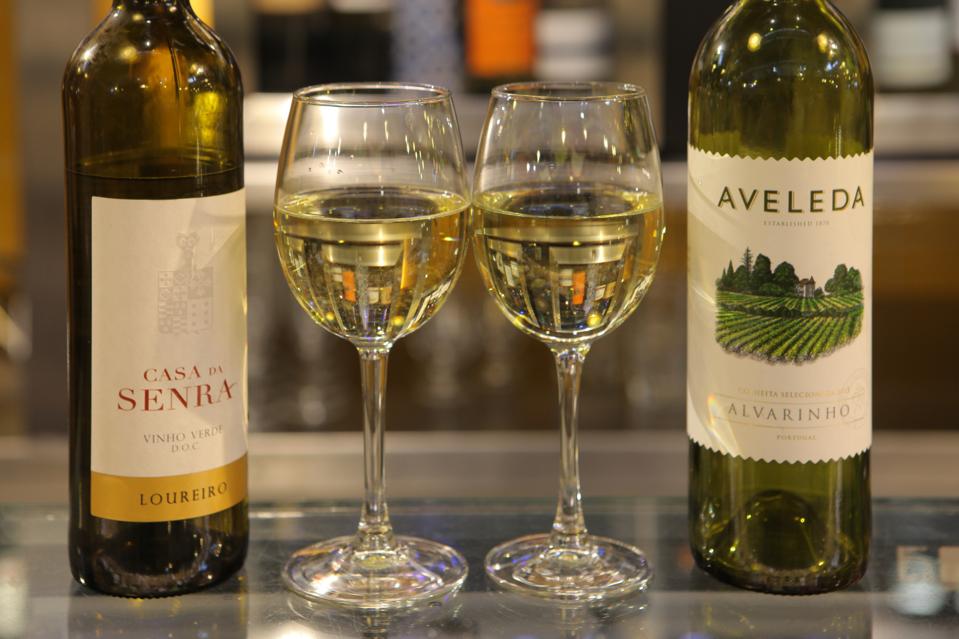
Fifteen years ago nearly half of all the country’s wines was produced by 90 co-operatives using field blends––Portugal has 250 indigenous varieties of grapes––but since then young winemakers with good investors have improved both red and white by using focused varietal blocks. The Dão and Douro regions are now known for their Tempranillo (Tinta Roiz), while great strides are being made with the white varietals Loureiro, Alvariñho, Bical and Encruzada, with some of the best now trickling into U.S. stores and on menus. The impetus for new wineries to promote indigenous varietals rather than still more Chardonnay and Cabernet, is all for the good.
On a trip last month to Portugal I drank a good number of reds (Tinto), but since the country has such fabulous seafood, I largely stuck with white (branco), and I was delighted to be enlightened by so many first-rate examples.

Guru is a field blend of indigenous white grapes.
Guru
Wine & Soul Guru Douro 2023 ($45). One of the most highly regarded brancos these days is actually a field blend made by Sandra Tavares da Silva and Jorge Serôdio Borges in Murça––primarily from indigenous Viosinho, Rabigato, Códega do Larinho and Gouveio, it is fermented and aged in French oak five to eight month, so the minerality adds to the floral elegance. The alcohol is a fine 12.5%.

One of the pioneers in white wine since 1989, the Abel family has its estate in the Bairrada region.
Pai Abel
Quintas das Bágeiras Pai Abel 2022 ($47) is a cuvée by Mario Sergio Abel, whose family has been in the business for three generations, from well-pruned young and old vines, and this is a particularly full-bodied white. Introduced in 1989, the wines have become standards of the Bairrada region, and newer wineries look to them for inspiration. The wine is a blend of Maria Gomes and Bical grapes that spend a year in old French burgundy barrels. There is a dry fruit component and excellent acidity.

The MMIX refers to the year of the first vintage in Rman numerals, 2009.
Pinto
MMIX Quinta do Pinto 2023 ($14) refers to the Roman numerals for 2009, the first vintage bottled by the Cardoso Pinto family, whose vineyards are north of Lisbon and close to the coast so there is a maritime element. The wines are made from local grapes, Fernão Pires and Viosinho, with some Chardonnay and Arinto, in cement tanks to preserve fruit and good acidity that makes for what they call “Atlantic freshness.”
Quinta dos Carvalhais Encruzado 2023 ($26) comes from the Dão, produced by Sogrape (best known for Mateus rosé), made from 100% Encruzado grapes, at 13% alcohol. It shows plenty of fruit along with aromatic spices that go so well with crustaceans and subtle seasonings. Especially lovely matched with grilled seafood.
Soalheiro Alvarinho 2024 ($20). Alvarinho, I believe, shows the best promise for white wines of Portugal, and this one, from the far north, has been made by the same family since 1982 and has taken on the name “classico” in that it is a single varietal from the Monção and Malgaço regions, in a micro-climate with perfect rainfall, temperature and sunshine for the grape, with hot days and cold nights. This adds complexity to the wine, much more than old-fashioned Viñho Verdes used to back in the last century when they were wines of a little distinction.

A Portuguese sparkling wine of a blend of white grapes.
Luis Pato
Niepoort Redoma Reserva 2023 ($65) is produced by the esteemed Port maker Niepoort. It’s a high price for a branco, but its complexity speaks for itself. Made in the Douro, the vineyards are over 80 years old, but very high elevations between 400 and 600 m. A blend of indigenous varieties, primarily Rabigato, Códega, Viosinha and Arinto, the wines are fermented in age for nine months in Barricks to balance its high acidity. There’s lots of citrus here and automatic herbs. The wine is said to age well, but I tasted a six-year-old vintage that had clearly begun to oxidize.
Luis Pato Blanc de Blanc ($12) is a well-priced sparkling Blanc de Blanc from Bairrada, composed of 95% Maria Gomes and 5% Sercialinho, separately fermented in stainless steel vats for two weeks, with a second fermentation in the bottle. It compares quite favorably with many Spanish cavas or Italian Proseccos as an apéritif.
This article was originally published on Forbes.com