Researchers analyzed grape seeds dating to between 2300 B.C.E. and 1500 C.E., including one particularly intriguing sample found in the toilet of a medieval hospital in France
/https://tf-cmsv2-smithsonianmag-media.s3.amazonaws.com/accounts/headshot/SarahKuta.png)
:focal(4128x2752:4129x2753)/https://tf-cmsv2-smithsonianmag-media.s3.amazonaws.com/filer_public/25/97/2597c197-74b8-42f5-abcd-762fbfd3988f/gettyimages-2231530787.jpg)
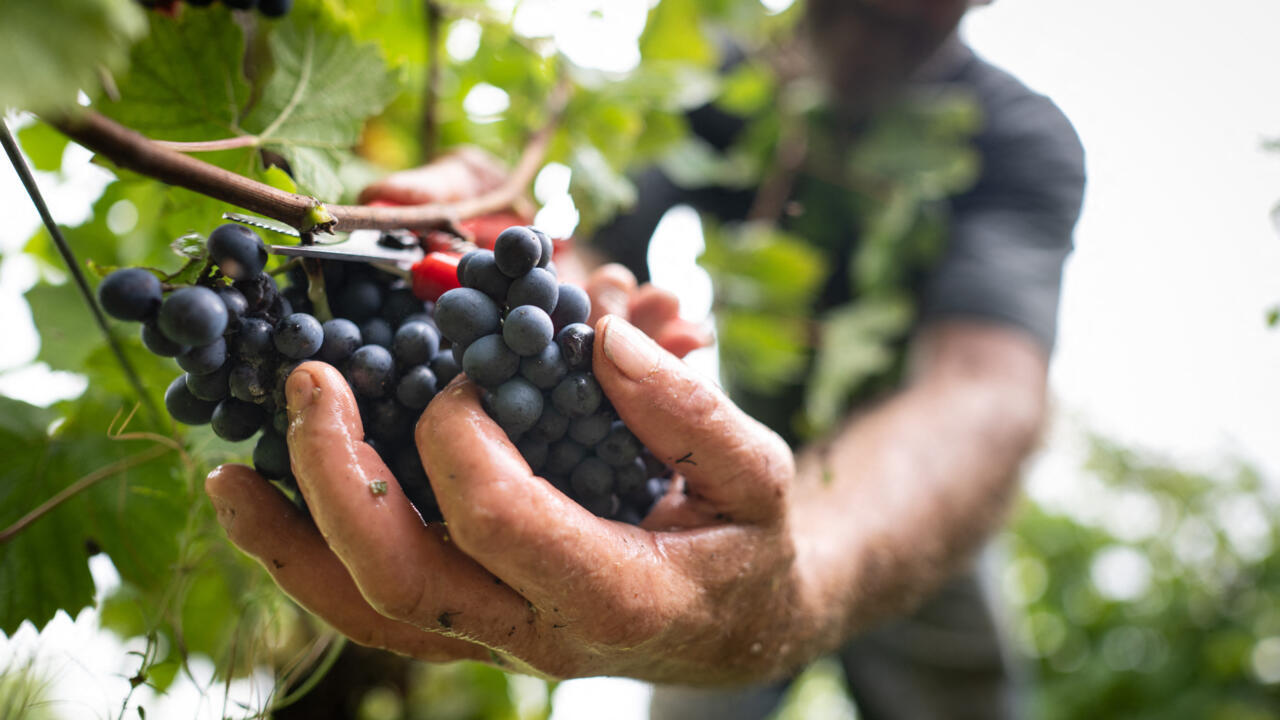
Pinot noir grapes in Verzenay, France
Francois Nascimbeni / AFP via Getty Images
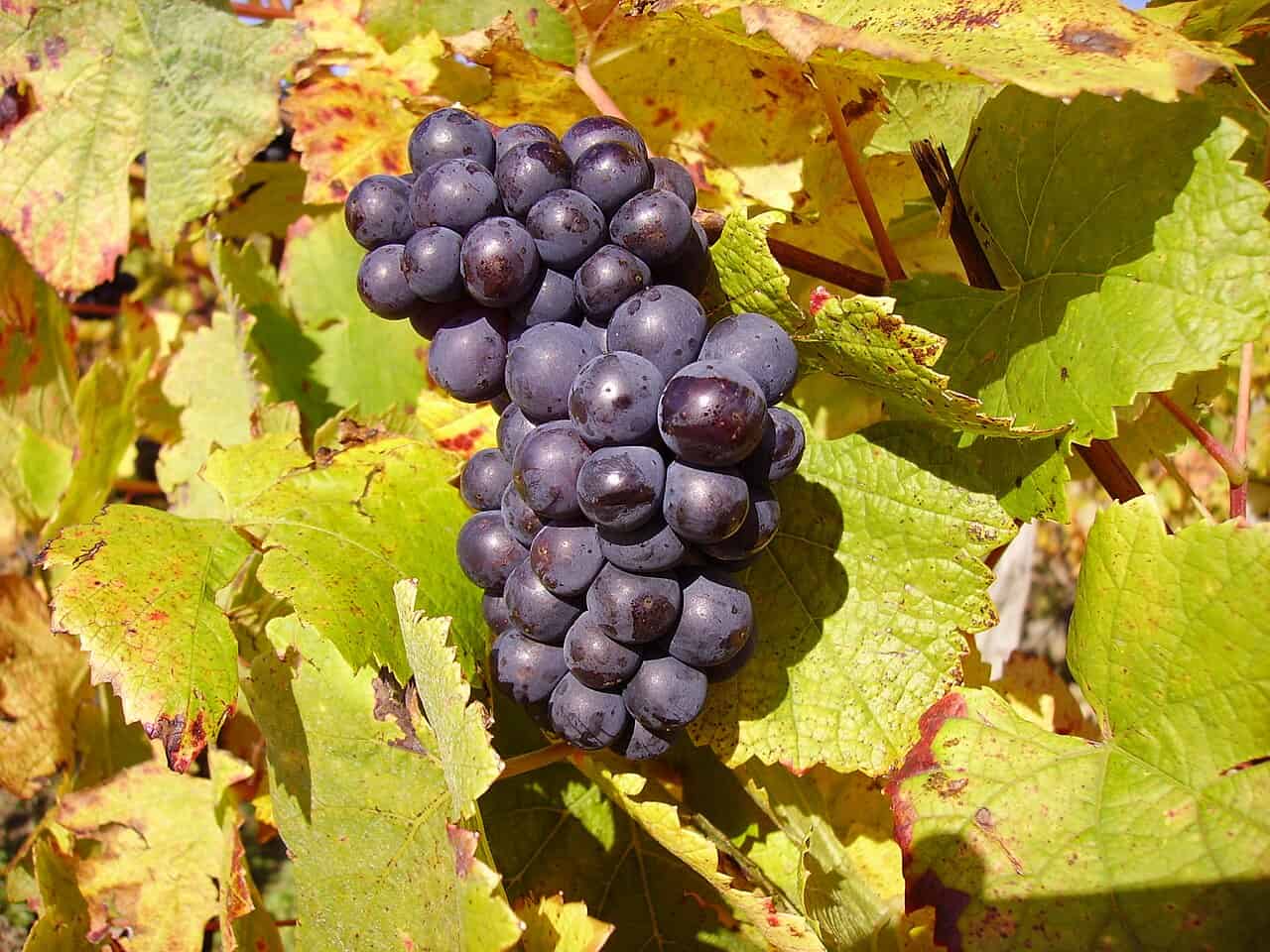
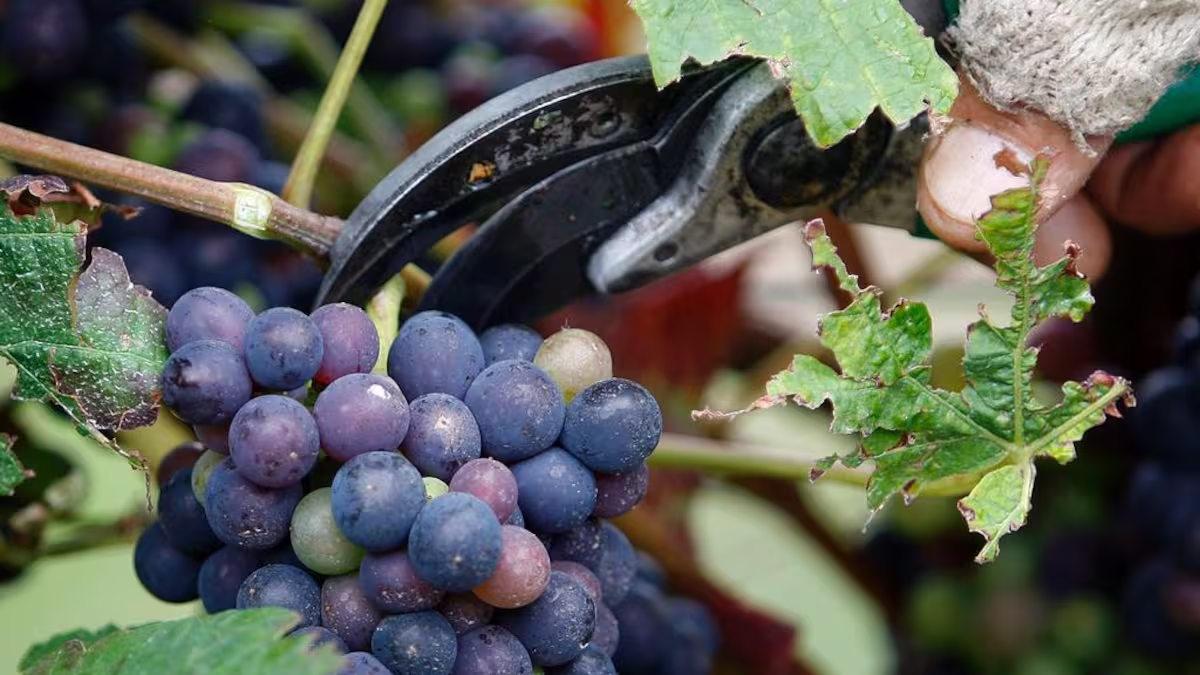
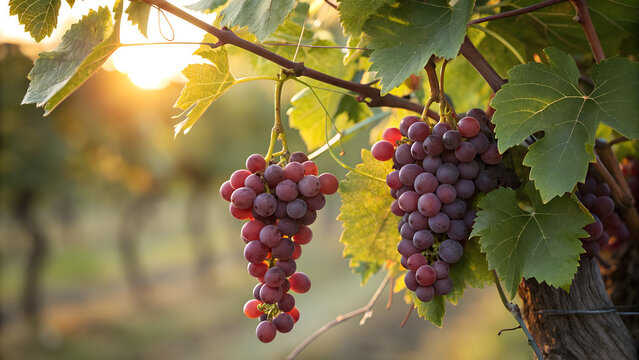
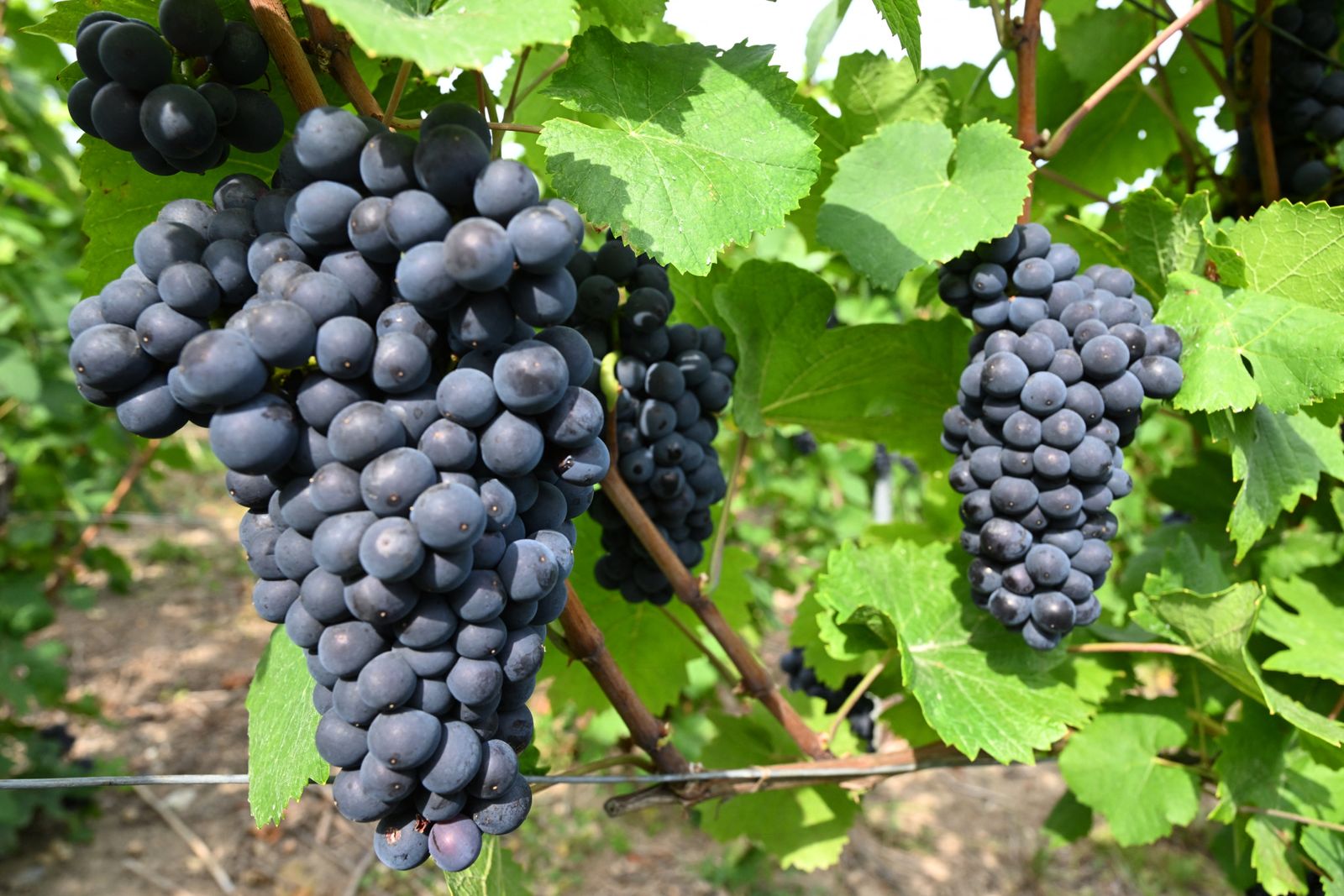
Pinot noir is a popular red wine made from the thin-skinned Vitis vinifera grape of the same name. These plants can be tricky to grow, which is why pinot noir is often called the “heartbreak grape.”
Difficulties aside, many wine drinkers love pinot noir—and new research published in the journal Nature Communications suggests this preference has persisted across many generations.
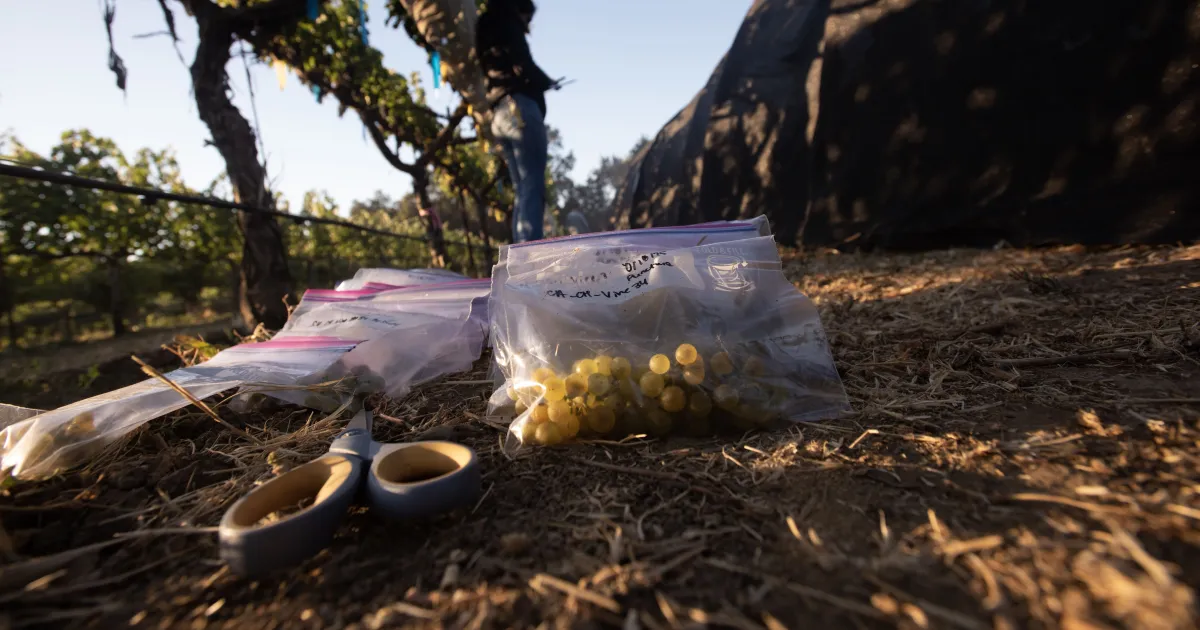
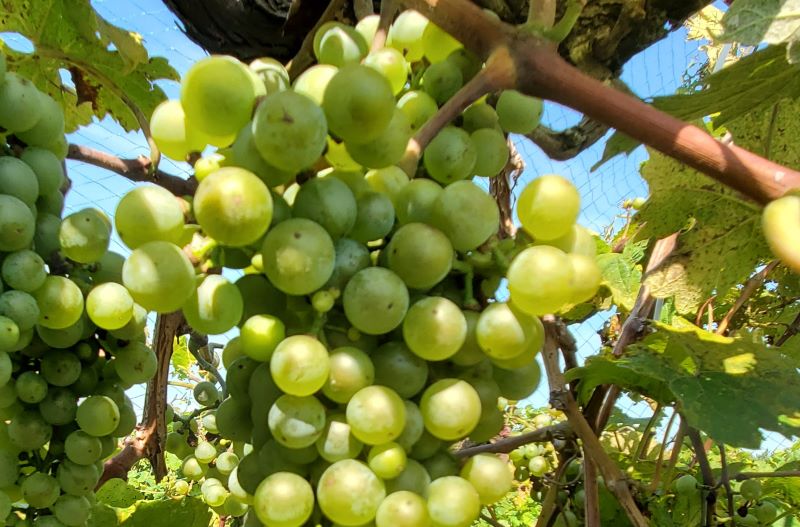
Researchers recently investigated grape seeds found at archaeological sites in France and Spain. The seeds, known as pips, date to between the Bronze Age and the late Middle Ages, or from roughly 2300 B.C.E. to around 1500 C.E., a span of around 4,000 years.
For the study, researchers extracted and sequenced DNA from 49 seeds. They compared this genetic material across the ancient pips, as well as with modern grape varieties.
The oldest samples came from wild grapes. But starting in around 500 B.C.E., some of the seeds started to have very similar DNA. Around that time, humans may have largely stopped cultivating wild grapes and started taking cuttings from plants they liked to produce domesticated varieties, a technique known as “clonal propagation” that’s still in use today.
“We like our wine,” Jazmín Ramos Madrigal, an evolutionary genomicist at the University of Copenhagen who wasn’t involved with the research, tells the New York Times’ Rebecca Dzombak. “Once you find something you like, you want to keep it. You keep growing it. And it seems like ancient civilizations were good at that, and we have them to thank.”
What’s more, one of these cloned samples was “genetically identical” to the pinot noir grapes grown today. Found in the toilet of a medieval hospital in France, the seed dates to the 15th century, when Joan of Arc lived. “She could have eaten the same grapes as us,” co-author Ludovic Orlando, a geneticist and evolutionary biologist at the University of Toulouse who led the study, tells Agence France-Presse (AFP).
Scientists don’t know for sure whether the pinot noir fruit was “eaten like table grapes or whether people made wine from it at the time,” study co-author Laurent Bouby, an archaeobotanist at France’s National Center for Scientific Research and the University of Montpellier, tells AFP.
However, the 15th-century pinot noir seed was discovered in France, a nation with a long history of wine production—so it’s possible vintners were using the clone to make wine some 600 years ago.
Quick fact: The origins of savagnin blanc
An earlier study, published in 2019, found that a 900-year-old seed from central France was a perfect match for the modern savagnin blanc grape.
The findings suggest growers have been so happy with pinot noir grapes that they haven’t felt compelled to change them much over the centuries.
“They kept it as it was, propagated as a clone—as a photocopy—for centuries, literally,” Orlando tells Scientific American’s Jackie Flynn Mogensen.
As such, some of the grapes being grown today “are only a few generations away from the initial domestication,” which is highly unusual, Michele Morgante, a geneticist at the University of Udine in Italy who wasn’t involved with the research, tells the Times.
“Take current maize hybrids,” Morgante adds. “They’re thousands of generations away from where they started. Here, with wine, we’re only five to ten generations away.”
At this point, even though the seeds are genetically identical, researchers don’t know whether wines made from grapes grown centuries ago would have tasted and smelled the same as those made today. Many variables affect the flavor and aroma of wine, from the growing environment to the fermentation process.
Moving forward, the scientists plan to continue studying ancestral grapes to learn even more about the “whole co-evolutionary history of us and grapes, and how that circles back to culture,” Orlando tells the Times.
They also hope to discover historic varieties or traits that might help make modern grape plants more resilient against climate change.
“Targeting genes associated with phenological traits—such as flowering time or ripening—may provide insights into past adaptations to local climatic conditions and shifts in cultivation practices over time,” the researchers write in the paper.