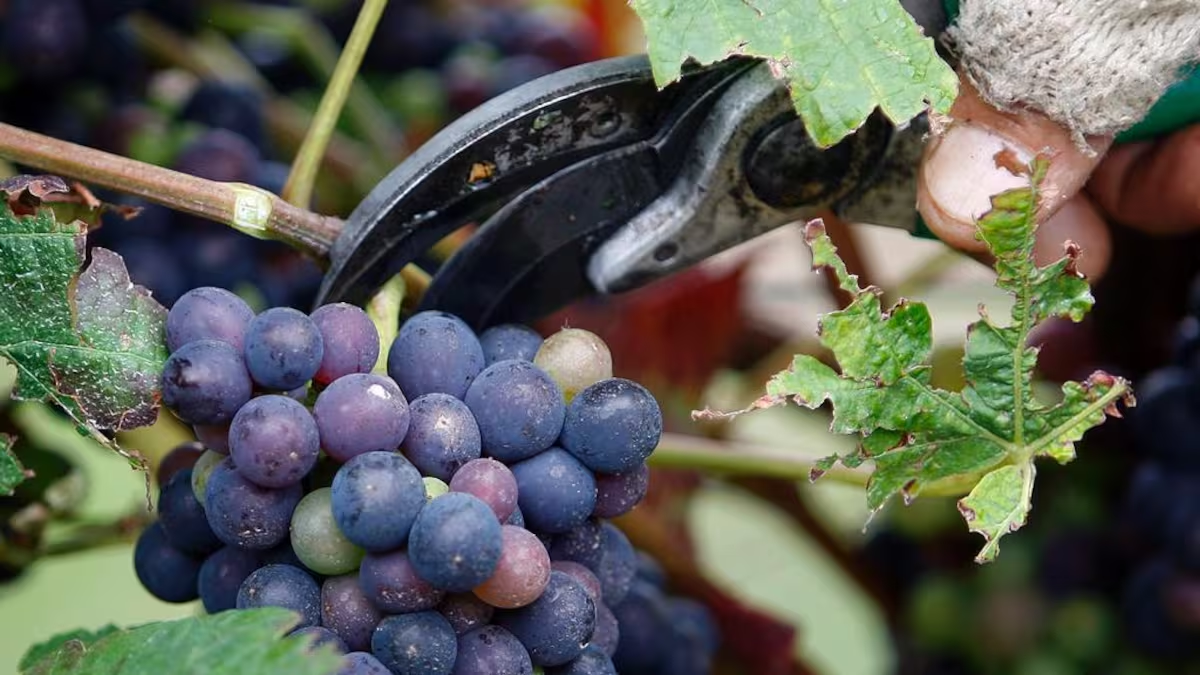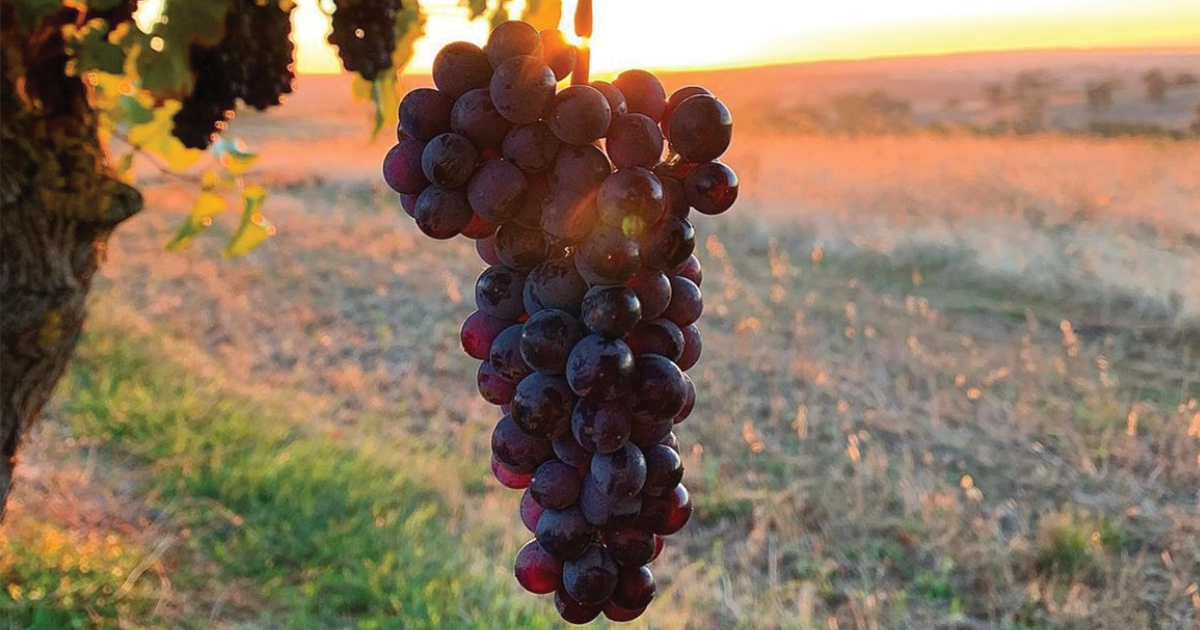
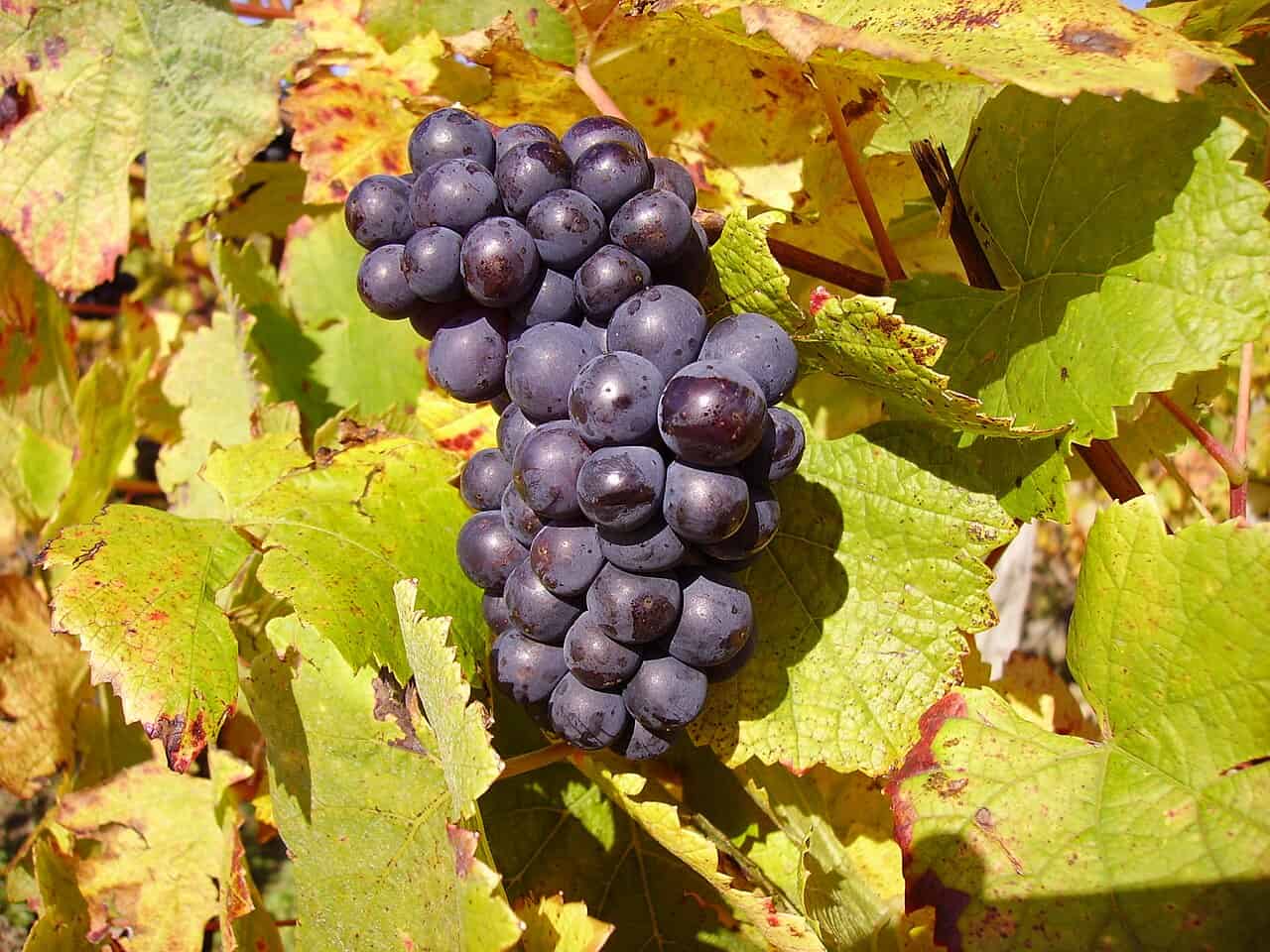

Few things have remained unchanged since the 15th century, but this grape variety is one of them. Turns out, humans like Pinot Noir grapes so much that we’ve kept growing the exact same variety generation after generation.
We know this thanks to a small, unassuming seed from the toilets of medieval France. That seed is genetically identical to the grapes used to make Pinot Noir wine today, a new study has shown. But the story goes even deeper. Turns out, we’ve been using varieties of this grape type for some 2,000 years.
Taming the Wild Berries
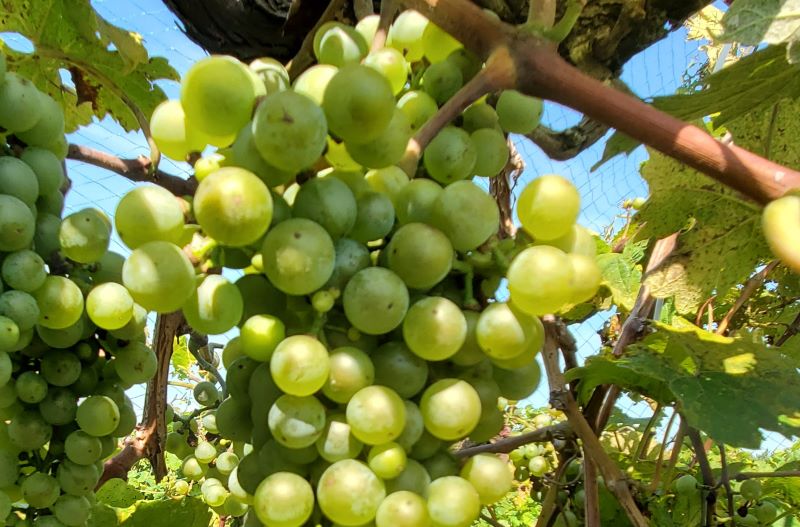
In a landmark study published in Nature Communications, a team of researchers led by Rémi Noraz and Ludovic Orlando analyzed 49 archaeological grape pips spanning 4,000 years of history. Their work provides the most detailed map yet of how France became the world’s wine cellar and paints one of the most extensive grape histories ever compiled.
The researchers used whole-genome sequencing, a newer method that enabled them to trace the grapevine’s journey from a wild forest dweller to a highly engineered global commodity.
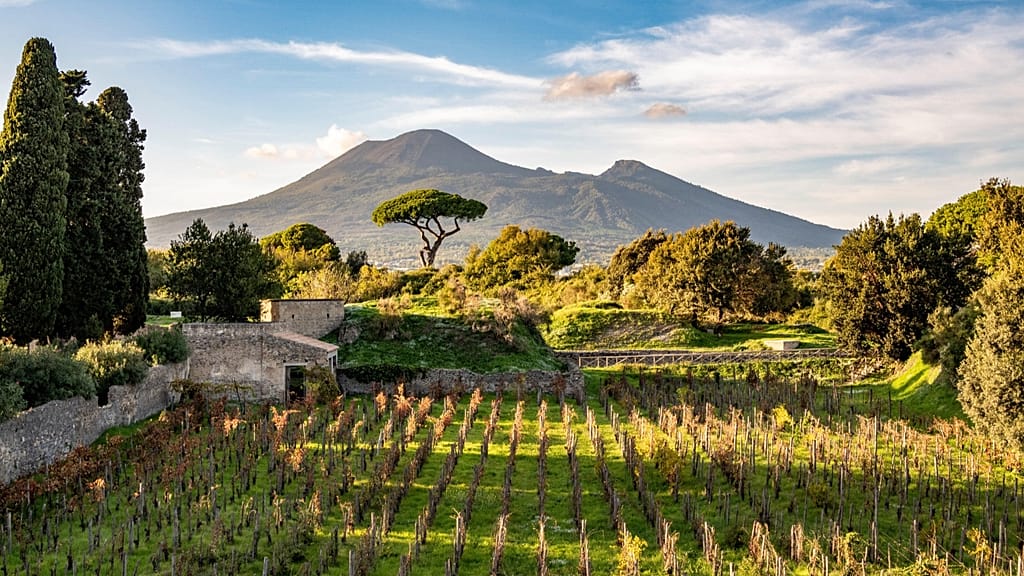
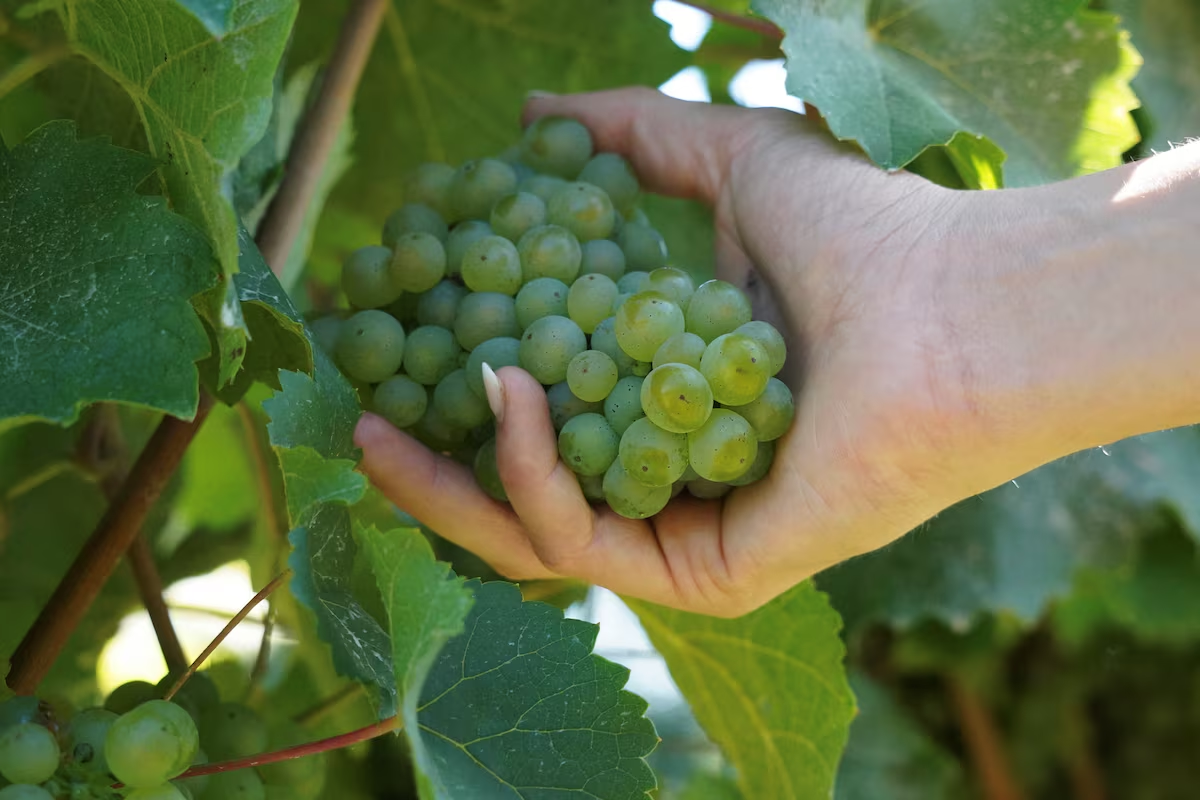
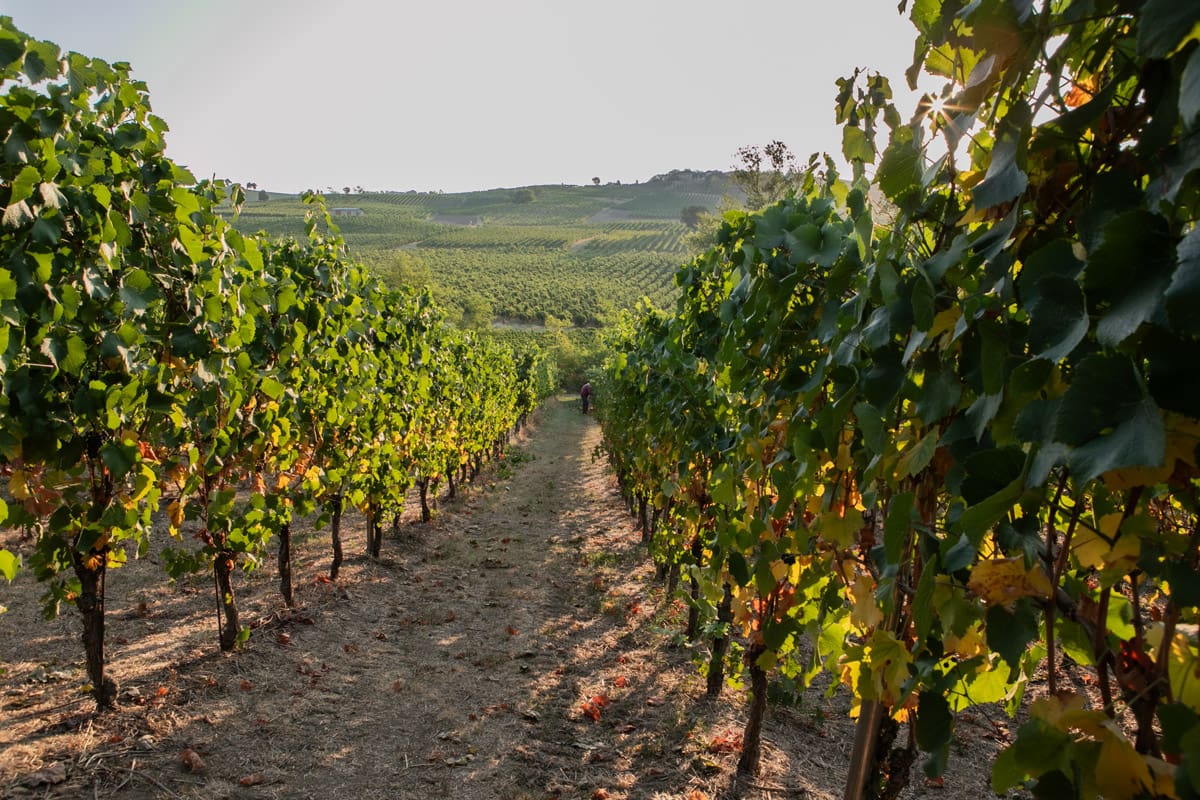
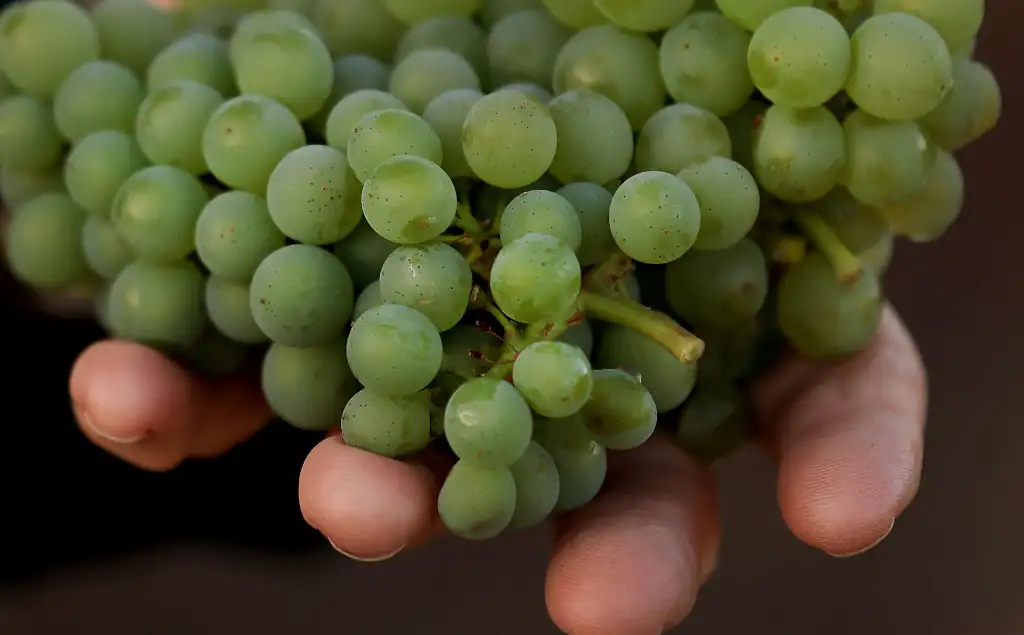
The story of French wine begins roughly 4,000 years ago, during the Bronze Age. At that time, the grapes growing in France were wild. These plants, known as Vitis vinifera (subspecies sylvestris), were native to the European landscape, but weren’t grown by farmers. The study’s Bronze Age samples from Nîmes, dating between 2300 and 2000 BCE, showed no signs of human interference or domestication. They were pure, wild vines, evolving in a line of genetic continuity that would remain largely untouched for millennia.
That changed during the Iron Age. Around 625–500 BCE, the first domesticated grapes appeared in southern France. The most likely scenario isn’t that French populations began taming grapes, but rather that the Greek settlers who founded Marseille brought the technology with them. These ancient voyagers also brought pottery and philosophy, which happen to go really well with wine.
The transition was messy. While some farmers still harvested local wild grapes, others began integrating oriental ancestries from the Levant and the Caucasus, mixing different types of grapes. It was a dynamic, sprawling network of exchange. These early growers were likely experimenting, crossing local wild vines with imported domestic ones to create plants that could survive the varied climates of ancient Gaul. The wine scene was a melting pot.
Then came the Romans.
Ancient Cloning

The Romans were the original globalists. If they liked something, they made sure to spread it throughout their empire, from the Iberian Peninsula to the Balkans. Obviously, they did it with wine as well. They brought together and mixed different grape varieties, producing an incredibly diverse range of wines. If you were drinking wine in a Roman villa, your glass might have contained genetic material that had traveled thousands of miles across the Mediterranean.
But perhaps the most significant discovery in the study isn’t what they grew, but how they grew it.
Grapes are notoriously difficult to breed. If you plant a seed from a delicious grape, it will undergo chaotic sexual reproduction. The resulting plant will likely produce something entirely different, and often quite sour. To keep a specific flavor profile, you have to bypass seeds entirely. You have to clone.
Grapes are cloned through a process known as vegetative propagation. You take cuttings from a high-performing parent plant and get them to take root, creating a biological carbon copy — a genetically identical clone that preserves every desirable trait of the original vine. The Romans didn’t invent this practice, but they made it widespread across Europe.
For example, a pip found in Roman-era northeastern France was a perfect genetic match for two others found in the south, more than 600 kilometers away. This means that nearly 2,000 years ago, Romans were transporting vine cuttings across the country, ensuring that a successful variety could be enjoyed from the Mediterranean coast to the northern frontiers.
Based on the genetic analysis, some of the grapes that the Romans used were very similar to today’s Pinot Noir. But they weren’t quite the same.
We’re Drinking the Same Wine as Joan of Arc

The star of this genetic study is an archaeological grape pip found in the northern city of Valenciennes.
The pip dates back to the late Medieval period, specifically between 1400 and 1500 CE. Researchers officially refer to its origin as a waterlogged environment, a condition that perfectly preserves organic matter by cutting off oxygen. In an urban environment, these are often latrines or cesspits.
But don’t be fooled. Despite its gross origins, this pip is important: genetically, it’s identical to the Pinot Noir grapes we use today.
It’s impossible to say (for now) whether the grape was consumed as is or was used to make wine. But study co-author Ludovic Orlando points to an interesting historical event. The Hundred Years’ War between England and France wrapped up in the mid-1400s, and Joan of Arc, the patron saint of France, also lived during that period.
“She could have eaten the same grapes as us,” the paleogeneticist at the University of Toulouse told AFP.
Another striking Medieval sample from Ibiza perfectly matched ‘Folha de Figueira,’ a white grape still grown in Portugal today. Earlier studies had already linked an 11th-century seed to ‘Savagnin Blanc,’ the parent of Pinot Noir.
Cloning Is Problematic
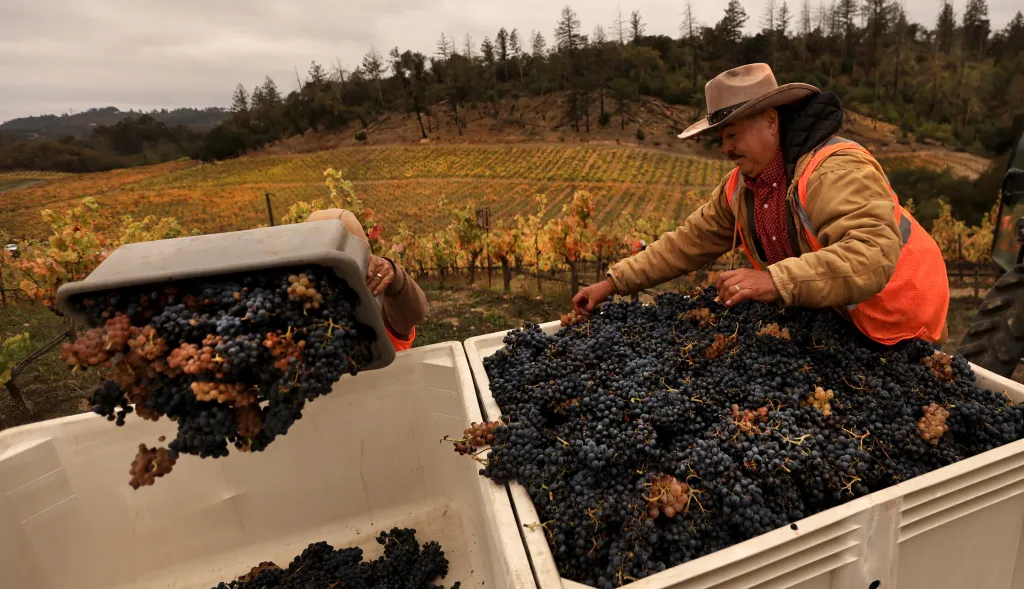
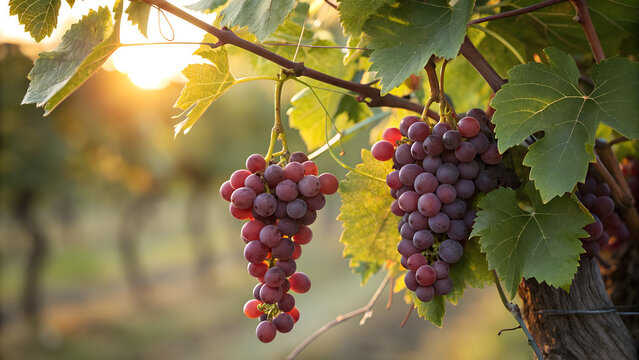
‘Pinot Noir’ is currently the fourth most widely cultivated variety on the planet, responsible for some of the world’s most prestigious and expensive red wines. Knowing that its genetic stability has endured for 600 years proves just how popular it is across generations.
But it also shows how much we rely on these specific ancient blueprints.
This reliance is a double-edged sword. While cloning preserves the flavor we love, it also limits the plant’s ability to adapt. We’re already seeing this with bananas, where one disease was enough to wipe out the delicious Gros Michel strain. As the climate changes, these ancient varieties face new pressures from heat, drought, and disease.
By looking back at the 4,000-year history of the vine, researchers can also see how ancient people used “adaptive introgression” — purposefully crossing domestic vines with wild ones to gain better local resilience. Perhaps that’s something we should keep in mind for our favorite varieties as well.
But for now, if you pour a glass of Pinot Noir, take a second to realize what you’re actually drinking. It’s a living piece of history dating back to the 15th century, a plant kept alive by a chain of hands tracing back to the Middle Ages.
The study was published in Nature Communications.