When many people dream about Italy, those dreams often take place in Tuscany.
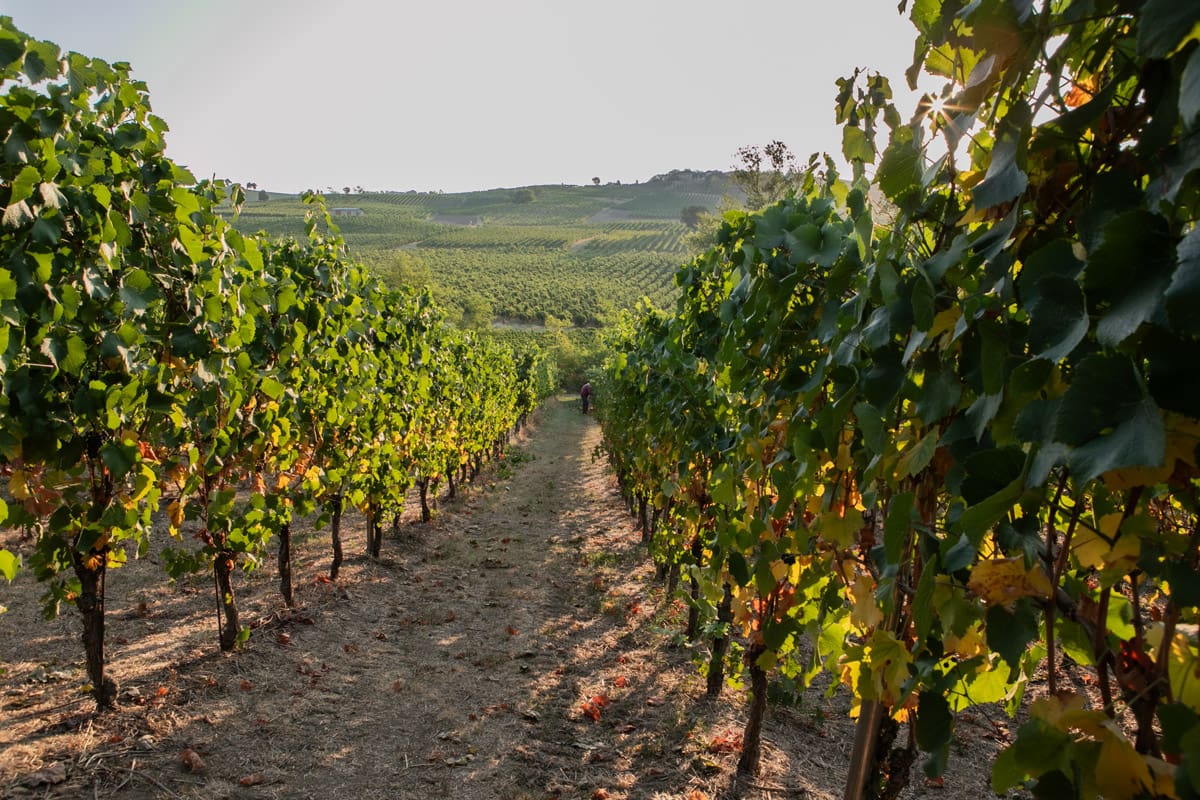
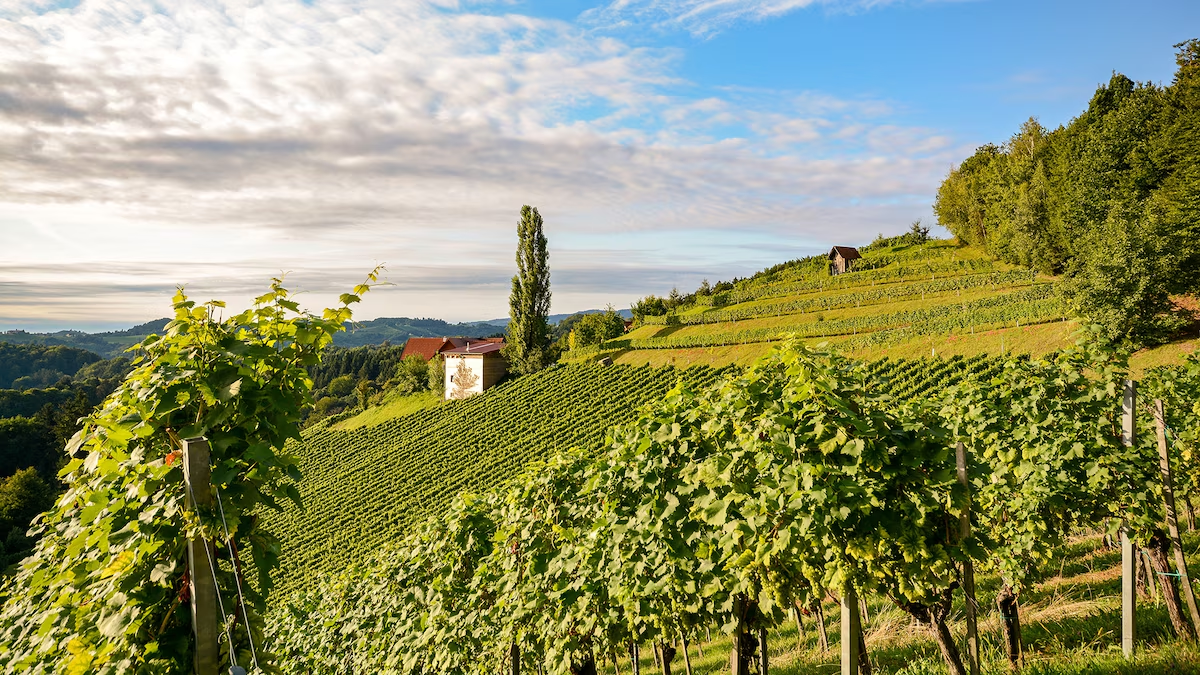
Sun-drenched, rolling hills and winding roads lined with cypress trees.
Ancient, hilltop villages with small, stone buildings that look like something straight out of a fairytale.
But there’s another, important reason why so many people love and respect this part of central Italy — Tuscany’s world-class wines.
For thousands of years, people have been making great wine in Tuscany.
Known in Italian as “Toscana,” some of these wines remain some of the most revered — and most expensive — wines in the world.
But there are also many outstanding bargains to be found in Tuscany.
The hard part is making sense of them all since Tuscany (and frankly Italy in general) can seem overwhelming when it comes to wine.
That’s why I’m here to help.
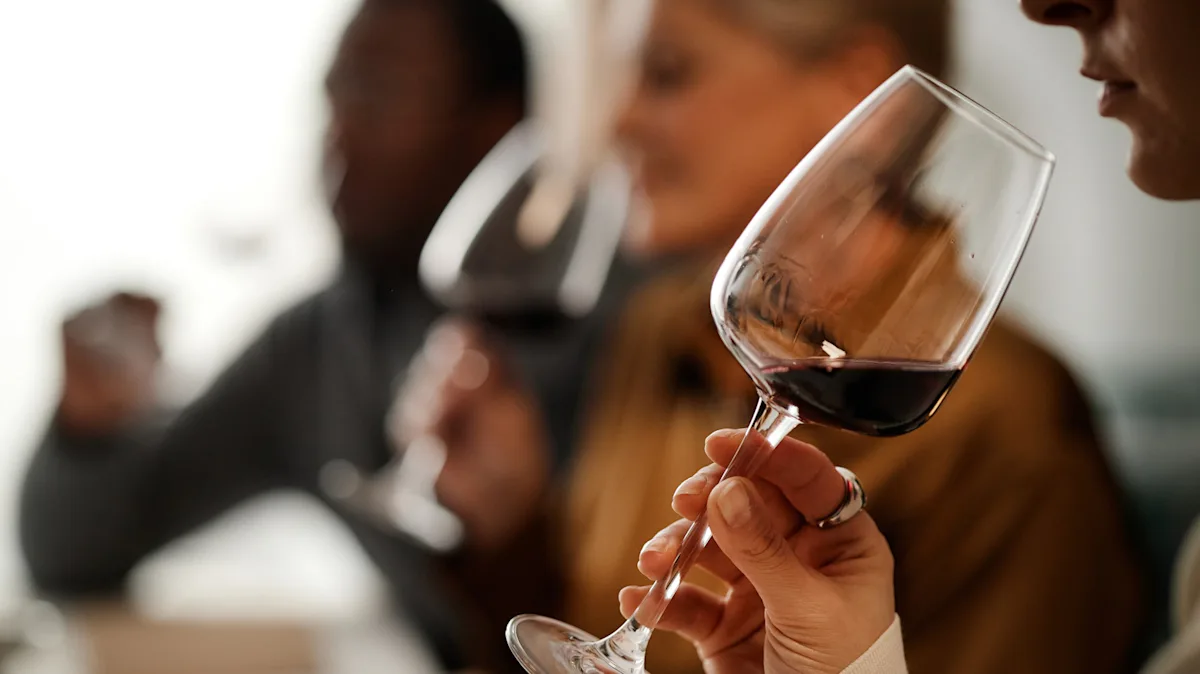
Recently, I taught a noncredit wine tasting class at Holyoke Community College about wines from Tuscany. This week, you can learn more about this fantastic Italian wine region, as well as read the tasting notes from the Tuscany wine class.
Let me add that I will be teaching three more non-credit wine classes this spring at HCC — wines from New Zealand on March 26, Rose wines on April 23 and summer white wines on May 14.
Hope you enjoy.
Tuscany by the Numbers
-
148,000 acres of vineyards in Tuscany
-
12,500 wine producers in Tuscany
-
85 percent of Tuscany wine is red wine
-
5 percent of Italian wine comes from Tuscany
History Of Winemaking in Tuscany
-
7th Century BC – Winemaking begins in region. Made wine throughout the Roman Empire
-
1,200 AD – Florence (the capital of Tuscany) filled with wine merchants. Wine guild in city begins creating regulations governing the production of wine.
-
1700s – Chianti region within Tuscany is defined for wine production.
-
1963 – DOC system created in Italy. DOC stands for “Denominazione di Origine Controllata.” This system classifies wines based on location and places restrictions on production methods and grape varieties.
Different wine classifications in Tuscany
There are four wine classifications in Tuscany.
VDT – “Vino da Tavola” which means Italian table wine. This wine can be from anywhere in Italy.
IGT – “Indicazione Geografica Tipica.” Created in 1992, this designation refers to a specific wide region where the wines are from Italy. Example: Toscana IGT of Tuscany.
DOC – There are 41 DOCs in Tuscany. As explained above, DOC wines must come from specific places and adhere to specific production methods. Examples of DOC wines in Tuscany include Bolgheri DOC and Rosso di Montalcino DOC.
DOCG – “Denominazione di Origine Controllata Garanita.” Wines classified as DOCG are considered the highest quality wines in Italy. There are 11 types of DOCG wines in Tuscany, including Brunello di Montalcino and Chianti Classico.
Wine subregions in Tuscany
There are many subregions located within Tuscany, but some of the best-known wine subregions include:
Chianti – Famous red wine subregion known for its high-quality, affordable wines.
Chianti Classico – Smaller subregion located between Florence and Siena within Chianti. Has strict production guidelines resulting in outstanding, mid-priced wines.
Vino Nobile di Montepulciano – Not to be confused with the grape “Montepulciano,” which is mainly grown in the Abruzzo region, this DOCG produces outstanding, affordable blended red wines.
Brunello di Montalcino – One of the best wine subregions in the world famous for elegant, powerful red wines.
Bolgheri – Coastal subregion famous for “Super Tuscan” red wines often made with Cabernet Sauvignon and Cabernet Franc grapes.
Maremma – Another coastal subregion that makes mineral-like, delicate red wines.
Popular wine grapes in Tuscany
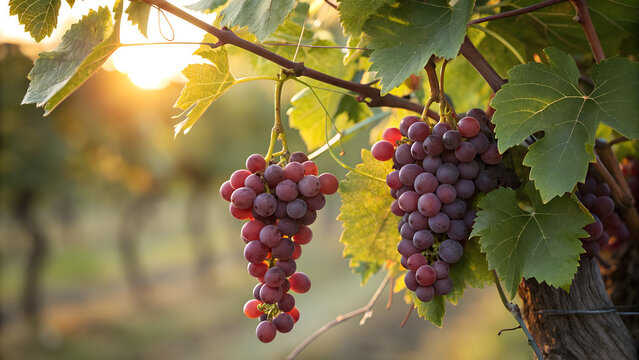
Roughly 500 different grape varieties are used to make wine in Tuscany.
The most popular wine grape is Sangiovese. Nearly half (44 percent) of wines in Tuscany are made using Sangiovese grapes. Other popular red wine grapes in Tuscany include: Merlot (often blended with Sangiovese), Cabernet Sauvignon (especially in Bolgheri), and Canaiolo (lighter grape often used when blending some Chianti wines).
White wine grapes are also present in Tuscany wines, including Trebbiano Toscano, the most popular white grape in Tuscany, often used for blending; Vermentino, often used to make light, citrus-like wines; Malvasia Bianca Lunga, which is often blended with Trebbiano grapes, especially when making white wines in Chianti.
Chianti Vs. Chianti Classico Vs. Chianti Classico Reserva
So what’s the difference between these three types of wine? Chianti wines must be made with at least 70 percent Sangiovese grapes from Chianti. These wines must be aged for 3 to 6 months in oak barrels.
Chianti Classico wines come from Chianti Classico, a small subregion within the larger Chianti region in Italy. They must be made with at least 80 percent Sangiovese grapes from Chianti Classico. These wines must be aged for a minimum of 12 months in oak barrels.
Chianti Classico Reserva wines are Chianti Classico wines aged for a minimum of 24 months in oak barrels.
Montalcino Vs. Montepulciano
Montepulciano and Montalcino are both places. They’re villages located in the famous Italian wine region of Tuscany about halfway in between Florence and Rome.
Along with being a town in Italy and a type of grape, Montepulciano is also a type of wine. Specifically, Montepulciano often refers to two types of Italian red wines — Vino Nobile di Montepulciano and Montepulciano d’Abruzzo.
Vino Nobile di Montepulciano wines come from the Montepulciano region of Italy in Tuscany but they at not made with Montepulciano grapes. Instead, they’re made with a minimum of 70% Sangiovese grapes, along with a blend of other grapes, including with 10% to 20% of Canaiolo Nero and other local grapes, including Mammolo.
As for Montalcino wines, they’re made entirely with Sangiovese grapes from the Montalcino region aged for a minimum of 3 years in oak barrels.
Wine Tasting Notes
(All six wines below are red wines from Tuscany, Italy. Tasting notes are from the columnist’s recent wine tasting class.)
2024 Ferrari Corbelli Tenuta Di Gracciano Della Seta Rosso Di Montepulciano Toscana ($14.99 at Table & Vine in West Springfield)
Grape: Blend of Montepulciano, Prugnolo Gentile and Merlot
Region: Montepulciano, Tuscany
Tasting notes: Spicy, crisp, tart, pomegranate, black currant.
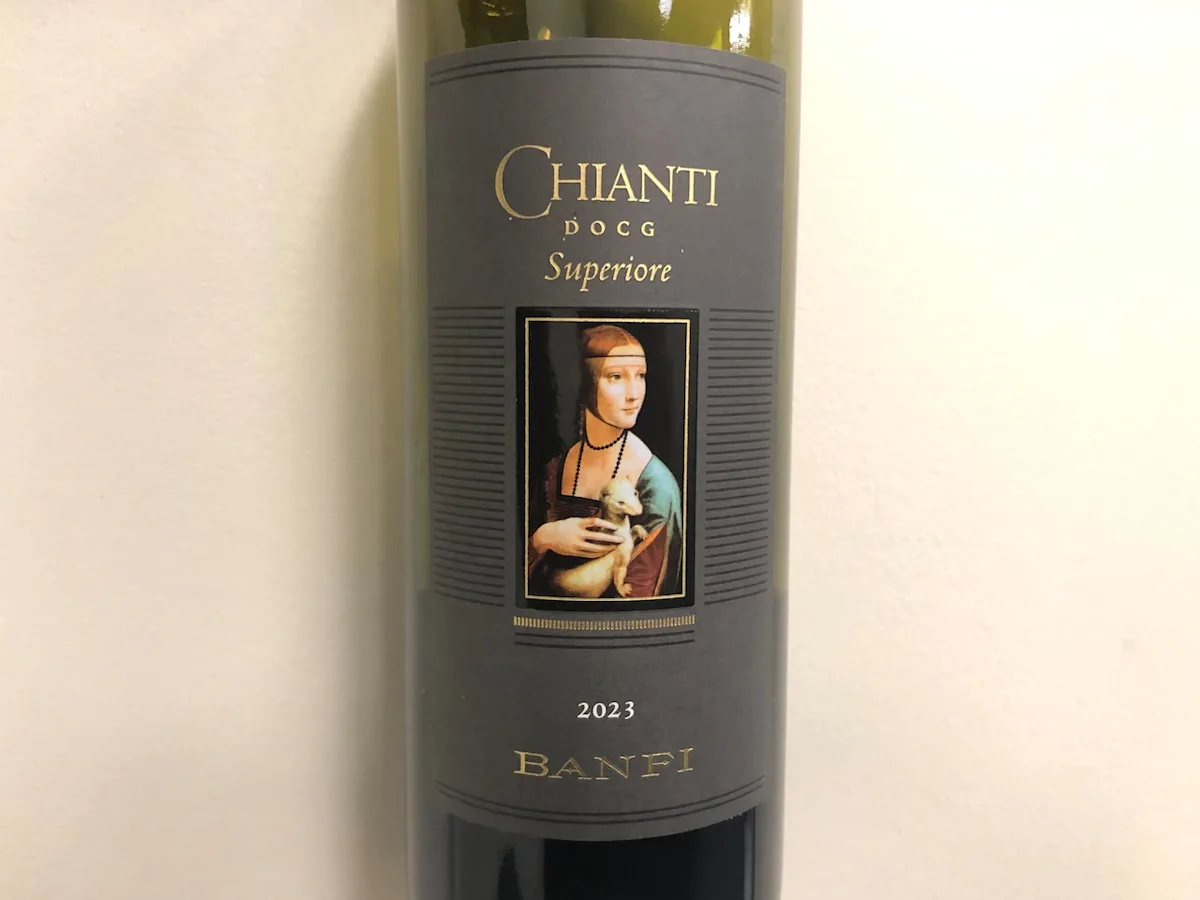
2022 Banfi Chianti Superiore ($13.99 at Table & Vine)
Grapes: Blend of Sangiovese and Canaiolo Nero
Region: Chianti, Tuscany
Tasting notes: Smooth, rich flavors with hints of strawberry and citrus.
2023 Banfi Chianti Classico ($17.99 at Table & Vine)
(Favorite wine of the class)
Grapes: Blend of Sangiovese and Canaiolo Nero
Region: Chianti Classico, Tuscany
Tasting notes: Smooth, more depth, fuller red wine with more body and hints of cherry and oak.
2021 Banfi Chianti Classico Riserva ($22.99 at Table & Vine)
Grapes: Blend of Sangiovese and Canaiolo Nero
Region: Chianti Classico, Tuscany
Tasting notes: Smooth red wine with oaky notes and hints of dark chocolate. Takes more time to open than many of the other wines.
2023 Ciacci Piccolomini d’Aragona Rosso Di Montalcino ($24.99 at Table & Vine)
Grape: Sangiovese
Region: Rosso di Montalcino, Tuscany
Tasting notes: Rich, luxurious, spicy wine with hints of vanilla, chocolate and cinnamon flavors.
2020 Il Valentiano Campo Di Marzo Brunello Di Montalcino ($39.99 at Table & Vine)
Grape: Sangiovese
Region: Brunello di Montalcino, Tuscany
Tasting notes: Aged for three years in French oak barrels, this robust, well-balanced wine has a full aroma and flavors, including hints of tobacco, oak, cherry and pomegranate.
Cheers!
Wine Press by Ken Ross appears on Masslive.com and in The Republican’s Weekend section.
Read the original article on MassLive. Add MassLive as a Preferred Source by clicking here.