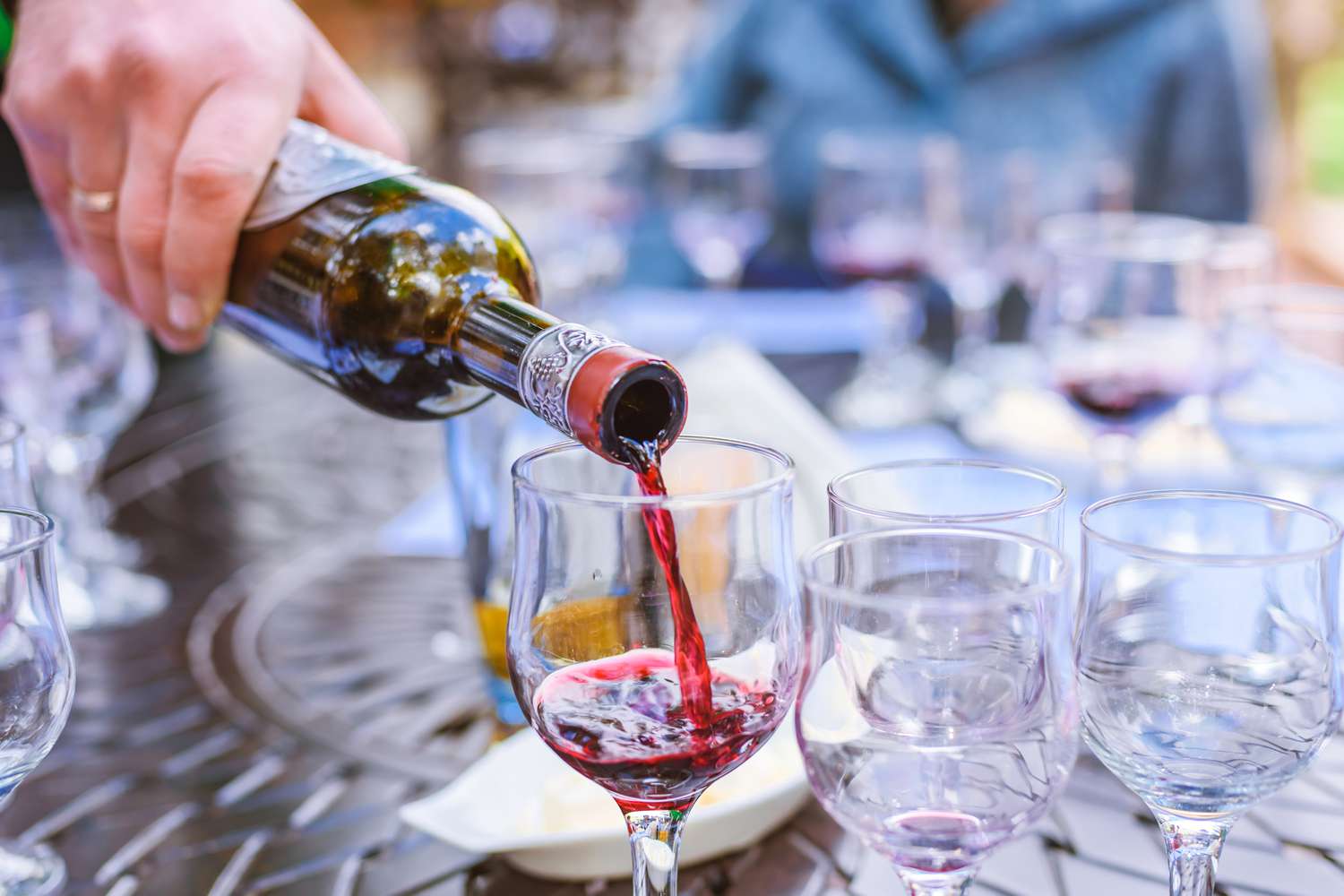
A slightly bittersweet heads-up that this will be my last Wine Watch column for DutchNews (at least for now). It’s been a wonderful year-and-a-half, during which I’ve delighted in all the wine research, not to mention tasting my way through the bottle recommendations.
If you’d like to maintain your regular dose of wine (in moderation, of course), please join me over on Substack for my newsletter, The Wine Edit, or follow me on Instagram @TrufflesandTannins.
Where I grew up (in the UK), we had a saying about the month of March: “in like a lion, out like a lamb”. I don’t know about you, but I’ve never found March in northern Europe to be particularly lamb-like. We have to wait until the very last weekend of the month for the clocks to go forward, and the trees are still almost entirely devoid of spring leaves. By my reckoning, it’s still decidedly winter.
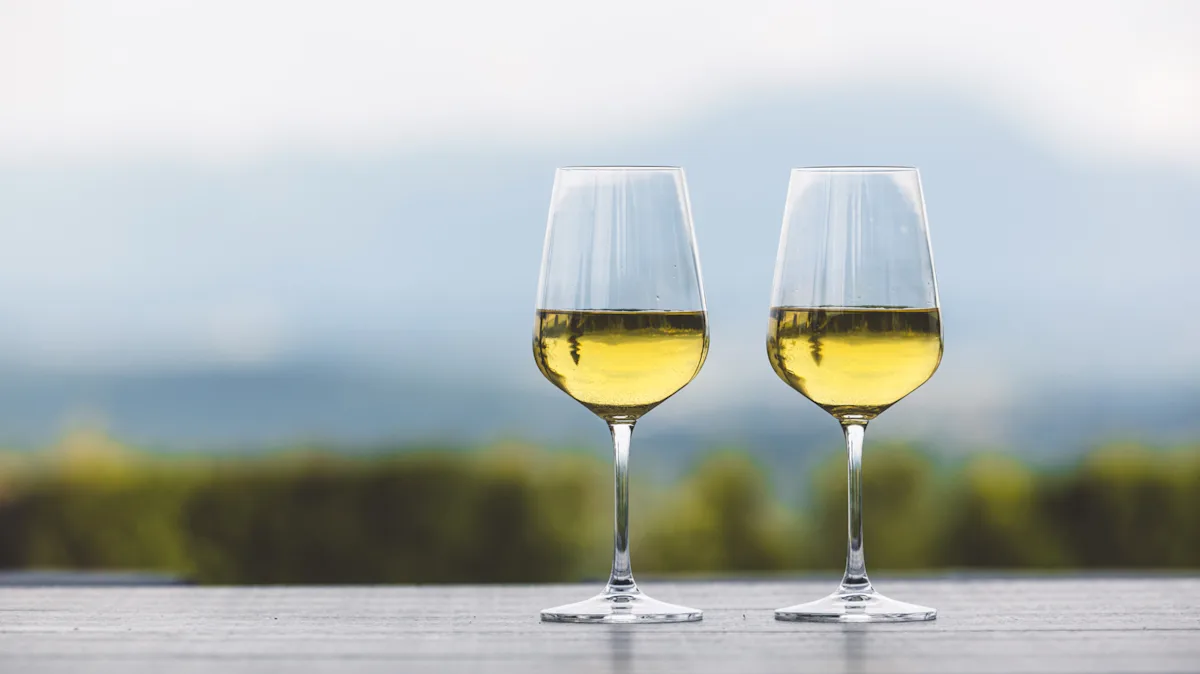
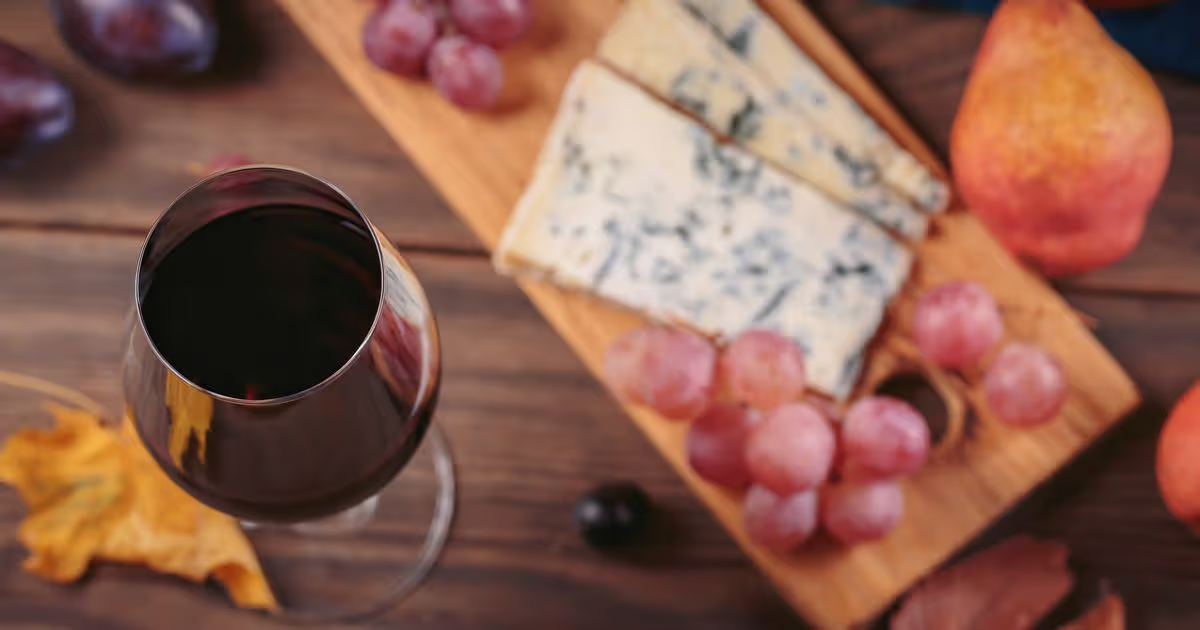
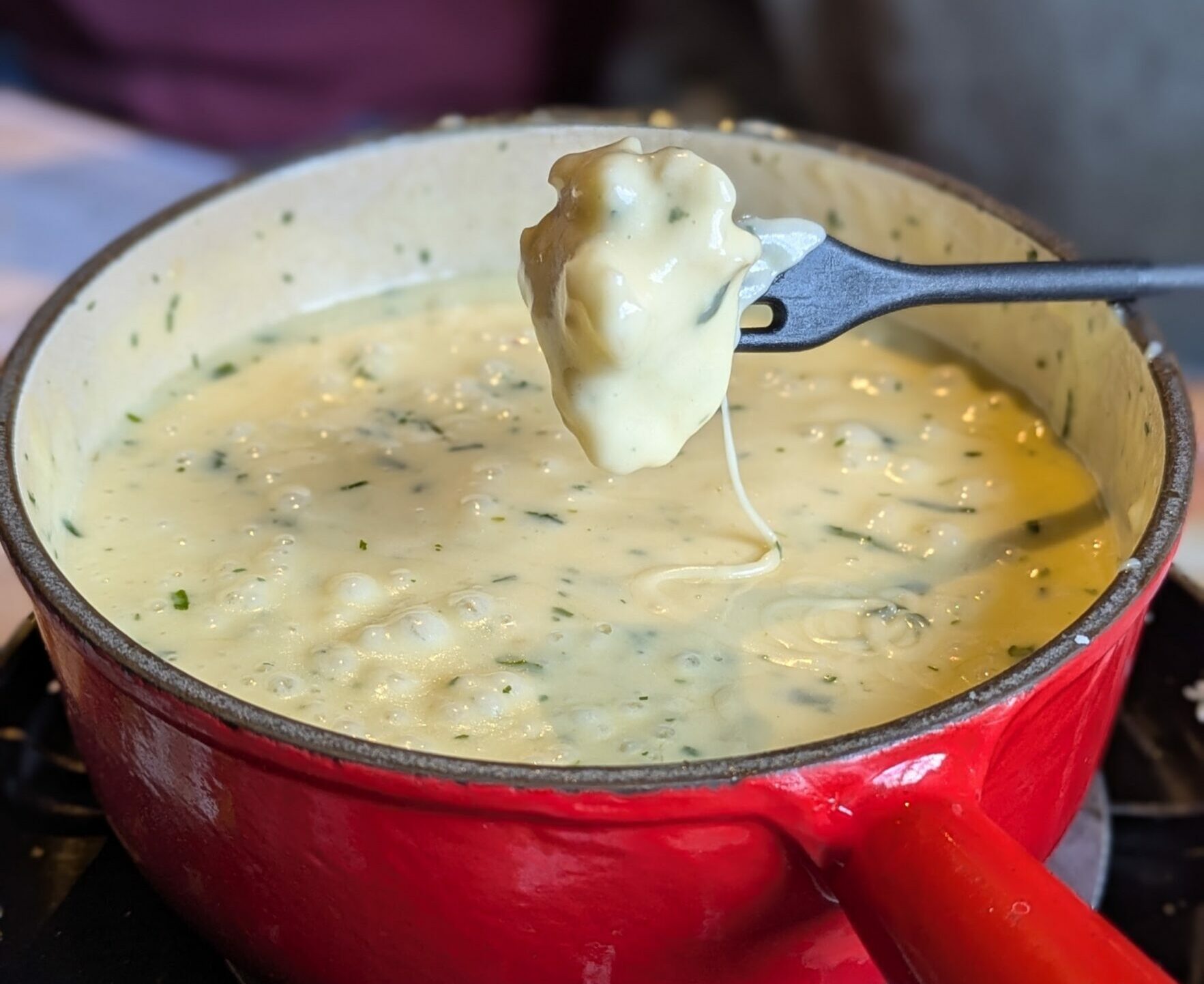
And so I find myself returning once again to my comfort food of choice: cheese. This time, in the form of fondue – bubblingly molten, scorchingly hot, and bracingly boozy. Some kind of pre-fondue winter sport activity is advisable given the calorific intake, but by no means obligatory. And what’s more advisable still is a glass of wine – preferably white, bone dry and searingly high in acidity to cut through the fattiness of the fondue.
Switzerland’s signature styles
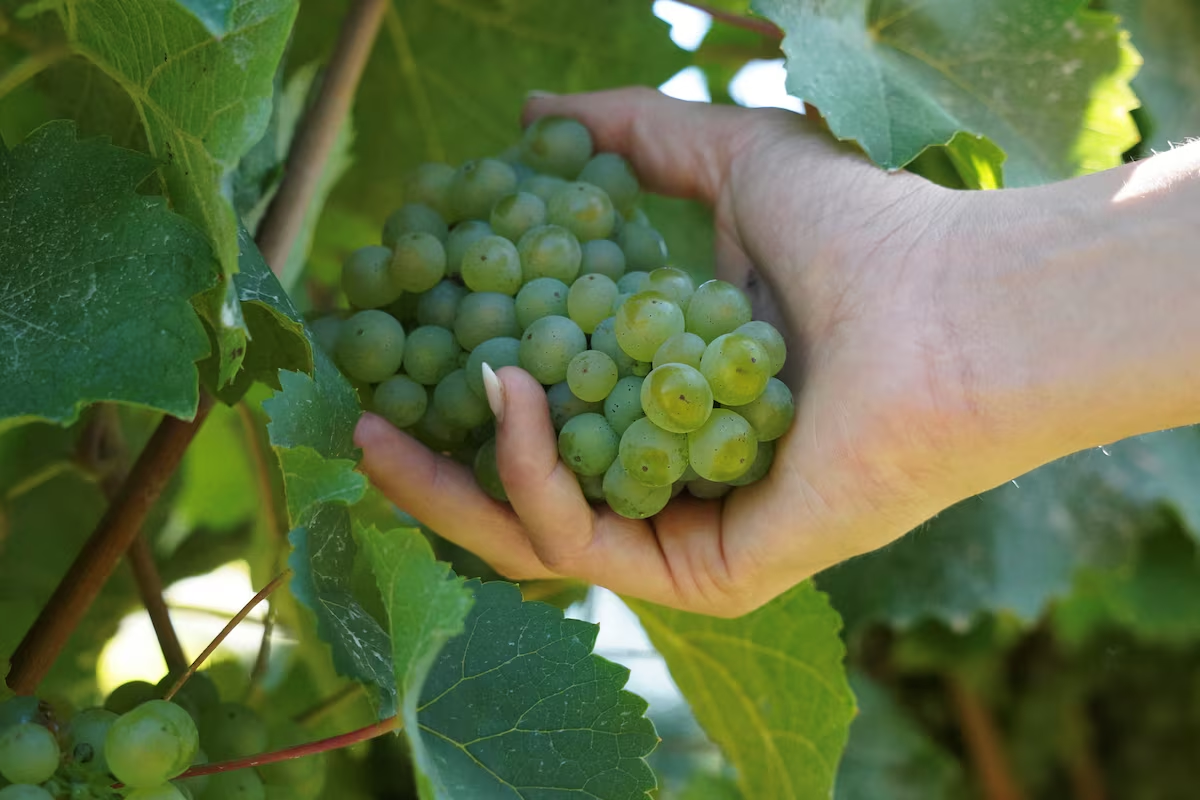
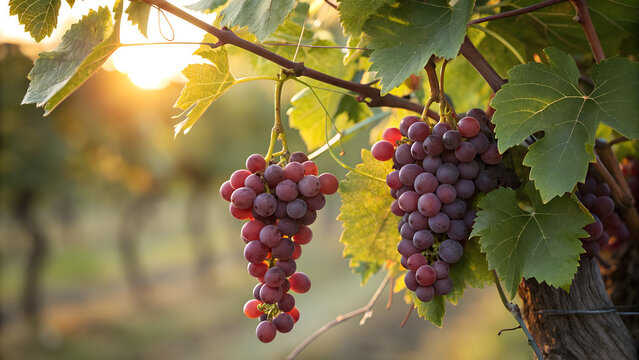
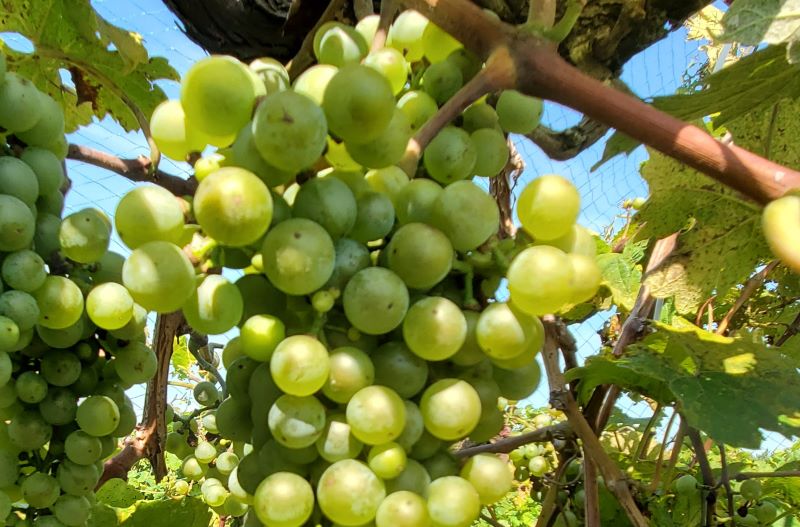
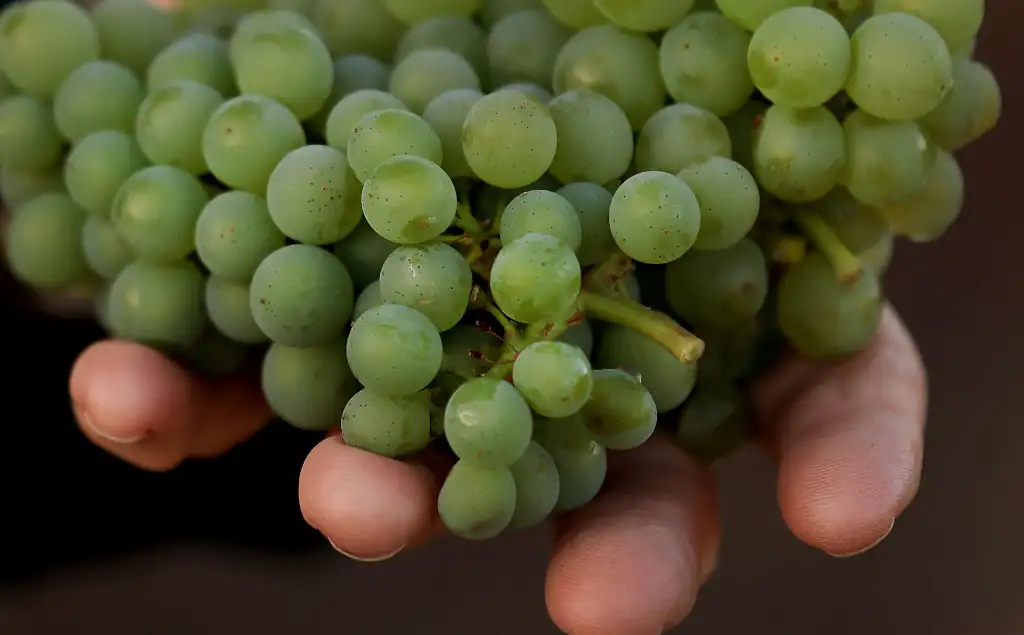
This is where Swiss wines come into their own. Switzerland’s signature white grape is Chasselas, although it takes different names in different regions (we’ll come back to that in the recommendations below). Chasselas is known for its lively acidity, strong mineral backbone, food friendliness and relatively neutral flavour (it’s not a classically “aromatic” grape although I find it still has plenty going on).
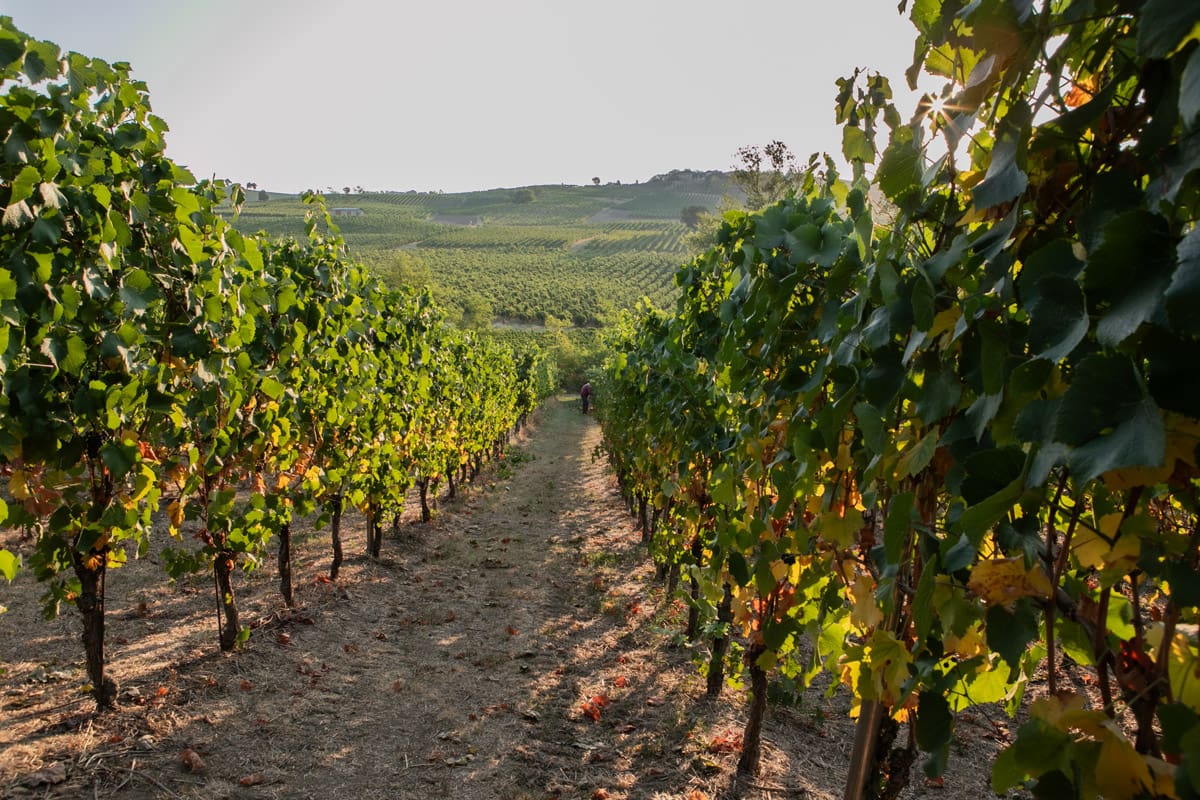
In fact, Switzerland has lots of native grapes you’re likely never to have heard of, as well as genetically selected crossings that are particularly suited to the country’s Alpine climate. That said, when it comes to red wines in particular, you’ll also find cool-climate staples like Pinot Noir and Gamay that are right on trend: fresh, juicy and dangerously crushable.
Availability abroad (or lack thereof)
The only downside to Swiss wine is that it’s notoriously difficult to get hold of outside of Switzerland: production volumes are low, prices are high and export is limited. The vast majority of Swiss wines are consumed domestically – which makes it all the more special when you do come across a bottle in the Netherlands…
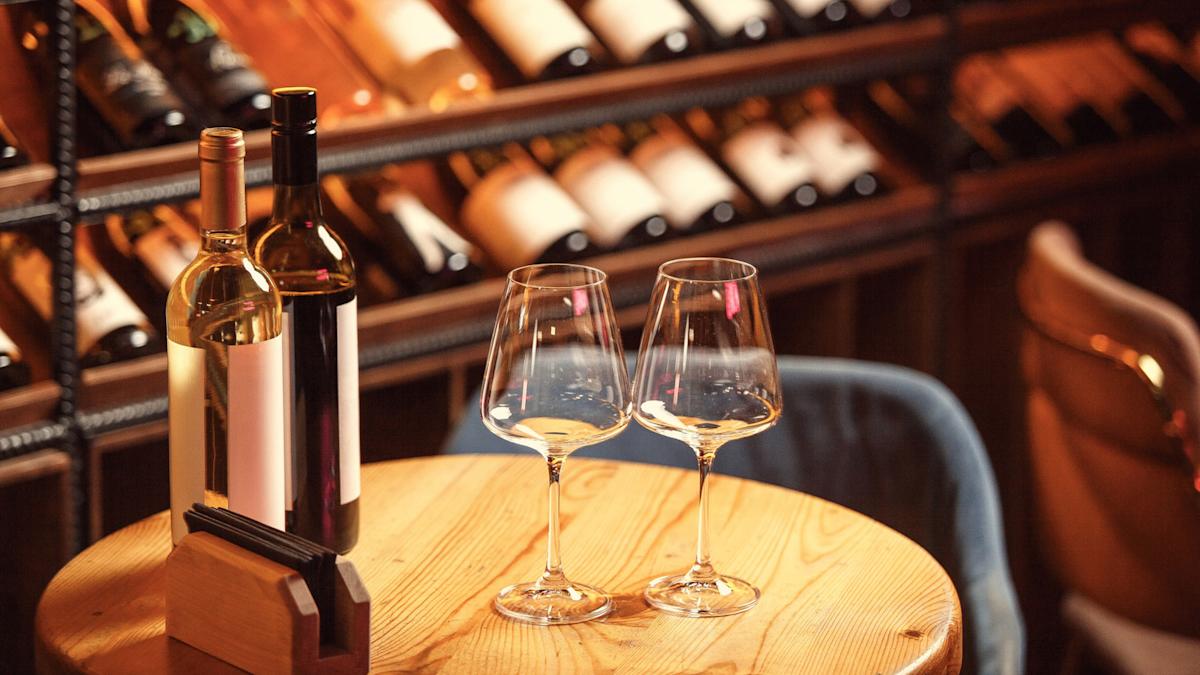
My three picks below break my own rules for budget, mid-range and higher-end wines, because I wasn’t able to find anything Swiss for under €15. Instead, I’ve deliberately kept all three recommendations within the most affordable range for Swiss wines at between €15 and €20 per bottle, but even at this price point the average quality is high.

Les Celliers De Vétroz Fendant, Valais 2024 (€15.29 at Gall & Gall)
Nationwide chain Gall & Gall carries a surprisingly wide range of Swiss wines, of which the most affordable is this Fendant (that’s one of the local names for Chasselas that I mentioned) from the mountainous Valais region. It’s simple and drinkable, with high acidity and medium body – giving aromas of almond, lemon peel, pear and fennel while showing strong minerality on the palate. This wine does exactly what it says on the tin (or rather, bottle): provide the perfect counterpoint to cheese.
Gall & Gall also sells a Petite Arvine from the same producer, which (if it’s anything like the Petite Arvine I tried in Geneva in January) could well be magnificent. At €36.99, it’s out of my price range, but for those with more cash to splash I’d say it’s worth a splurge.
La Barmaz Fendant, Valais 2021 (€16.50 at Wijn op Dronk)
Another Fendant (Chasselas) from the Valais region, this time produced by winemaker Renaissance. It’s barely a euro more than the first wine, but a step up in terms of complexity. Fruit ranges from lime to apples and pears to white peach, with a floral/herbal fragrance and a full-bodied, slightly boozy hit. This is exactly what I want to drink with my fondue in an Alpine chalet in the Swiss mountains.
La Barmaz Dôle, Valais 2019 (€17.50 at Wijn op Dronk)
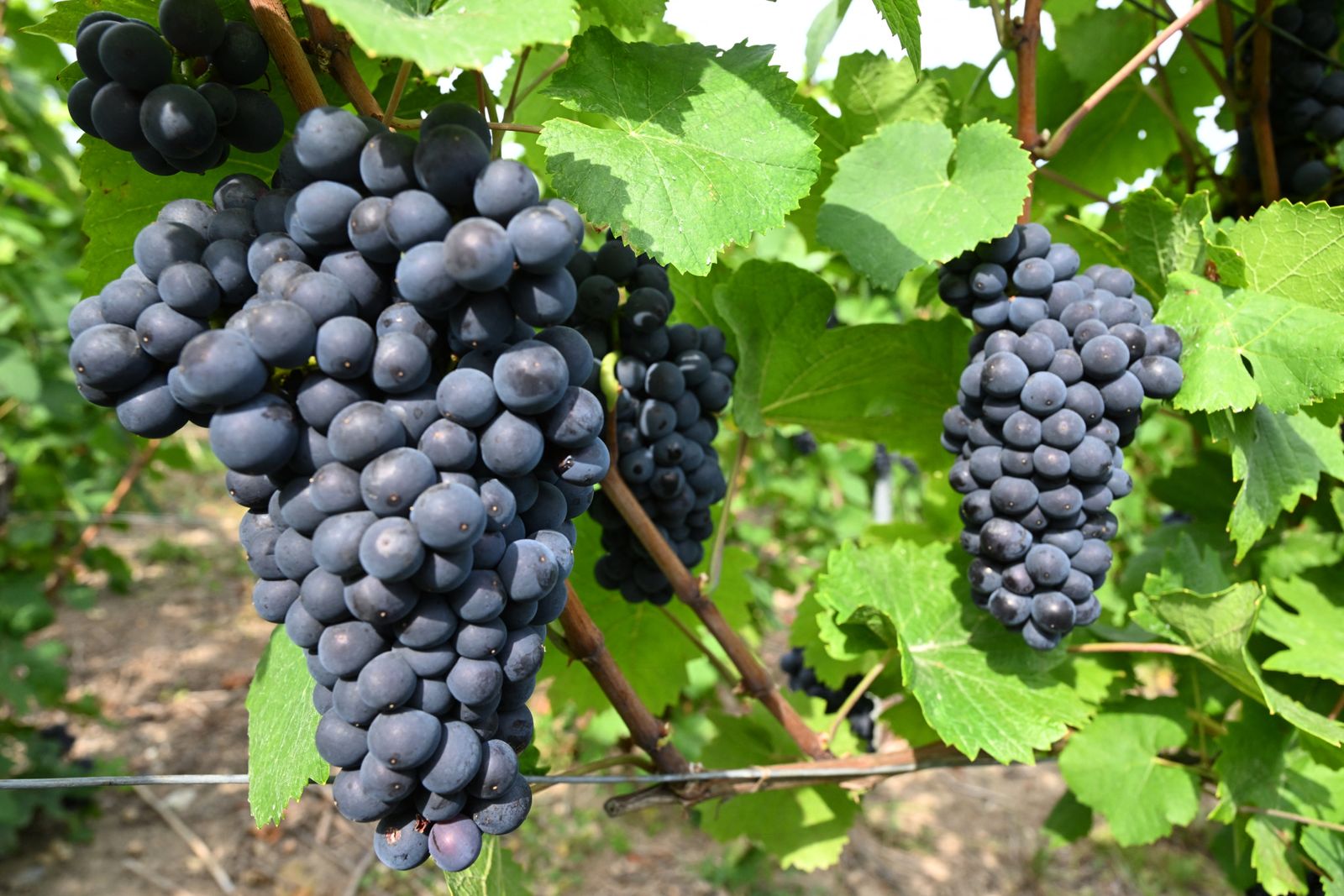
Dôle is a style of wine with a long tradition in the Valais region: a blend of Pinot Noir (at least 51%) and Gamay grapes. I was a little sceptical when I saw the vintage of this wine (it’s almost seven years old and unoaked) but it impressed me on every level. The Pinot Noir provides floral hints of violet and complex tones of forest floor, while the Gamay brings bright red fruits like cranberries and redcurrants. It’s also wonderfully well-balanced: fresh in acidity, medium in body and with some beautifully well-integrated tannins. Drink now (it might not improve with further age) and pair with duck or game.
Interested in learning more about Swiss wine? Take a look at my Substack articles about Swiss grapes and wine bars in the region around Geneva.