
Cultivating and caring for edible plants is a rewarding endeavor that many gardeners look forward to every season. To enhance your gardening experience, consider planting crops that can be harvested continuously throughout the season, rather than varieties that produce only once.
Below, agricultural experts highlight a variety of continuous-harvest crops that can enrich your gardening experience and allow you to maximize the rewards of your efforts. From strawberries to lettuce, these refreshing fruits and vegetables keep producing, ensuring there is plenty for you to enjoy and share with others.
Meet the Expert
Related: 10 Cut-and-Come-Again Vegetables That Supply Fresh Produce All Season
01 of 09
Leaf Lettuce

joannatkaczuk / Getty Images
Leaf lettuce (Lactuca sativa) is praised for its ability to produce new leaves consistently. Ankit Singh, assistant professor and ornamental horticulture educator at the University of Maine Extension, says leaf lettuce can be harvested every three to four weeks. “You can sow leaf lettuce in spring and continue to harvest leaves multiple times until the plant bolts,” says Singh. He also highlights that fall sowings can yield several cuttings until the frost arrives. To ensure a continuous harvest, pick the outer leaves while leaving the inner, smaller leaves to keep growing.
-
Size: 6 to 12 inches tall x 6 to 12 inches wide
-
Care requirements: Full sun to partial shade; well-draining soil rich in organic matter
02 of 09
Everbearing Raspberries

Andrei Metelev / Getty Images
There’s an undeniable joy in being able to harvest delicious raspberries (Rubus idaeus) time and again. Certain varieties of everbearing raspberries, like ‘Heritage’ and ‘Caroline,’ are capable of producing two harvests annually: one in the summer and another in the fall. Marvin Pritts, a professor of horticulture at Cornell University’s School of Integrative Plant Science, says that while these types are often labeled as ‘everbearing’ in catalog descriptions, a more precise term would be ‘double-cropping’ or ‘primocane-fruiting.’ To successfully achieve double cropping, it’s essential to prune the spent floricanes following the summer harvest.
-
Size: 4 to 8 feet tall x 3 to 6 feet wide
-
Care requirements: Full sun; well-draining soil rich in organic matter
03 of 09
Kale

Wera Rodsawang/Getty Images
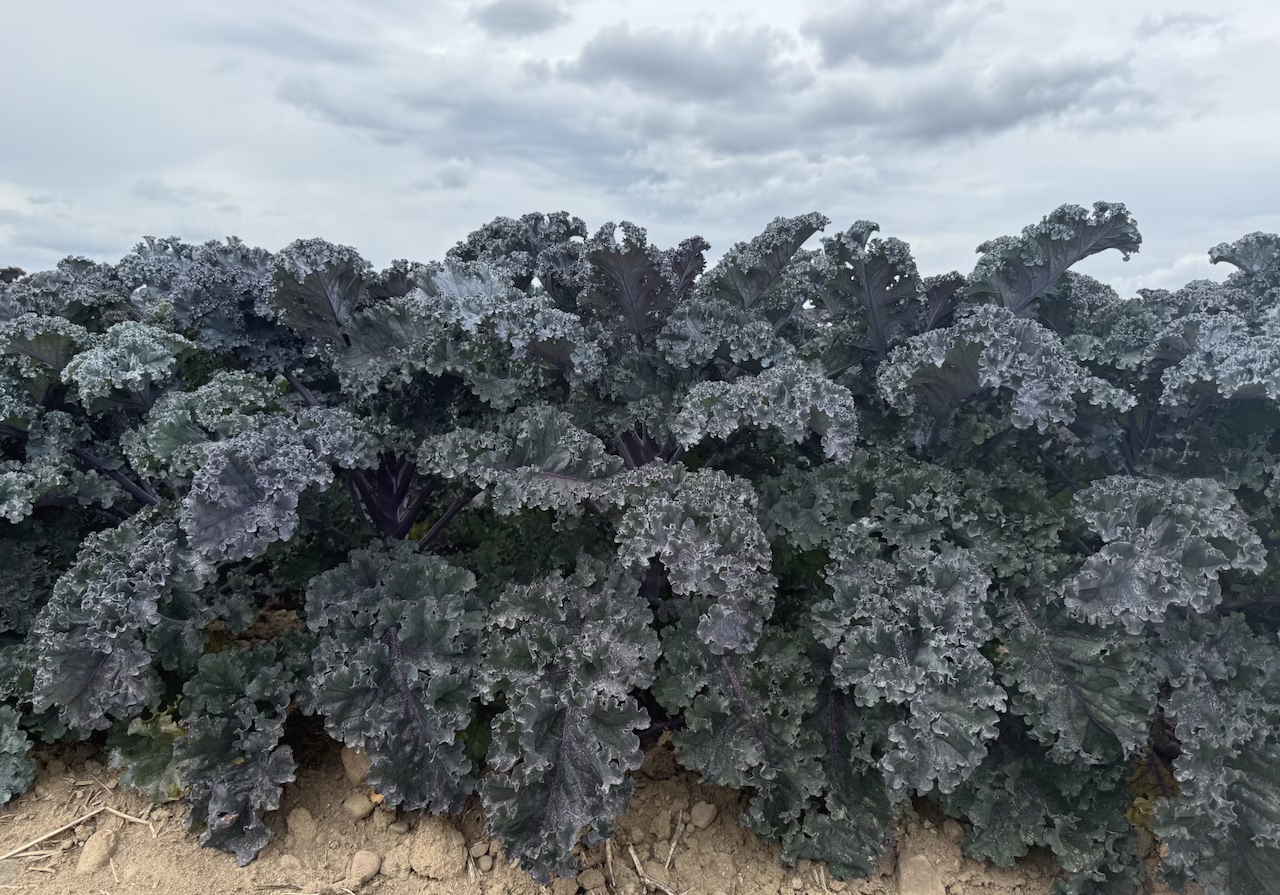
Kale (Brassica oleracea) is a cool-season green that can be harvested multiple times throughout its growing season, making it a great cut-and-come-again crop. According to Singh, you can harvest kale every two to three weeks from late spring until early winter. Once the plants mature, regularly picking the outer leaves will encourage new growth from the center. Similar to leaf lettuce, it’s best to leave the younger, central leaves intact when harvesting to promote further development.
-
Size: 12 to 48 inches tall x 12 to 24 inches wide
-
Care requirements: Full sun to partial shade; well-draining soil rich in organic matter
04 of 09
Green Beans

Getty / DircinhaSW
Green beans (Phaseolus vulgaris) provide a quick harvest and enrich the soil with nitrogen and other essential nutrients. Both bush and pole beans can be harvested every three to seven days during peak summer production. “Once beans start producing, frequent picking encourages the plant to continue producing for several weeks,” says Singh. It is best to harvest the beans when they are young and tender, approximately 4 to 6 inches long.
-
Size: Bush beans: 1 to 2 feet tall x 1 to 2 feet wide. Pole beans: 6 to 15 feet tall x 3 to 4 feet wide.
-
Care requirements: Full sun; well-draining soil rich in organic matter
05 of 09
Day-Neutral Strawberries

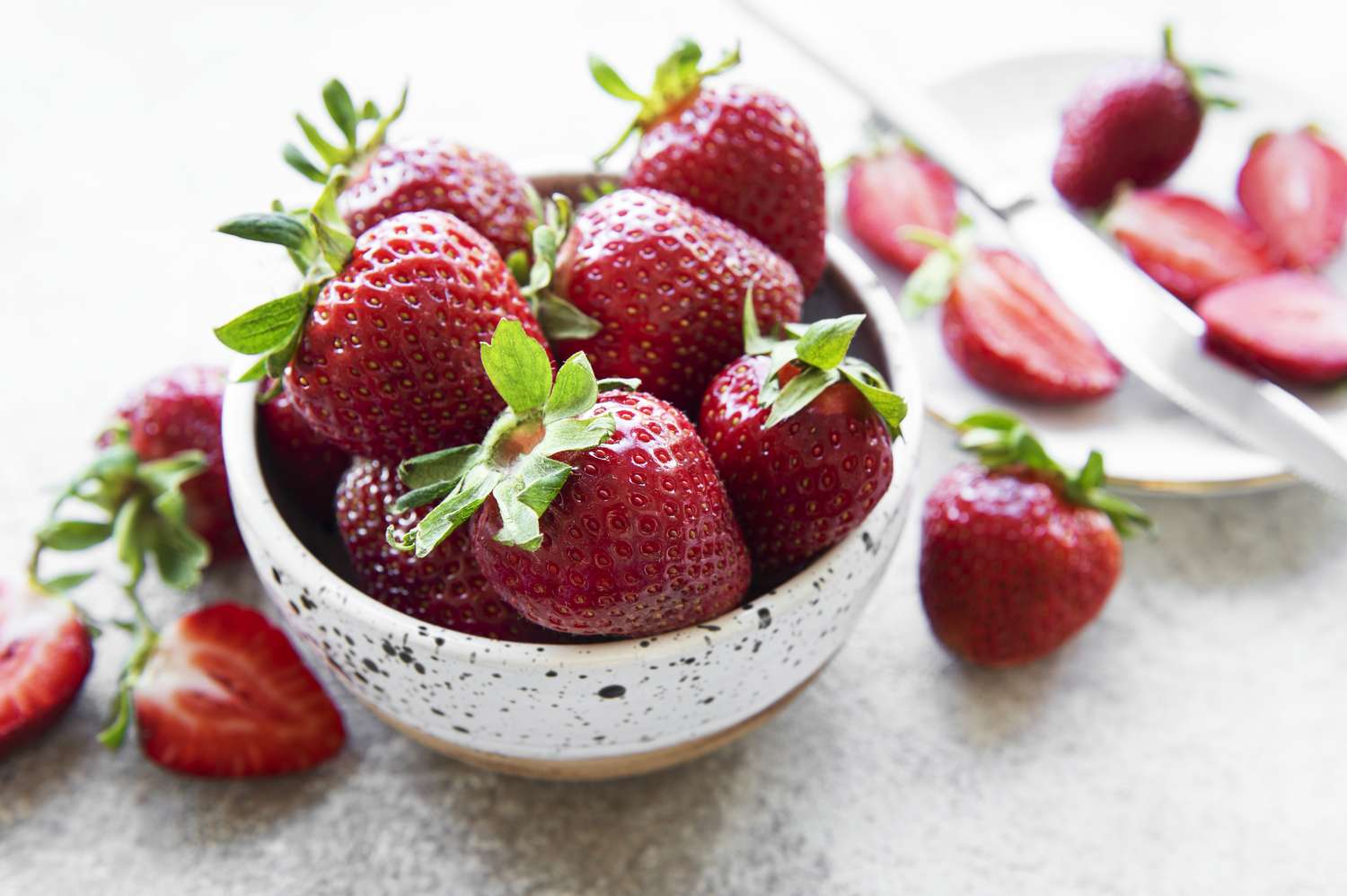
Nothing says summer quite like picking juicy strawberries (Fragaria × ananassa) fresh from the plant. Unlike June-bearing strawberries, which have a single concentrated harvest, day-neutral strawberries produce a continuous crop throughout summer and into fall, according to Pritts. Although the individual harvests might be smaller than those of June-bearing varieties, the overall yield for the entire season can be significantly higher with day-neutral varieties. Pritts also notes that when properly overwintered, day-neutral strawberries will produce a spring crop the following year.
-
Size: 6 to 12 inches x 12 to 18 inches wide
-
Care requirements: Full sun; well-draining soil rich in organic matter
06 of 09
Cucumbers

Antonina Trushina / GETTY IMAGES
Cucumbers (Cucumis sativus) are a delightful summer treat, known for their refreshing flavor and satisfying crunch. If you want to set aside some cucumbers for pickling and others for snacking, you don’t need to worry—this plant produces plenty of fruit. Frequent harvesting encourages the cucumber plant to yield more fruit, resulting in additional harvests.
-
Size: 1 to 6 feet tall x 1 to 8 feet wide, depending on variety
-
Care requirements: Full sun; well-draining soil rich in organic matter
07 of 09
Everbearing Blackberries

Iuliia Bondar / Getty Images
If you enjoy the texture and taste of blackberries (Rubus), you’ll be pleased to know that these plants can produce two harvests each year. According to Pritts, primocane-fruiting blackberries yield a delicious crop in late summer and fall. In general, blackberries are adaptable to various soil types and conditions, making them a good choice for gardeners. Many popular everbearing varieties, such as ‘Prime-Ark Freedom’, are thornless, making them easier to handle and harvest.
-
Size: 4 to 10 feet tall x 4 to 6 feet wide, depending on variety
-
Care requirements: Full sun; well-draining soil rich in organic matter
08 of 09
Zucchini

Yelena Shander / Getty Images
Zucchini plants (Cucurbita pepo) are well-known for their impressive productivity, making them a favorite among gardeners who want abundant harvests. With just one plant, you can enjoy multiple harvests throughout the growing season. To maintain this fruitful yield, regular harvesting is essential. For the best flavor and tenderness, it is recommended to harvest zucchini when they reach about 4 to 6 inches long.
-
Size: 2 to 6 feet tall x 2 to 4 feet wide
-
Care requirements: Full sun; well-draining soil rich in organic matter
09 of 09
Tomatoes

Susumu Yoshioka / Getty Images
Tomatoes (Solanum lycopersicum) are among the most anticipated garden fruits, and thankfully, they are a crop that keeps on giving. Indeterminate tomato varieties are known for their continuous fruit production, providing juicy tomatoes throughout summer. While tomatoes naturally tend to produce fruit continuously, consistent watering, frequent harvesting, and regular scouting for pests and diseases can ensure that the harvests are ready and abundant.
-
Size: 6 to 10 feet tall x 3 to 5 feet
-
Care requirements: Full sun; well-draining soil rich in organic matter
Read the original article on Martha Stewart