
While dried fruits are often seen as healthy snacks, some varieties can raise blood sugar quickly in people with diabetes — portion and type matter.
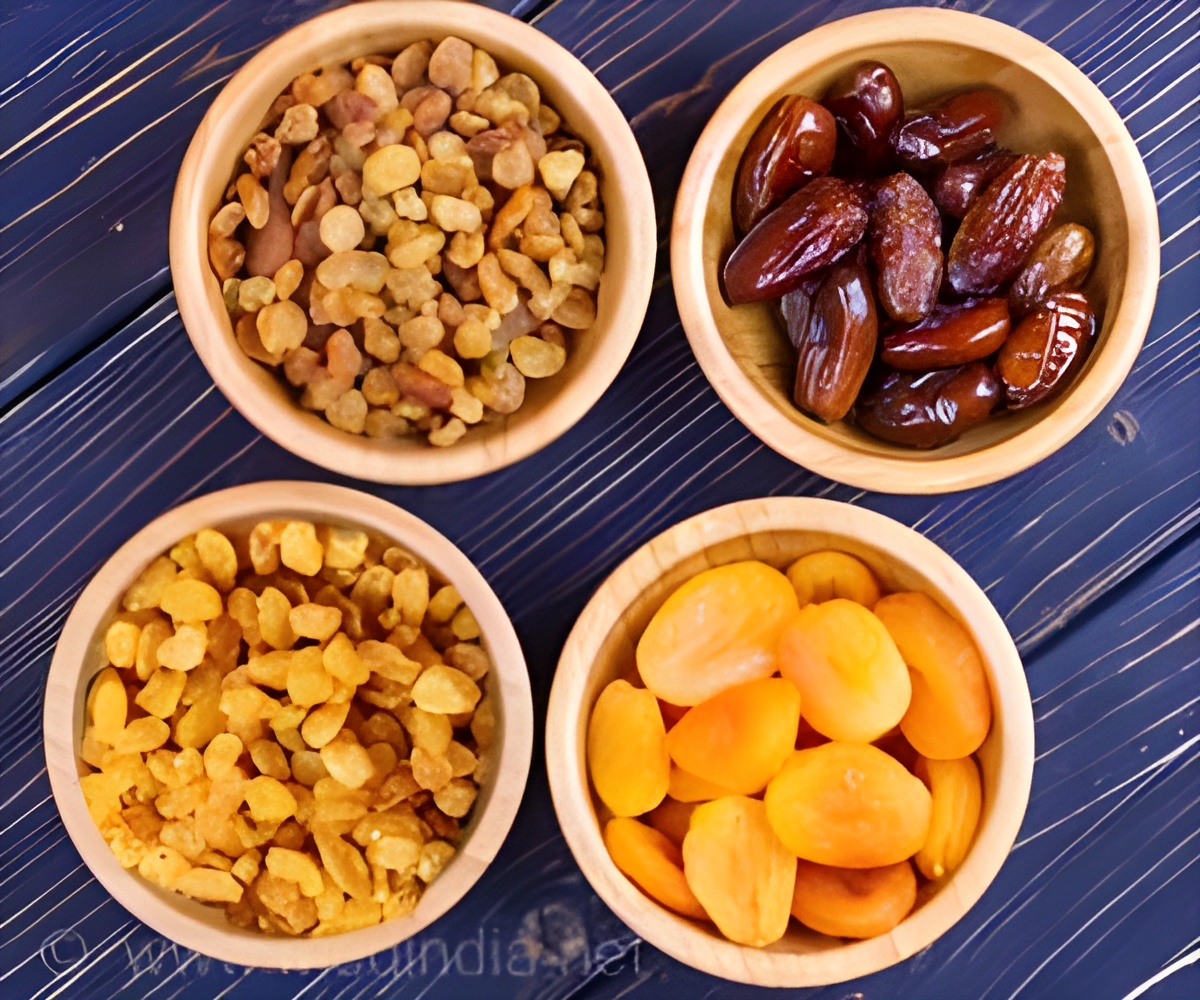
- Certain dried fruits like figs, dates, dried mango or banana chips have very high concentrated sugar and may spike blood glucose.
- Not all dried fruits are off-limits – nuts and low-sugar varieties offer benefits when eaten in moderation.
- Portion size, type of fruit, and processing matter: fresh vs dried, added sugar vs natural.
Dried fruits are often celebrated as healthy — full of fiber, vitamins, and antioxidants. But for someone with Diabetes mellitus, these snacks can be tricky. The dehydration process removes water and concentrates natural sugars, such as glucose and fructose, meaning that even a few pieces may contain the same amount of sugar as several fresh fruits (1✔ ✔Trusted Source
Effect of dates on blood glucose and lipid profile among patients with type 2 diabetes
).
Nutrition experts explain that many common dried fruits have a high glycemic index (GI) — they raise blood sugar quickly. For example, dried figs can be about 50–60% sugar by weight, and some dates over 70%.
What Makes the Difference
- Type of fruit: Figs, dates, dried mango, dried banana chips, and candied fruits are flagged as higher risk for diabetics.
- Added sugars/processing: Many dried fruits are coated, sweetened, or fried (like banana chips), which further increases their sugar load and calorie density.
- Portion size: Because sugar is concentrated, portion control becomes even more important. A handful may no longer be safe if you have diabetes.
Good Options & Smart Strategies
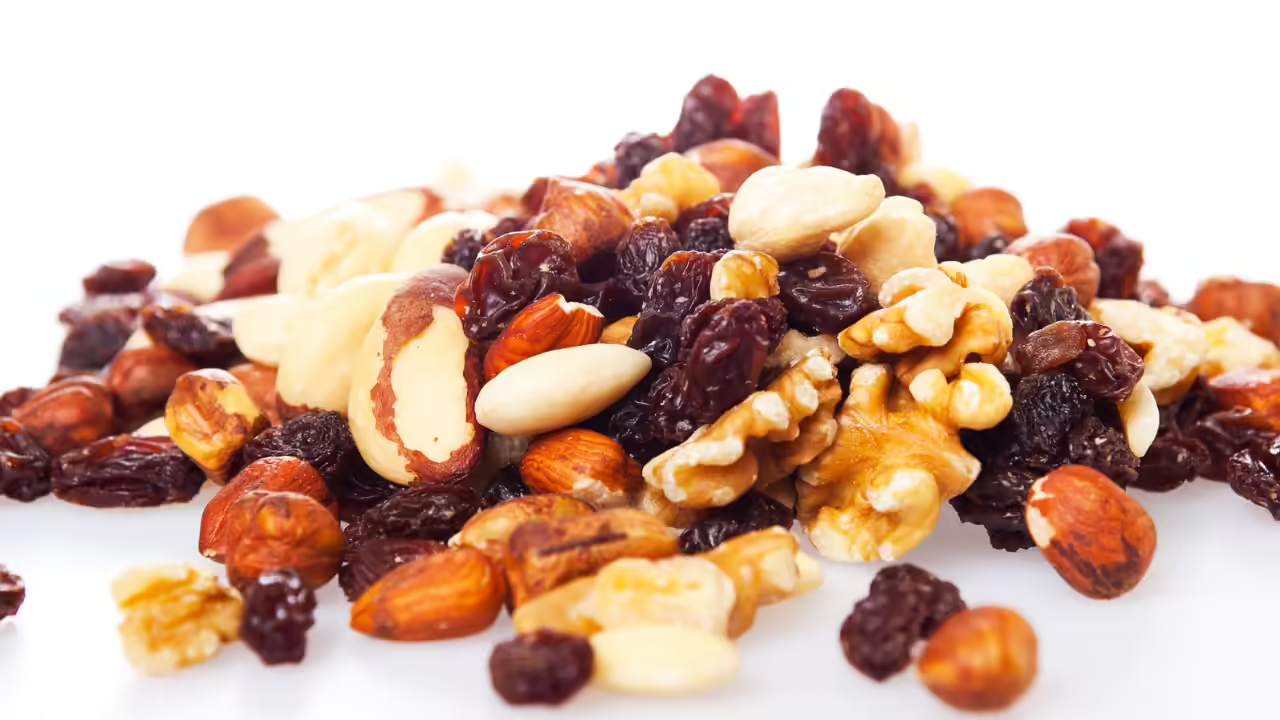
That doesn’t mean all dried fruits must be avoided. Some are beneficial when chosen wisely. Nuts and seeds, as well as low-sugar dried fruits without added sugar, can be combined with proteins/fats to help. The article points out lower-sugar options such as almonds, walnuts, pistachios, cashews, peanuts — these offer healthy fats, fiber, and protein which slow glucose absorption.
Here are practical tips:
- Choose unsweetened, minimally processed dried fruits.
- Keep it to a small portion (e.g., 25-30 g or handful) rather than a large bulk.
- Pair dried fruit with protein or fiber (e.g., nuts, yogurt, oats) to blunt rapid glucose rises.
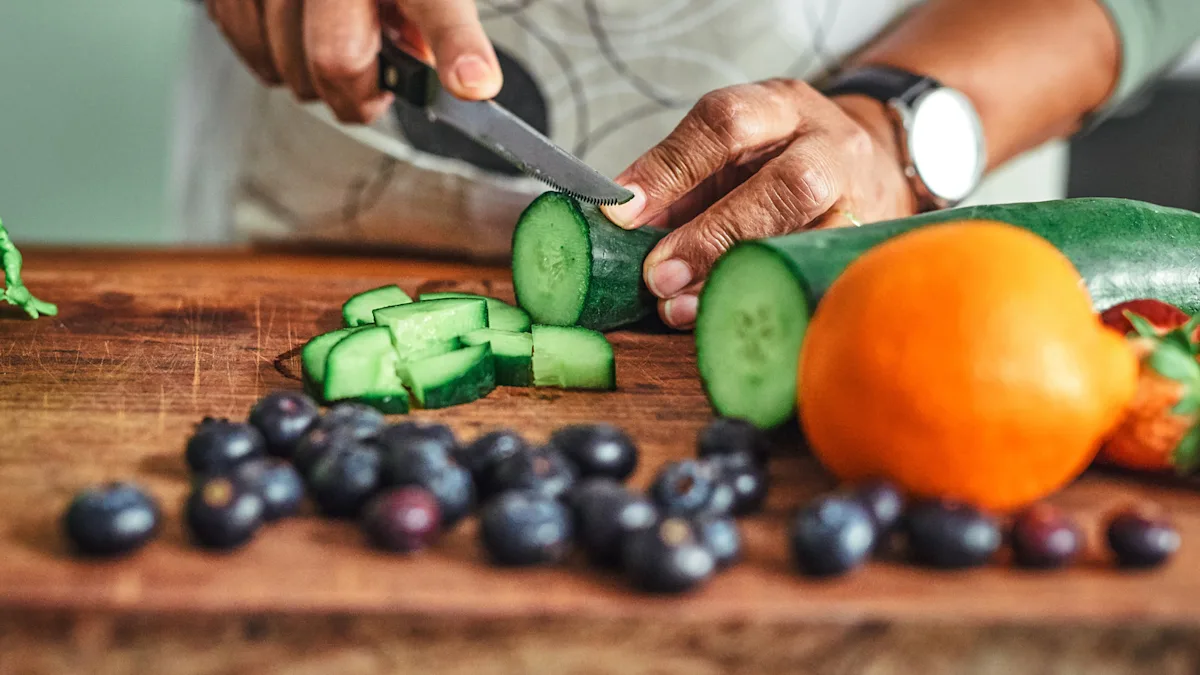
- Opt for fresh fruit when possible — the water content in fresh fruits slows sugar absorption.
Why It Matters for Diabetes Management
Maintaining stable blood sugar is central in diabetes care. Spikes after meals contribute to long-term complications in nerves, blood vessels, and organs. Recognising that “healthy snack” labels don’t always guarantee safety for people with diabetes is critical.
For someone with diabetes, a handful of dates may behave more like a small candy bar than a wholesome snack.
By understanding which dried fruits to avoid and how to snack smarter, patients can preserve better metabolic control, reduce complication risk, and maintain dietary freedom — without needless restriction.
Final Takeaway
If you have diabetes, your snack choices count — and yes, that includes dried fruits. While many are nutrient-rich, some types pack a sugar wallop that can compromise your blood glucose control. Instead of avoiding dried fruits altogether, focus on the right type, portion size, and pairing strategy. It’s not about giving up snacks — it’s about choosing snacks that support your health goals.
Reference:
- Effect of dates on blood glucose and lipid profile among patients with type 2 diabetes – (https://pmc.ncbi.nlm.nih.gov/articles/PMC11229973/)
Source-Medindia