
‘The key for diabetics is choosing low-to-moderate glycaemic index fruits and controlling portion sizes,’ advises dietician and rediffGURU Komal Jethmalani.

Kindly note the image has been posted only for representational purposes. Photograph: Kind courtesy Kriti Sanon/Instagram
Can diabetics eat grapes, bananas?
What fruits and foods should people with Type 1 and 2 diabetes avoid?
What are low glycaemic fruits?
Are papayas, berries and guavas good for diabetics?
Is all packaged food unhealthy for the body?
rediffGURU Komal Jethmalani, a nutritionist and dietician with nearly three decades of experience, suggests how to make the right diet and lifestyle choices.
- You can post your health-related questions to rediffGURU Komal Jethmalani HERE.
Anonymous: I’ve been told that fruits are good for health but also that people with diabetes should avoid sweet fruits.
This is so confusing because some say apples and papayas are fine, others say no fruits at all after meals.
Can you please explain which fruits are actually safe for diabetics and how much is too much?
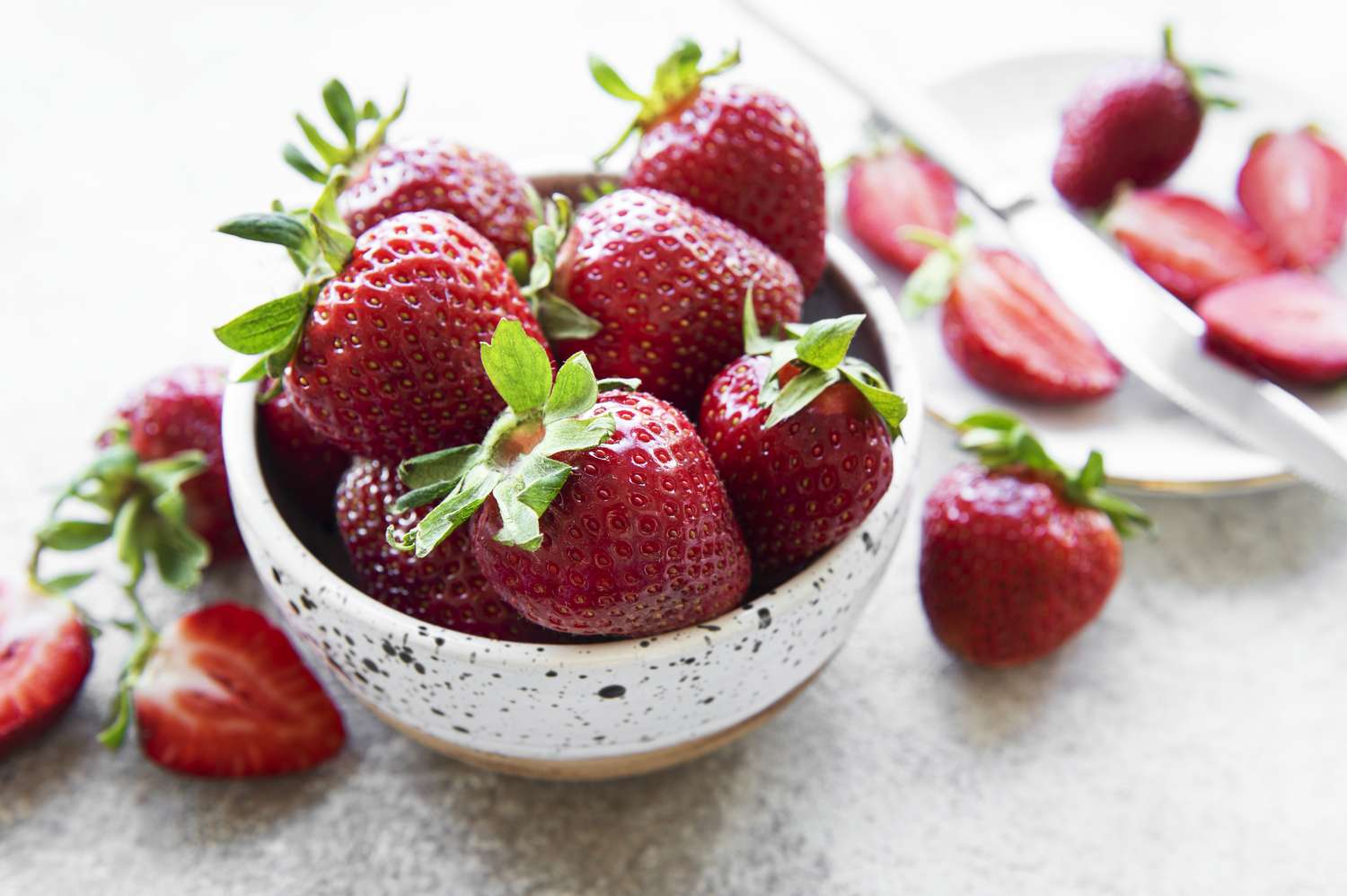
People with diabetes can safely eat fruits but the key is choosing low-to-moderate glycaemic index (GI) fruits and controlling portion sizes.
Apples, papayas, berries, guava and citrus fruits are generally safe while very sweet fruits like mangoes, grapes and bananas should be eaten in moderation.
The safe limit is usually one or two servings of whole fruit per day, paired with meals rather than eaten alone to avoid sugar spikes.
Anonymous: Everyone talks about clean eating these days but I’m not sure what it actually means.
Does it mean avoiding all packaged foods, or just choosing the right kind?
Clean eating doesn’t mean avoiding all packaged foods. It’s about choosing foods that are minimally processed, nutrient-dense and close to their natural state.
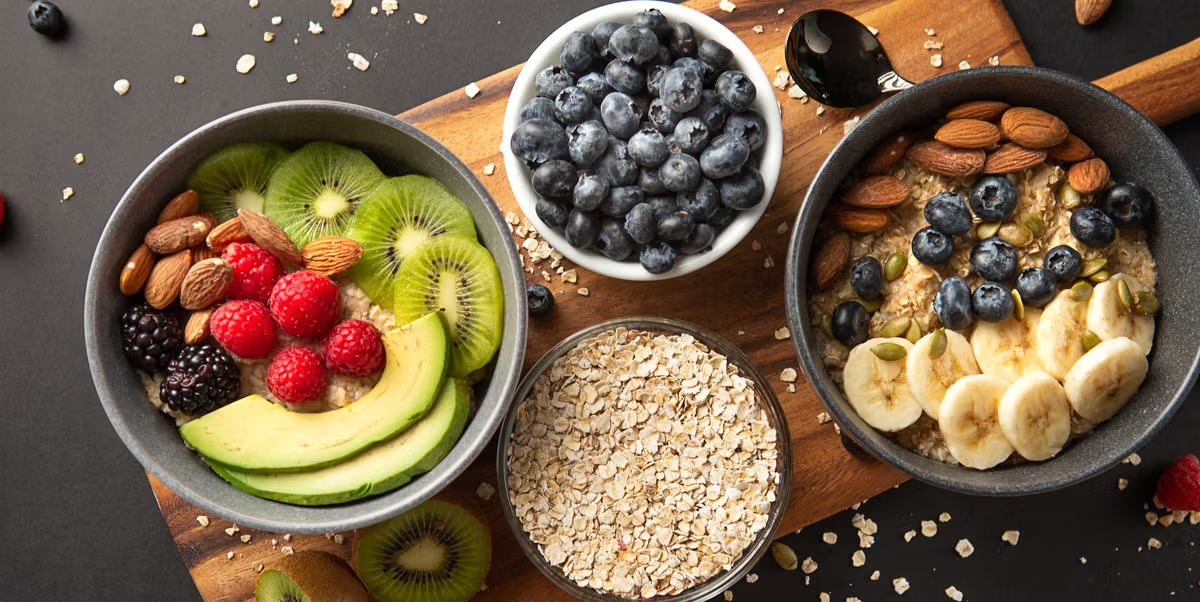
It includes limiting sugary snacks, refined grains, fried foods, etc, and focusing on whole foods like fruits, vegetables, lean proteins, whole grains, nuts, seeds and healthy fats.
Packaged foods can fit into clean eating if they’re simple, whole and free from excessive additives, sugar or preservatives.
Anonymous: I live in Dehradun. I have Type 2 diabetes and work in an office where there’s always tea and biscuits going around.
It’s so tempting and I often give in thinking ‘just one won’t matter’. But later I feel guilty.
What kind of healthy snacks or tea-time options can I keep at my desk that won’t spike my sugar levels but still satisfy cravings?
That’s such a relatable challenge!
I completely understand the temptation when biscuits are always around.
The good news is you can absolutely enjoy tea time without guilt if you keep diabetes-friendly snacks handy.
The trick is to choose options that are low in refined carbs, high in fiber or protein and portion-controlled so they satisfy cravings without spiking blood sugar.
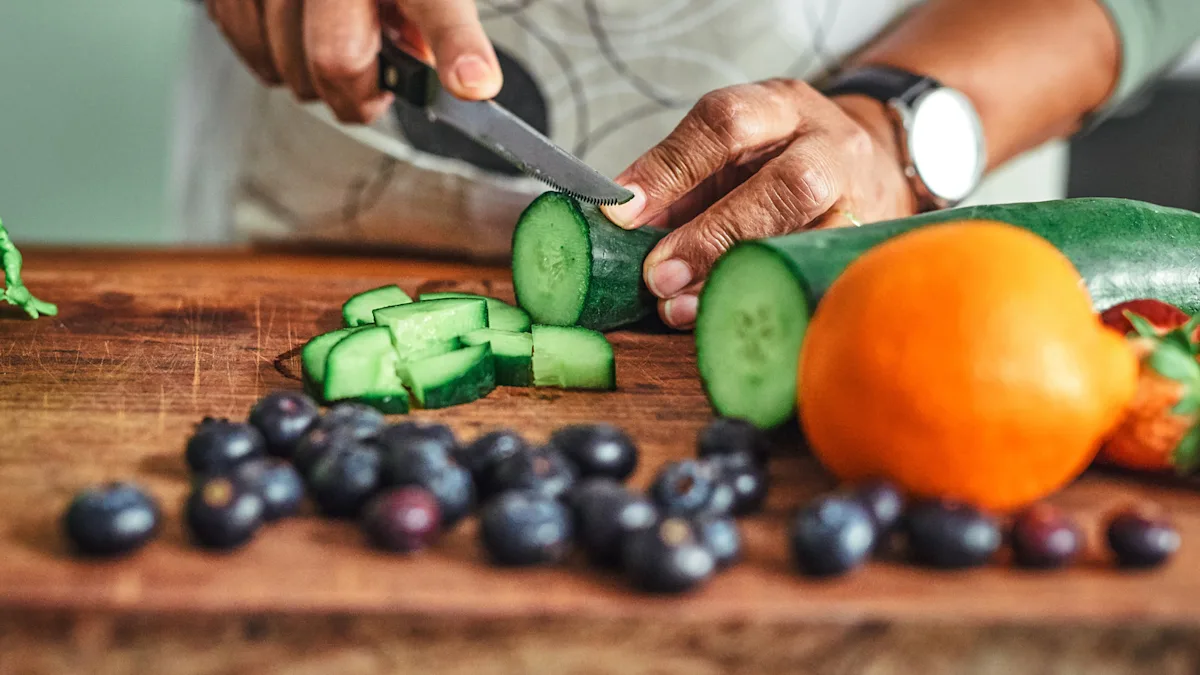
Include roasted chana (gram), unsalted nuts (almonds, walnuts, pistachios), seeds mix (flax, pumpkin, sunflower), roasted makhana (fox nuts) or low GI fruits like apple or guava slices paired with a few nuts, cucumber/carrot sticks with dips like hummus or hung curd.
- You can post your health-related questions to rediffGURU Komal Jethmalani HERE.
Disclaimer: All content and media herein is written and published online for informational purposes only. It is not a substitute for professional medical advice. It should not be relied on as your only source for advice.
Please always seek the guidance of your doctor or a qualified health professional with any questions you may have regarding your health or a medical condition. Do not ever disregard the advice of a medical professional, or delay in seeking it because of something you have read herein.
If you believe you may have a medical or mental health emergency, please call your doctor, go to the nearest hospital, or call emergency services or emergency helplines immediately. If you choose to rely on any information provided herein, you do so solely at your own risk.
Opinions expressed herein cannot necessarily provide advice to fit the exact specifics of the issues of the person requesting advice.