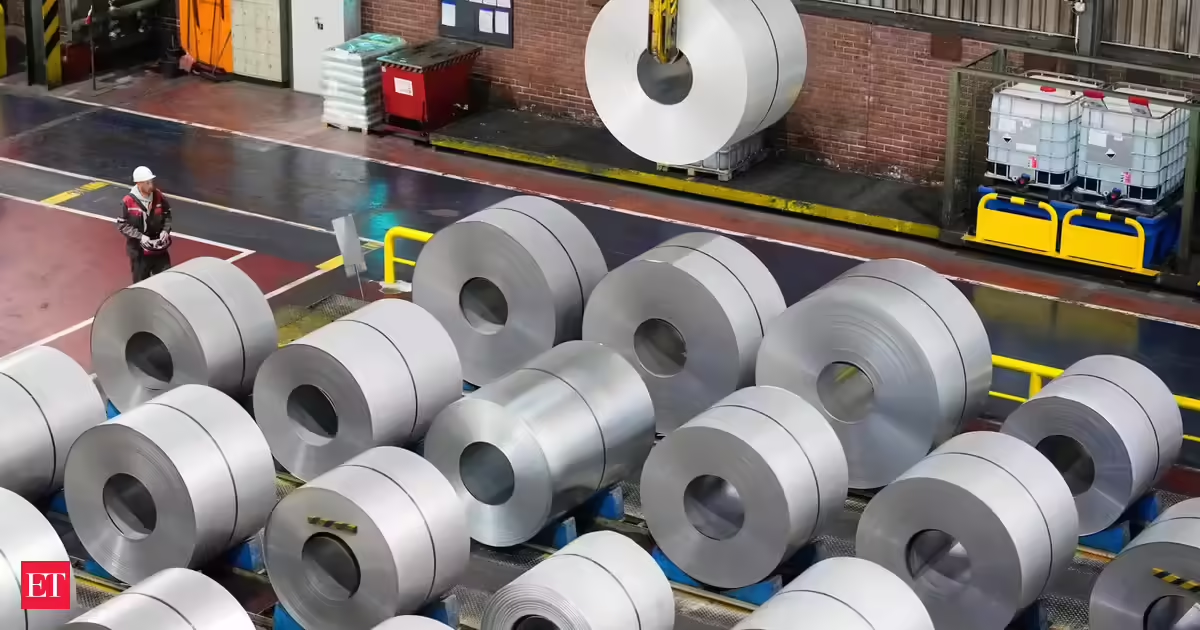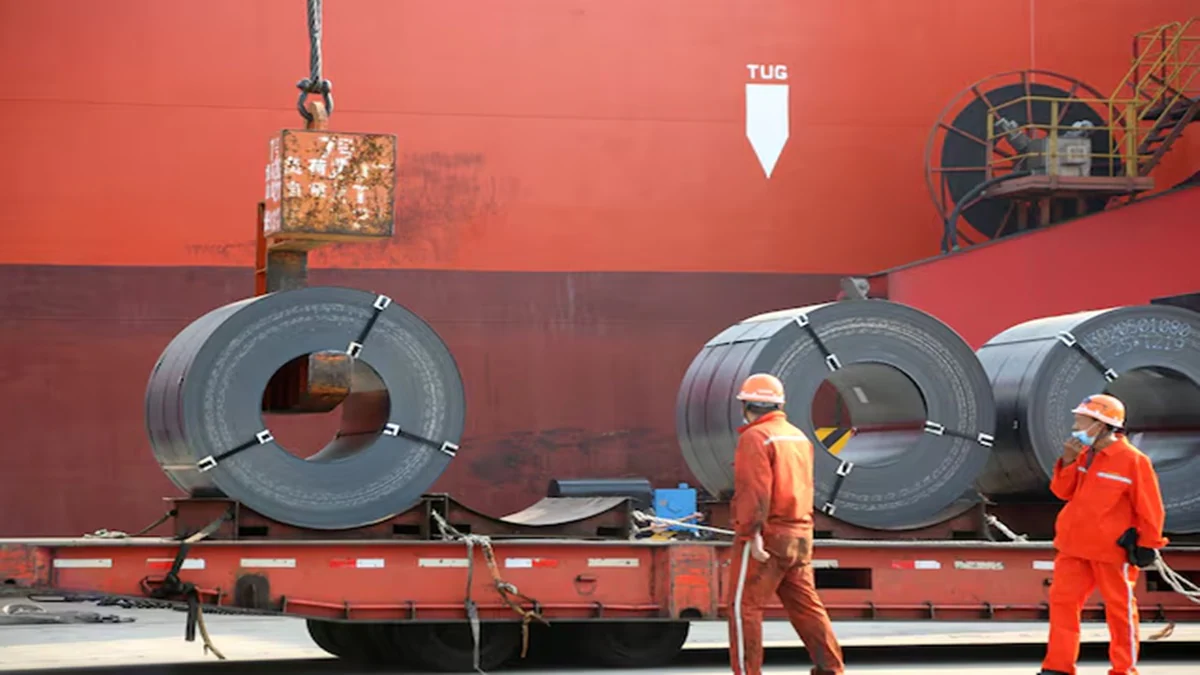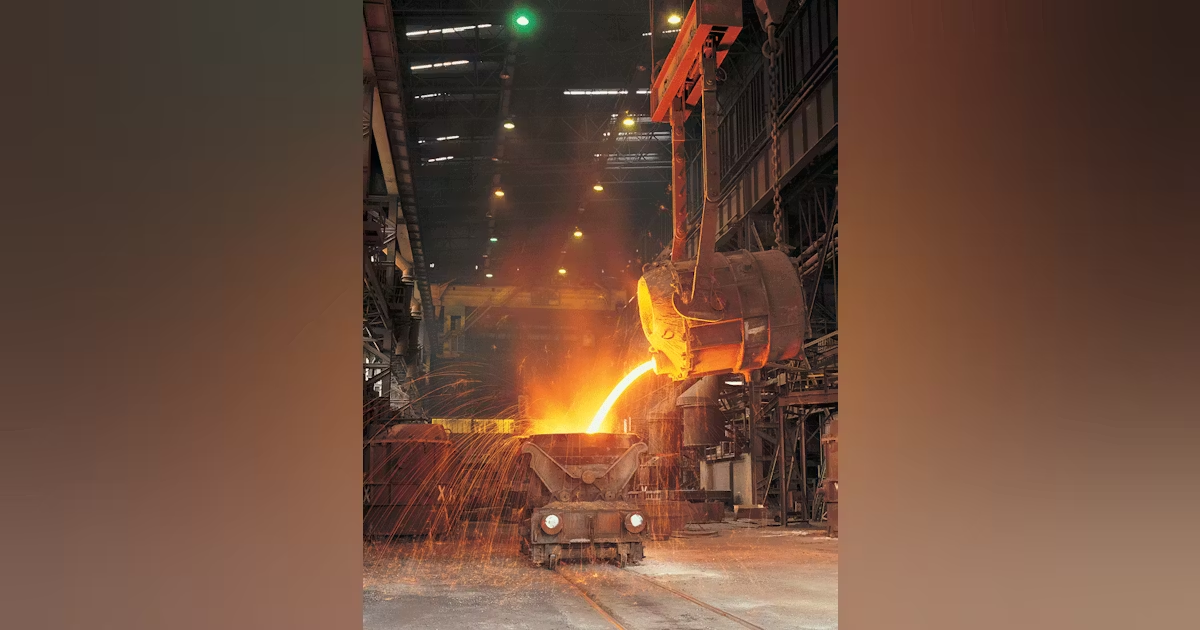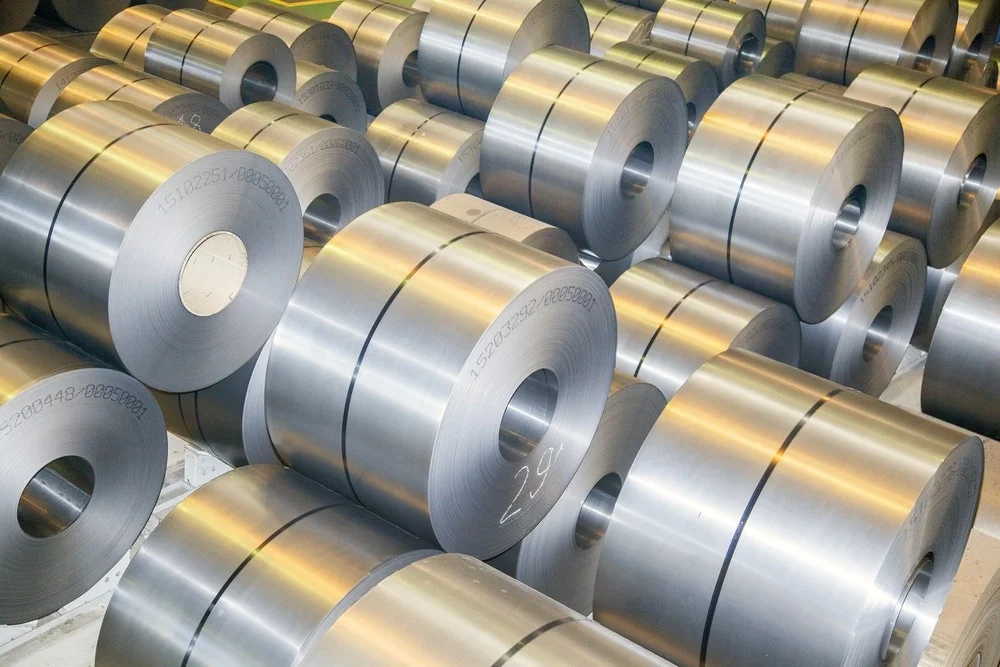

A 26% green steel mandate in government procurement could unlock up to 16 million tonnes per annum (MTPA) of demand from public projects alone by FY30, according to a new industry readiness assessment by the Confederation of Indian Industry (CII)–Green Business Centre, supported by Climate Catalyst.
The report finds that India is well prepared to adopt Green Public Procurement (GPP) for steel, if mandated, potentially creating the country’s first large-scale, assured market for certified low-carbon steel starting FY28.
Public procurement in India accounts for ₹45–50 lakh crore annually while government-linked projects consume around 31.6 million tonnes of steel, generating nearly 70 million tonnes of CO2 in FY24. The study notes that even a modest 26% mandate could catalyse demand for certified green steel from both primary and secondary producers, accelerating industrial decarbonisation and strengthening India’s global competitiveness.
The assessment draws on inputs from 28 steel producers representing 88 MTPA of crude steel capacity, and 12 major public procurers. It finds that 93% of surveyed producers (26 out of 28) are ready to supply certified green steel at scale, subject to a notified mandate and transparent cost recovery mechanisms such as a premium, GST concession or carbon credit offset.
Procuring agencies also expressed readiness to implement such a policy, provided four key enablers are in place: a notified national mandate with defined percentage thresholds; ready-to-use tender clauses and Monitoring, Reporting and Verification (MRV) templates; brief training for procurement teams; and modest, time-bound fiscal support for the first three years, such as a predefined green margin in the Schedule of Rates, GST relief or carbon credit offsets.
The study comes at a time when the Union Budget has raised public capital expenditure to ₹12.2 lakh crore for FY26–27, reinforcing the infrastructure push. It argues that redirecting even a portion of steel demand toward certified green steel would yield substantial long-term emissions savings and improve manufacturing competitiveness, while only marginally increasing overall project costs.
The report contends that a green steel mandate should be viewed not as an added fiscal burden, but as a strategy to future-proof public infrastructure, maximise capital investment value, and avoid costly retrofits later. It also aligns with Prime Minister Narendra Modi’s vision of Viksit Bharat @2047.
K.S. Venkatagiri, Executive Director, CII and Chairman of the Global Ecolabelling Network Board, said, “Green Public Procurement can play an important role in helping India’s steel sector move toward lower-carbon production. By encouraging the use of certified low-emission steel in public infrastructure, housing and transport projects, government demand can support market development for cleaner steel and help reduce the cost gap between green and conventional products.”
Sakshi Balani, Director, India and Director, Policy at Climate Catalyst, said the findings underscore the importance of a demand-side push. “A clear green steel mandate can shift India’s steel sector faster than any subsidy or technology push. GPP is the missing demand signal that can immediately cut emissions, unlock large-scale investment and move the industry into a 16–24 MTPA green steel market by FY30,” she said.