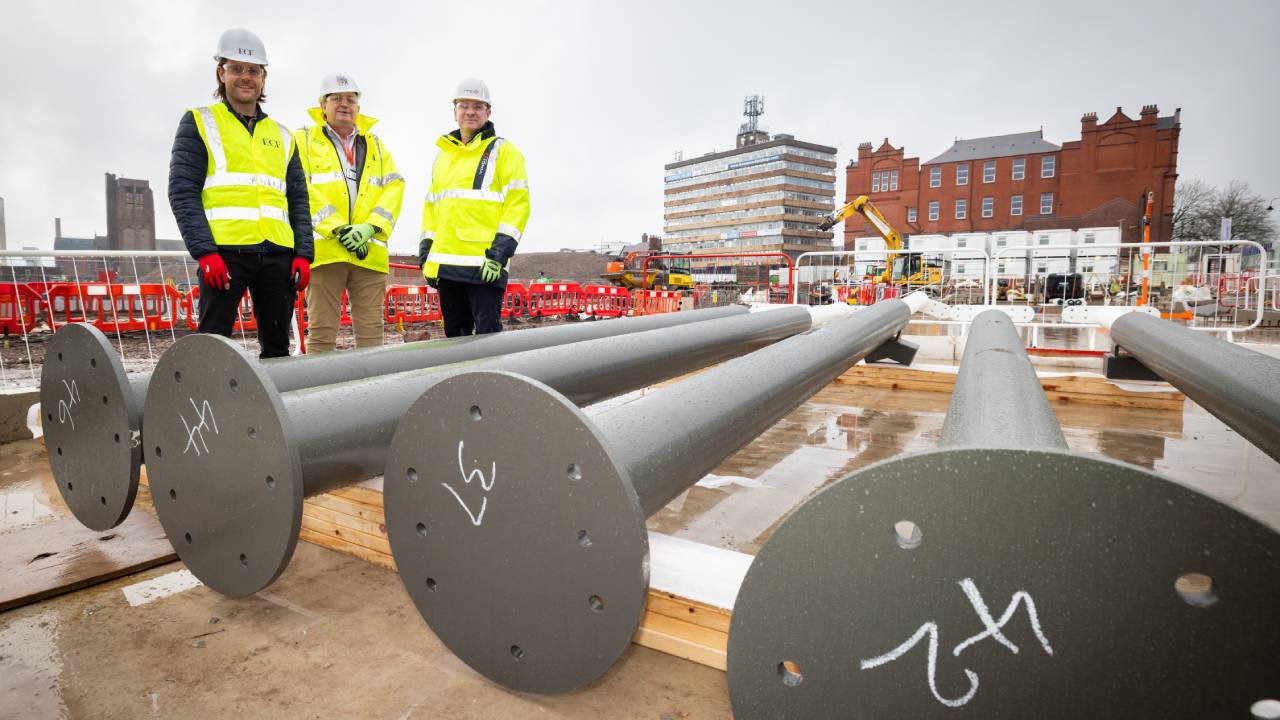

Steel has been the default choice for precision pins in industrial machinery for generations. It is tough, widely available, and familiar to every machinist and tooling engineer on the floor. But in environments where components face relentless abrasion, sliding contact, and high-cycle repetition, steel has a real and measurable limit.
Manufacturers in automotive, aerospace, tooling, food processing, and heavy industry have been learning that lesson the hard way. Worn pins mean lost tolerances, more frequent changeovers, longer downtime, and mounting replacement costs. The industry has started moving toward a better solution, and the results have been hard to ignore.
The Problem Steel Cannot Solve on Its Own
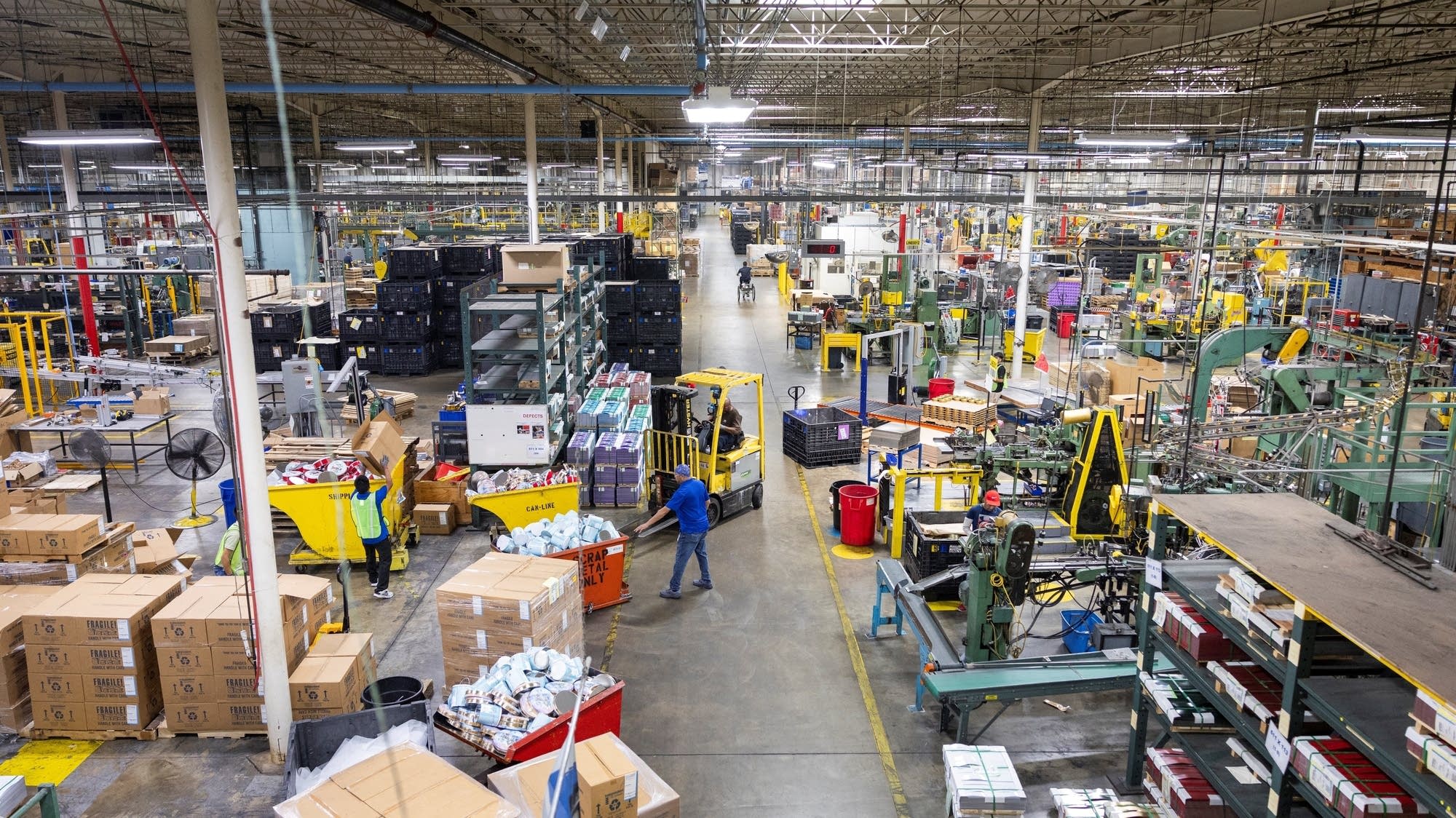
Walk through any high-volume production floor and the wear problem is easy to spot. Guide pins that used to last a full production run now need replacing mid-cycle. Locating pins lose their diameter and throw off alignment. Assemblies that once held tight tolerances start producing inconsistent results, and no one wants to shut down a line to find out why.
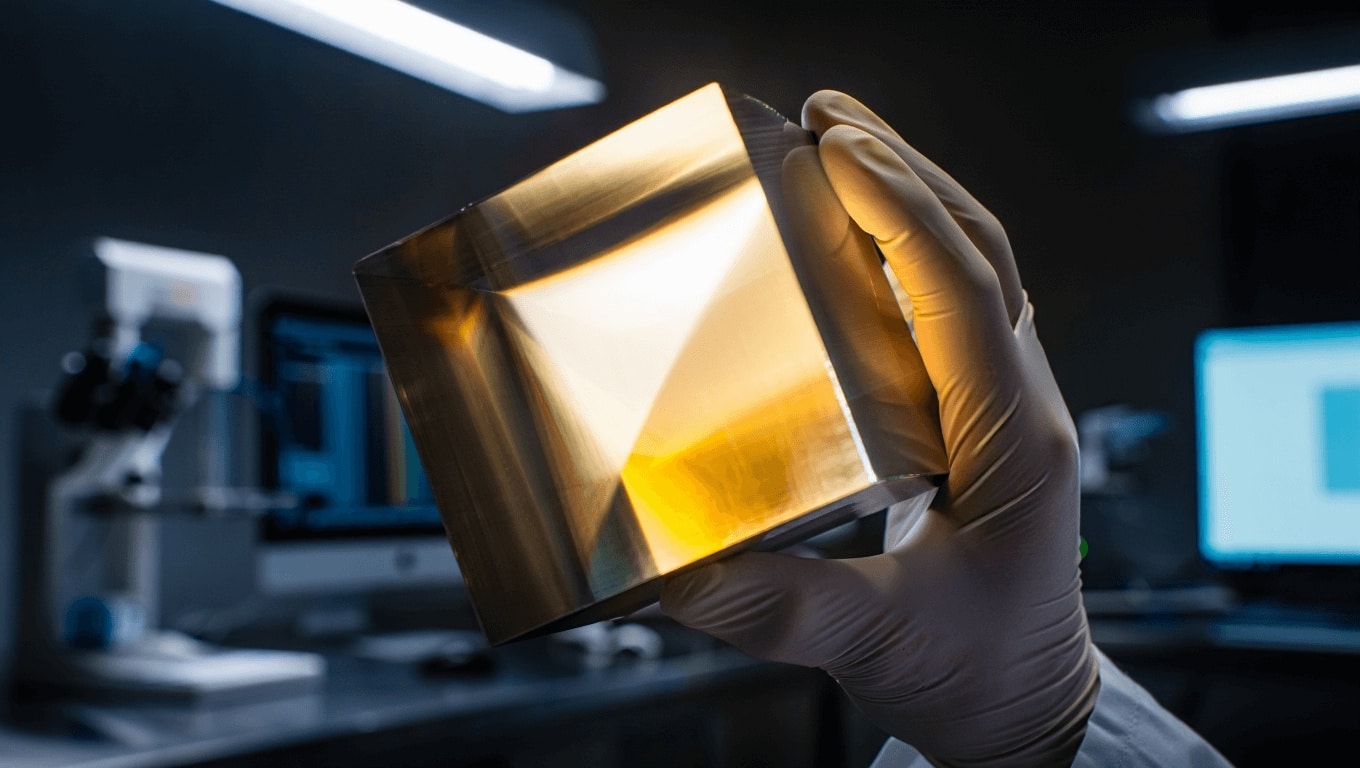
Carbide pins have emerged as the upgrade that addresses all of this directly. Made from tungsten carbide, a material bonded with a metallic binder such as cobalt, these components bring a fundamentally different level of hardness and abrasion resistance to applications where steel simply wears out too fast. Here is why so many operations are making the switch.
1. Hardness That Outlasts Conventional Steel by a Wide Margin
Tungsten carbide sits near the top of the hardness scale for engineering materials. It resists scratching, grooving, and surface loss in a way that hardened tool steel simply cannot match in abrasive contact zones.
In sliding wear applications, a hardened steel pin will gradually lose its diameter and surface finish. That changes the fit. The assembly loses precision, and the part that was supposed to guide, locate, or transfer force no longer does it accurately. Tungsten carbide holds its geometry far longer under the same conditions, which is the entire point in precision-driven environments.
The hardness advantage is not marginal. In head-to-head wear tests across abrasive and high-cycle applications, carbide components routinely outperform steel by a substantial multiple. For operations running thousands of cycles per shift, that difference compounds quickly.
2. Dimensional Stability Under Real Working Conditions
Precision in manufacturing is not just about the initial fit. It is about whether that fit holds up across thousands of cycles, across temperature changes, across debris and friction and constant contact pressure. Steel pins deform. They lose size. They pick up surface damage that changes how they interact with mating components.
Tungsten carbide resists deformation under compressive loading and maintains its geometry in high-load contact zones. This matters most in tooling, fixtures, and automation equipment where a pin that drifts even a few thousandths of an inch creates cascading alignment problems.
The ability to hold size and finish across extended service intervals is one of the clearest performance advantages carbide offers over steel, and it is the reason maintenance teams see a direct reduction in unscheduled stoppages after making the switch.
3. Grade Selection That Matches the Application
One of the most practical advantages of tungsten carbide as a material is that it can be engineered to the job. Carbide grades are defined by the combination of grain size, binder percentage, and processing quality. Adjusting those variables produces a component tuned to a specific wear mode.
That matters because not all wear looks the same. Some applications see pure sliding abrasion. Others involve intermittent impact, edge loading, or thermal cycling. A single steel specification responds to all of those the same way. Carbide grades do not.
Common grade considerations in pin applications include:
- Severe abrasion or sliding contact: Fine to medium grain carbide with higher hardness and a tighter microstructure
- Impact or intermittent loading: Higher binder content for added toughness and resistance to chipping
- Corrosive environments: Grade and binder selection matched to the chemical exposure
- Thermal cycling: Stability under temperature change is factored into the grade recommendation
Getting the grade right is not a guessing game. Experienced carbide suppliers work from the failure mode backward to a material recommendation that fits the actual stress environment.
4. Precision Grinding That Keeps Tolerances Tight
The material advantage of carbide only translates to real-world performance if the pin is manufactured to the tolerances the application demands. That requires precision grinding, and not all suppliers deliver it consistently.
Centerless grinding and CNC cylindrical grinding are the standard approaches for producing carbide pins with consistent diameter, straightness, and surface finish. Done well, these processes hold concentricity tolerances tight enough for the most demanding tooling and automation applications.
Surface finish is equally important. A pin that is hard but rough will behave differently in a locating or guide role than one that is hard and precisely finished. Fit is everything, and precision grinding is how that fit gets established and maintained from part to part across a production run.
5. Performance in Heat and High-Friction Environments
Steel has a well-known vulnerability in sustained high-friction applications: heat accelerates its wear. As surface temperature rises, hardness drops, and wear rate climbs. For components running in continuous contact with metal, abrasive material, or fast-moving assemblies, that creates a feedback loop that shortens service life considerably.
Tungsten carbide maintains its functional hardness in hot and high-friction conditions. This is a direct advantage in applications like stamping dies, forming tools, and automated assembly equipment where heat is a byproduct of the process rather than a controlled variable.
The food processing industry offers a concrete example. Homogenizing valves traditionally made from steel see rapid wear rates. When those components are upgraded to tungsten carbide, wear rates drop dramatically, and the valves maintain their geometry through far more operating cycles before replacement is needed.
6. Versatility Across Industries and Pin Types
One reason carbide has gained ground so broadly is that it is not a specialty solution for one type of equipment. The material performs across a wide range of industries and pin geometries, which means a manufacturer in automotive tooling and a supplier in food packaging can both benefit from the same material upgrade.
Industries that commonly rely on precision carbide wear components include:
- Automotive: Stamping dies, assembly fixtures, guide and locating components
- Aerospace and defense: Tight-tolerance tooling substrates requiring consistent microstructure and repeatable results
- Food and packaging: Corrosion-resistant wear components that can withstand aggressive cleaning protocols
- Oil, gas, and energy: Erosion-resistant valve seats, nozzles, and flow control components
- General industrial manufacturing: Conveyor systems, cutting equipment, and high-cycle automation assemblies
Pin types span the full range of locating pins, guide pins, wear pins, and custom-shaped pins designed around specific assembly requirements. The same grade selection and grinding precision that applies to a standard locating pin applies equally to a complex custom geometry.
7. Lower Long-Term Cost When the Full Picture Gets Considered
The most common objection to tungsten carbide is the upfront cost. Carbide components do carry a higher unit price than steel alternatives, and that number is visible on a purchase order. What is less visible, until someone does the accounting, is everything else.
Steel pins in high-wear applications do not just wear out. They cause collateral problems. Worn locating pins produce misaligned parts. Worn guide pins force operators to compensate. Every unplanned replacement event costs setup time, line stoppage, and sometimes scrapped work. When those costs are tracked and compared against the extended service life of carbide, the economics shift.
Operations that have made the switch often report that the total cost of ownership, factoring in replacement frequency, downtime, and scrap, comes out lower with carbide even though each individual pin costs more. The break-even point comes faster than most engineers expect, especially in high-cycle environments.
The Shift Is Already Underway
The move away from steel pins in high-wear machinery is not a trend driven by novelty. It is driven by results. Operations that track wear life, downtime, and replacement costs are making the change because the data supports it.
What makes carbide pins a practical upgrade rather than just a technical one is the combination of material performance, grade customization, and precision manufacturing that backs them up. The right grade, ground to the right tolerances, placed in the right application outperforms steel in ways that show up directly on a maintenance log and a parts budget.
For any operation still running hardened steel pins through high-wear contact zones, the question is less about whether carbide is worth exploring, and more about where on the floor it will make the biggest difference first.

This content is brought to you by the FingerLakes1.com Team. Support our mission by visiting www.patreon.com/fl1 or learn how you send us your local content here.