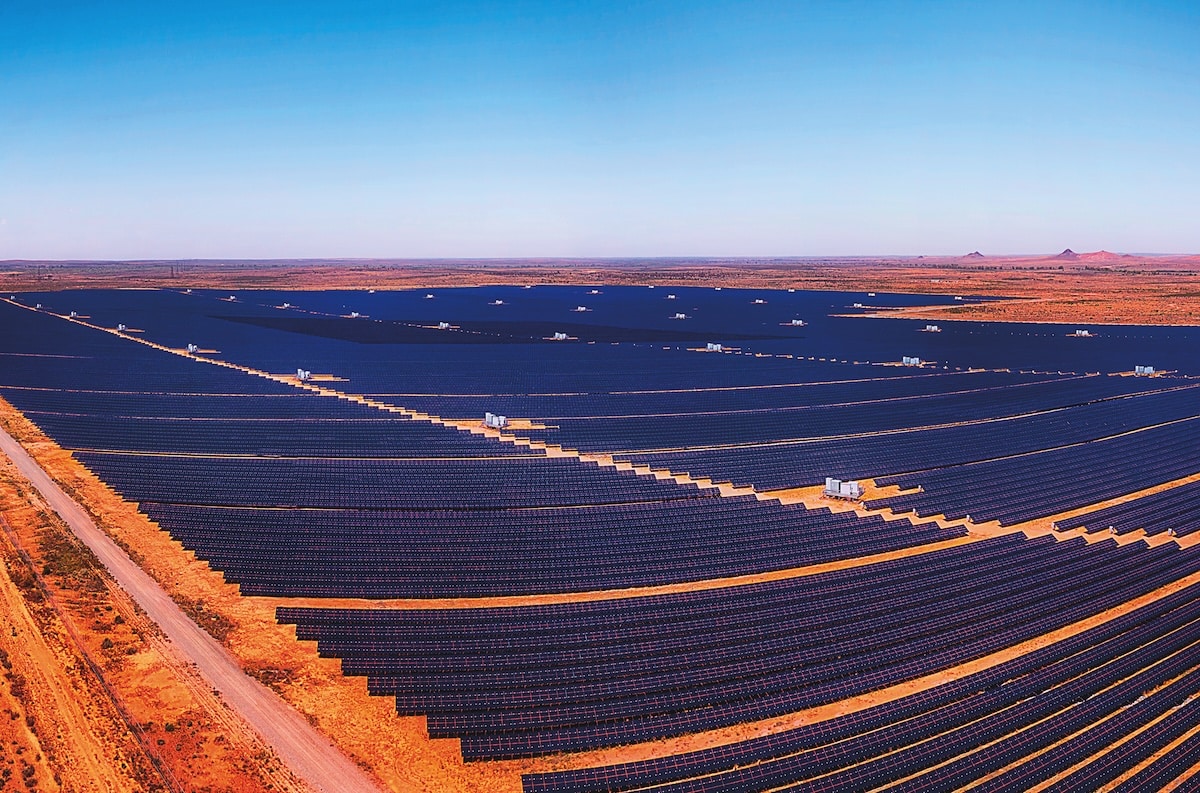
As the world moves towards net zero, Australia has a key foothold in assisting in the global energy transition.
As the world accelerates towards net-zero emissions, the demand for low-carbon metals is skyrocketing. For Australia, this presents a historic opportunity: to move beyond exporting raw resources to become a global leader in green metals production.
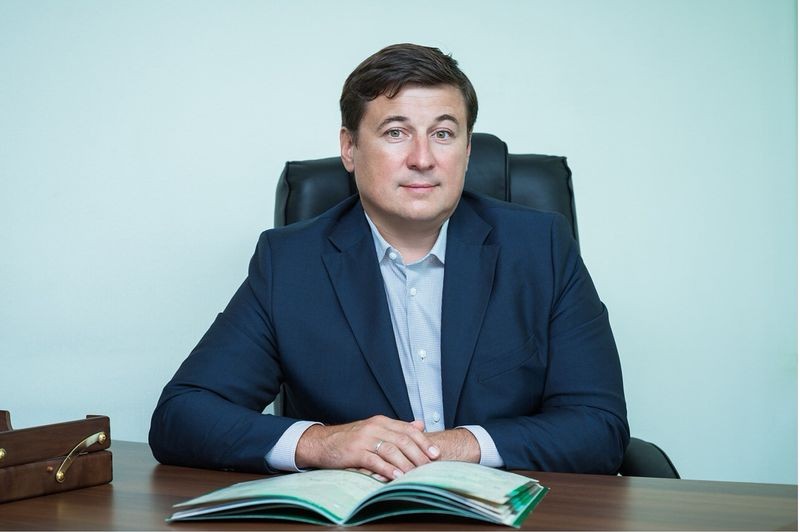
Dr Rahman Daiyan, senior lecturer at the University of New South Wales (UNSW) School of Minerals and Energy Resources Engineering, is at the forefront of these conversations, having collaborated with governments and international partners to explore pathways for sustainable, value-added metal production.
Daiyan has spent recent years advising Federal and State governments on Australia’s decarbonisation and energy ambitions.
“With coal and gas exports expected to decline under net-zero targets, we need to pivot towards other high-value export opportunities,” Daiyan told Australian Mining.

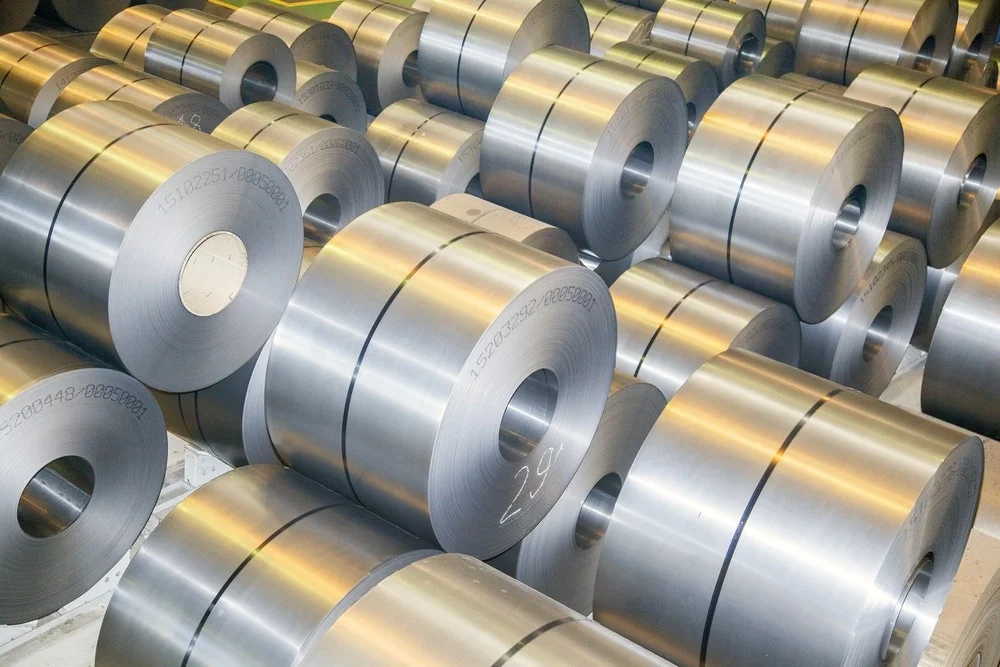
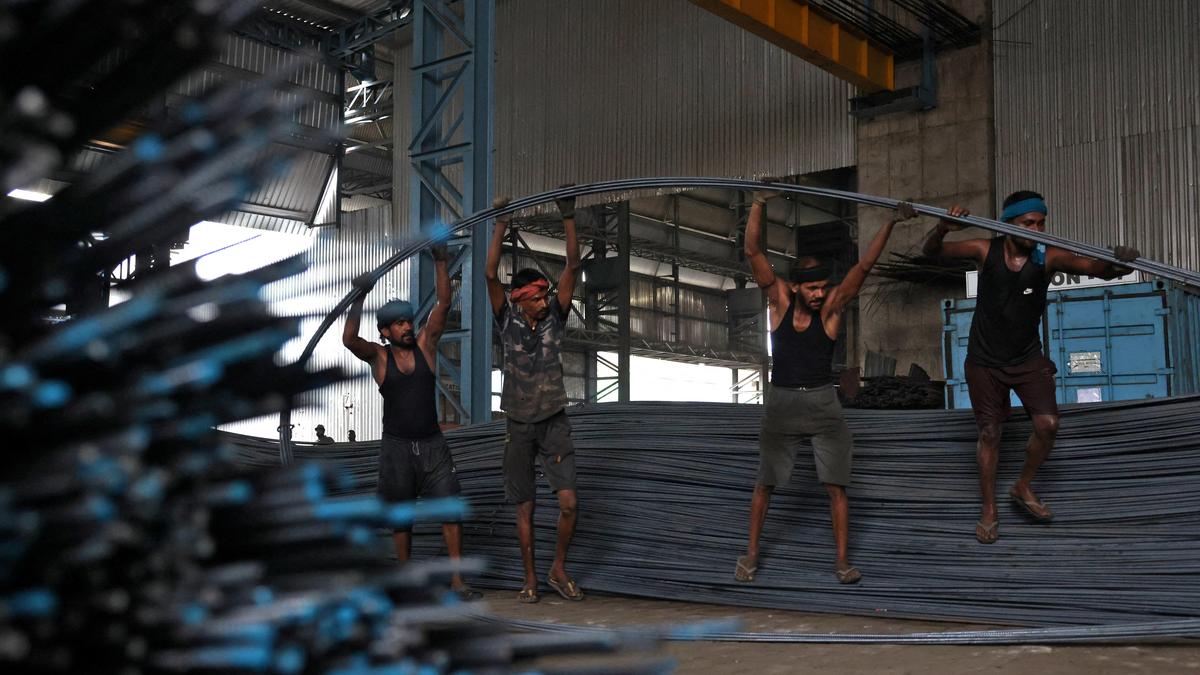
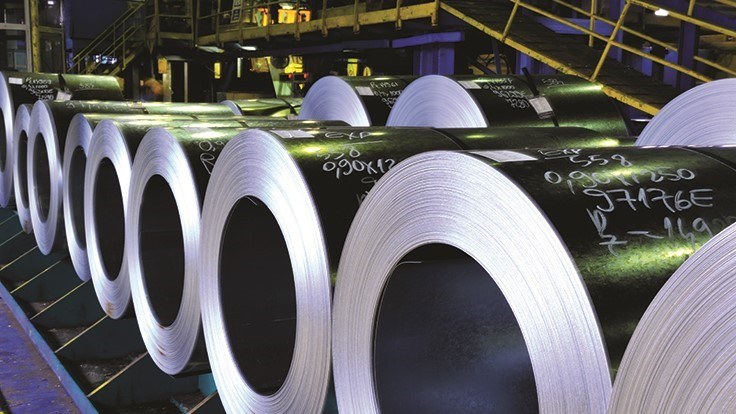
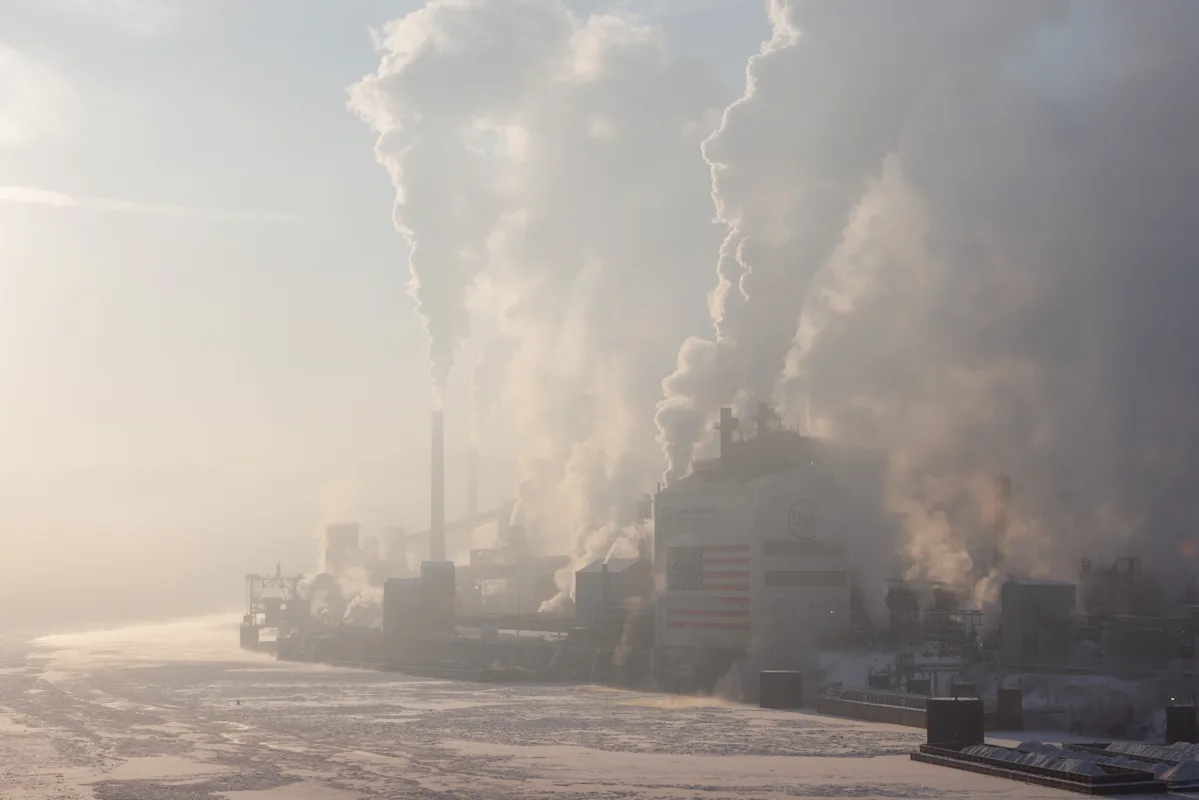
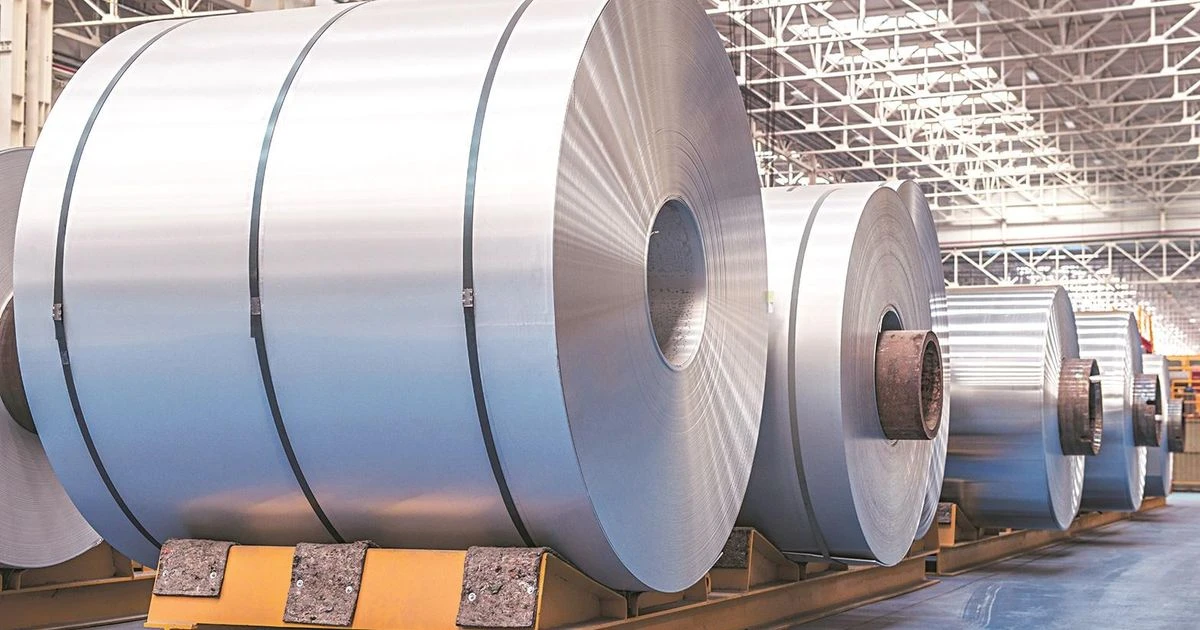
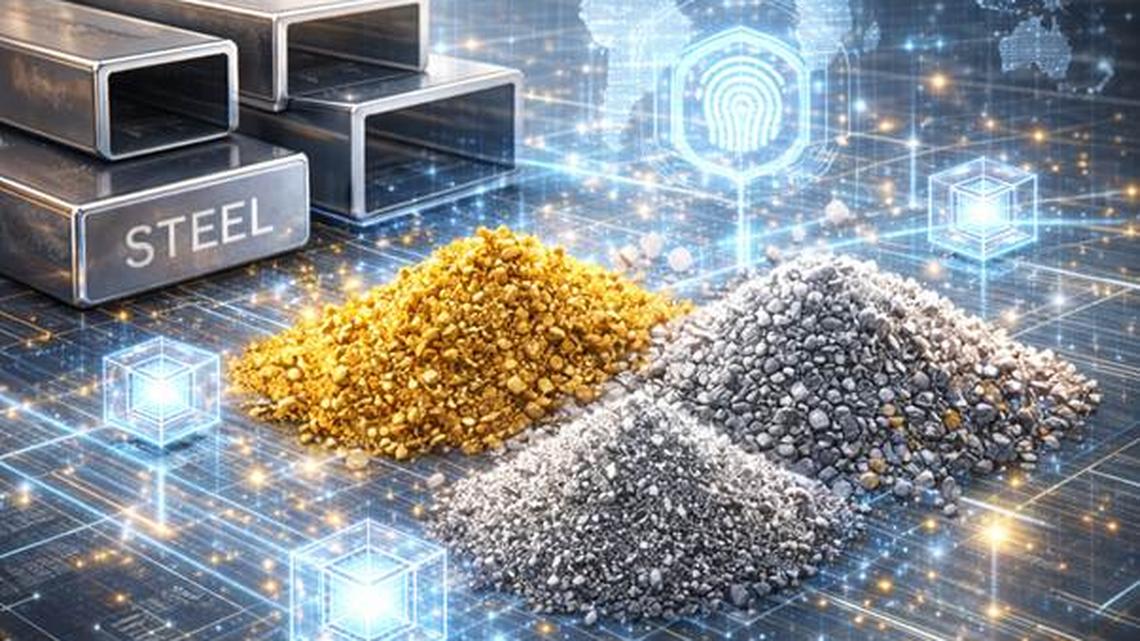
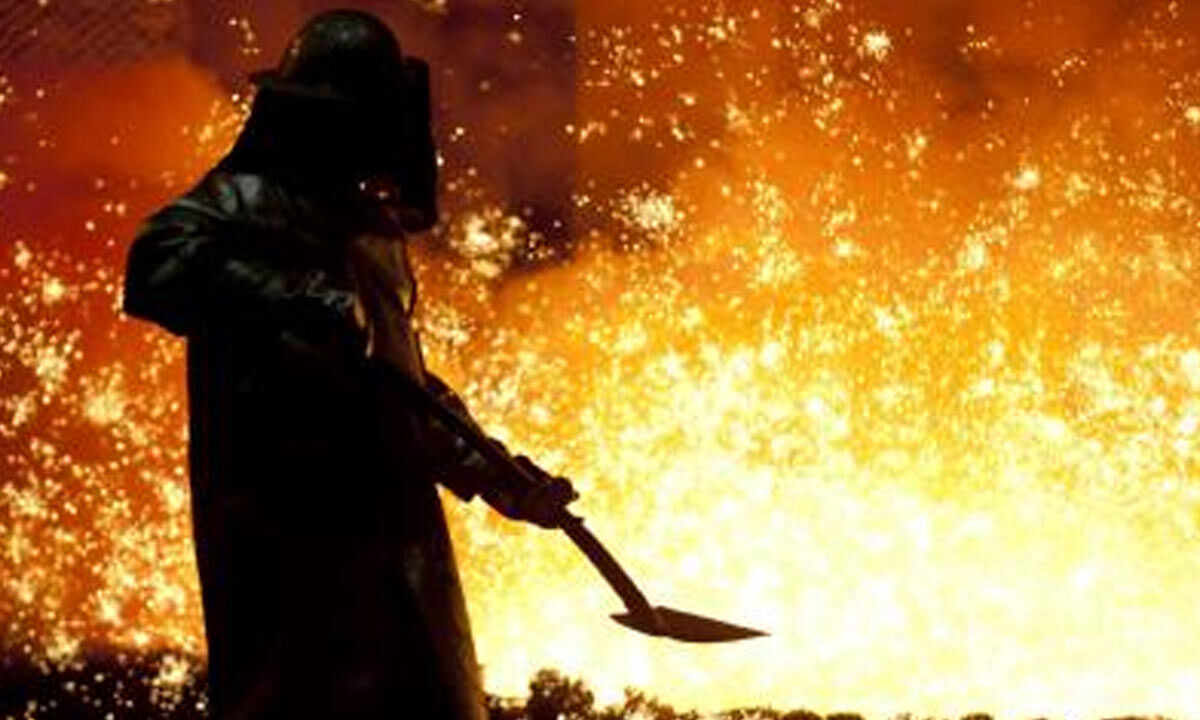
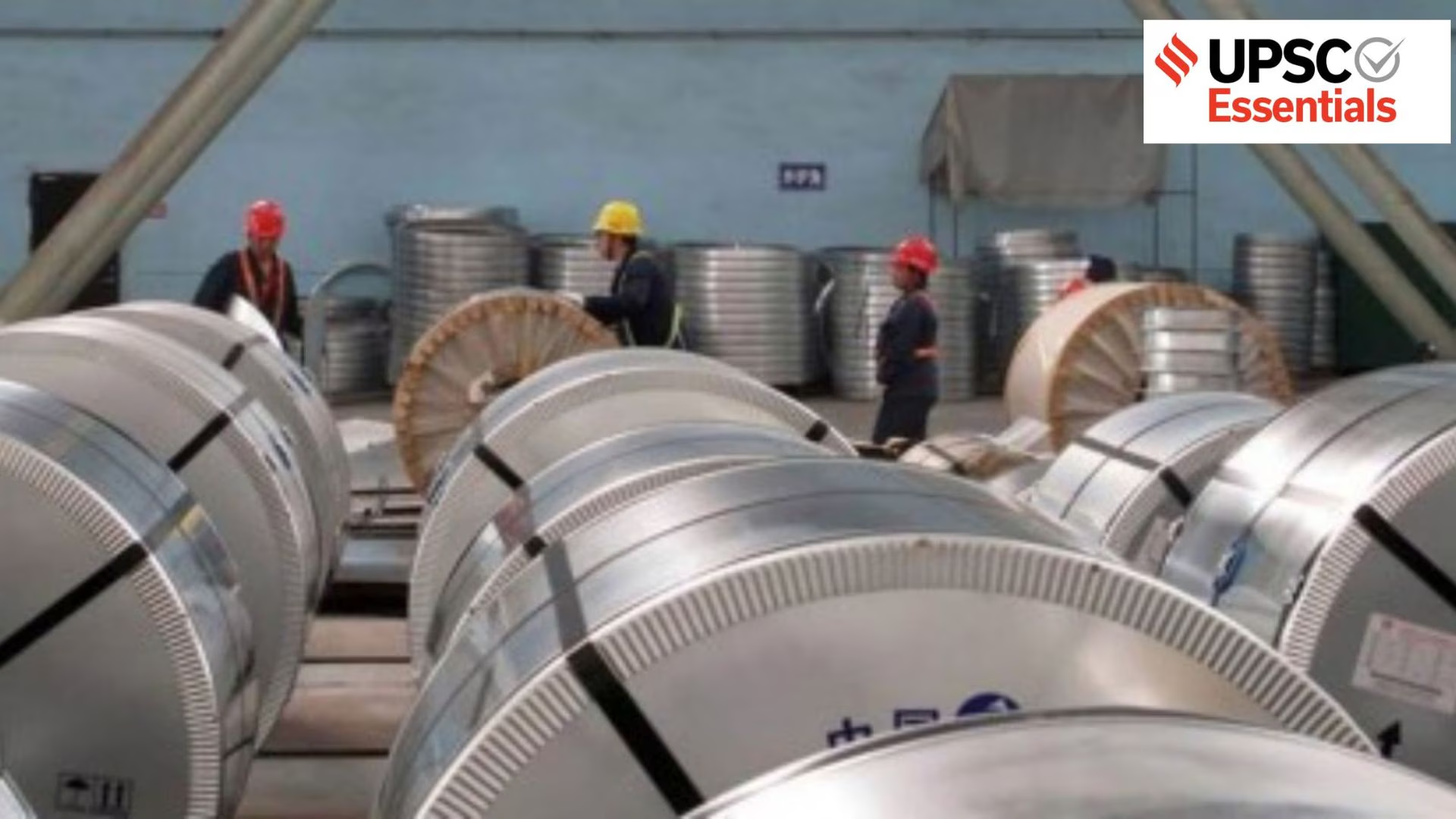
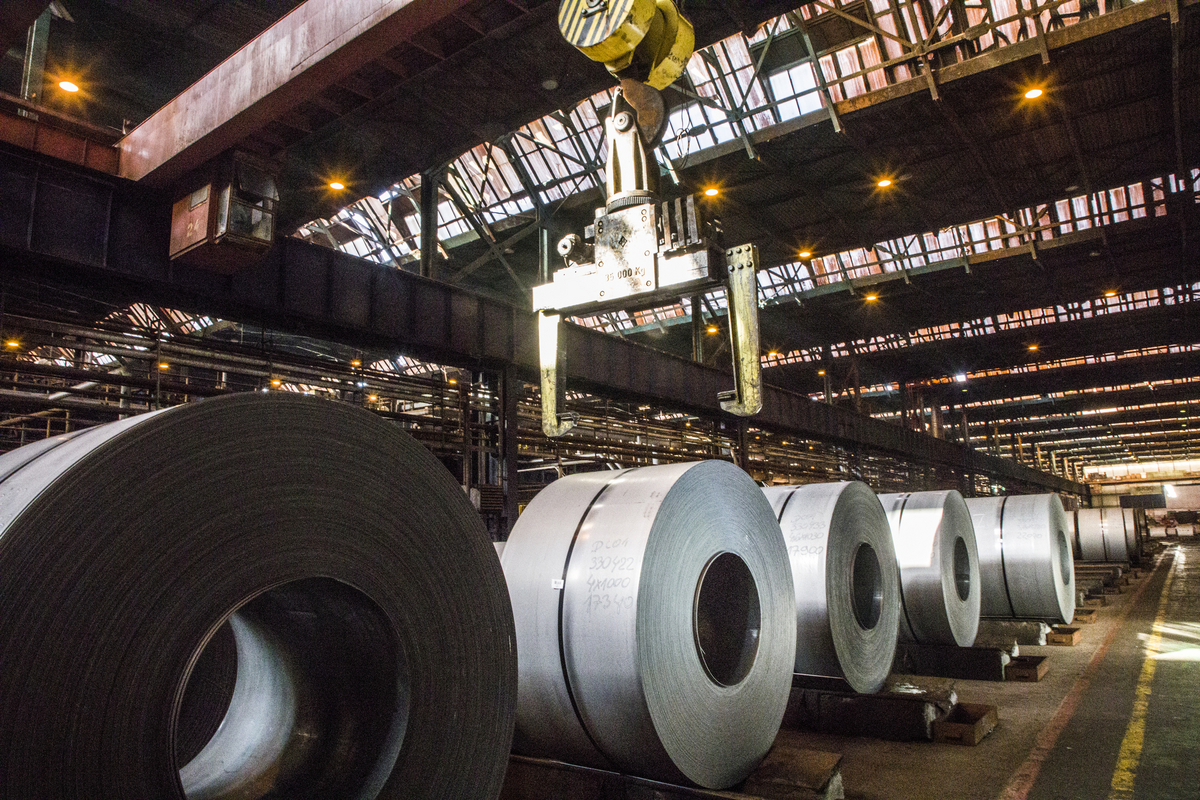
Central to this strategy is the concept of green metals, such as iron, copper and aluminium, alongside low-emissions steel and other critical minerals produced using renewable energy and low-carbon technologies.
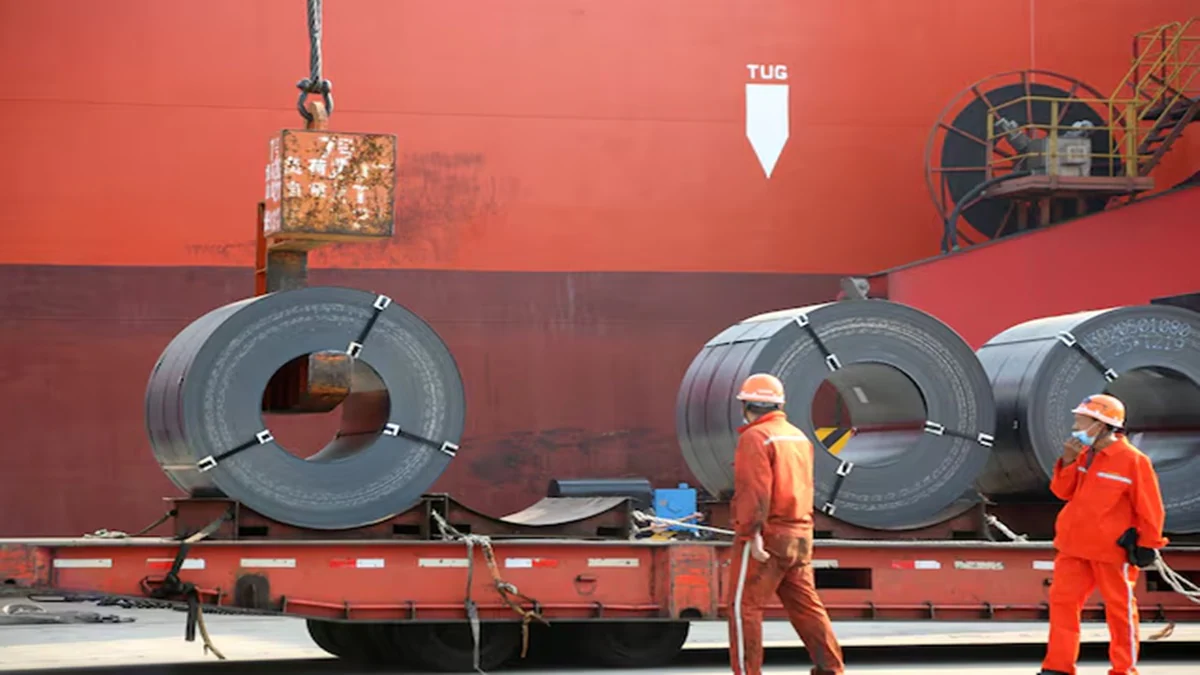
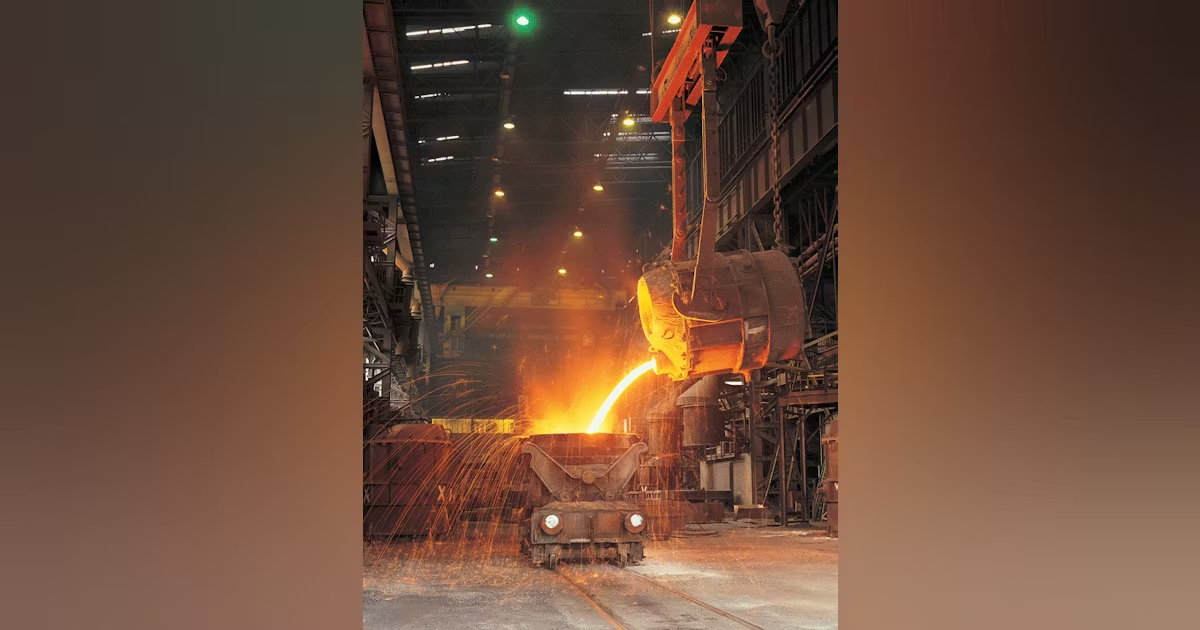
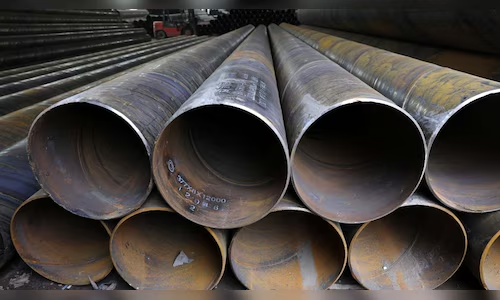
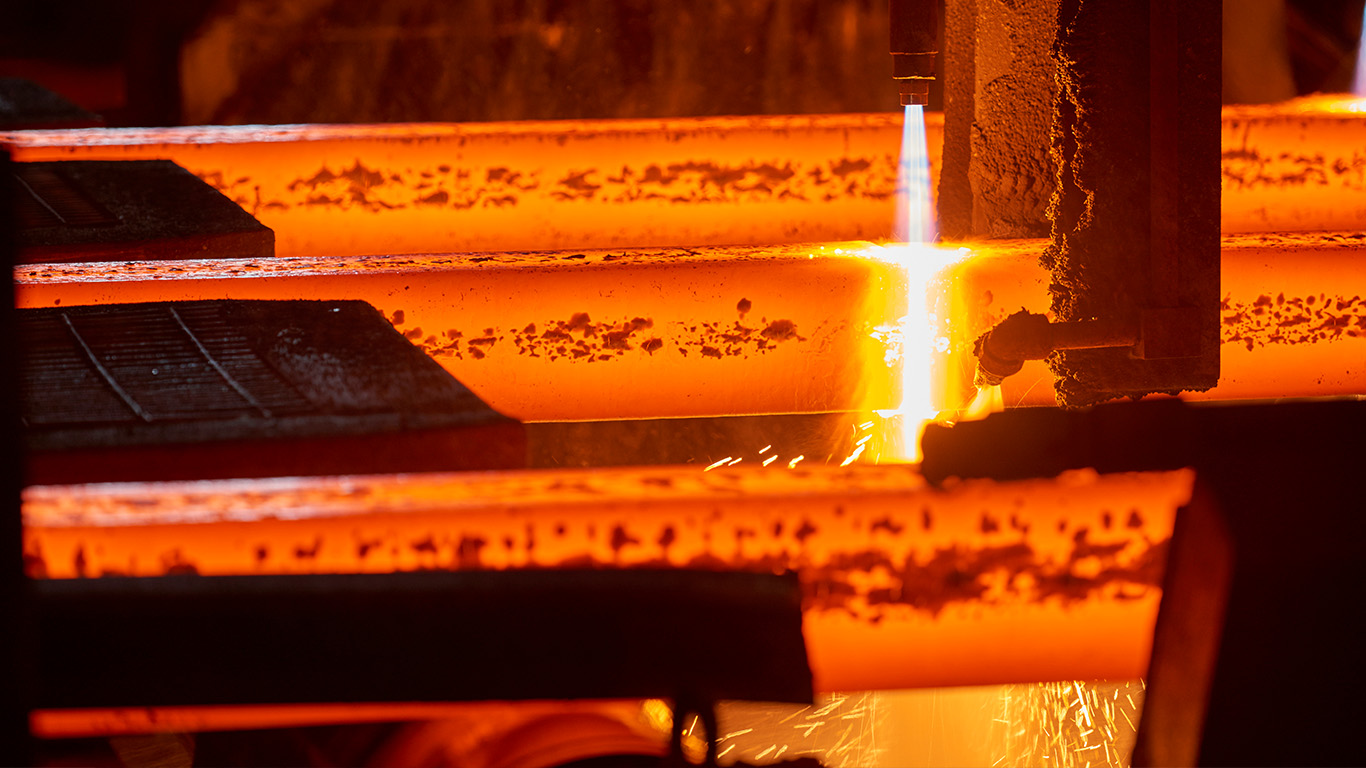
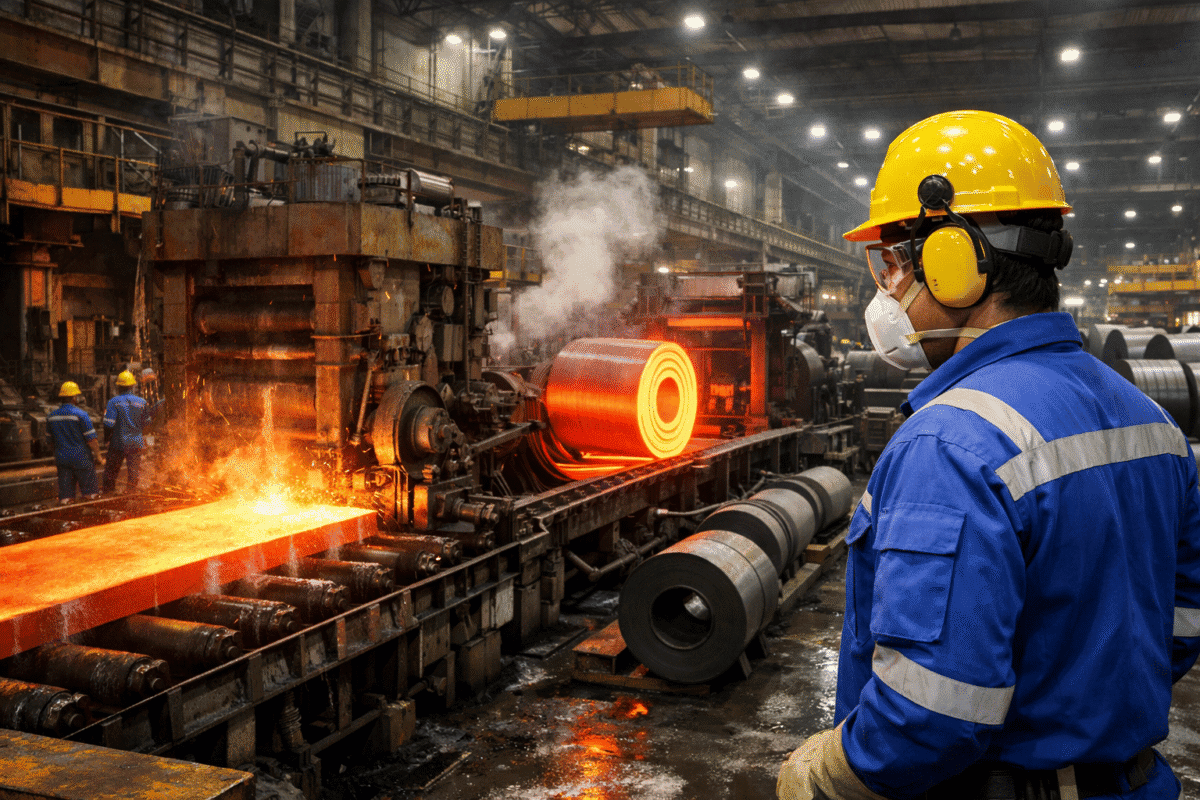
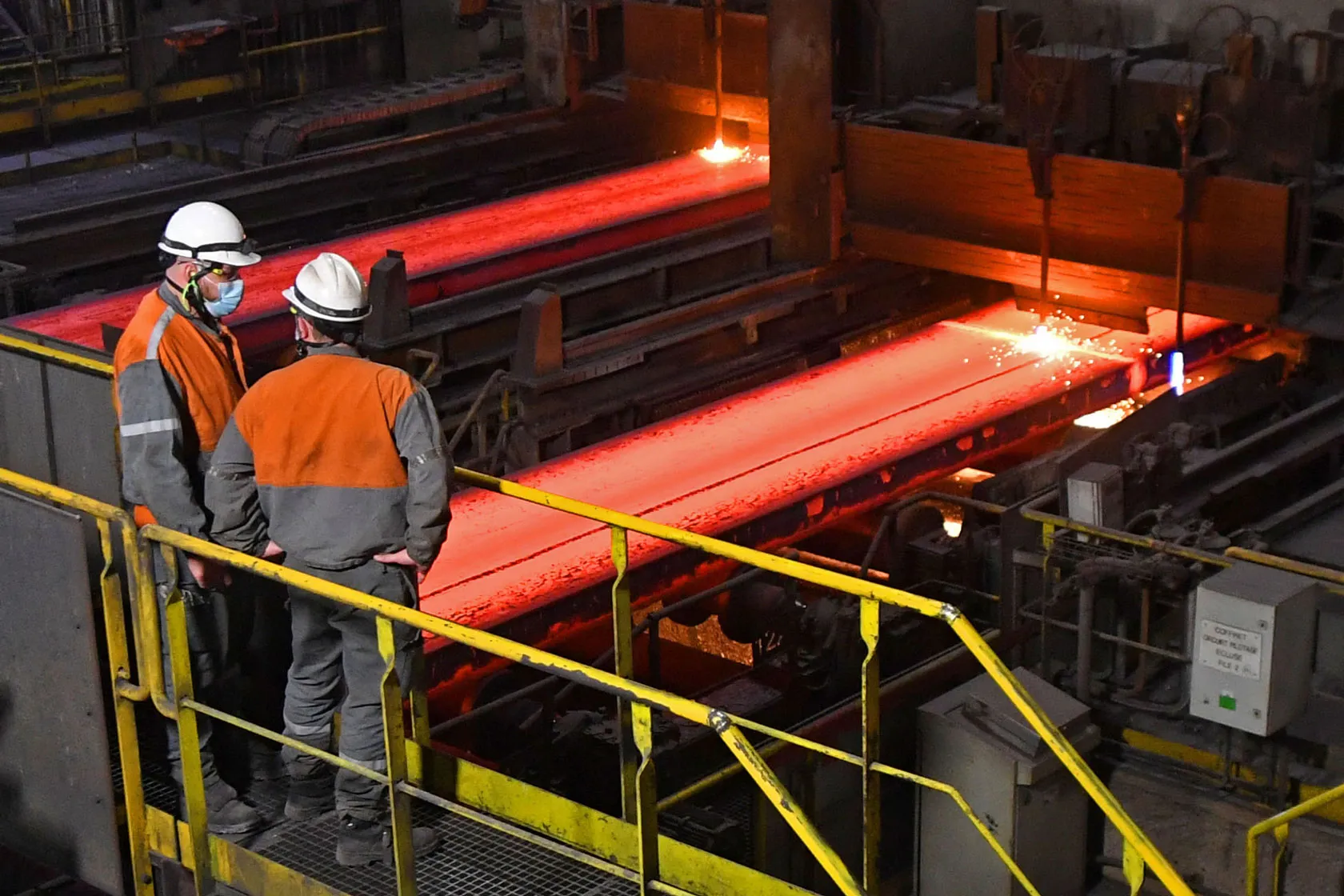
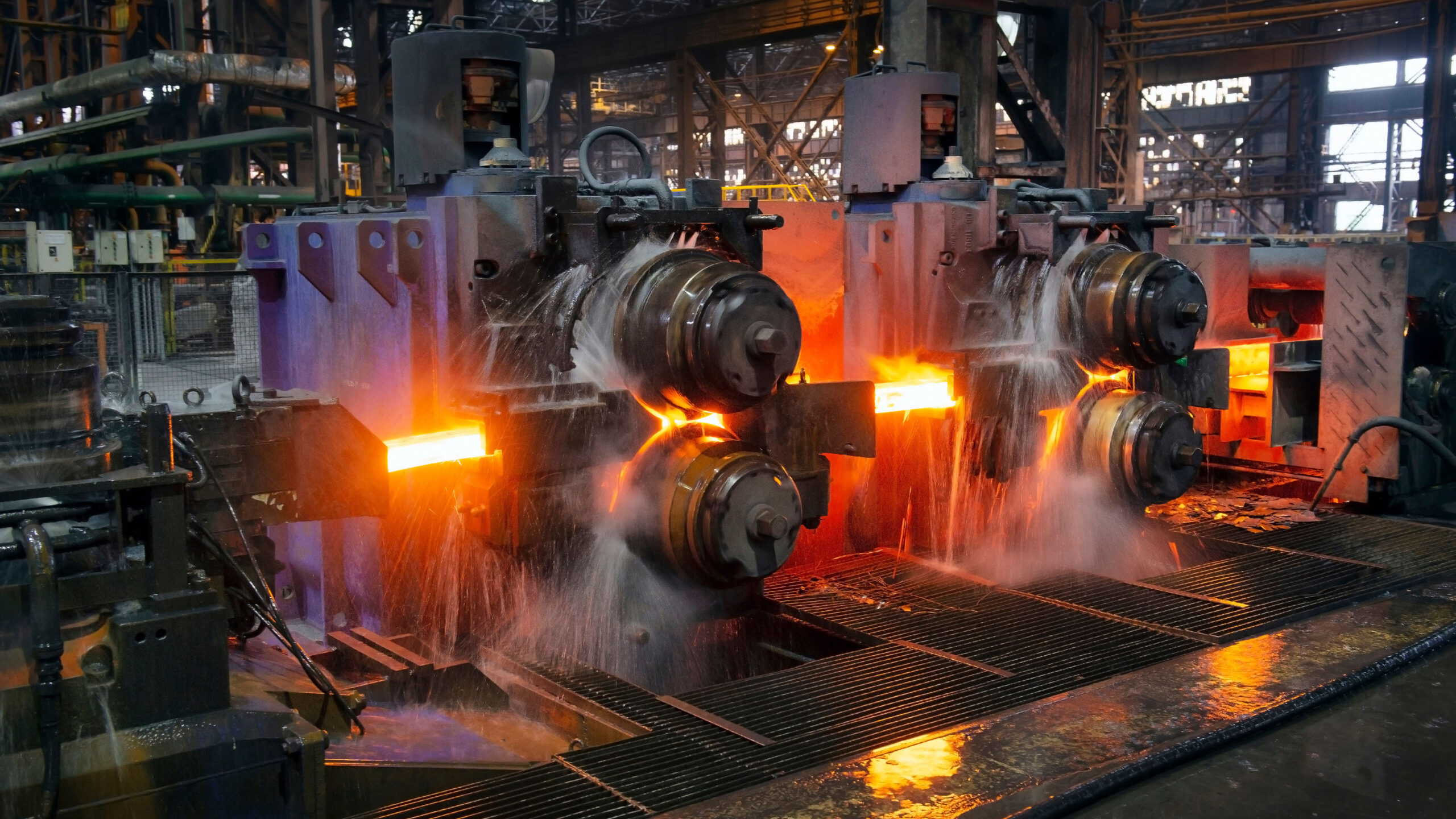
One compelling example is the work Daiyan has done with German partners on decarbonising steel production. Traditionally, European countries would import hydrogen and iron ore separately, then combine them to produce low-carbon steel.
“Rather than exporting individual materials, we can export the processed green iron,” Daiyan said. “This adds value locally, embeds renewable energy in the supply chain, and allows Germany to focus on speciality manufacturing.”
Australia has clear advantages in this space. Its abundant renewable energy resources and extensive mineral deposits make it ideal for producing low-emission metals domestically.
However, Daiyan said realising this potential requires local participation across the supply chain.
“The value addition should be Australian labour, Australian technology and Australian equipment,” he said. “Otherwise, subsidies risk supporting overseas decarbonisation with minimal domestic benefit.”
Domestic adoption is equally critical. Western Australia, for example, is beginning to integrate green steel into infrastructure projects, signalling a path to embed sustainable metals in the local economy.
Daiyan stressed that government incentives can help de-risk early projects and encourage adoption locally, creating a robust internal market alongside exports building an international one.
Scaling up green metals production does carry challenges: technology risk, cost pressures and the learning curve associated with new processes. Daiyan drew parallels with the liquefied natural gas (LNG) industry, saying early projects were expensive and high-risk but government support and collaborative infrastructure development were key to long-term success.
Demonstration-scale green metals projects, particularly those involving renewable energy and hydrogen integration, are essential stepping stones towards commercial-scale operations.
International collaboration remains just as pivotal. Daiyan’s work with Germany, as well as discussions with Sweden and other partners, helps to demonstrate the mutual benefits of bilateral supply chains.
“By upgrading our iron ore with renewable energy before exporting it, we embed value locally and reduce emissions globally,” he said.
“Germany saves energy for other manufacturing priorities, while Australia benefits from jobs, technology development and export revenue.”
Daiyan emphasised first-mover advantage. Regions like China, Chile and the Middle East are rapidly establishing green metals processing hubs. For Australia to maintain a competitive edge, small-scale projects must move forward now.
“The first projects command premium pricing and set the stage for large-scale adoption,” Daiyan said. “Without early action, other nations could dominate the green metals market while Australia misses the opportunity.”
Australia is uniquely positioned to lead in green metals, but success will require strategic collaboration, domestic value addition through processing, and early, realistic projects. As the global appetite for low-emission metals grows, the country’s mining sector stands ready not just to supply raw materials but to shape the future of sustainable industry worldwide.
This feature appeared in the February issue of Australian Mining magazine.