Pros
- Durable and high-quality
- Long-lasting
- Lightweight
Cons
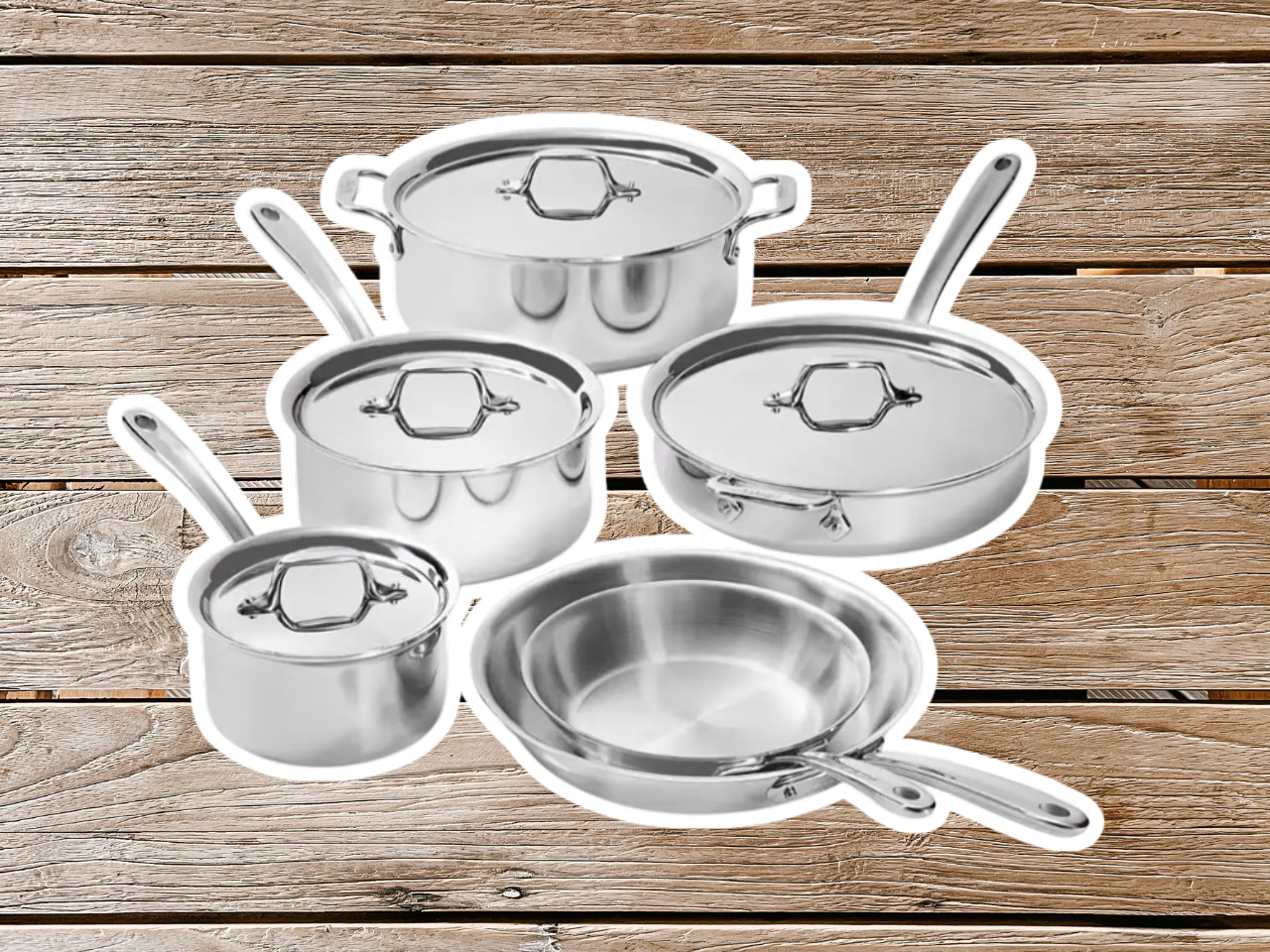
Material: Stainless steel with stainless-steel lids
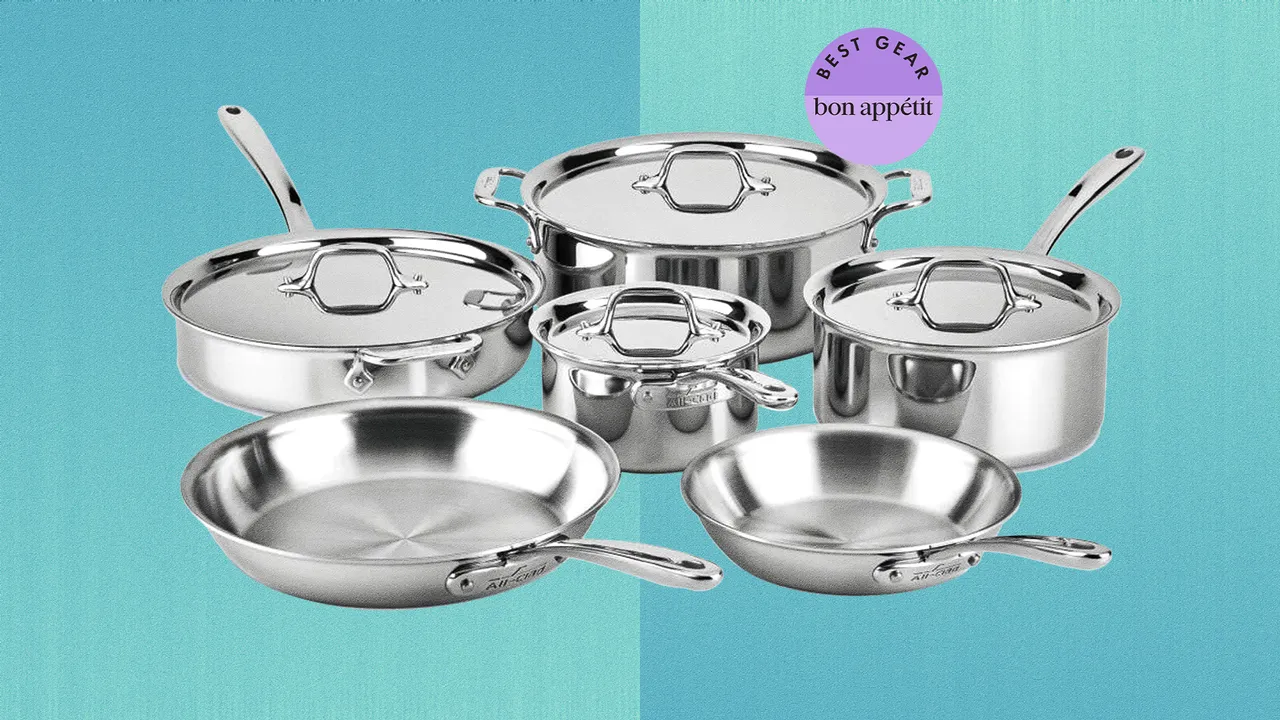
Included pieces: 10.5″ skillet, 1.5-qt., or 3-qt., or 4-qt. saucepan (with lid), 3-qt. sauté pan (with lid), 6-qt. or 8-qt. stockpot (with lid)
Induction compatible: Yes
Oven safe to: 600℉ (may change color with exposure above 500℉)
Warranty: Limited lifetime warranty
Cookware sets come in all sorts of numerical combinations, but for most people, we recommend starting with the basics first and branching out as you figure out your specific needs. A 7-piece cookware set from most brands will consist of a saucepan, stockpot, sauté pan and skillet. It is the perfect kitchen starter pack (lids count as pieces in these sets). Larger cookware sets will typically include smaller and larger versions of the skillet and saucepans, which you may find quite useful. But if you aren’t sure what you’d do with both a 2- and 3-quart saucepan, we say table that decision. You can always add pans on an ad hoc basis later.
In case you didn’t catch it on the list at the top, we really like All-Clad pans. They have been top performers in our product tests for years. Are they an investment? Definitely, but they’re pans that you’ll have for a lifetime—or several lifetimes, really.
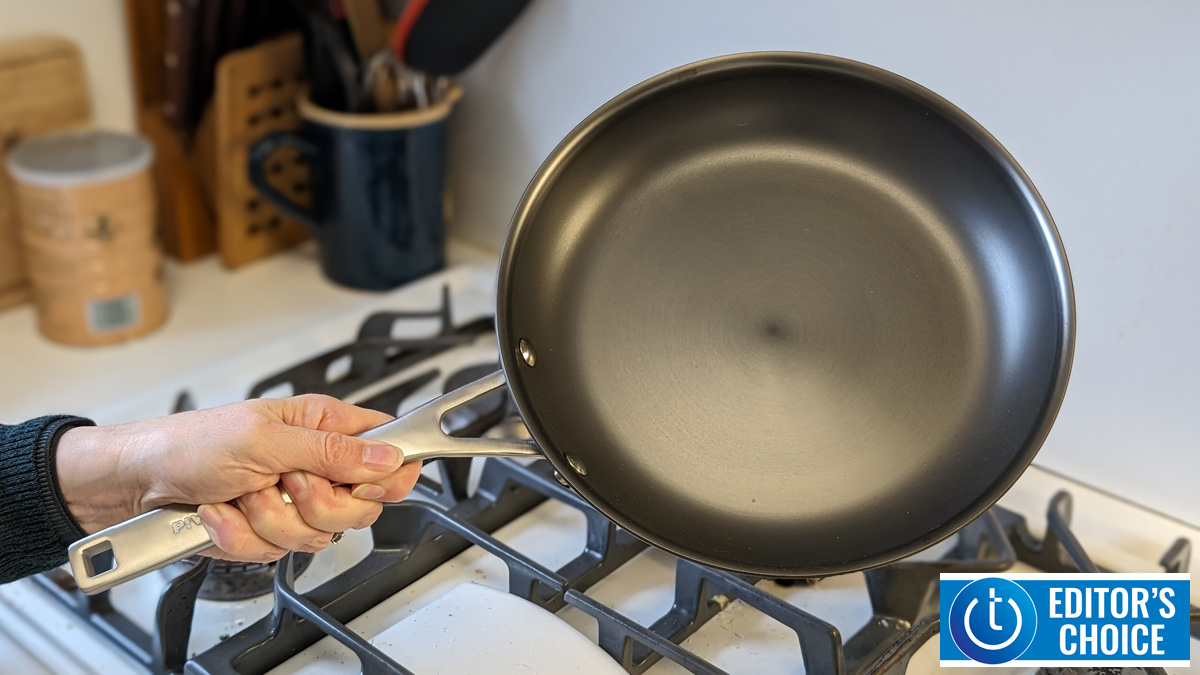
All-Clad produces a few different lines of cookware, but we think their Everyday D3 line is the best choice for home cooks. You’ll notice there are two D3 lines—Stainless Everyday and Stainless—both are clad stainless steel, the difference is in the handle. The classic All-Clad handle has a semicircular rounded shape with a deep thumb divot, which stays secure in hand when wrapped in a towel (how many line cooks use pans), It’s also suited for a pinched grip with the thumb on top—how many professionally trained chefs tend to hold pans. Many non-chefs find this style of handle to be uncomfortable, which is why the Everyday line has rounded more ergonomic handles that feel more comfortable across a wider range of hand positions.
We analyzed the available assortment of cookware sets online, taking note of the most common assemblages, and tried to identify pieces that we felt were redundant or unnecessary. We came to the conclusion that it would be best to start with fundamental pieces of cookware you’d most likely use, and encourage expanding a collection based on your needs on a piece-by-piece basis. For selecting specific lines of cookware, we used our testing data for previous product tests to inform our recommendation choices, as well as the industry expertise of the professionals in our Test Kitchen.