One of the world’s largest steelmakers has deployed a novel heat battery at its plant in India to curb emissions from its dirty, energy-intensive operations.
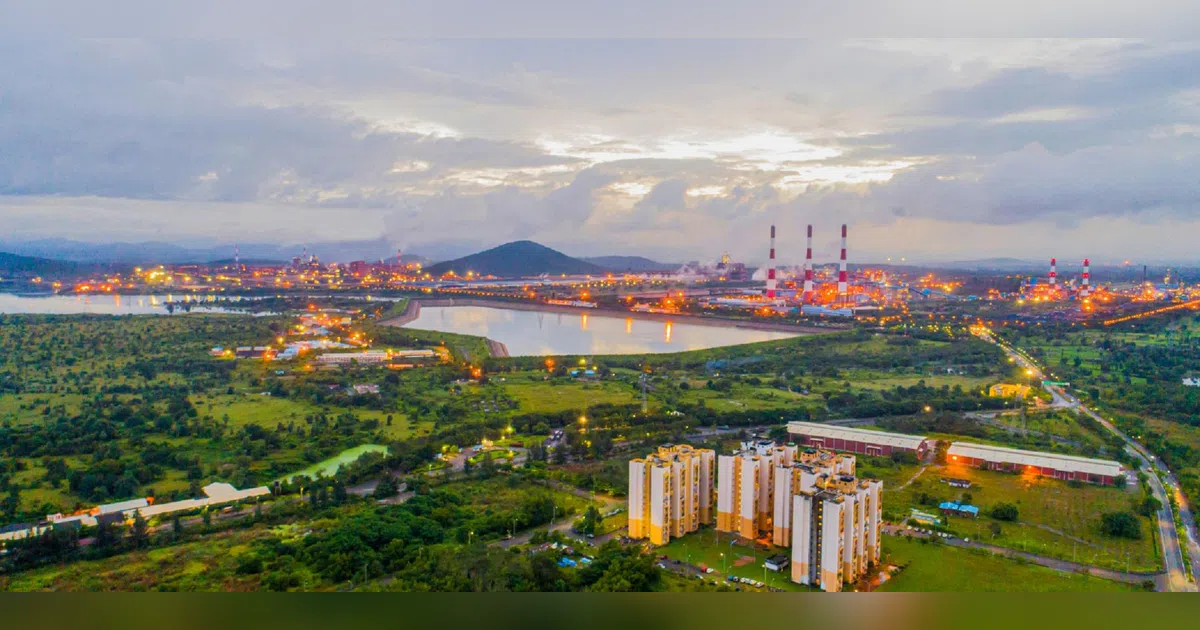
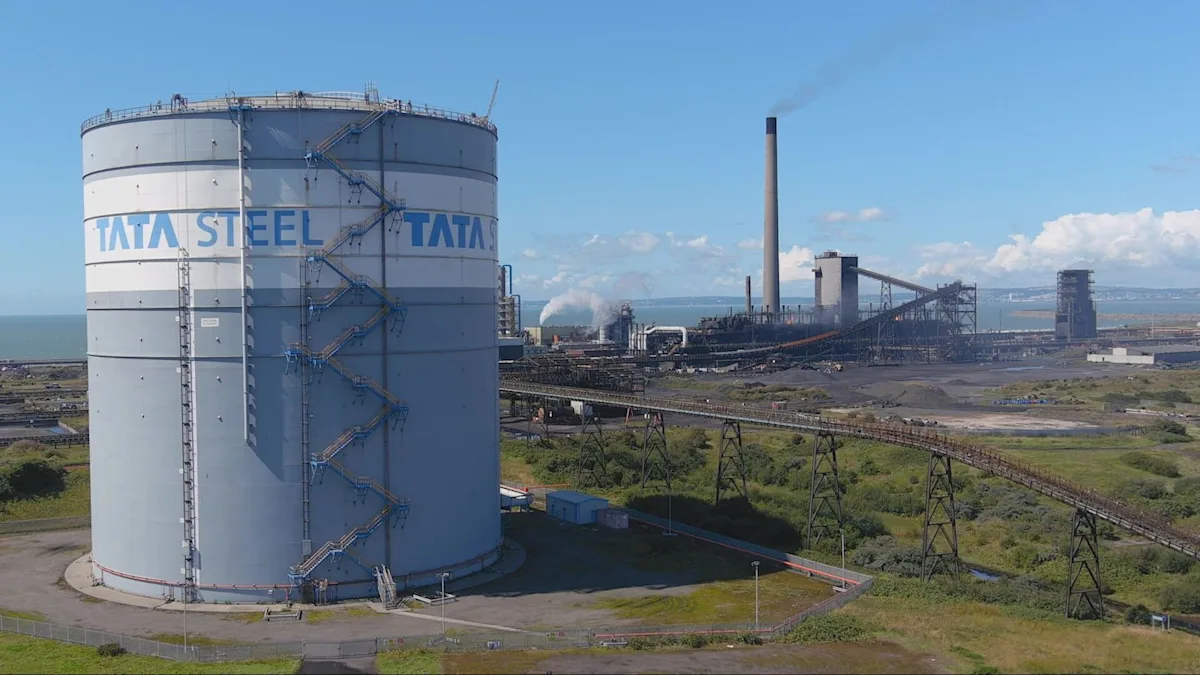
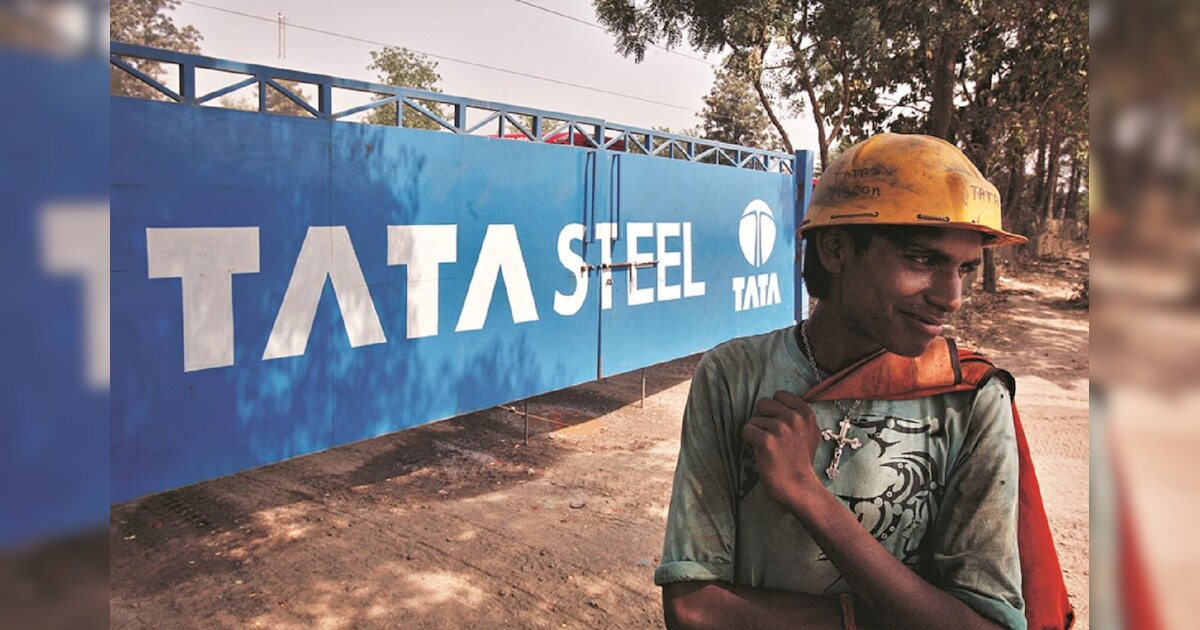
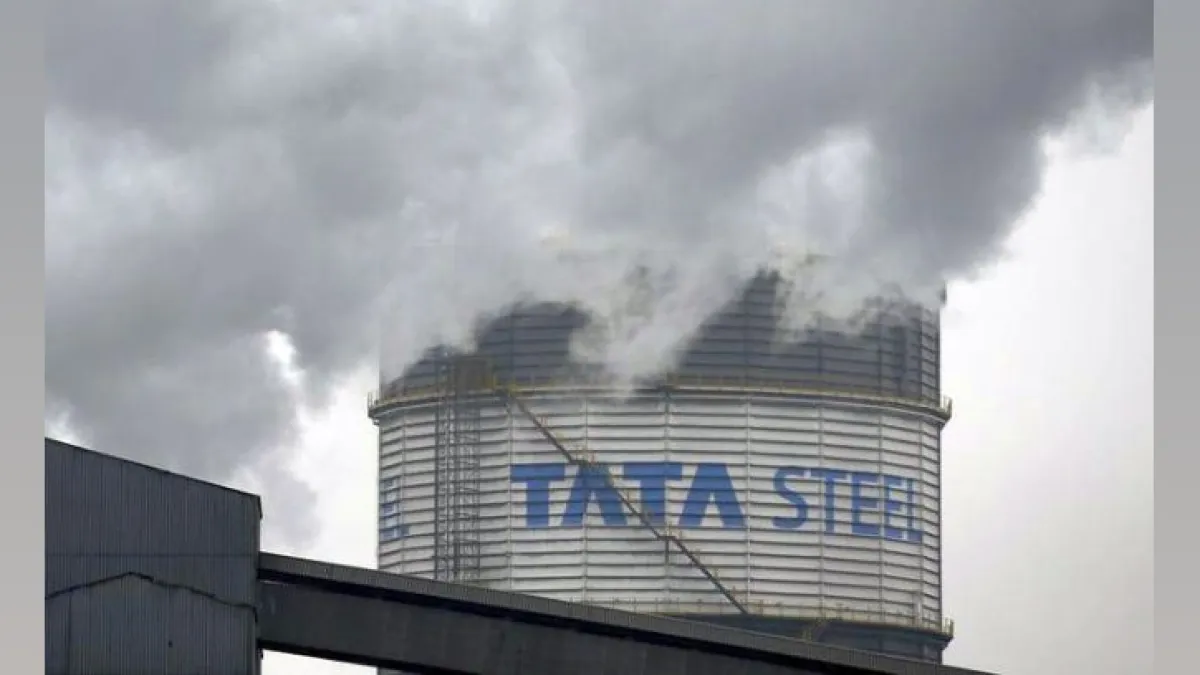
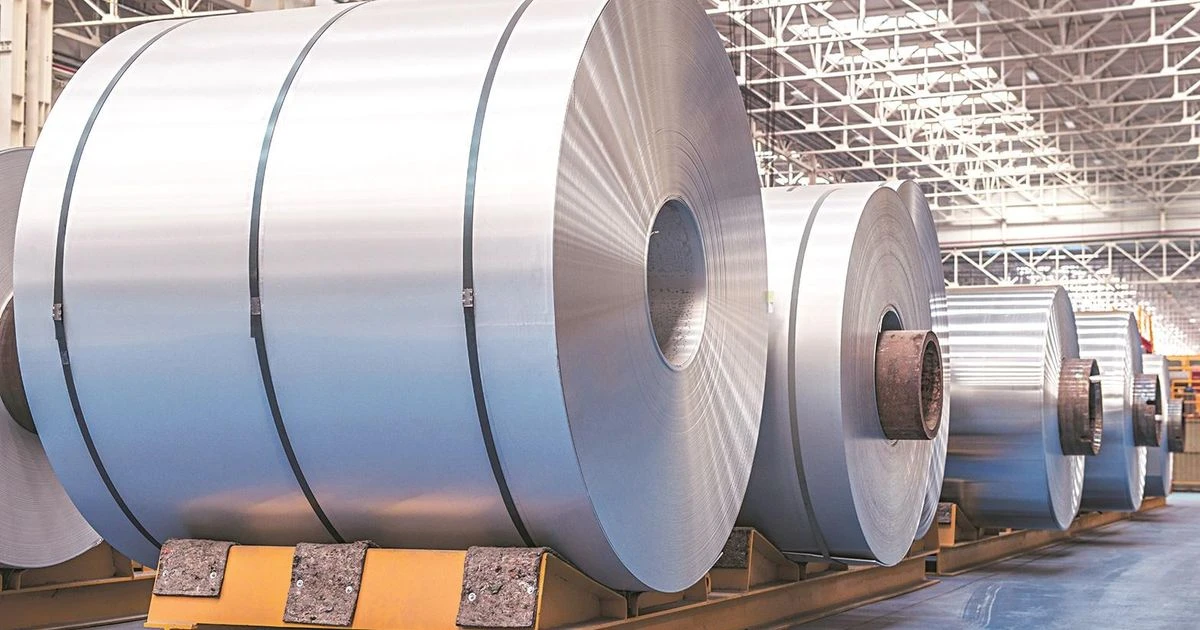
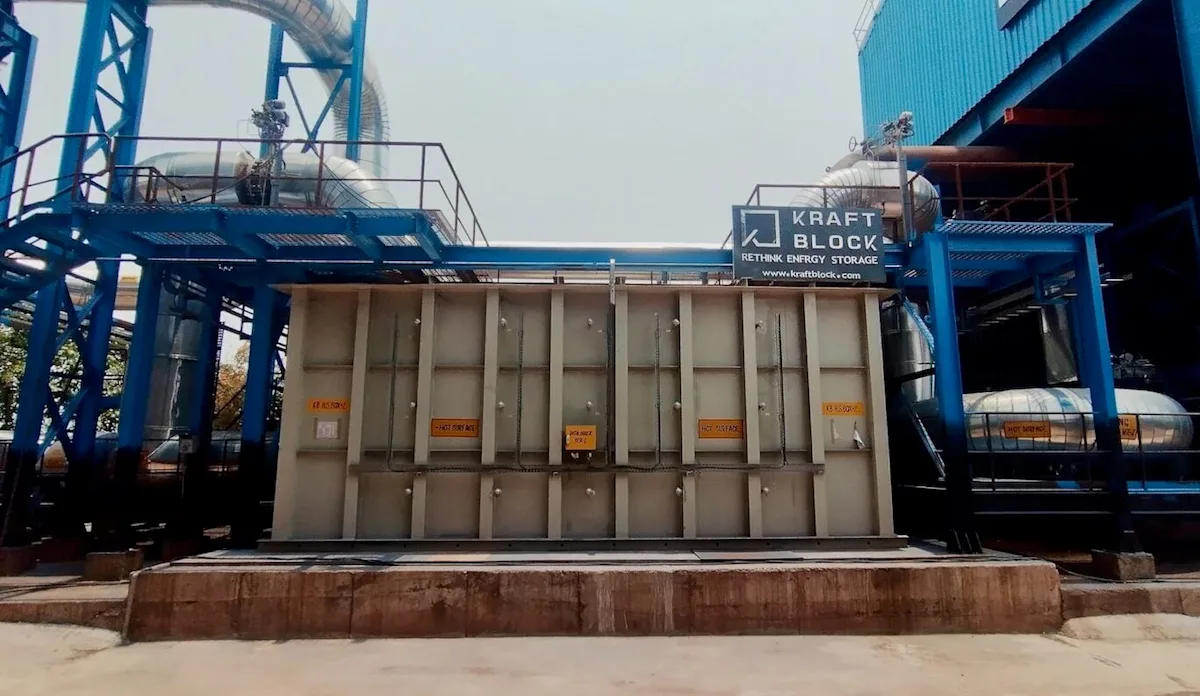
Tata Steel is using the 20-megawatt-hour thermal-storage system, developed by the German startup Kraftblock, at a massive steel mill in Jamshedpur, in the eastern state of Jharkhand. The technology captures waste heat that’s generated during an early stage of the steelmaking process, then repurposes that heat to replace fossil gas used within the plant.
On Friday, the companies announced the project for the first time and shared the initial results. Kraftblock has been operating the heat battery since last May as part of a one-year test run with Tata Steel.
Based on how well the system has performed so far, the cleantech firm expects its thermal-storage technology will reduce the site’s carbon dioxide emissions by 22,000 metric tons per year — about the same as taking 5,100 gas-fueled cars off the road — and will eliminate about 110 gigawatt-hours of fossil-gas use per year.
“It’s performing better than we calculated,” Martin Schichtel, Kraftblock’s CEO and co-founder, told Canary Media.
The project is likely the first of its kind within the steel industry, experts say. But manufacturers in other industrial sectors are increasingly testing out thermal-storage technology as they look for cleaner ways to produce the scorching heat they need to make ceramics, chemicals, dairy products, and processed food and drinks.
Some of these systems draw electricity from the grid to generate and store heat in specialized bricks, rocks, or salt. They then supply that heat to industrial furnaces and boilers whenever companies need it. Kraftblock, which launched in 2014, operates a system like this at a PepsiCo factory in the Netherlands, where heat batteries are used instead of fossil gas to deliver steam and hot oil for frying potato chips. The company has developed a “stonelike” storage material from byproducts such as steel slag and copper-mine waste, Schichtel said.
Kraftblock’s system in India charges up using the excess heat from industrial processes, not electricity. Schichtel said that hard-to-decarbonize sectors like steelmaking have a “huge” potential to harness more of their waste heat, which is typically just lost to the air.
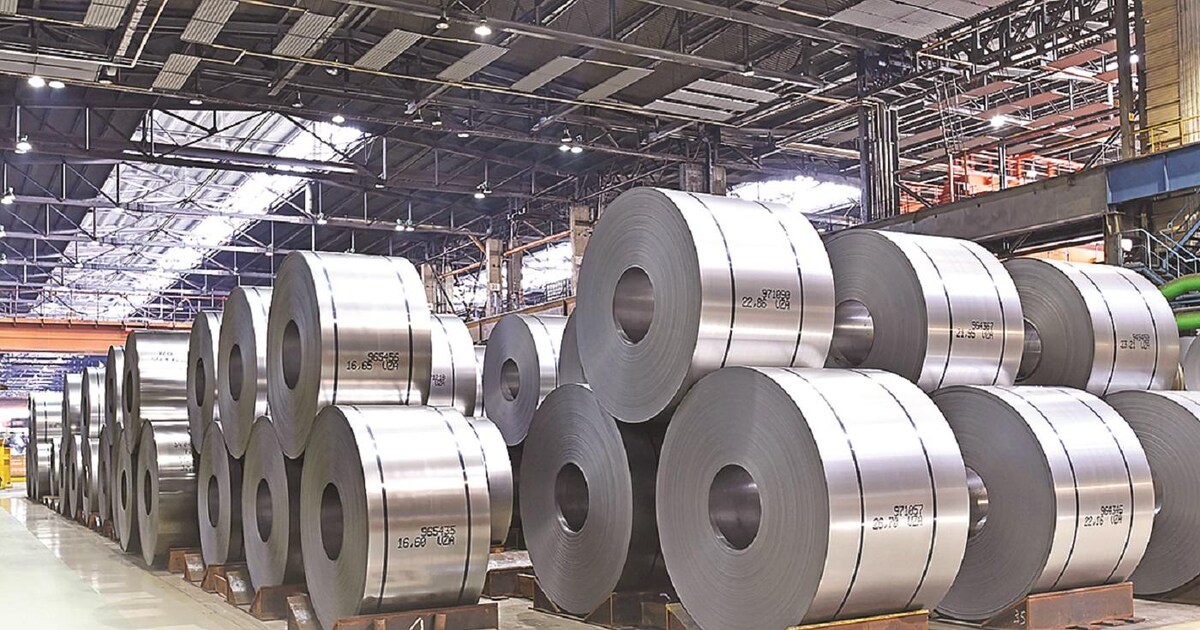
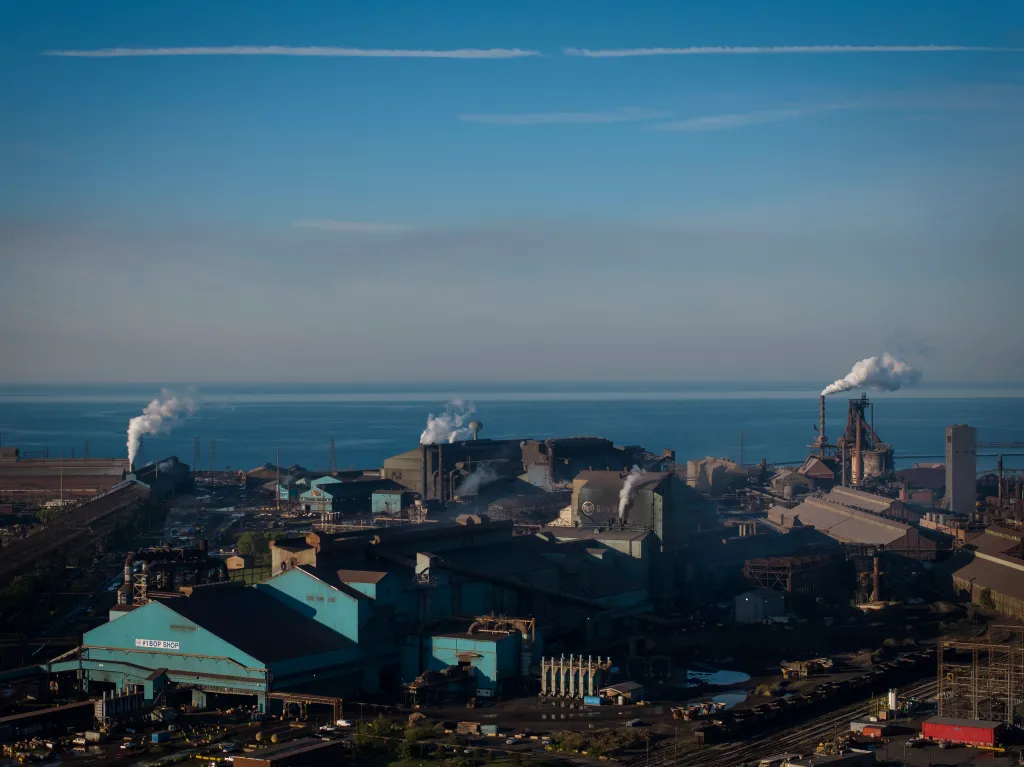
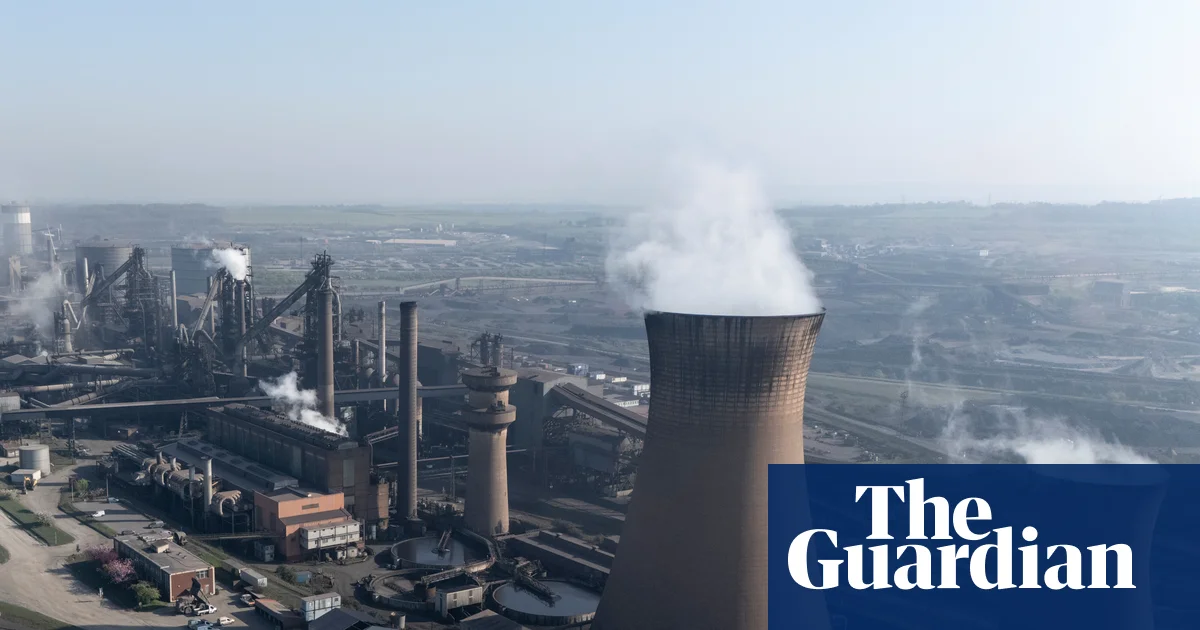
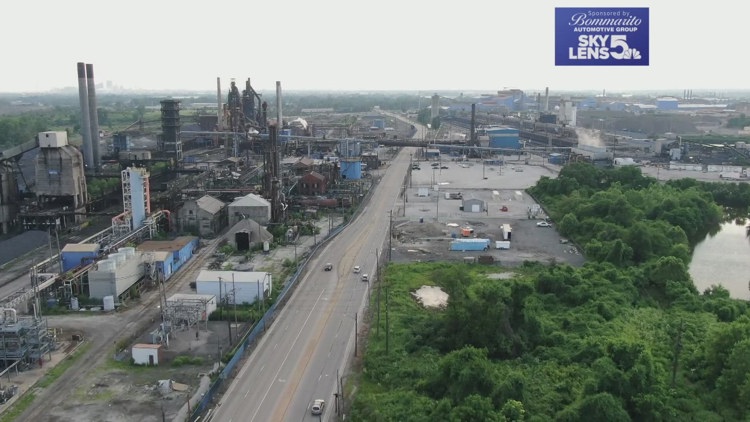
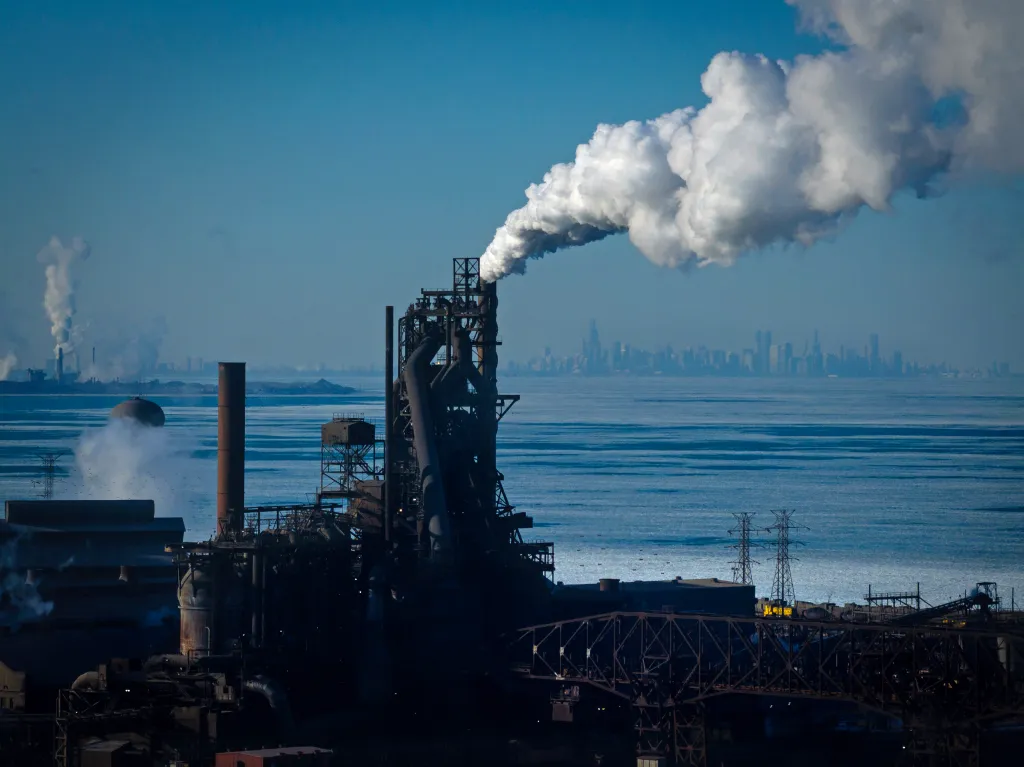
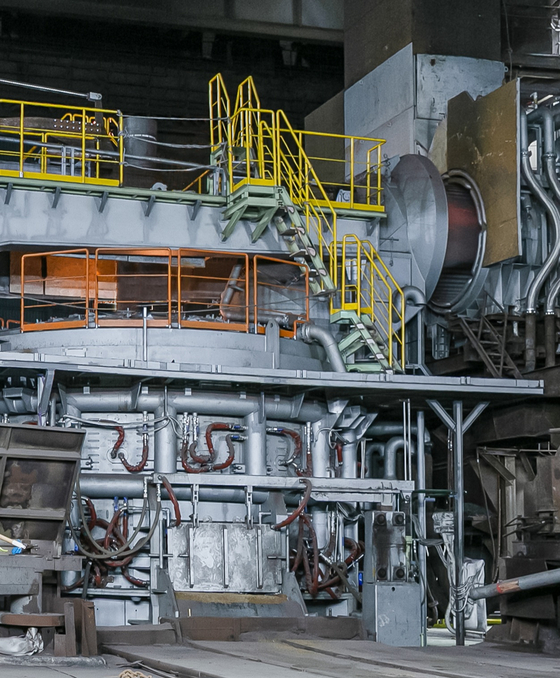
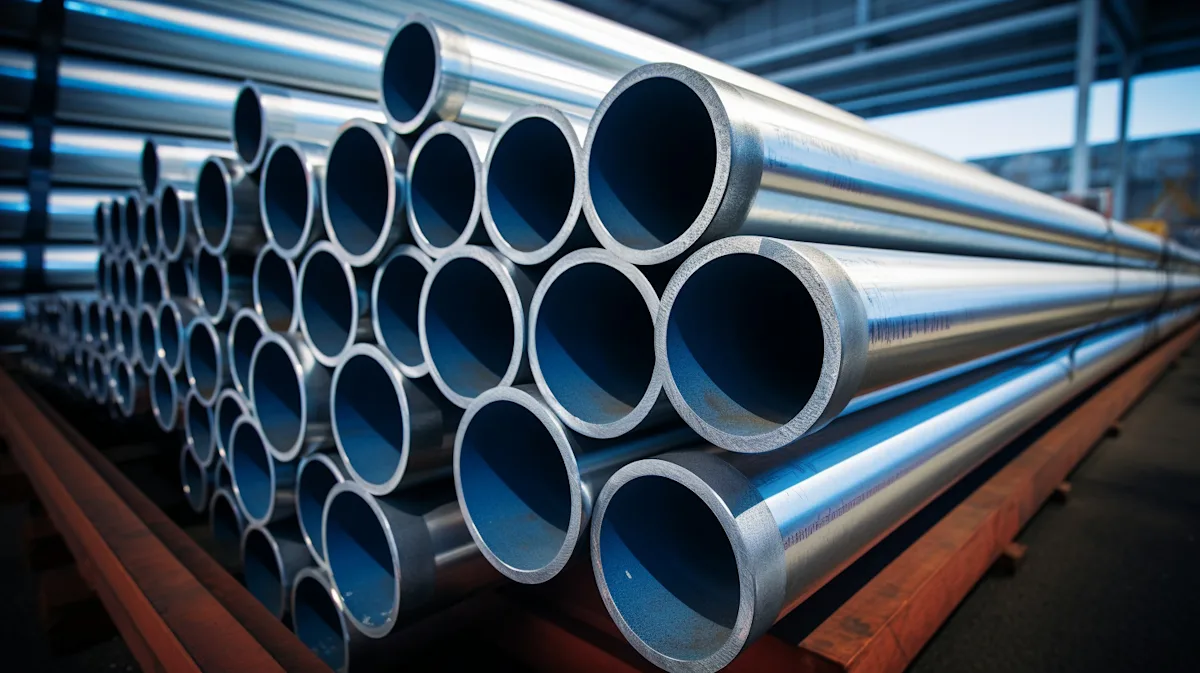
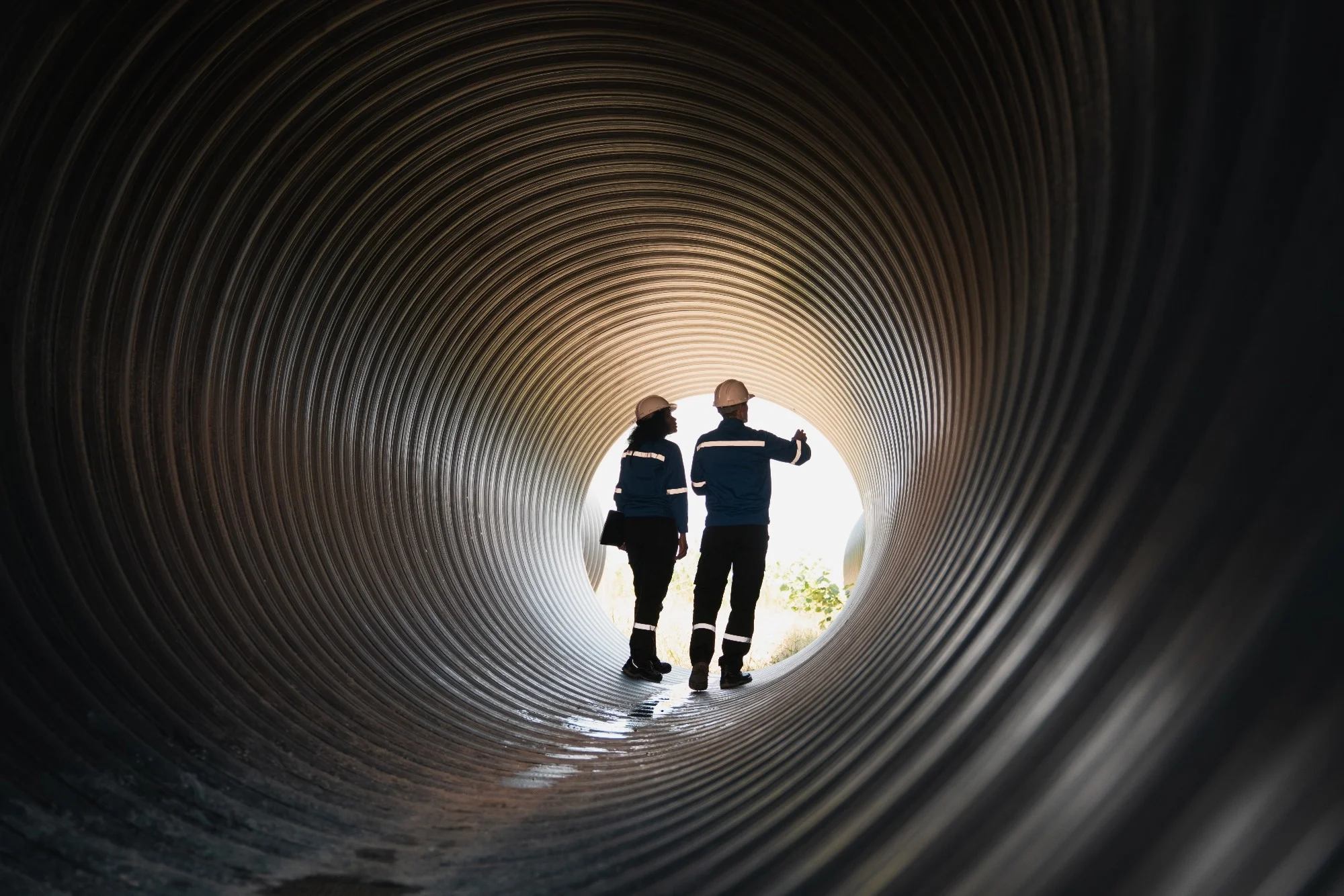
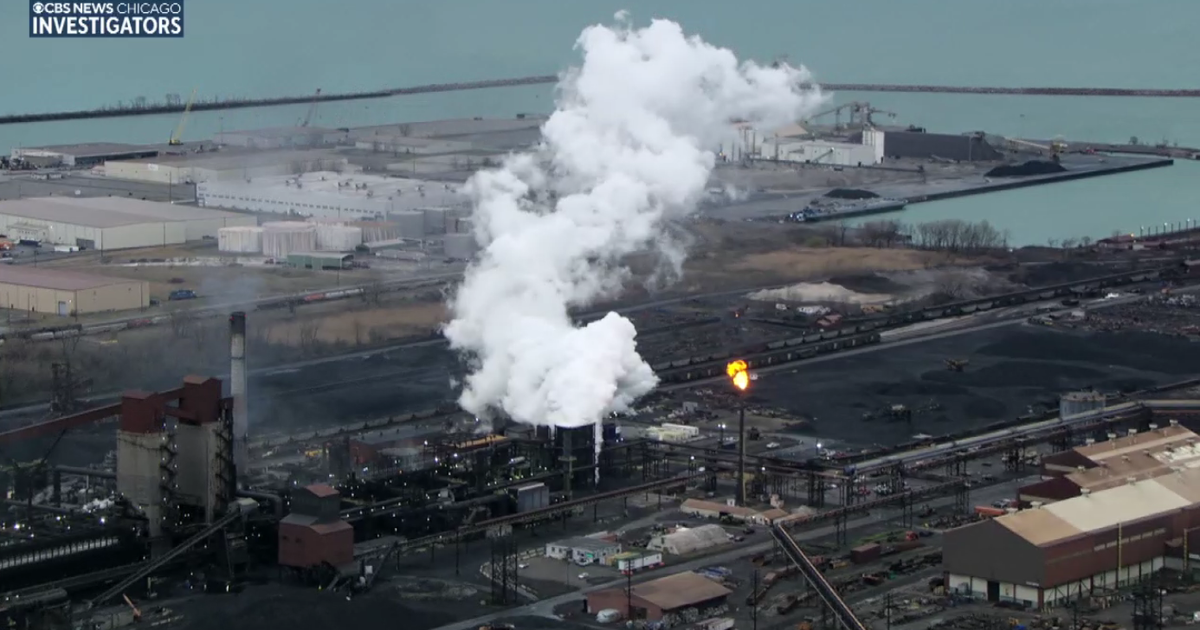
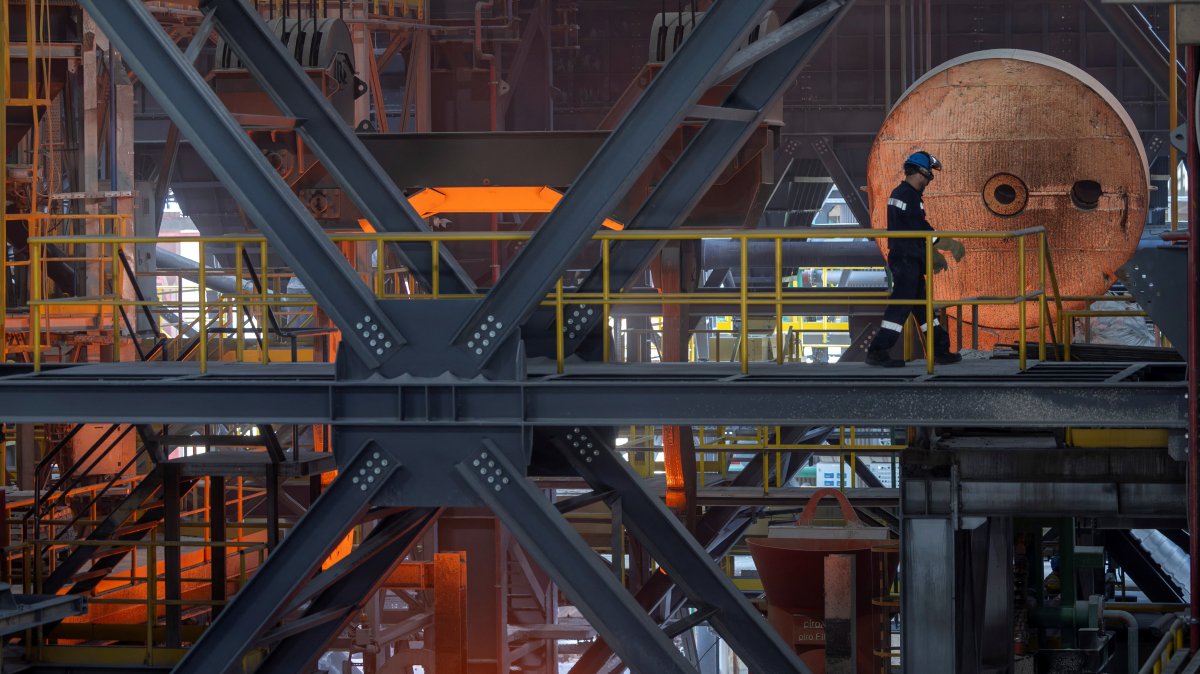
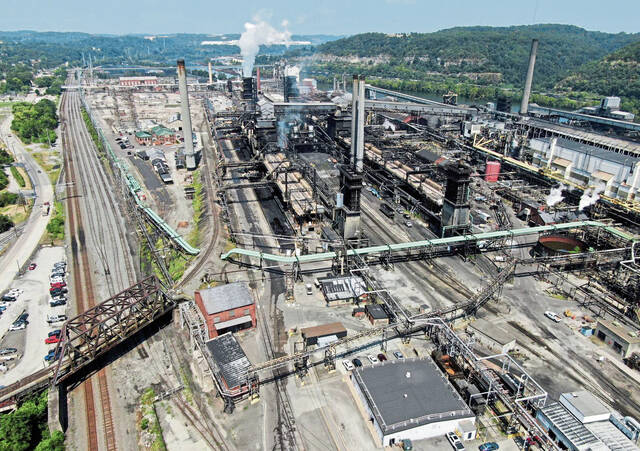
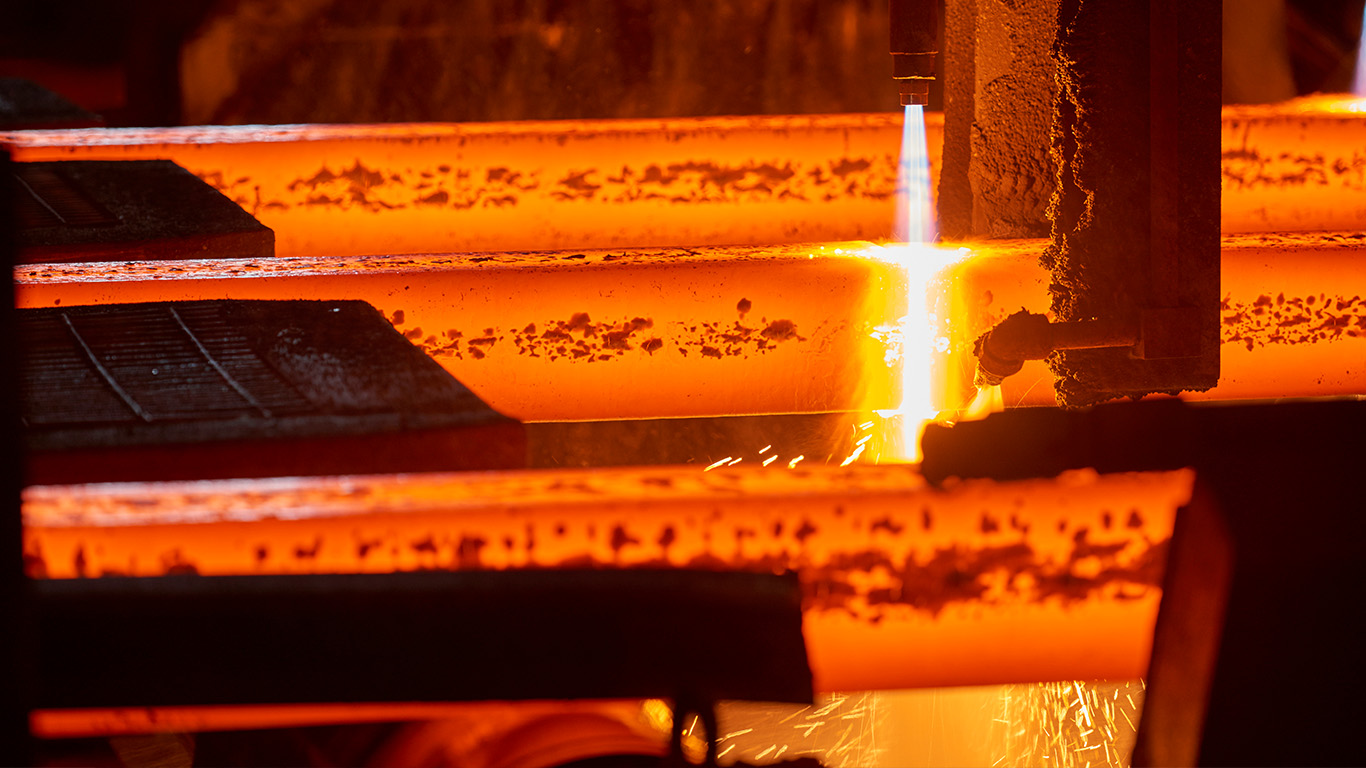
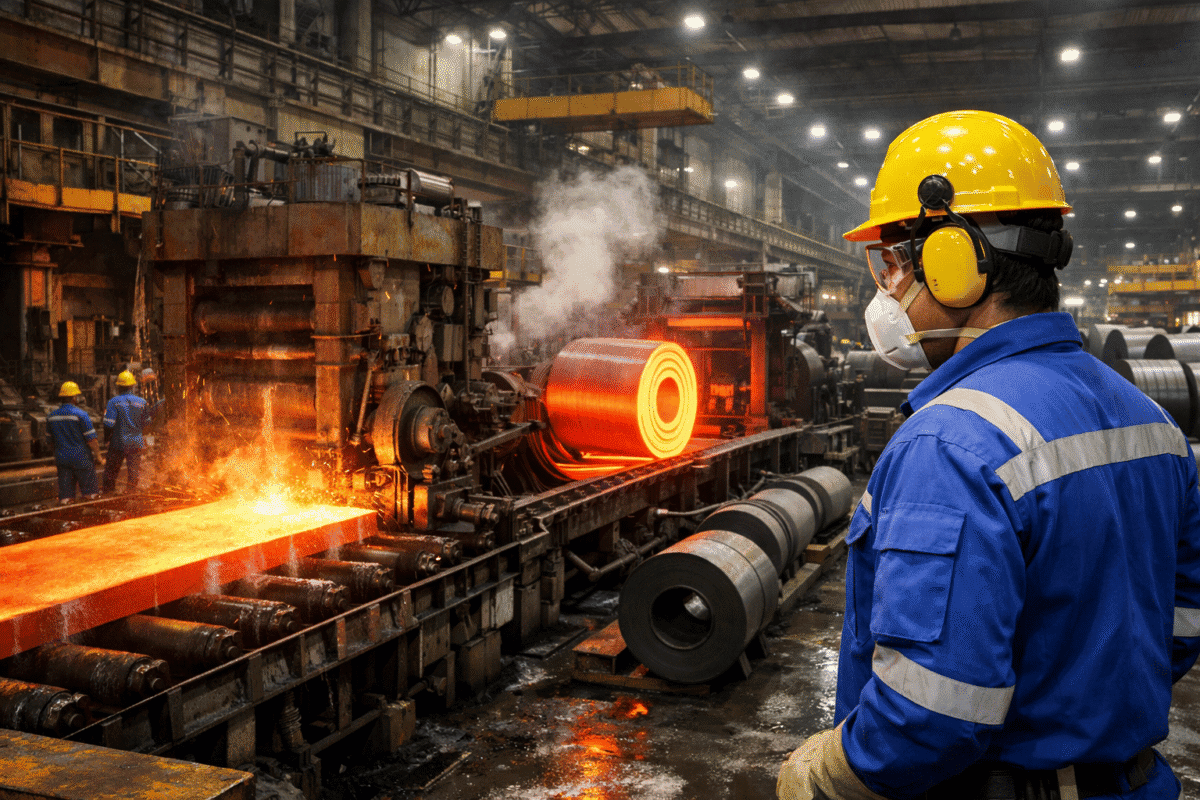
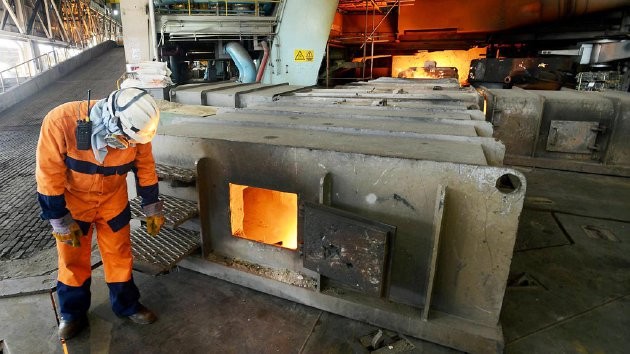
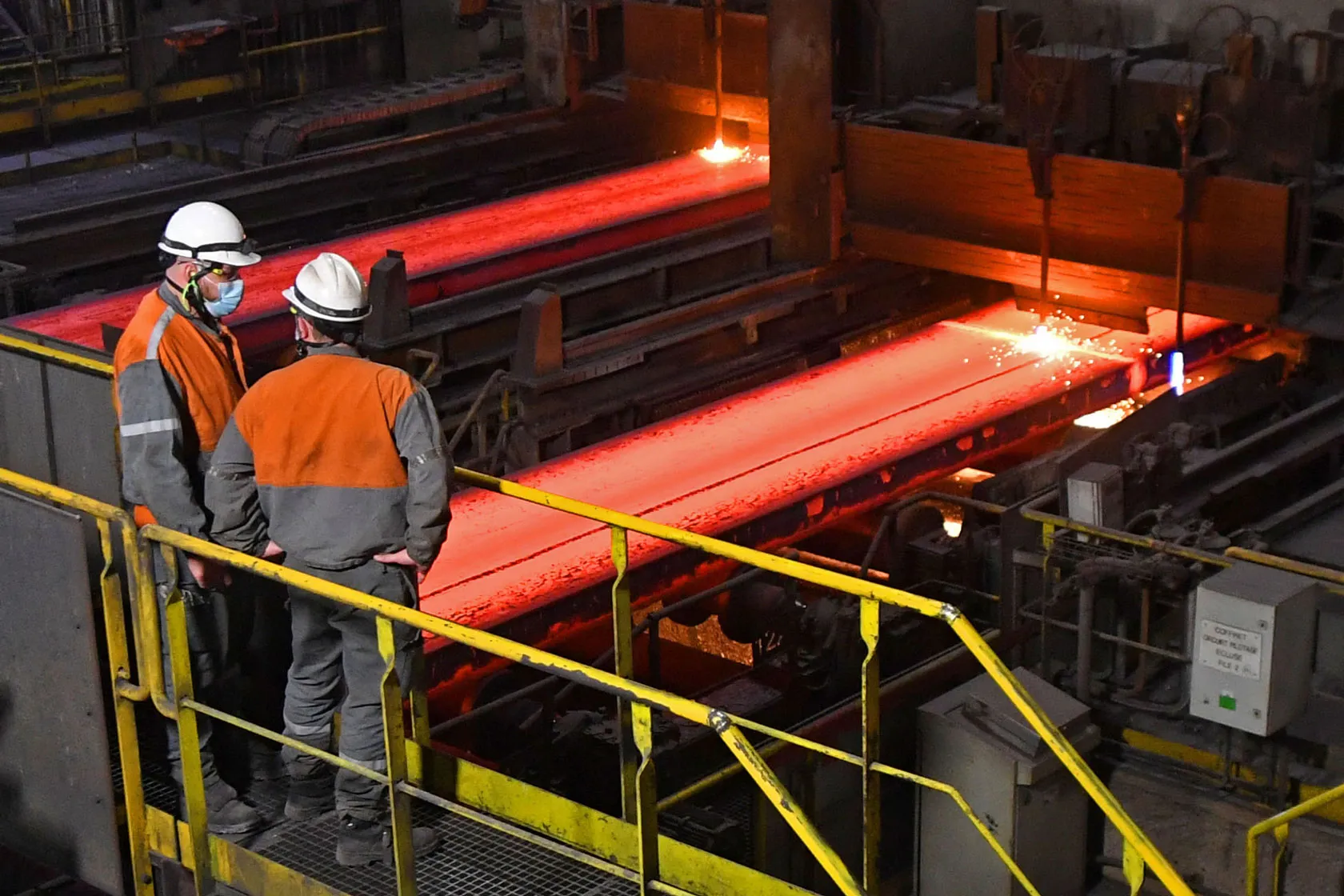
At the Tata Steel site, two Kraftblock units are connected to the “sinter” plant by a maze of thick silver pipes. Sintering is a highly energy-intensive process in which iron ore, limestone, and other materials are heated together to make lumps that are fed into blast furnaces — the hulking coal-fueled facilities that produce iron, the main ingredient in steel.
Tata Steel primarily uses fossil gas to generate heat to make the sinter, and later runs the finished product through large circular equipment to cool it back down. Kraftblock’s technology gathers the thermal energy that the cooled-off sinter releases and stores it in the batteries — at up to 500 degrees Celsius (932 degrees Fahrenheit). Tata Steel can then tap those batteries to warm the water needed for the sintering process.
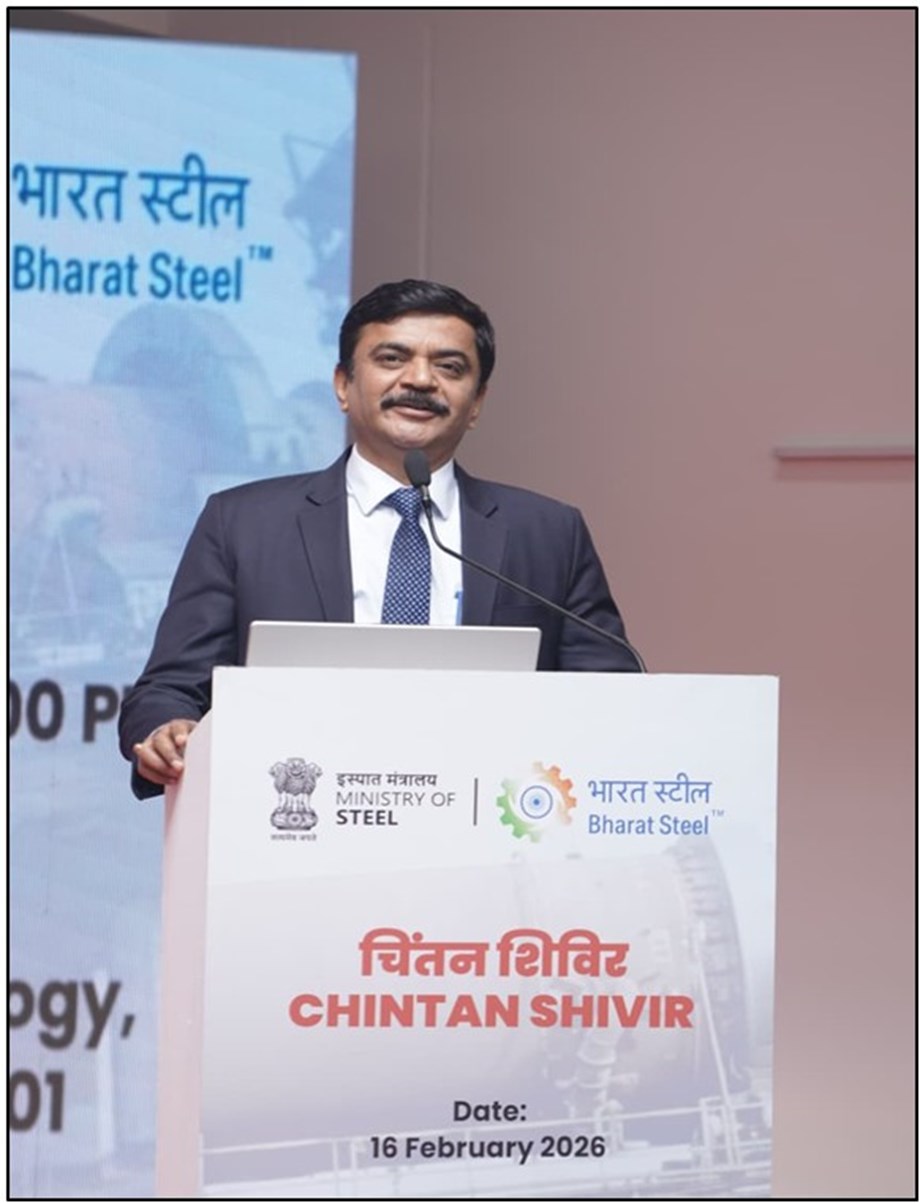
Kraftblock’s system “enables us to significantly reduce our fossil energy consumption and emissions while improving process efficiency,” Subodh Pandey, Tata Steel’s vice president of technology, R&D, new materials business, and graphene, said in a statement to Canary Media. “This project is a significant step towards a greener, more energy and cost-efficient steel industry.”
Kraftblock declined to say how much its 20-MWh system cost to build or operate. But Schichtel said the project was developed without any subsidies, a fact that reflects the growing regulatory pressure facing Indian steelmakers. India is set to launch a carbon-credit trading scheme this year, and the European Union recently enacted a carbon-border tariff on polluting imports, which applies to metal from India.
Such policies are “definitely supportive” of clean technologies like Kraftblock’s, Schichtel said.
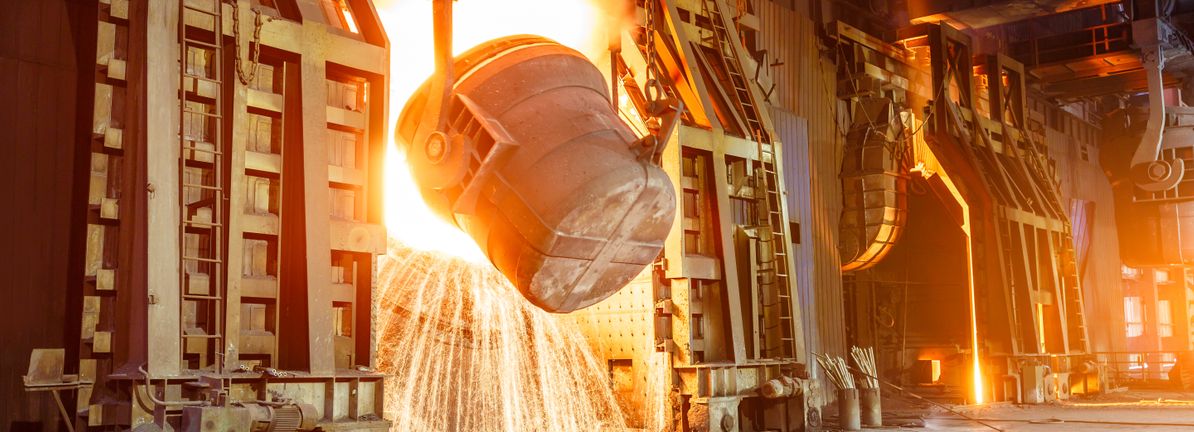
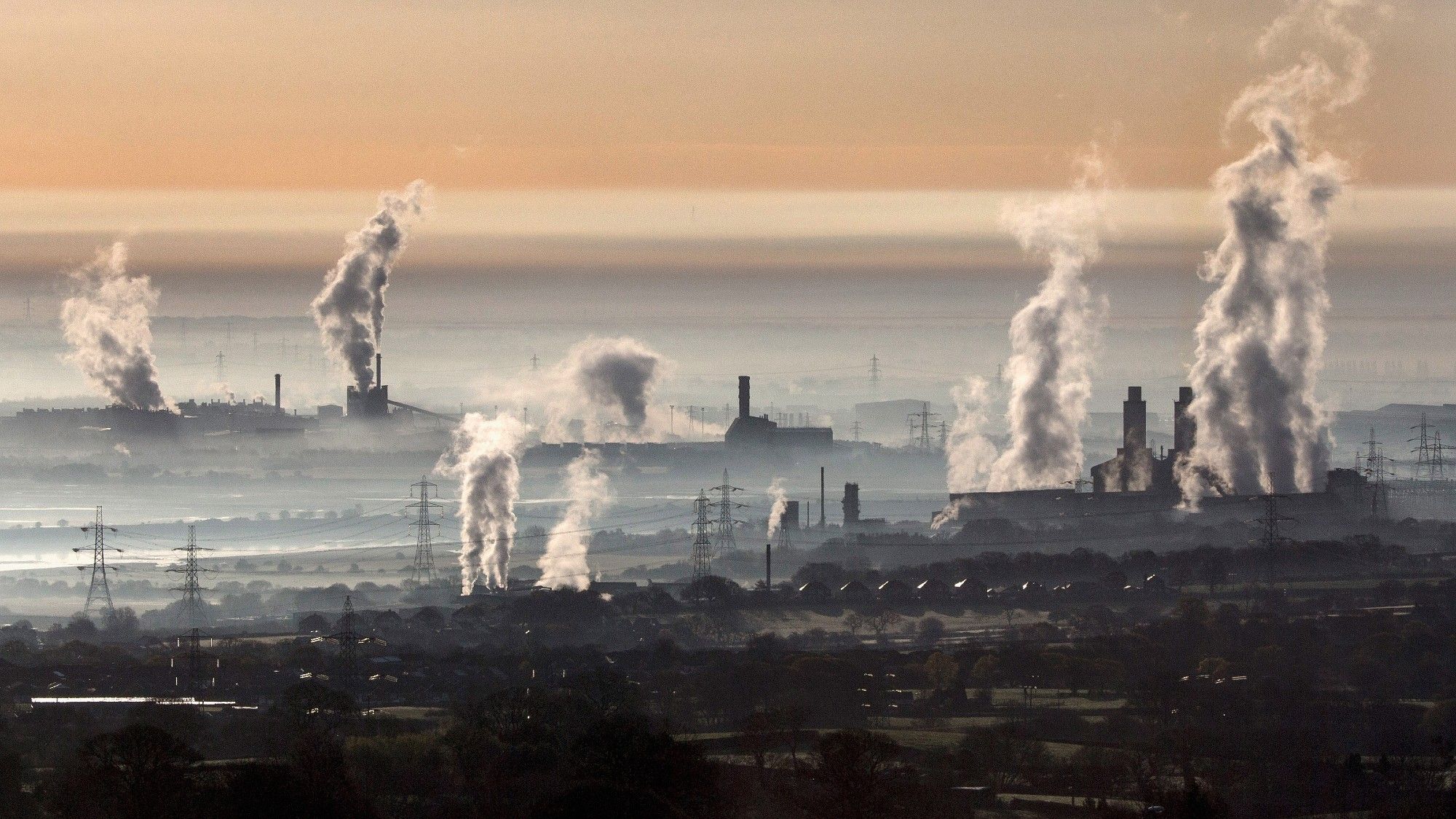
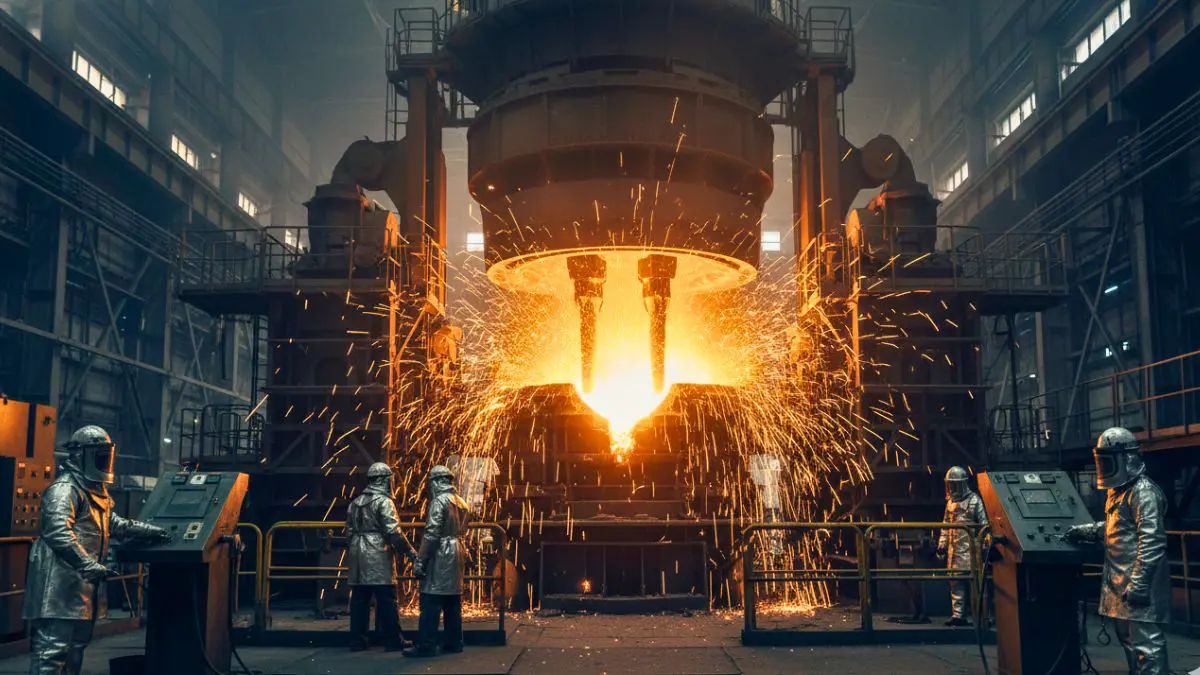
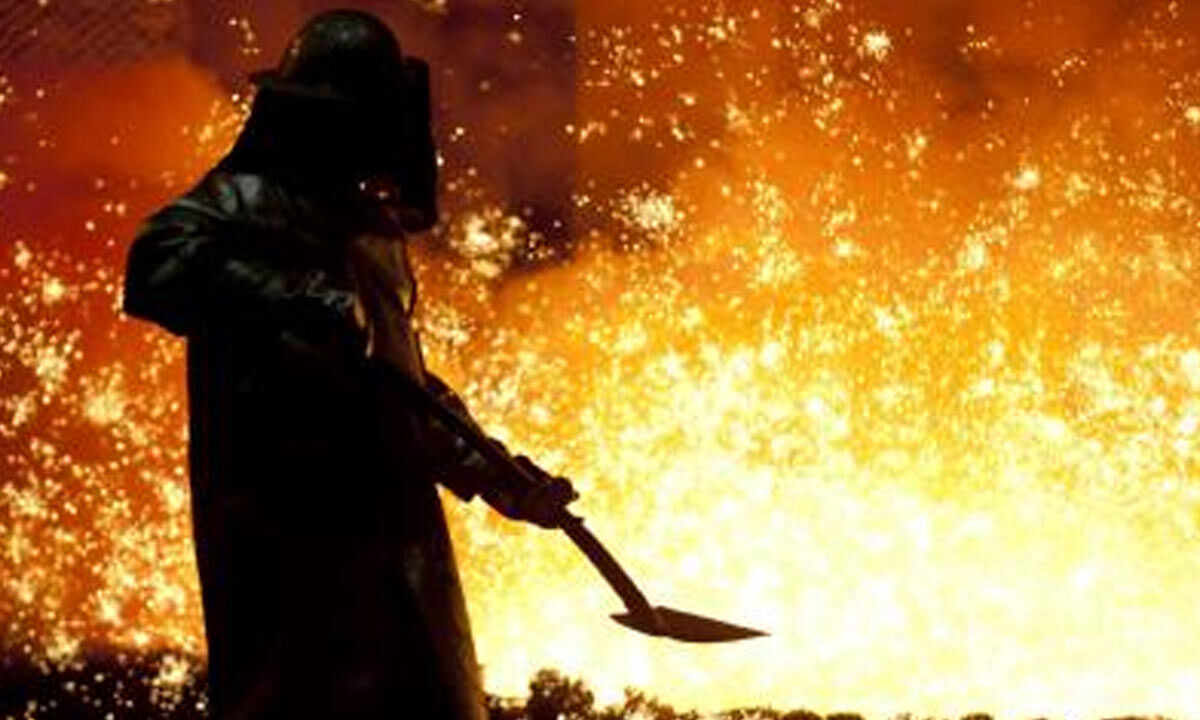
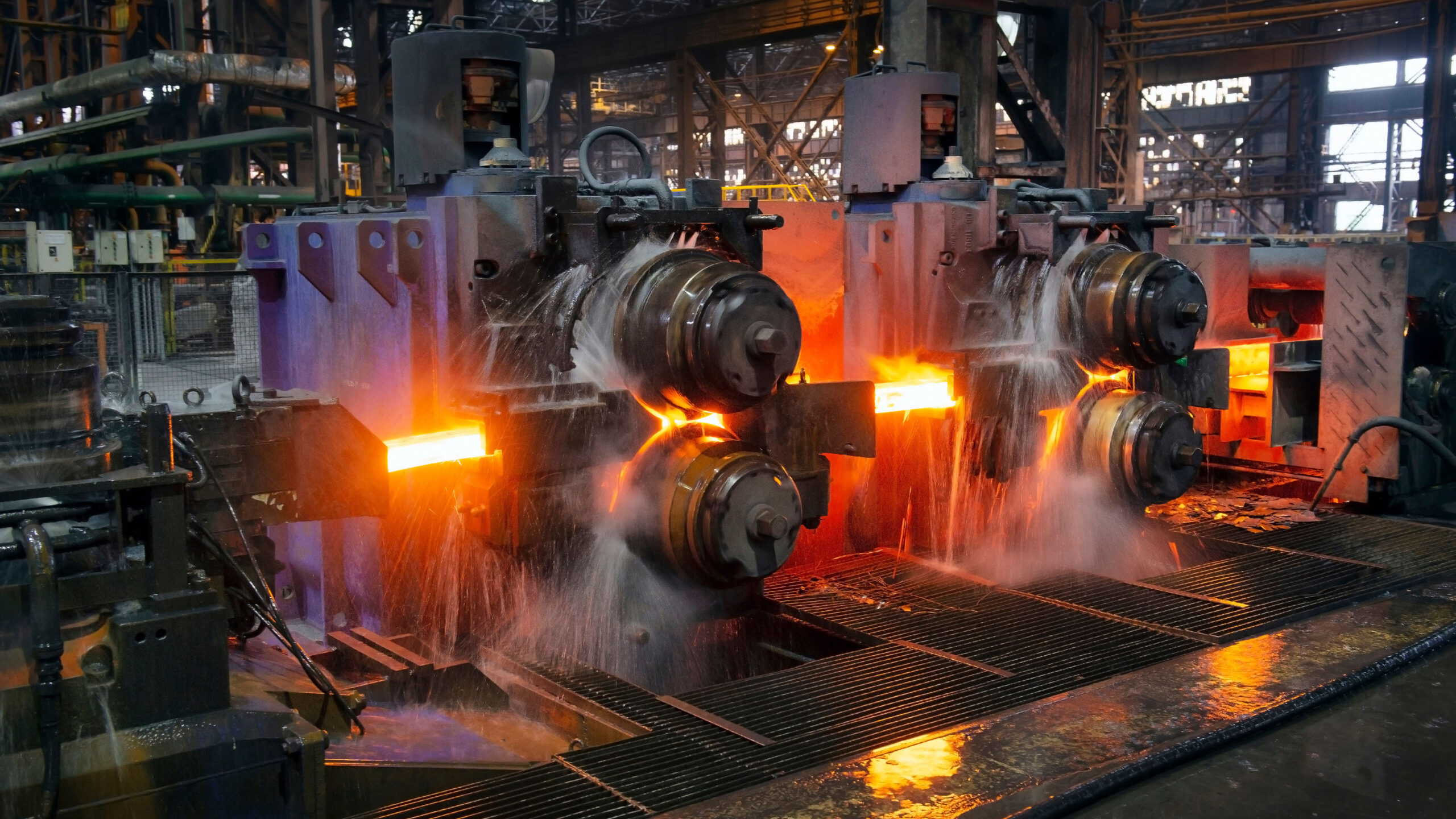
Globally, steelmaking accounts for between 7% and 9% of human-caused greenhouse gas emissions. Most of that pollution comes from heating coal in blast furnaces — a chemical process that can’t be directly replaced with thermal-storage systems. Steelmakers are pursuing other low-carbon methods instead, including producing iron using green hydrogen or with novel electrochemical processes.
Tata Steel, for its part, recently announced plans to invest $1.2 billion in advanced technologies at its Jamshedpur plant that are designed to reduce coal use in the ironmaking process and will capture carbon emissions from the steel mill.
Still, heat batteries like Kraftblock’s could provide a key way for steelmakers to start cleaning up their existing facilities today, even as they work to solve the much harder, longer-term challenge of fully decarbonizing, said Kaitlyn Ramirez, a senior associate in the Climate-Aligned Industries Program at RMI, a clean energy think tank.
Curbing steelmakers’ energy use is especially crucial, given how much renewable power cleaner steel mills are expected to need for steps like producing green hydrogen and operating electricity-driven furnaces and reactors. “Every amount of energy that we can reduce or make more efficient … makes the ultimate transition to near-zero [steel] production easier and much more feasible in the near term,” Ramirez said.
Kraftblock is part of the climatetech accelerator Third Derivative, run by RMI and New Energy Nexus. The startup joined last year’s “industrial innovation cohort,” along with other industrial-heat-focused companies such as Advanced Thermovoltaic Systems, HyperHeat, and Noc Energy.
Nick Yavorsky, a senior associate at RMI who works with Third Derivative cohorts, said his team thought that Kraftblock was “on a very successful commercial pathway.” The startup had already raised 20 million euros ($23.6 million) in Series B financing when it joined the accelerator, and it had already deployed its thermal-storage technology at the Netherlands PepsiCo plant and at a ceramic manufacturing facility in Germany.
The Tata Steel project is “kind of a beacon” for thermal-storage startups looking to break into the steel sector, Yavorsky said. He added that he sees significant potential for scaling Kraftblock’s technology. Beyond the carbon-intensive blast furnace, steelmaking involves over a dozen upstream and downstream processes that require lots of energy and generate plenty of heat.
Worldwide, steelmakers operate over 480 integrated iron- and steelmaking facilities, according to Global Energy Monitor. India’s steel sector is growing particularly fast, and much of that new capacity is still expected to rely heavily on coal, underscoring the need to slash steel-related emissions wherever possible.
Schichtel said that Kraftblock and Tata Steel could consider expanding the heat-battery project after the full year of operations. He noted that the startup’s technology can store and manage heat up to 1,300 degrees Celsius (2,372 degrees Fahrenheit) — much higher than the sinter plant requires — which enables its technology to harness waste heat from a wide range of industrial processes.
“Not all steel mills will convert to hydrogen [ironmaking] within the next five or 10 years, right?” he said. “So each step you can do to minimize emissions, to increase energy efficiency for existing systems, is highly value-added.”