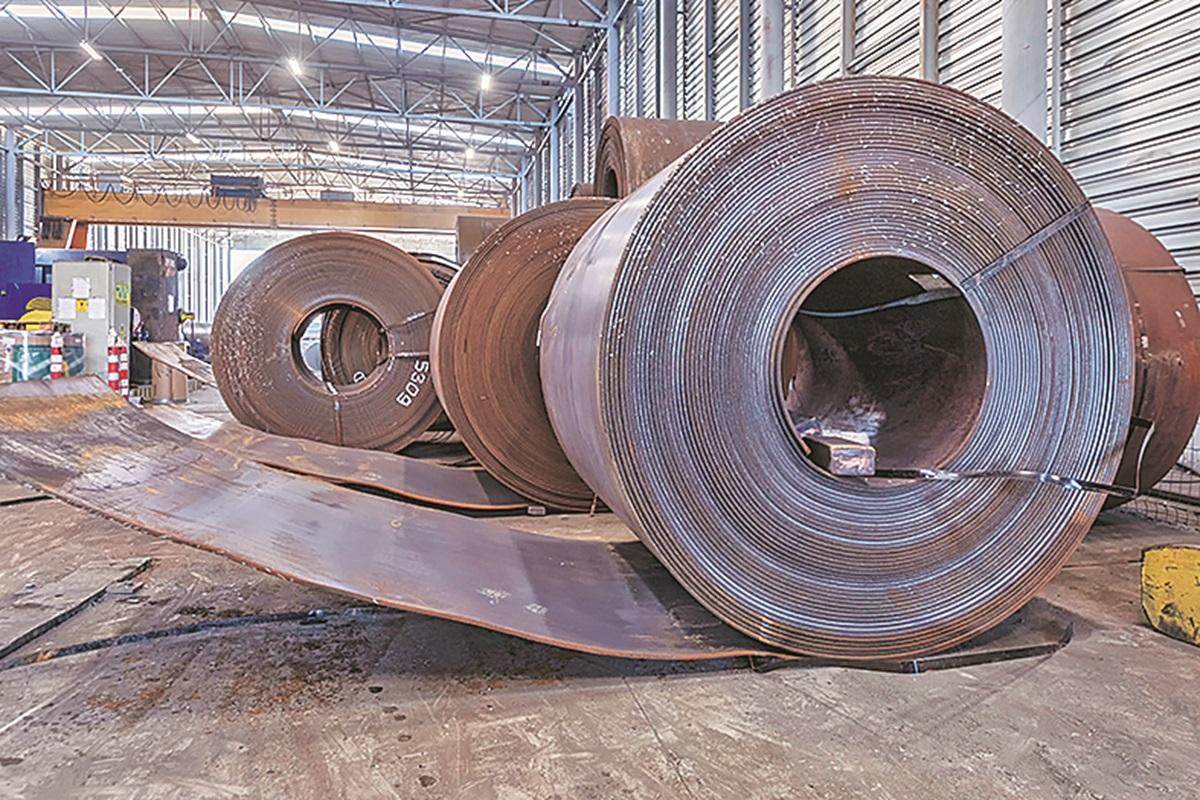
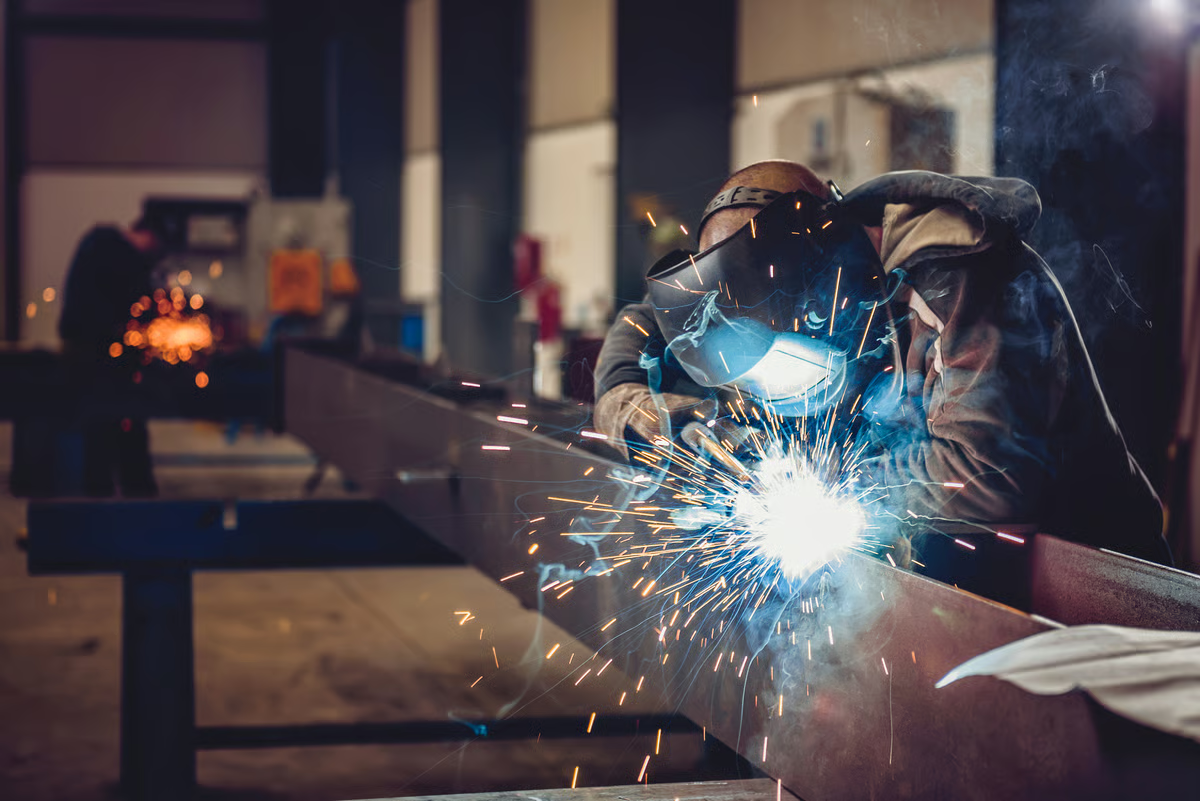
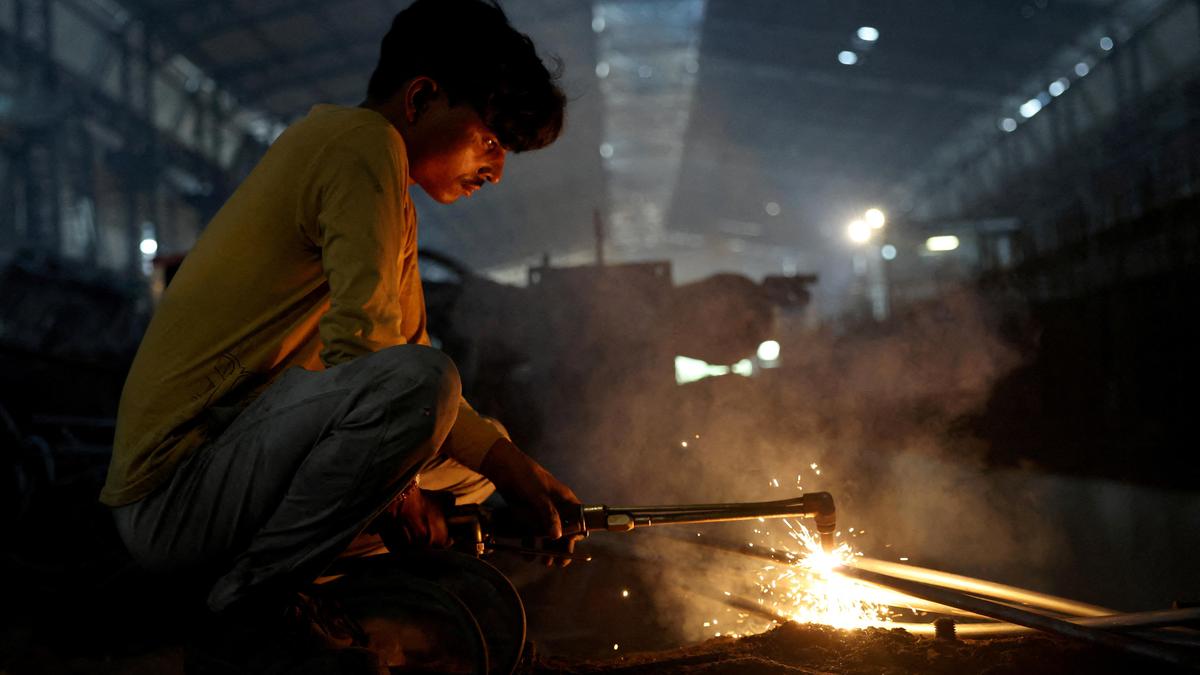
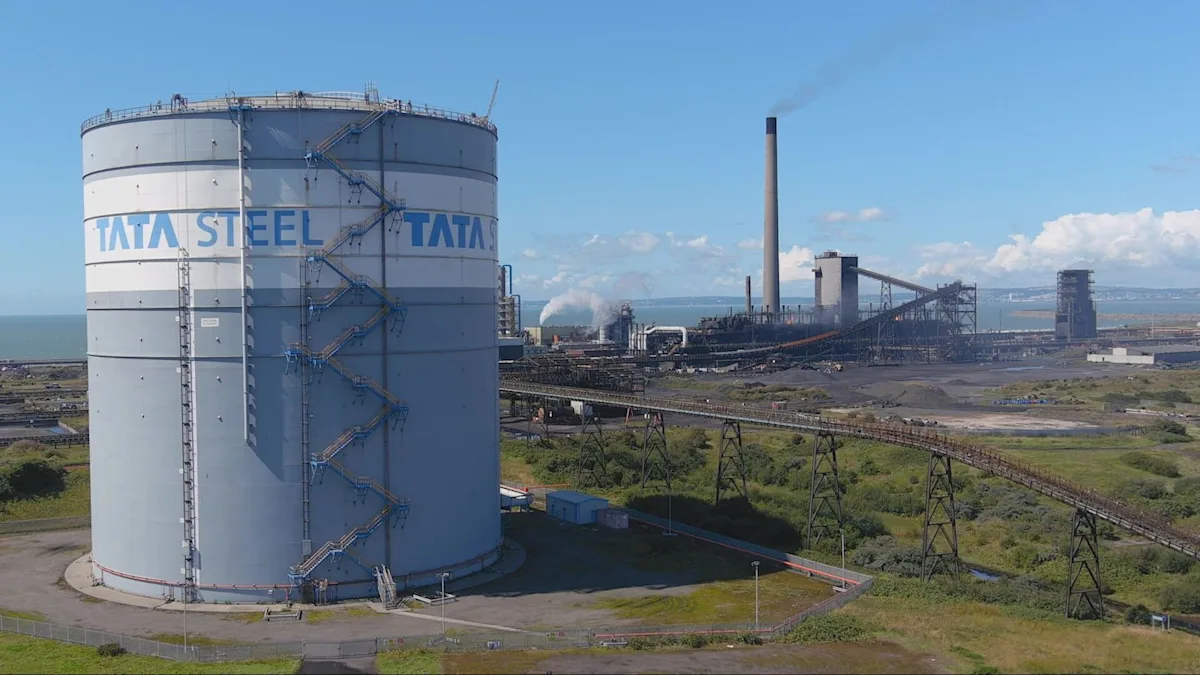
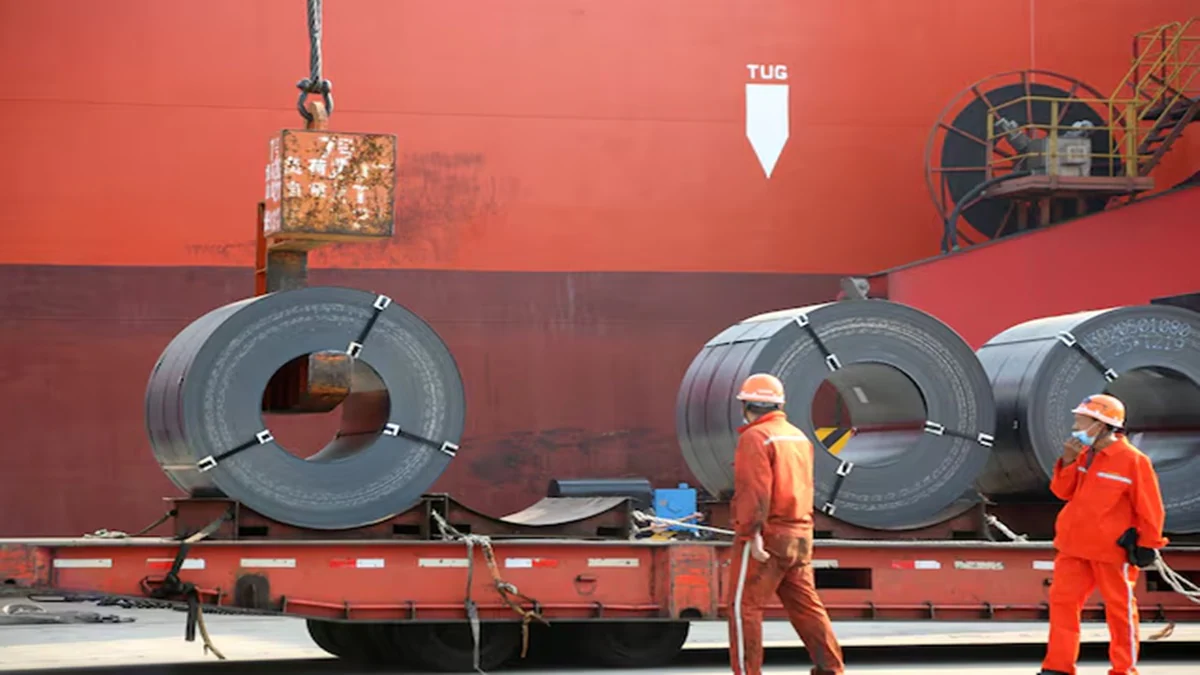
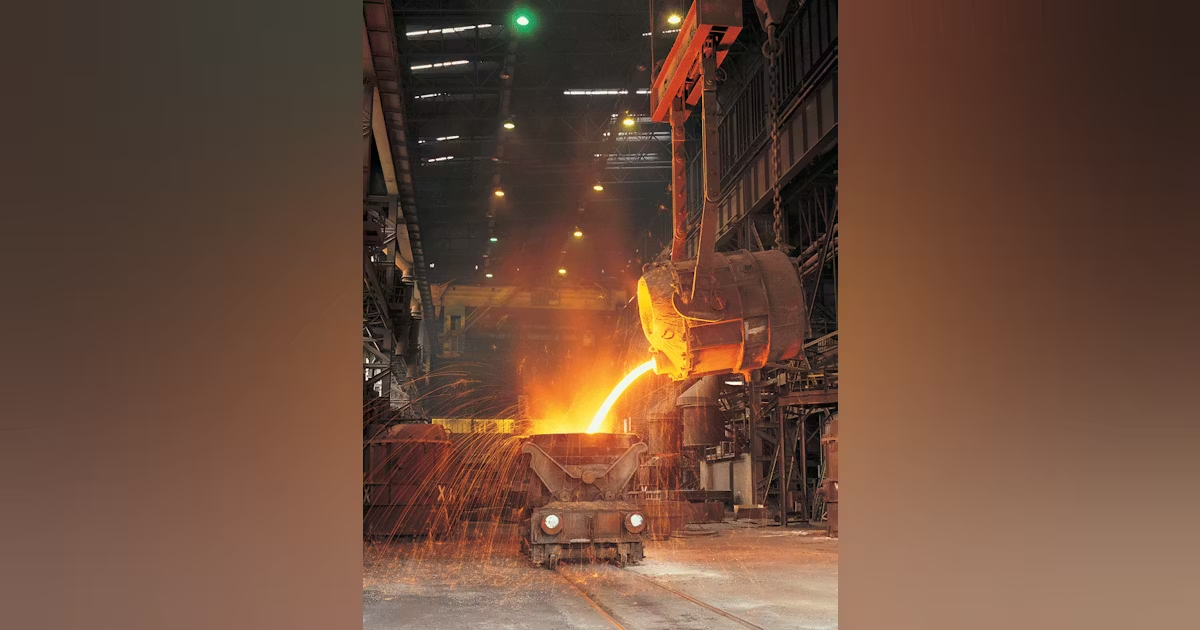
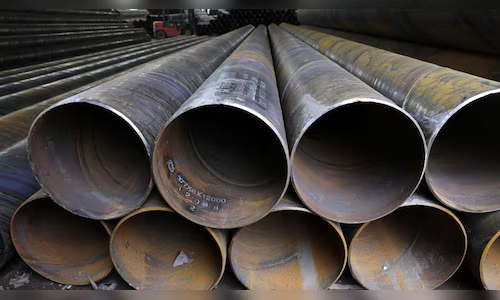
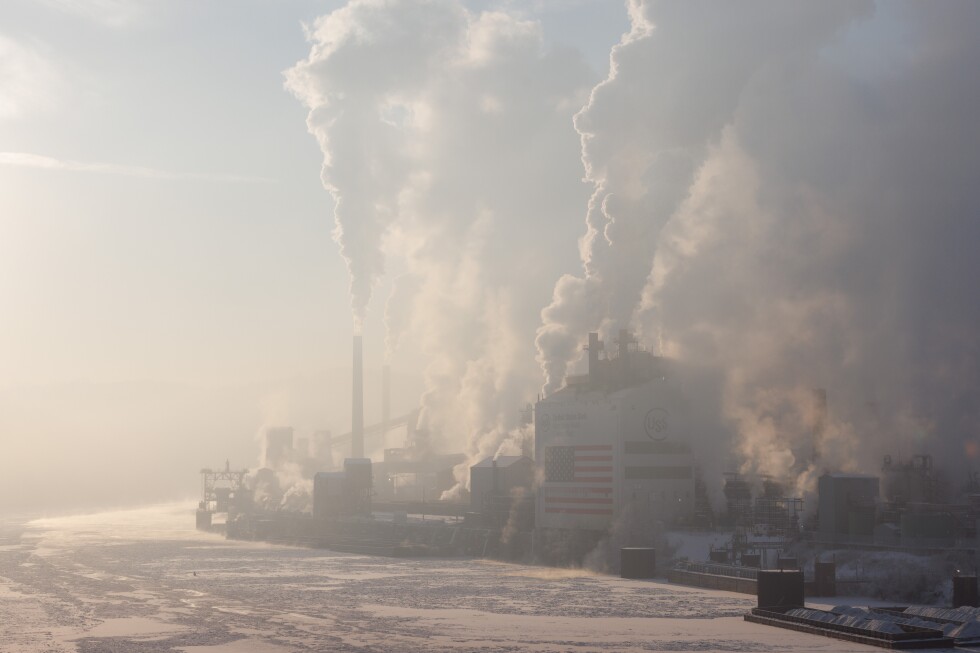
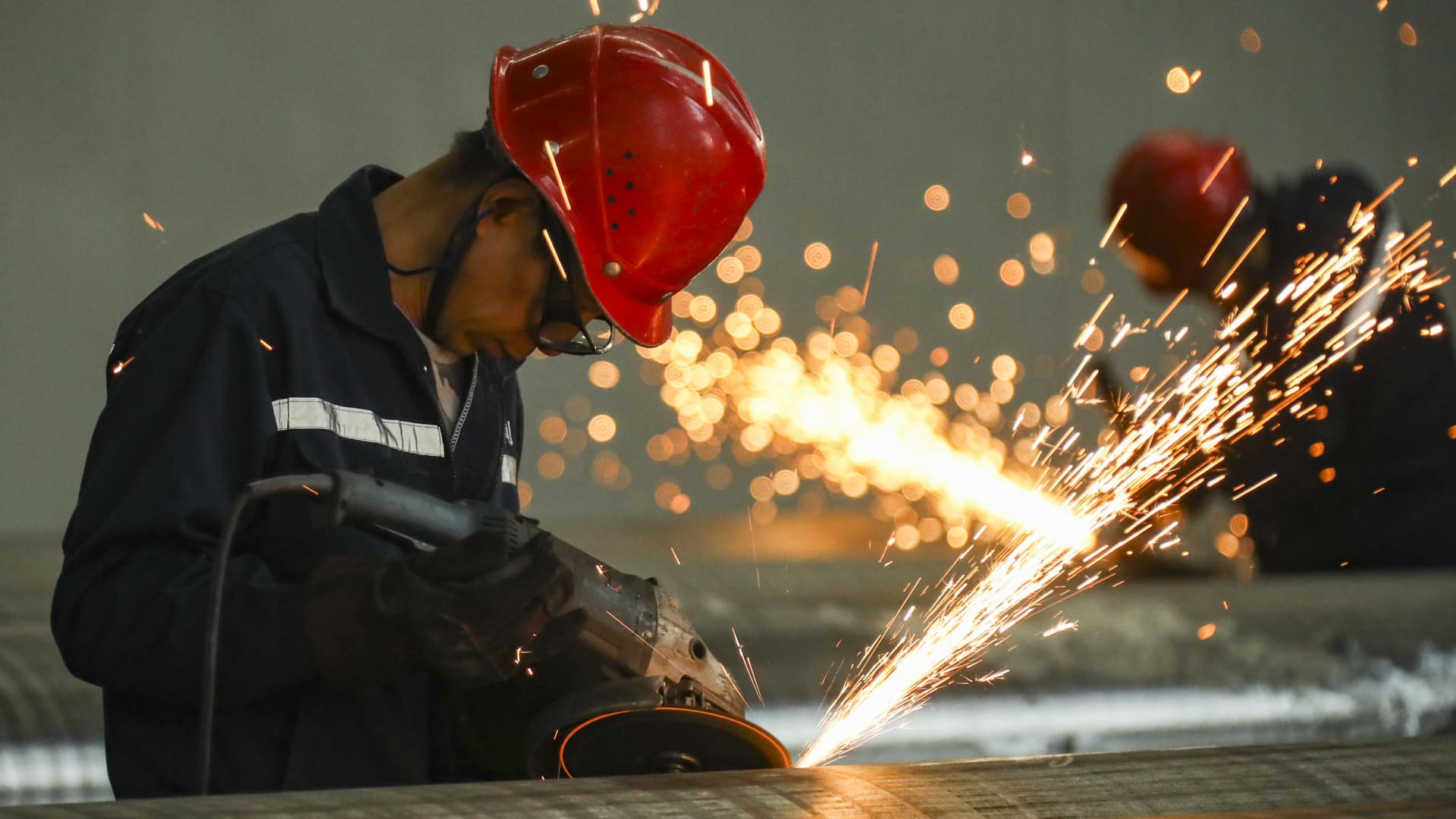
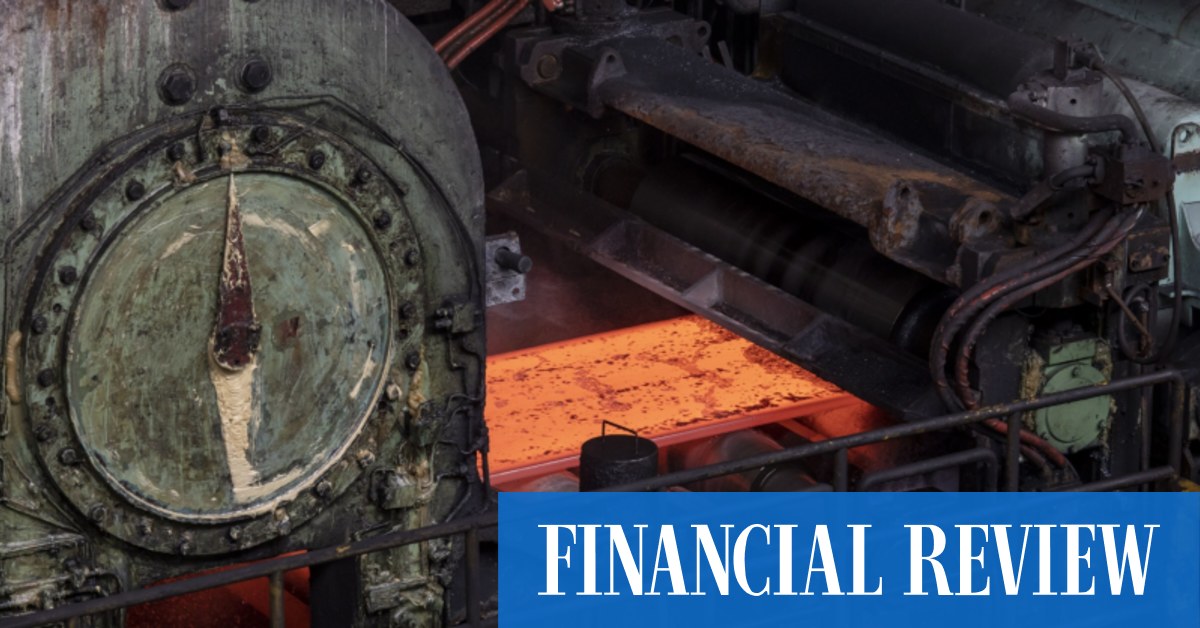
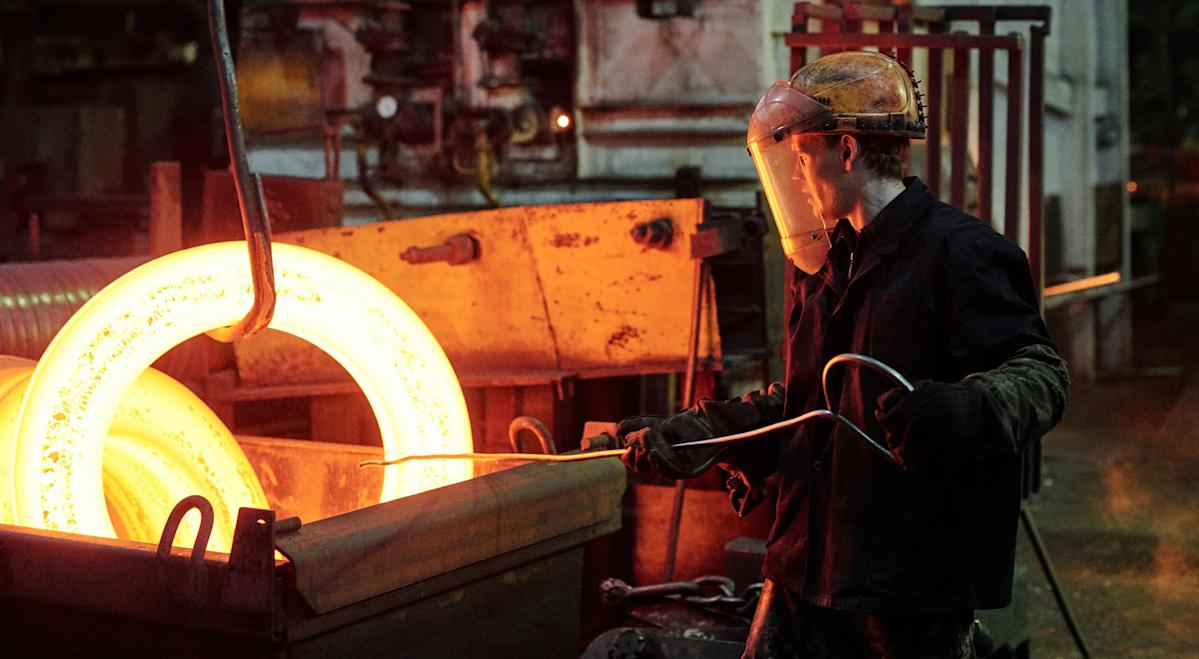
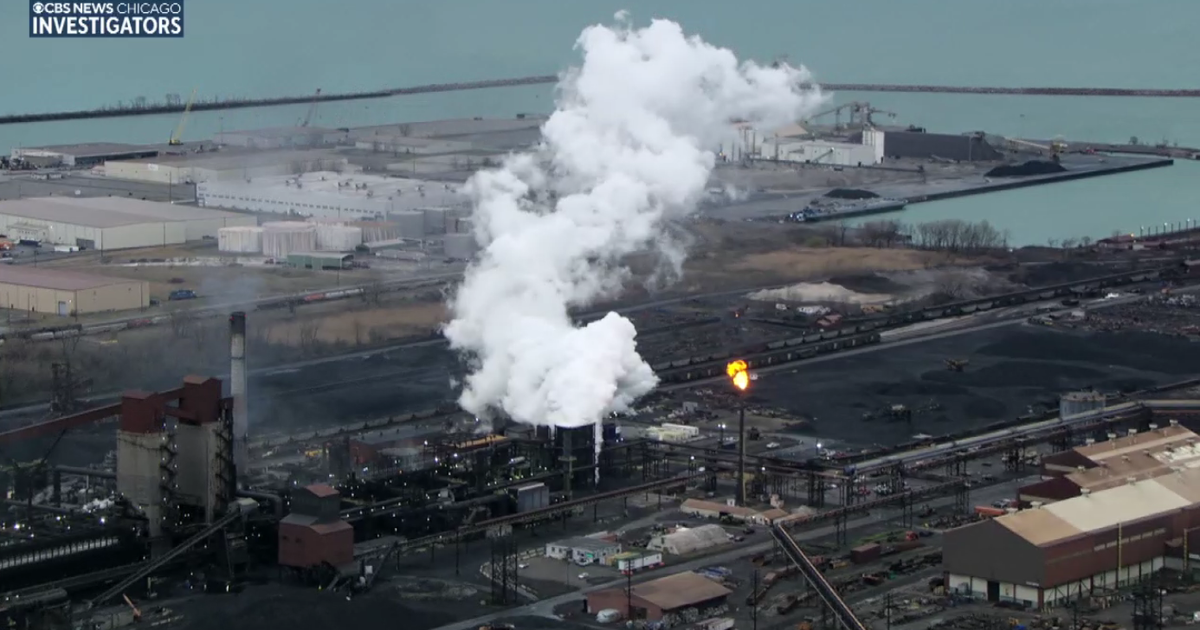
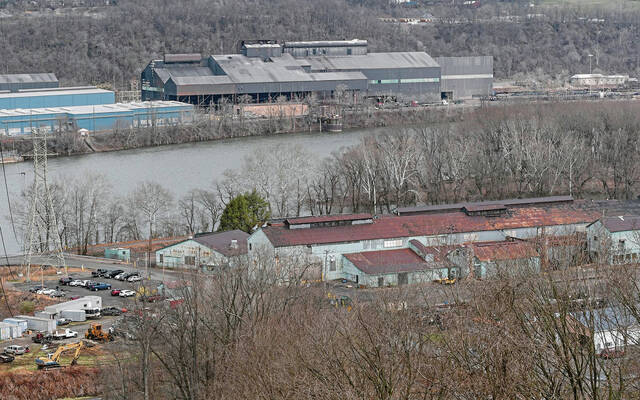
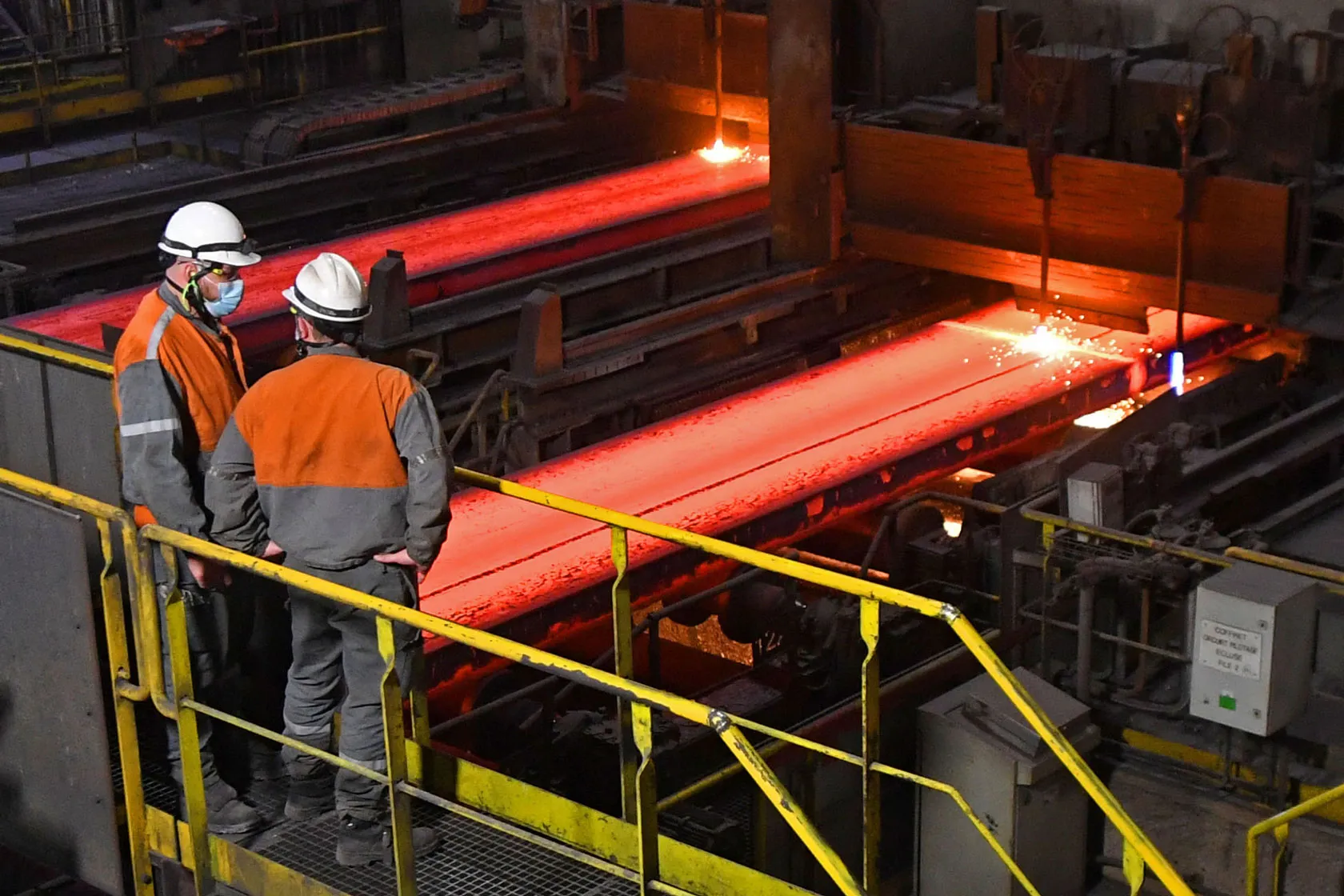
The EU is preparing to put green steel at the heart of its industrial comeback.
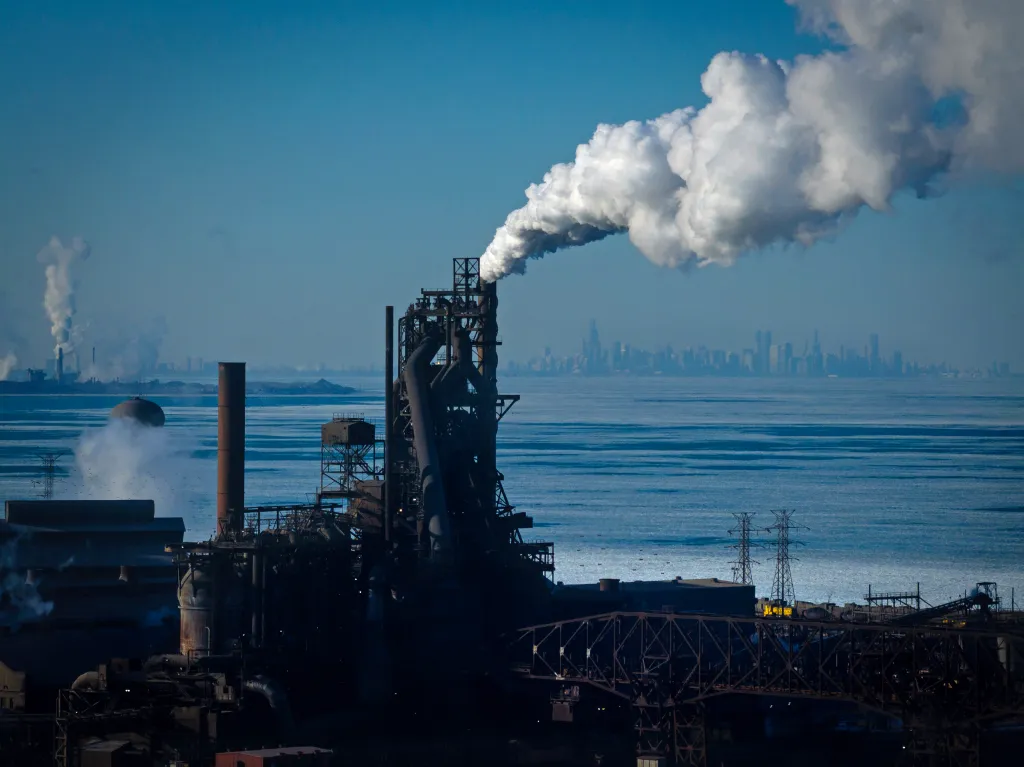
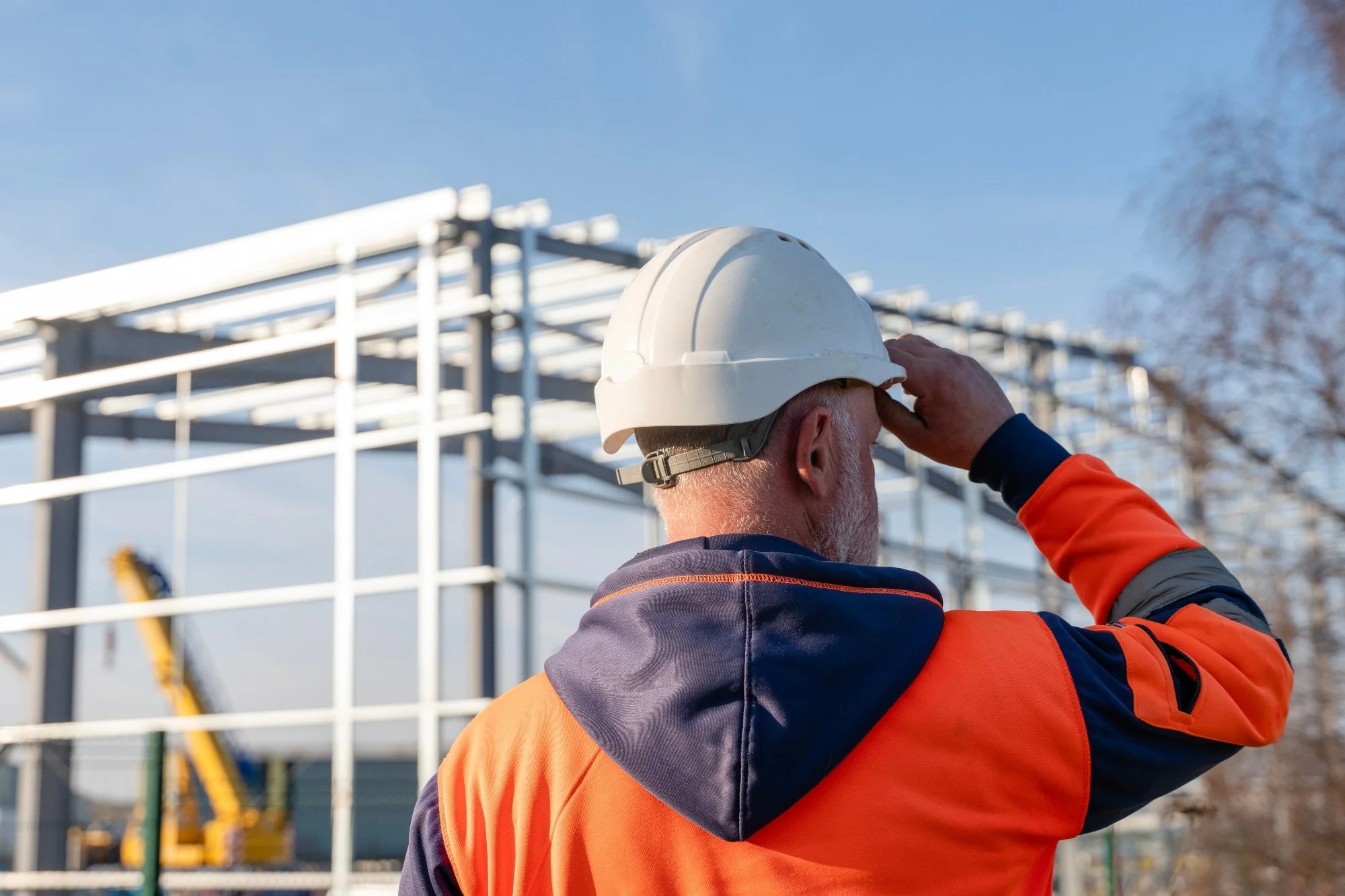
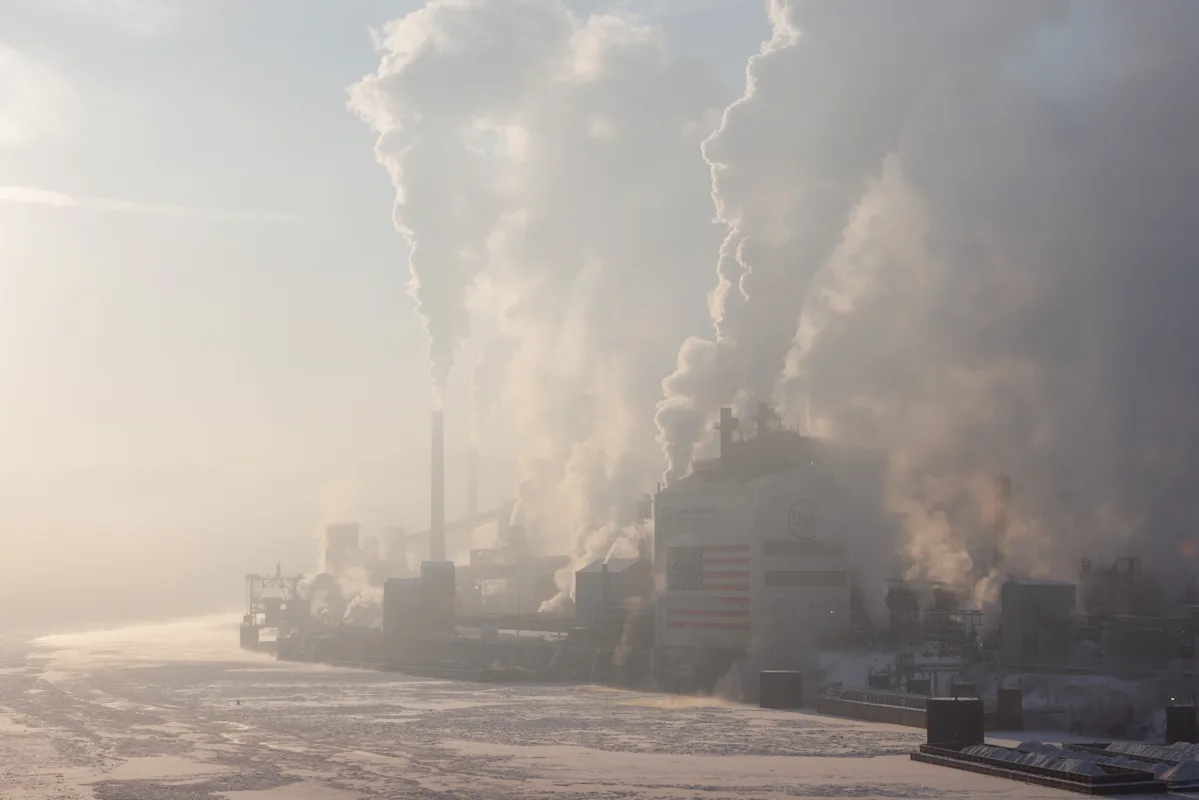
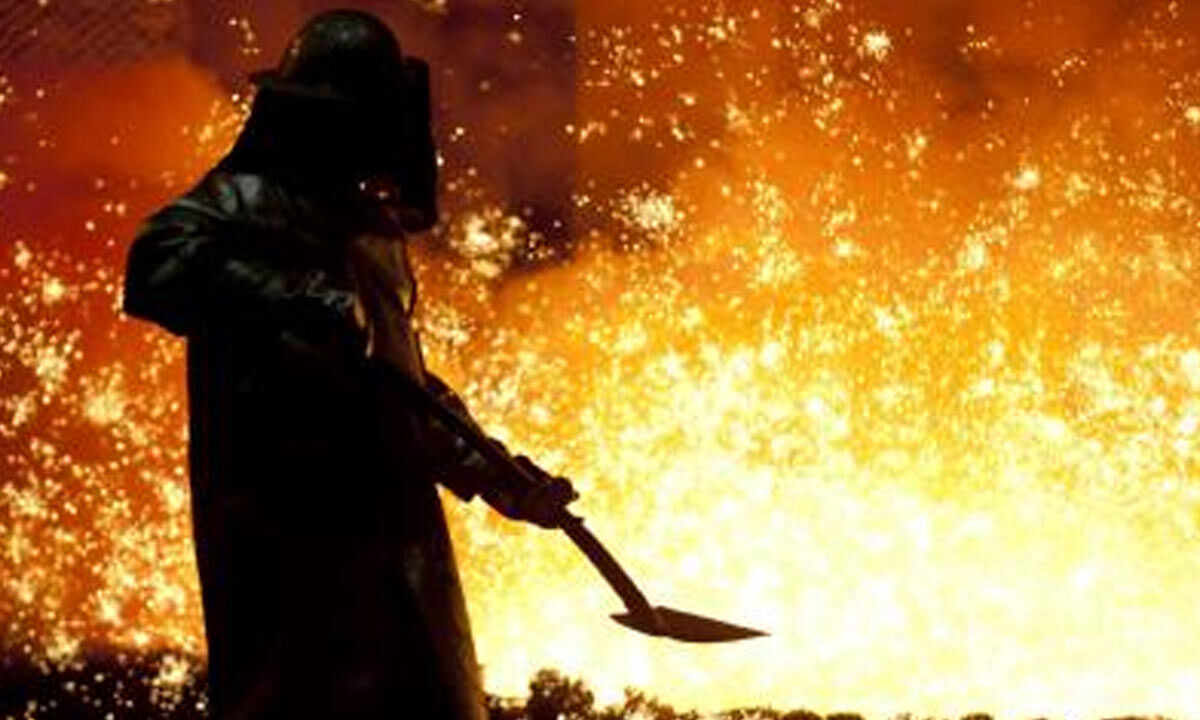
Foto: Adam Sundman/SvD/TT

The European Union is preparing a major industrial push that could play straight into the hands of green steel producers in northern Sweden.
Due next week, the EU’s Industrial Accelerator Act – often referred to as the “Made in Europe” law – is aimed at reversing what Brussels sees as a gradual weakening of European industry. High energy prices, tough global competition and generous subsidies in the US and China have all sharpened the sense that Europe needs to act.
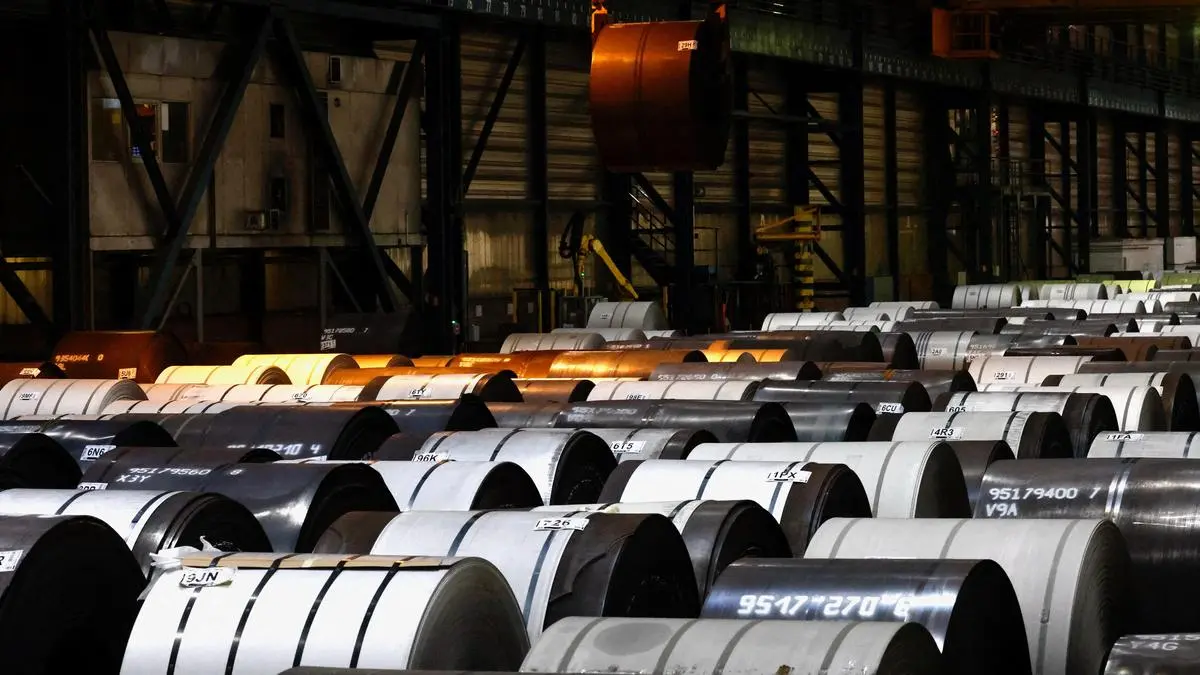
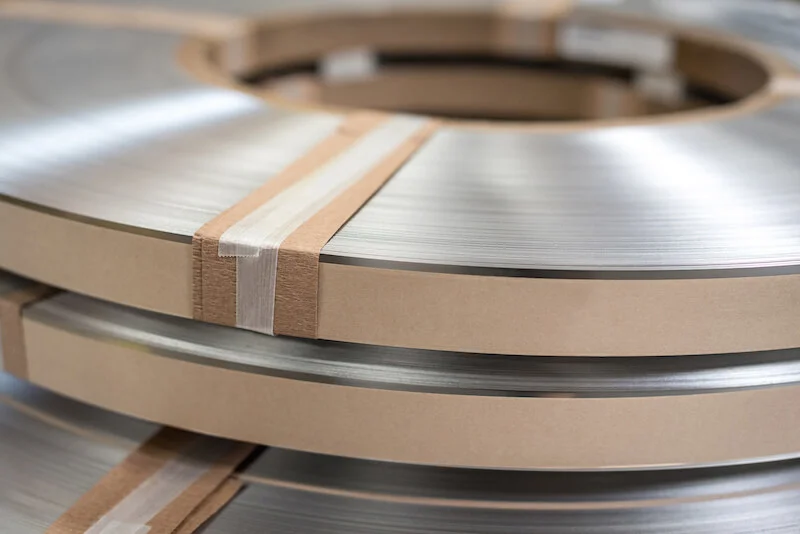
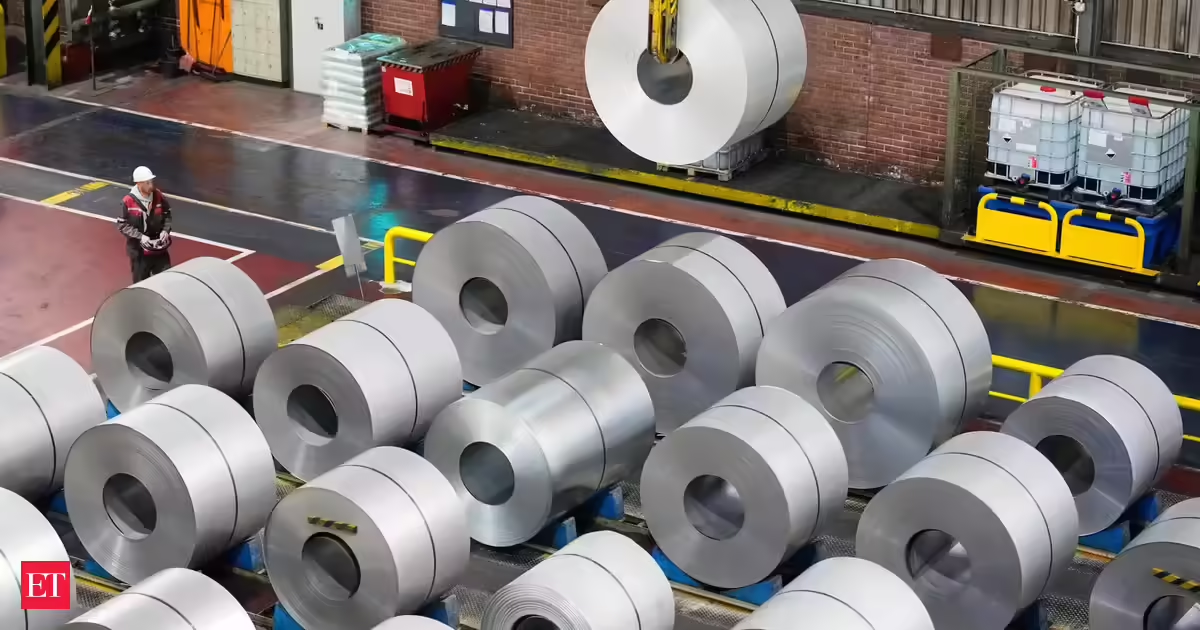
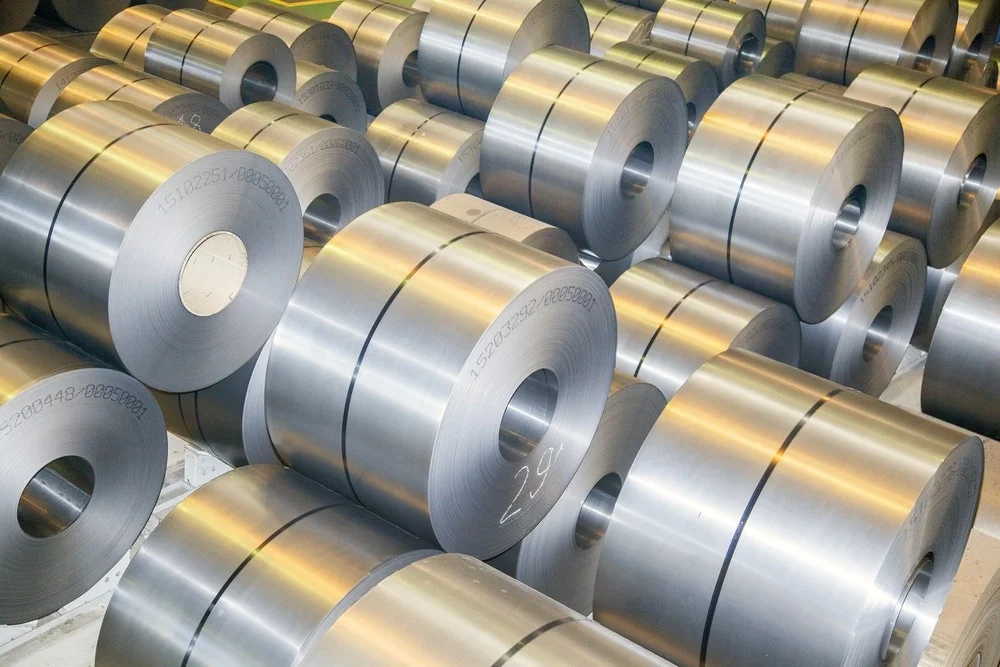
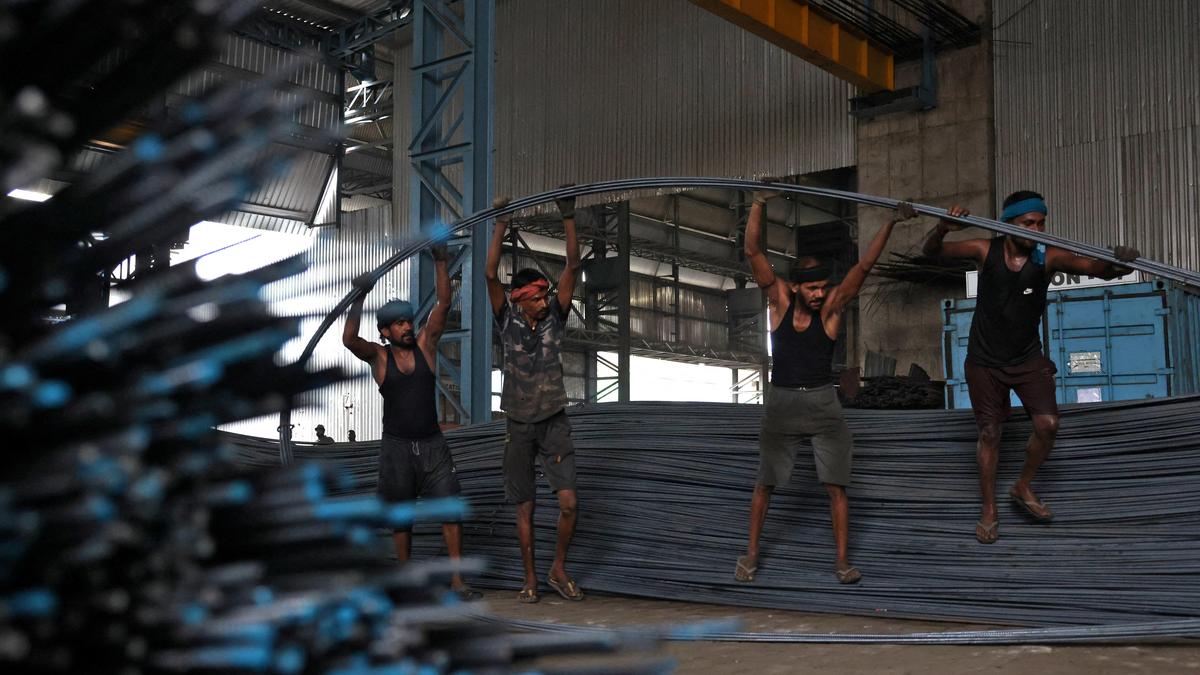
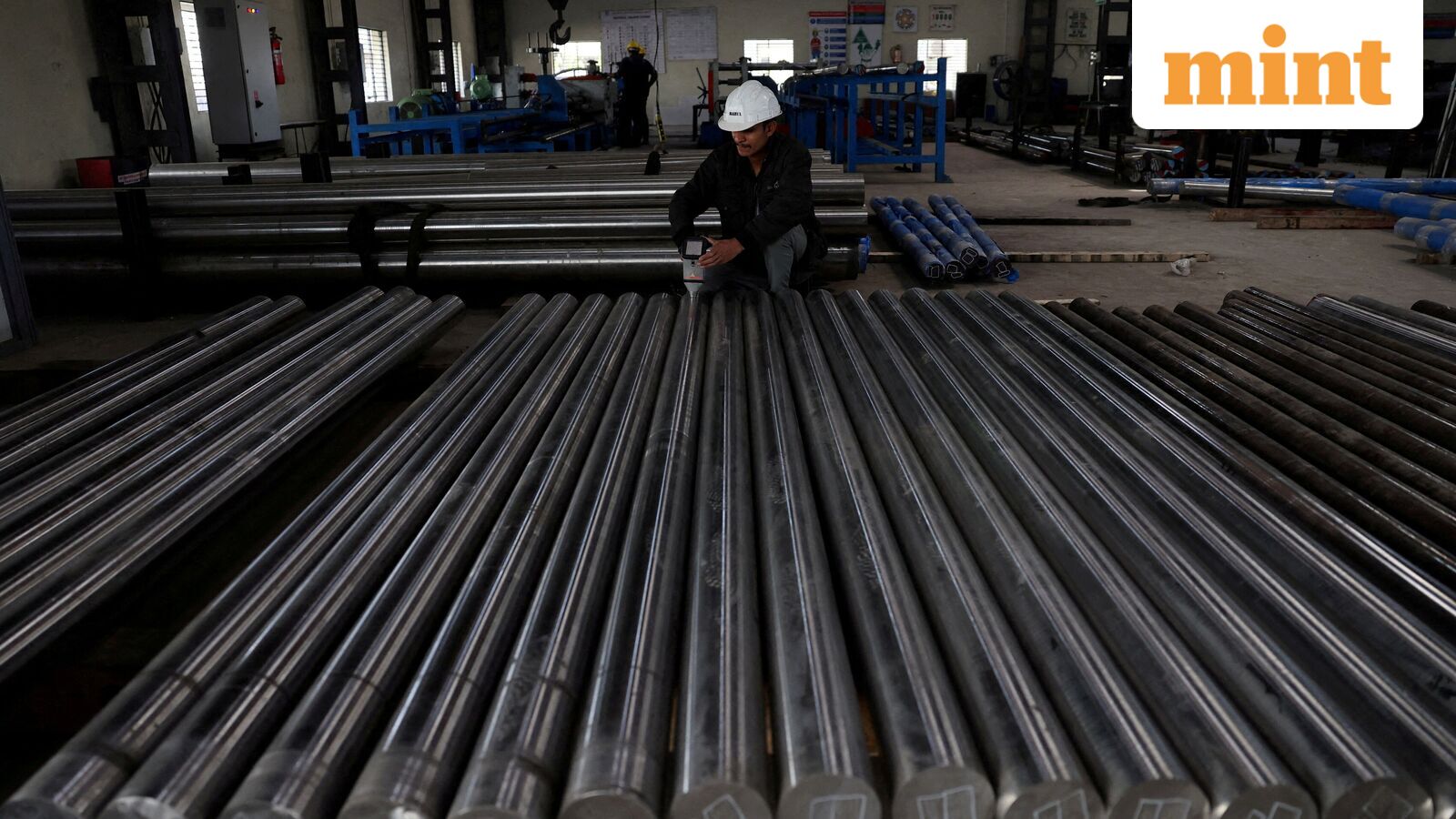
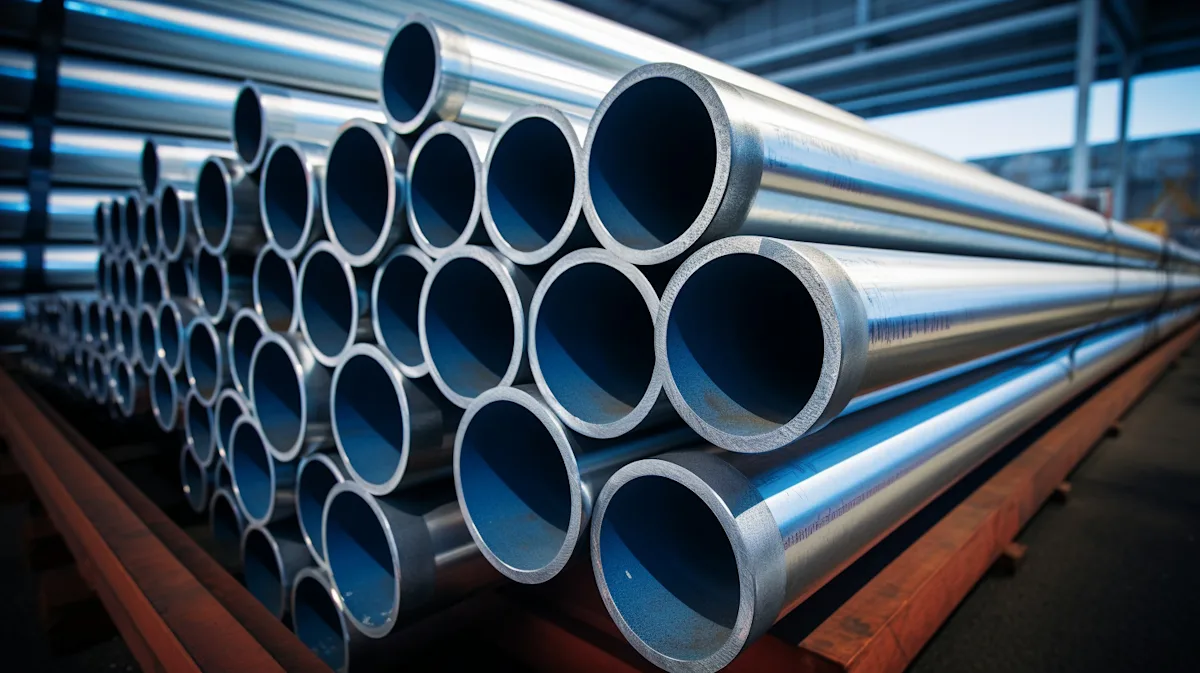
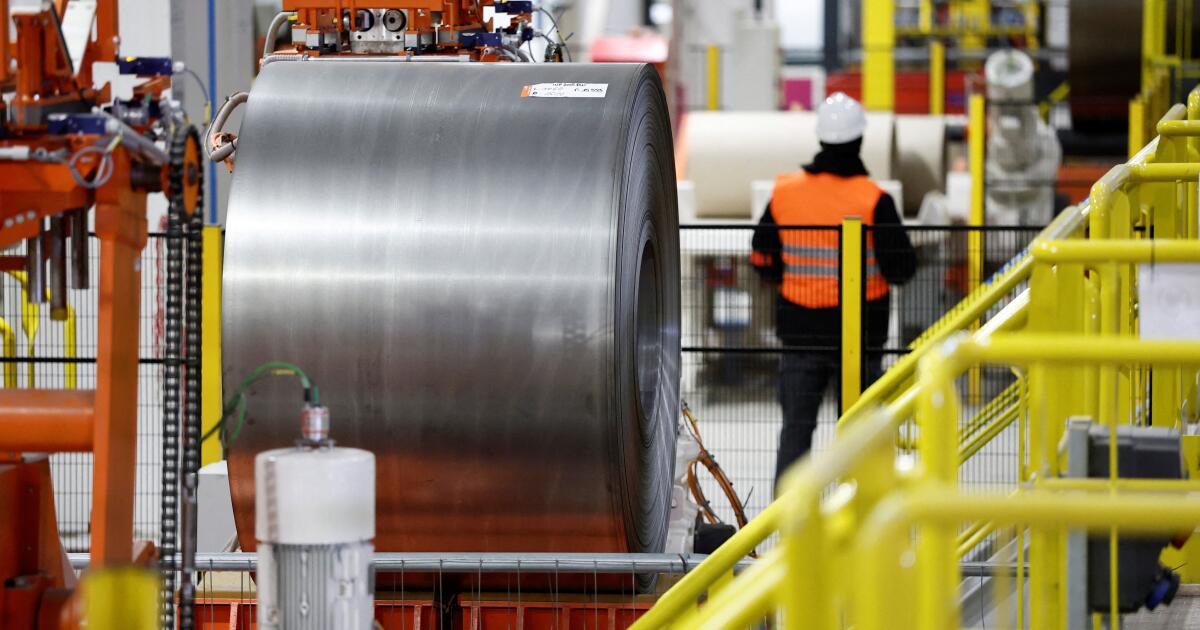
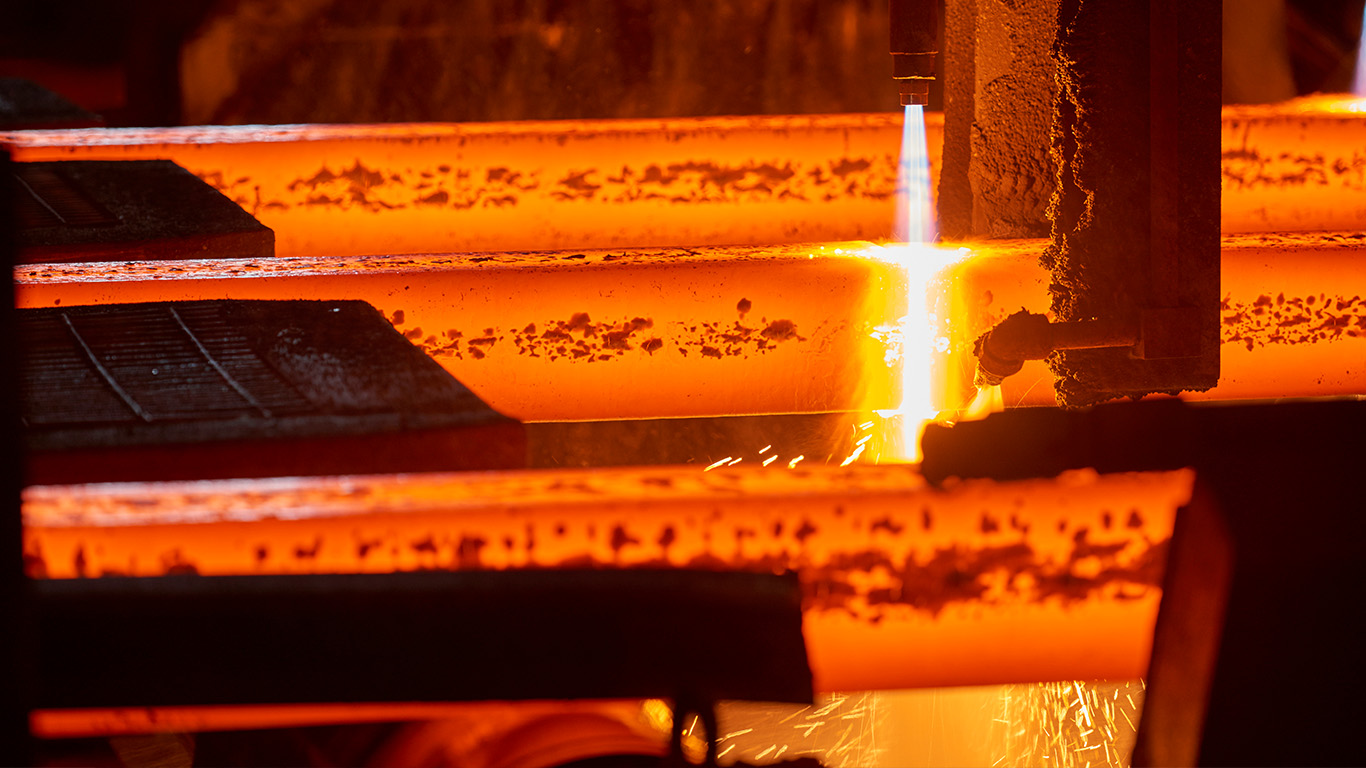
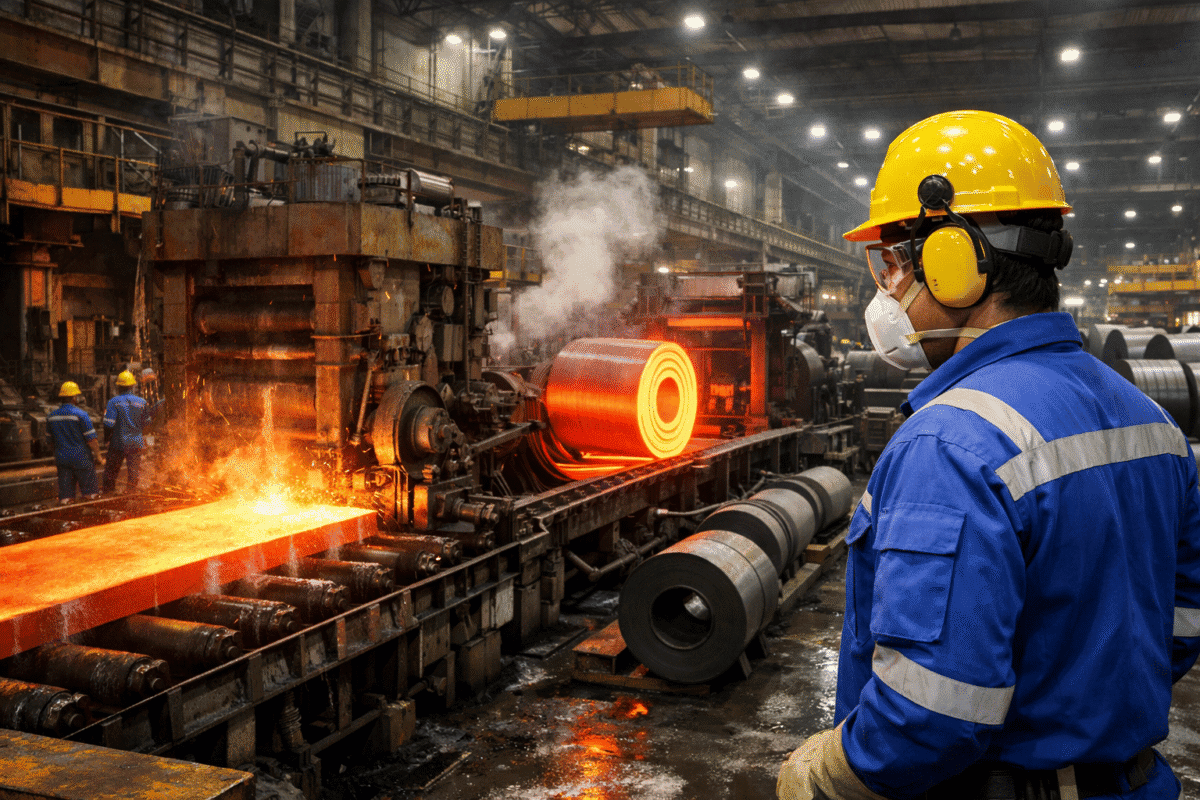
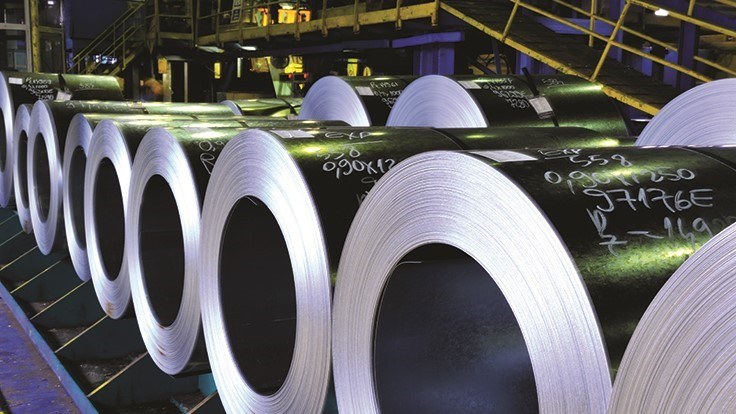
Steel is firmly in the spotlight. According to draft proposals reported by Bloomberg, at least 25 percent of steel used in public procurement and subsidy-backed projects would need to be low-carbon. Steel would be classified based on emissions from its production, with exact thresholds to be set later.
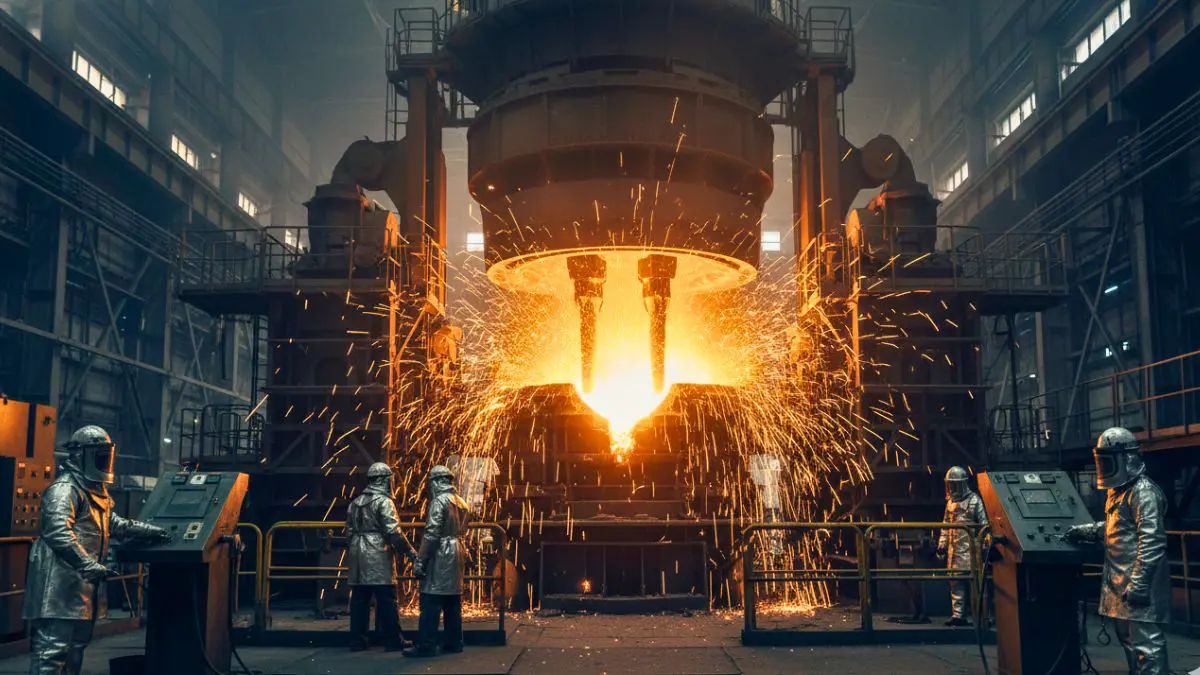
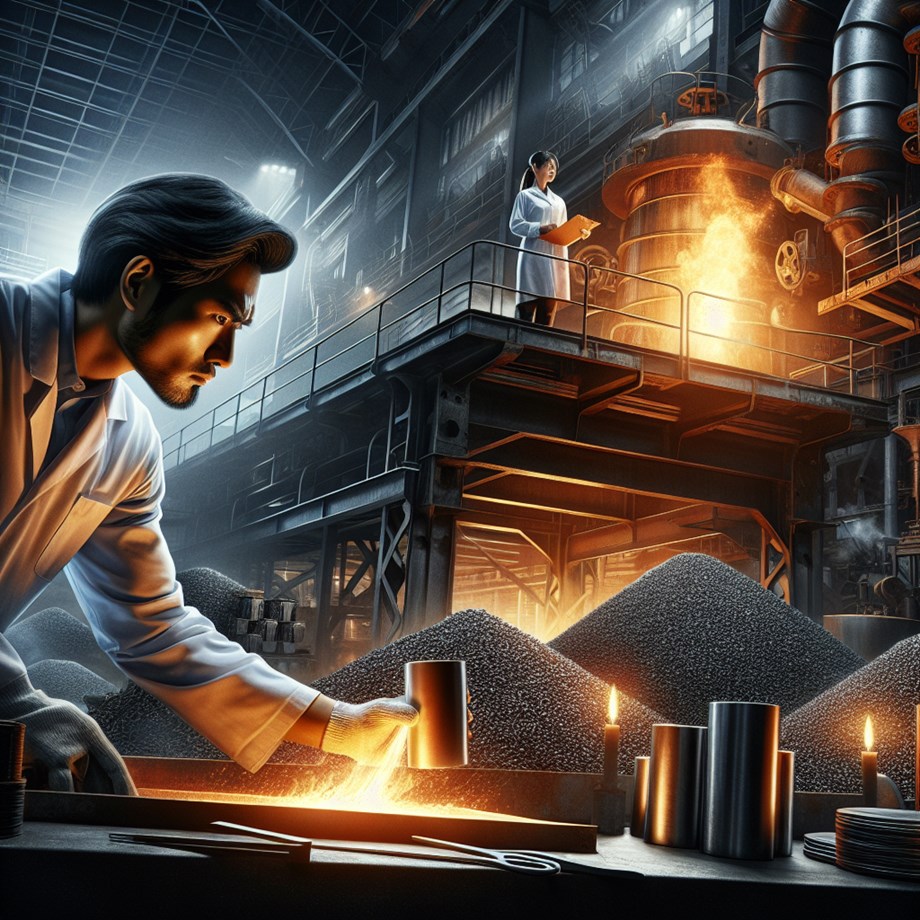
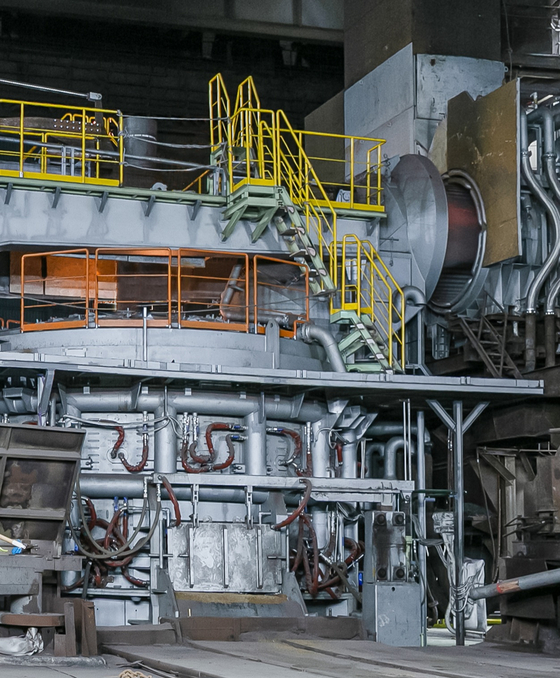
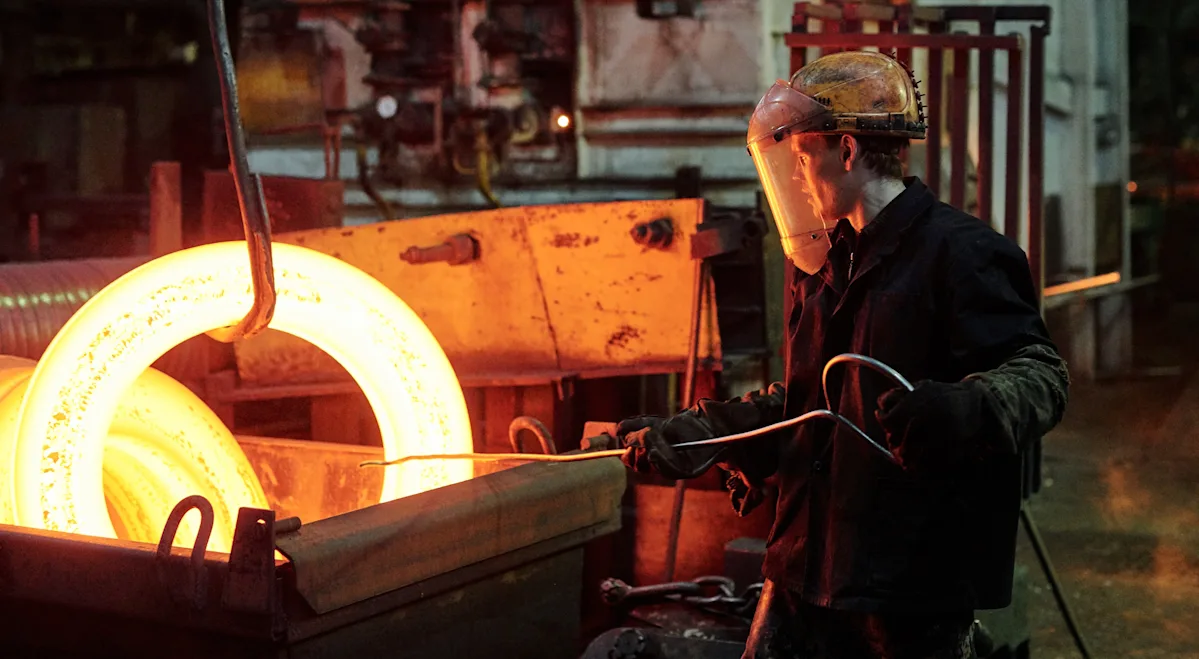
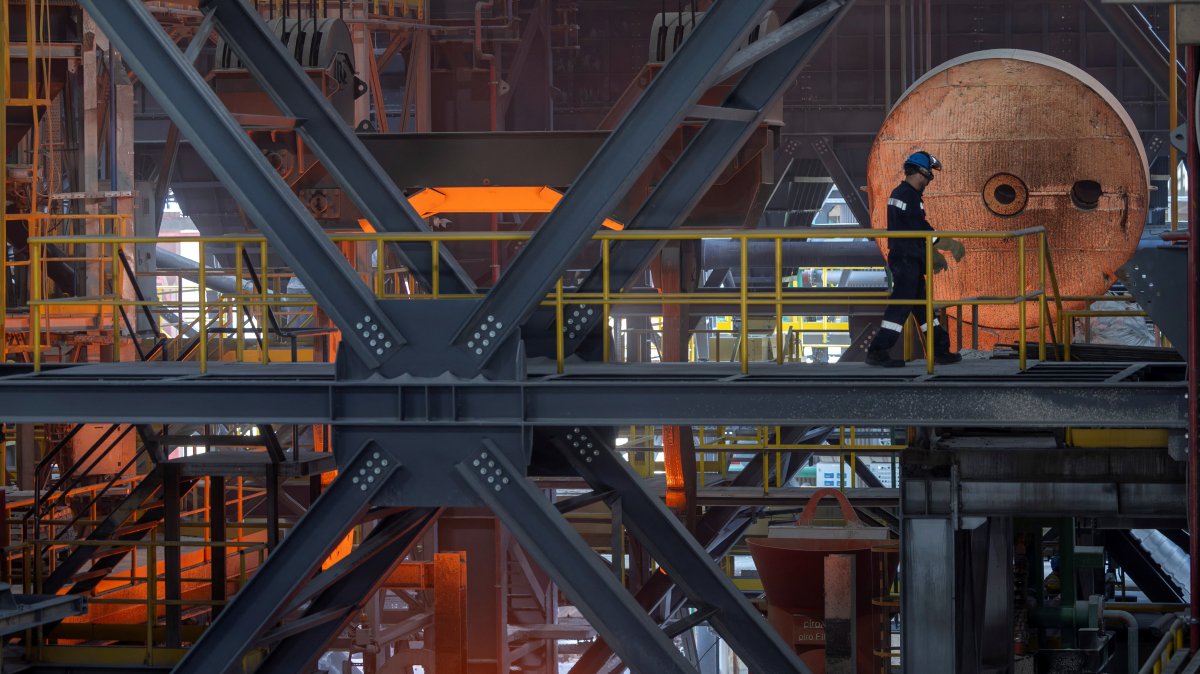
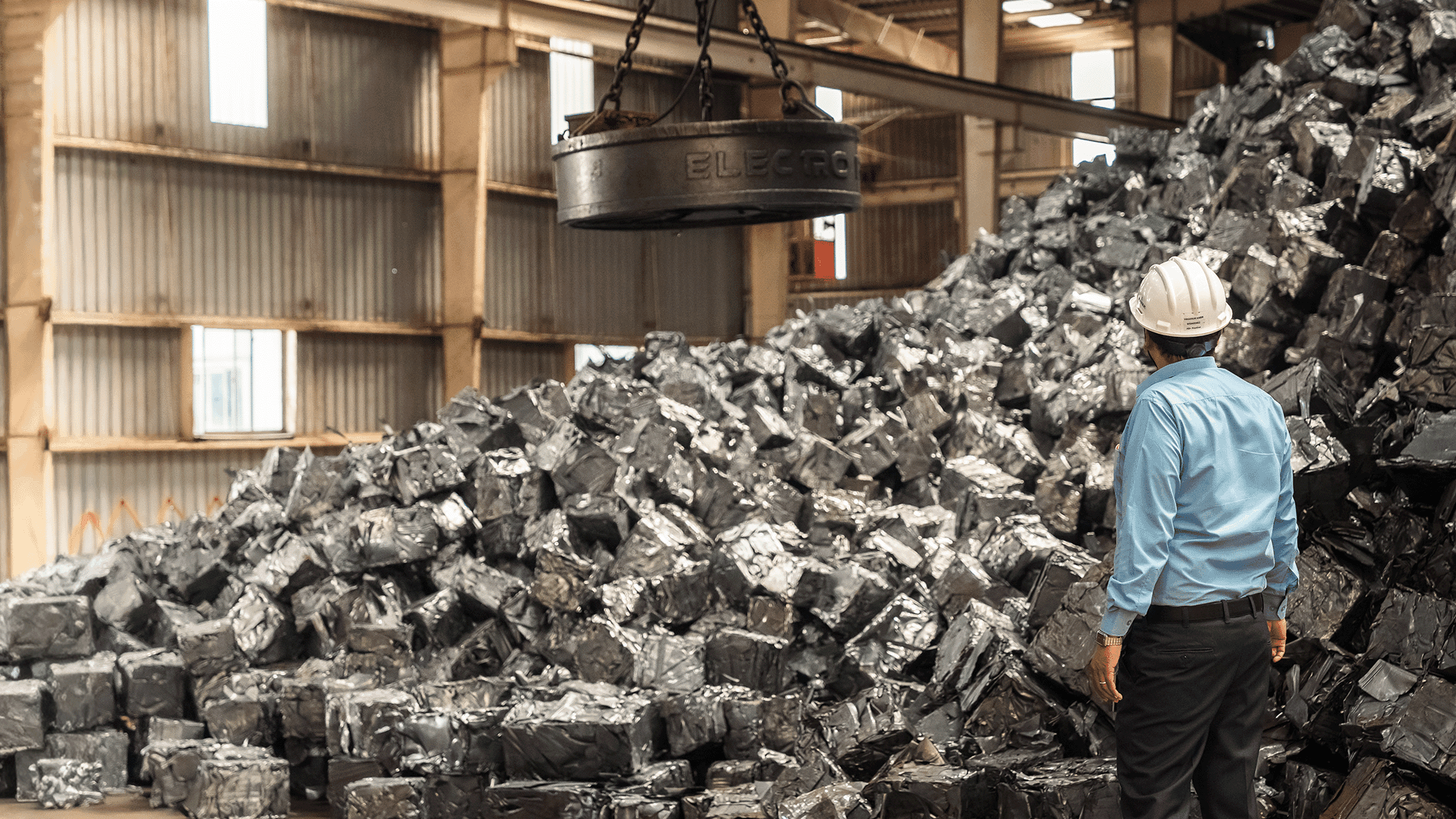
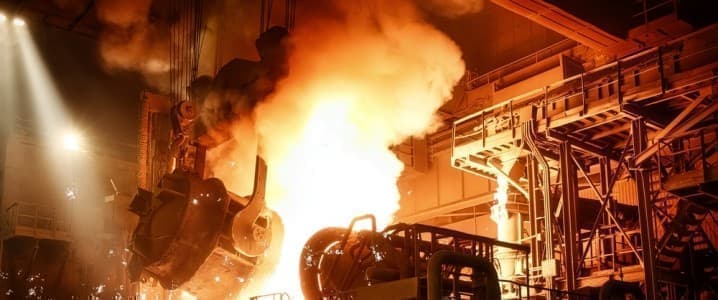
Scrap-based production, electric arc furnaces and green hydrogen are highlighted as key technologies. Similar rules are planned for aluminium and cement.
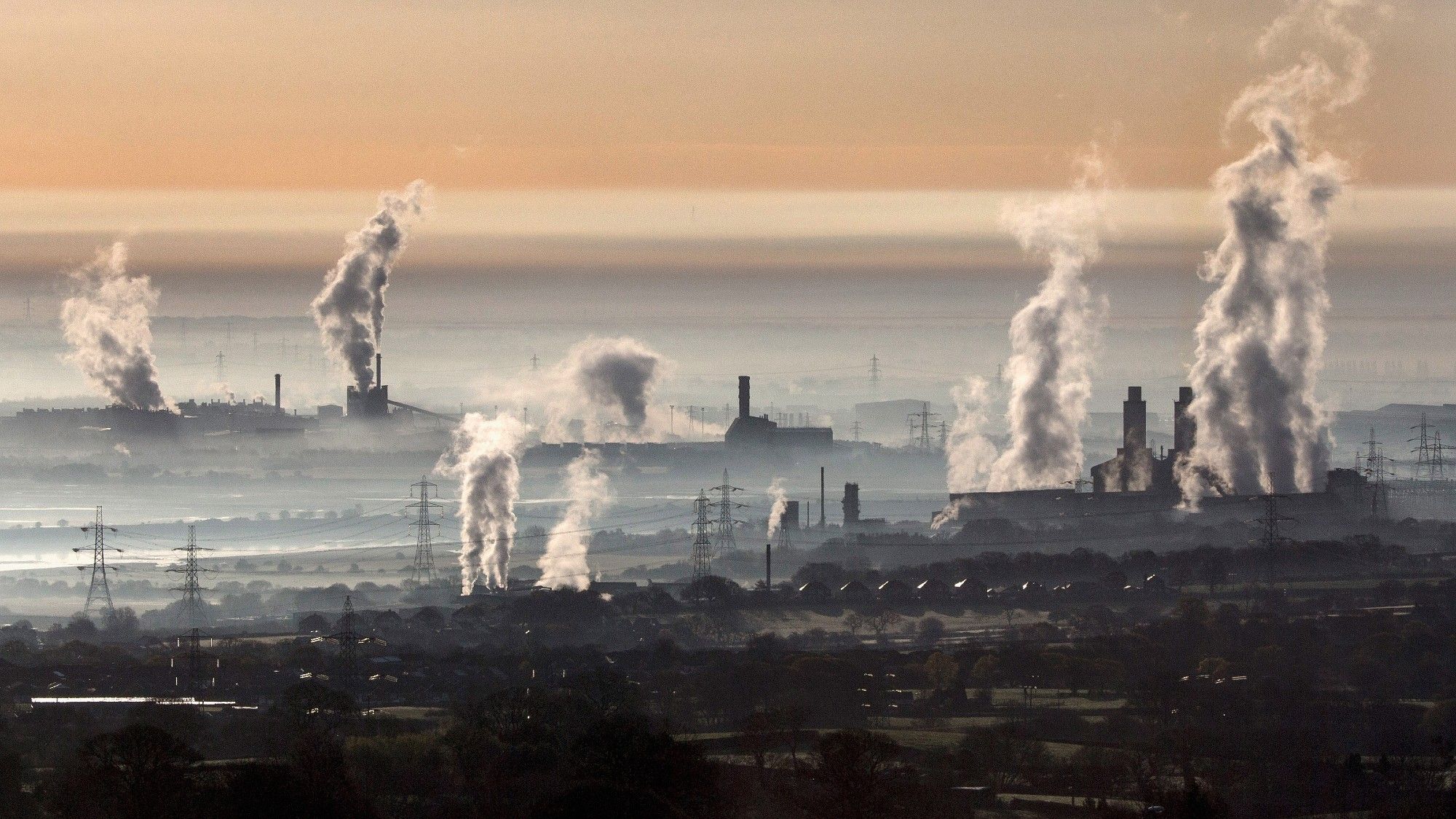
The focus on steel and cement is no accident. Together, they account for more than six percent of the EU’s annual greenhouse gas emissions. Cutting those emissions is central to the bloc’s climate ambitions.
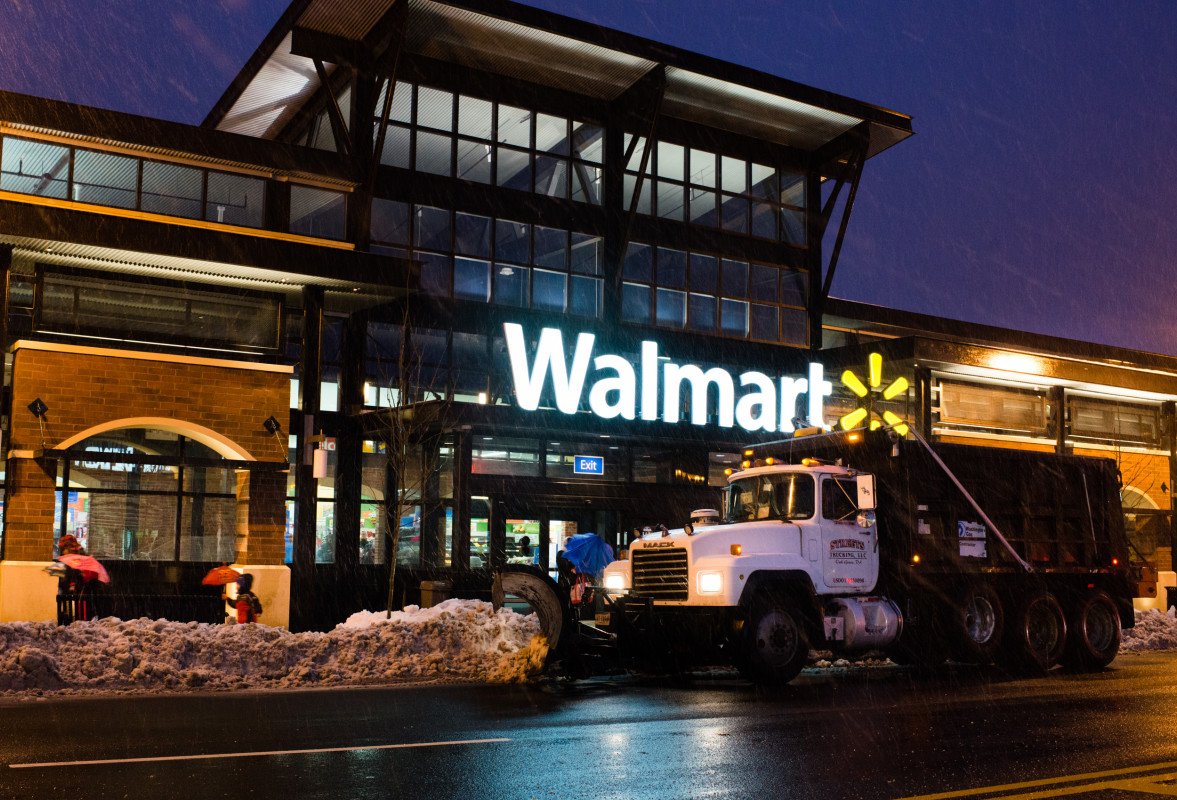
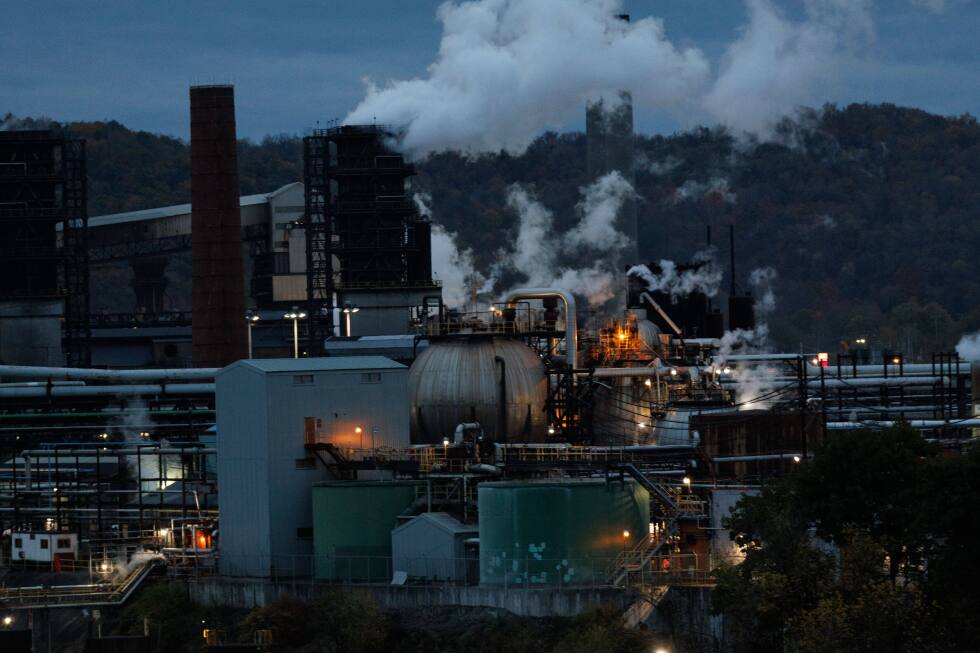
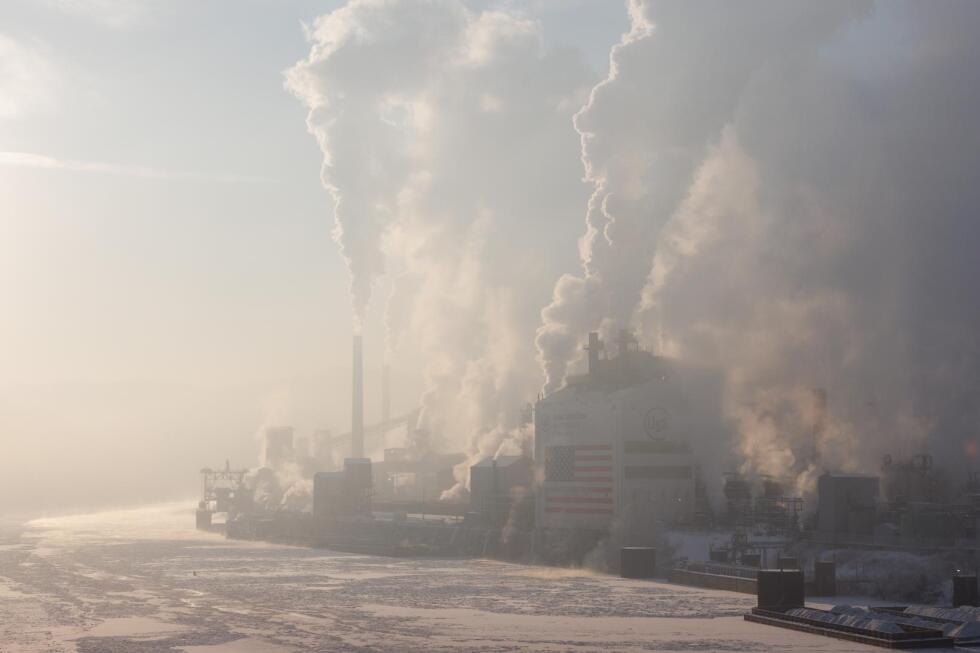
The EU is preparing to put green steel at the heart of its industrial comeback.
Foto: Adam Sundman/SvD/TT
But there is also a clear industrial motive. The proposals would combine climate requirements with stronger “made in Europe” rules, designed to ensure European producers are not pushed aside by cheaper imports from outside the EU.
That is where the opportunity opens up for companies such as Stegra. The Swedish start-up is building its business around fossil-free steel produced with green hydrogen – precisely the kind of production model the Commission now wants to encourage.
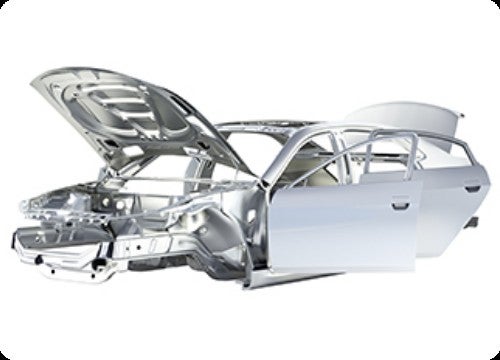
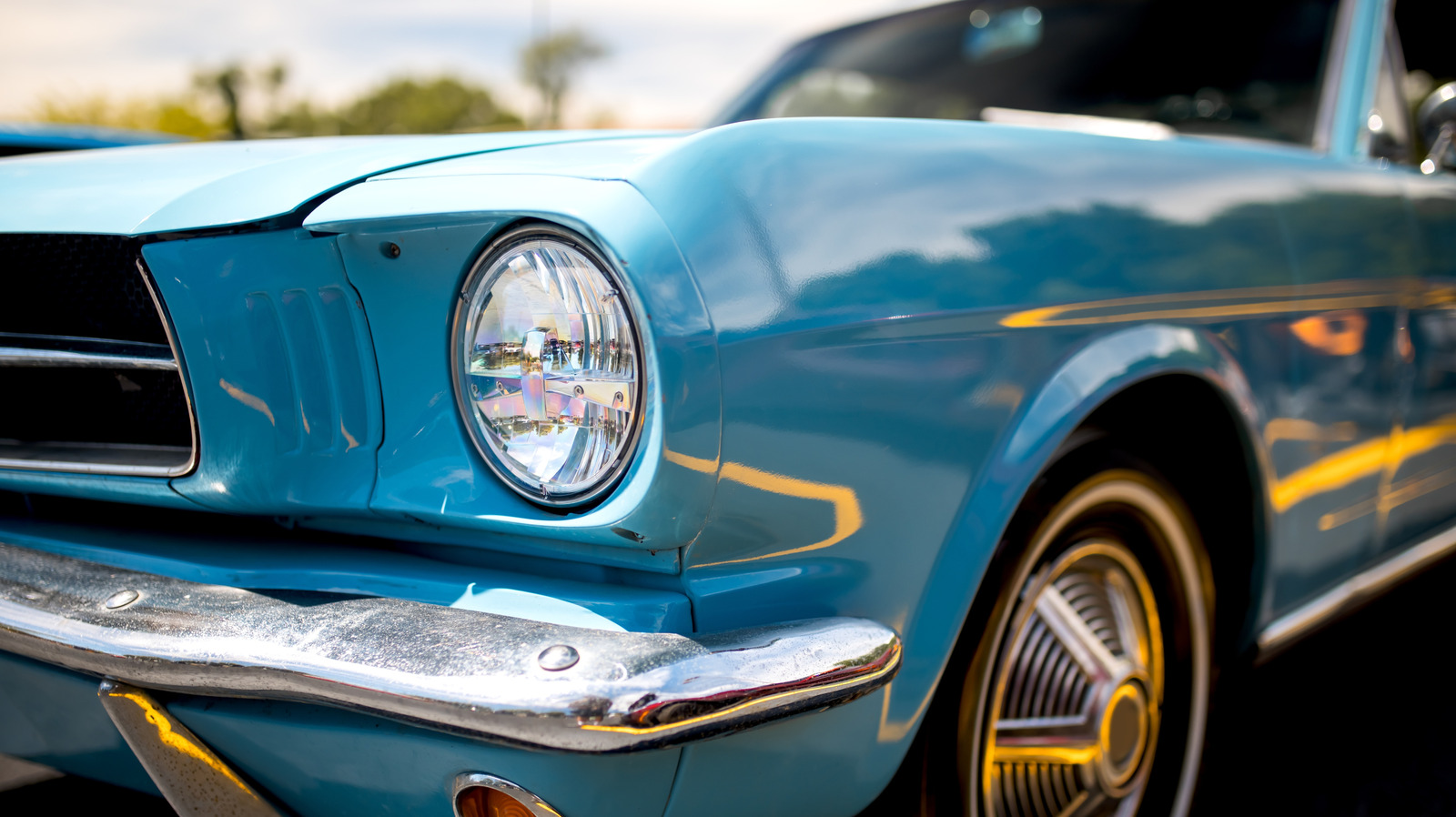
The automotive sector could become an important source of demand. Car manufacturers may be allowed to meet part of their climate targets by using low-carbon steel produced in Europe, rather than relying solely on electrification.
For investors, the direction of travel is becoming clearer. EU policy is starting to align climate goals with industrial strategy. For green steel projects in northern Sweden, that alignment could make a real difference.