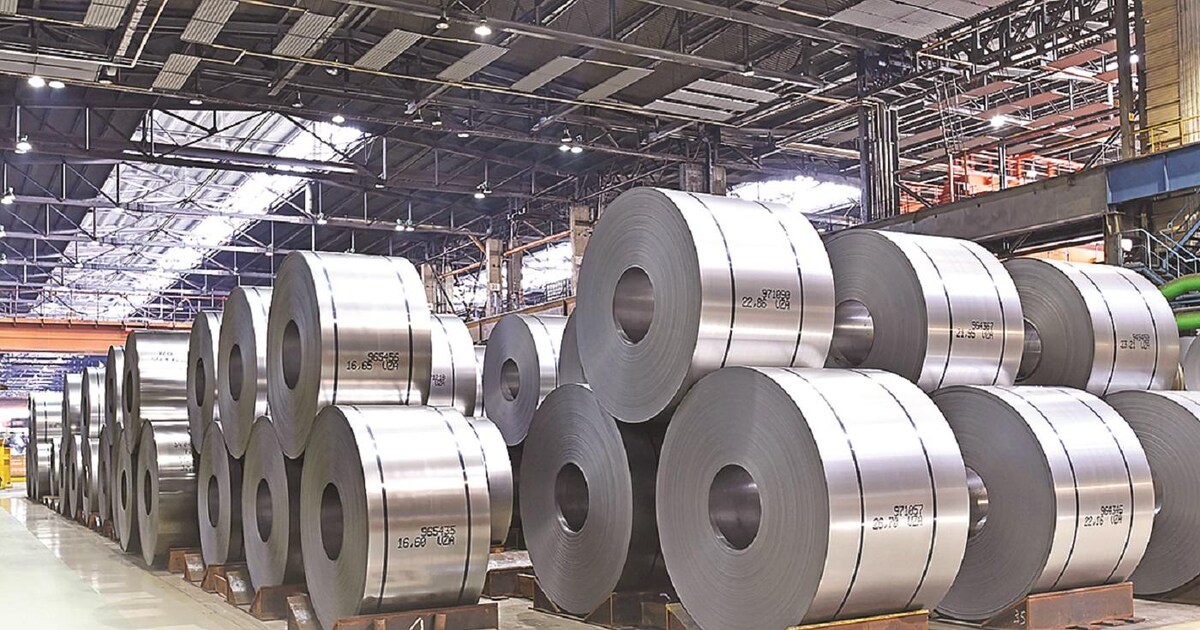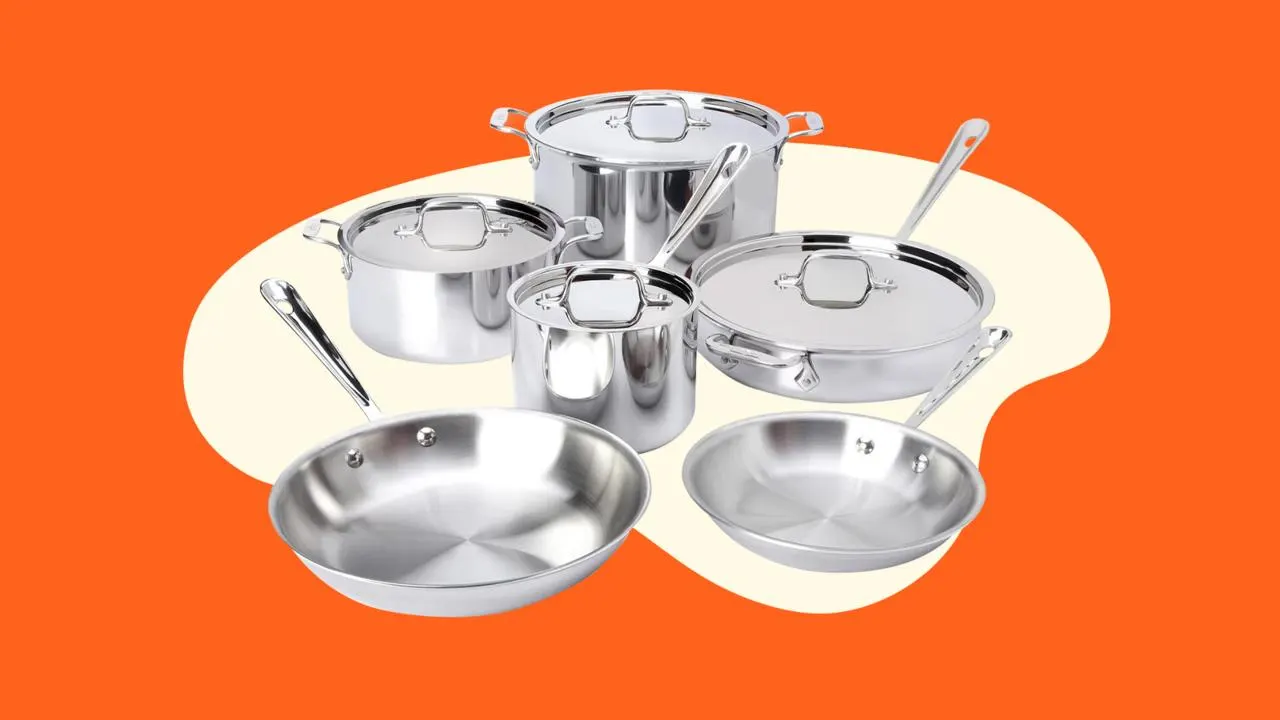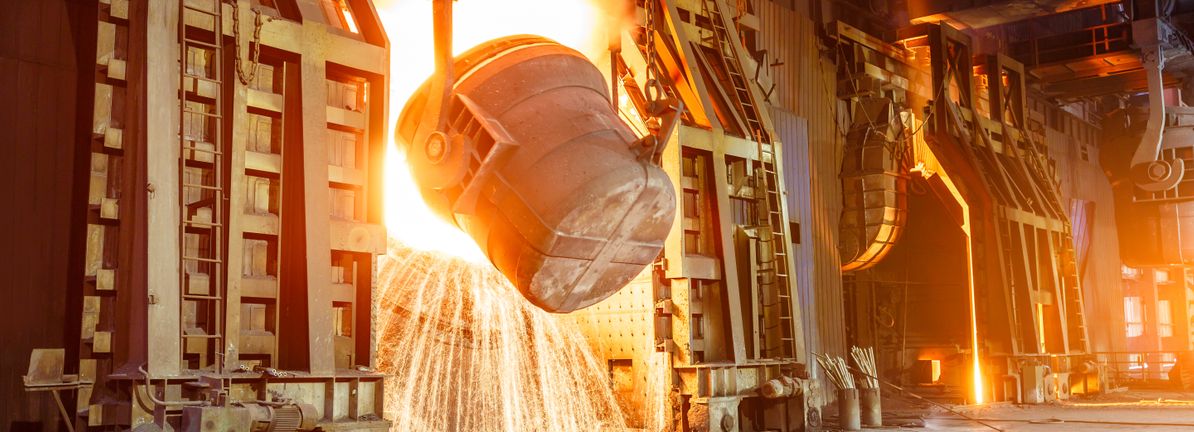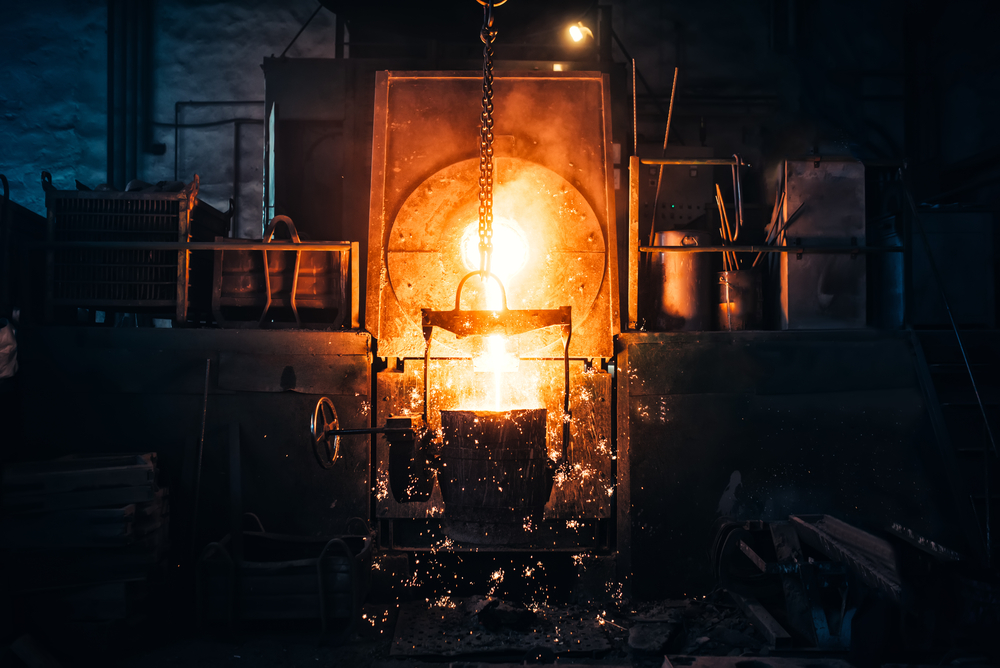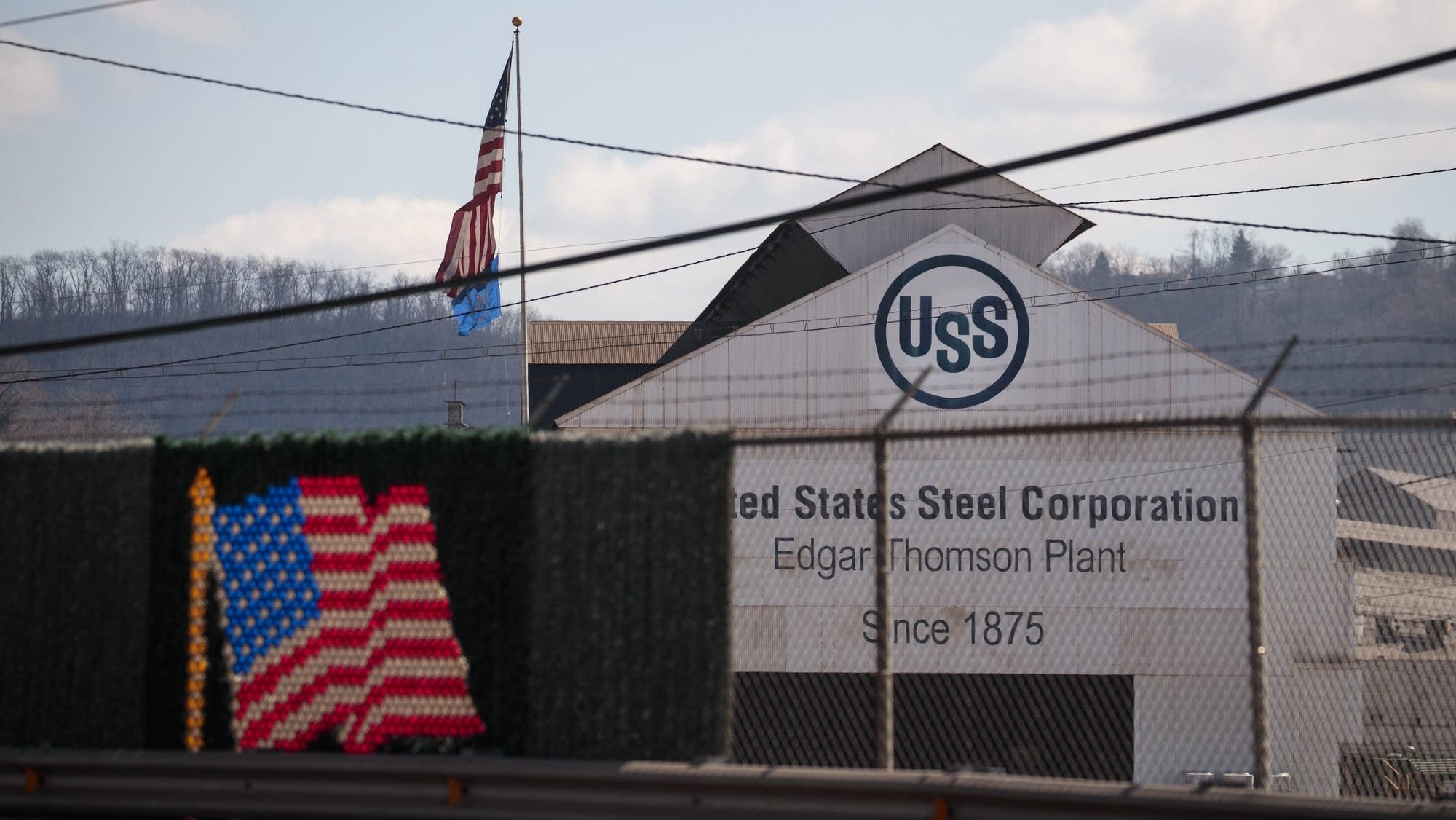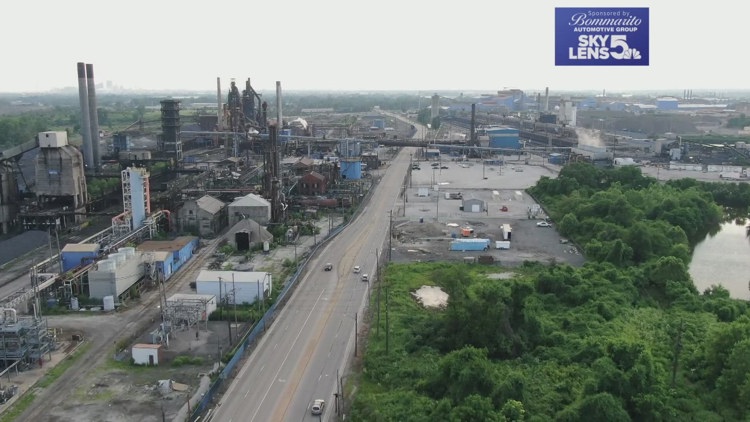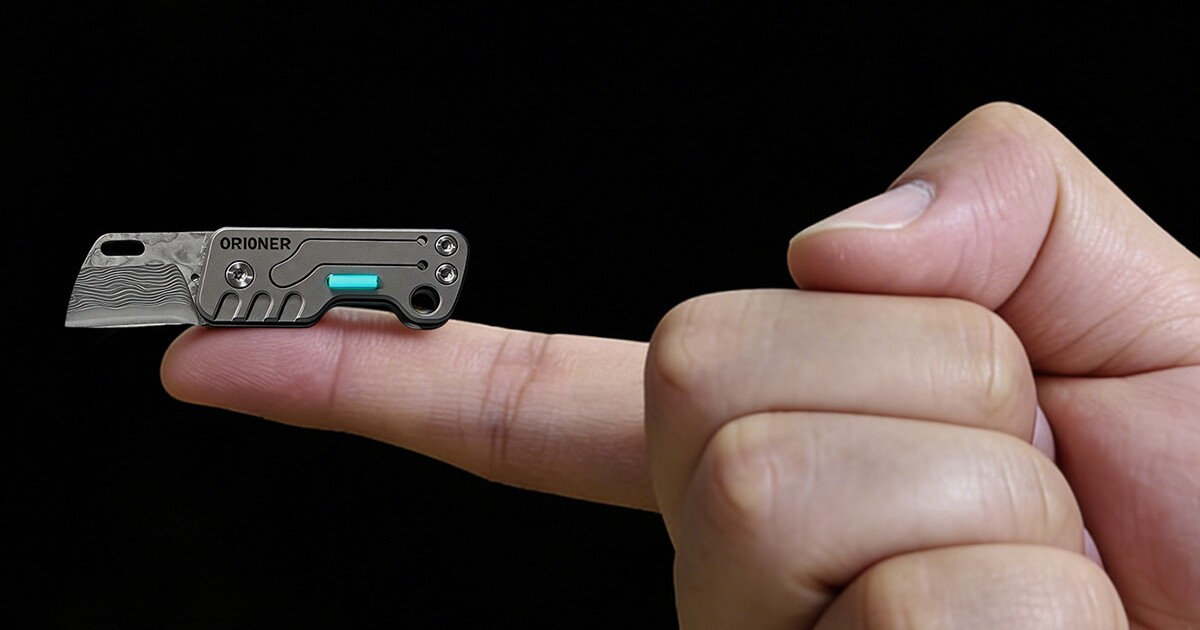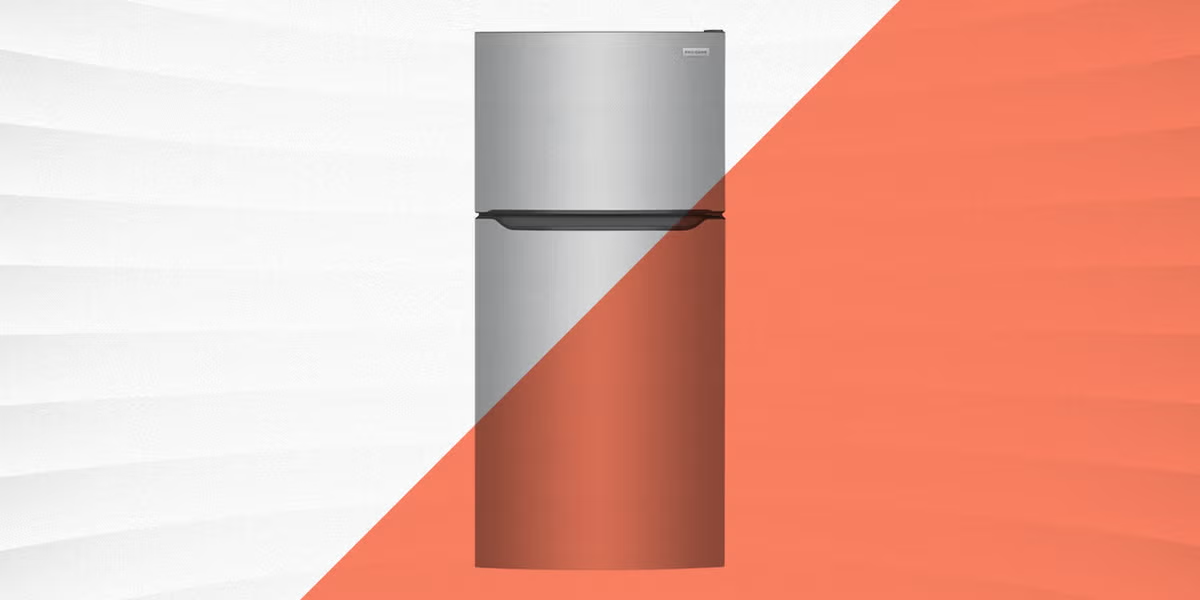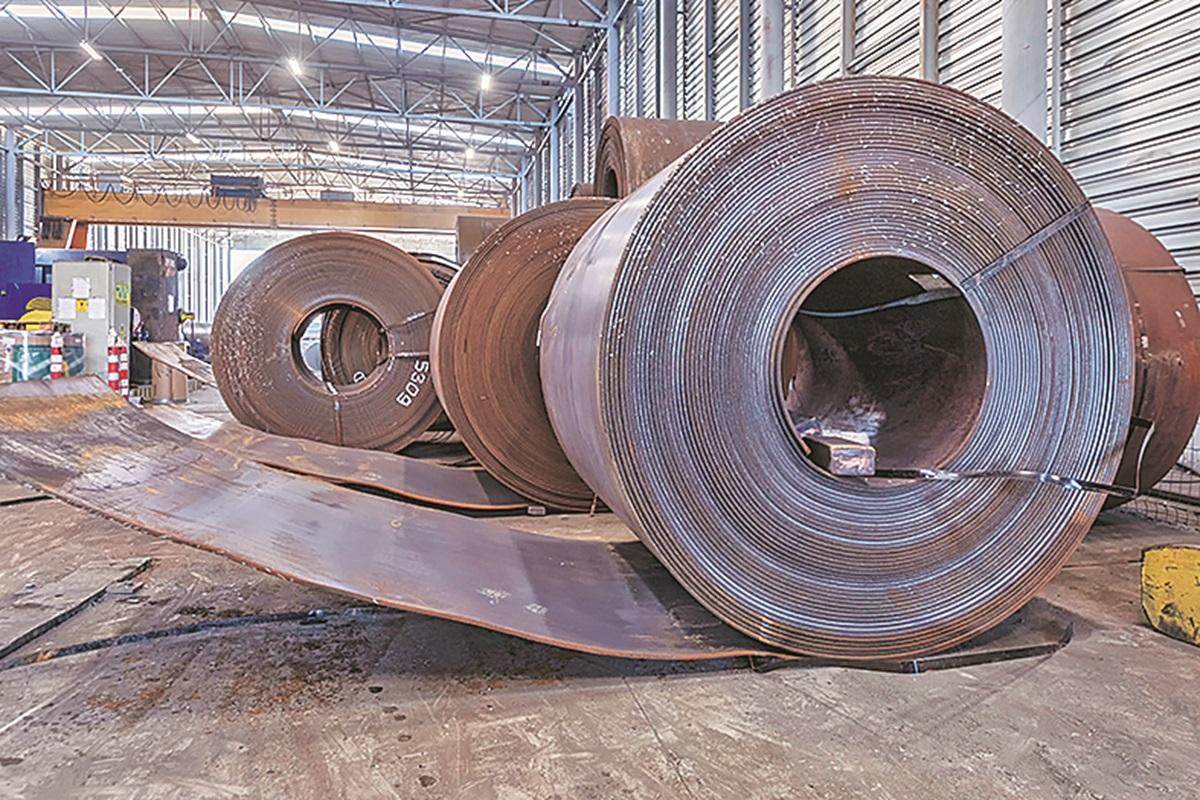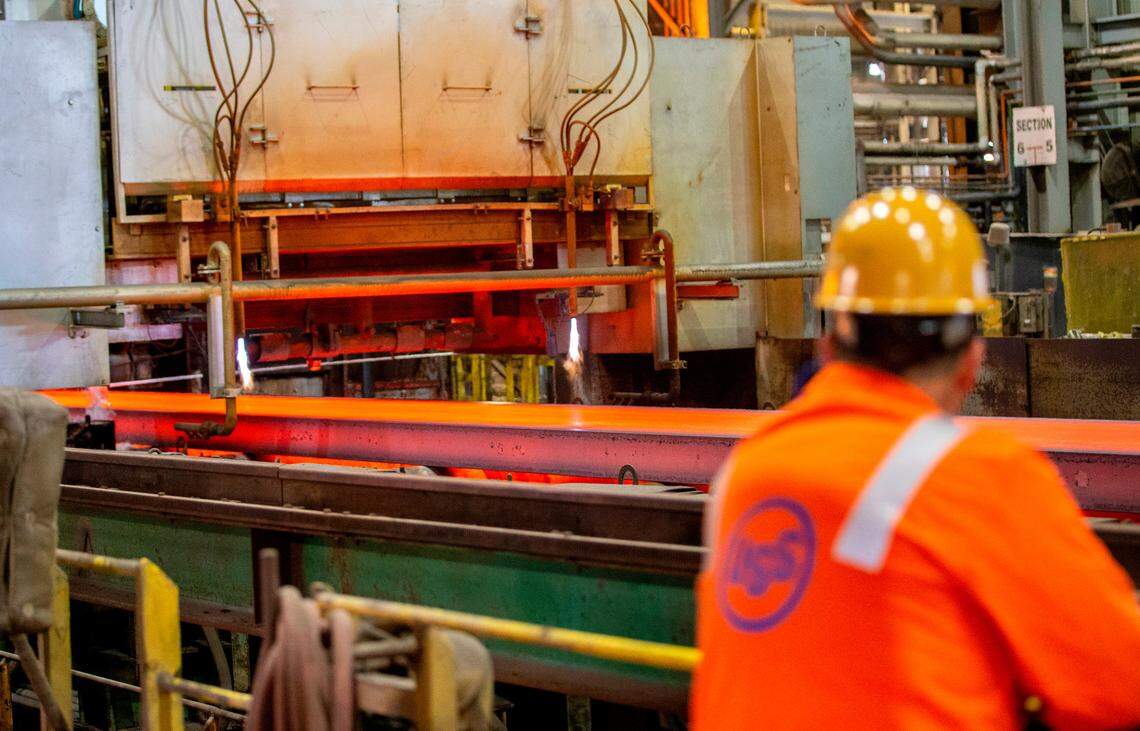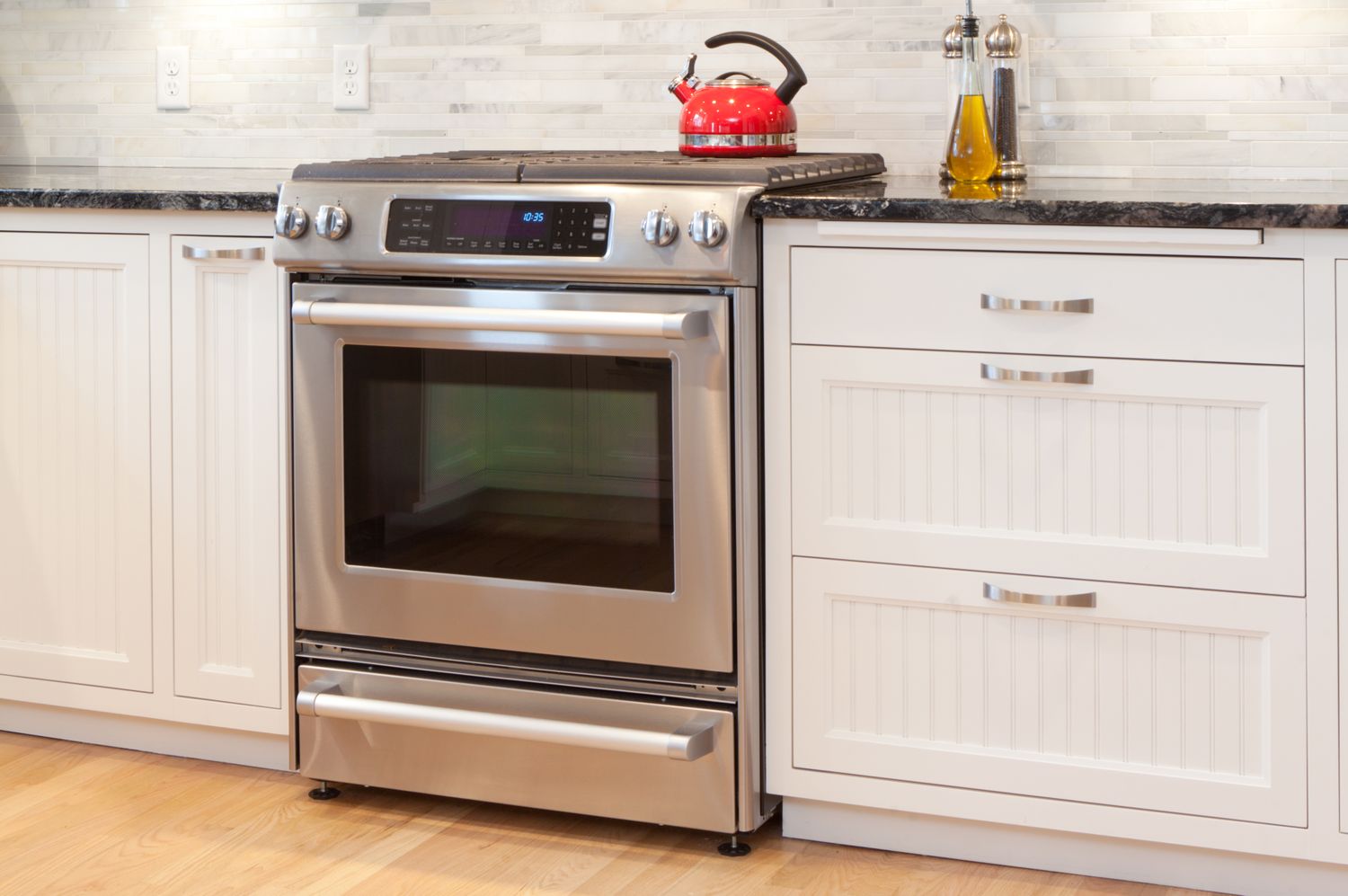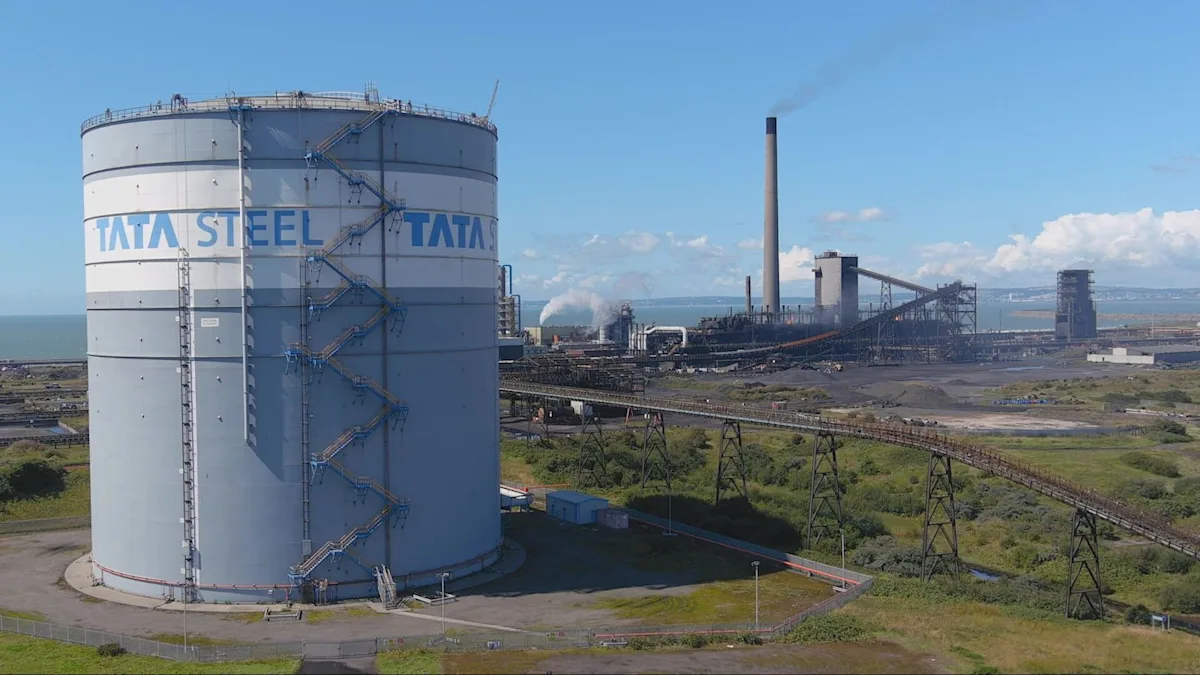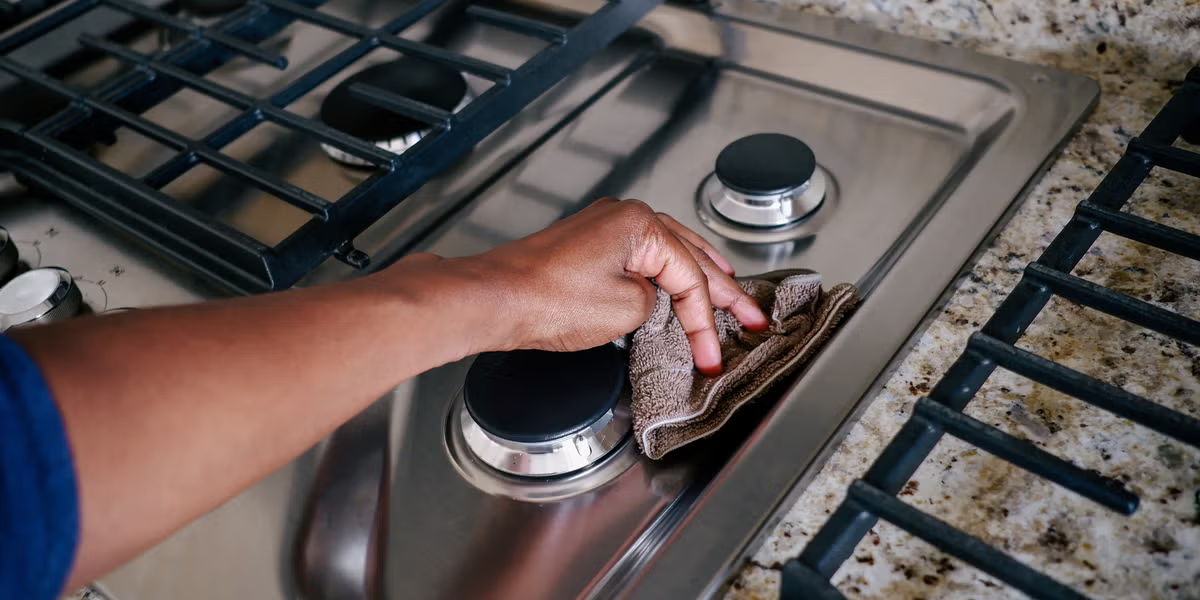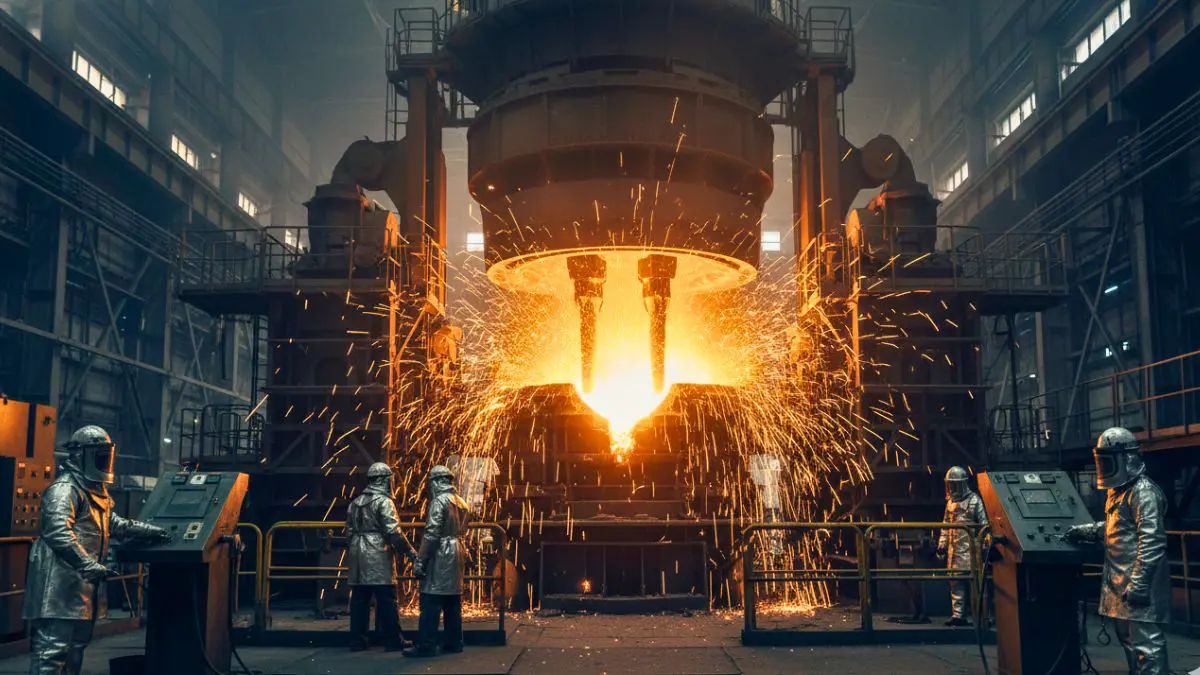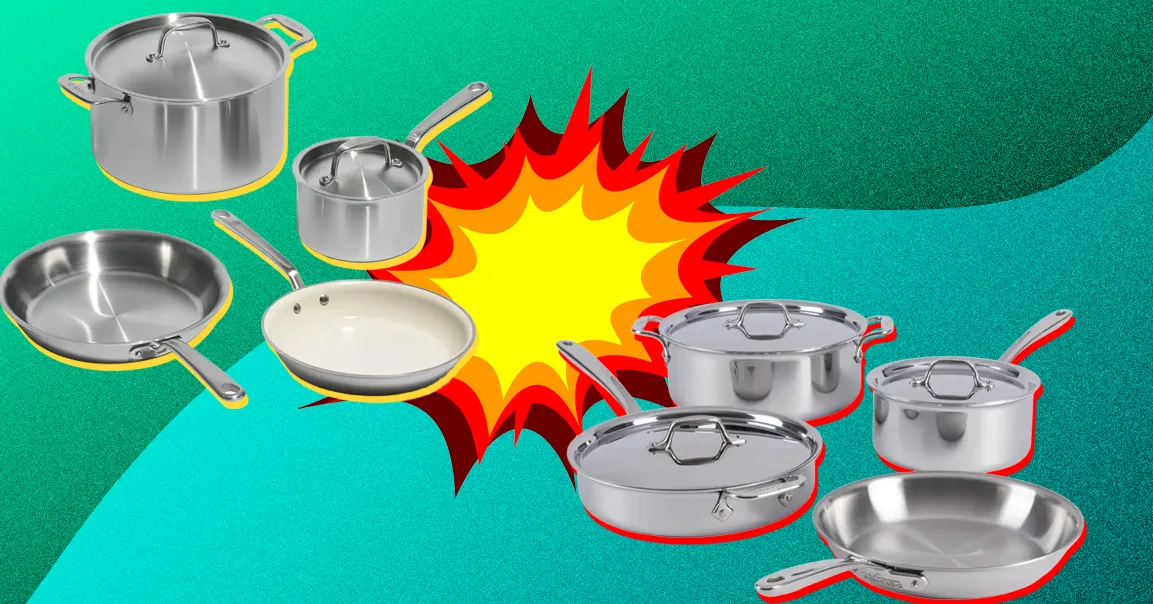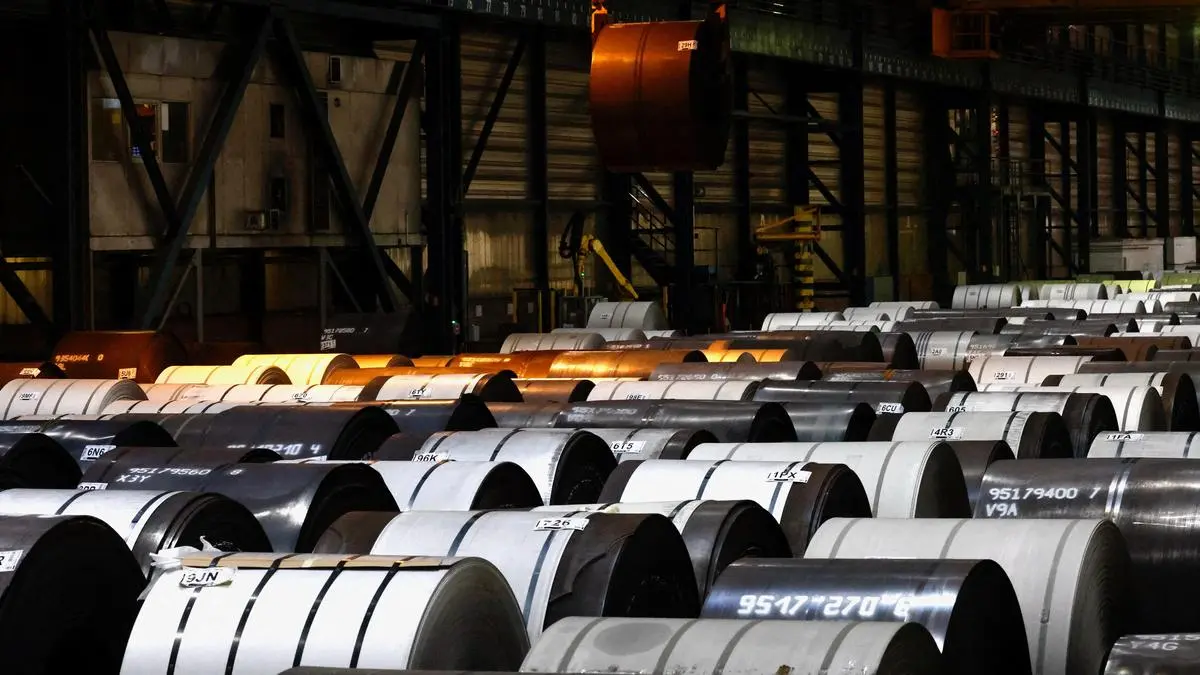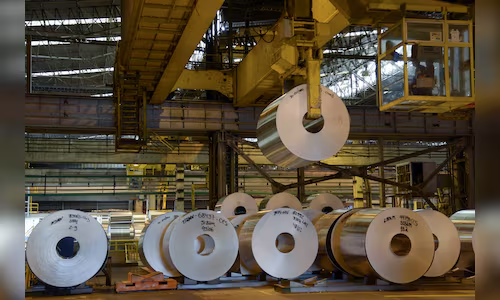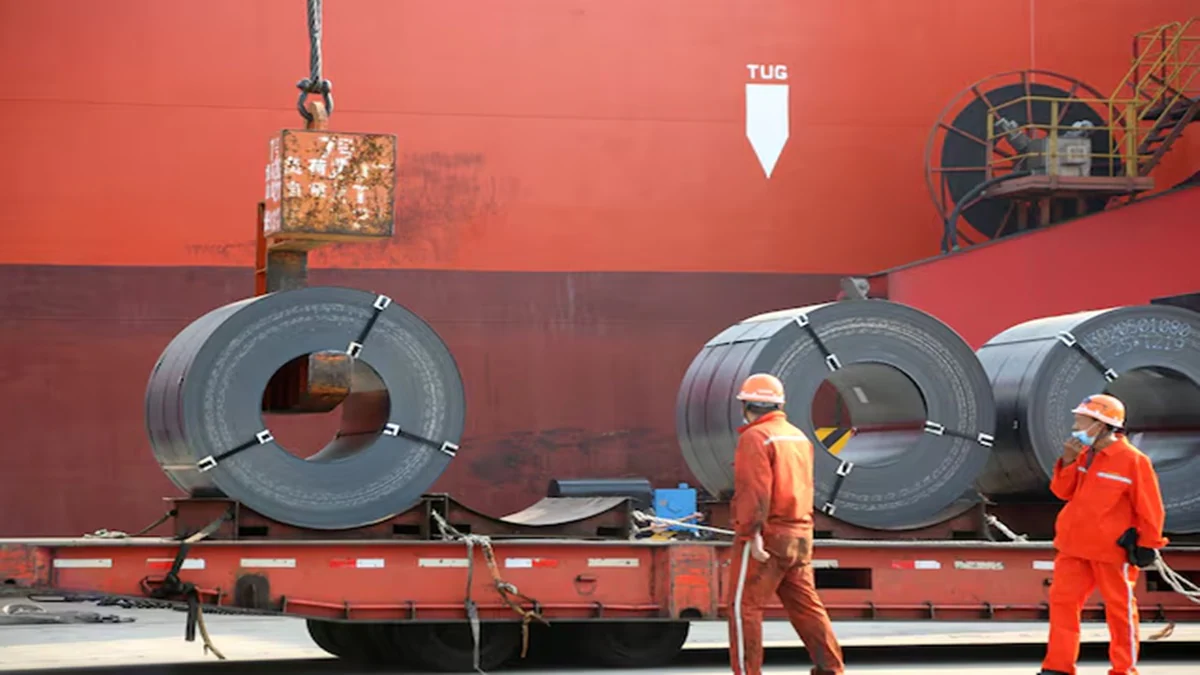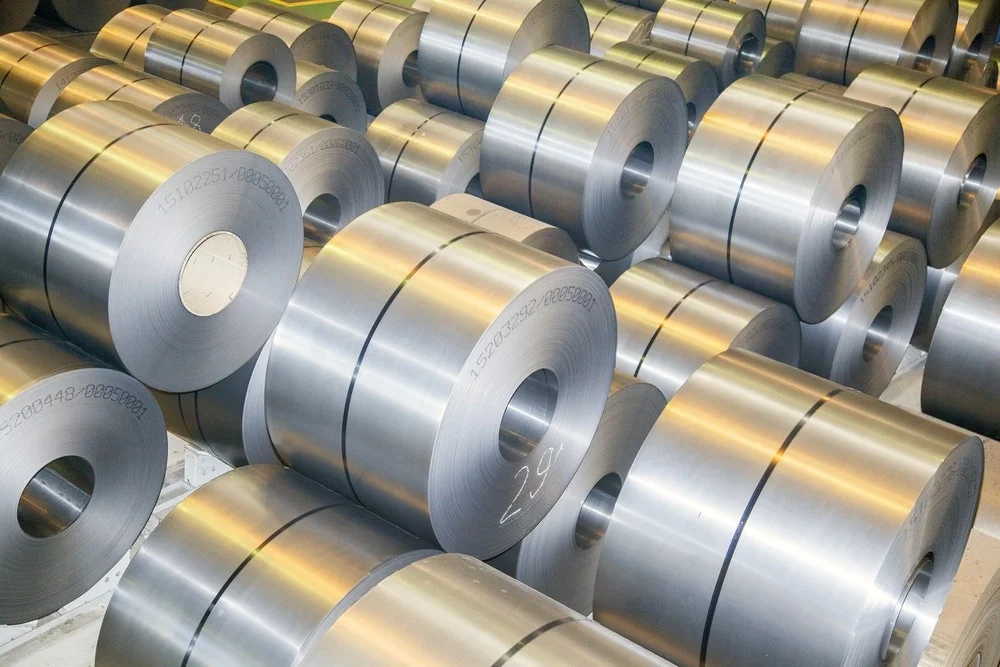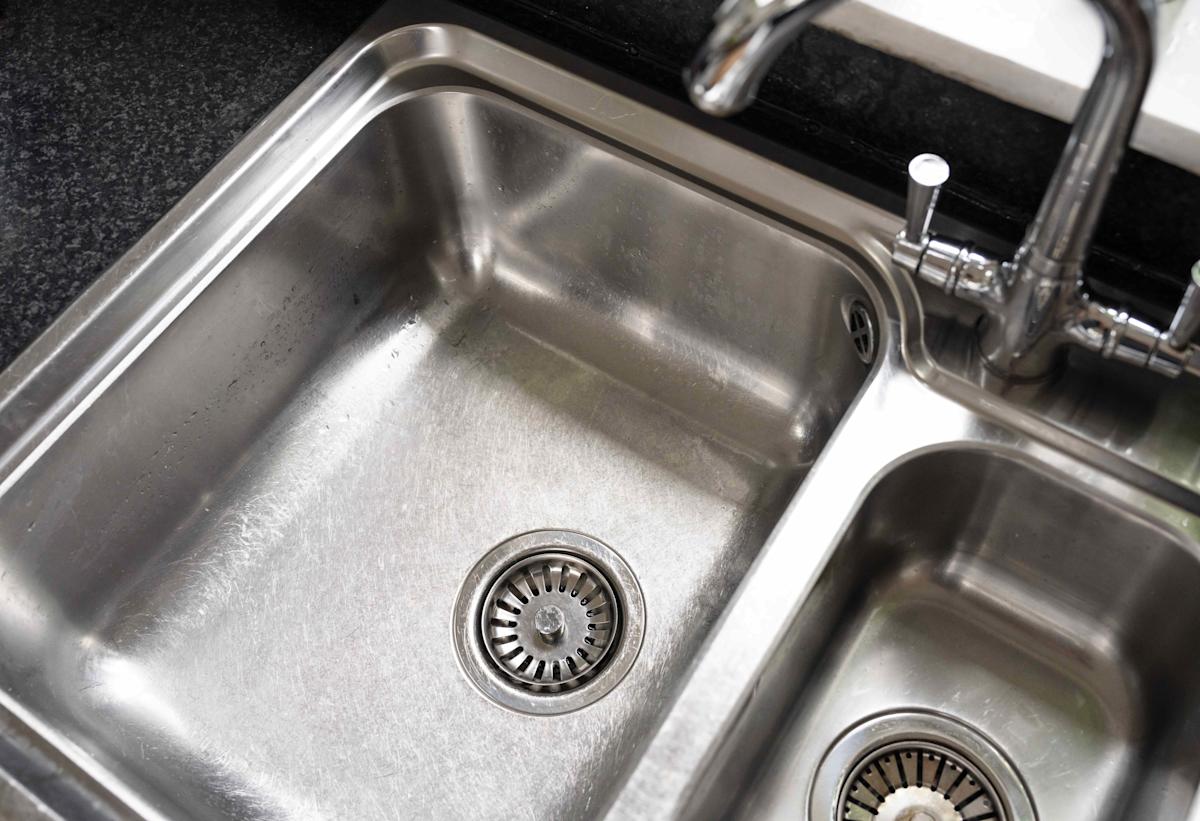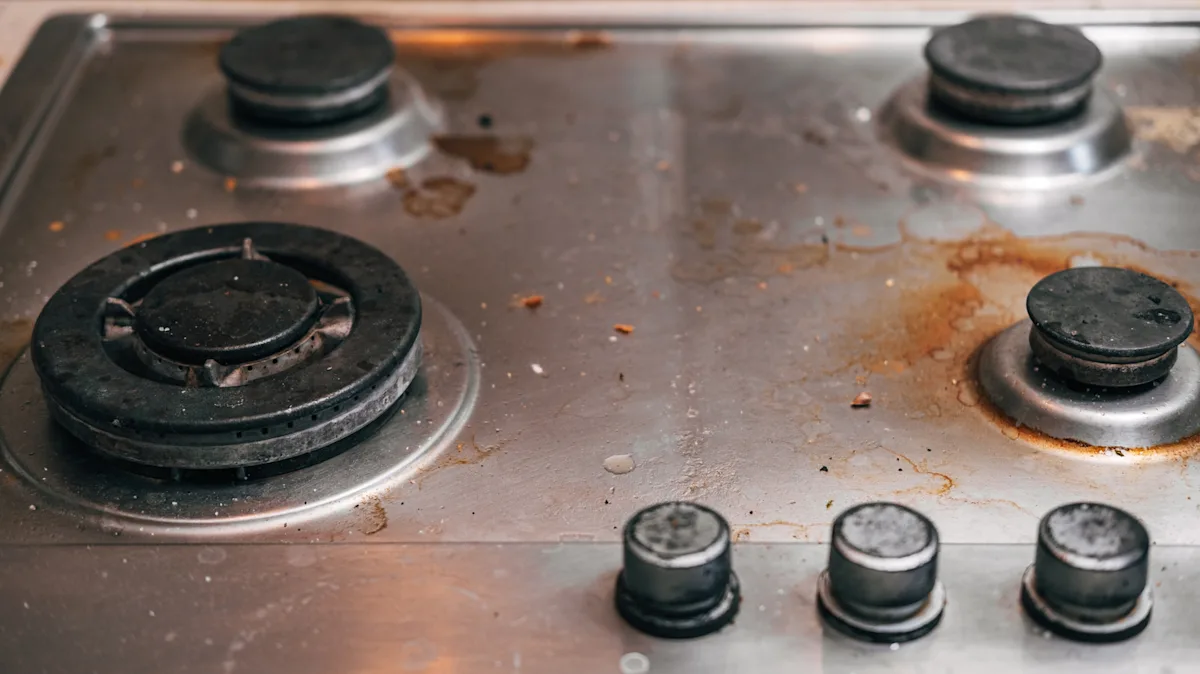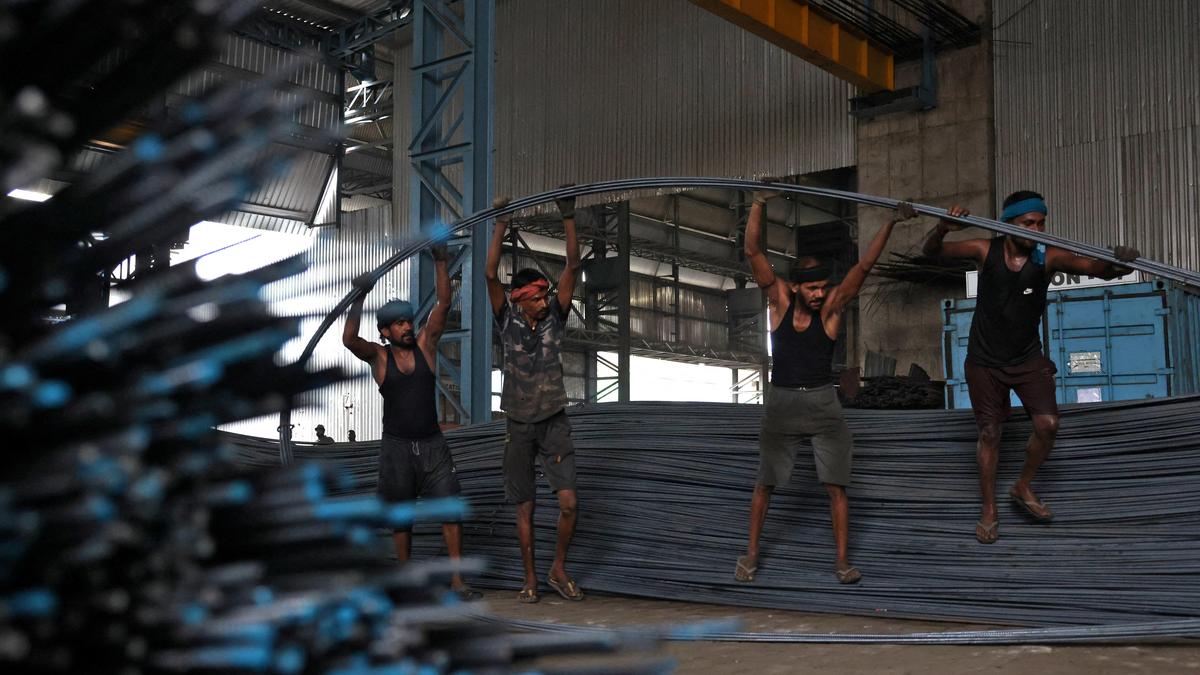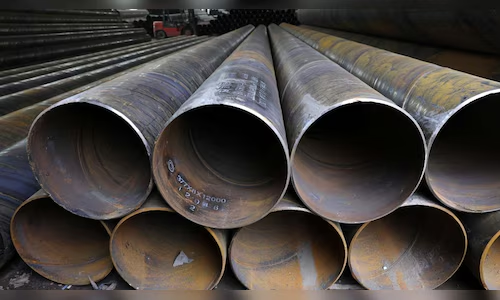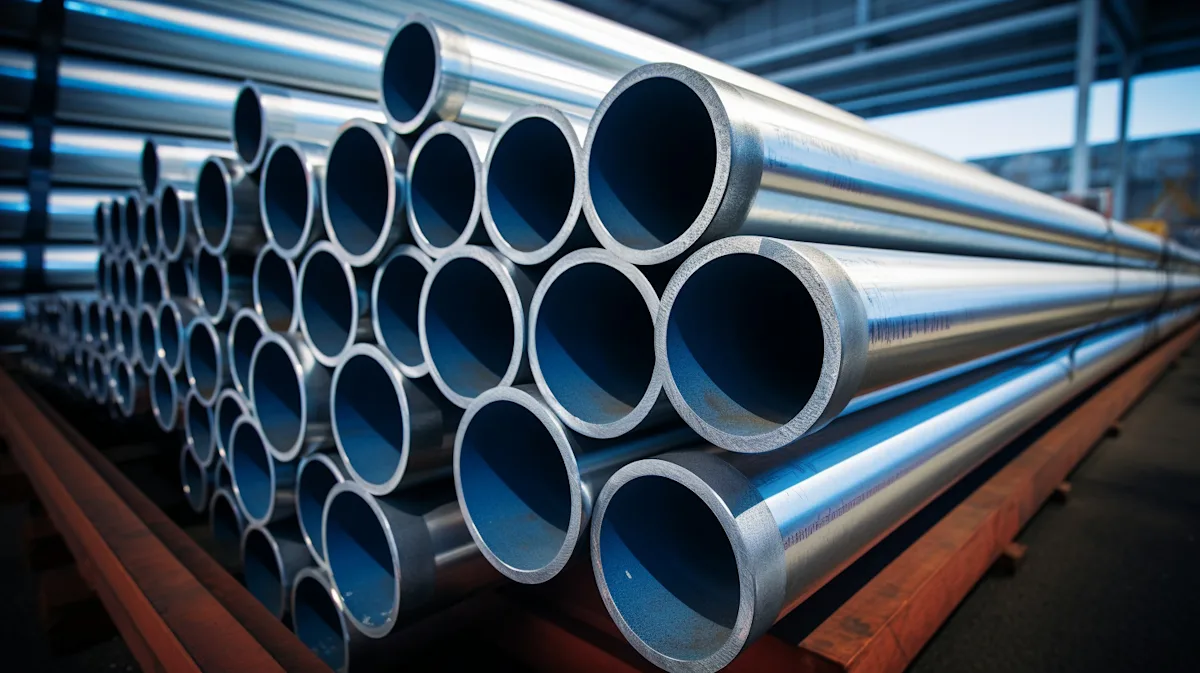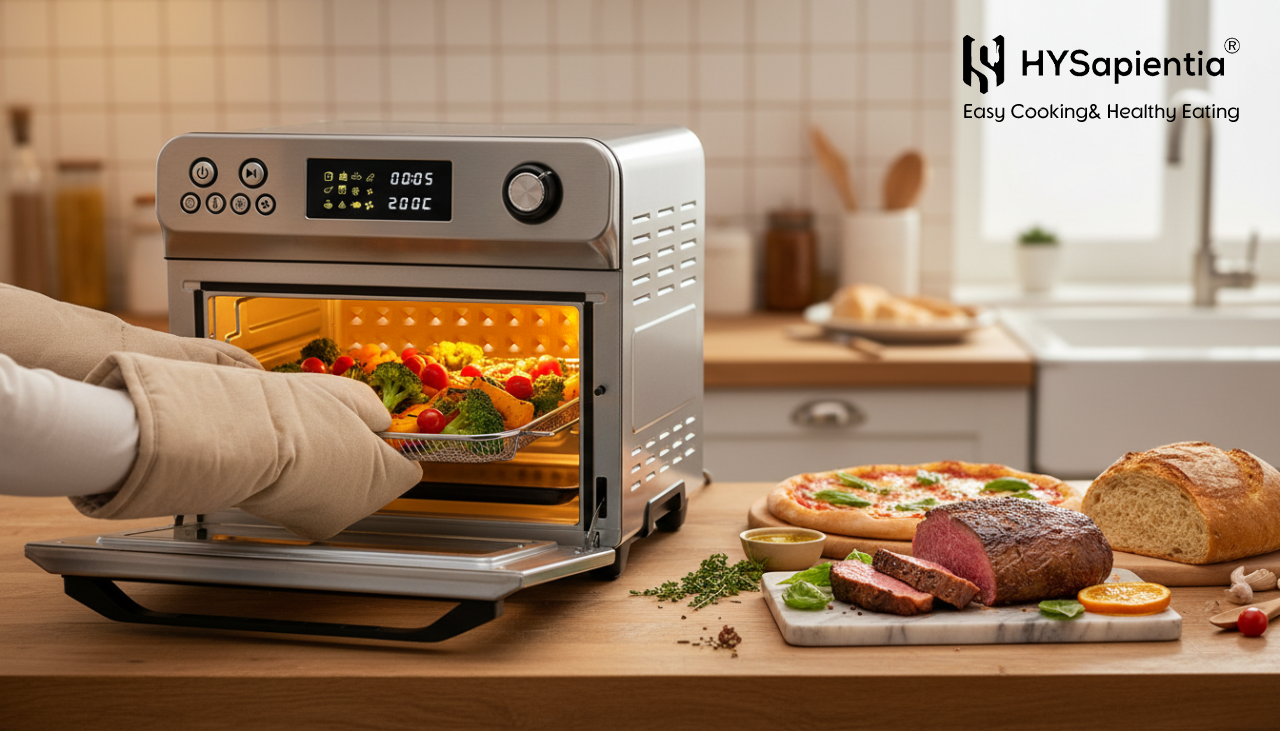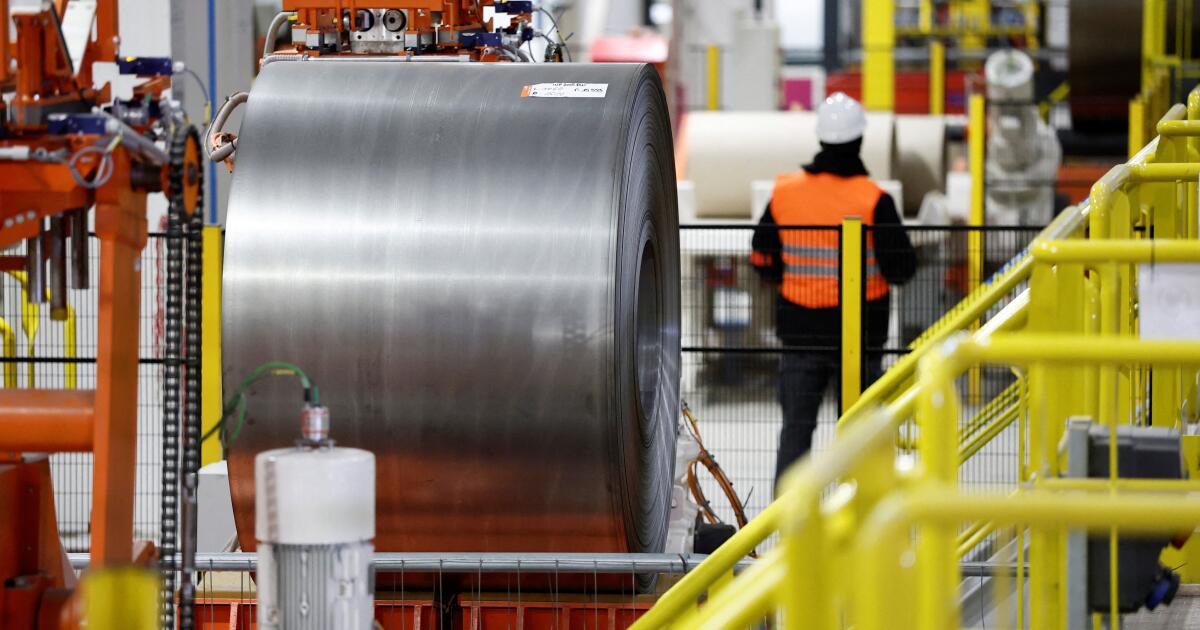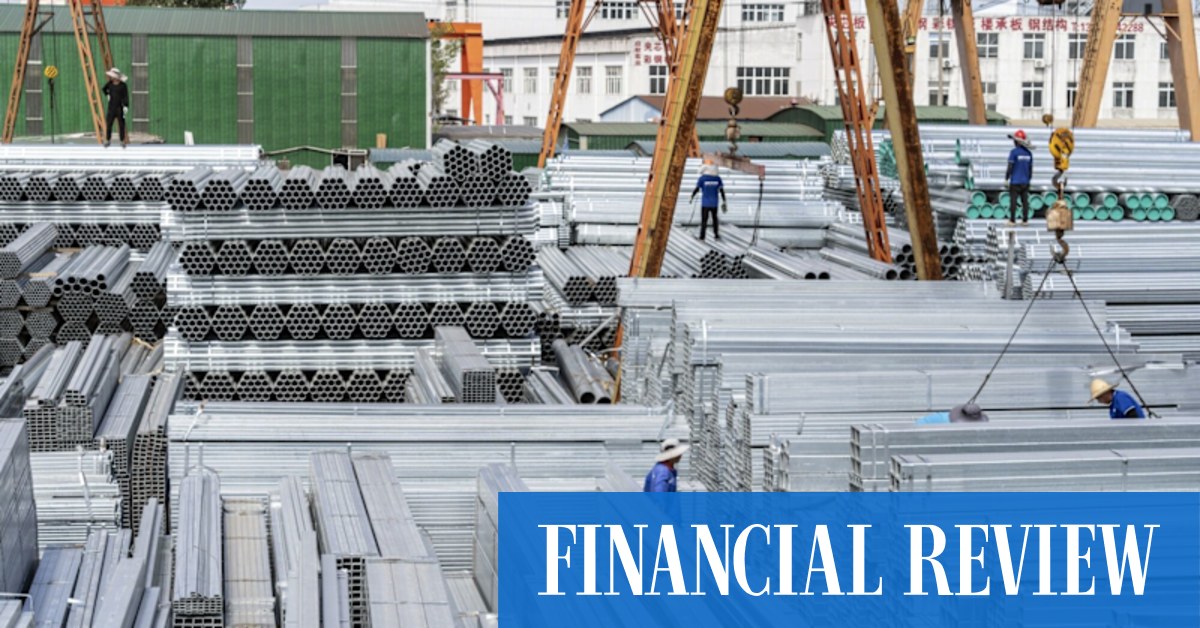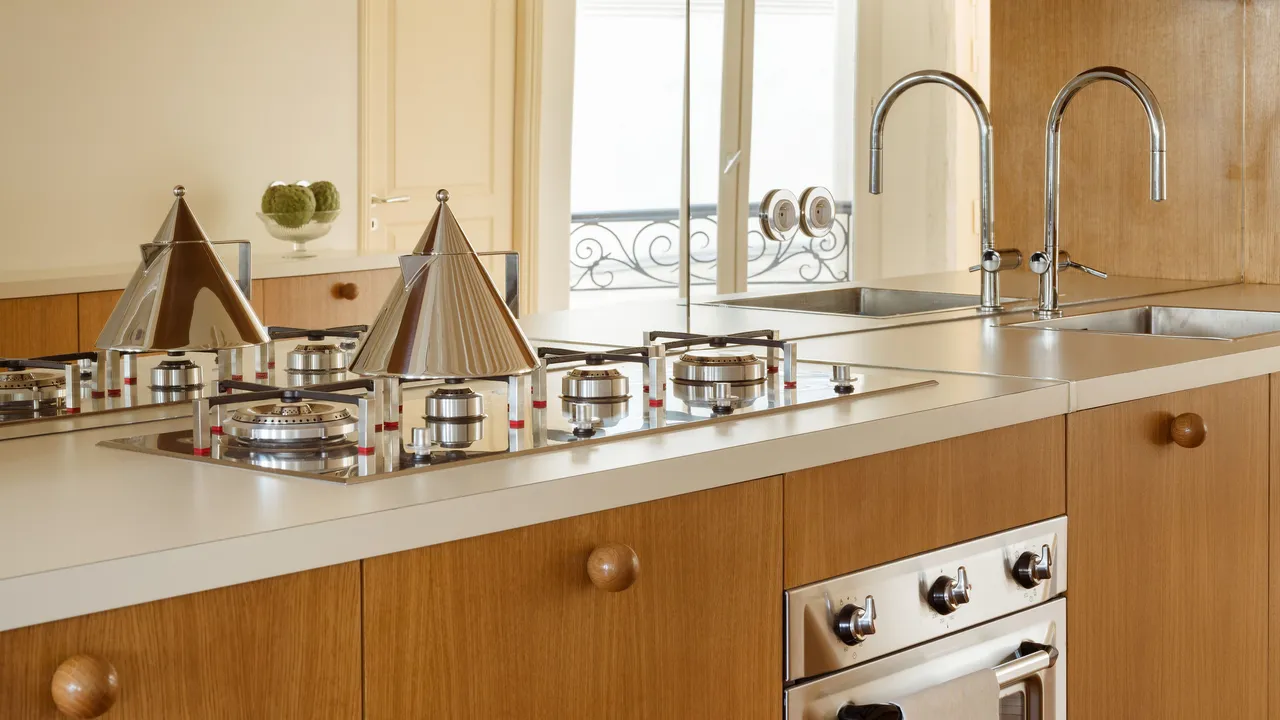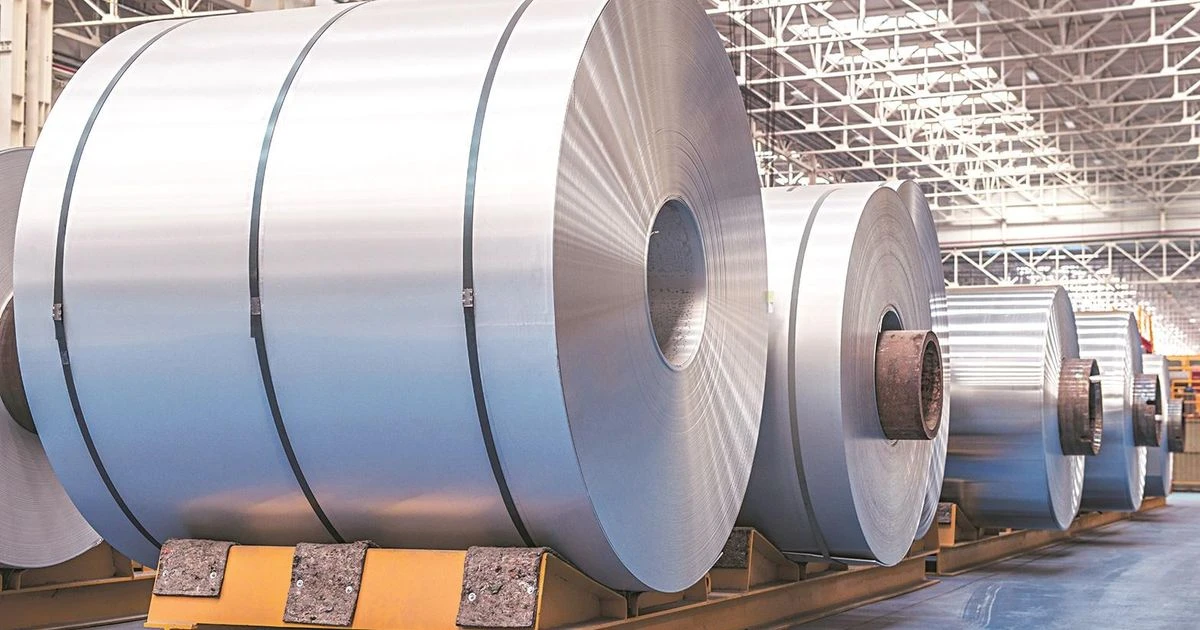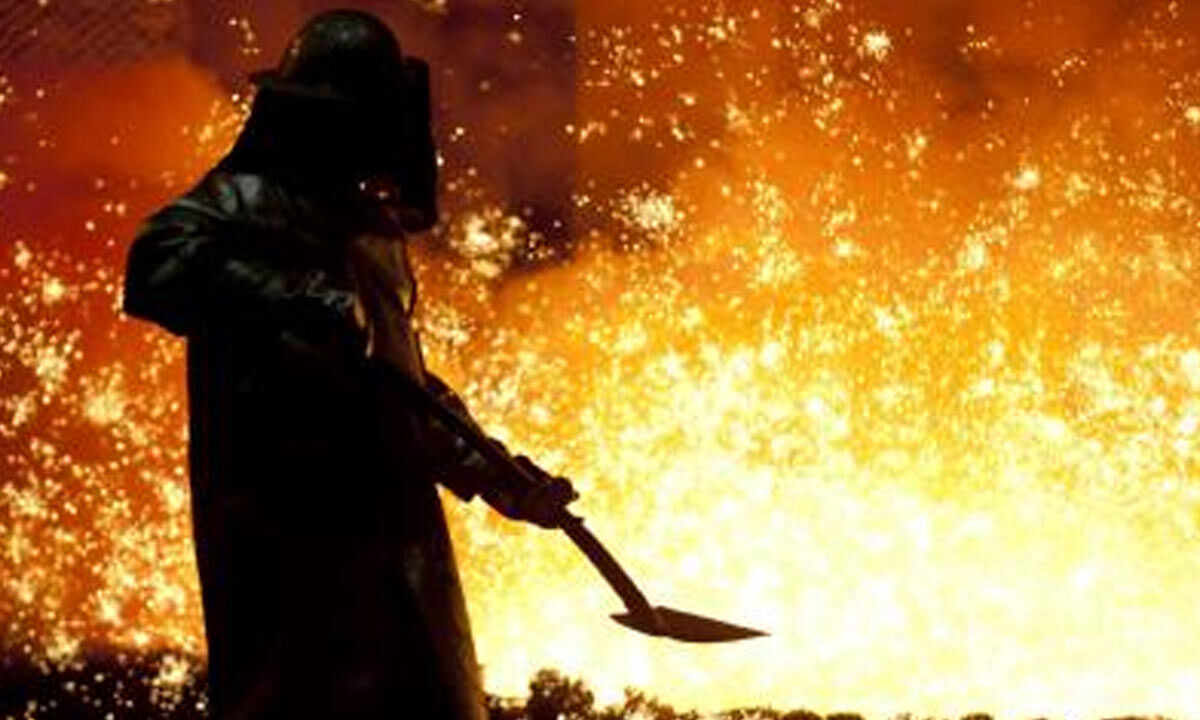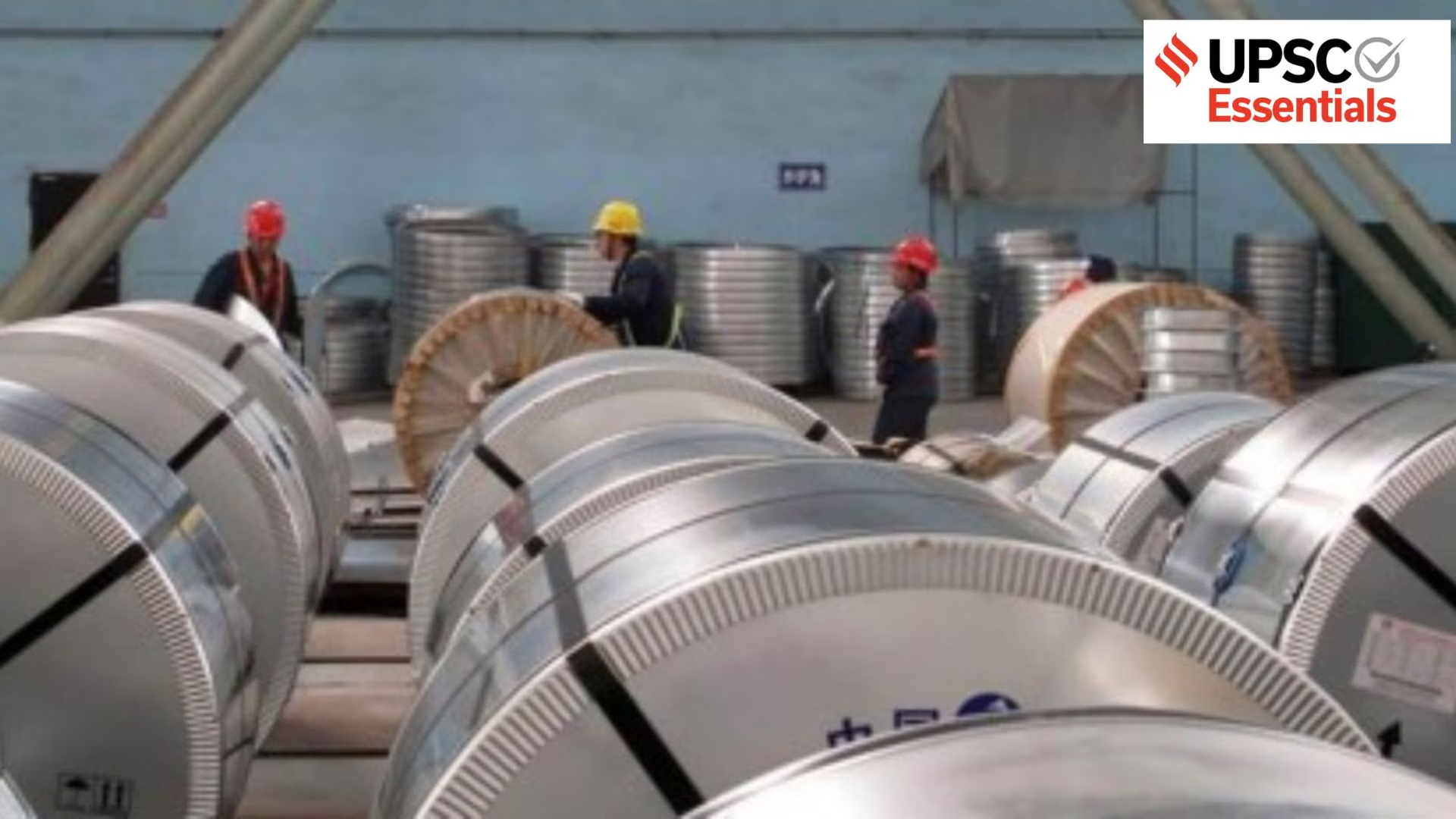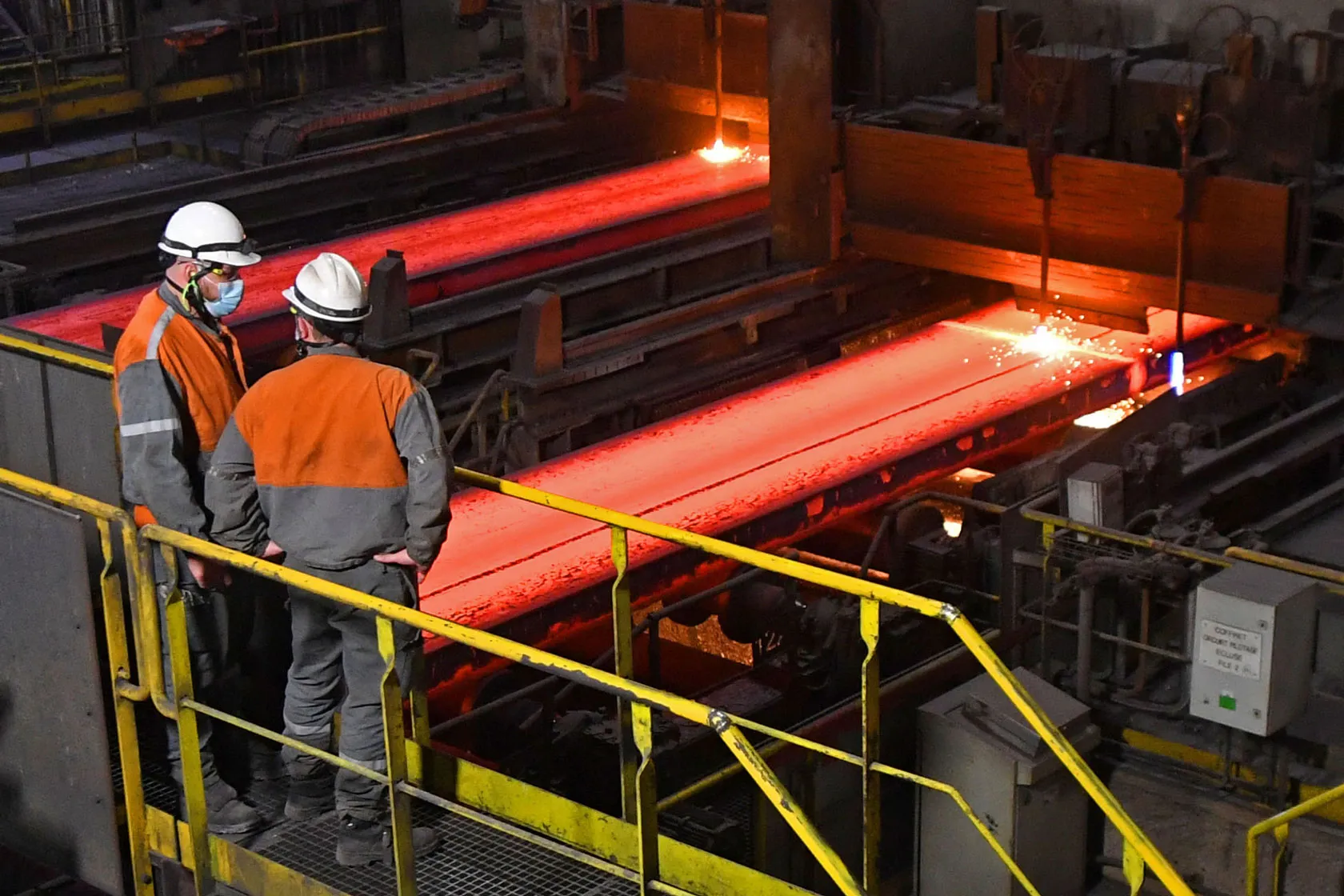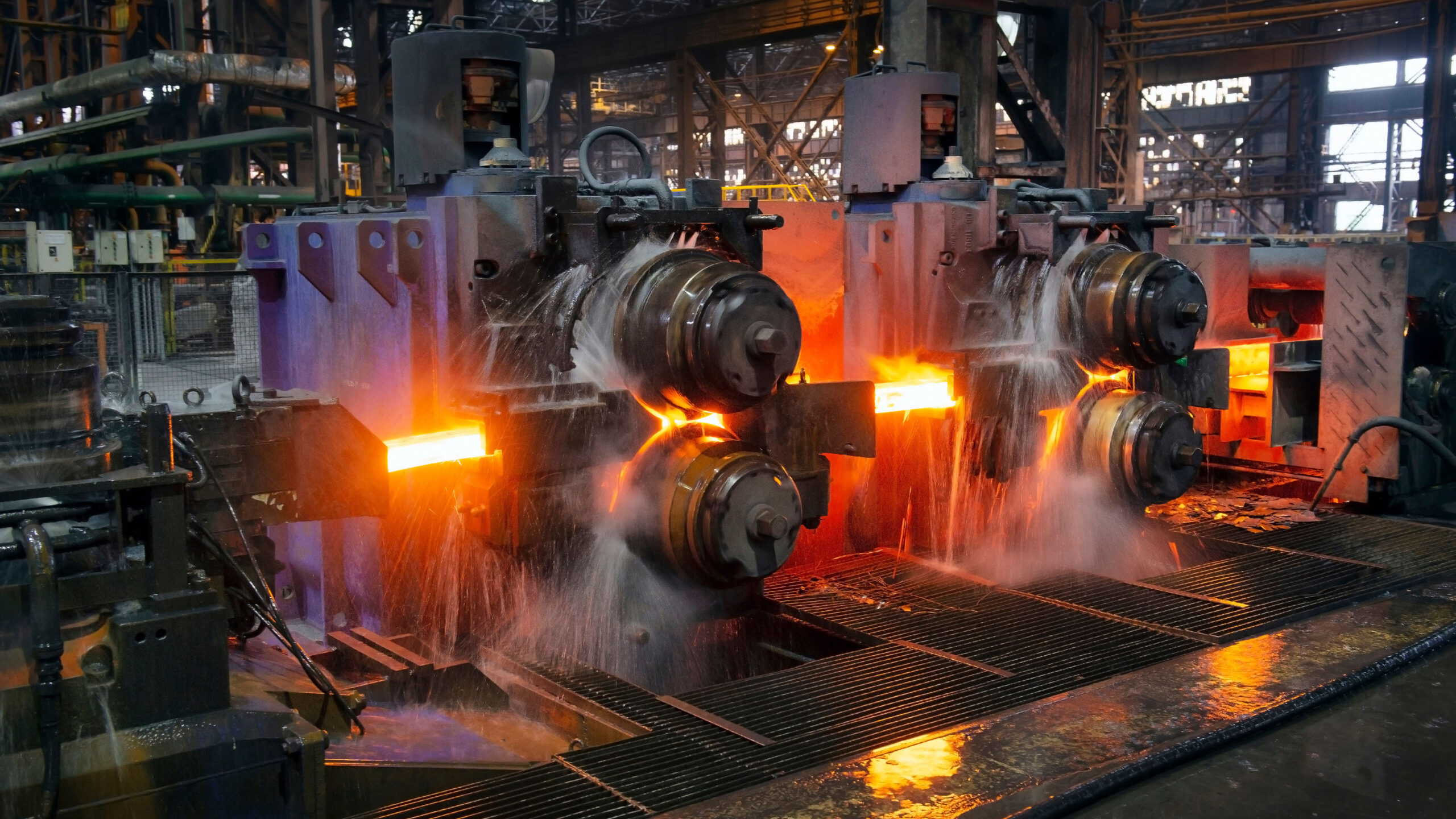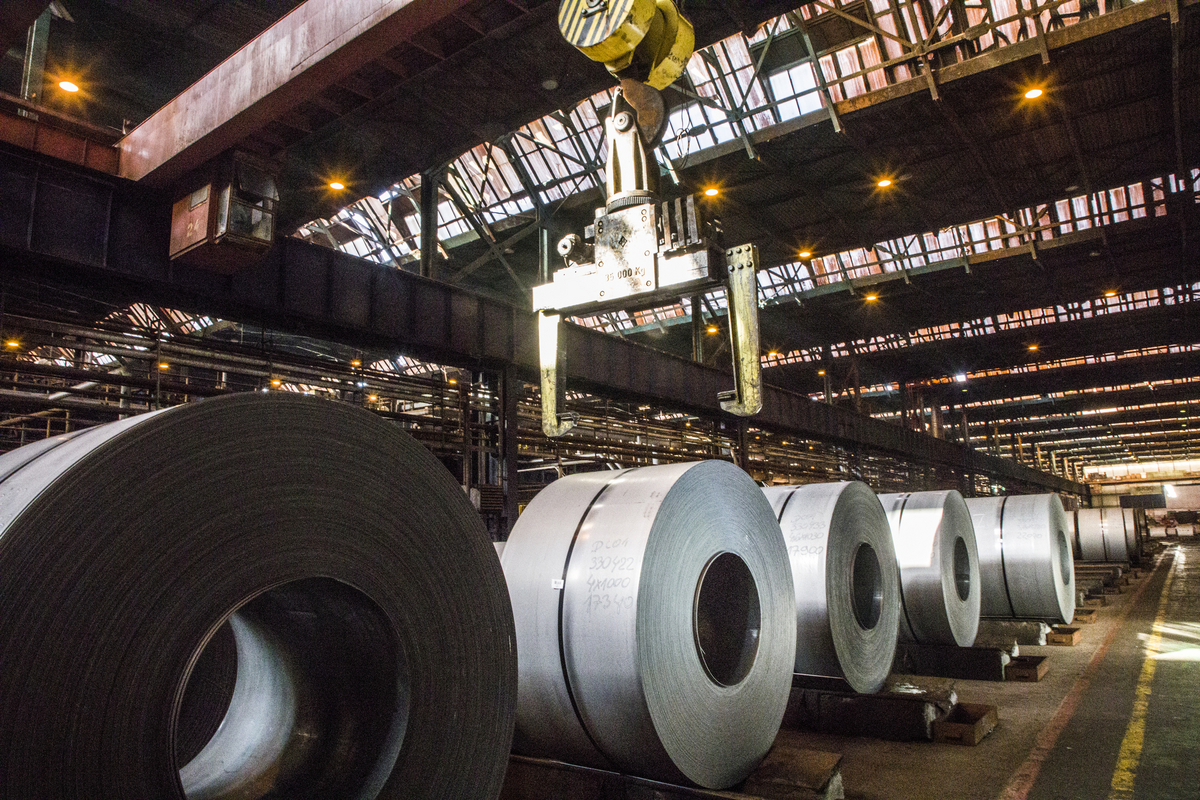
President Donald Trump may roll back aluminum and steel tariffs, according to a recent report from the Financial Times. The plan would most likely affect things with these metals in them, like ovens and beer cans. White House officials say no final decision has been made yet.
It’d be the latest in a long string of tariff rollbacks since they were first implemented — including coffee, pharmaceuticals, and oil. So maybe the news isn’t surprising. But a change to aluminum and steel tariffs could affect more goods than any rollback yet.
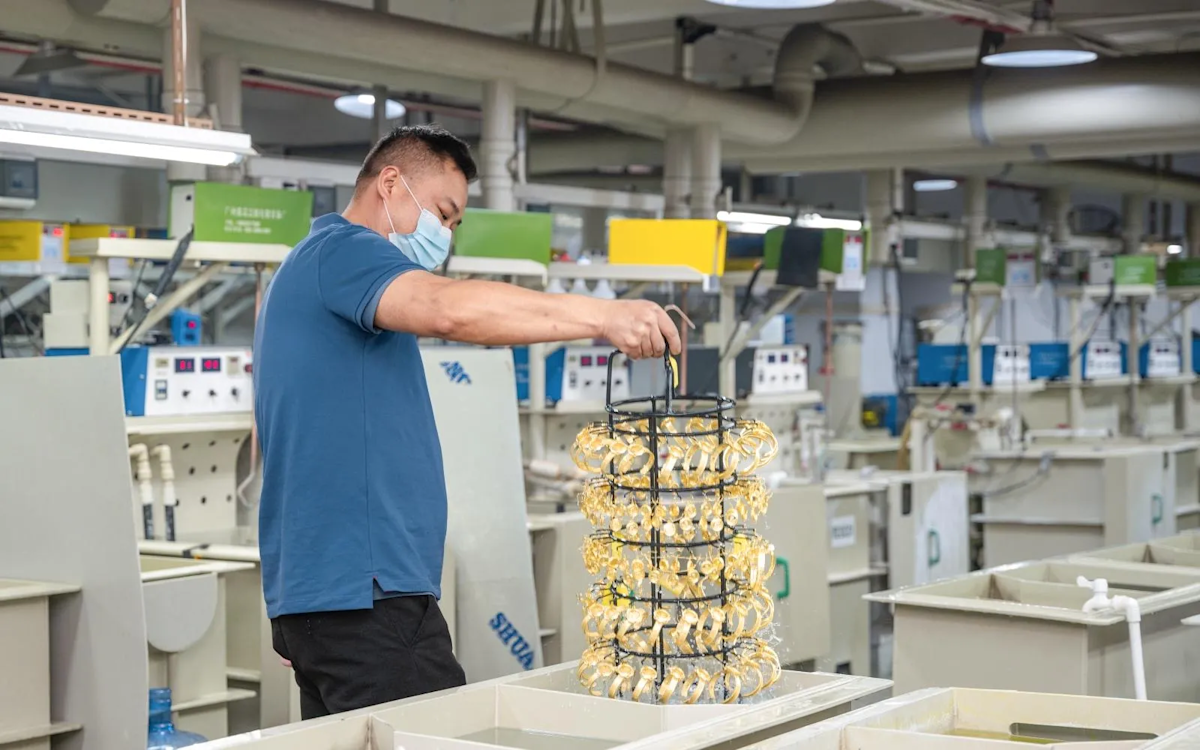
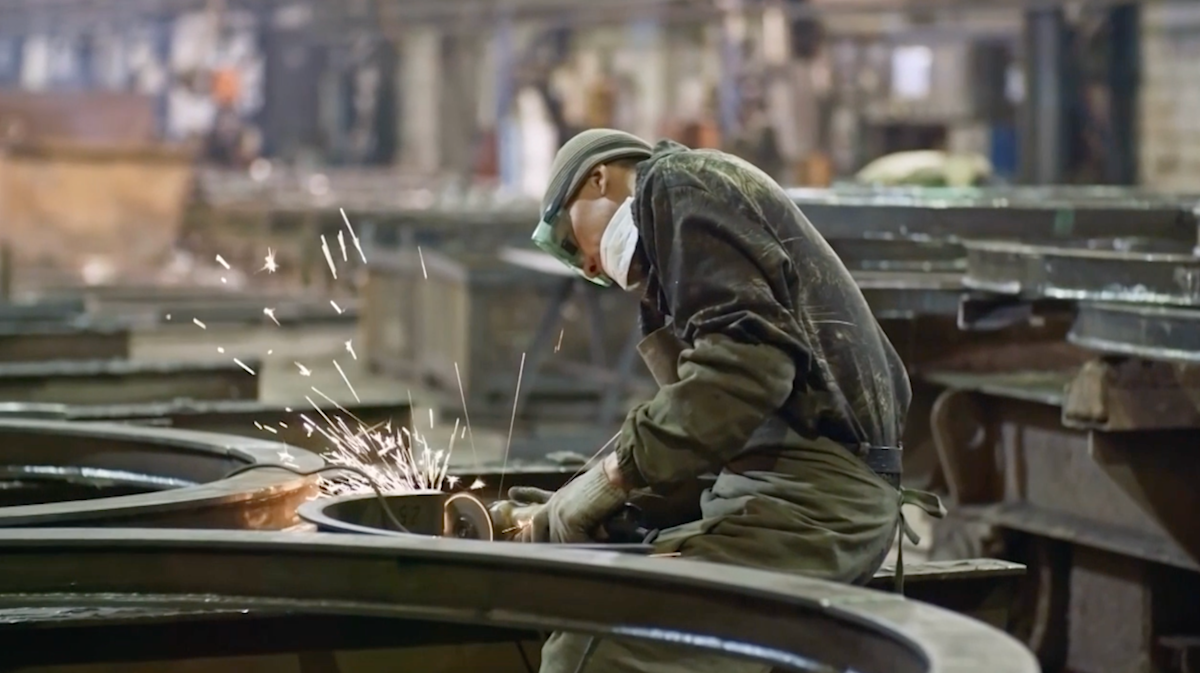
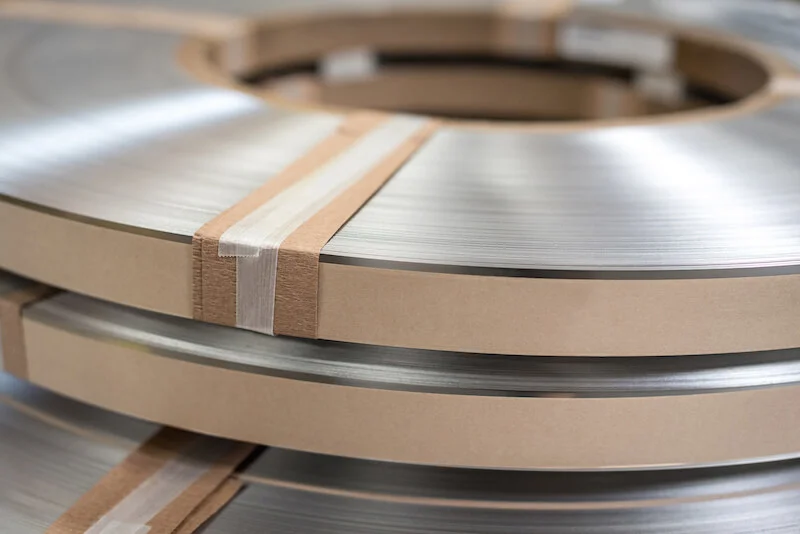
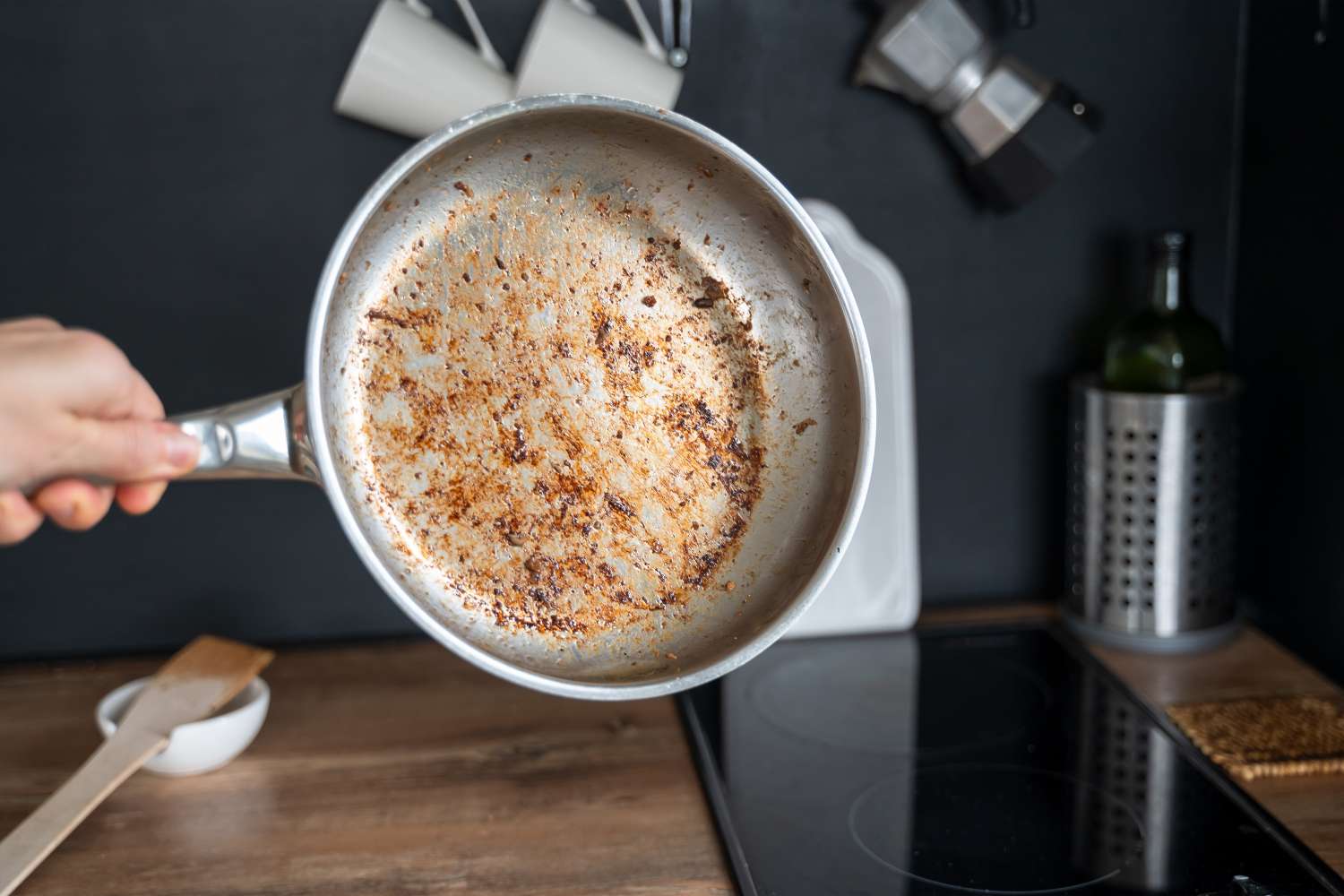
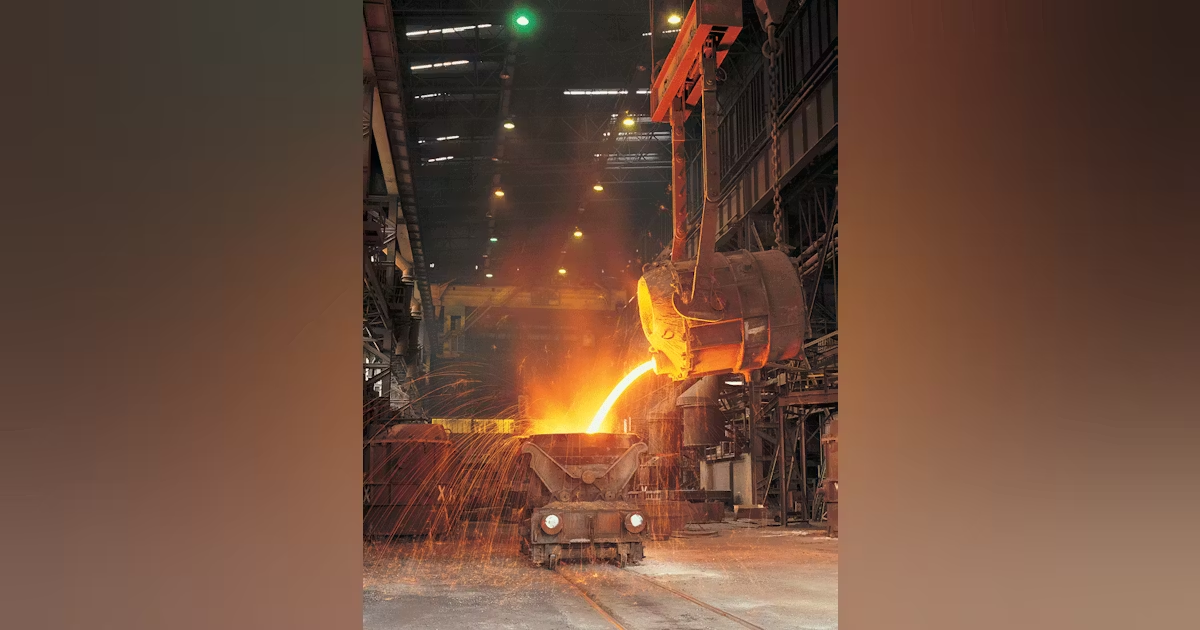
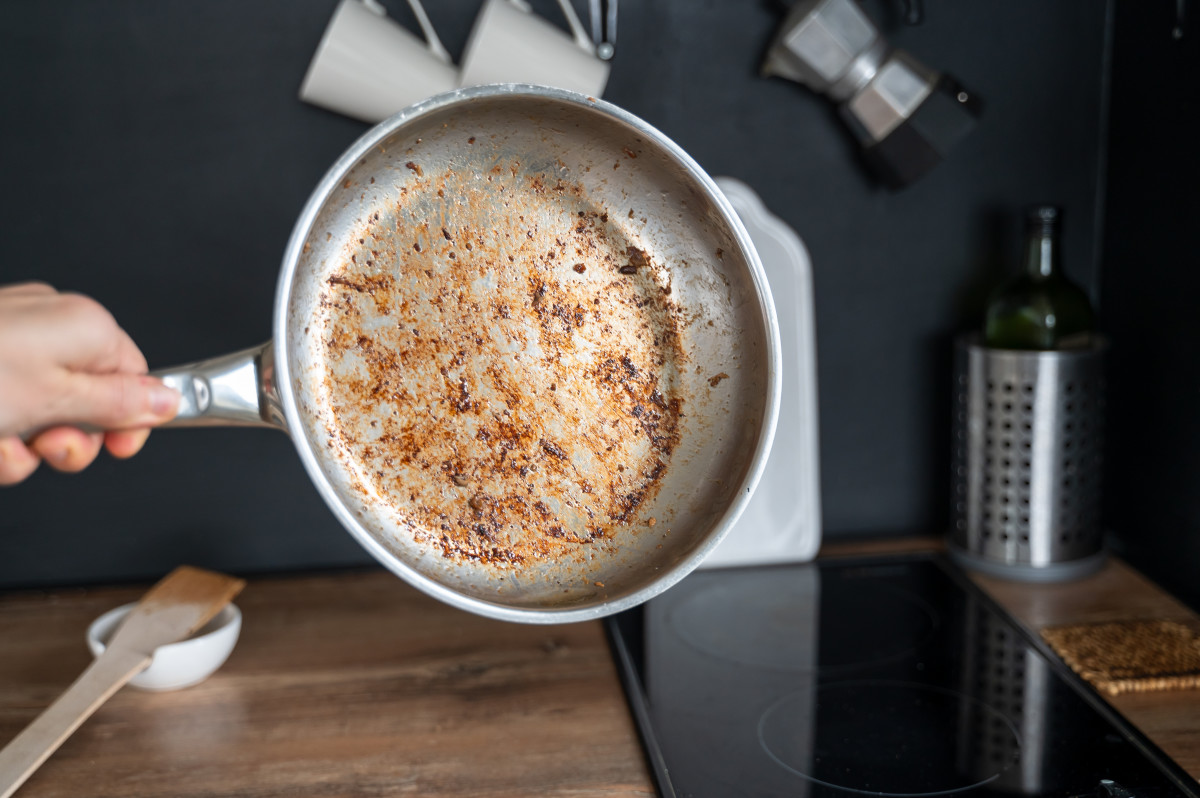
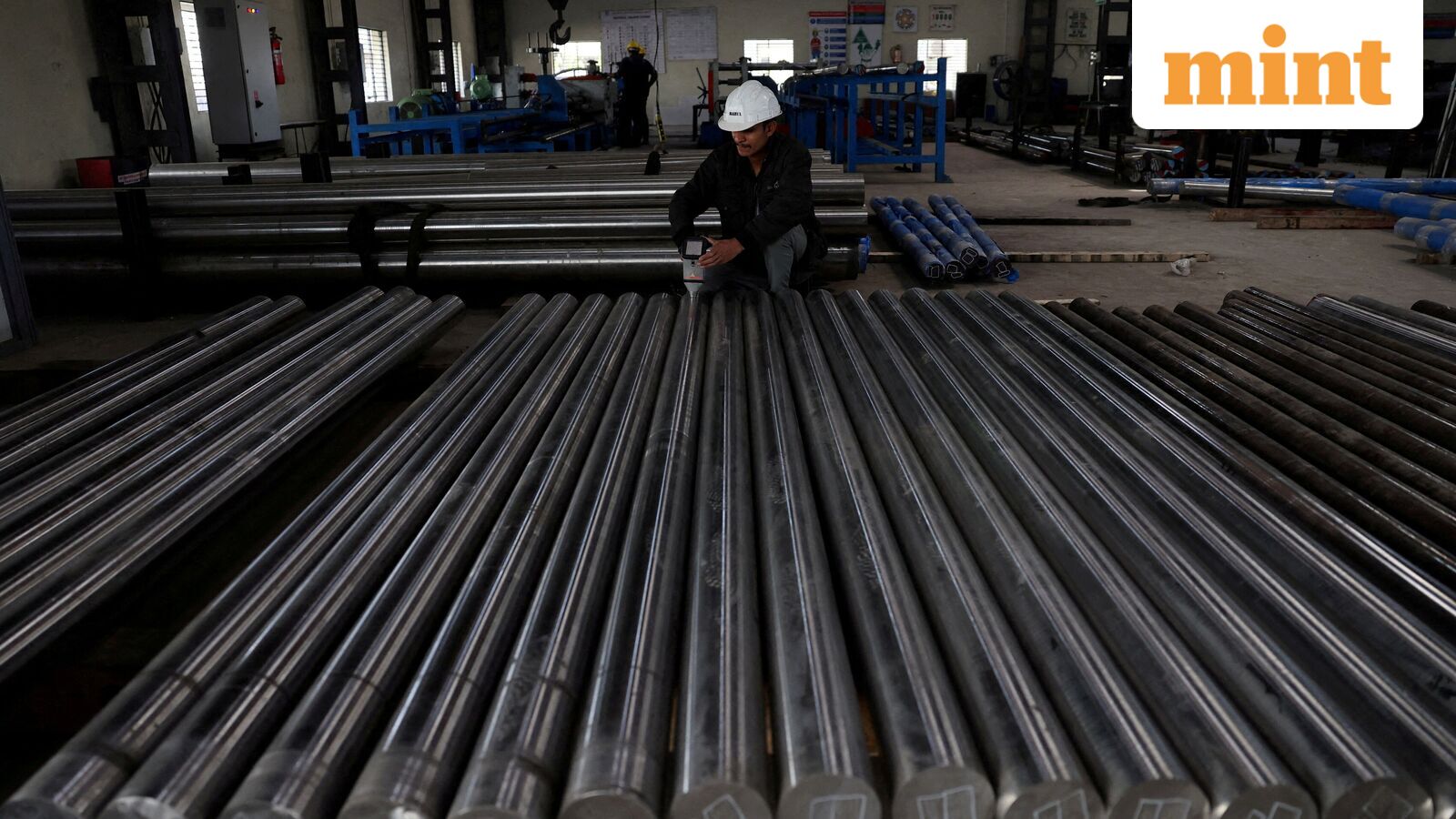
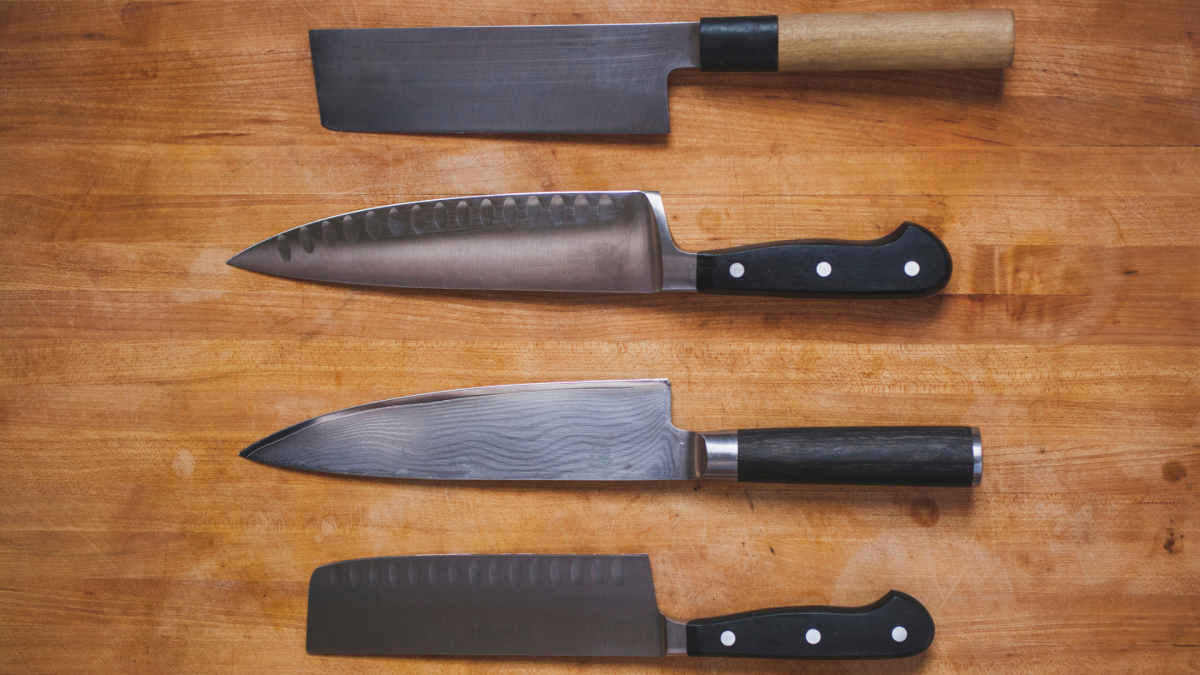
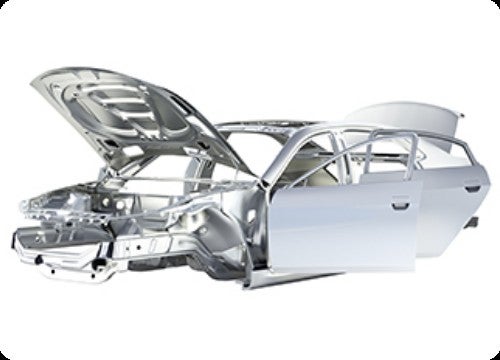
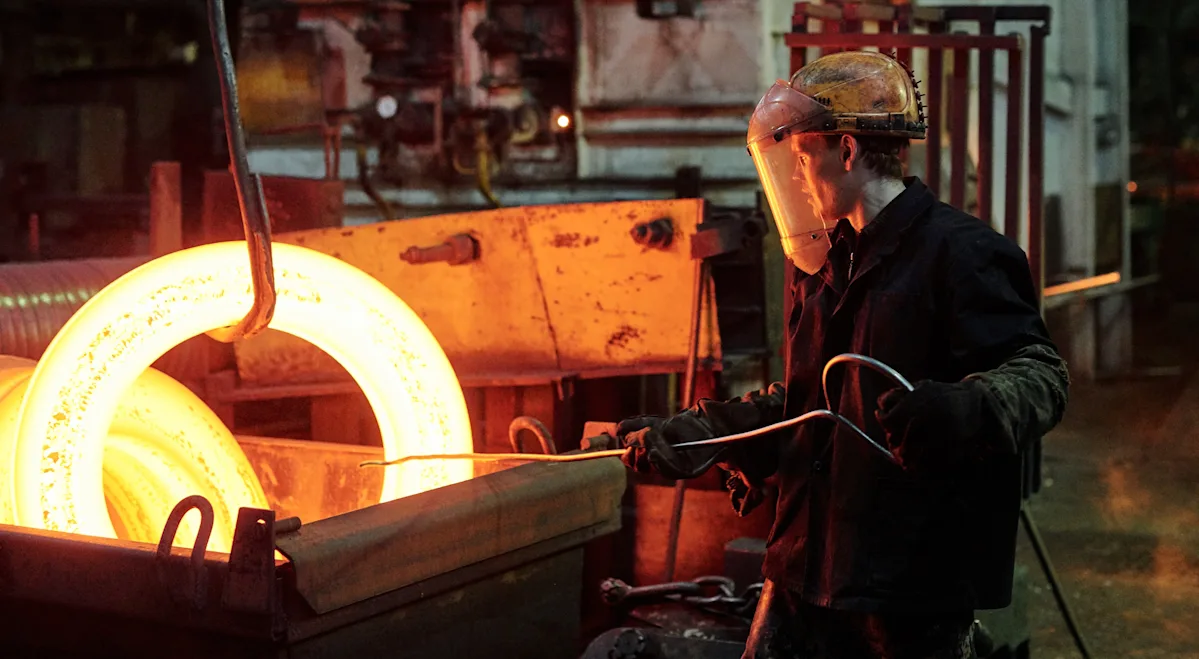
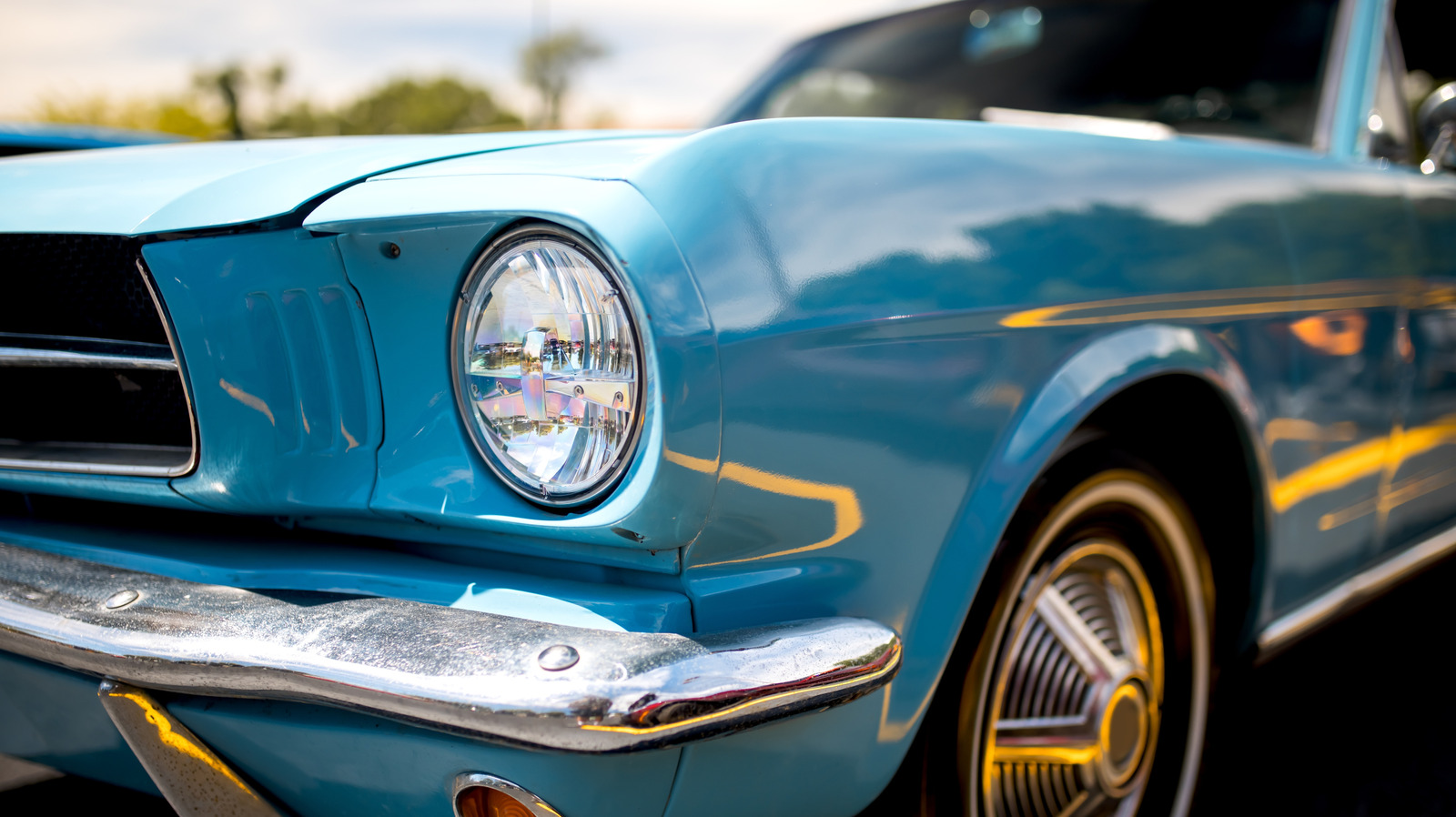
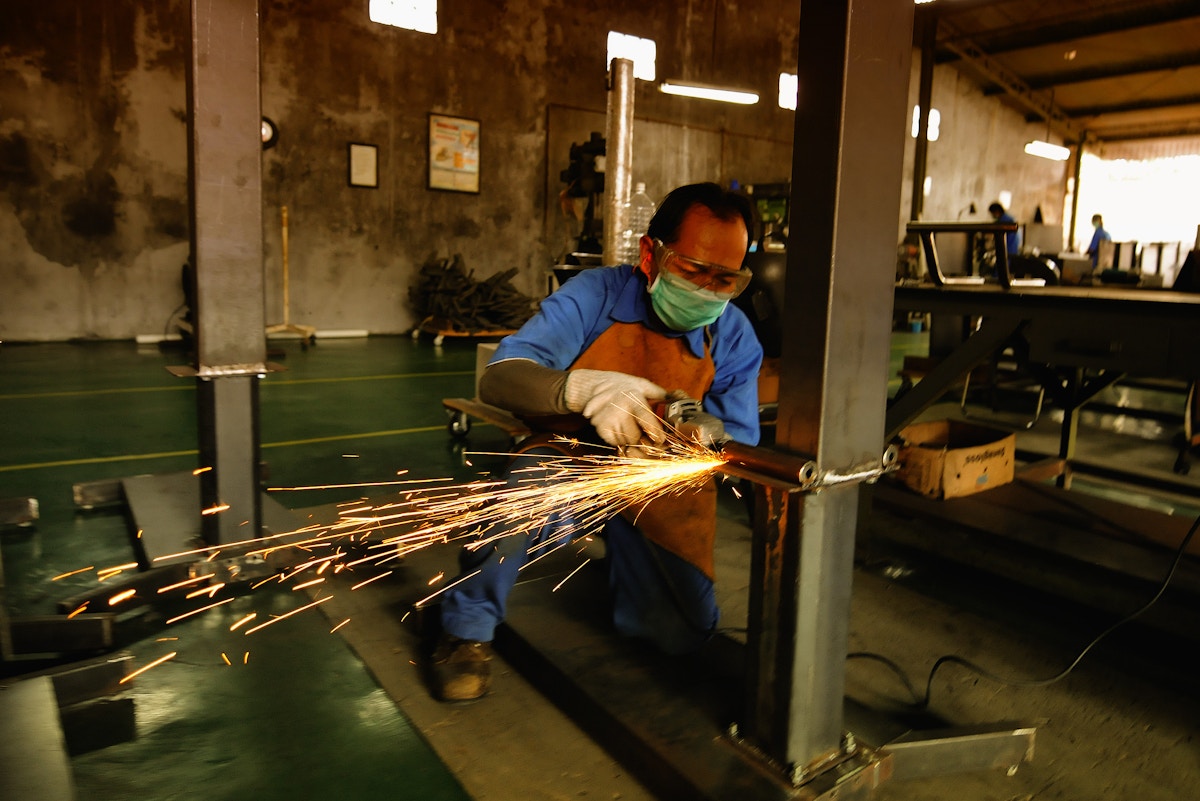
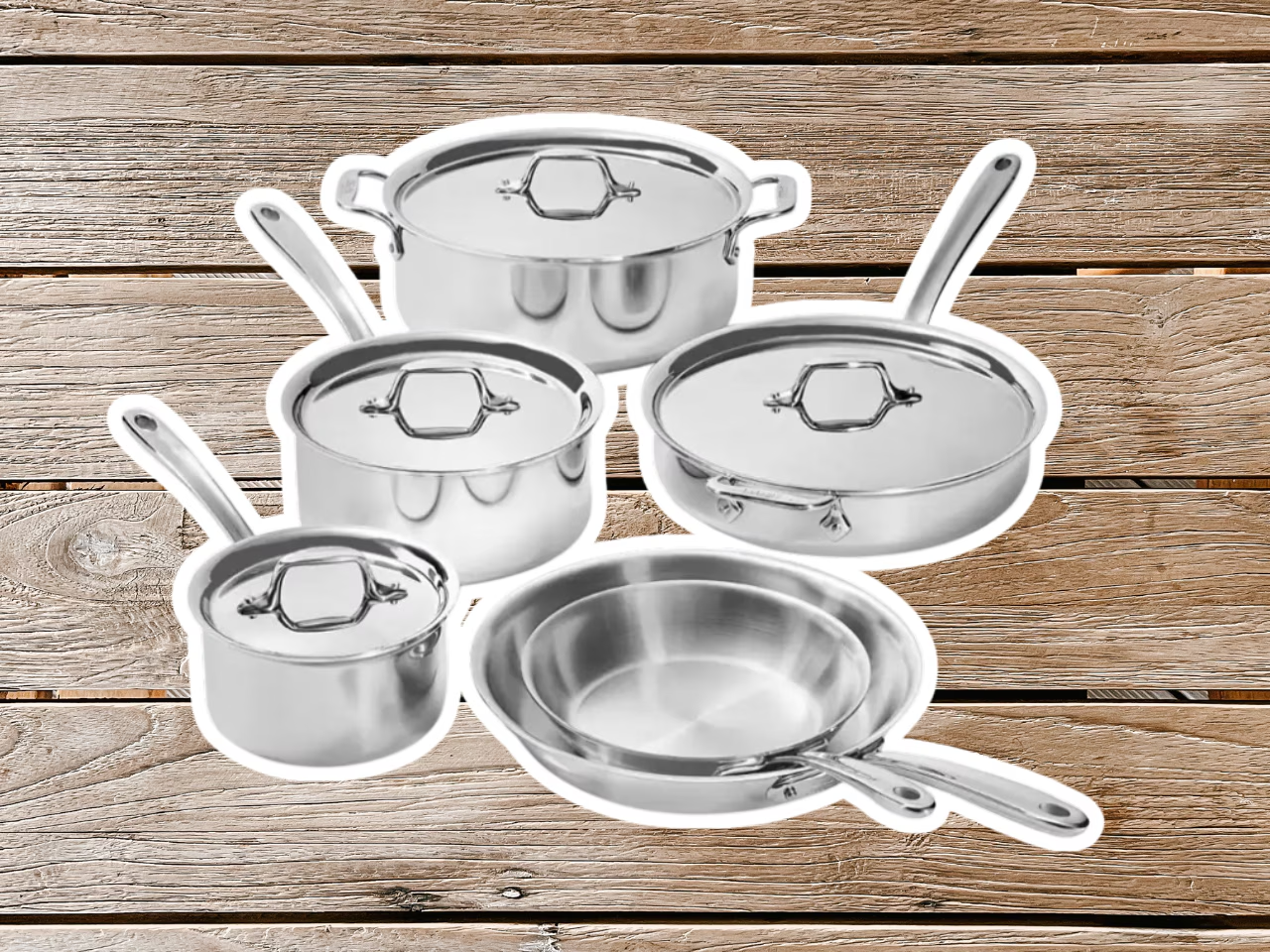
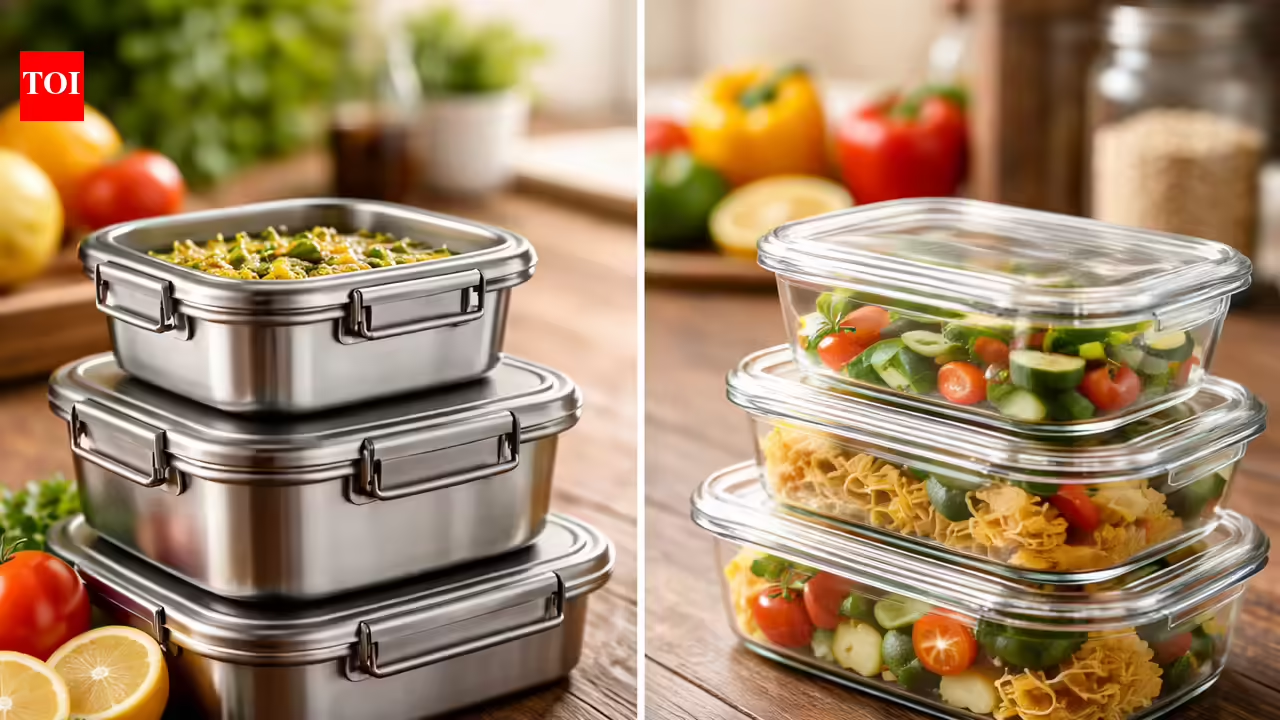
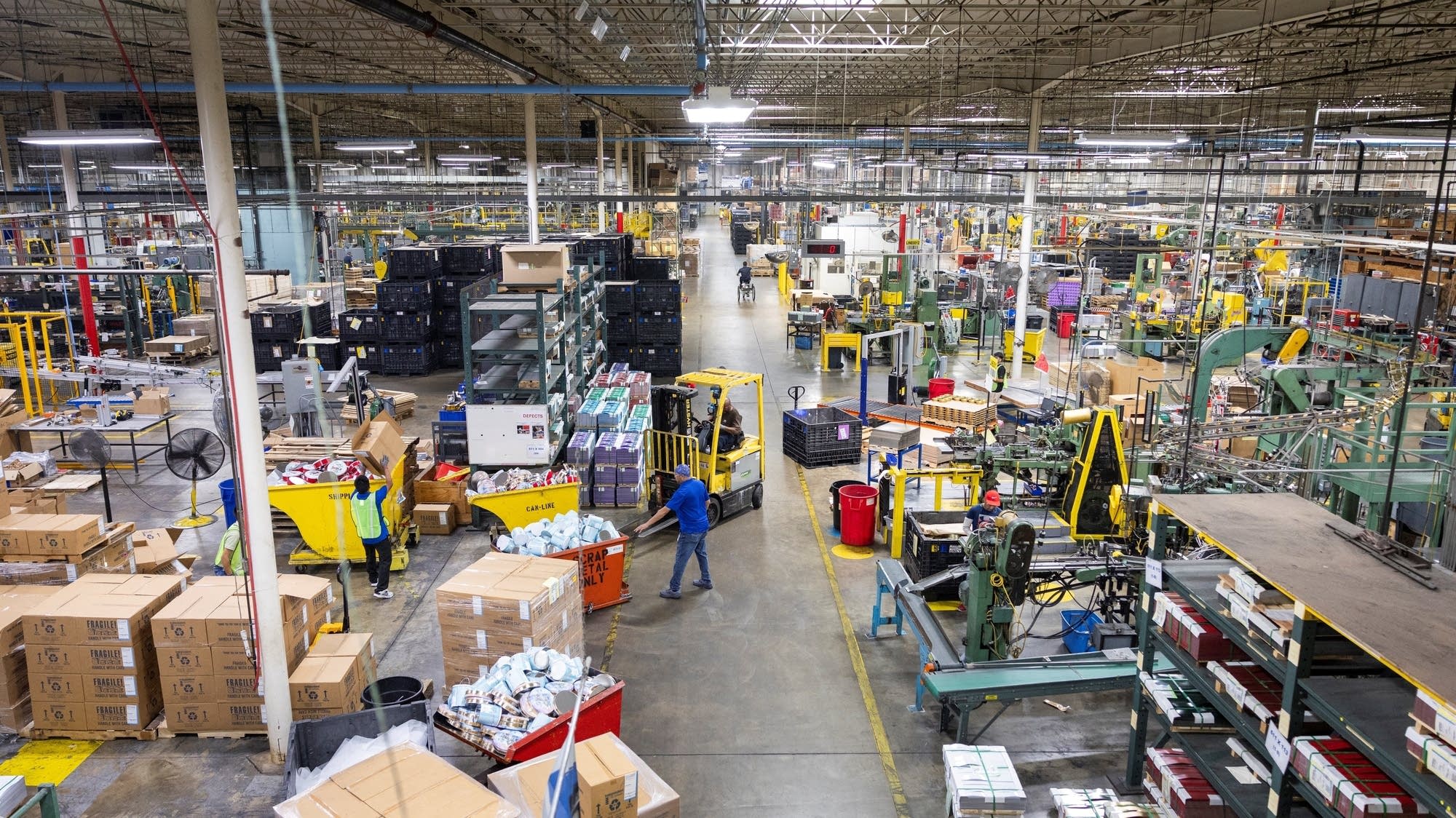
These metals are in cars and cabinet hinges and pie tins. But they’re also used in just about everything, said Philip Luck at the Center for Strategic and International Studies.
“Everything you consume, either has some steel aluminum, or steel aluminum was used to move it, power it, or make it,” he said.
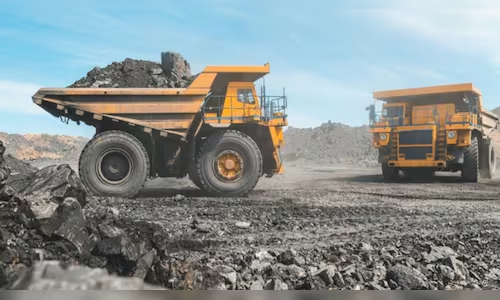
Even, say, paper, needs a metal blade to cut down the tree, and a metal-laden truck and forklift to ship and move the logs.
“A supply chain just has these heavy elements, these heavy products in them, throughout,” Luck said.
How much would that rollback impact most Americans?
“The larger consumer pain points aren’t going to be fundamentally shaken by what happens on these metal tariffs,” said economist and Univiersity of California, Los Angeles law professor Kimberly Clausing.
She said consumers are struggling with the cost of health care, housing, and groceries. Steel and aluminum just don’t account for a big a chunk of those costs.
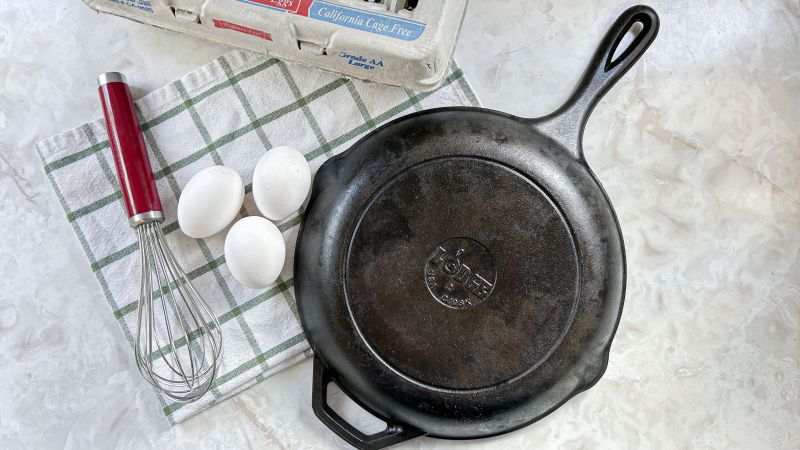
“When you look at the groceries, some of them do have metal their cans and their pie tins and their things like that that are affecting people. But if you know, realistically, if they got rid of all of the metal tariffs tomorrow, we’re only talking a very small impact at the grocery store,” Clausing said.
The Department of Commerce didn’t respond to a request for comment. But Art Wheaton, director of labor studies at Cornell University, said now that this possible tariff rollback is in the news, there’s a pretty good chance President Trump will make it happen.
“Because if he doesn’t now it’s, ‘Oh, I was hoping to get this gift or this discount. You’re gonna help us on prices, and now you’re not doing it. What’s happening?’” Wheaton said.
A rollback might not change the biggest bills, he said. But if you’re hoping to pay less for a new washing machine or a Ford F-150, it’d still be a welcome change.