
Credit: Getty Images
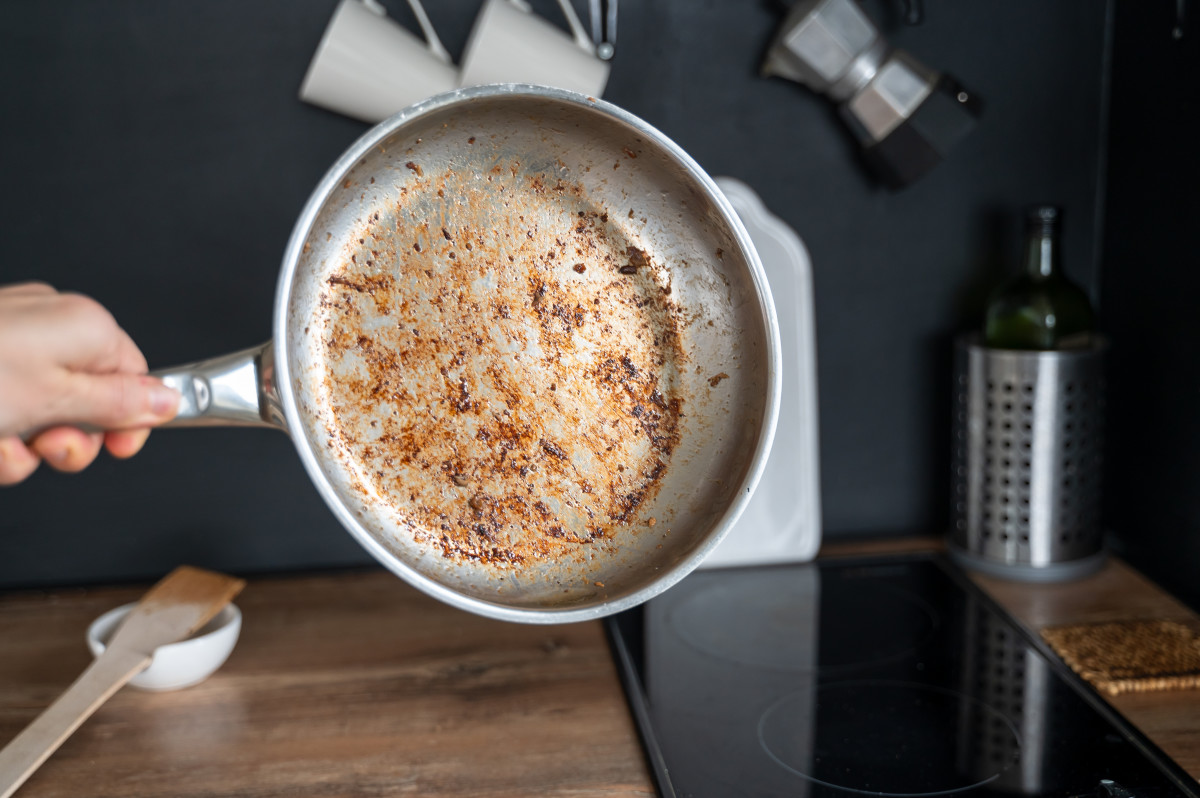
Stainless steel sinks can definitely add sparkle and shine your kitchen. But when they start to become dingy, they can look rather gross. If your stainless steel sink is looking splotchy and grimy these days, it sounds like it’s time to do some cleaning. Luckily, there are a few household staples you might already have on hand that can help restore the shine. Baking soda might be your choice, which is why we asked cleaning experts if this common household ingredient can be used here. Here’s everything you need to know about whether or not you can use baking soda to clean a stainless steel sink and how to do so in five steps.
Meet the Expert
Why Use Baking Soda On Stainless Steel Sinks?
Though somewhat resilient, stainless steel isn’t welcoming of all cleaning products. You have to be careful about what you use on these shiny appliances to preserve the finish, but thankfully, baking soda is just fine to use. “I loves using baking soda on my stainless steel sink,” says cleaning expert Marisol Rivera. “The baking soda particles are soft enough that they won’t scratch a finished stainless steel sink when combined with a soft cloth or sponge, yet they are hard enough to remove hard water marks, stuck-on grime, and cloudy films.”
Another perk Rivera says you get from using baking soda is its odor-killing benefit for the drains and sink basin. “This can help to take care of the residual odors caused by the food left behind and the standing water,” she says.
What You’ll Need
Baking soda is the star here, but there are a few other tools and materials you’ll need to clean your stainless steel sink. They include:
-
Vinegar (optional, but good for extra shine/stubborn stains)
5 Steps For Cleaning A Stainless Steel Sink
Clear & Rinse
Start by clearing sponges, soap dispensers, or anything else that’s sitting on your sink and give it a rinse. Rivera recommends using warm water to get the sink wet enough that the baking soda adheres to the surface of the sink rather than being washed away.
Sprinkle Baking Soda
Now you’re going to sprinkle baking soda generously onto the entire surface of your sink. Rivera says, “Sprinkle an ample, but uniform layer of baking soda onto the sink, sides and around the drain; about a light dusting of baking soda on the sink surface.”
Scrub With Dish Soap
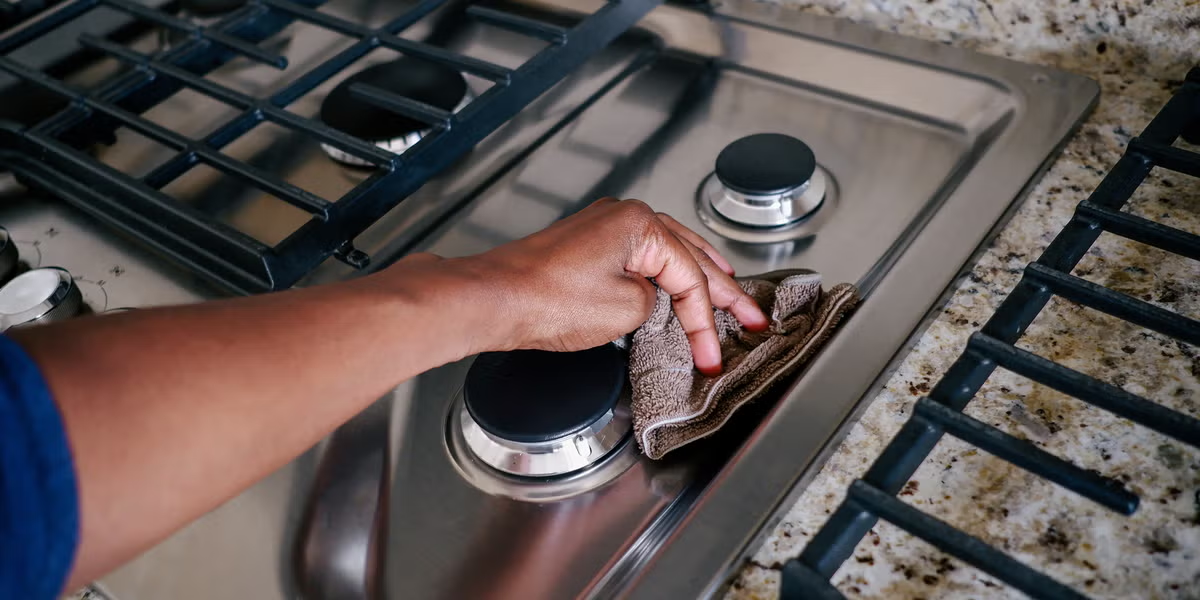
Let the baking soda sit for a few minutes before adding a few drops of dish soap to a sponge or soft cloth. Then, scrub the baking soda into the sink while rubbing in the direction of the stainless steel to help prevent visible scratches. “Concentrate your efforts on dull areas, the area around the drain, and any areas that have hidden buildup such as the bottom of a sink rack or caddy,” says Rivera.
Cleaning Tough Spots
For any stubborn stains, mineral deposits, or hard-to-reach corners, this is where your small toothbrush will come in handy. “You can use vinegar or hydrogen peroxide here to give baking soda an extra boost,” Rivera says. “Whenever I encounter stubborn stains or mineral deposits, I either spray a fine mist of white vinegar over the baking soda paste and allow it to fizz for a couple of minutes before giving it one last scrub. Or, I’ll place a few drops of 3% hydrogen peroxide directly onto the stain and allow it to sit for 10-15 minutes prior to the last scrub.”
Rinse & Dry
After you’ve scrubbed the sink and tackled the hard areas, it’s time to rinse the cleaner off. Rivera says you should rinse the sink well with warm water until all of the baking soda powder has been removed from the surface of the sink. After rinsing the sink, she recommends using a clean microfiber cloth to wipe the sink dry, and buff in the same direction as the stainless steel to restore the shine to the sink and keep new water spots from forming.
How Often Should You Clean A Stainless Steel Sink?
How long you go between cleaning depends on how grimy your sink gets, but Rivera’s rule of thumb is to lightly clean your stainless steel sink once a week. “Doing a little maintenance work on a regular basis will keep your sink looking brand new and prevent many types of stains from setting” she says. “Never use steel wool or a very abrasive pad because both of these things can cause damage to the finish of the stainless steel sink.”
Read the original article on Southern Living