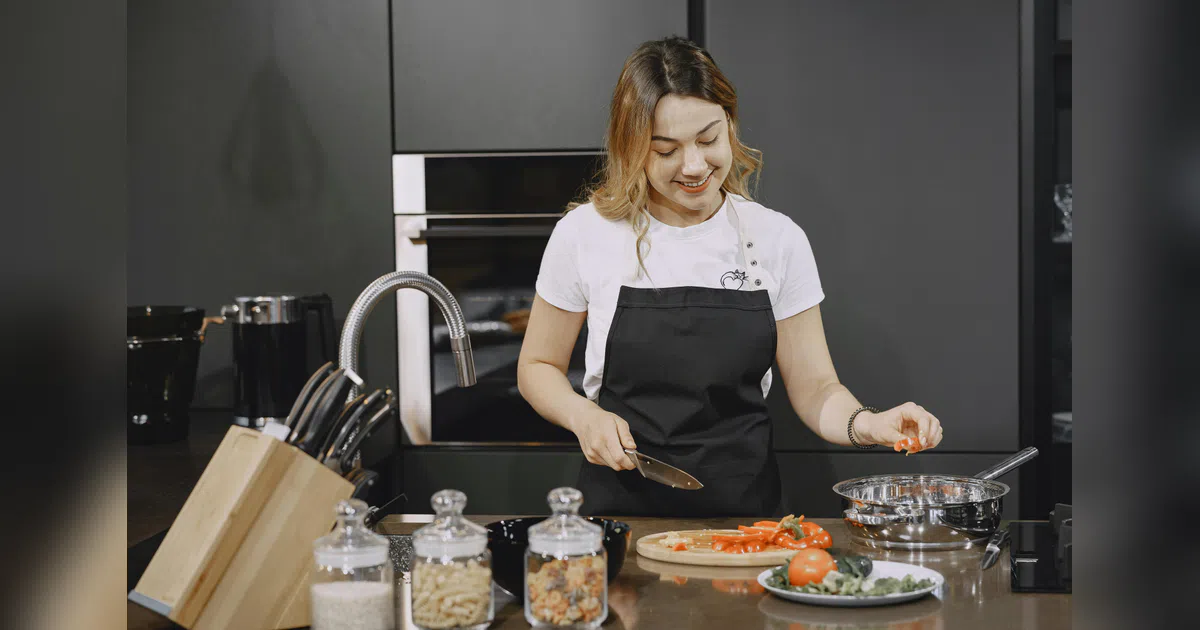
Choosing the right cookware is something most households rarely think about, yet it plays a crucial role in both health and cooking quality. From morning chai to elaborate dinners, the utensils used every day can affect everything from nutrient retention to the taste of the food we consume. While store shelves are packed with options, experts say there is no one-size-fits-all solution and instead, a balanced mix works best.
“There is no single ‘perfect’ cookware, but for everyday Indian kitchens, a mix works best,” says Veena V, Chief Clinical Dietician & HOD, Department of Clinical Nutrition and Dietetics, Aster Whitefield Hospital.
What cookware should you use daily for safe cooking?
For most households, combining a few reliable materials is the smartest approach.
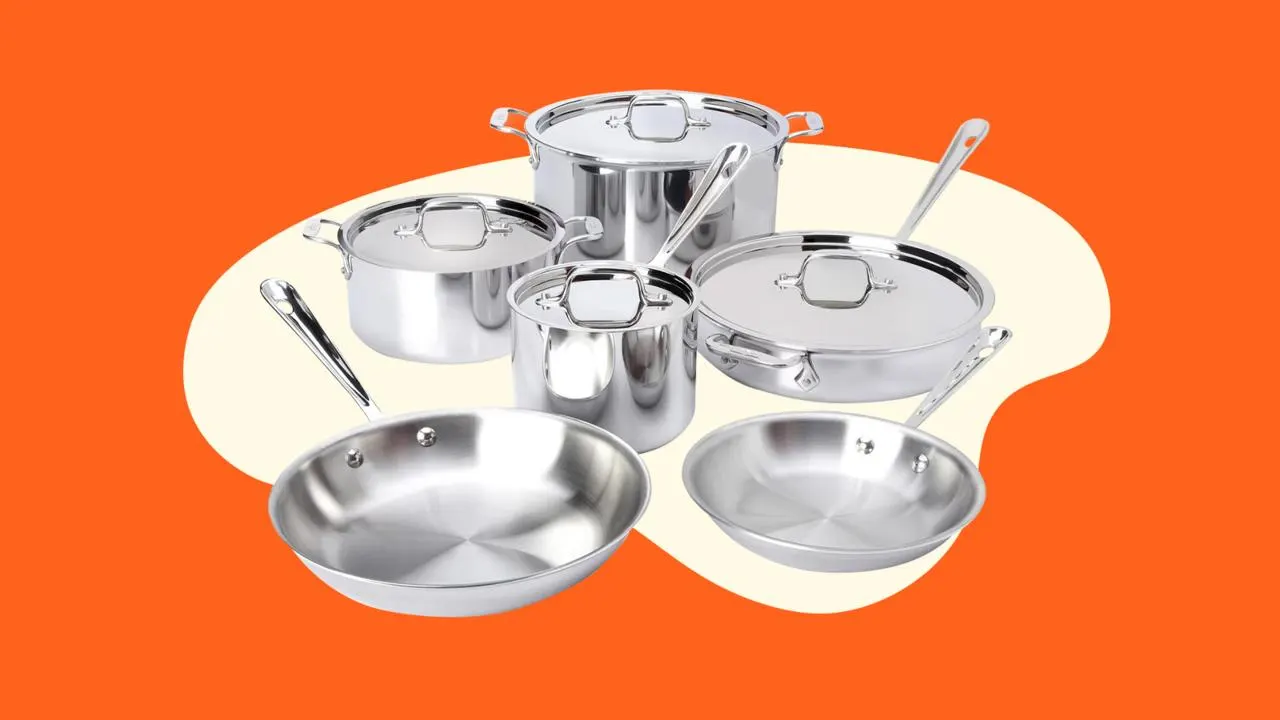
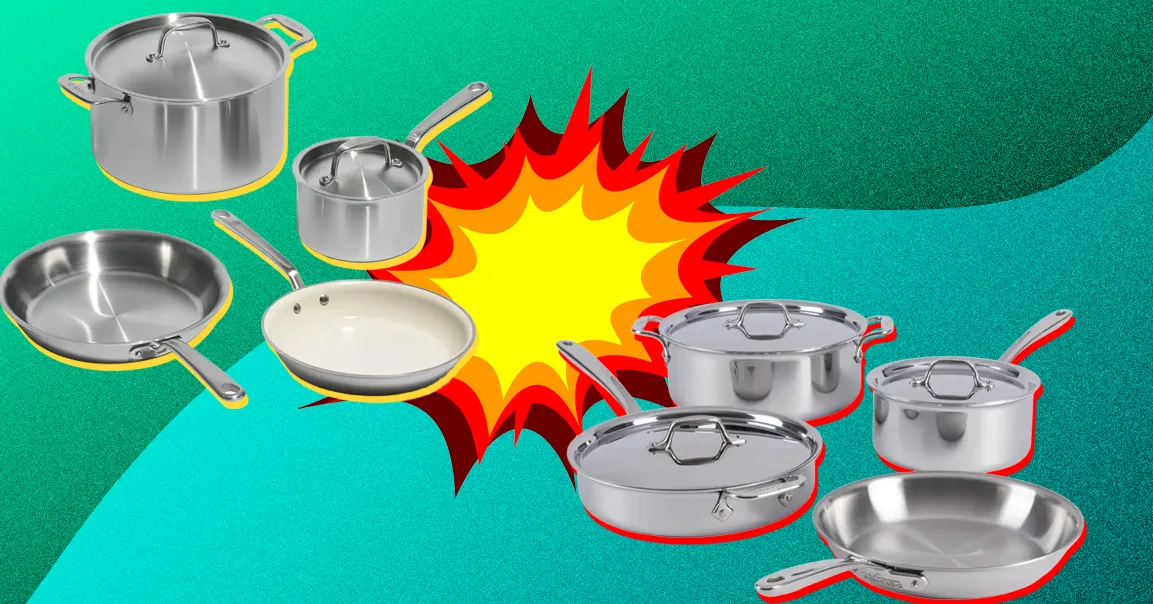
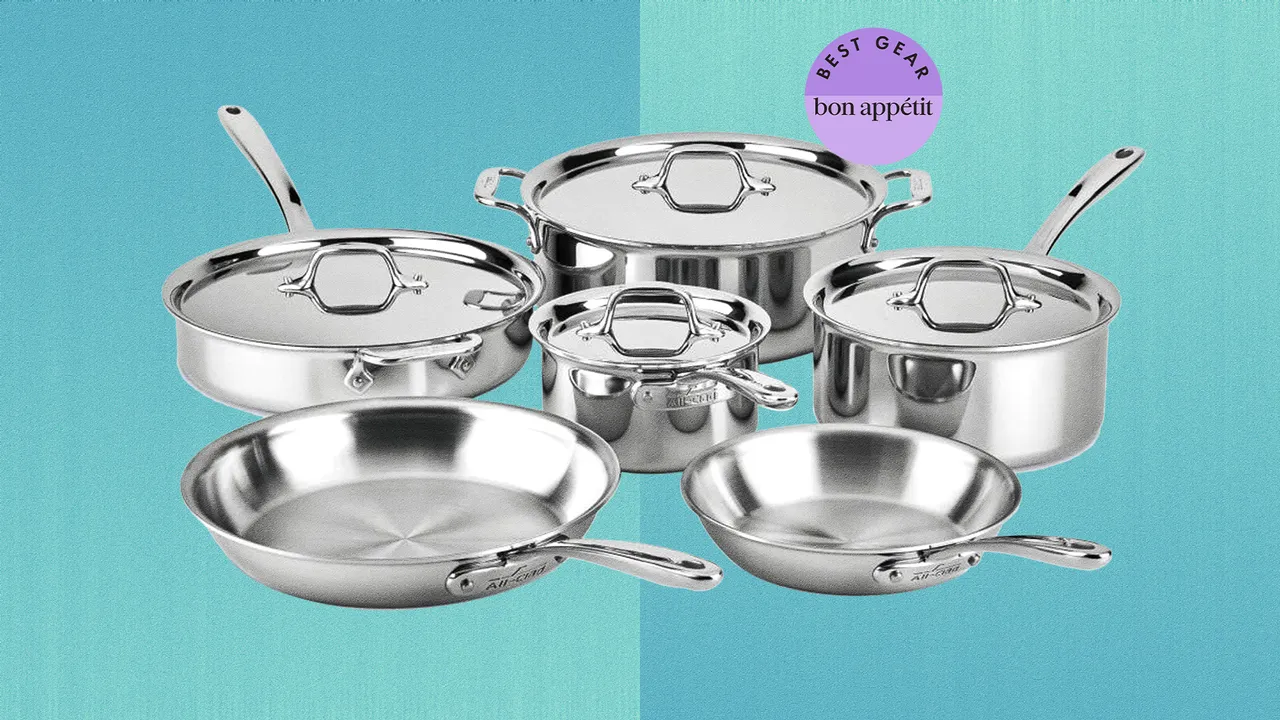
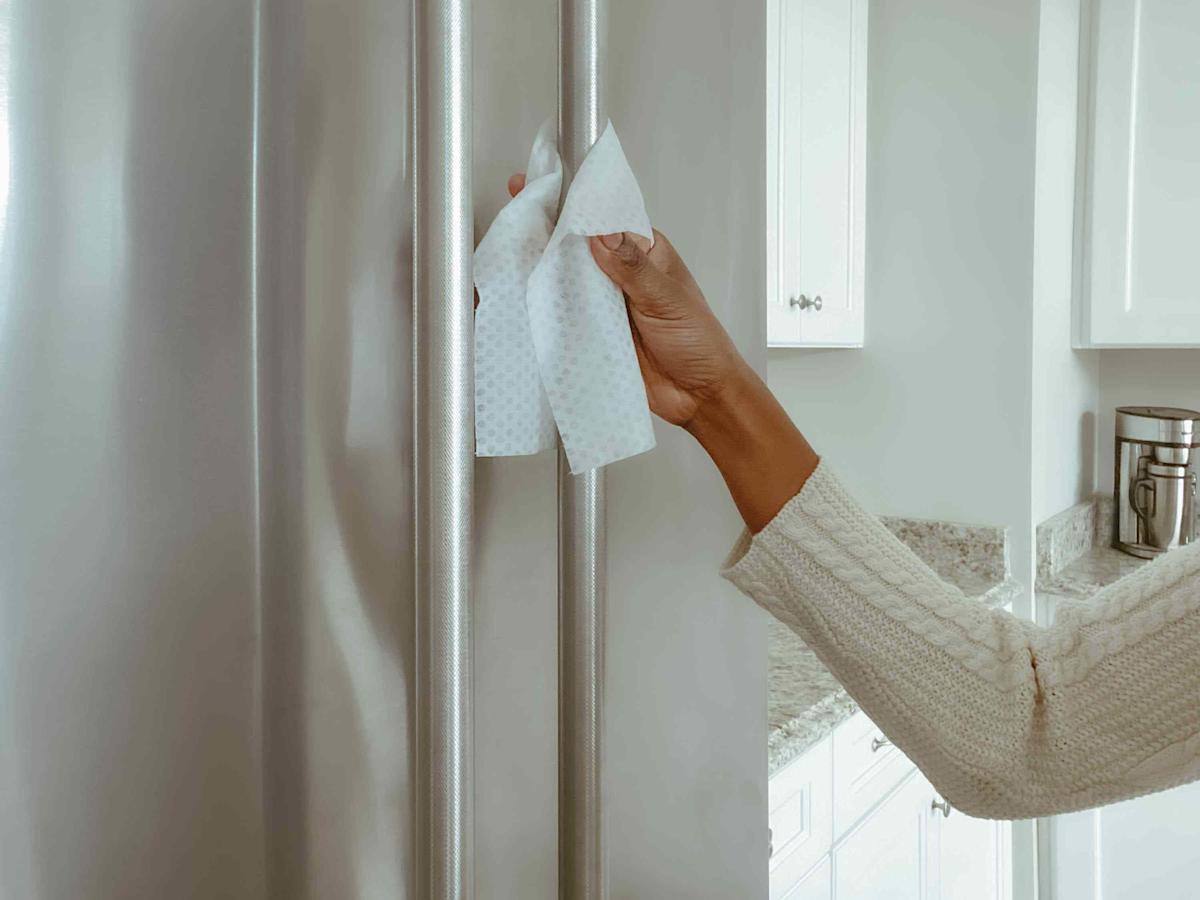
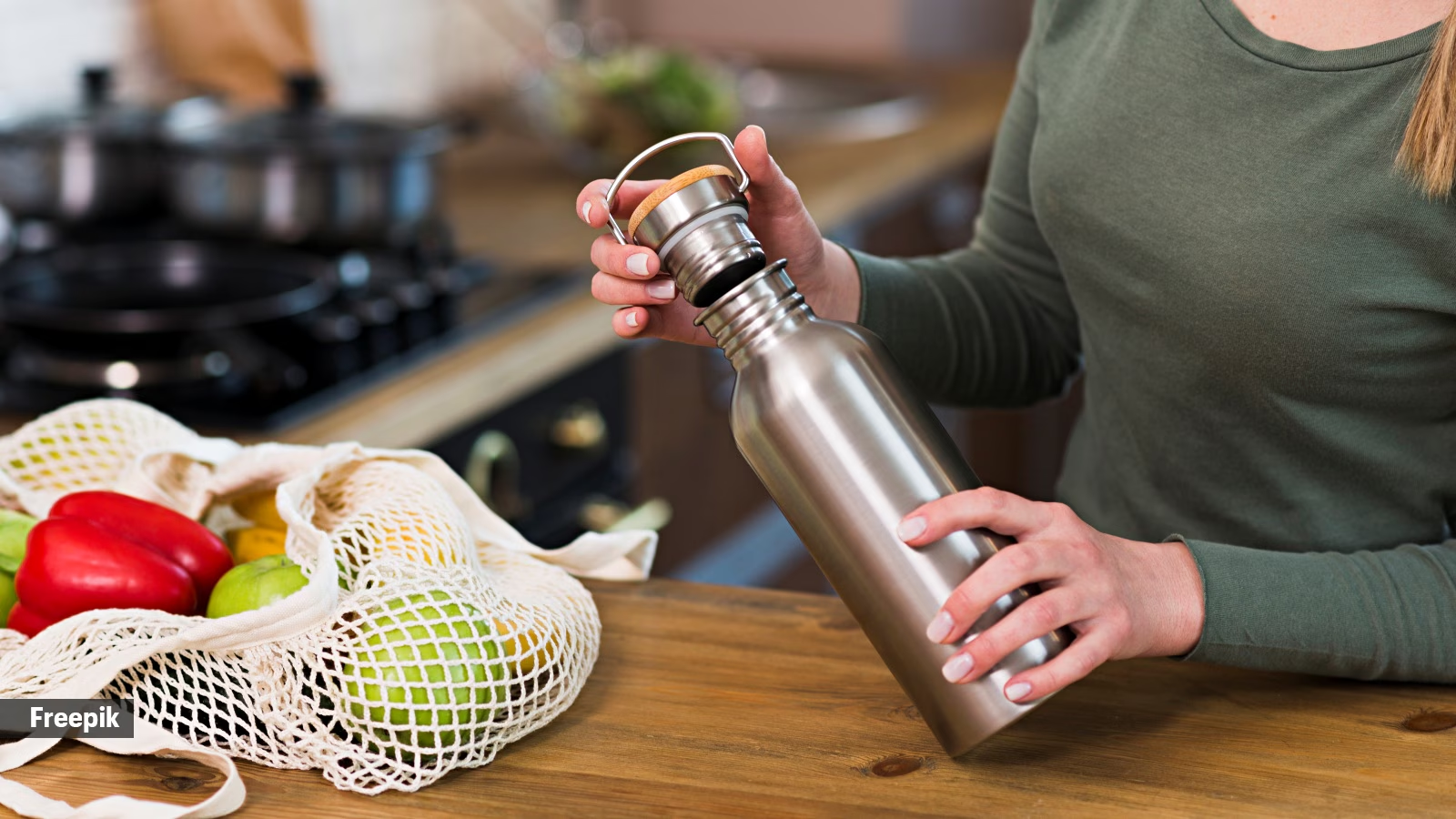
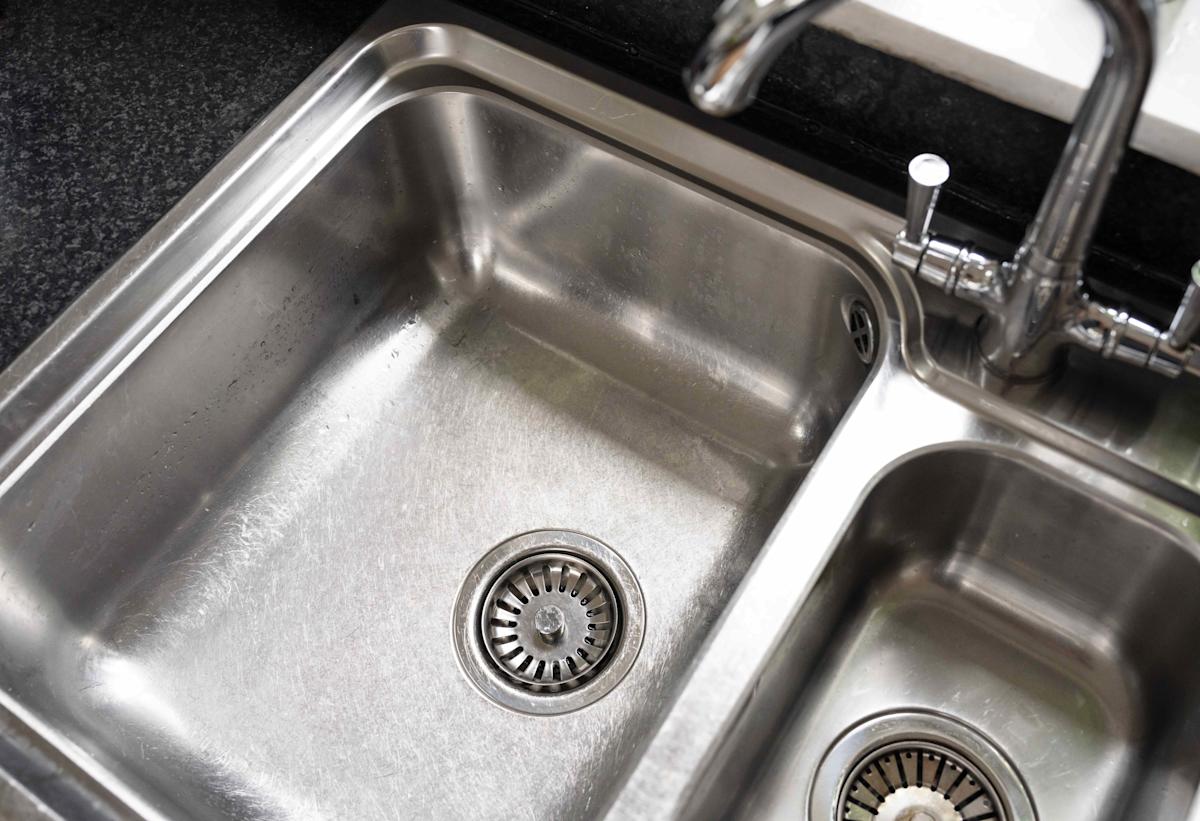
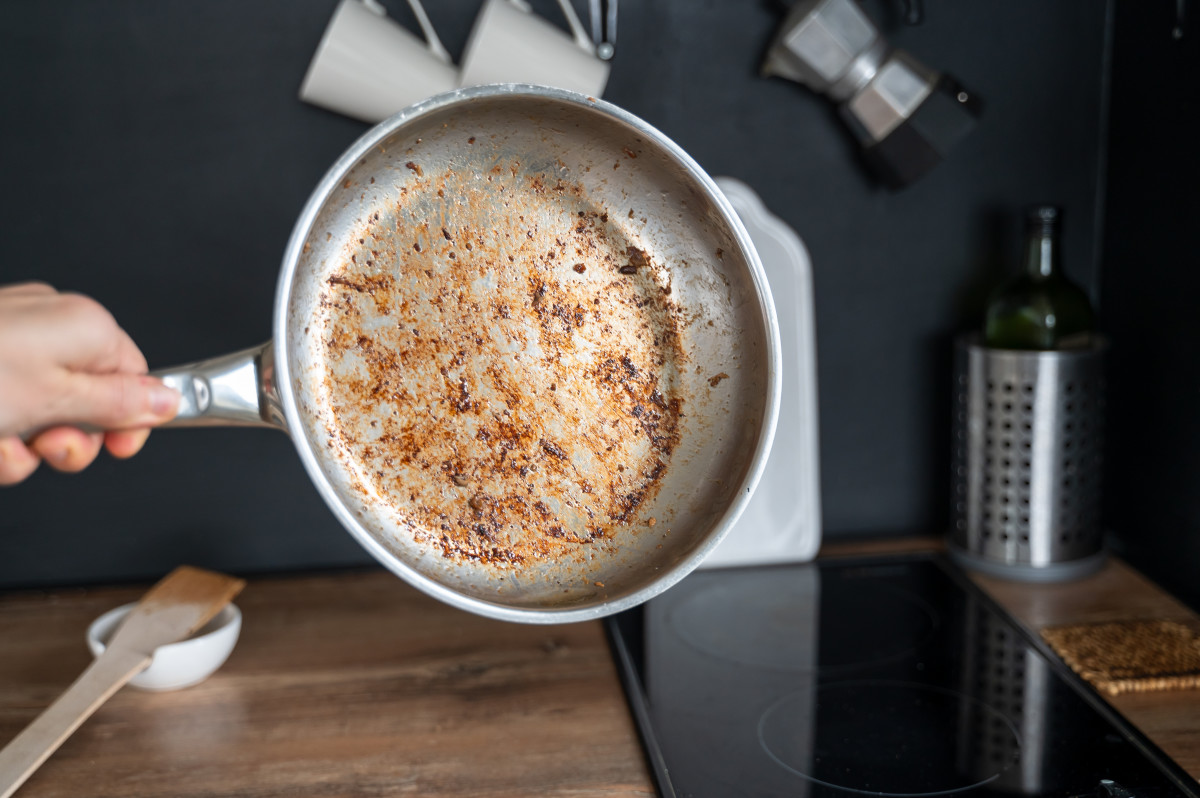
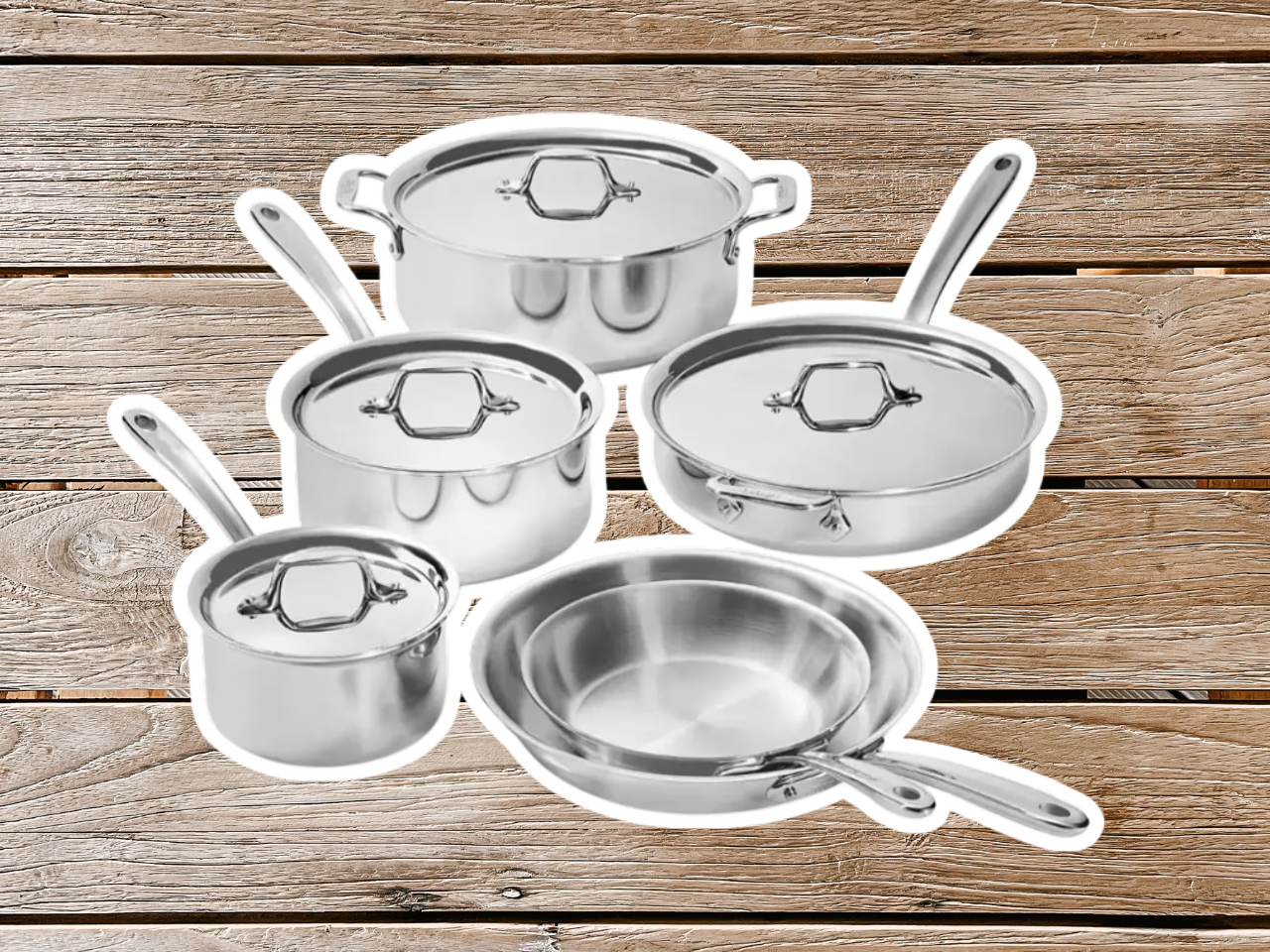
Stainless steel remains a staple because it is durable and does not react with food, making it ideal for boiling, sautéing, and preparing curries. “Stainless steel is very recommended for regular use due to its longevity and non-reactive properties,” says Dr Vikram Jeet Singh, Senior Consultant Internal Medicine, Aakash Healthcare.
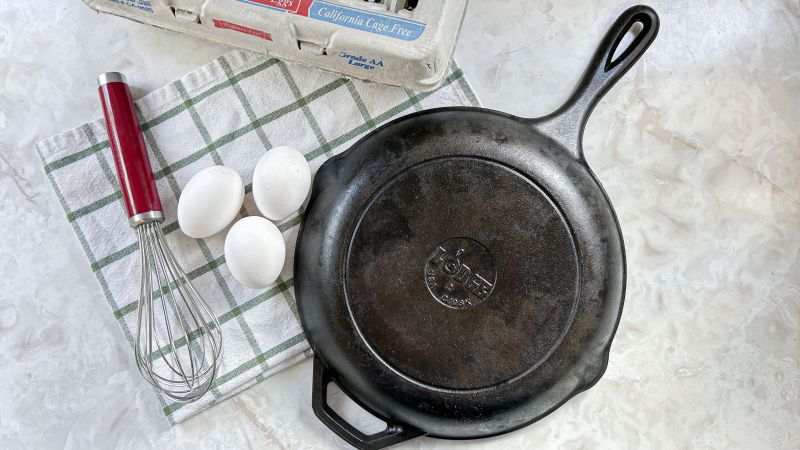
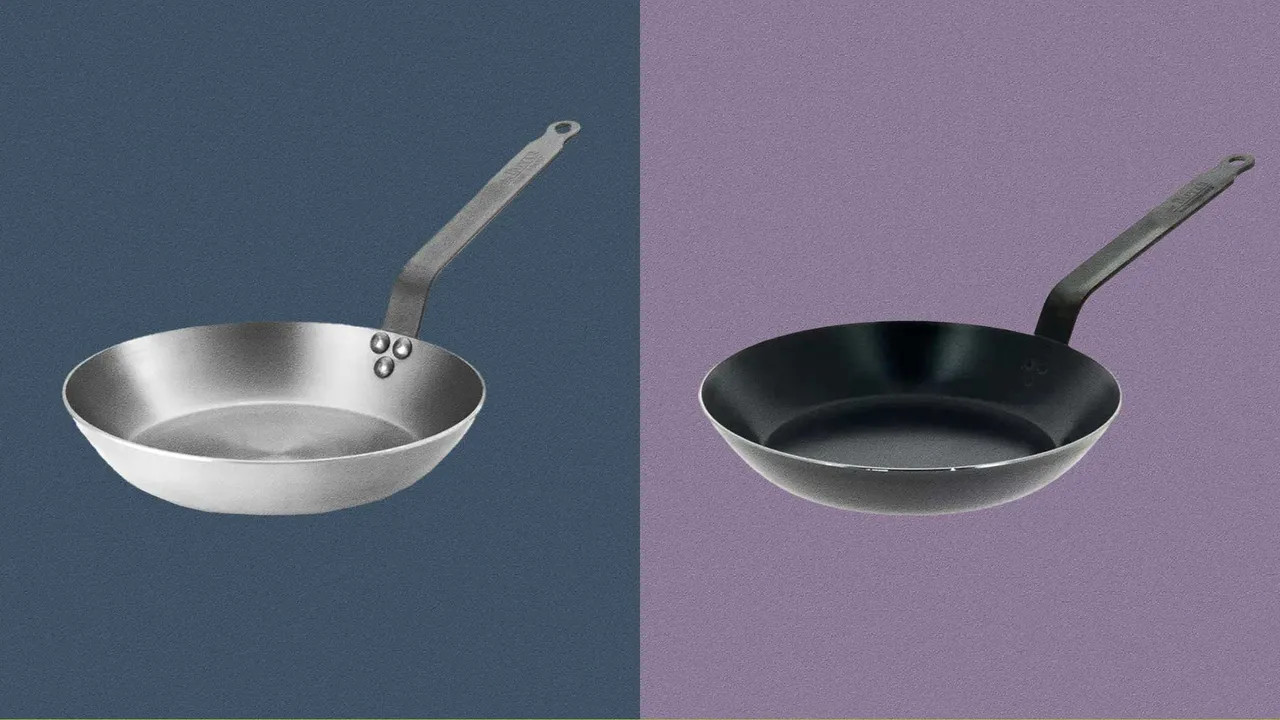
Cast iron, on the other hand, is valued for its heat retention and ability to add small amounts of iron to food, which can be beneficial.
Aluminium is also widely used, although experts advise choosing anodised or coated variants to reduce risks.
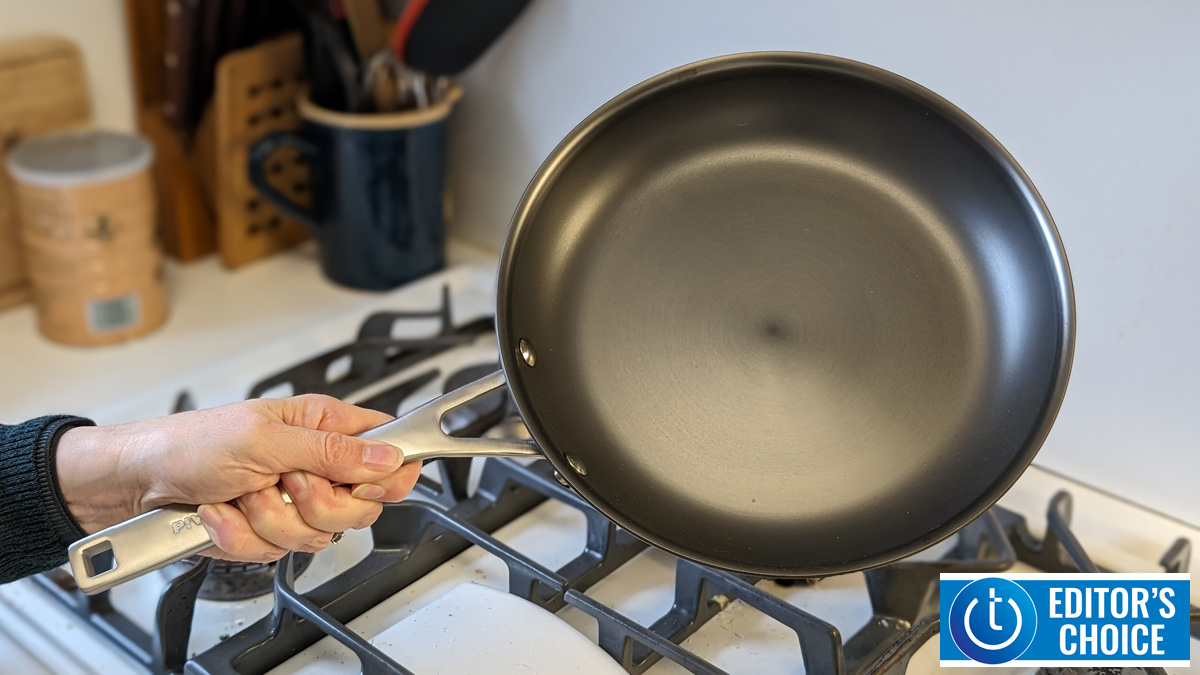
Non-stick cookware is often preferred for convenience since it requires minimal oil, especially for foods like eggs or pancakes, while ceramic options are considered safe for low- to medium-heat cooking.
What are the safety risks of different cookware materials?
While modern cookware is generally safe, improper use or poor-quality products can pose risks.
“There have been concerns about older non-stick cookware products made with PFOA (perfluorooctanoic acid) — a synthetic, long-lasting ‘forever chemical’ used to make stain-resistant, waterproof, and non-stick products like Teflon. However, most modern non-stick cookware is PFOA-free,” explains Dr Singh. However, overheating non-stick pans can release harmful fumes that may irritate the respiratory system and cause flu-like symptoms, while scratched surfaces may increase exposure to particles that could pose long-term health concerns with repeated use.
Similarly, uncoated aluminium can react with acidic foods, which may lead to metal leaching. This may contribute to digestive irritation, bone mineral loss, and potential neurological or kidney-related risks over time, especially with prolonged exposure.
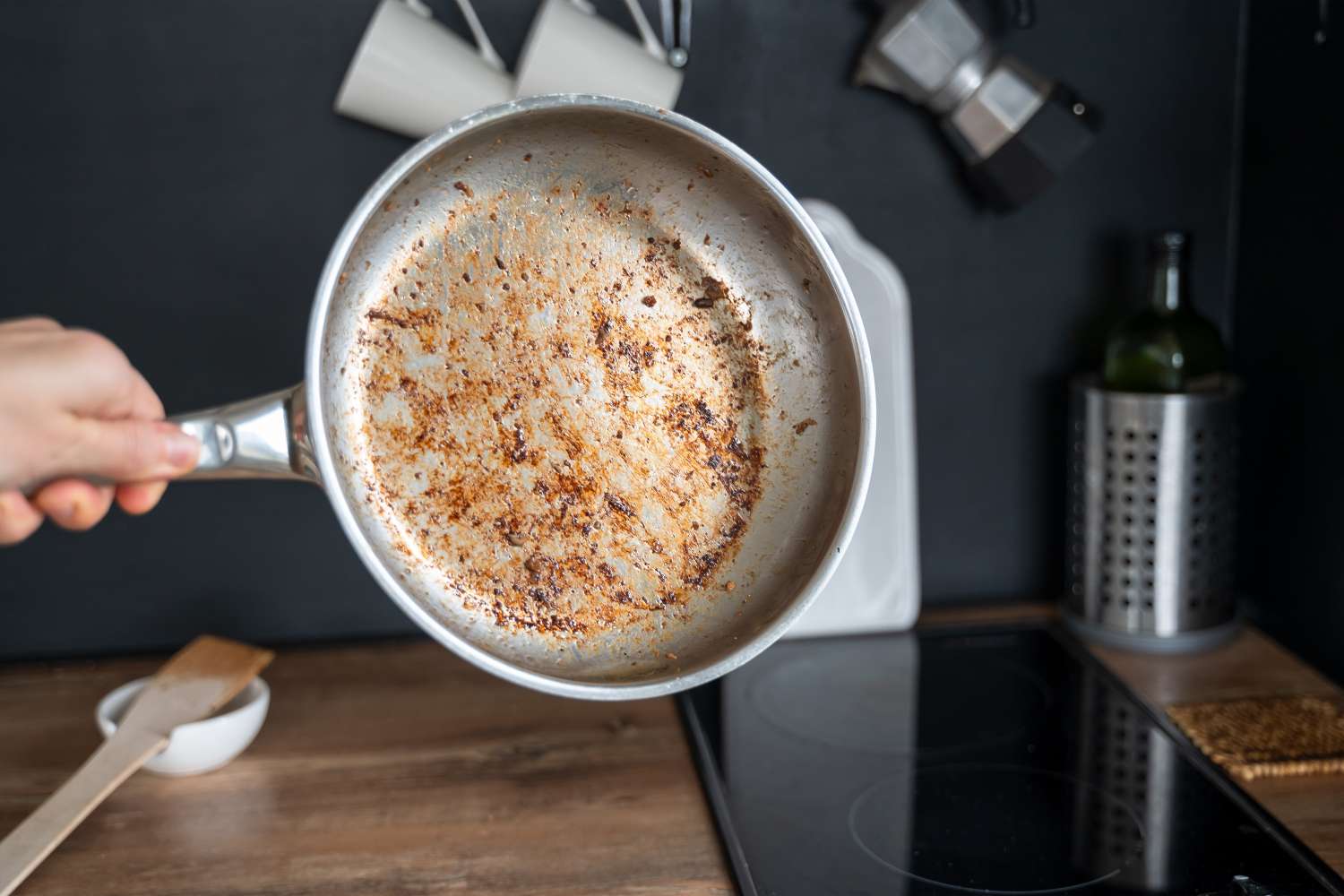
Experts also caution against using damaged cookware. “The primary danger exists through three factors which include material selection, product usage and product maintenance,” notes Veena V. Even safe materials can become unsafe if misused or poorly maintained.
How does cookware affect taste and nutrition of food?
The type of cookware used can directly influence how food tastes and how well nutrients are preserved.
-
Cast iron holds heat exceptionally well, which makes it ideal for slow cooking and enhances flavour -
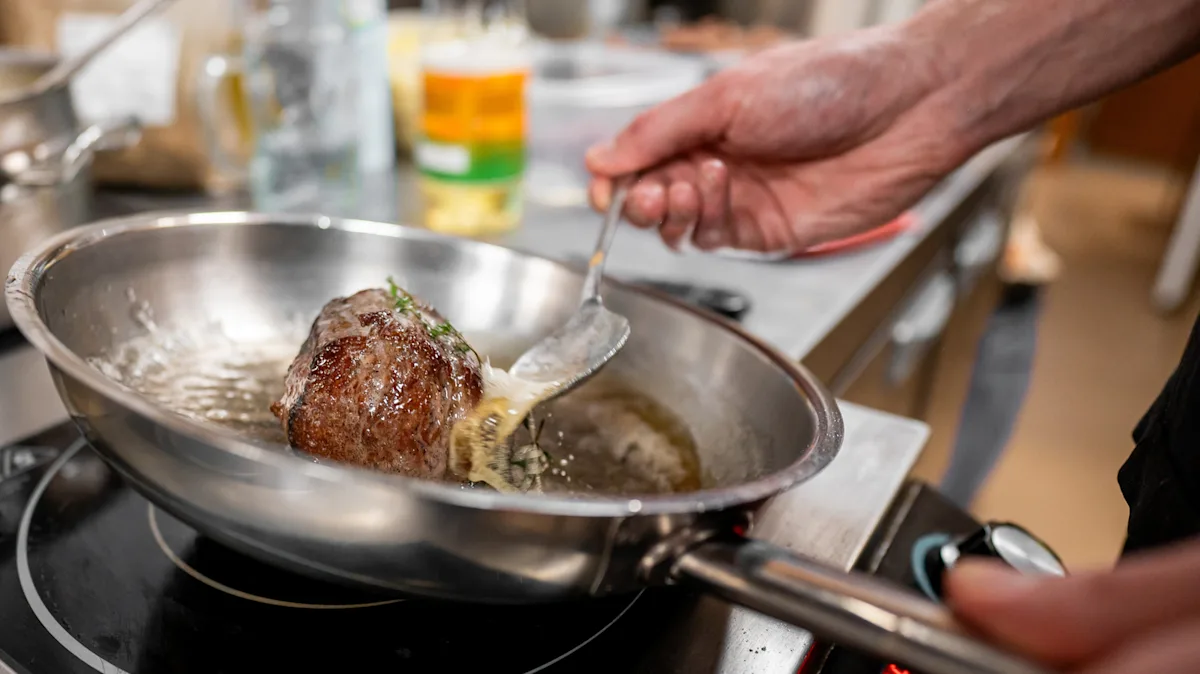
Stainless steel, meanwhile, offers controlled cooking and preserves the natural taste of ingredients -
Non-stick cookware allows cooking with little to no oil, which can help retain delicate nutrients, but uneven heating or very high temperatures can destroy heat-sensitive vitamins -
Cooking acidic dishes in raw aluminium may lead to a metallic flavour and reduced quality
What should you consider before buying cookware for home?
Before investing in cookware, experts suggest focusing on practical, everyday needs rather than trends.
Key factors to keep in mind include:
-
Cooking habits: Frequent frying, slow cooking, or multi-dish meals need different materials -
Budget: High-quality cookware lasts longer and offers better safety -
Maintenance: Stainless steel is low-maintenance, while cast iron needs seasoning -
Compatibility: Check if it works on induction or specific stovetops -
Weight and ease of use: Heavier pans may not suit everyone -
Longevity: Durable materials reduce the need for frequent replacement
“Investing in a few good quality pieces of versatile cookware may often be the best approach,” advises Dr Singh.
What common cookware mistakes should you avoid at home?
Even the best cookware can lose its effectiveness if not used correctly. Experts highlight a few everyday mistakes:
-
Overheating non-stick pans, which can damage coating and release fumes -
Using metal utensils on non-stick or ceramic surfaces, leading to scratches -
Washing hot pans immediately, which can cause warping -
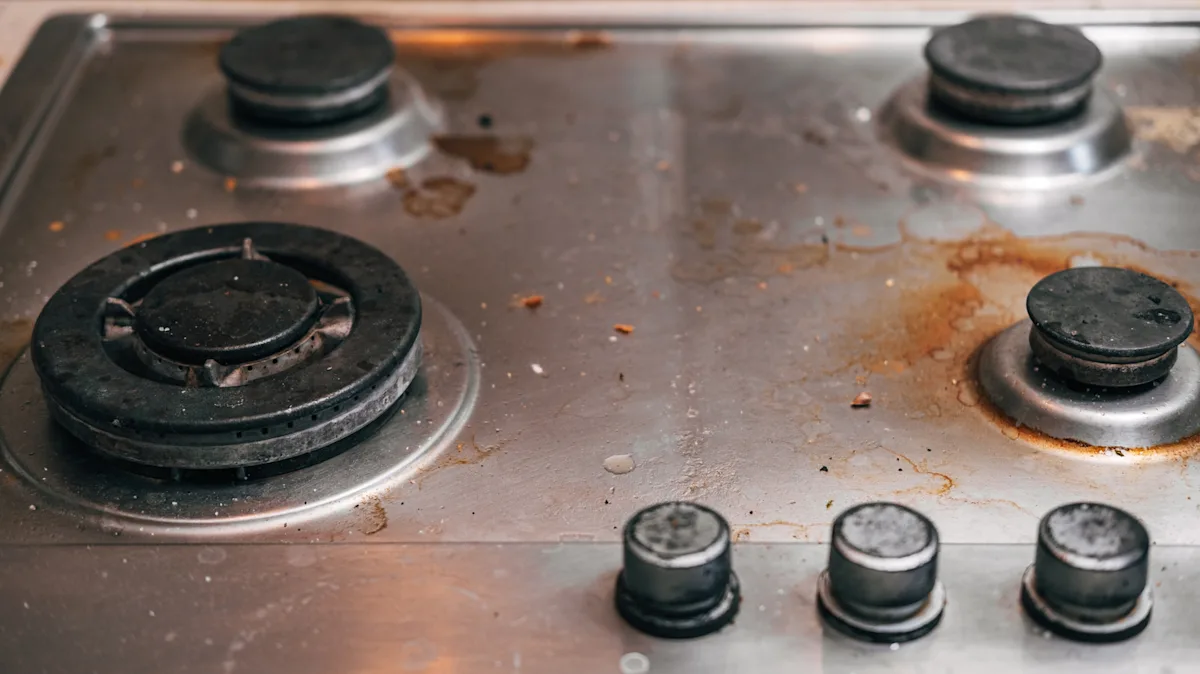
Poor cleaning habits that lead to grease build-up -
Not seasoning or storing cast iron properly, which can cause rust
This report is for informational purposes only and is not a substitute for professional medical advice.