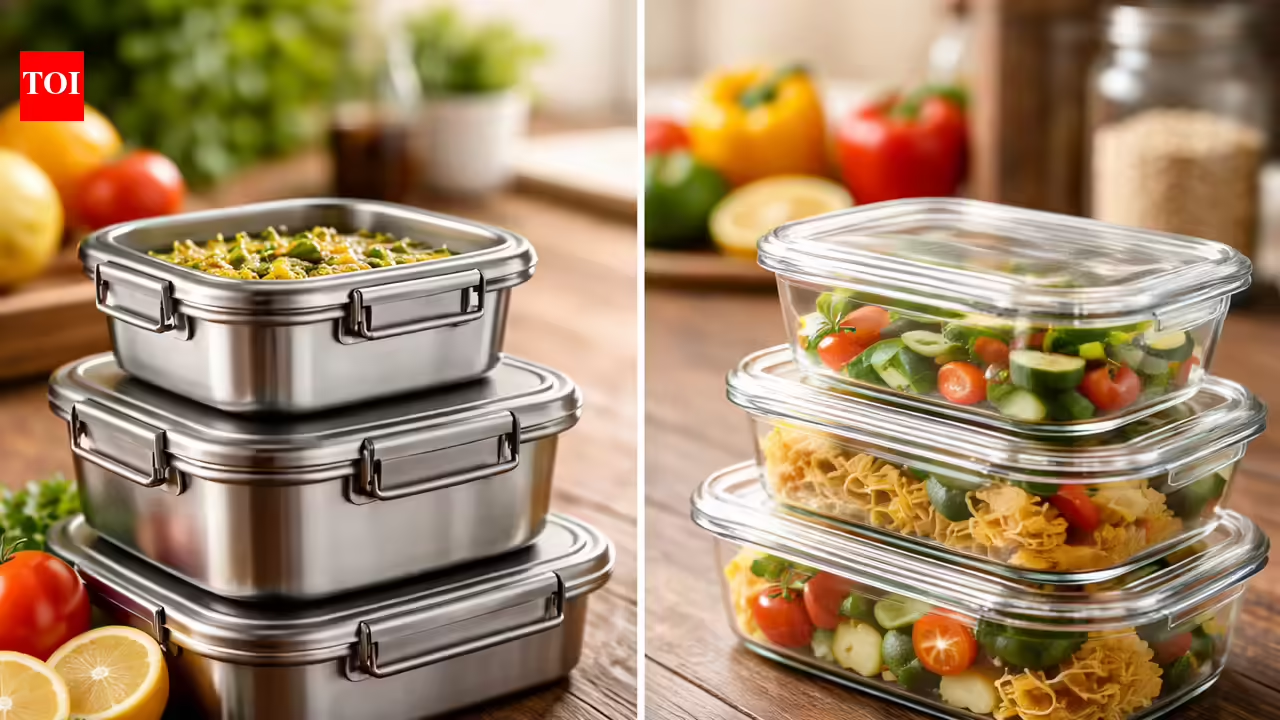
Choosing how to store food might seem like a small domestic detail, but it sits at the crossroads of health, habit, and longevity. In Indian kitchens especially, stainless steel dabbas share shelf space with sleek glass jars and airtight meal-prep boxes, each promising freshness and safety in its own way. The debate is no longer just about tradition versus trend; it now touches questions of chemical leaching, heat resistance, staining, odour retention, and breakage. As more people reheat leftovers, batch-cook meals, and switch to plastic-free storage, the choice matters more than it once did. Here’s how steel and glass really compare when everyday use and long-term safety are carefully examined.
Steel containers: Tough, travel-friendly, and old-school reliable
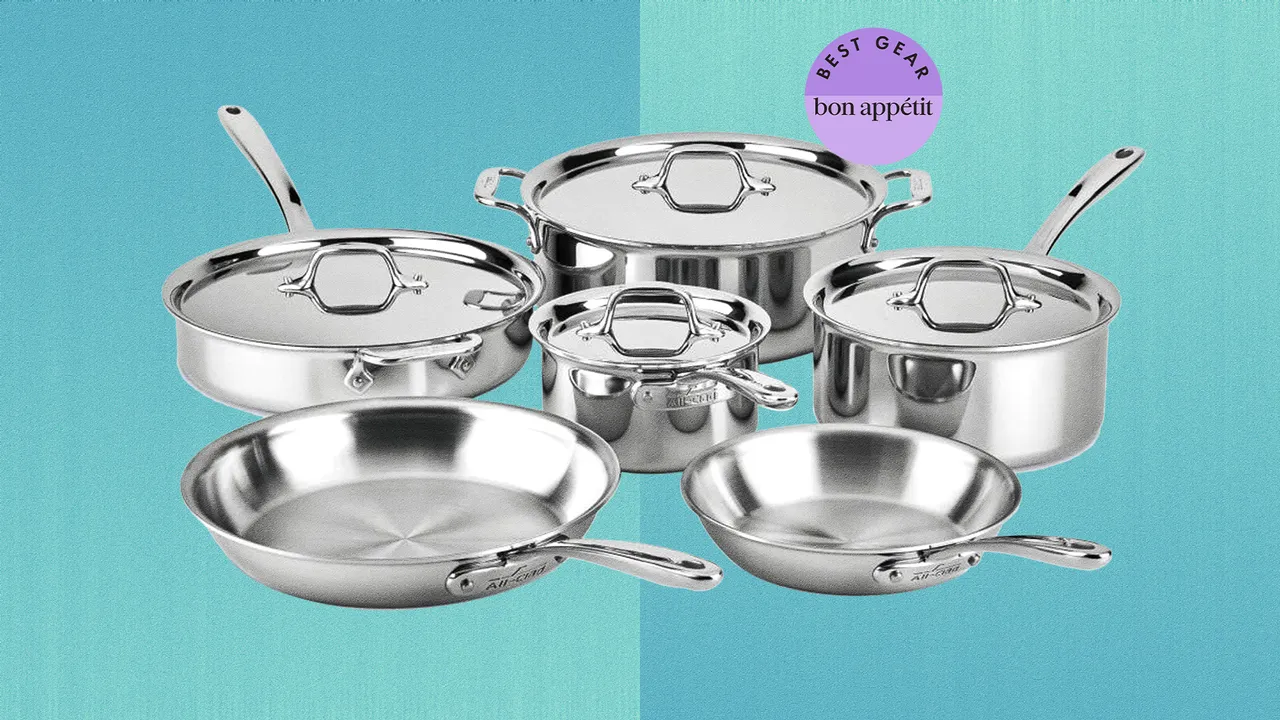
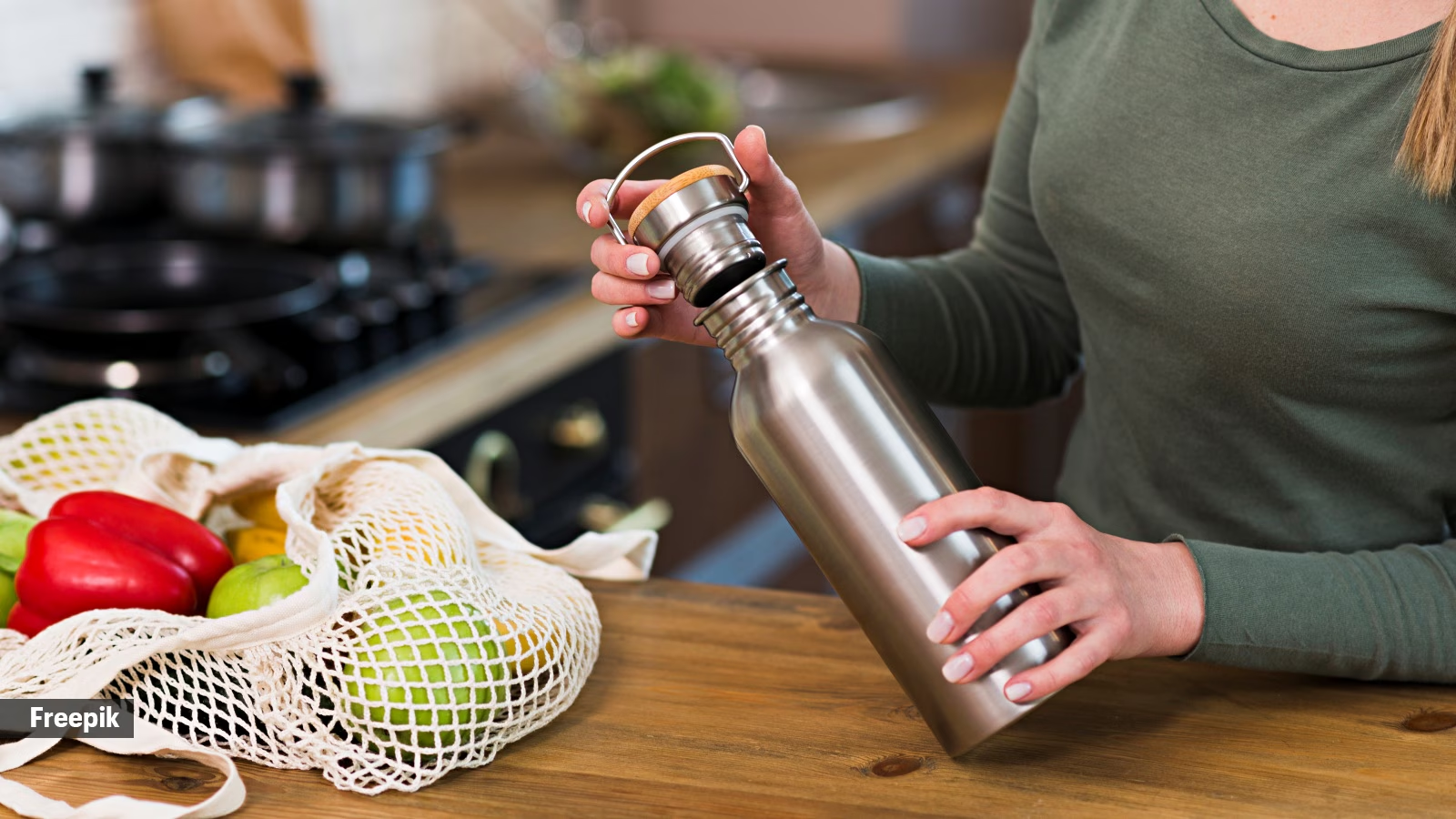
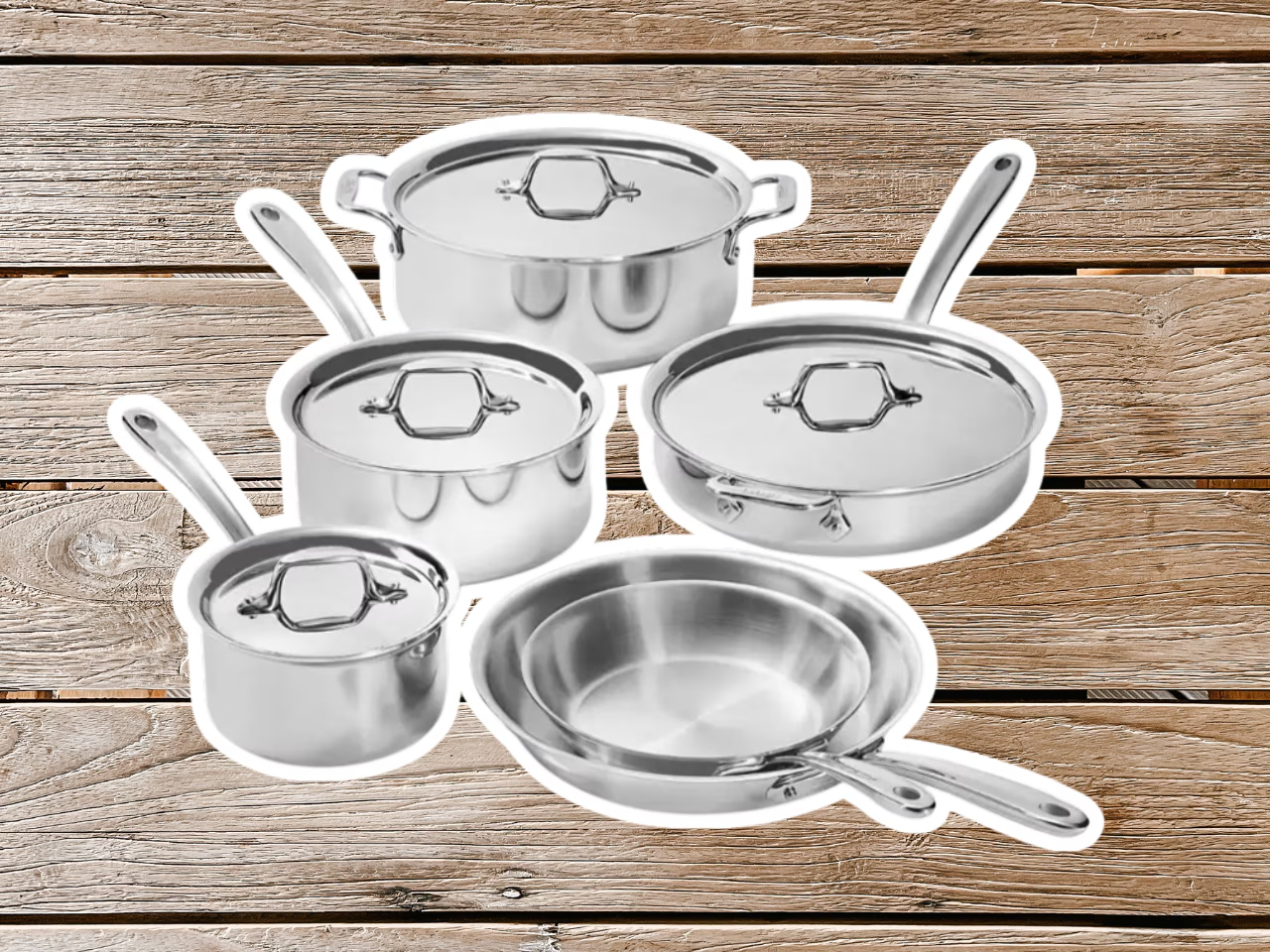
Stainless steel containers have been part of Indian kitchens for generations, long before “BPA-free” became a marketing phrase. Their reputation rests on three main strengths: durability, neutrality, and portability.
Why they’re considered safe
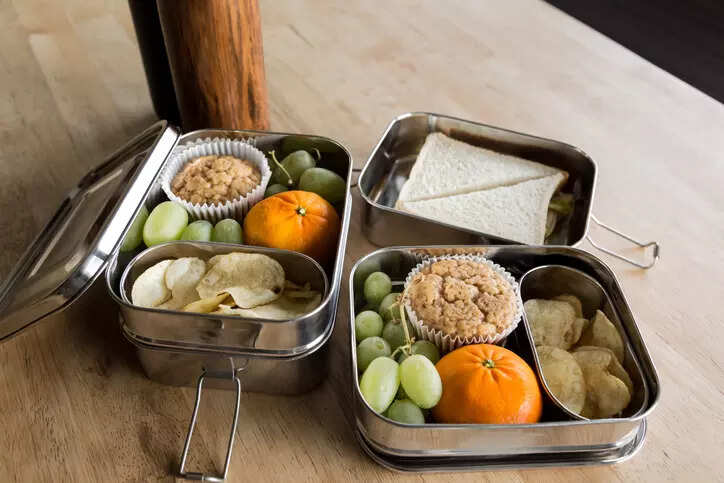
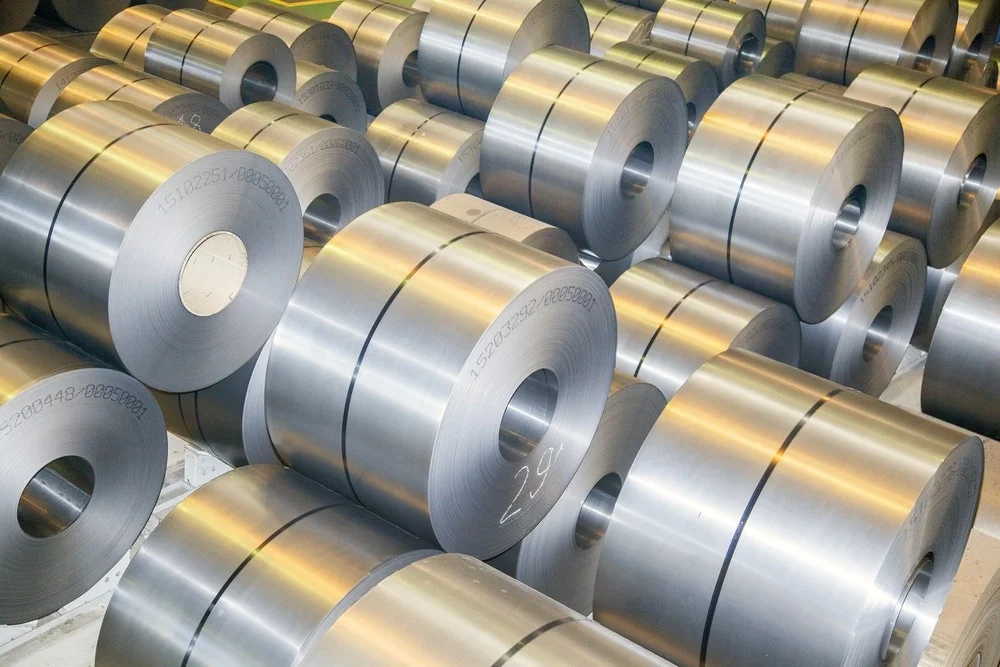
High-quality food-grade stainless steel (usually marked as 304 or 18/8) is non-reactive with most foods. That means it doesn’t leach chemicals into curries, dals, rice, or leftovers when used normally. Unlike some plastics, it contains no BPA or phthalates, which makes it appealing for anyone trying to minimize chemical exposure. Steel is also naturally resistant to bacteria when cleaned properly. It doesn’t absorb smells, oils, or stains easily, and a thorough wash usually brings it back to neutral.
Why steel works so well for everyday use
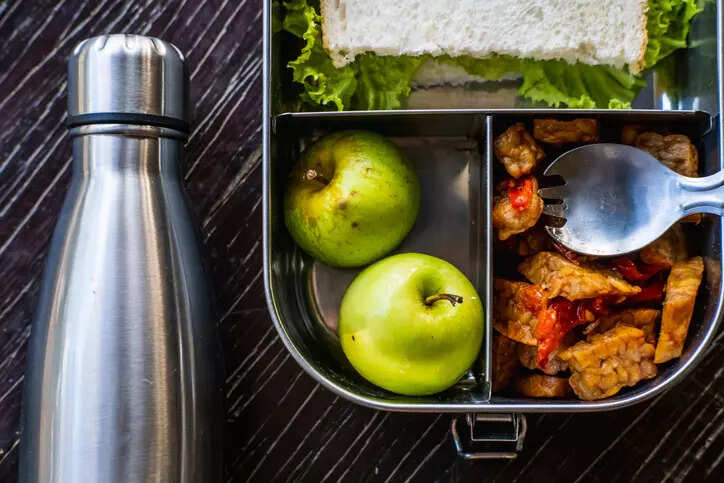
Steel’s greatest strength is resilience. It can be dropped, stacked in overfilled bags, carried through daily commutes, or tossed into backpacks without cracking, which makes it a natural choice for lunchboxes, travel meals, school tiffins, and picnics. Compared to heavy glass jars, stainless steel containers are lighter to handle and easier to pack. Most modern designs also come with snug, leak-resistant lids that cope well with jostling and vibration. For households that rely on batch cooking, outdoor eating, or daily packed lunches, steel often proves to be the most practical, low-stress option.
The downsides to know
Steel has its limits, too. Because it isn’t transparent, checking what’s inside means lifting the lid, an everyday inconvenience when rummaging through a busy refrigerator. It also isn’t microwave-safe, so reheating usually requires transferring food to another dish first.
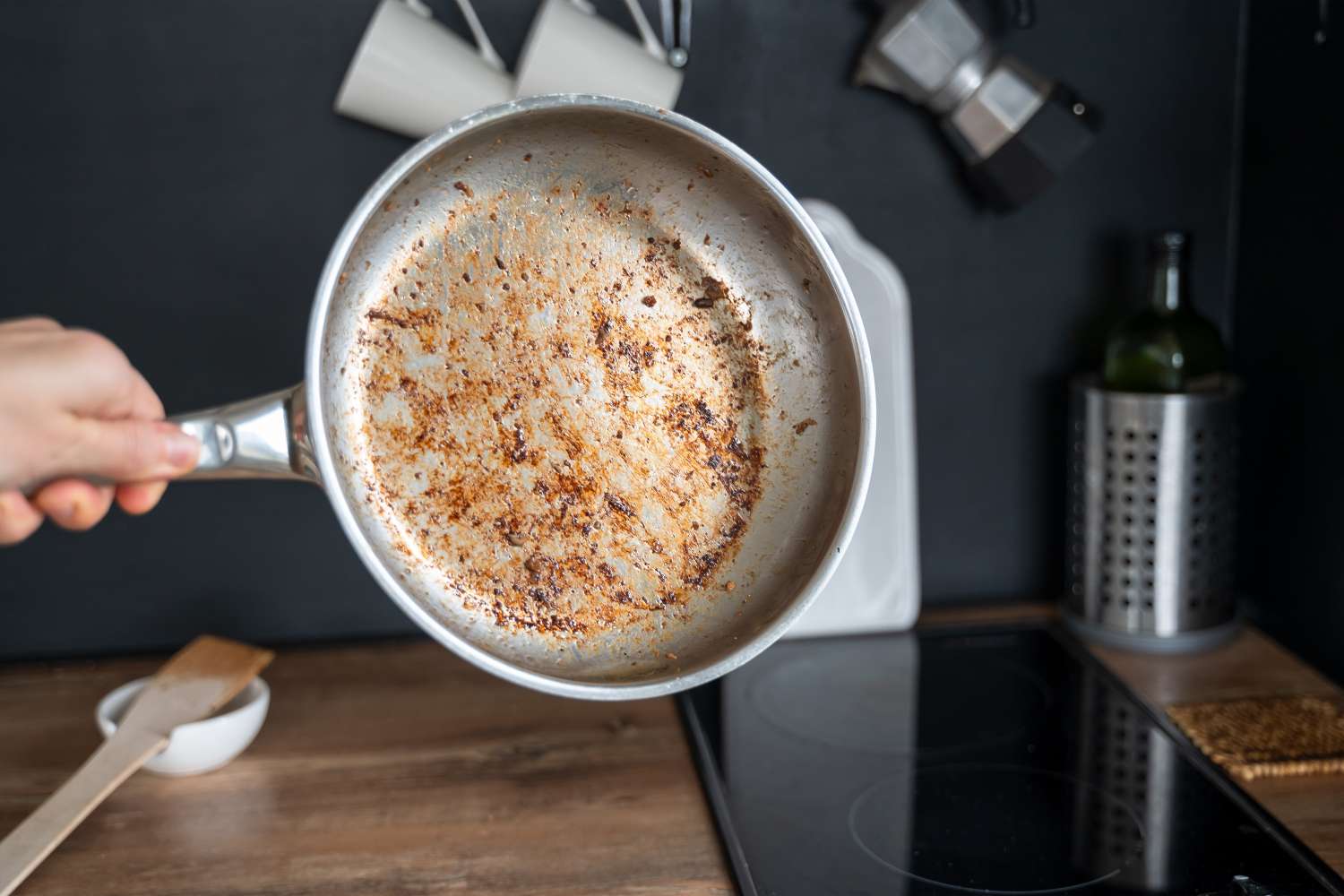
There is another, subtler concern. Highly acidic foods such as tomato-based gravies, citrus-dressed salads, or vinegar-rich pickles can react with poor-quality steel if stored for long periods, sometimes affecting flavour. High-grade stainless steel reduces this risk significantly, but many cooks still prefer not to leave acidic dishes in metal containers for days on end, especially when freshness and taste are the priority.
Glass containers: Clean, clear, and chemically inert
Glass has surged back into favour in modern kitchens, particularly among households trying to cut down on plastic. Much of its appeal lies in the sense of cleanliness it offers and the easy visibility it provides; you can see leftovers, spices, or soaked grains at a glance without opening a single lid.
Why they’re considered safe
Food-grade glass is prized because it is chemically inert, it doesn’t react with acidic curries, salty pickles, or spice-heavy dishes, and it won’t trap smells, stains, or colours from previous meals. From a safety standpoint, that neutrality is why glass is often treated as the benchmark material: there are no coatings to wear down and no hidden additives to migrate into food. Many modern glass containers are also designed to go straight from fridge to microwave or even oven, provided the lids are removed or heat-safe. That flexibility makes reheating leftovers simple and keeps flavours exactly as they were cooked.
Where glass excels
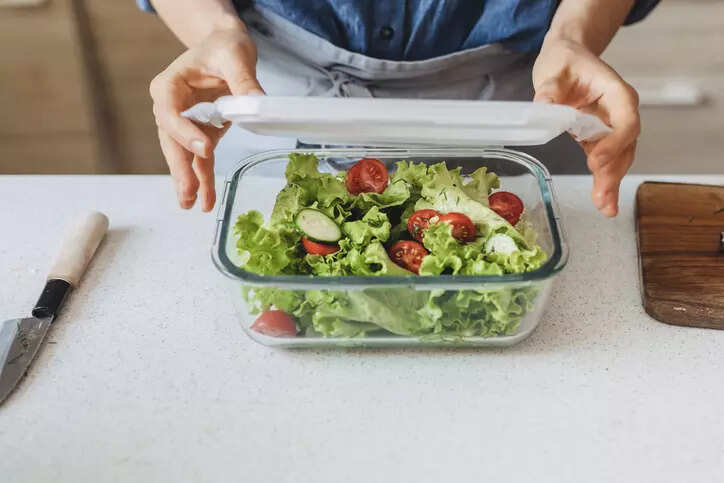
Being able to see food instantly is an underrated advantage, and glass makes fridge organisation far easier, cutting down on forgotten containers pushed to the back. It works especially well for gravies, chopped fruit, fermented foods, and leftovers meant to last a few days.For anyone focused on “clean” eating and keeping materials as neutral as possible, glass often becomes the first choice for everyday storage.
The drawbacks
Fragility remains glass’s most obvious drawback. A single slip from the counter can lead to cracks or complete breakage, and even tougher tempered or borosilicate versions are not immune to accidents in busy kitchens. Weight is another practical issue: glass containers are noticeably heavier than steel, which makes them less convenient for daily commuting, lunches or travel. There is also the matter of lids. While the glass itself stays neutral, the accompanying plastic or silicone tops can stain, warp, or hold onto strong food smells over time. That means extra care in cleaning and replacement, adding small but persistent maintenance to long-term use.
Safety face-off: Steel vs glass
- When chemical safety is the main concern, glass has a small advantage because it remains completely inert, even when acidic foods sit inside for days.
- Steel, however, is also highly safe when it is food-grade and properly cared for, and it is far more reliable than many older plastic containers.
- From a physical safety standpoint, steel comes out ahead. It doesn’t shatter or create sharp shards, which matters in homes with children or in fast-moving kitchens.
- For hygiene, the two are evenly matched. Both materials are non-porous, easy to scrub, and can be thoroughly cleaned with hot water and soap.
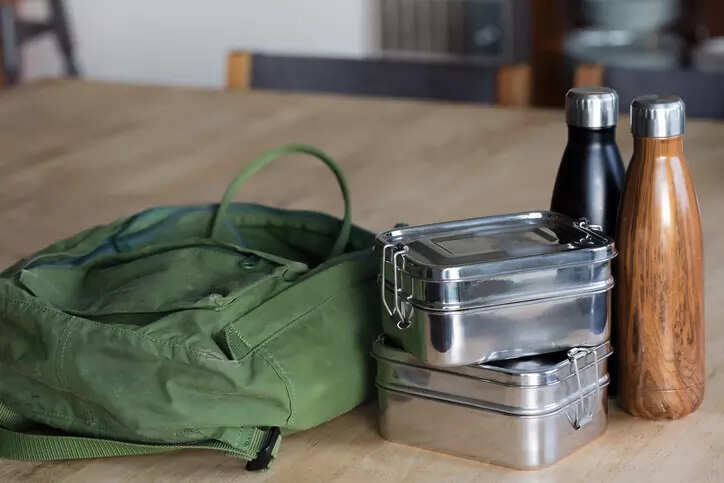
For daily convenience, it depends on lifestyle:• Commuters and school lunches often favour steel.• Home storage, meal prep, and reheating tend to favour glass.
So, which is safer for food storage?
If safety is judged only by how a material behaves with food over time, glass tends to come out on top, especially for acidic curries or dishes meant to sit for several days. But kitchens don’t operate in laboratories. Containers get knocked off counters, squeezed into bags, stacked in crowded cupboards, and reheated in a hurry, and in those everyday conditions, well-made stainless steel proves remarkably dependable.Rather than treating the choice as a contest, many experienced cooks treat it as a pairing: glass for storage and reheating at home, and steel for meals on the move and daily packing. Ultimately, the healthiest option is the one that suits real routines, easy to clean, free of dents or chips, and made from reliable, food-grade material. Consistent care matters just as much as the container itself.