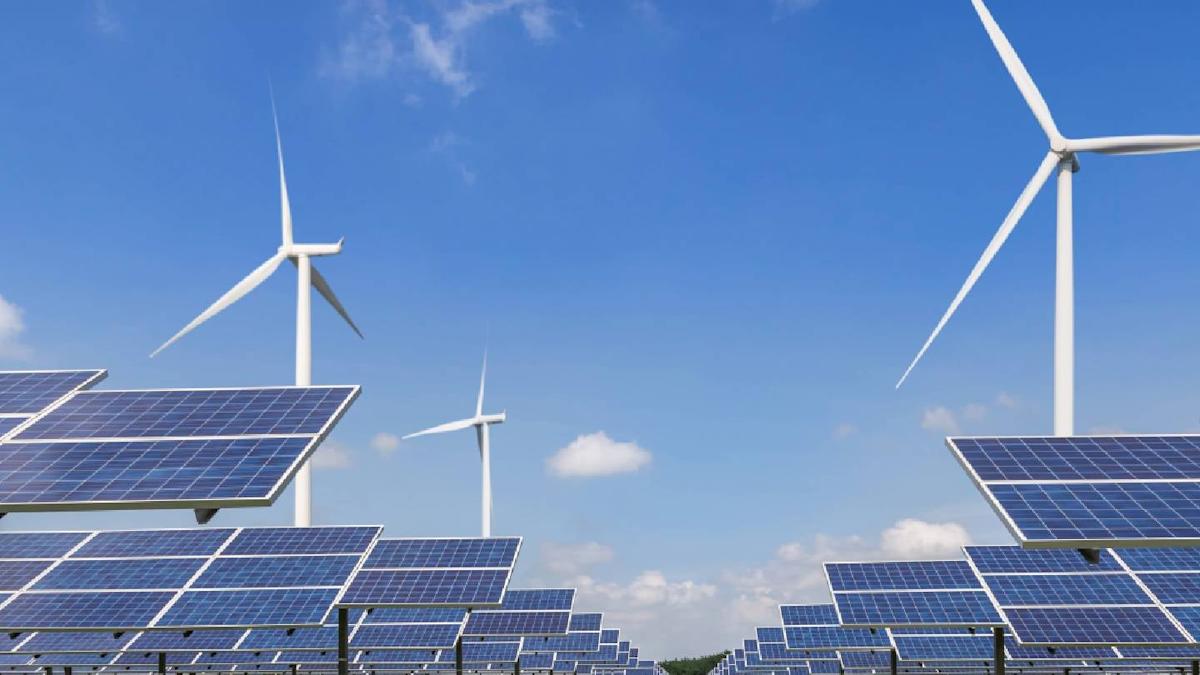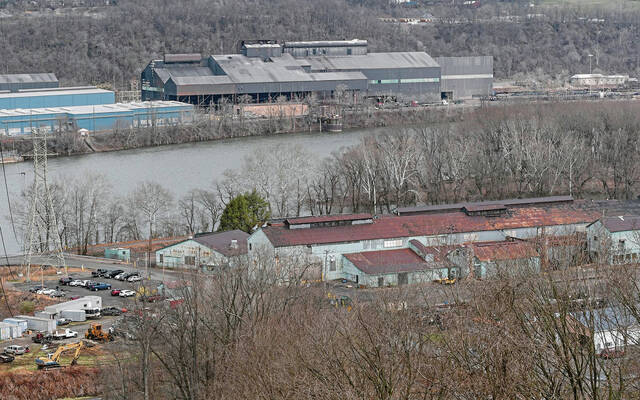
Many countries around the globe are rapidly ramping up their renewable energy capacity and moving away from fossil fuels in a bid to reduce their greenhouse gas emissions. However, decarbonising certain sectors, such as heavy industry, is not so simple. Various companies worldwide are searching for ways to decarbonise the steel industry, with little luck to date. While some companies have adapted operations to ensure their steelmaking is cleaner than it once was, producing green steel is no easy feat, and it could take several years to make significant advancements.
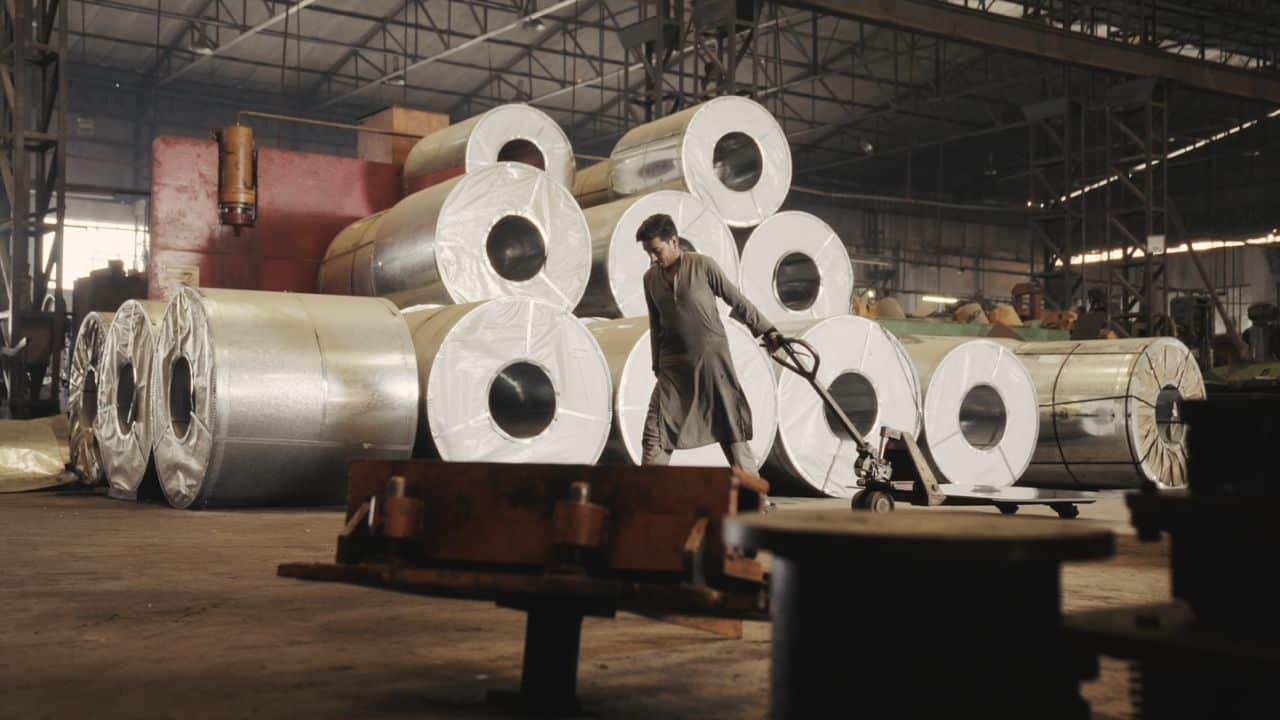
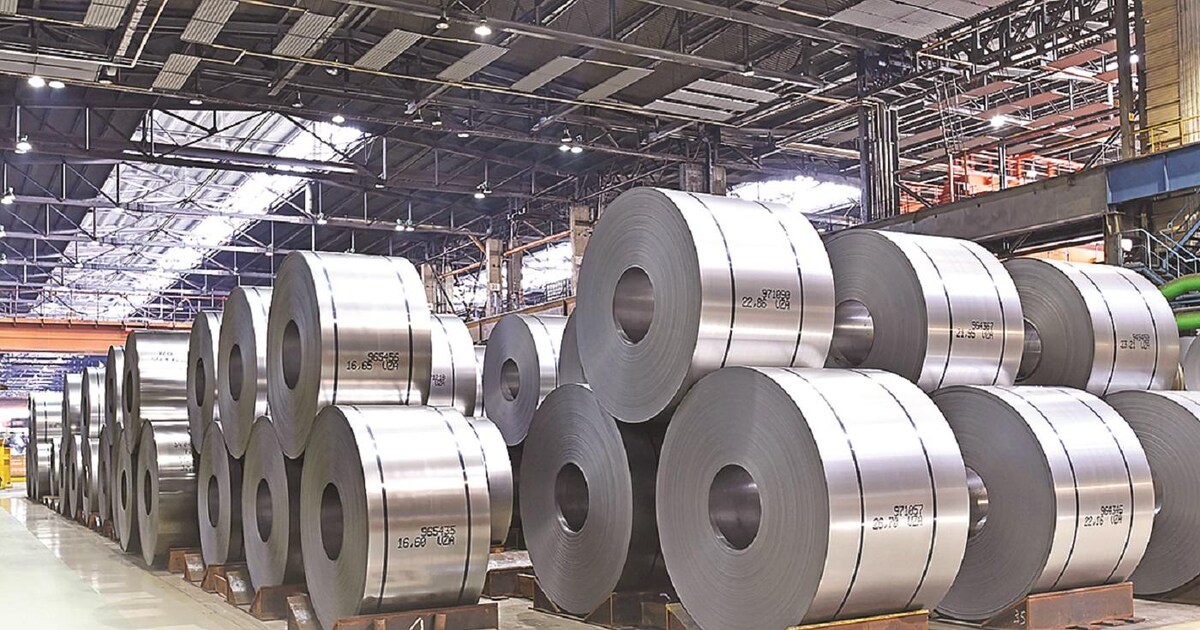
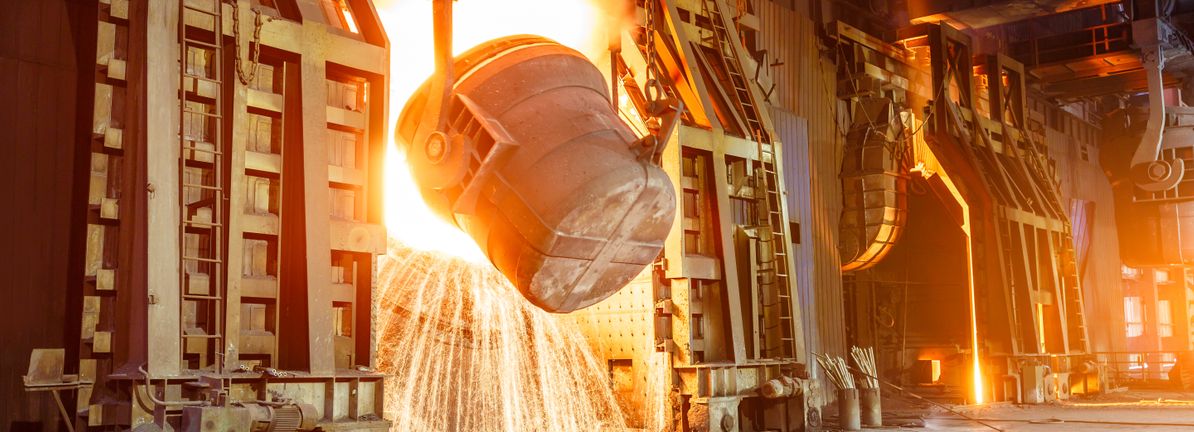
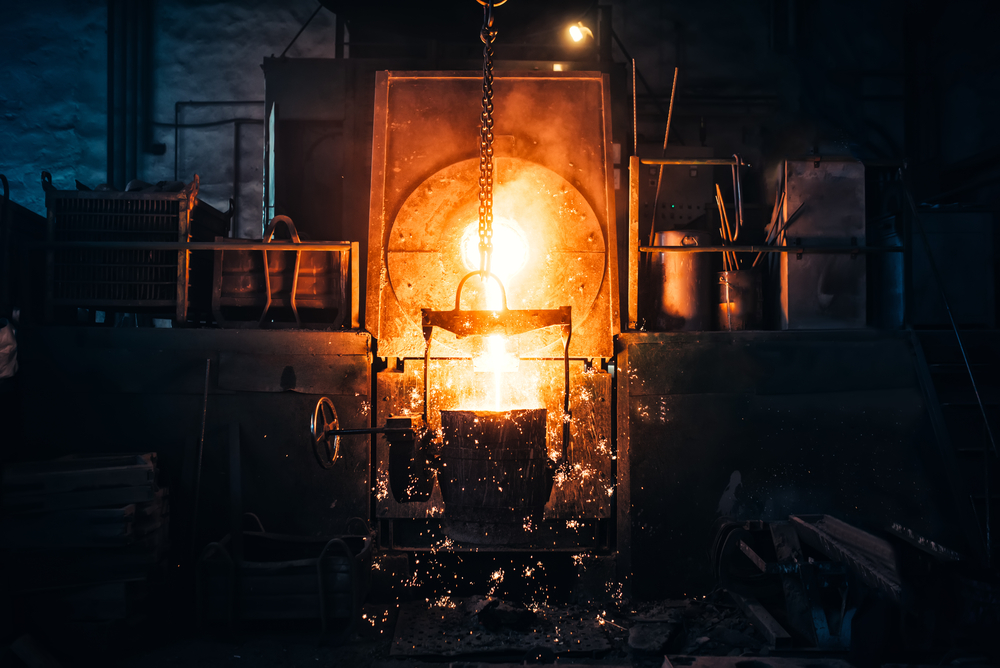
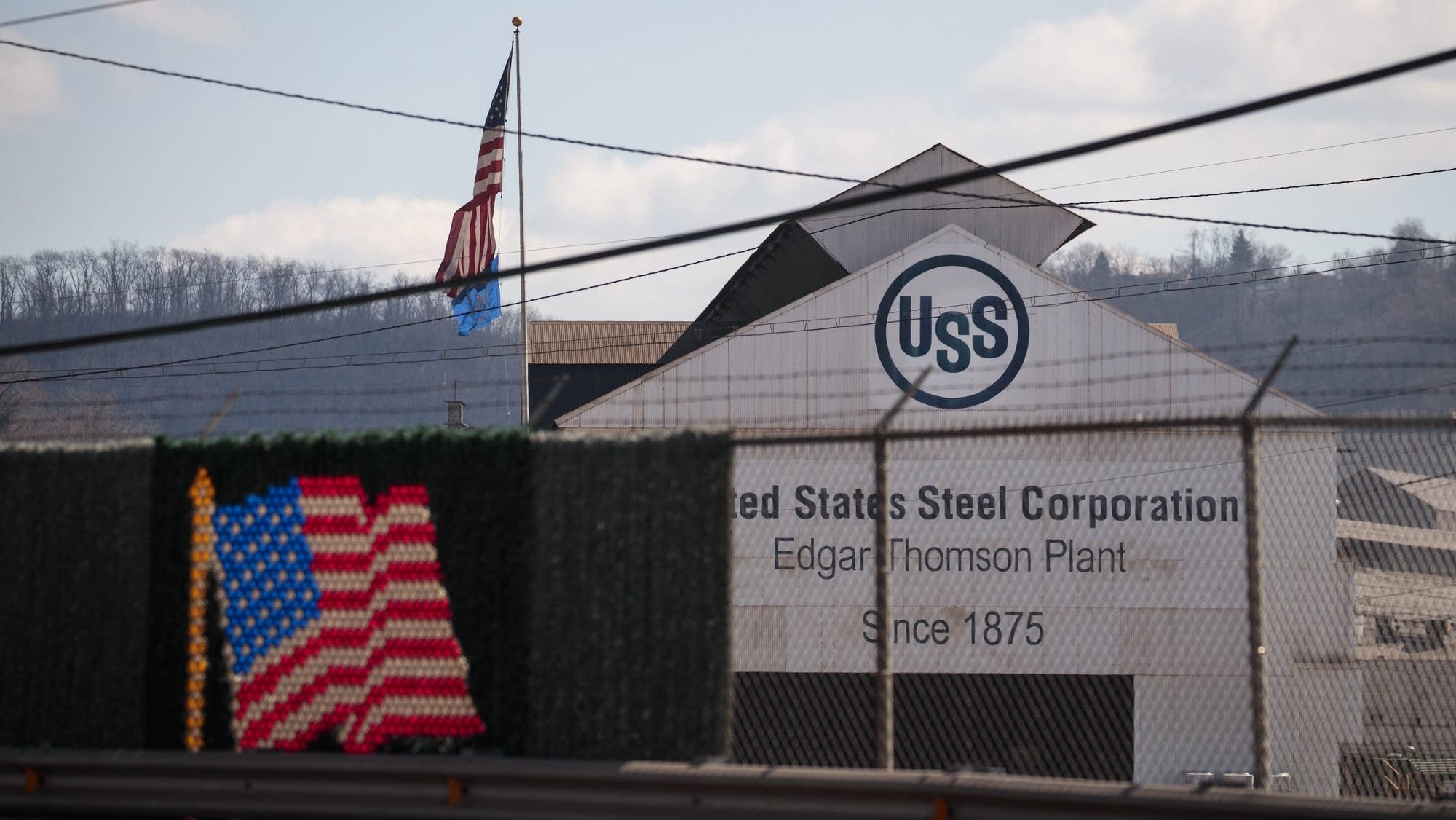
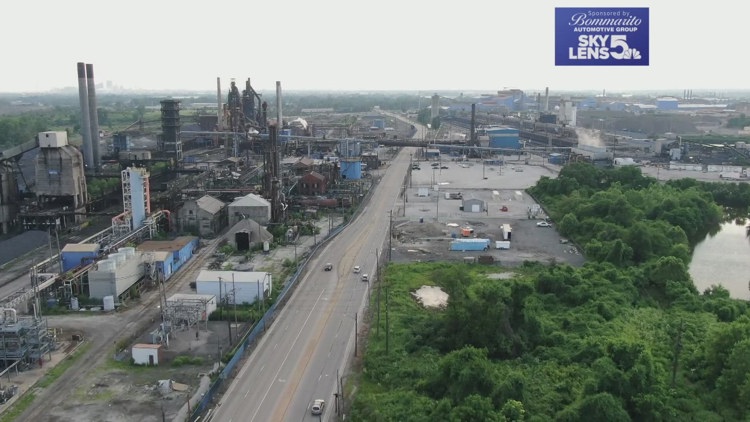
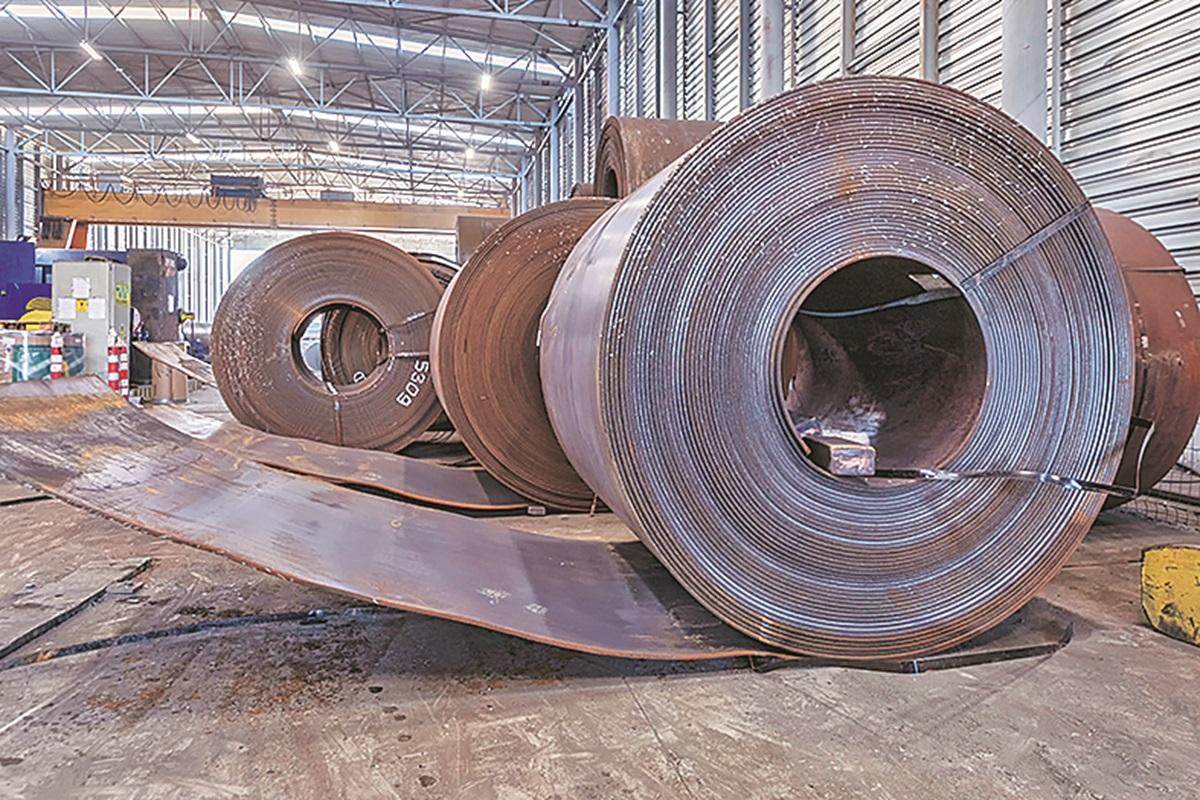
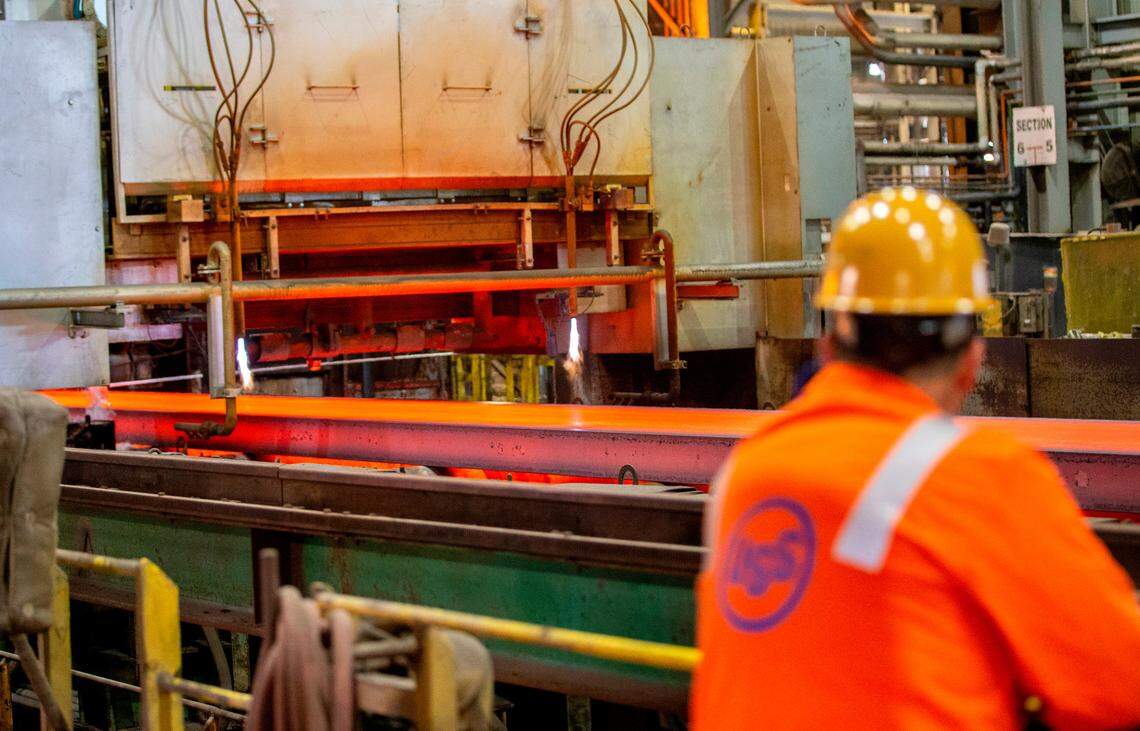
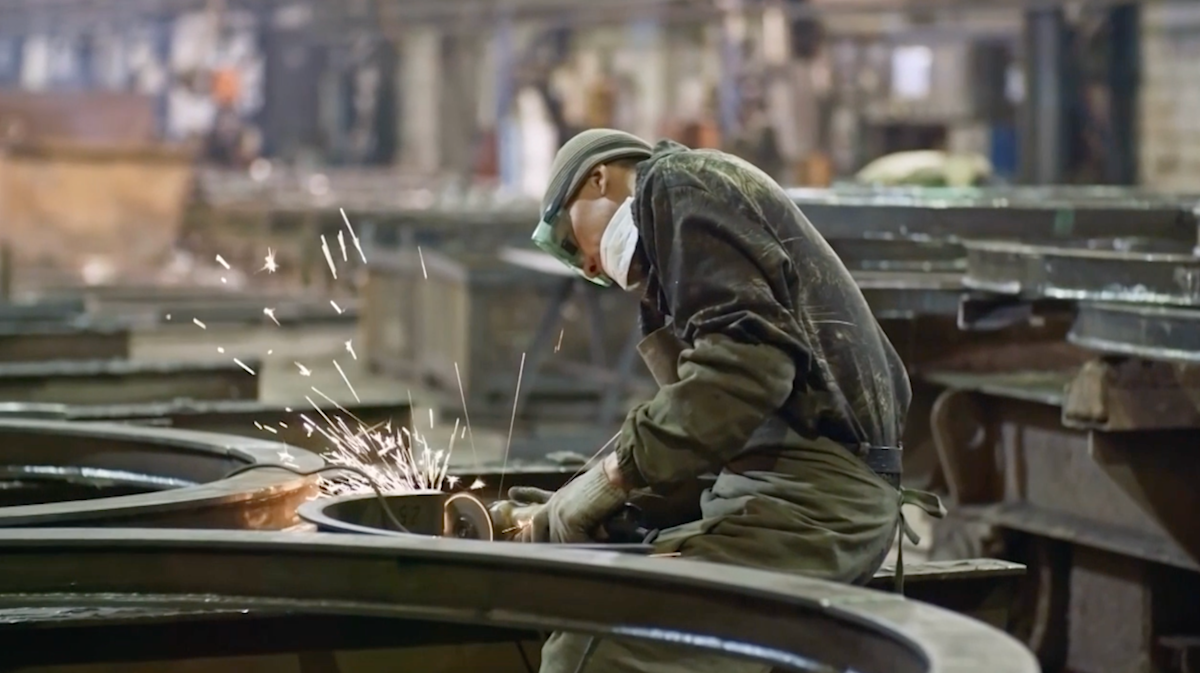
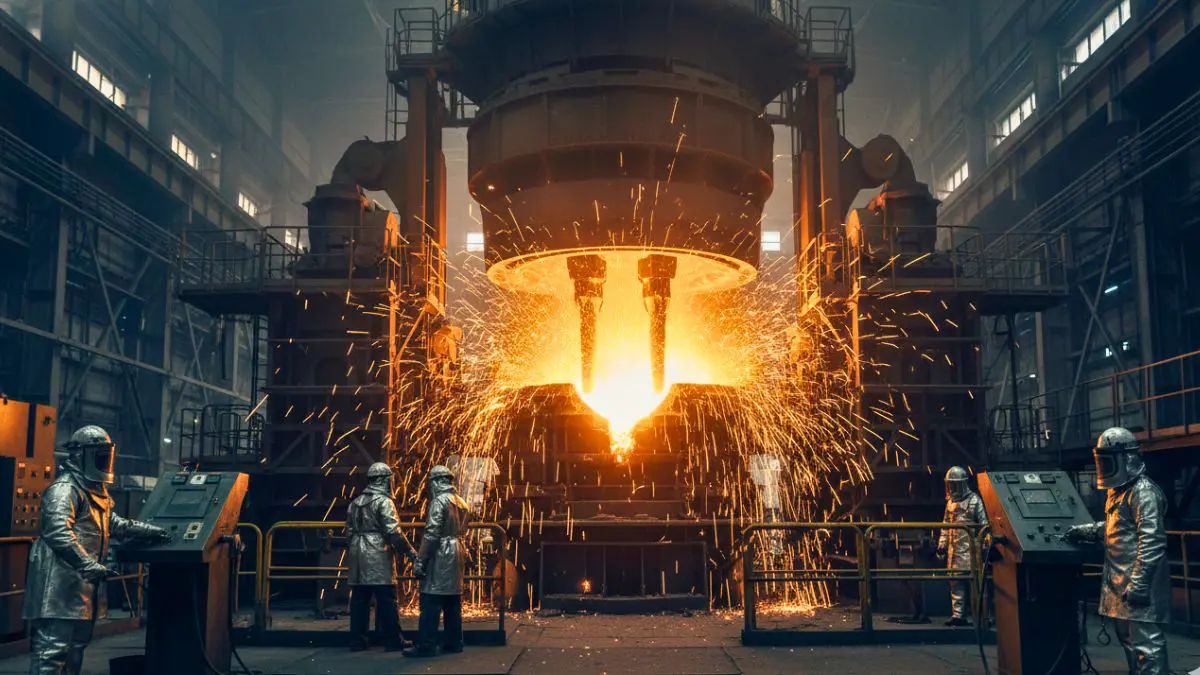
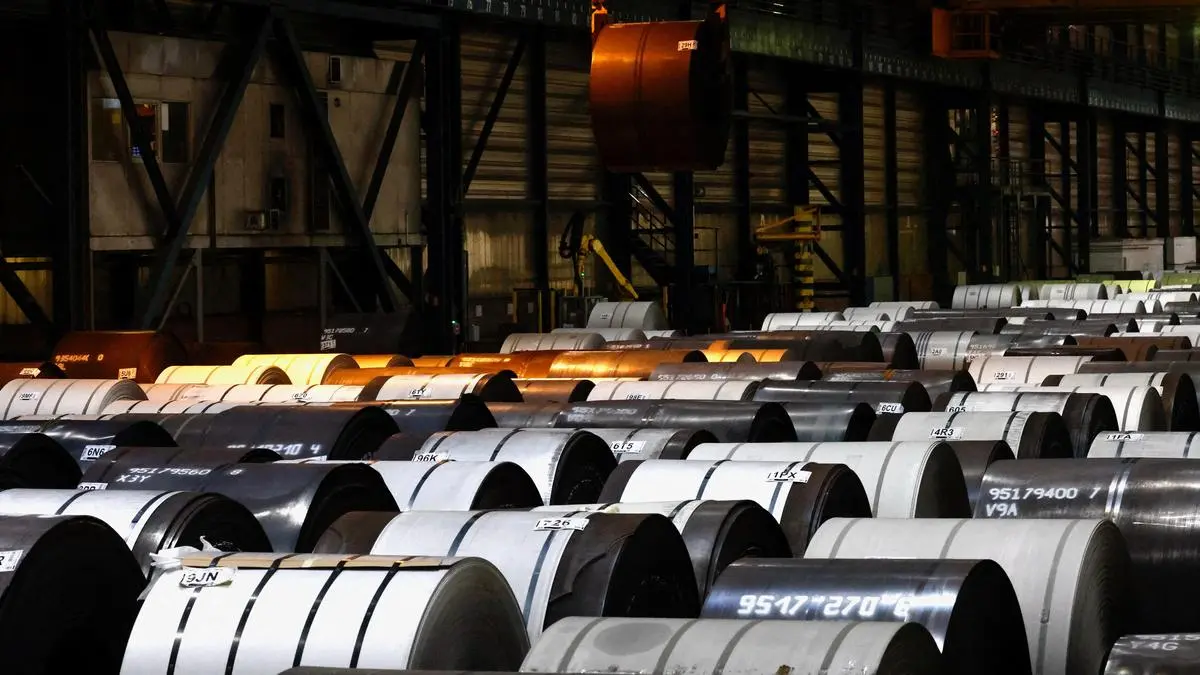
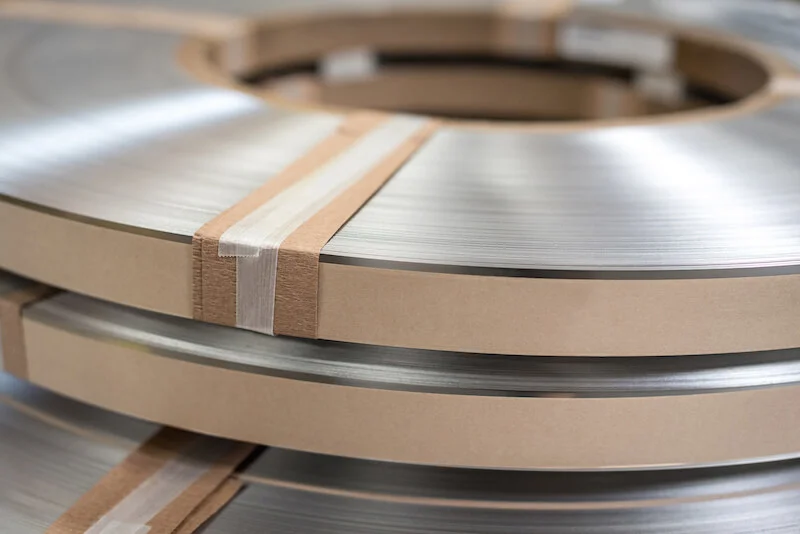
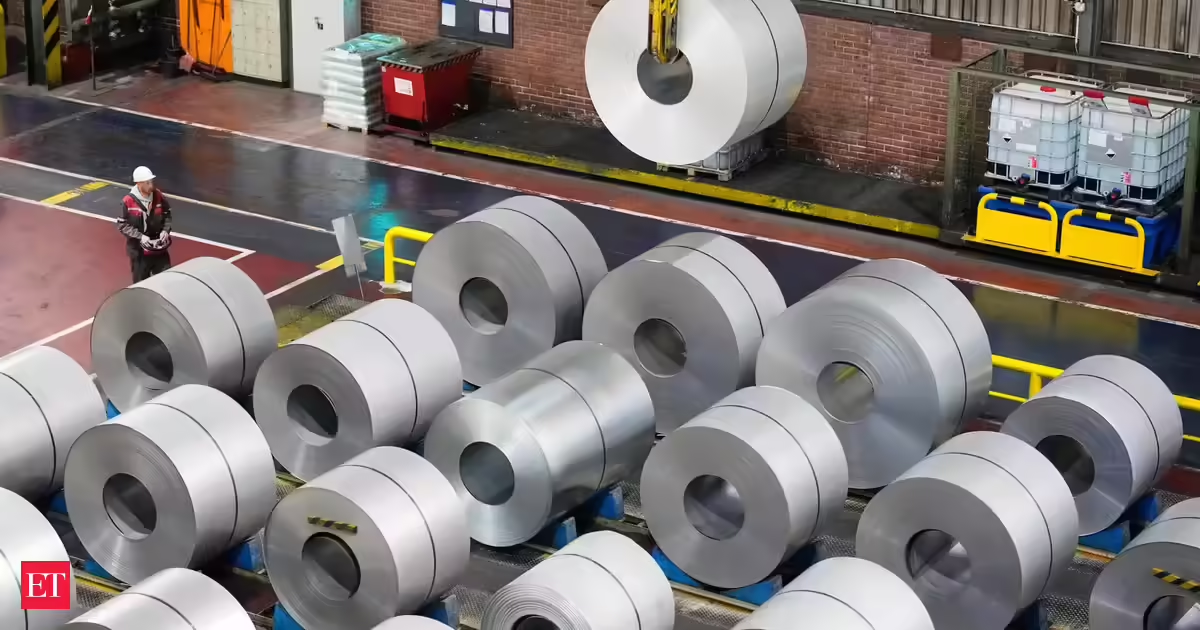
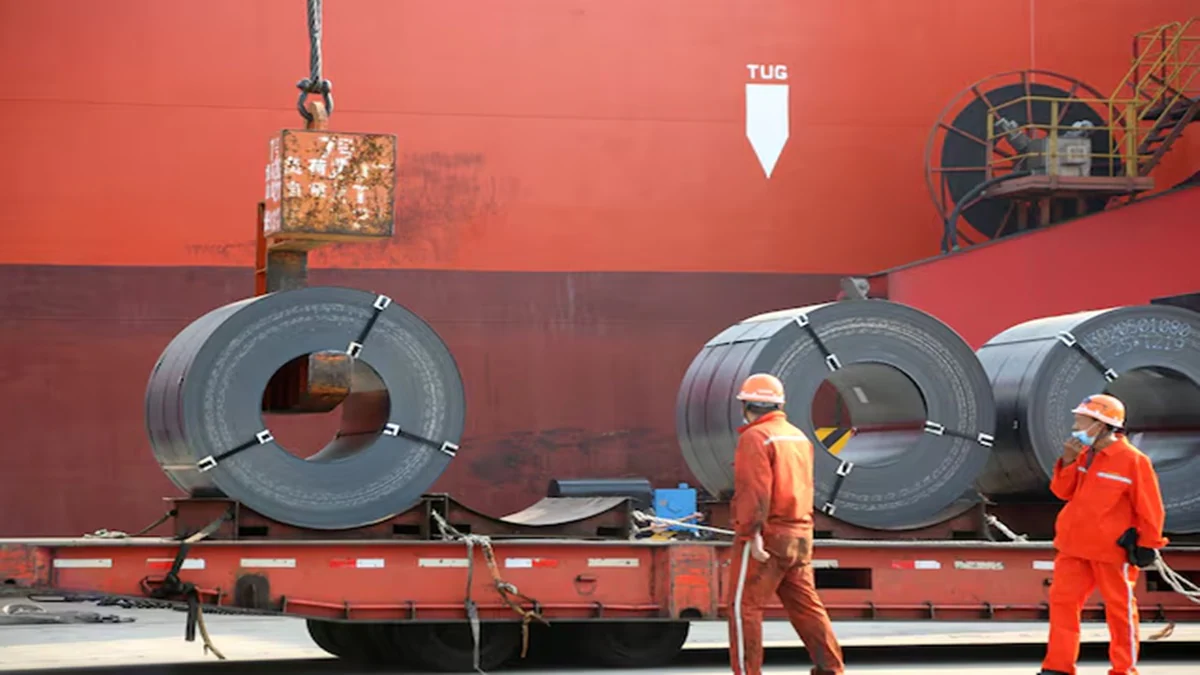
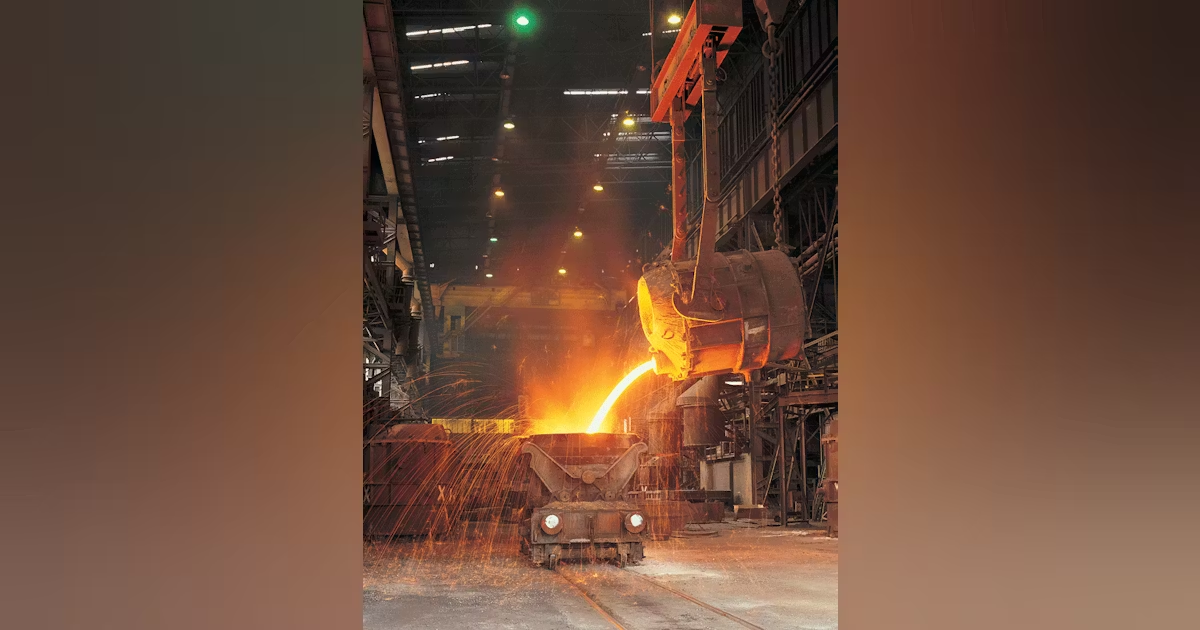
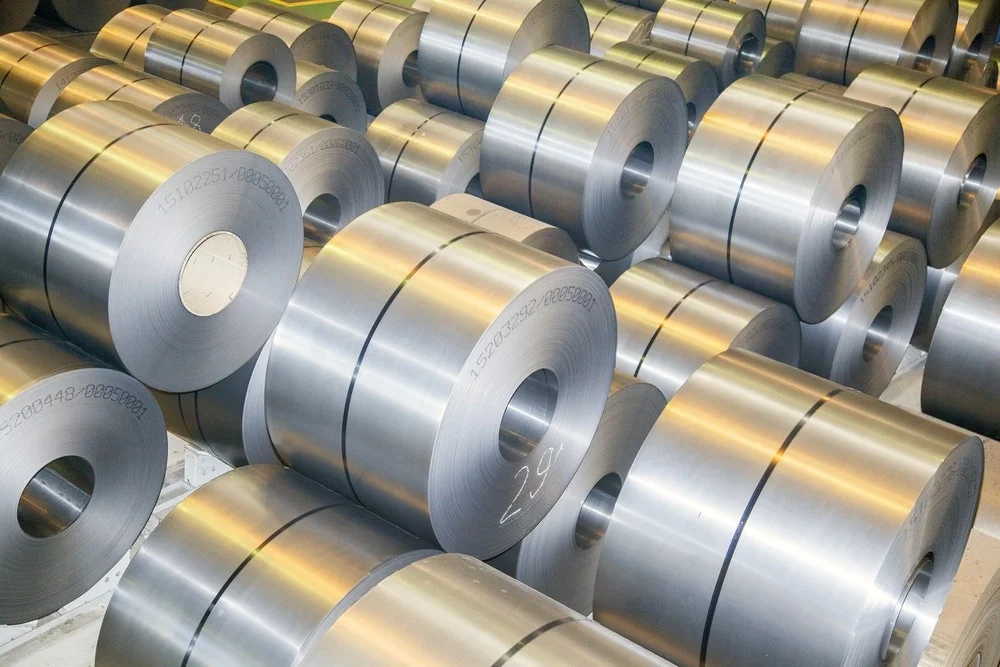
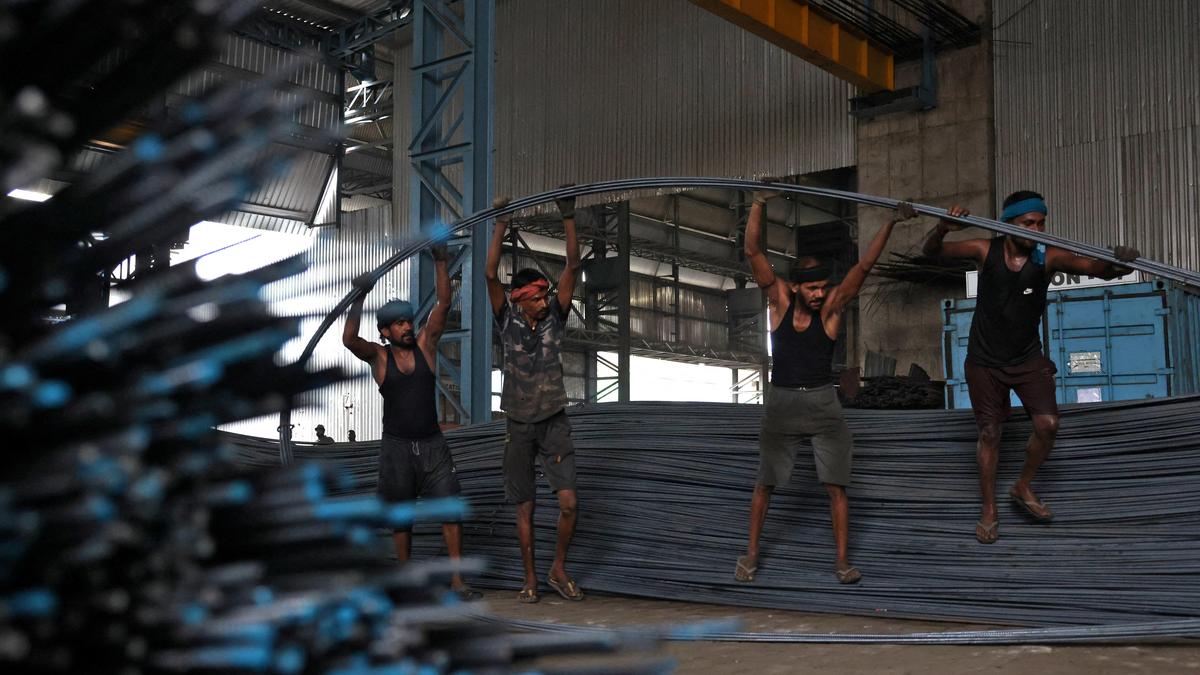
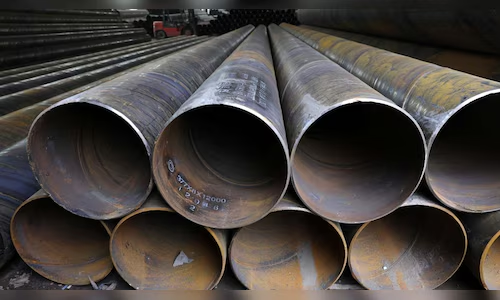
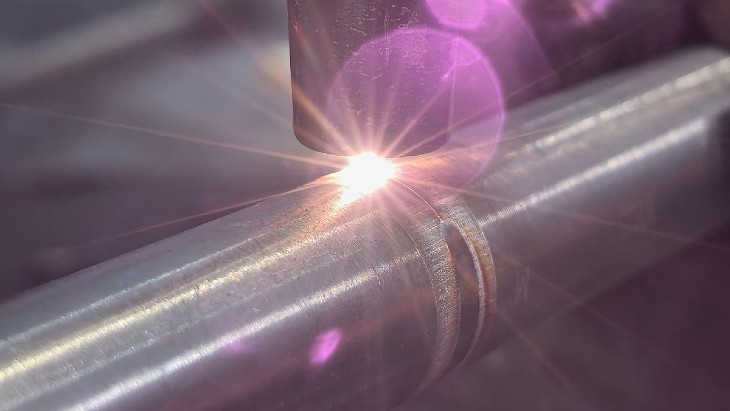
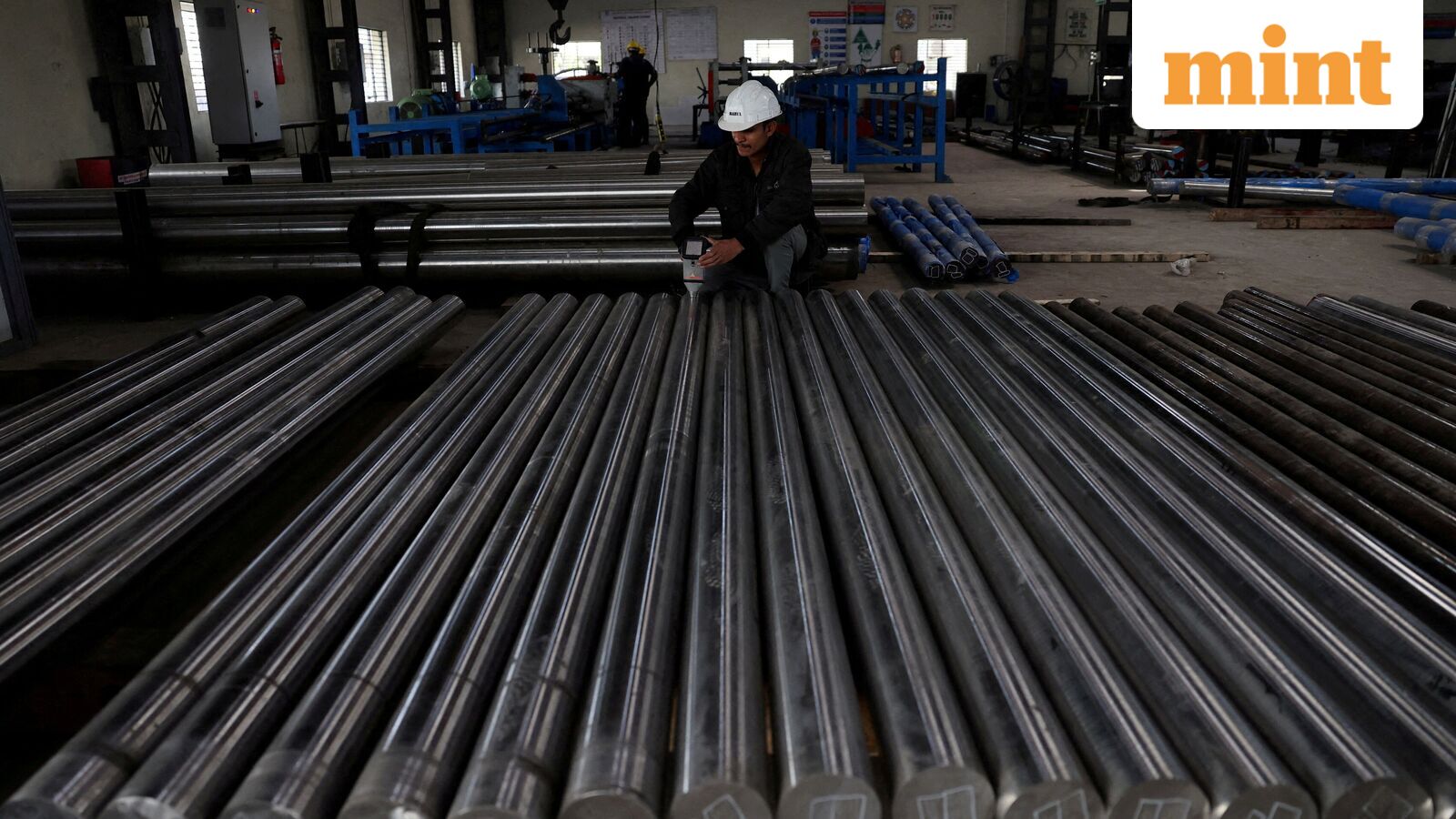
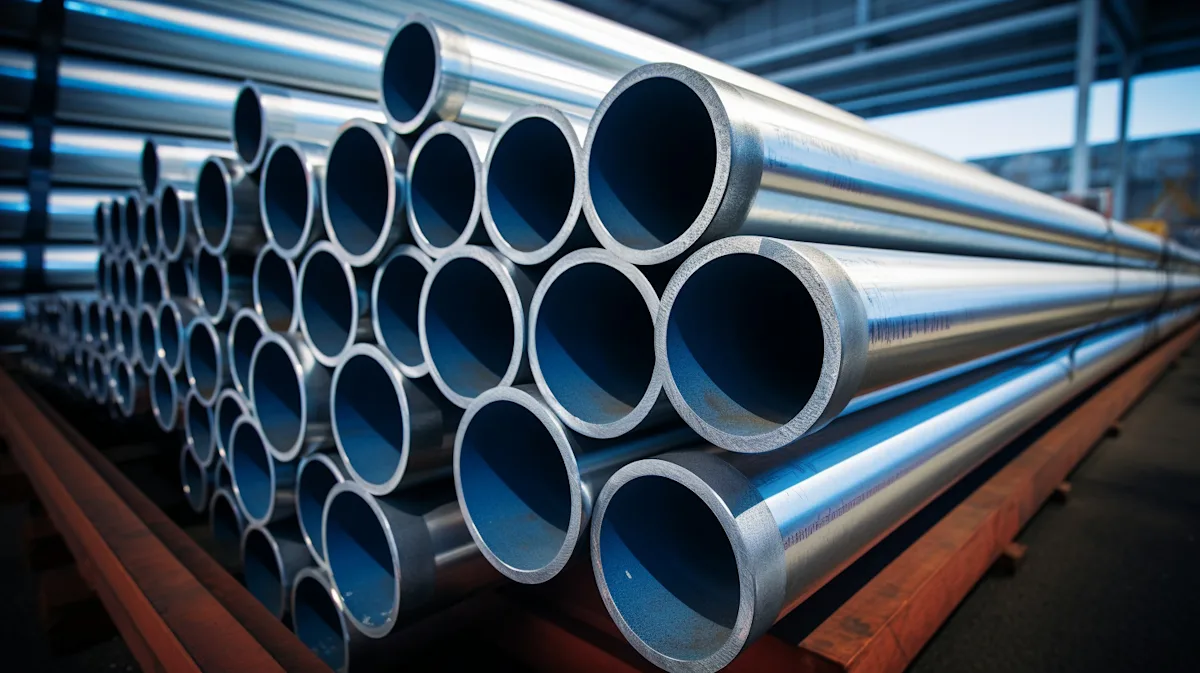
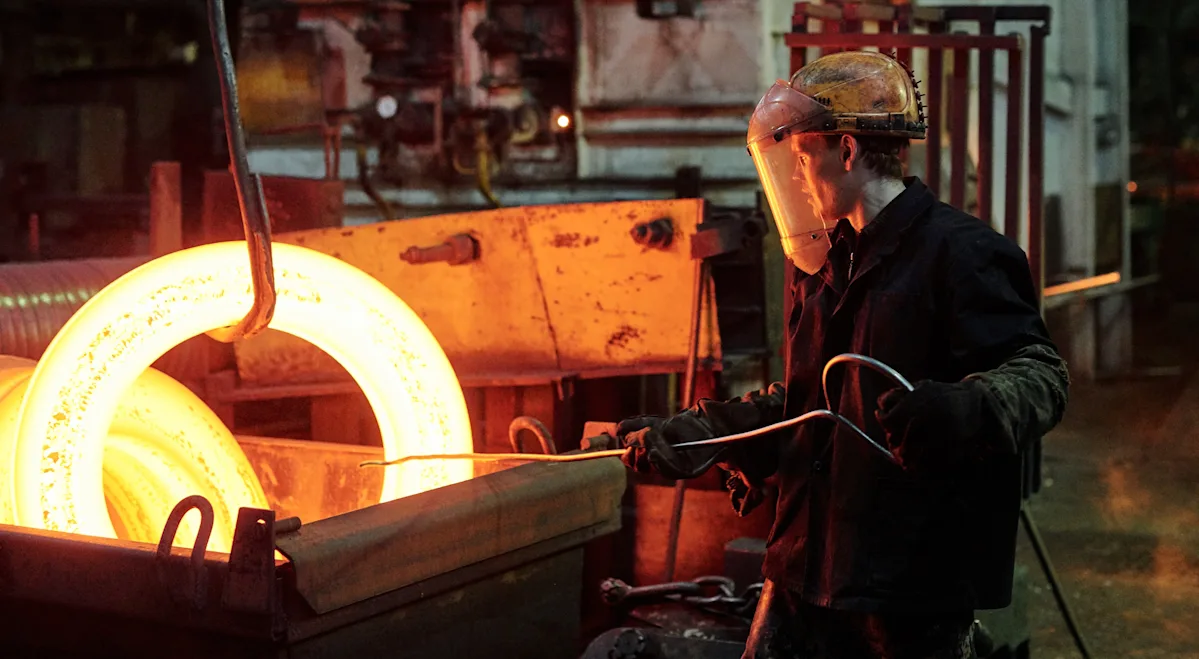
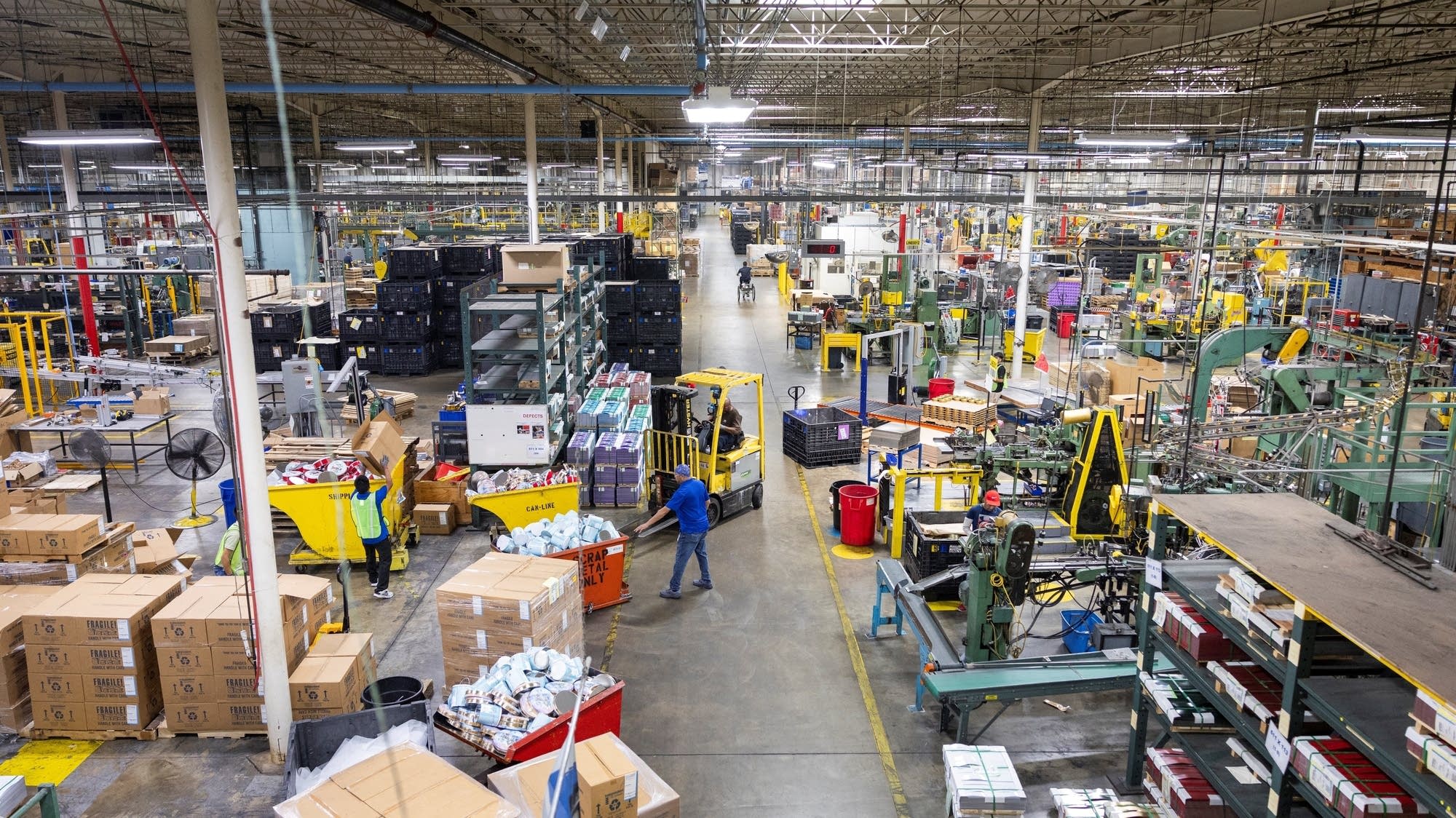
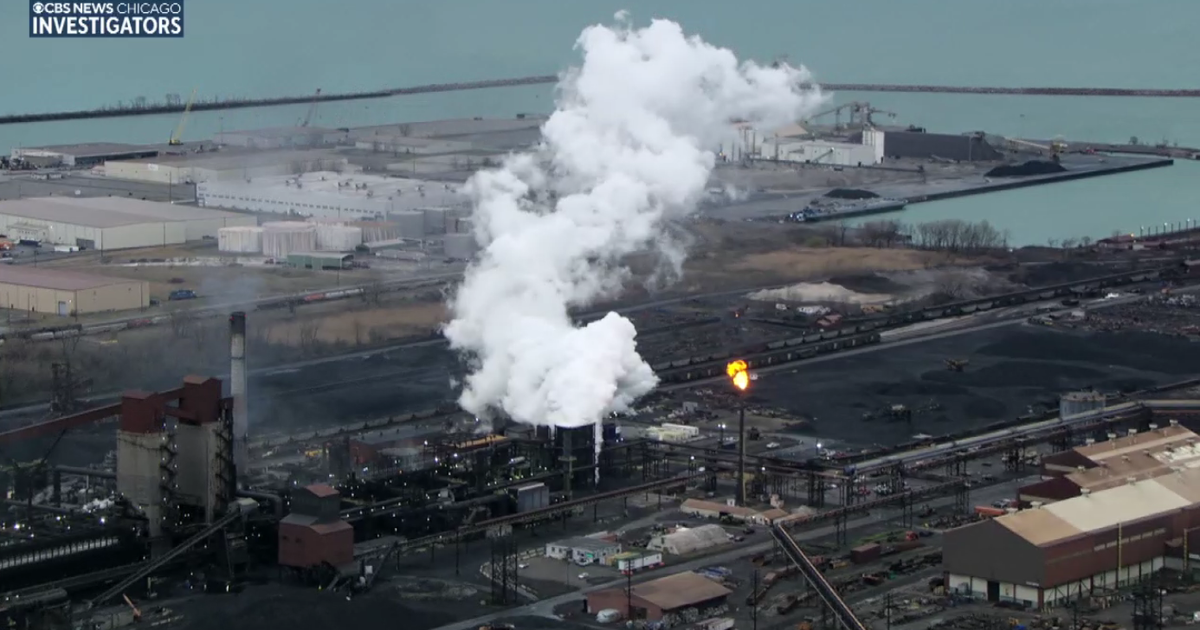
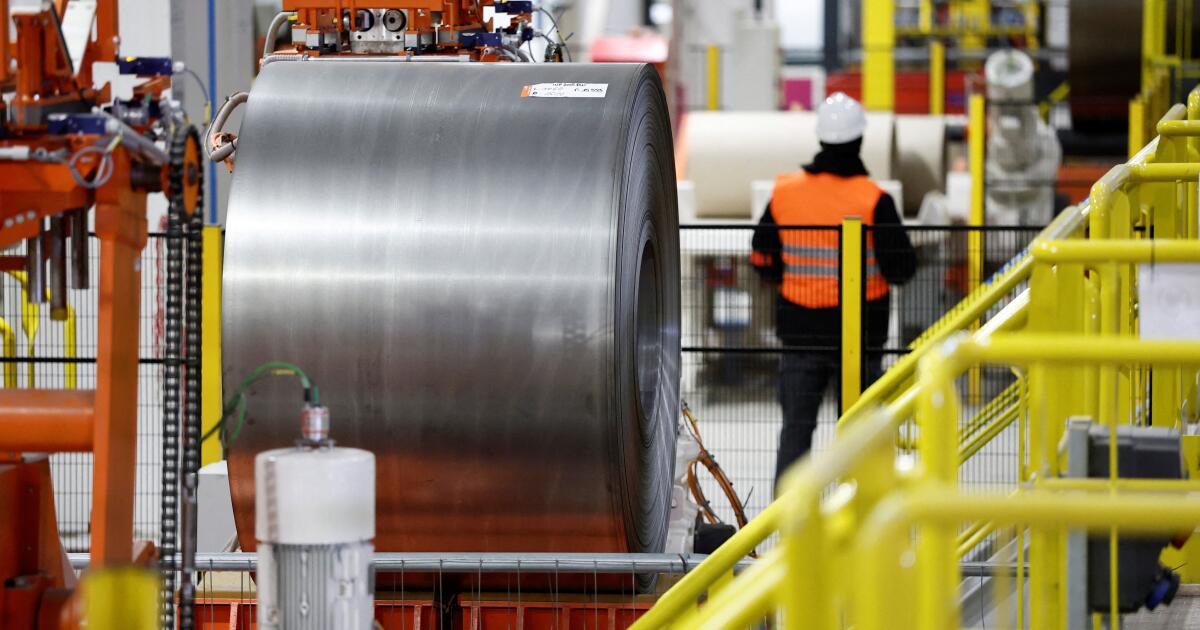
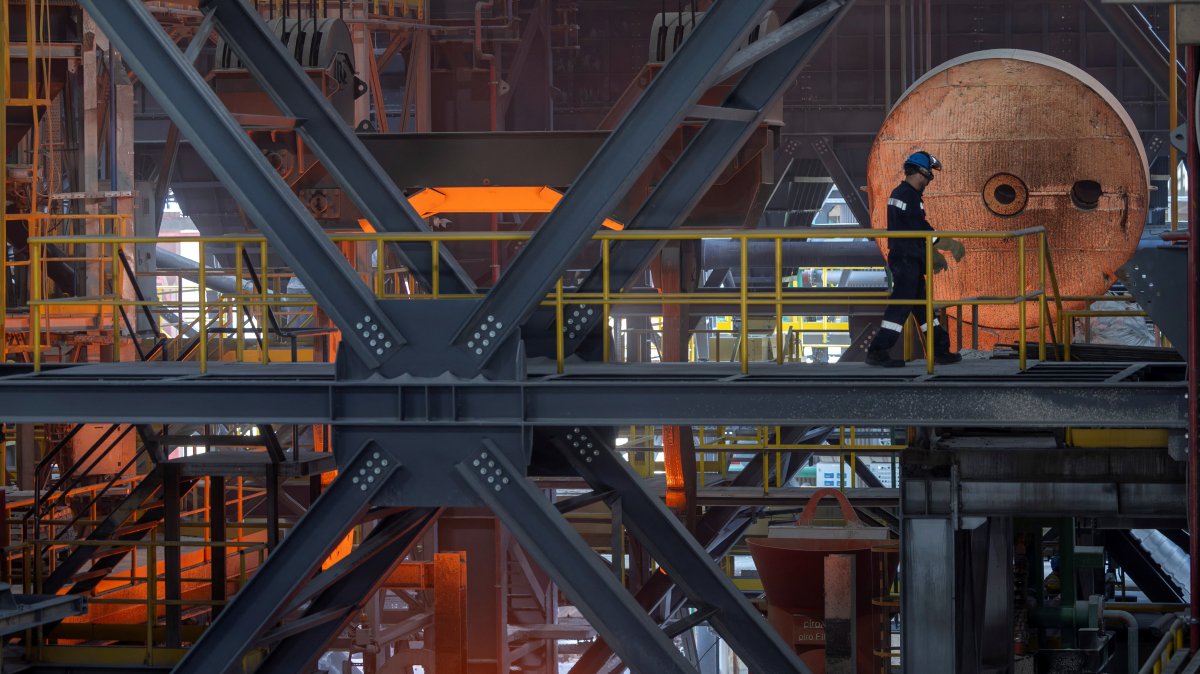
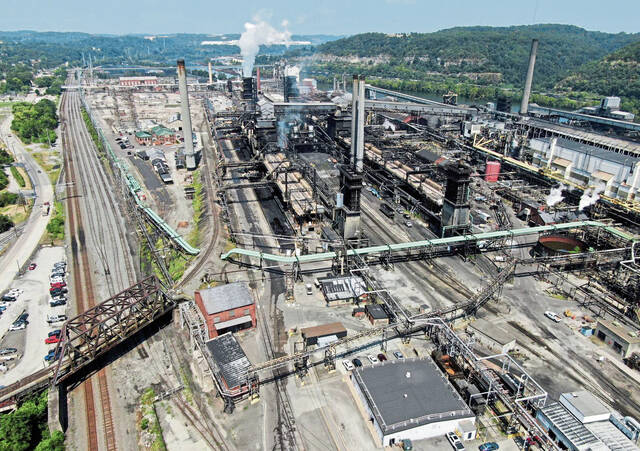
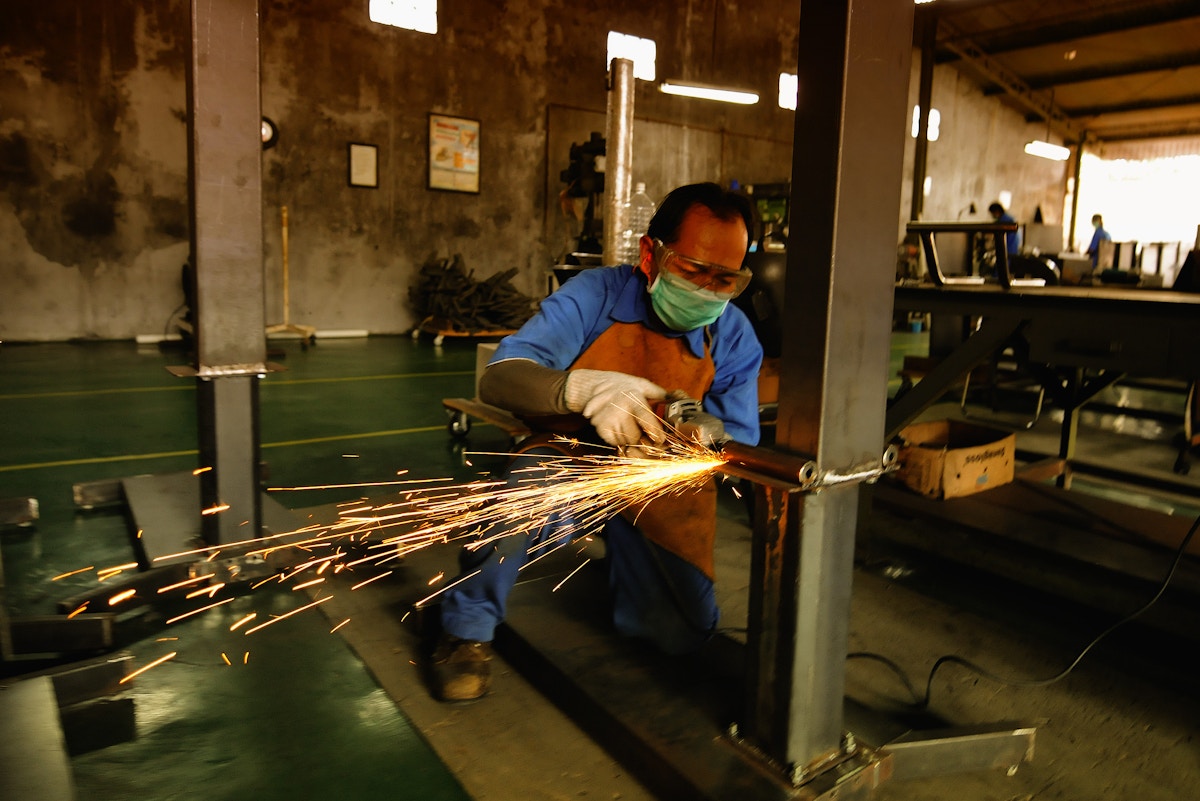
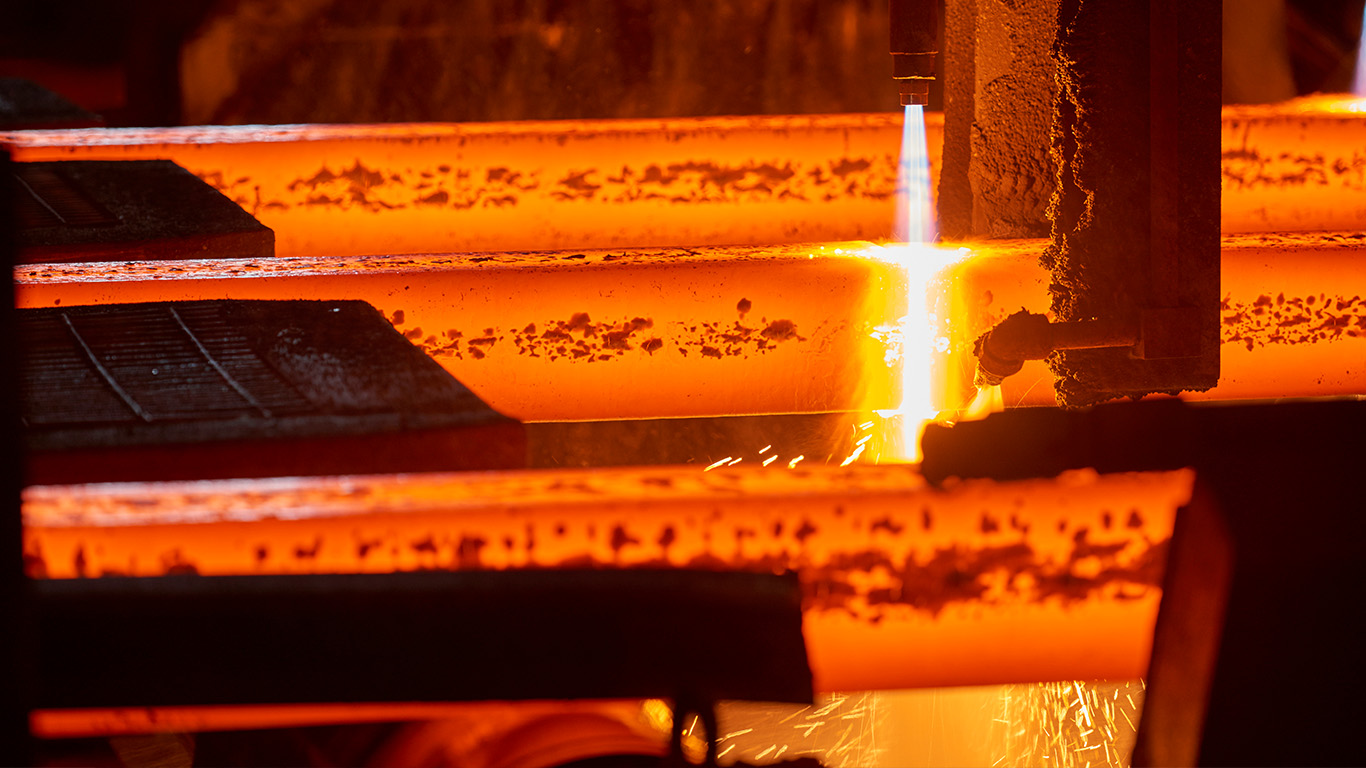
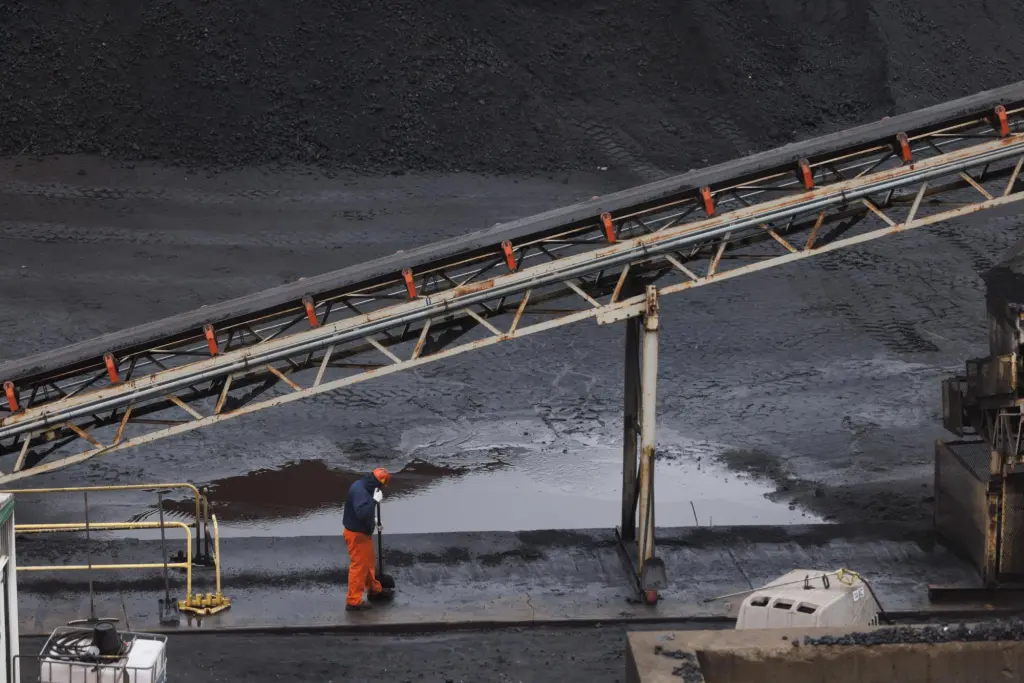
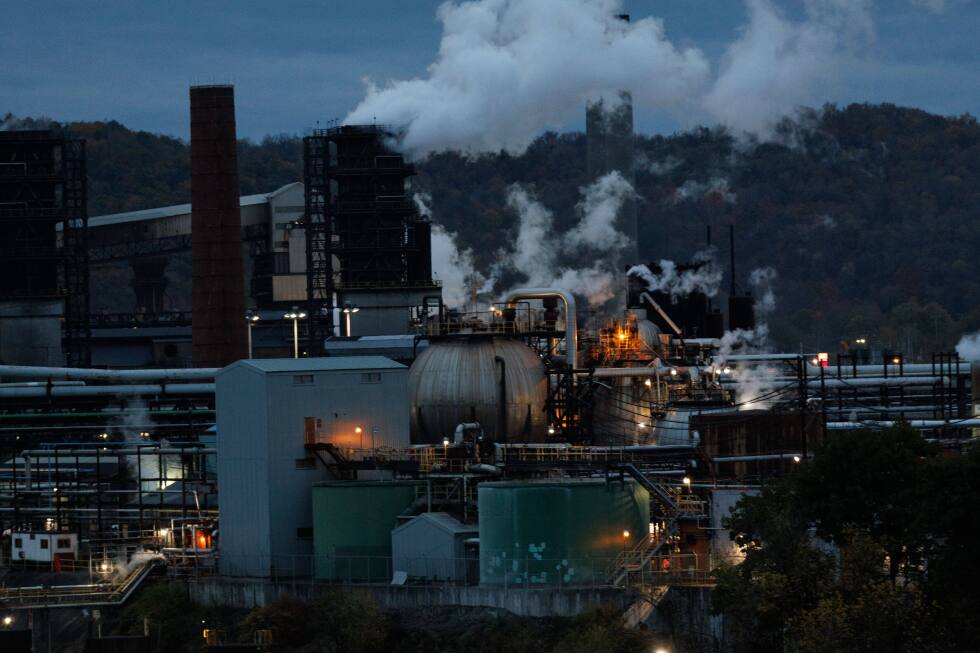
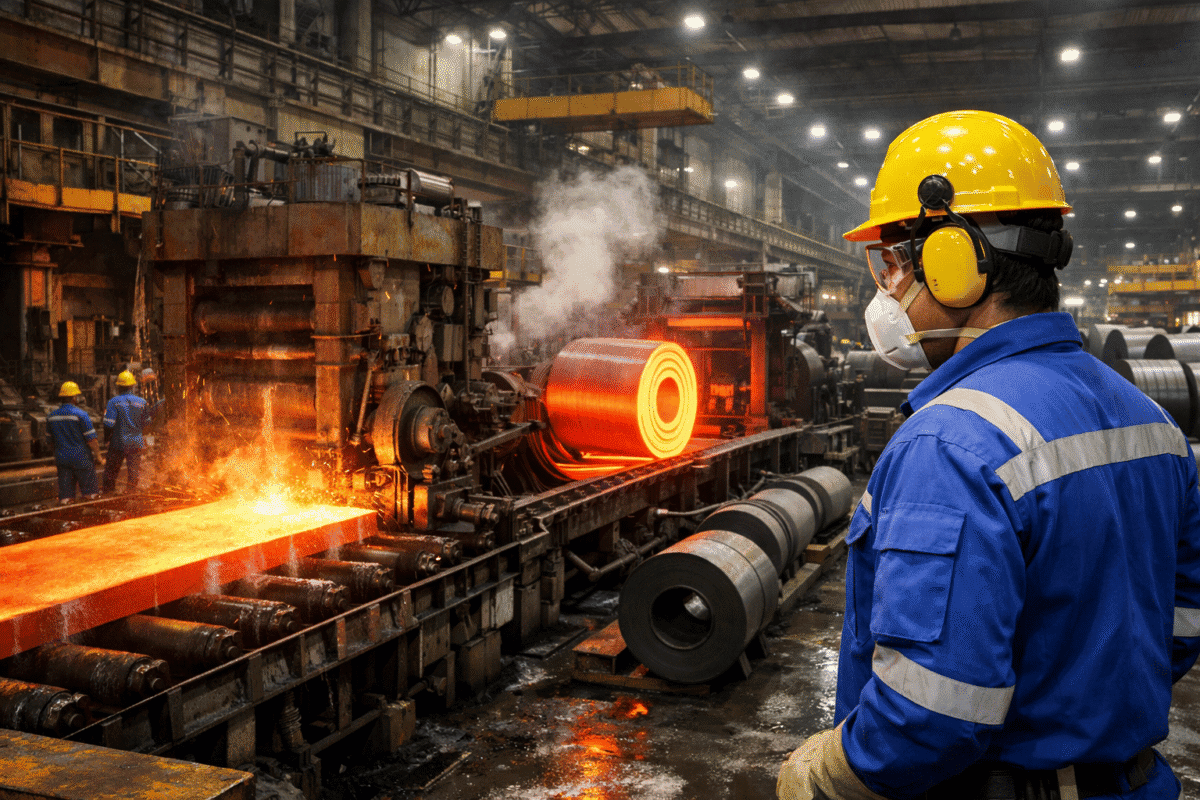
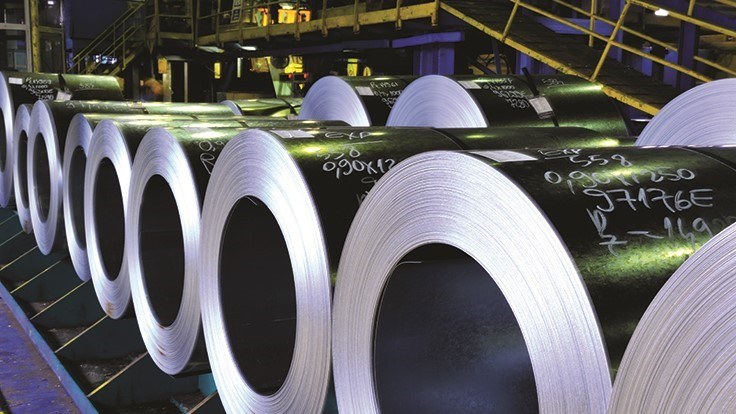
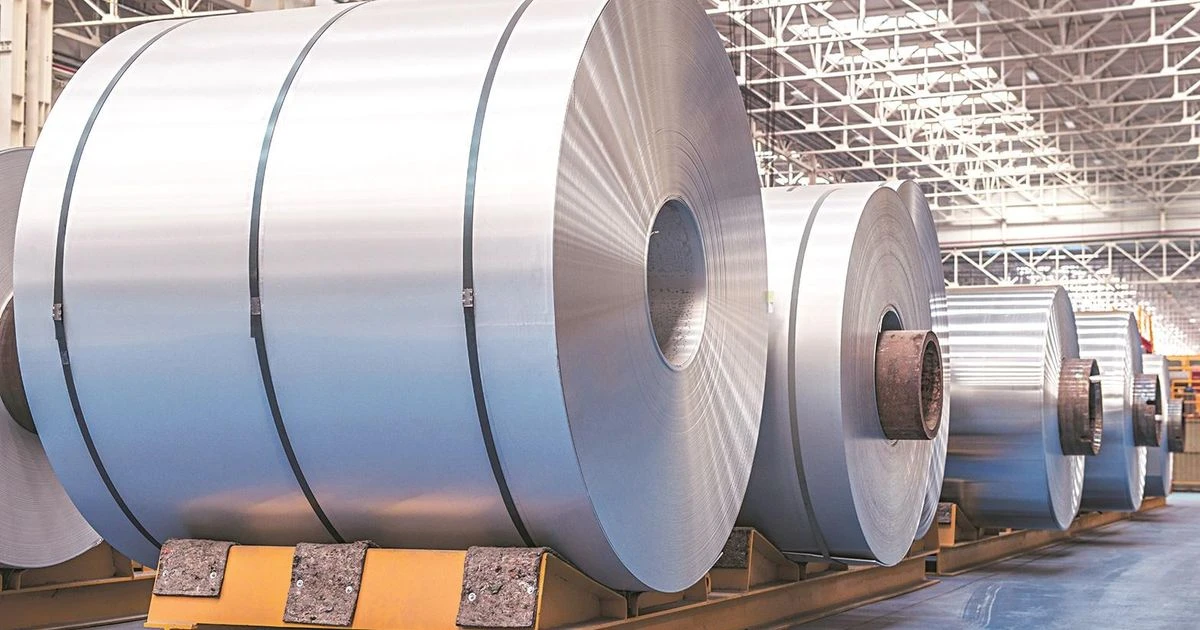
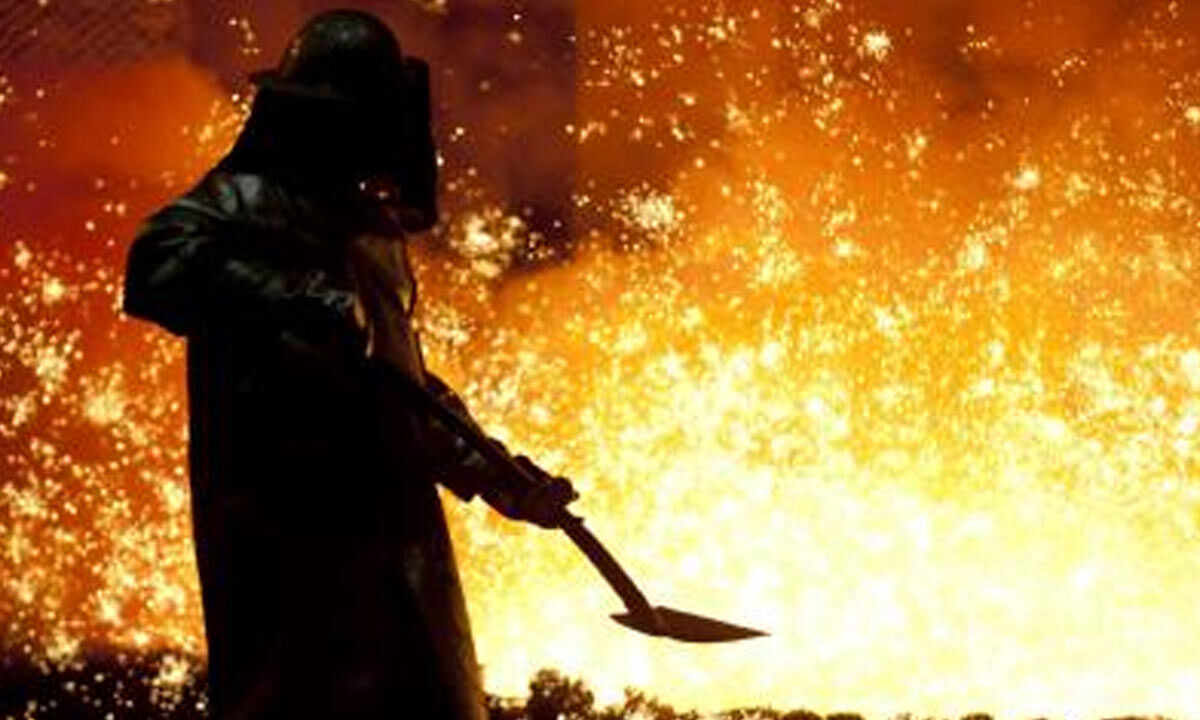
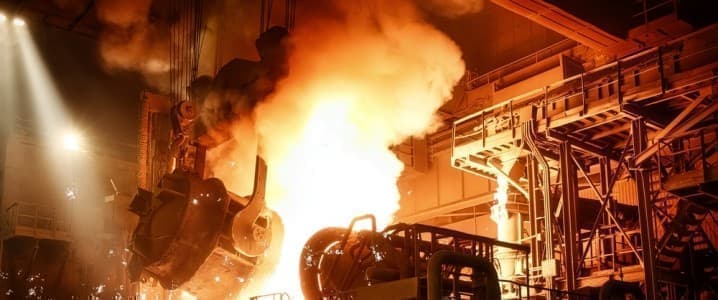
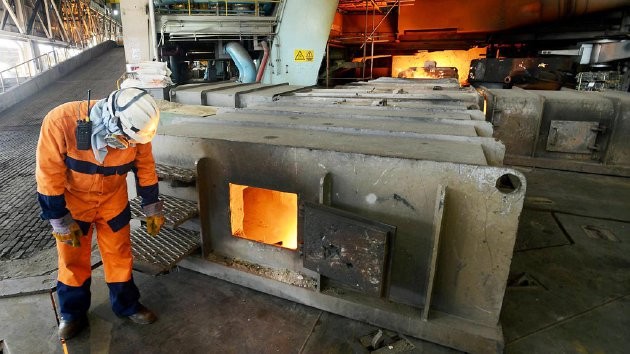
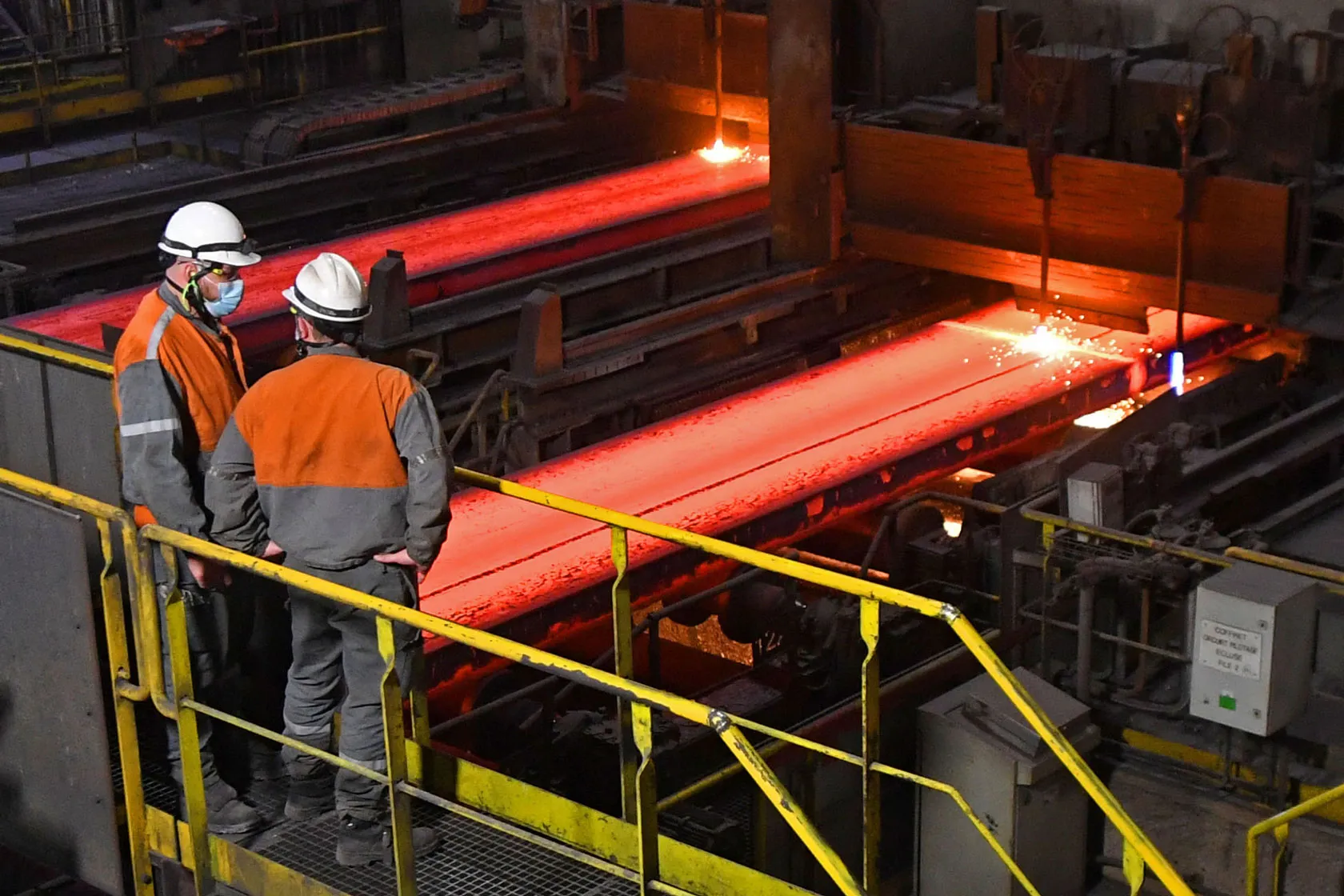
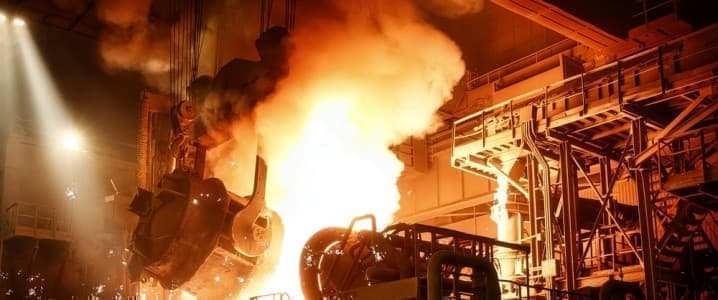
Steel is produced by adding alloys to molten iron, alongside a small amount of carbon. Impurities are removed, and the chemical composition of the mix is adjusted, providing liquid steel, also called crude steel, which can then be moulded into any shape and size required. Companies typically use coal-based blast furnaces to produce iron, as part of the process required to make steel.
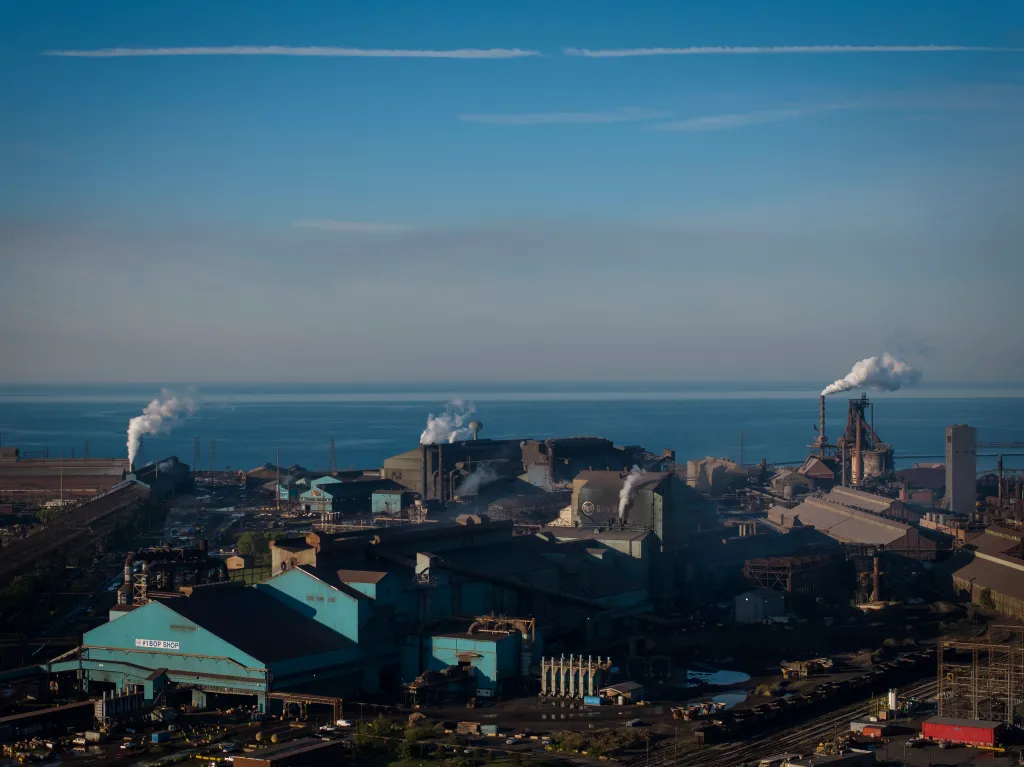
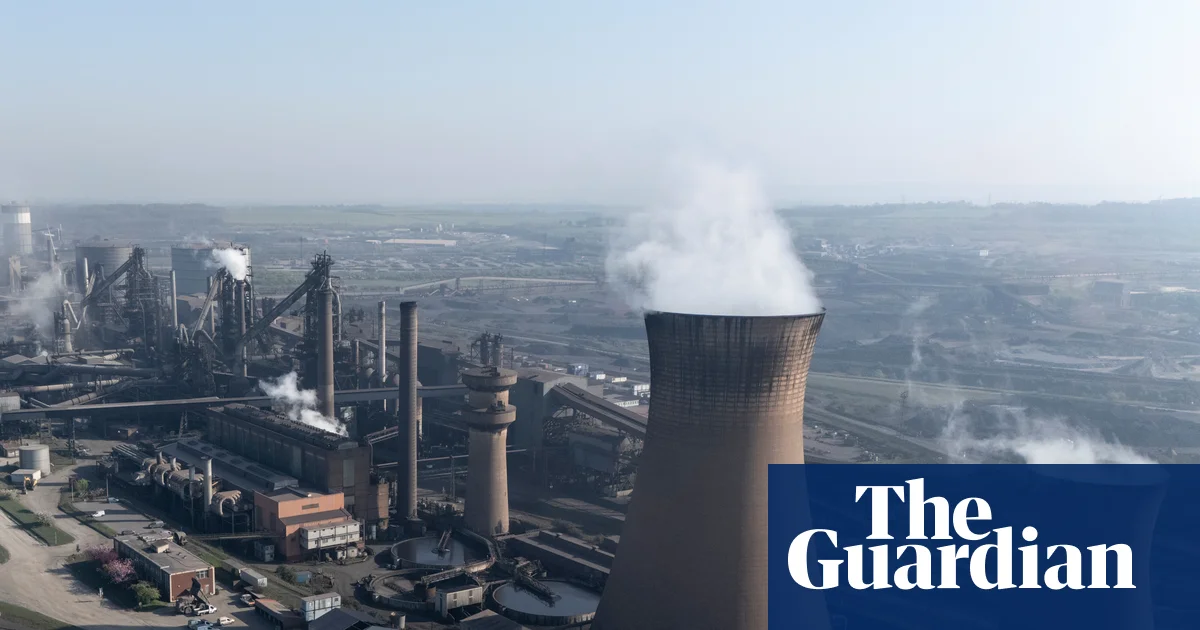
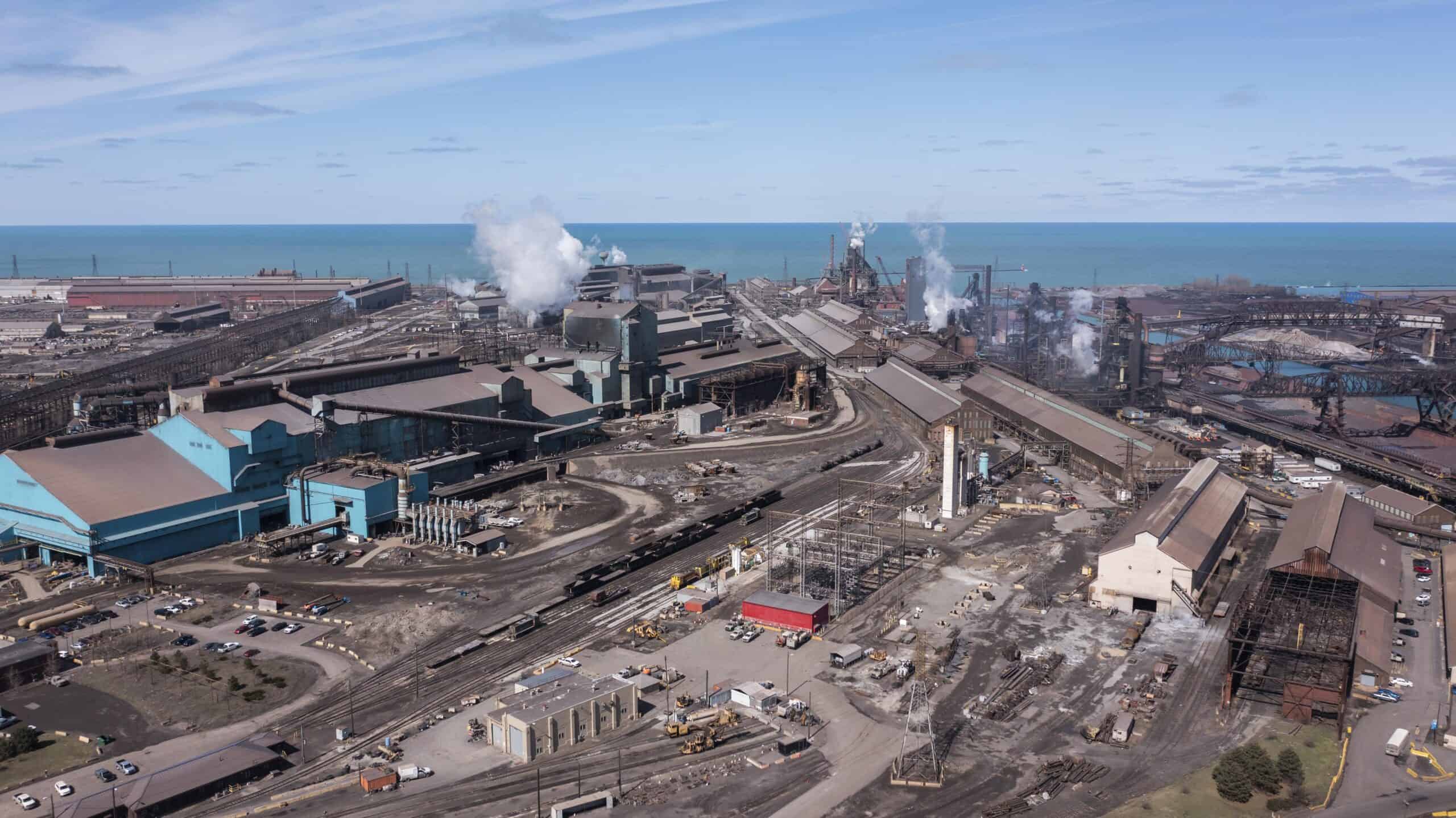
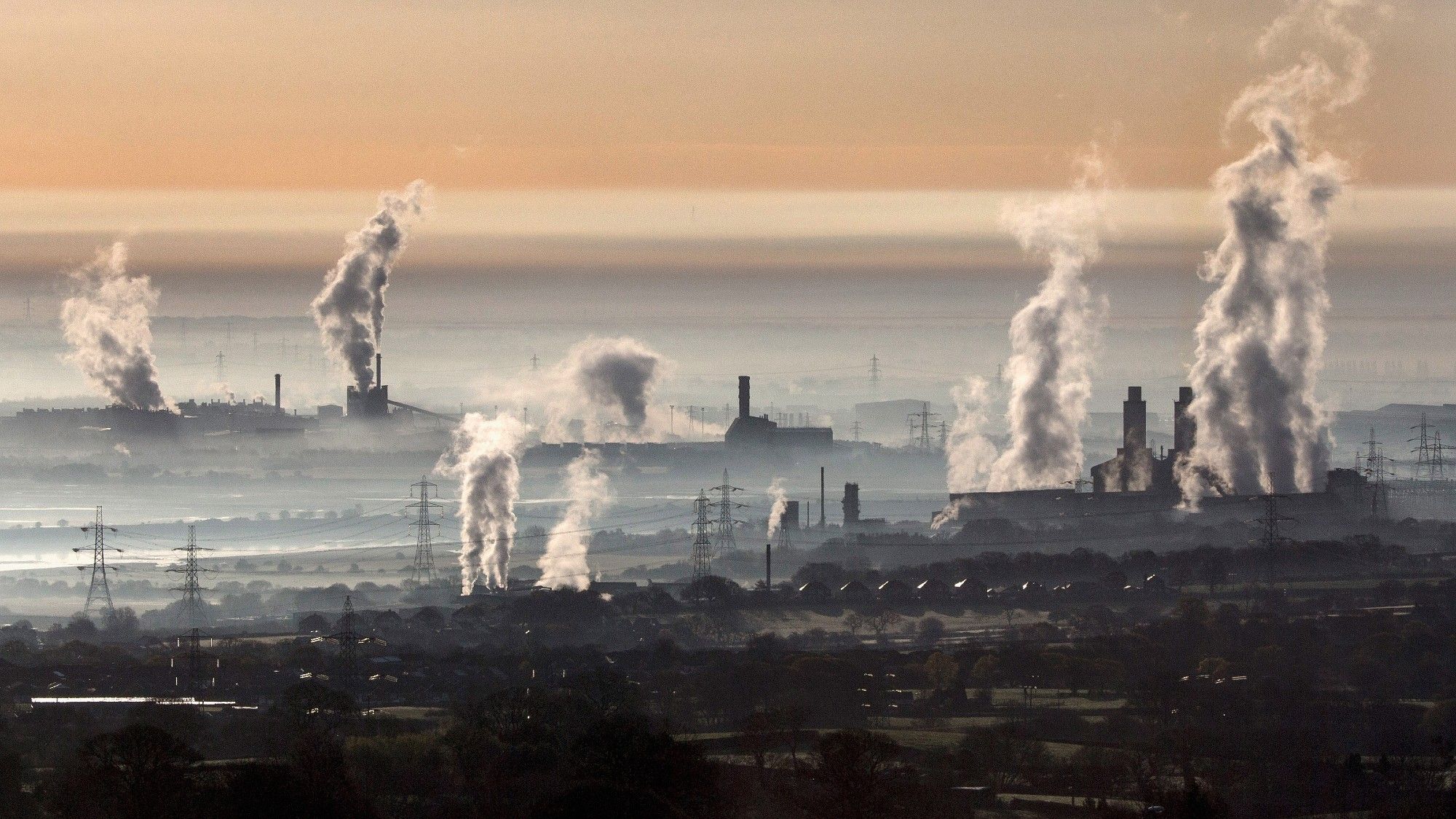
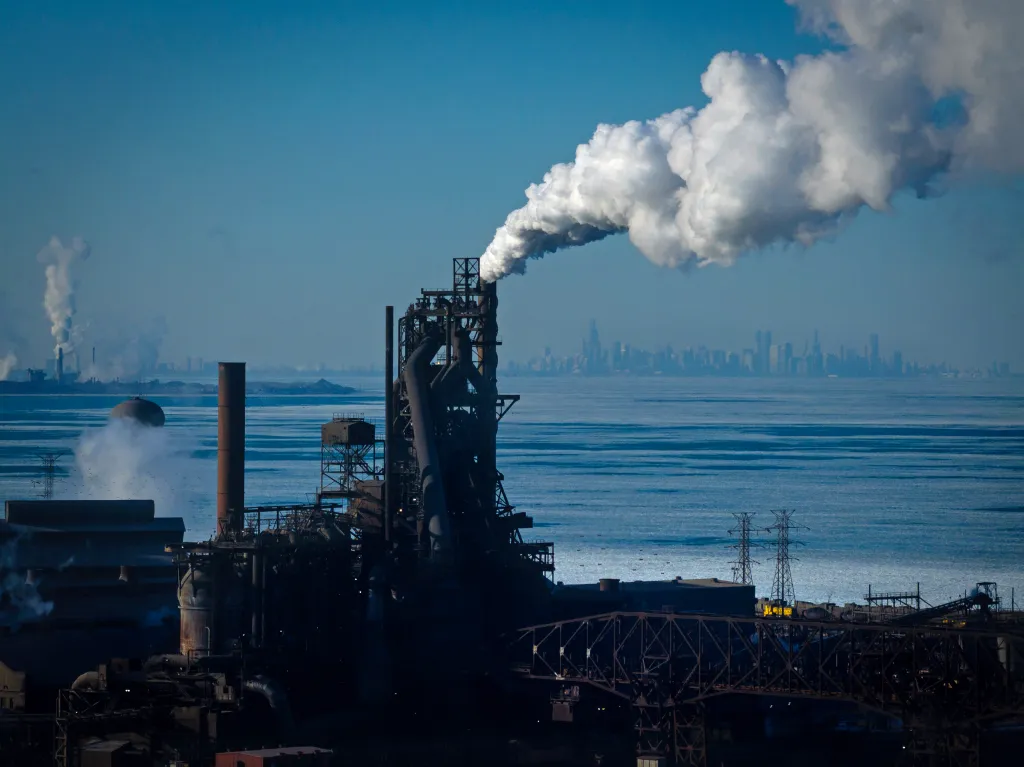
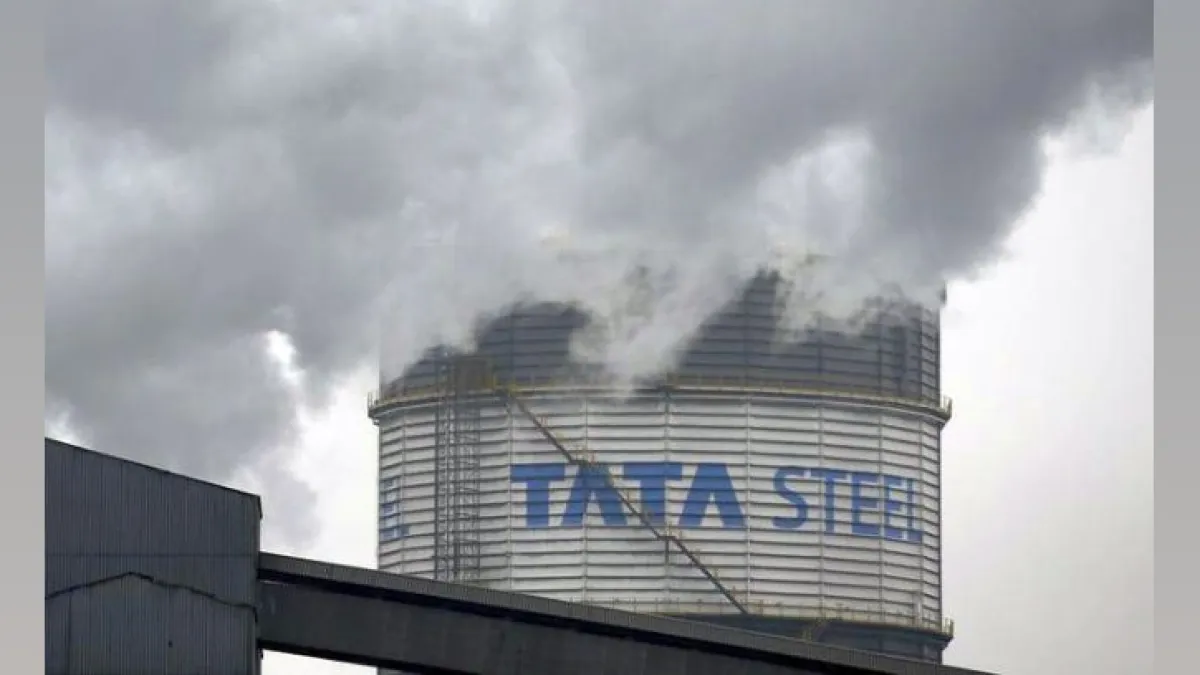
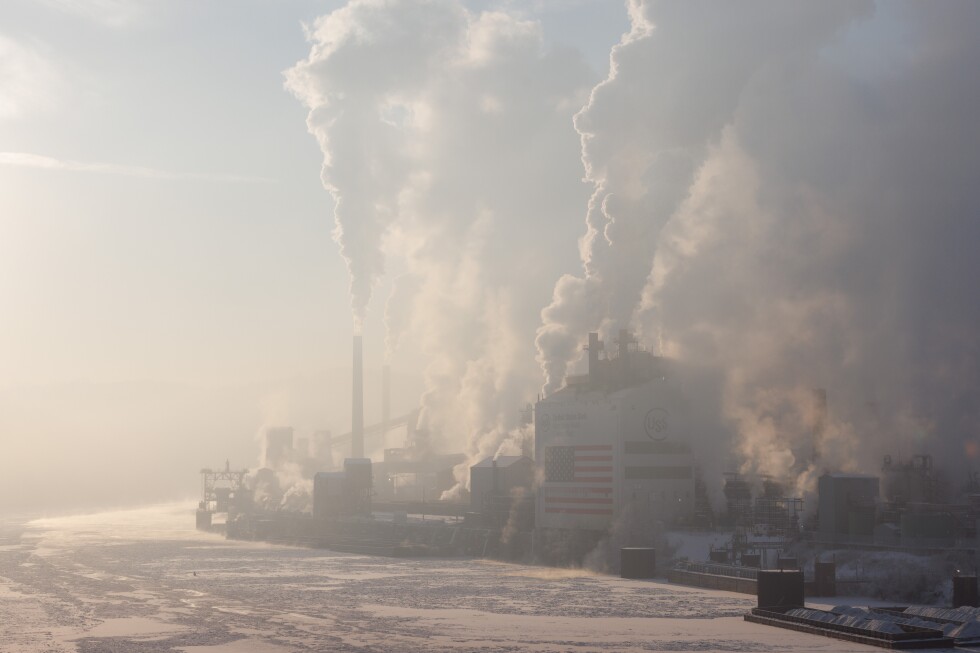
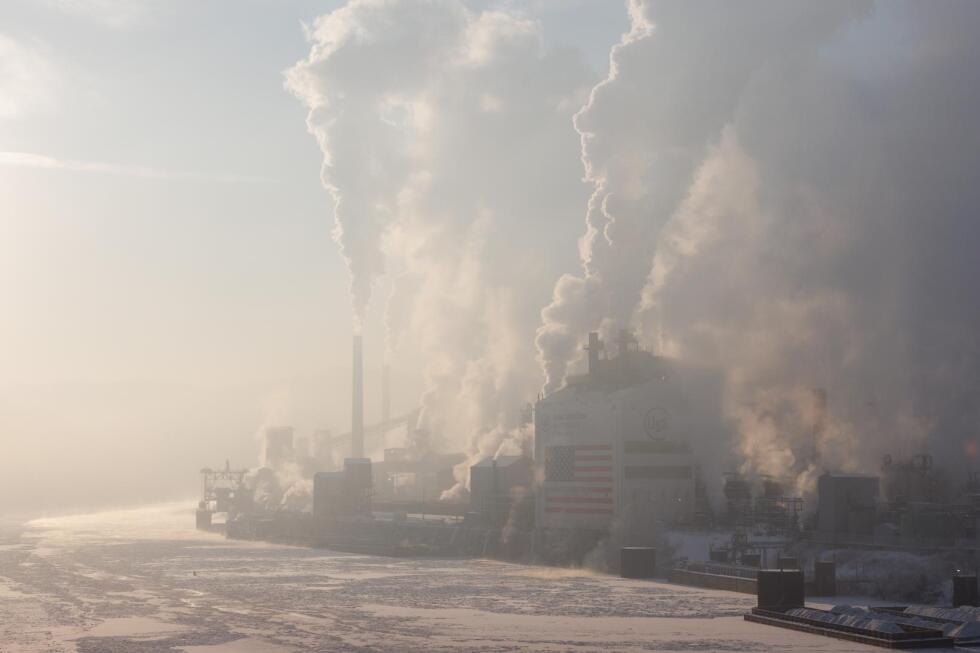
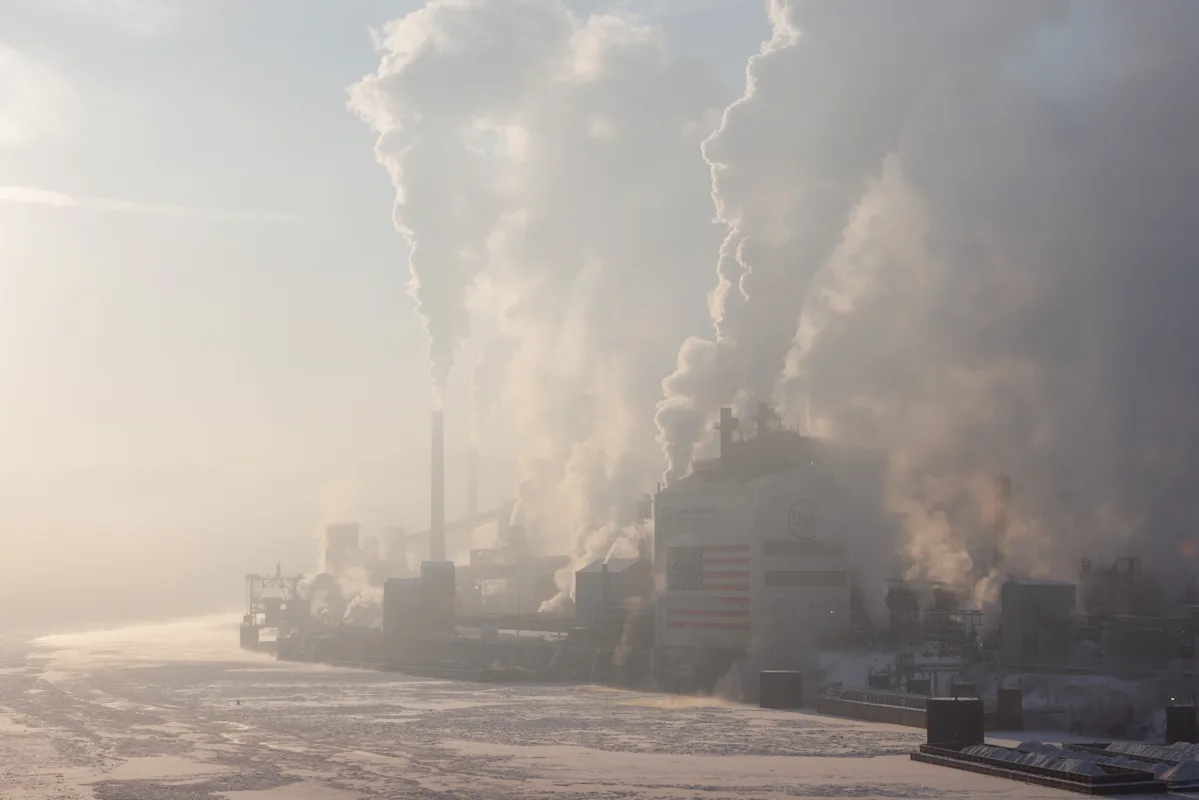
The production of iron and steel contributes roughly 11 percent of global carbon emissions, and the high environmental toll of steelmaking has led several producers to seek alternative, cleaner ways to produce steel, to little avail.
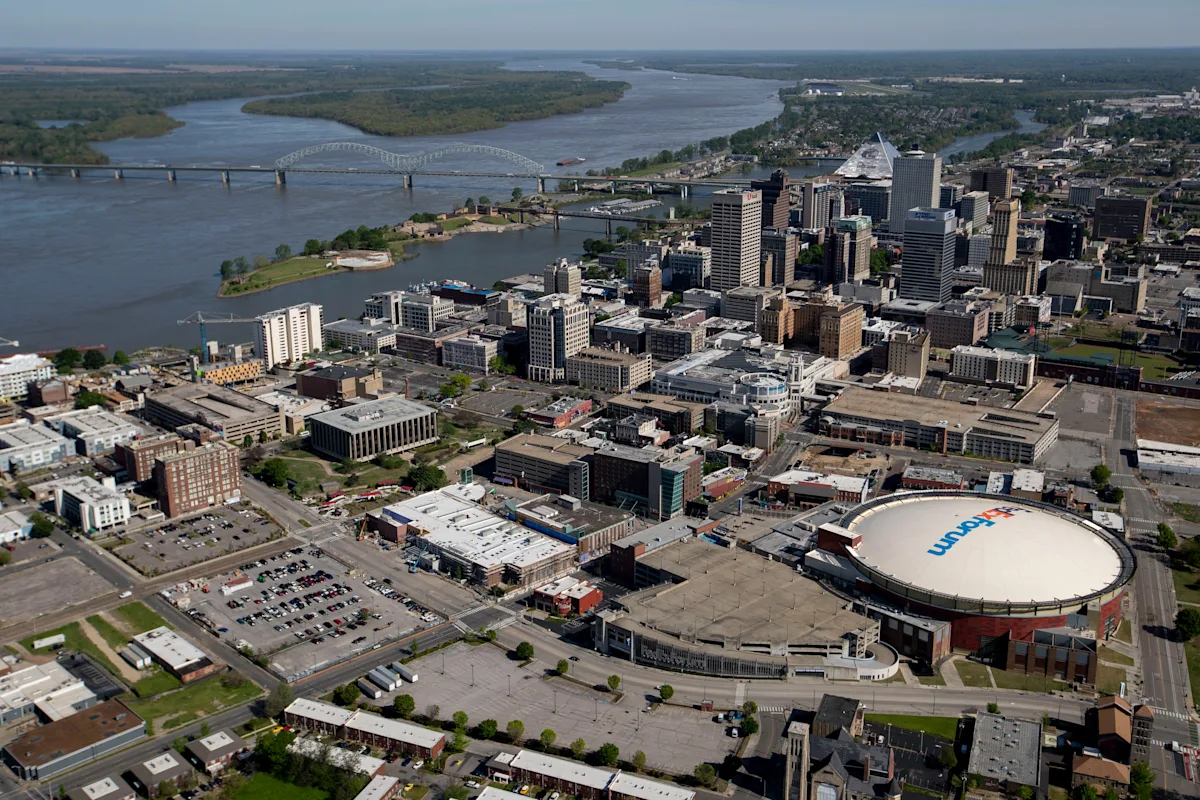
In the United States, two companies appeared well on their way to launching green steel operations under the Biden administration. A total of $1 billion in federal funding was earmarked for the manufacturer SSAB and Cleveland-Cliffs to support low-carbon steel production. The Swedish firm SAAB aimed to produce iron using green hydrogen in its Mississippi facility. However, in September 2024, its hydrogen supplier, Hy Stor Energy, cancelled a deal to provide the green hydrogen needed for the production process.
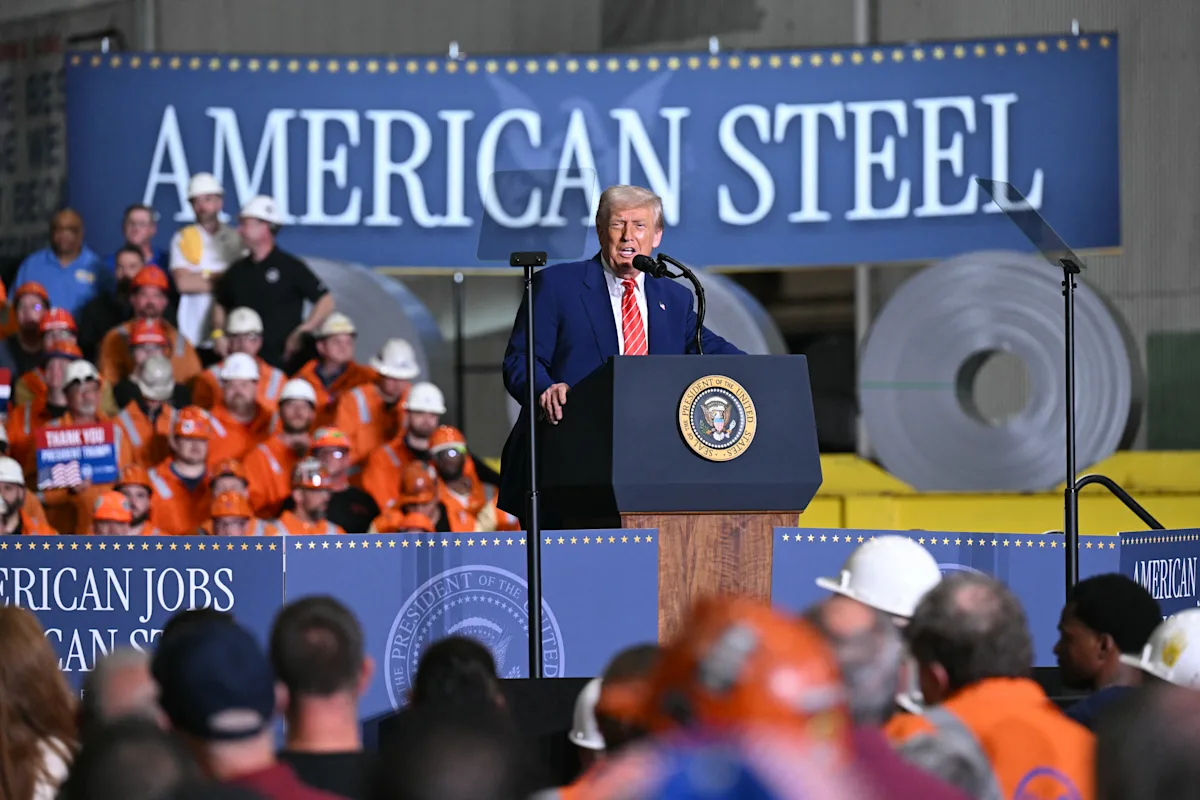
After SAAB decided to put its project on pause, Cleveland-Cliffs announced delays in plans for its hydrogen ironmaking facility in Ohio. Under the Trump administration, it appears that the two companies have decided to continue using fossil fuels to power their steel production, rather than seeking cleaner alternatives. The move is also linked to the collapse of the U.S. green hydrogen industry in recent months, which has significantly hindered the potential for green steel production.
Related: The U.S. Just Took a Giant Step in The Rare Earth Race With China
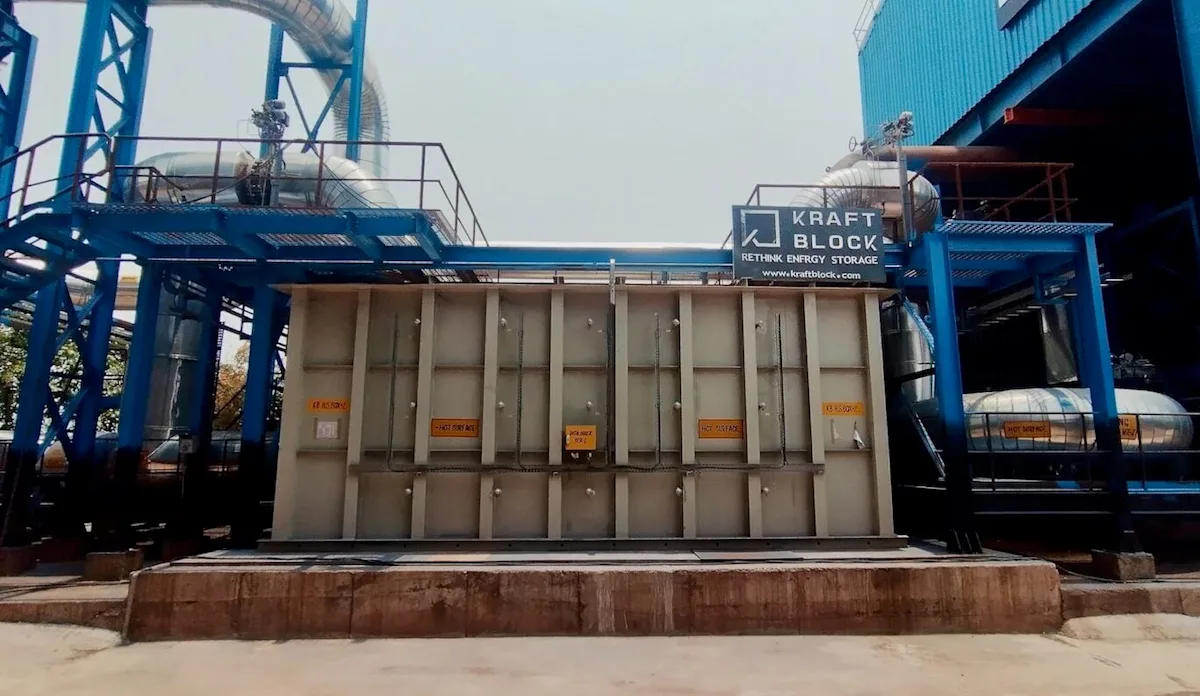
Although there were high hopes for U.S. green steel just a couple of years ago, there is currently no domestic green steel project pipeline in place for the 2020s. With little support from the current government, green steel production now appears prohibitively expensive to achieve any time soon. However, some companies still hope to reduce the carbon intensity of steel production, and several firms and startups have invested in new steel-recycling mills and innovative technologies in recent years to support decarbonisation.
The rising demand for cleaner construction materials by tech companies looking to develop large-scale data centres is encouraging manufacturing companies to clean up their operations. However, “The real challenge, from a technology perspective, is that there’s not really a path for a blast furnace to make the [low-carbon] products that are increasingly being demanded in the market,” explained Kaitlyn Ramirez, a senior associate in Responsible Minerals Initiative’s Climate-Aligned Industries Programme. “There’s no solution that’s going to be cost-competitive to do that,” said Ramirez.
However, in Europe, the outlook is slightly different. At the beginning of 2026, the European Union’s Carbon Border Adjustment Mechanism (CBAM) came into effect – the first policy of its type in the world – which will charge fees on imports of steel, aluminium, and other industrial products, depending on how clean or dirty the production process is deemed to be. European businesses buying construction materials from more carbon-intensive operations will be required to pay a higher fee. The move is expected to encourage manufacturing companies across the EU to invest in decarbonisation activities.
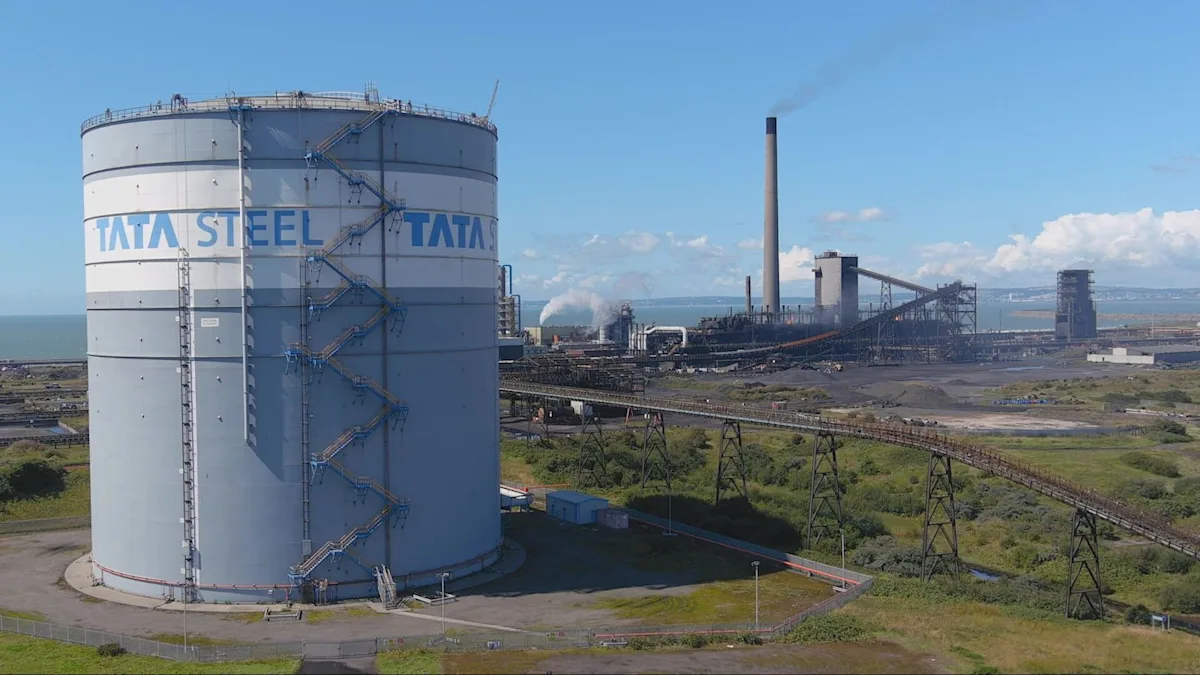
On a global level, the steel industry is slowly moving away from a reliance on coal blast furnaces. Nearly 10 percent of iron is now produced using gas to convert iron ore to iron, thereby creating direct reduced iron. In addition, basic oxygen furnaces are being replaced with lower-emission electric arc furnaces (EAF), which now contribute around 31 percent of steelmaking, according to Global Energy Monitor.
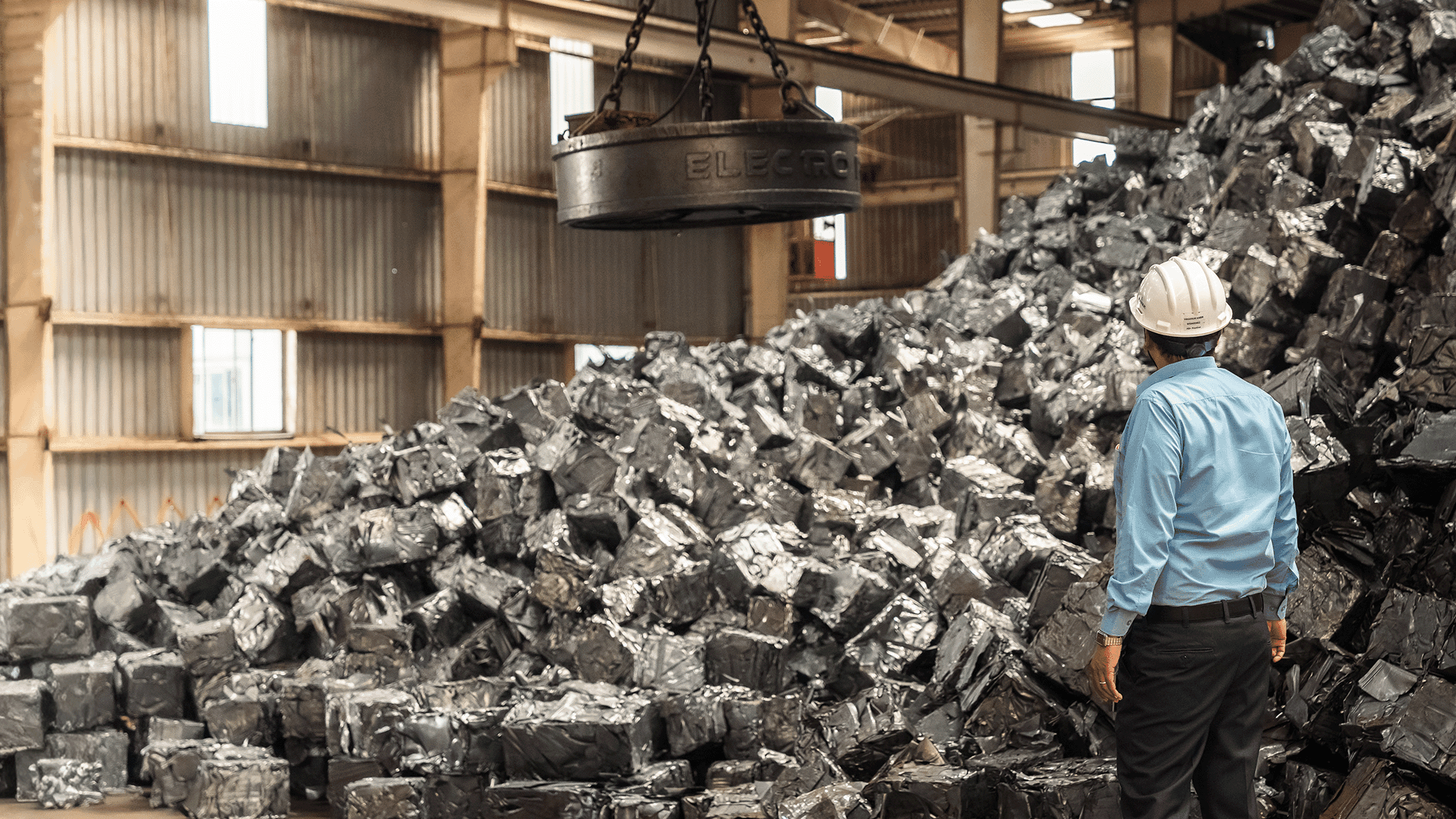
Steel is also produced using scrap in an EAF, which reduces emissions by around two-thirds and eliminates many atmospheric pollutants. Emissions could be reduced significantly if steelmakers switched to renewable electricity; however, this method would not currently provide enough steel to meet the global demand of nearly 2 billion tonnes of steel a year.
Greater investment in research and development could support the technological breakthroughs required for green steel production. This could be further supported by policies encouraging clean steel production and the introduction of carbon taxes on construction materials, as seen recently in the EU. However, the slowdown of the green hydrogen industry has delayed the rollout of several green steel production projects in the United States and elsewhere. In addition, the high costs associated with decarbonising operations have led several major producers to extend the timeframe for achieving their climate pledges.
By Felicity Bradstock for Oilprice.com