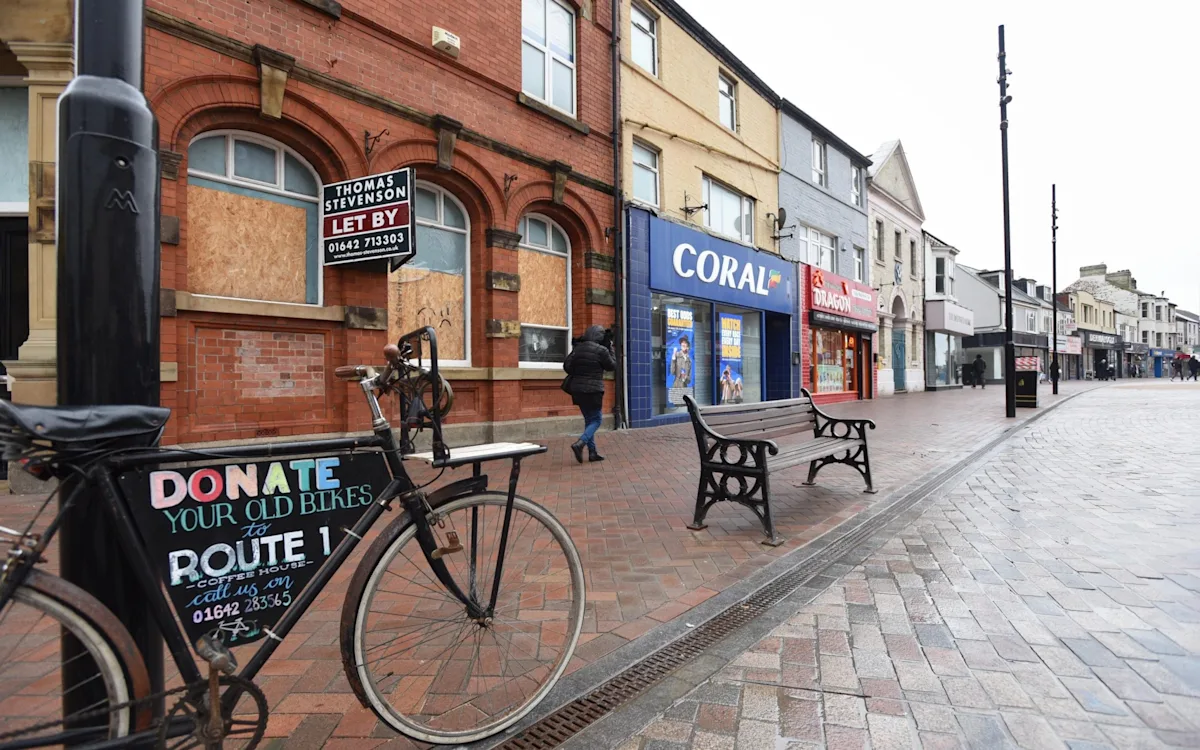
On the high street in Redcar, there’s a shop selling ornamental animals. These range from an £80 model gorilla to a large blue tit – “slightly damaged” and on sale for £2.
In the café upstairs, men with white beards stare out through rain-spattered windows. Over the road is a sweetshop with a lap-dancing bar above it. Next door, a purveyor of memorial stones.
Something for everyone then? In this former steel town in Teesside, that might once have been true. Today, a decade since the steelworks closed, the town centre feels forlorn: a scene of numerous boarded-up shop fronts, between which are glimpses of the roiling, grey North Sea. “It looks dead,’” observes Brian, 80, a former Imperial Chemical Industries (ICI) worker drinking tea in the café.
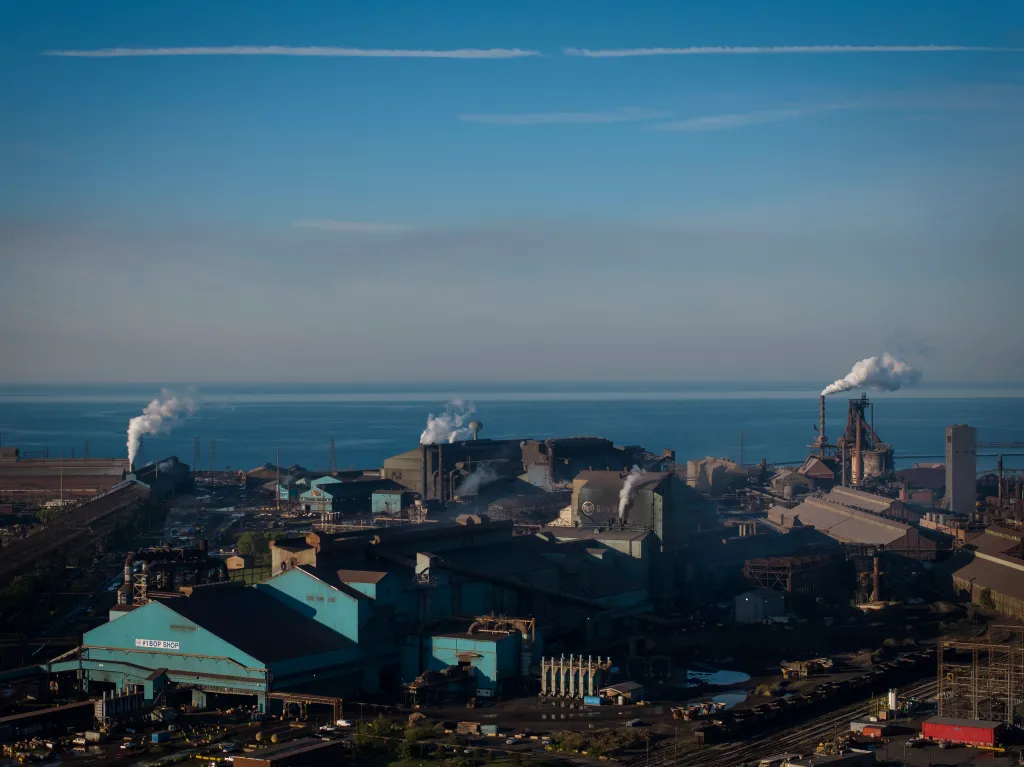
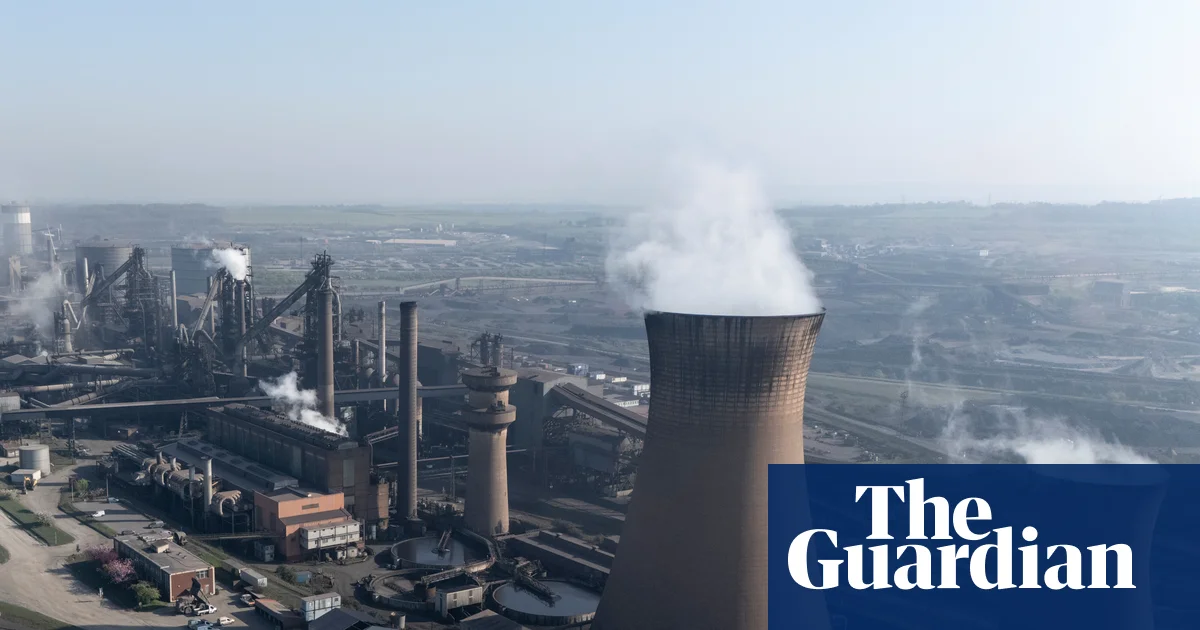
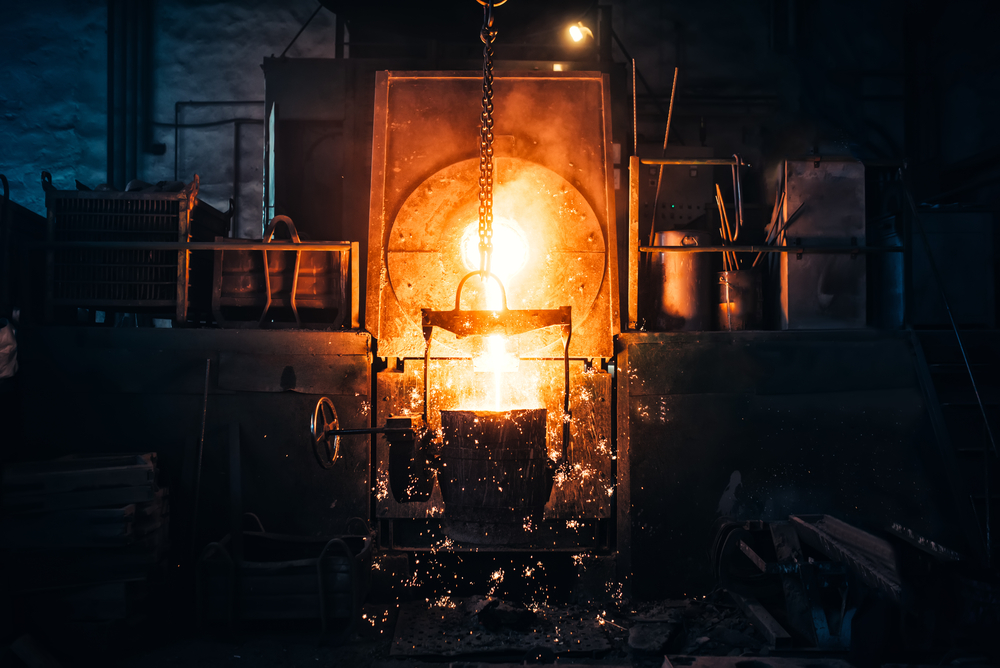
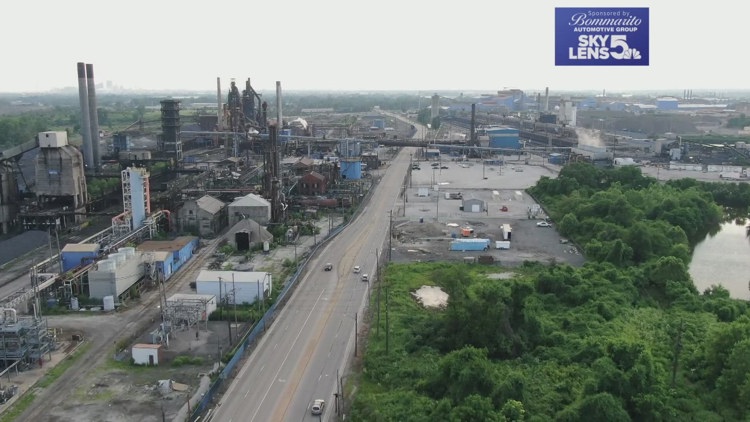
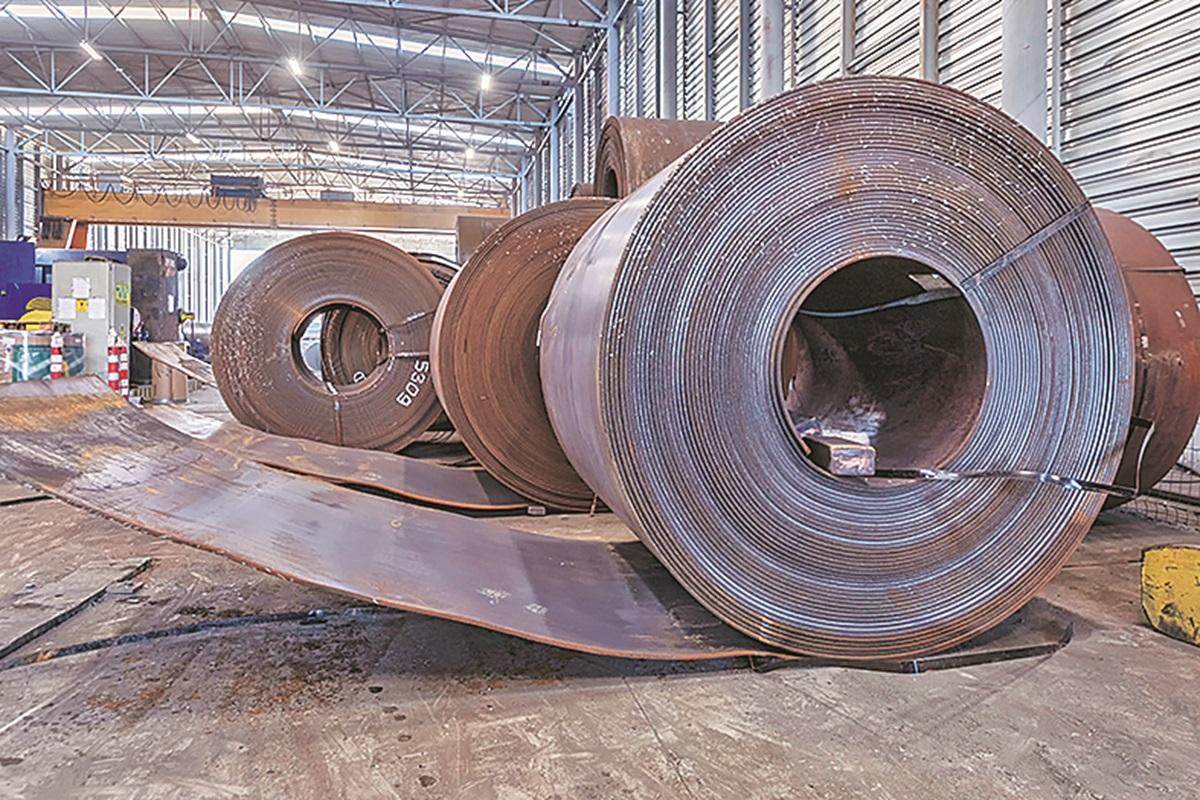
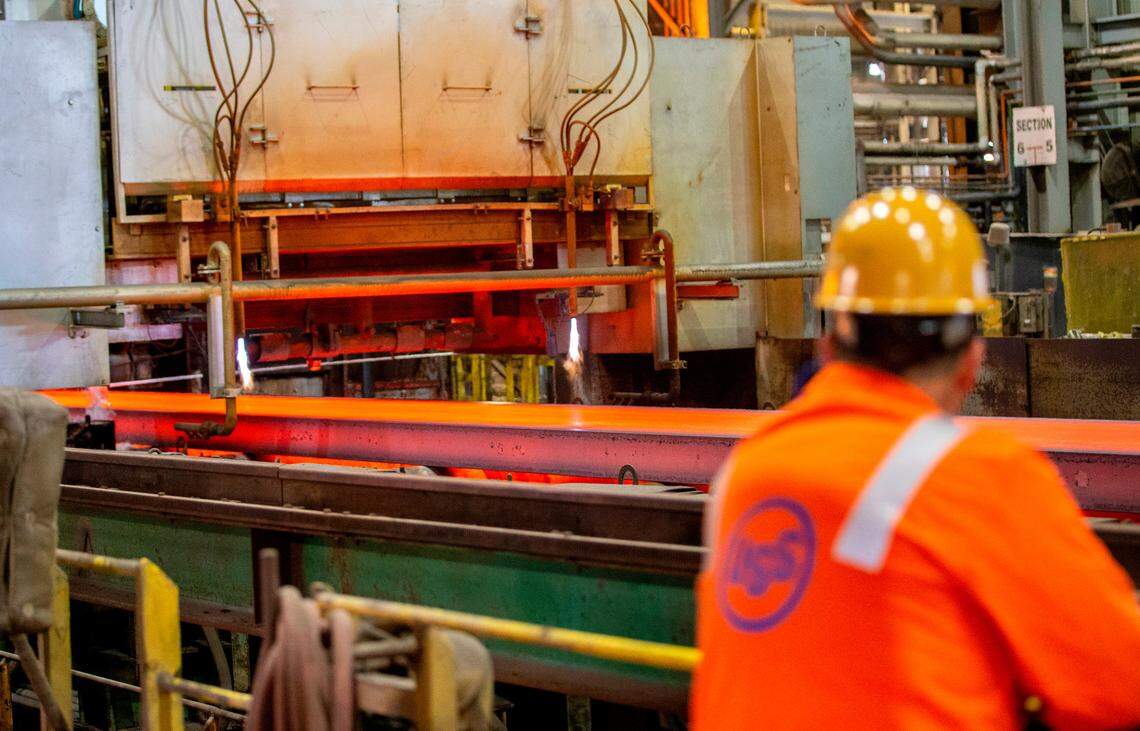
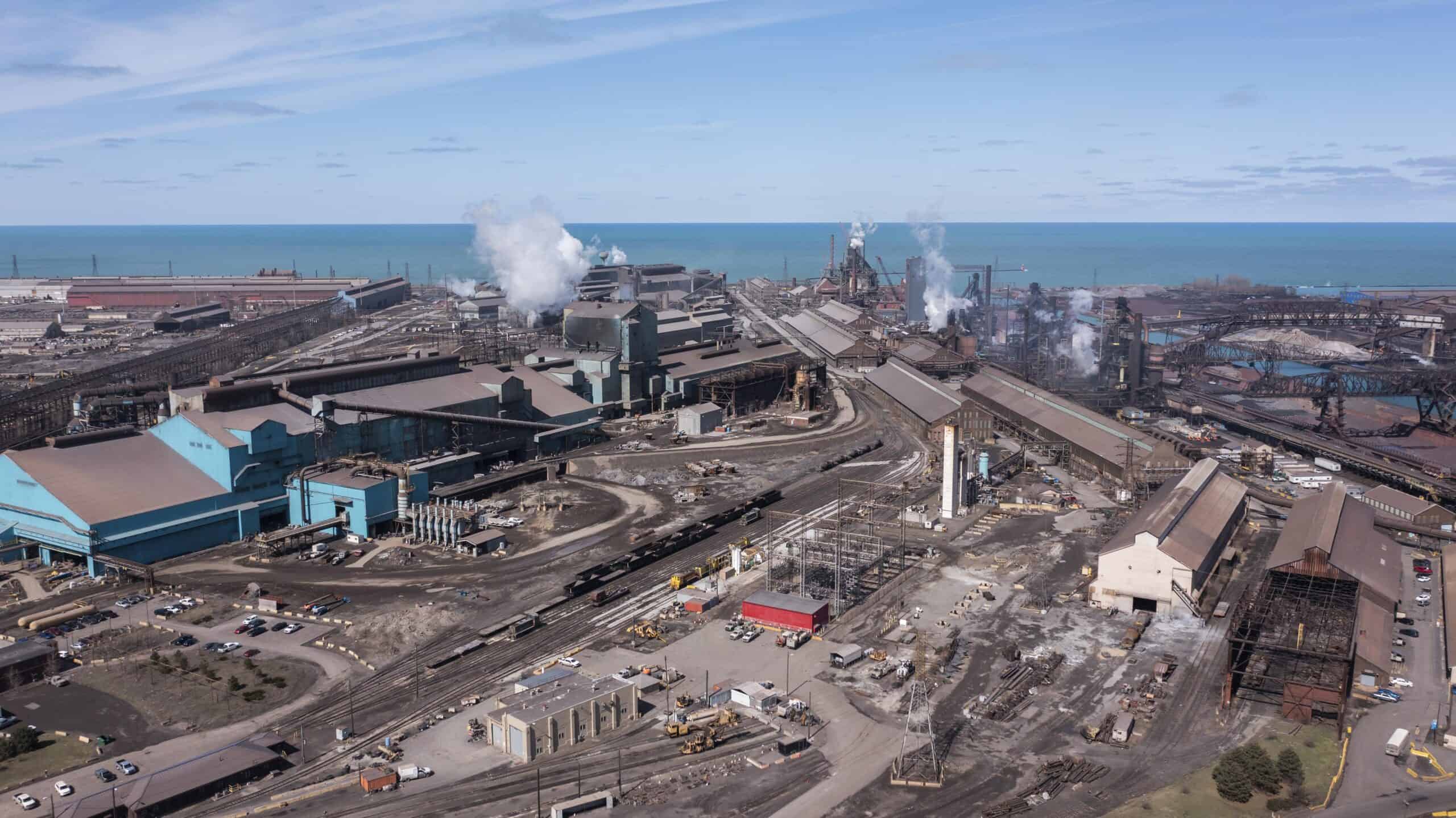
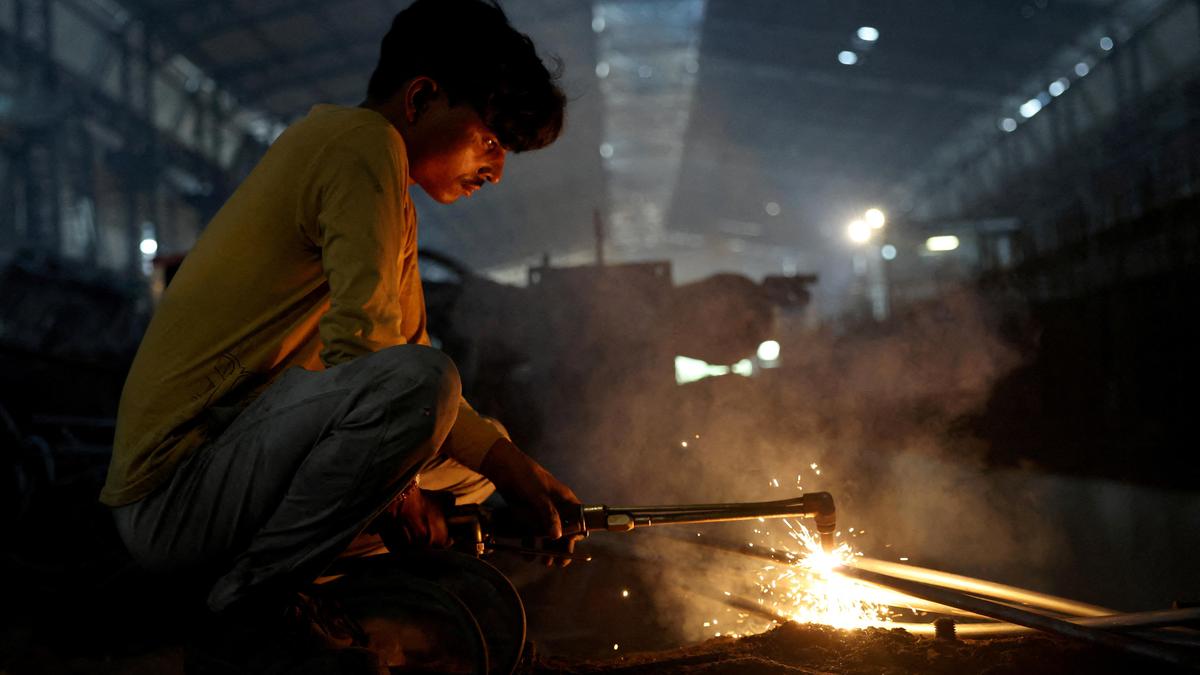
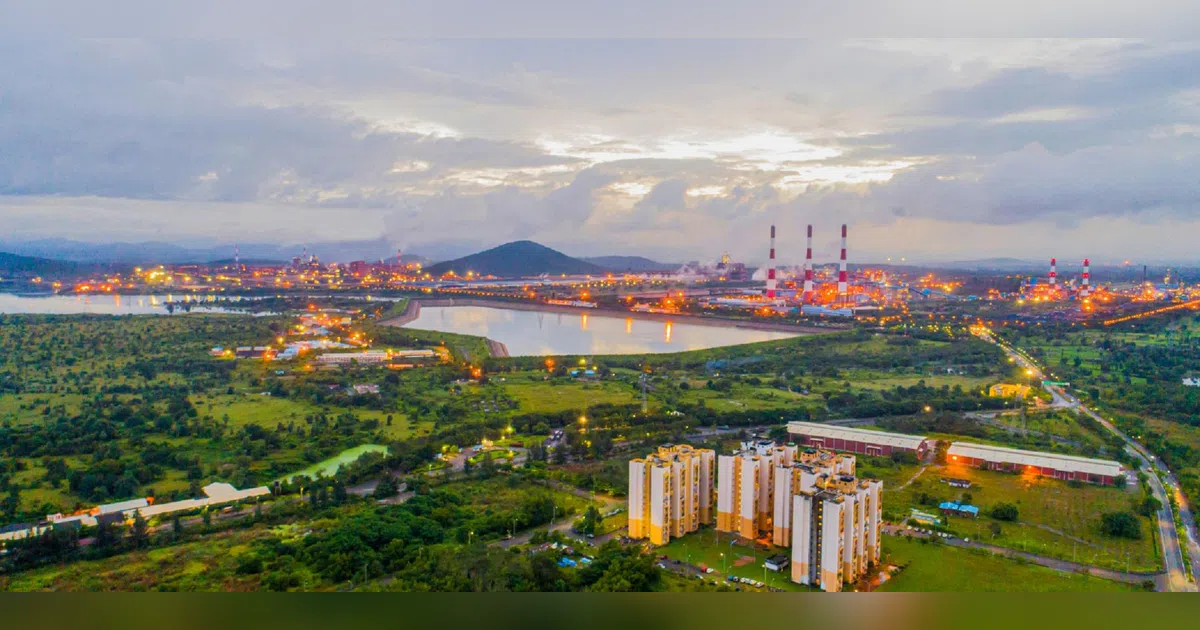
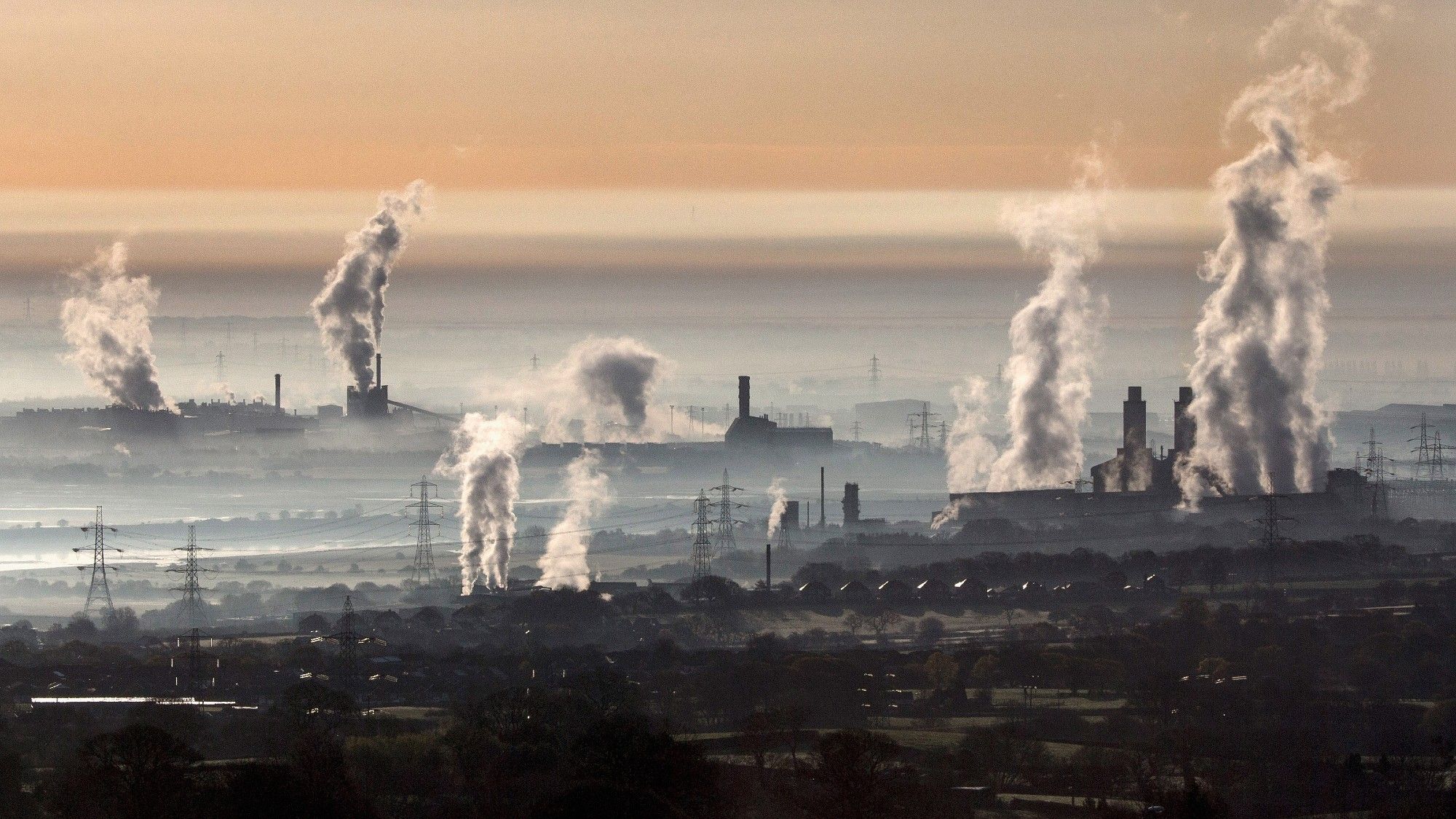
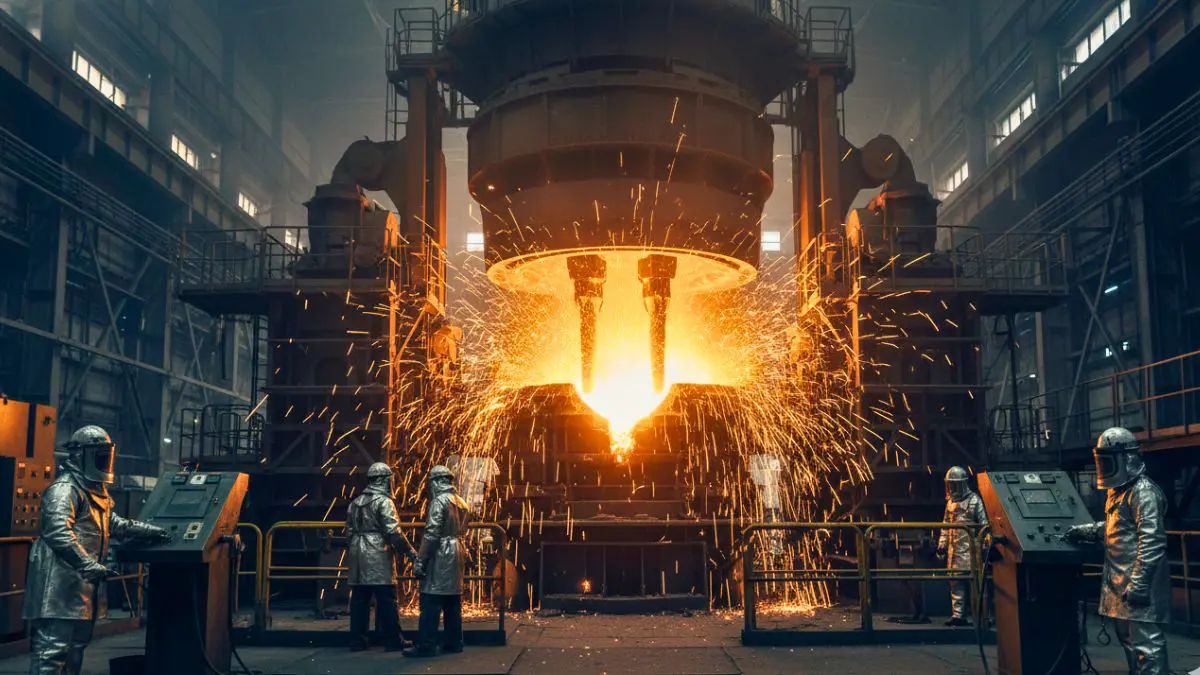
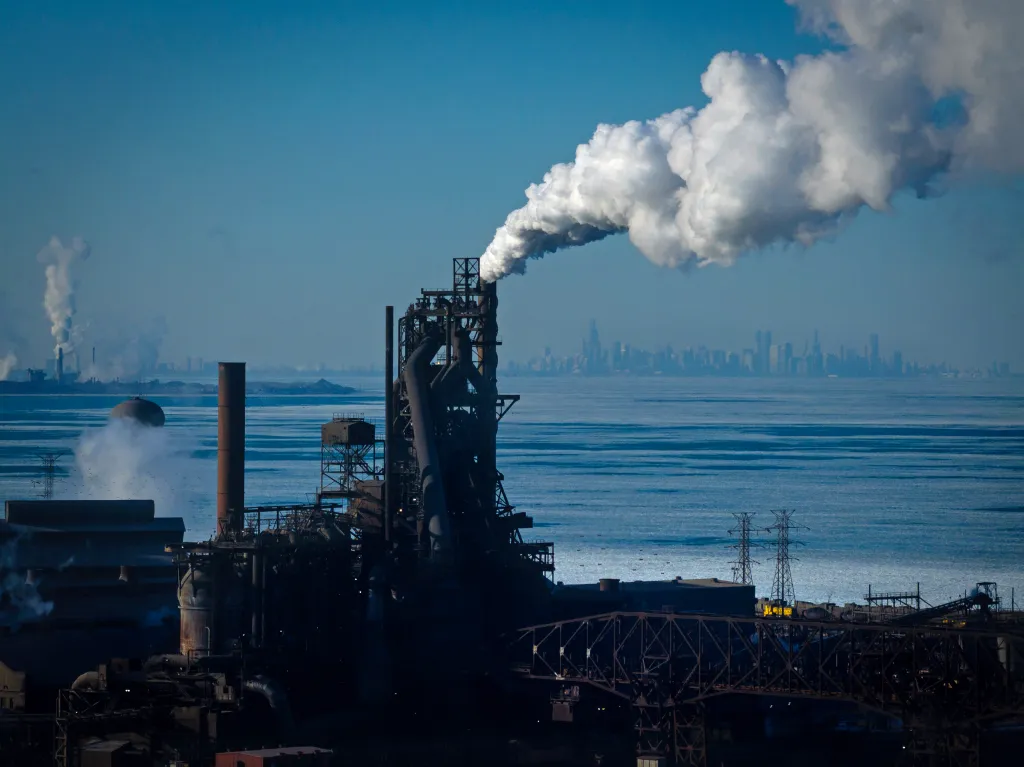
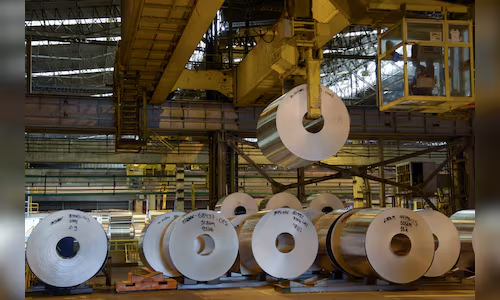
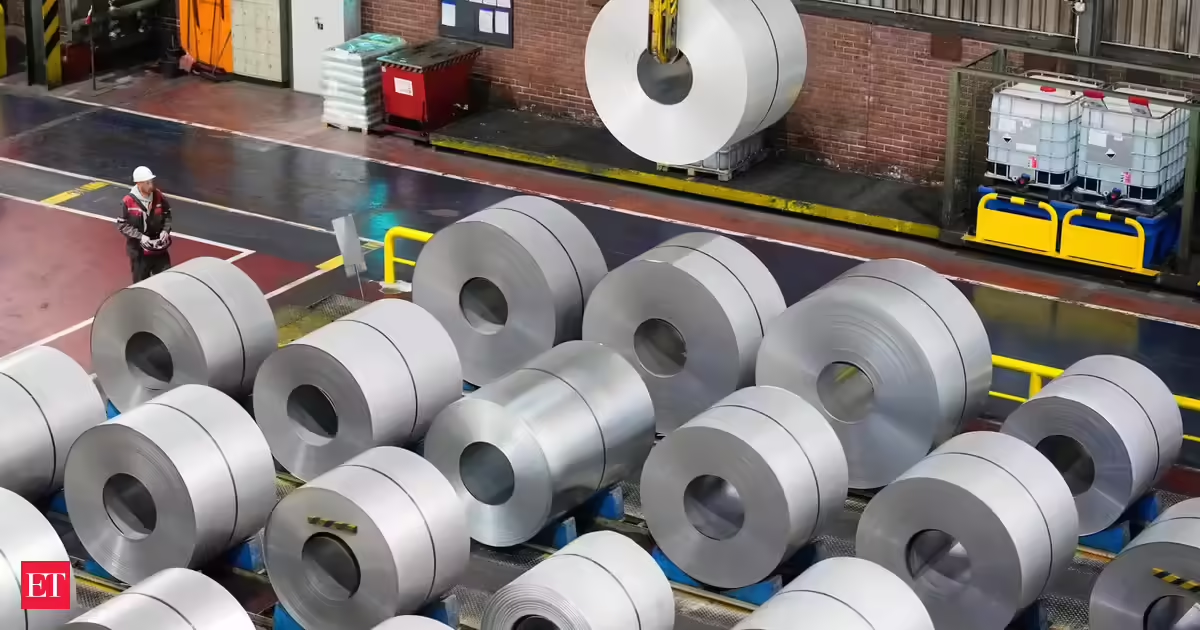
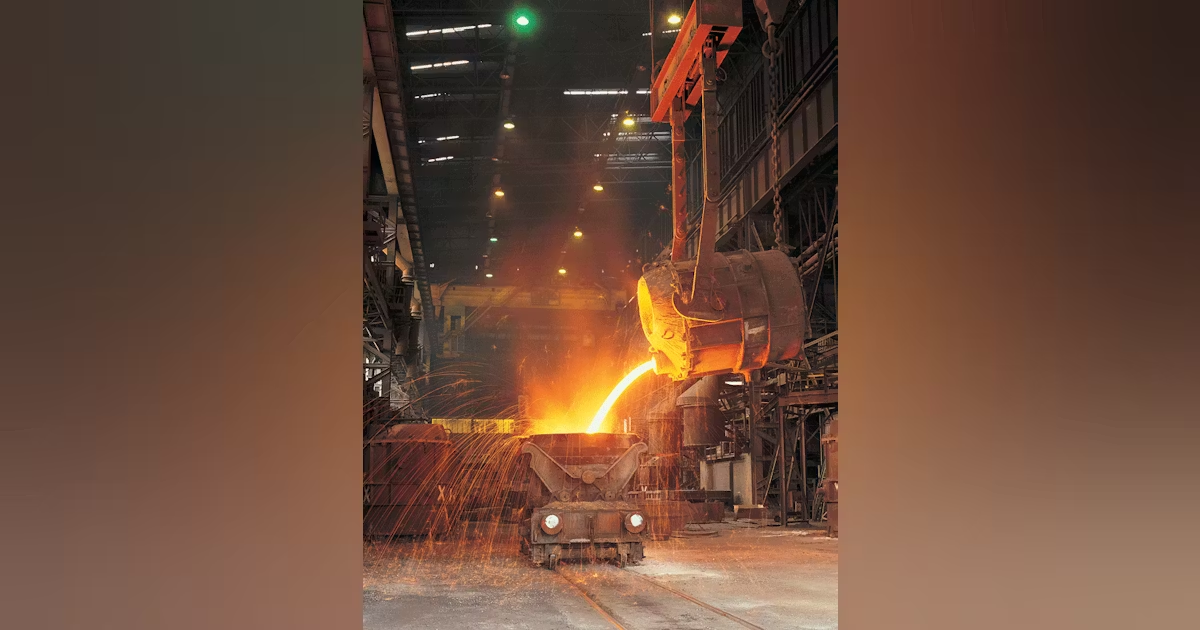
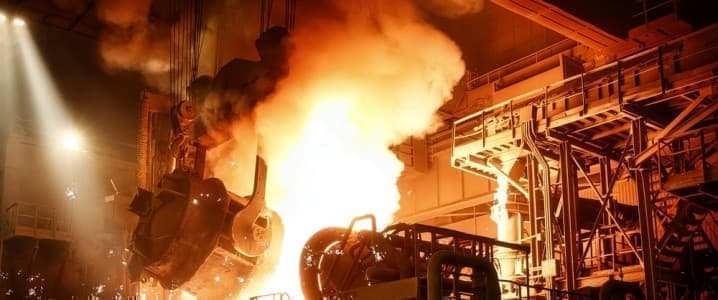
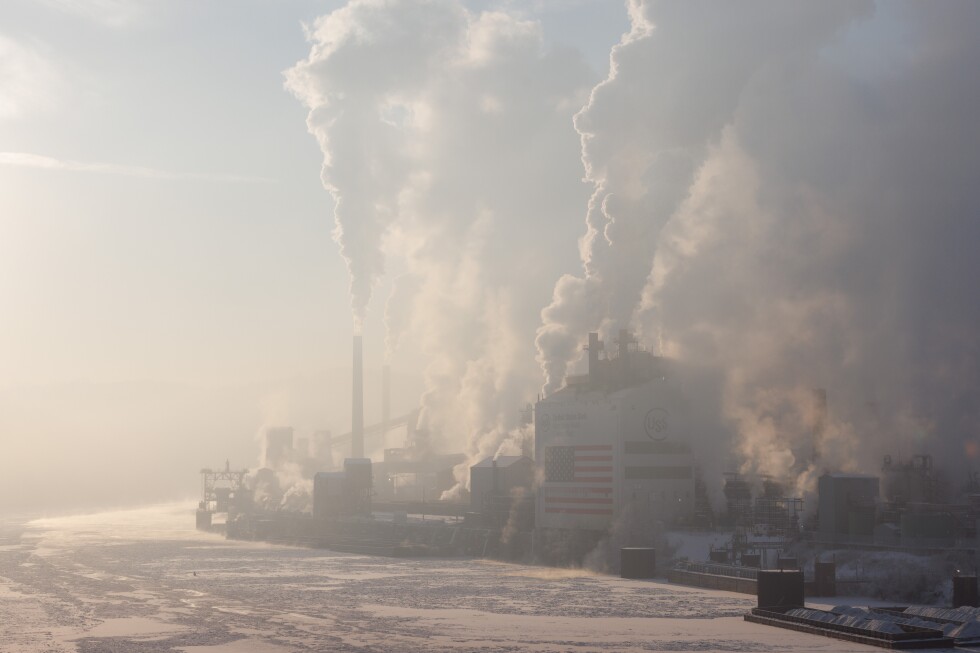
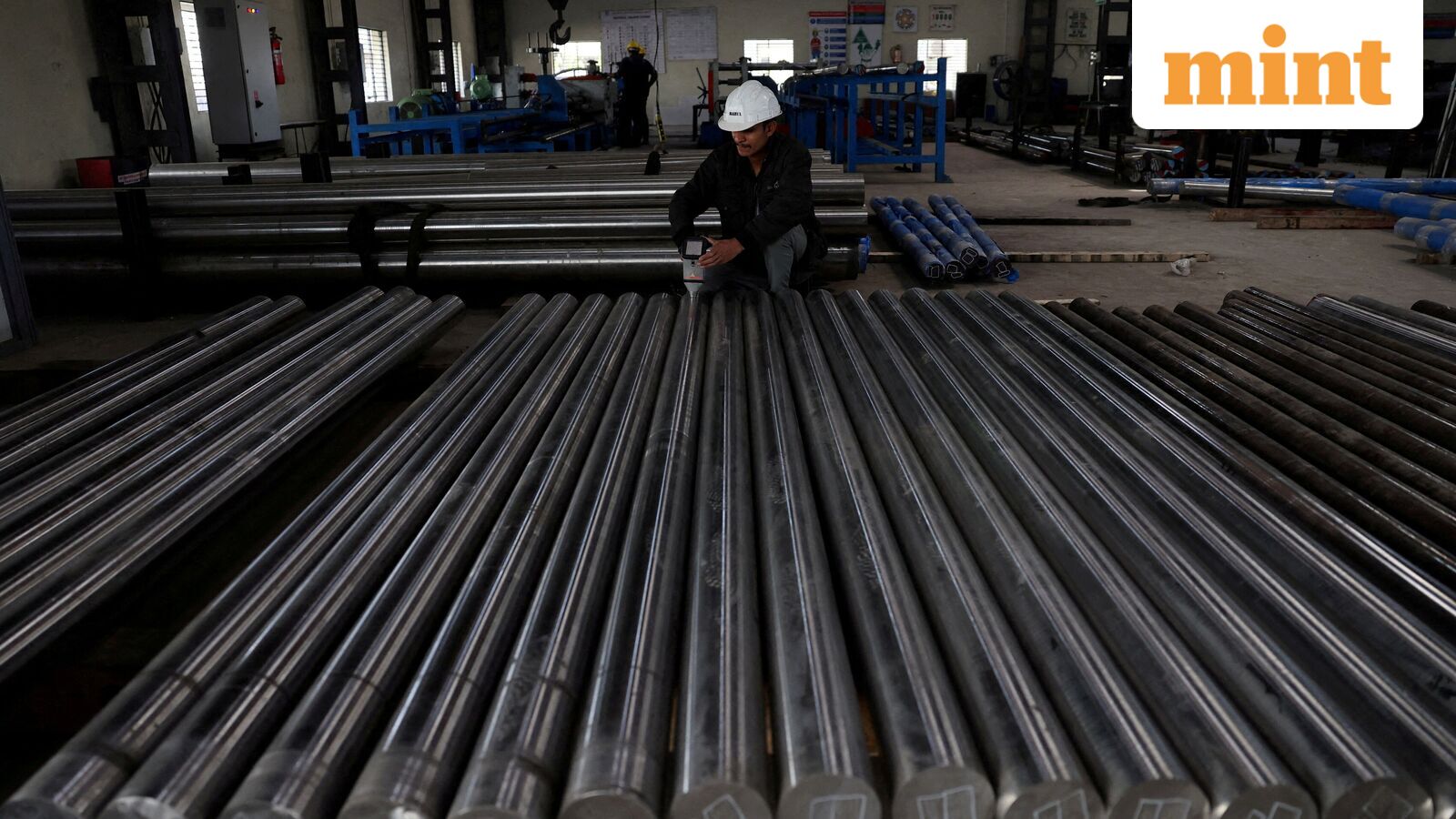
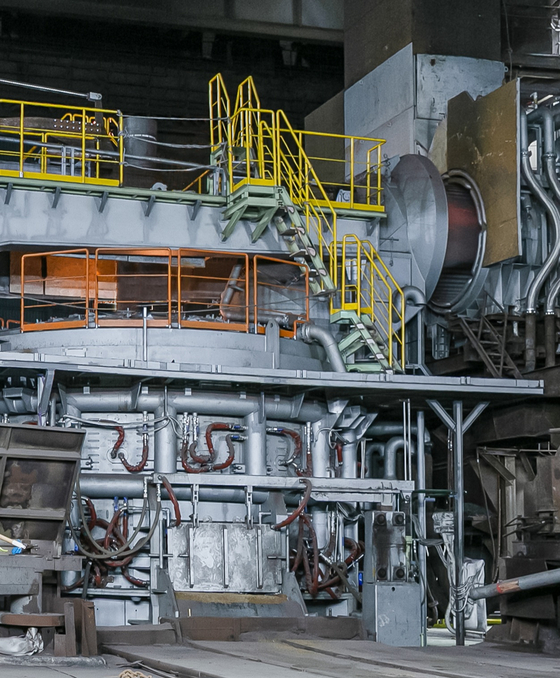
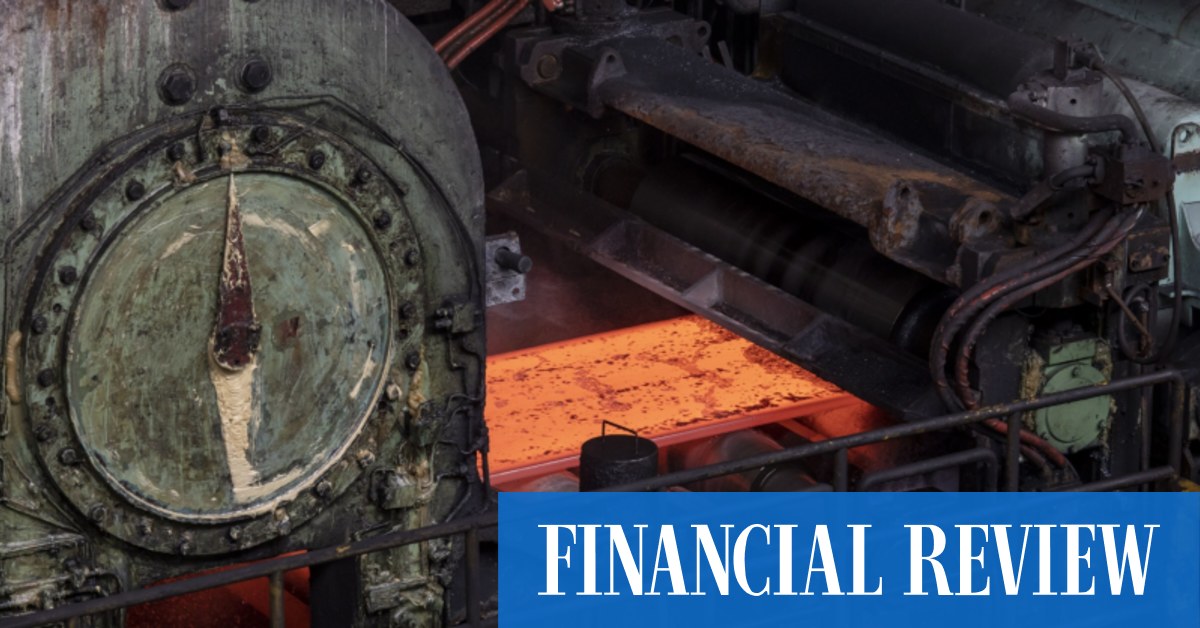
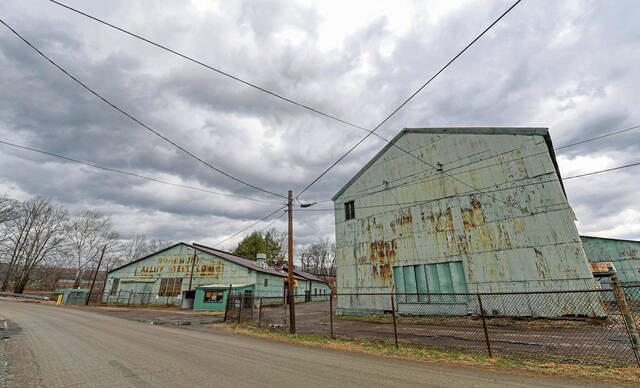
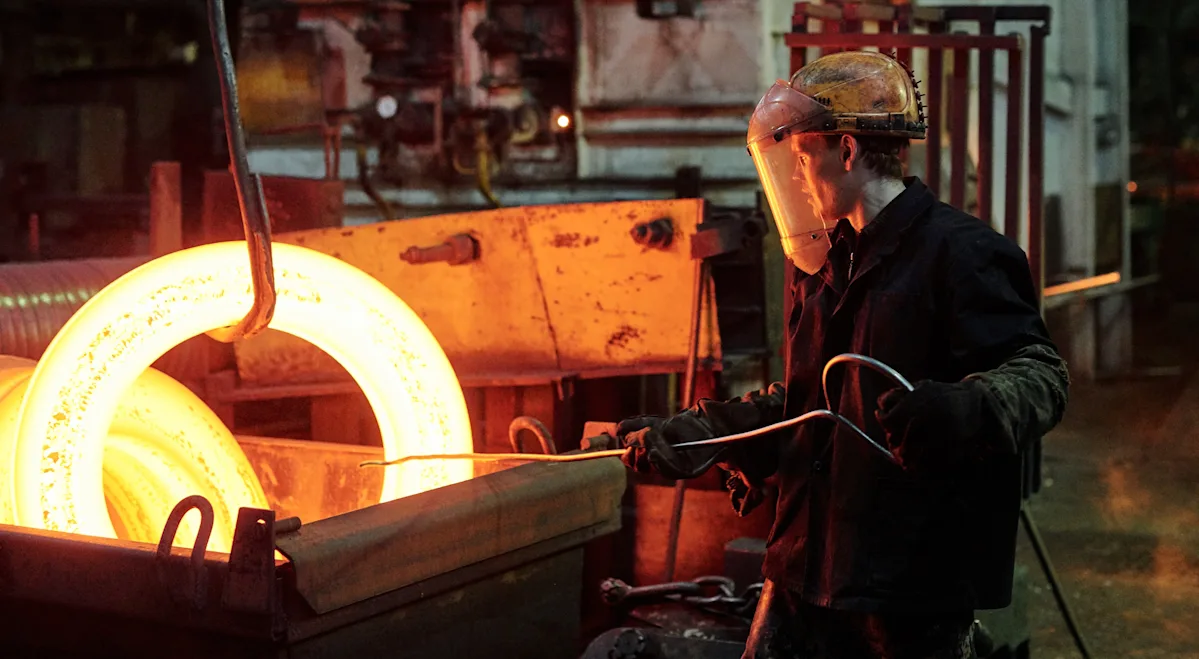
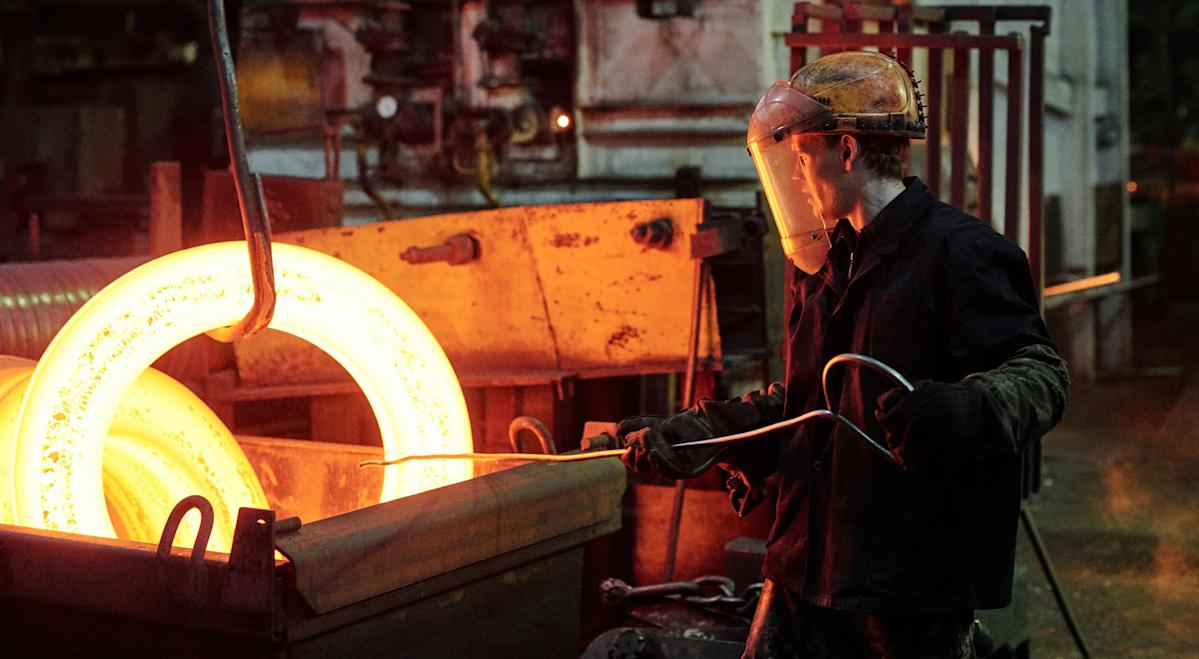
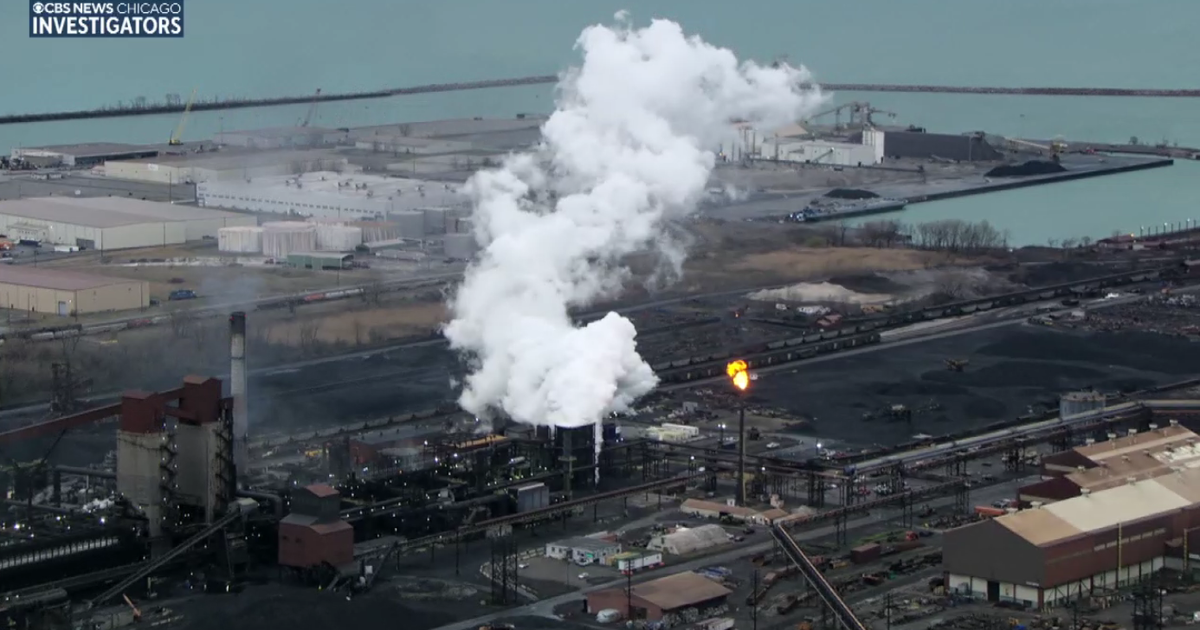
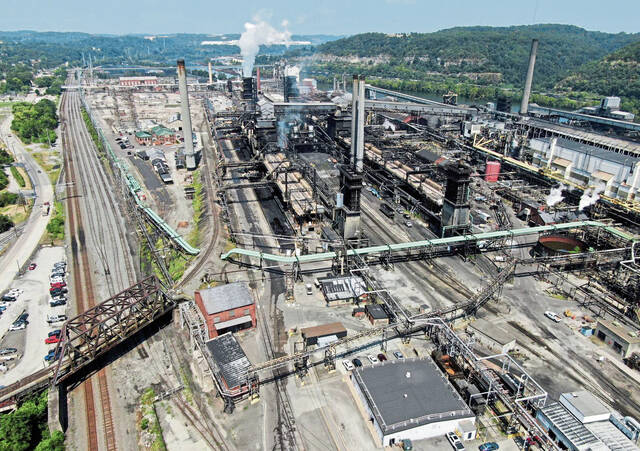
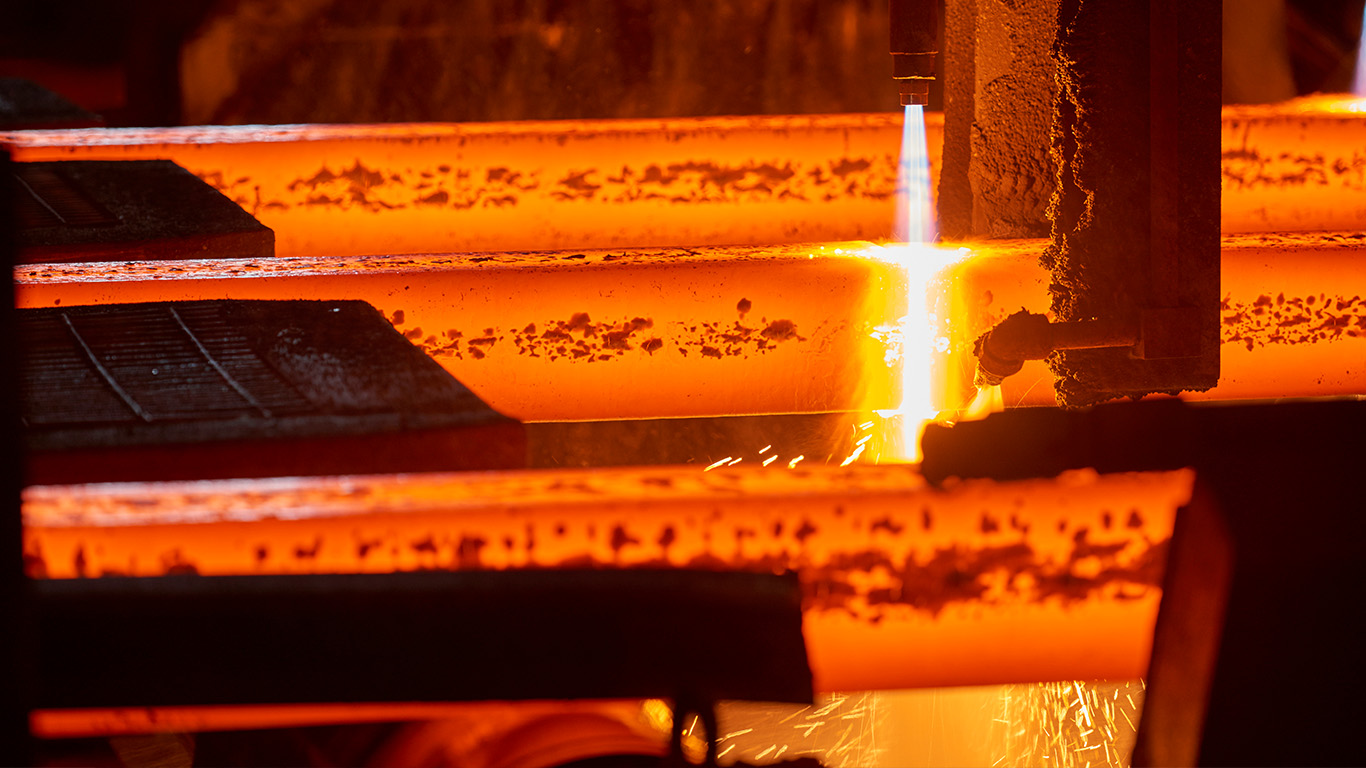
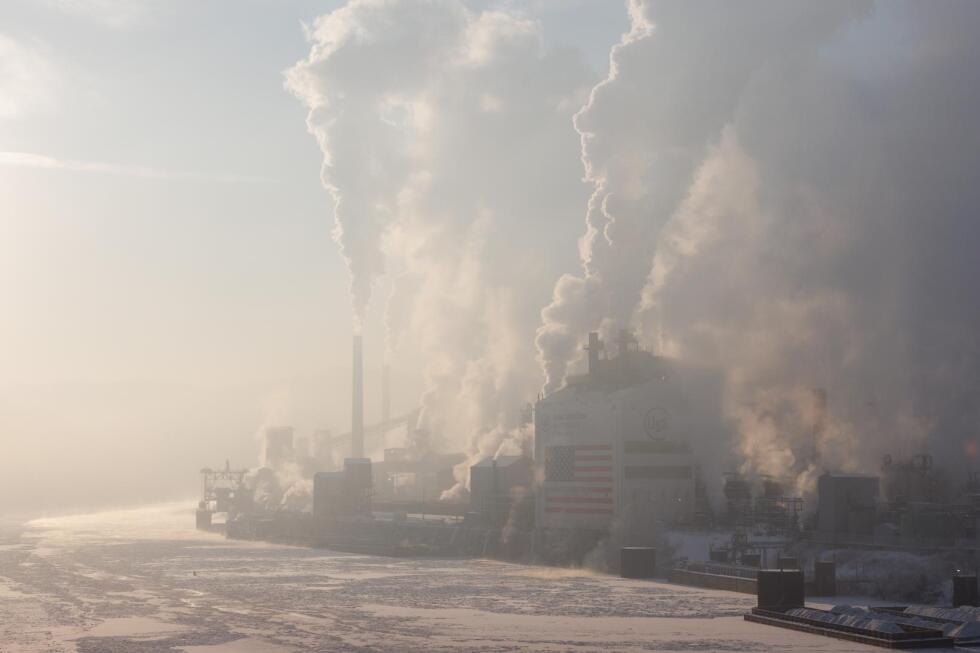
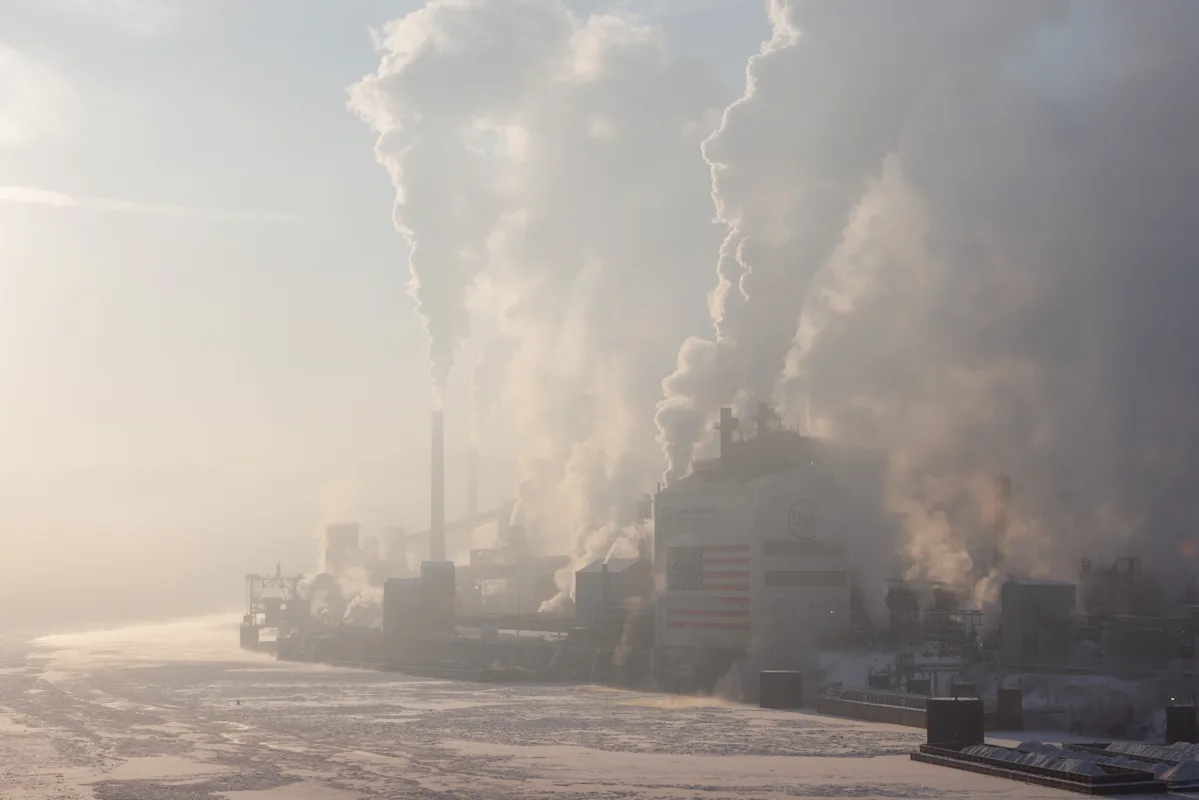
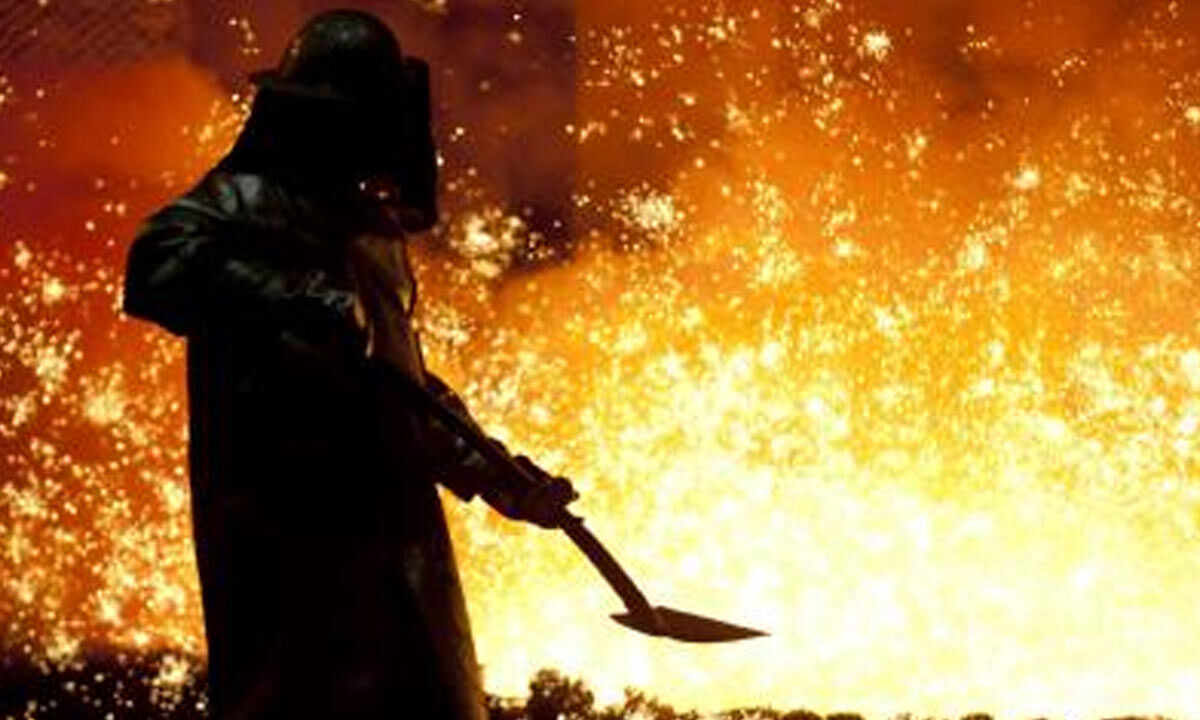
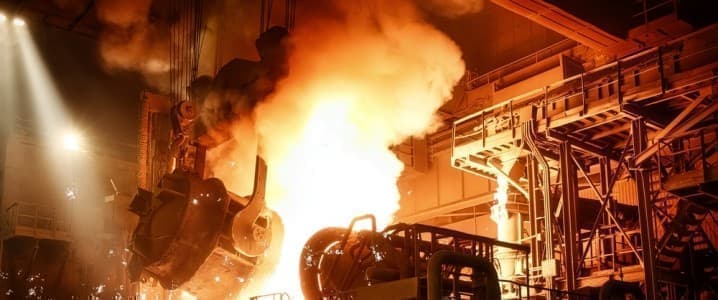
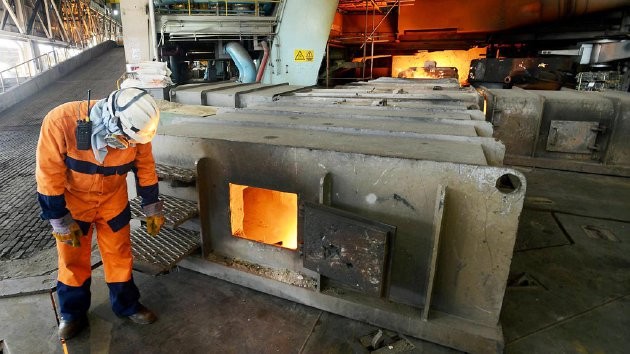
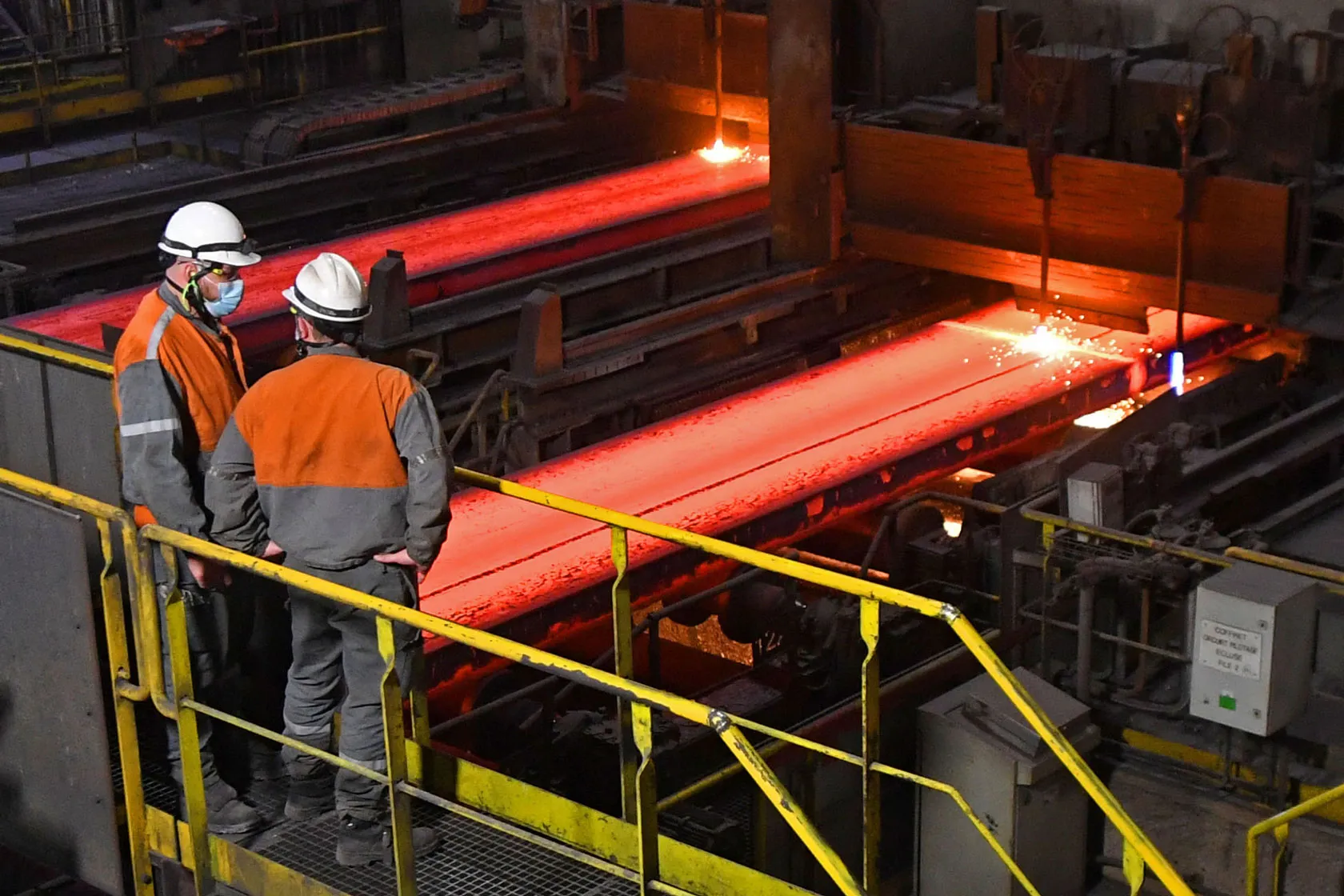
Like many such northern English communities, Redcar was hit hard after the curtain came down on its long industrial era. When the local steelmaking plant – one of the UK’s largest – was closed by Thai owner SSI in the autumn of 2015 amid a collapse in steel prices, 2,200 jobs disappeared. It brought to an end 170 years of steelmaking in this coastal town outside Middlesbrough, and almost a century of work at the site founded in 1917 by the company Dorman Long.
Today, there are grand plans to turn things around. On the vast tract of land vacated by the hulking blast furnace and coke ovens, an AI data centre will be built. It is expected to be the largest in Europe.
“We’re very confident of seeing spades in the ground this year,” says Lord Houchen, the Tees Valley mayor.
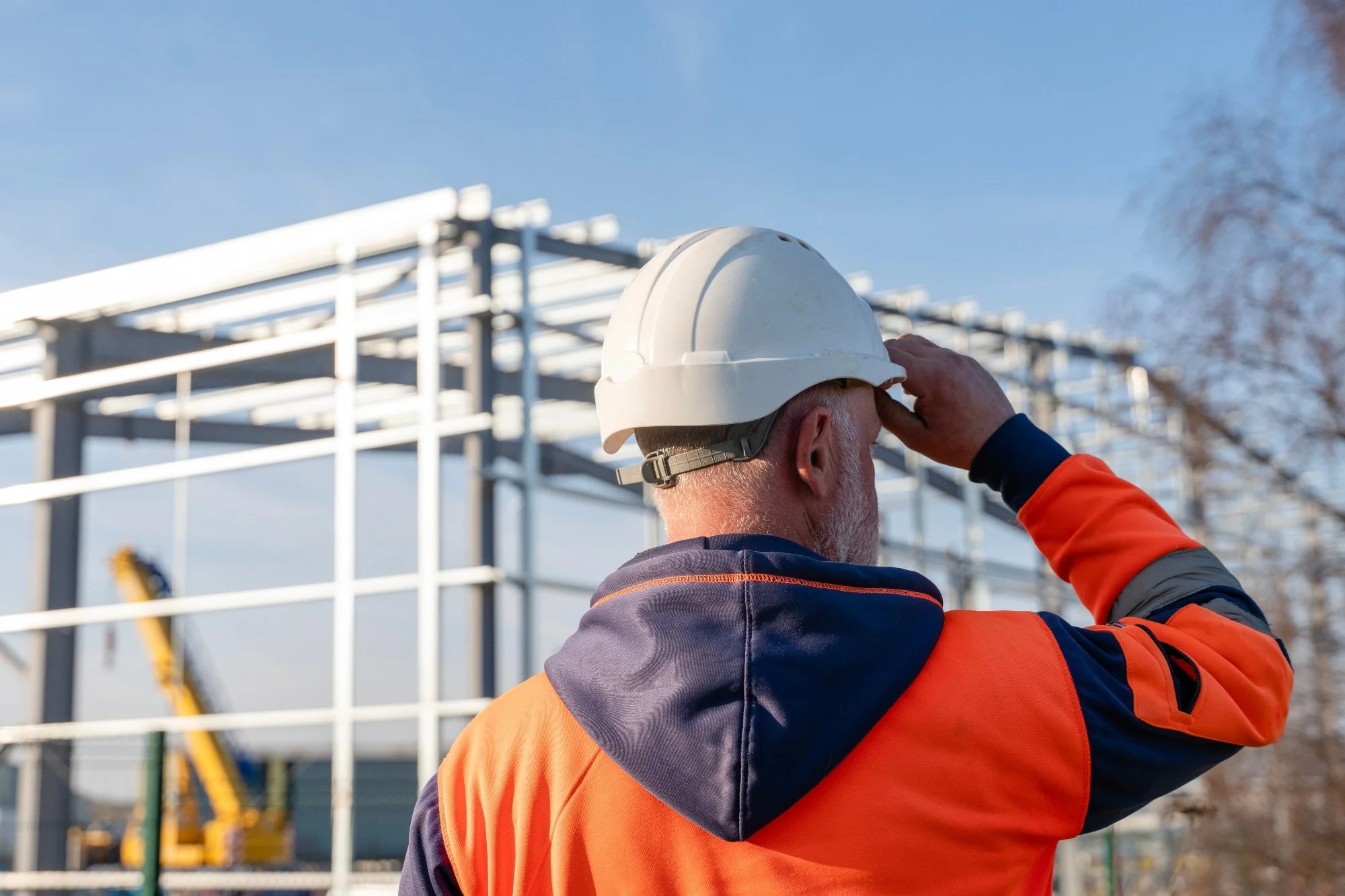
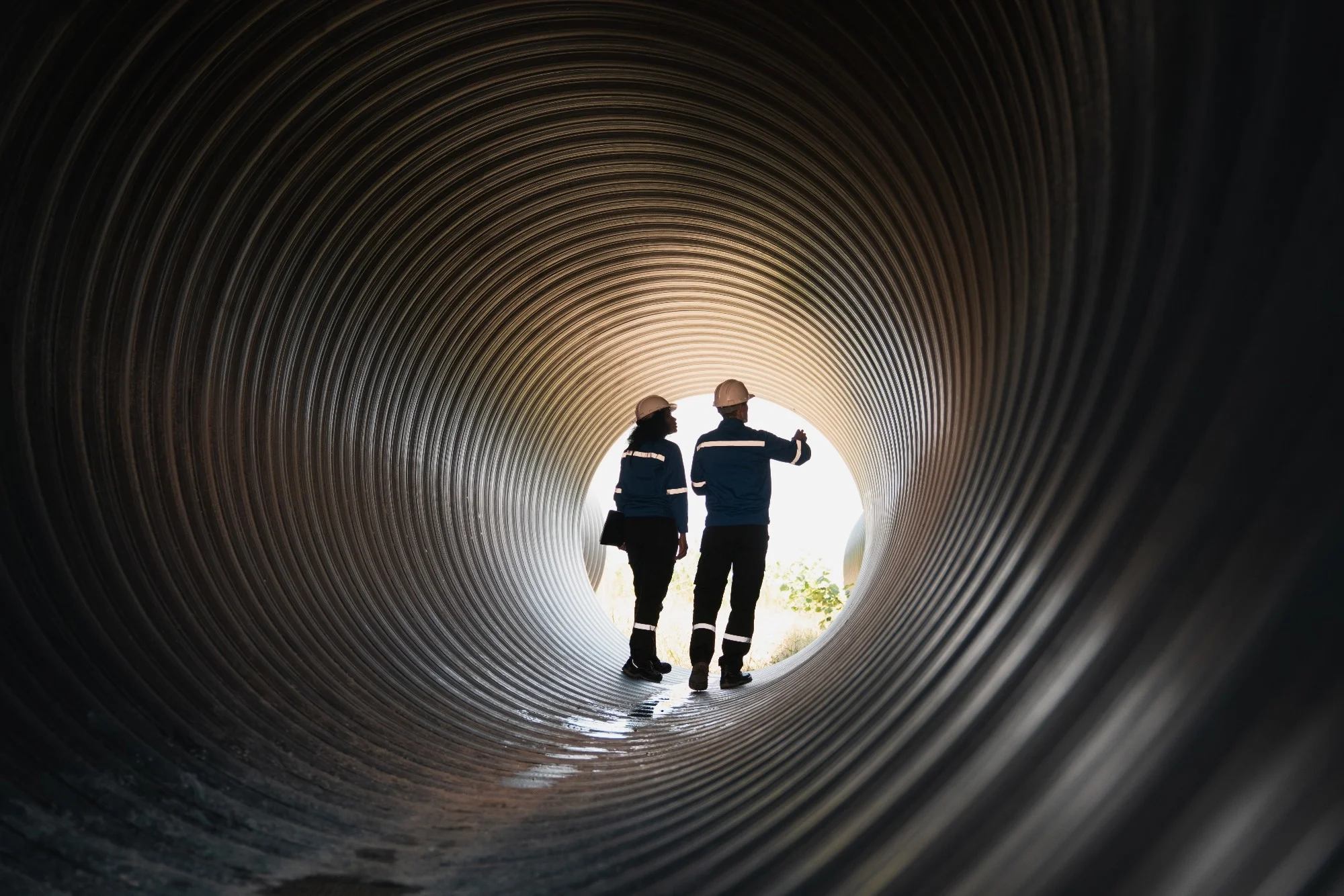
The target opening date for the centre is early 2029. Houchen says it is expected to provide around 6,000 jobs directly, before you start counting all the indirect jobs in supply chains. High-voltage electrical engineers, tradespeople, software engineers, site managers and other workers will be needed. The jobs will pay well and “a lot of the traditional skills that people have in the region are going to be absolutely essential,” says the Conservative mayor.
Which all sounds like very good news for a corner of north-east England that has suffered deeply since its purpose was swept away by the unstoppable tide of economic logic.
Many former steelworkers struggled to secure new jobs after the plant shut down, and some of those who found work elsewhere had to accept big wage cuts. Within a couple of years or so, houses started to be repossessed.
Four in 10 children in Redcar and Cleveland are growing up in poverty, according to the local council. GDP per head is significantly below the national average.
“Some of the most extreme poverty we have in the UK exists within the Teesside region,” says Houchen. “You can help people and provide support, but unless you solve the cause, which is fundamentally a weak economy caused by the deindustrialisation of the area, then you’ll never tackle the fundamental problem.”
But a question mark hangs over what it means to remove and replace not just an industry, not just jobs, but their less tangible accompaniment: the sense of local pride and self-identity.
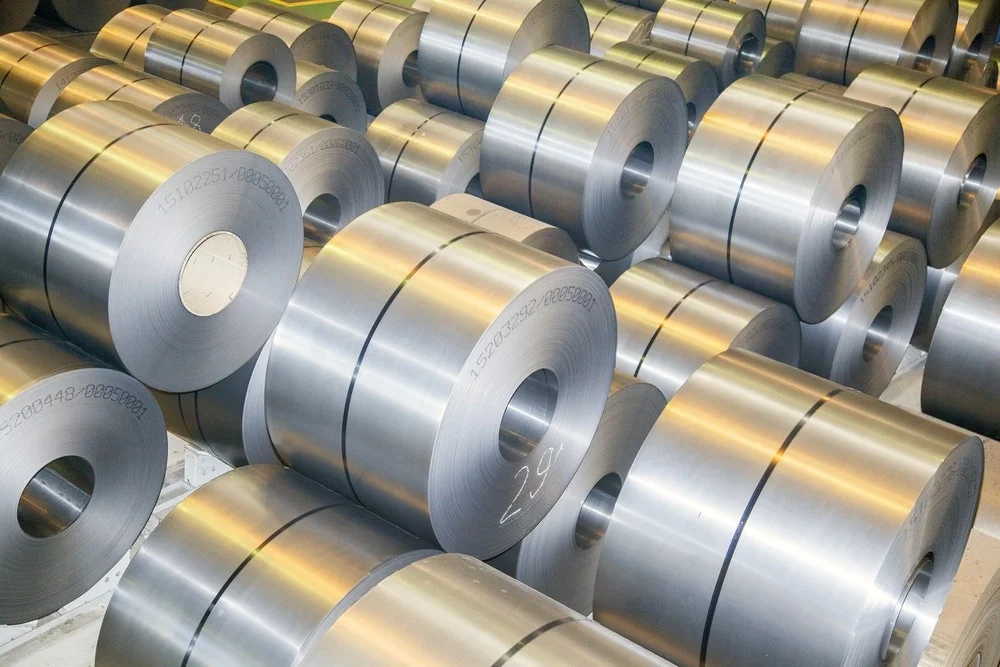
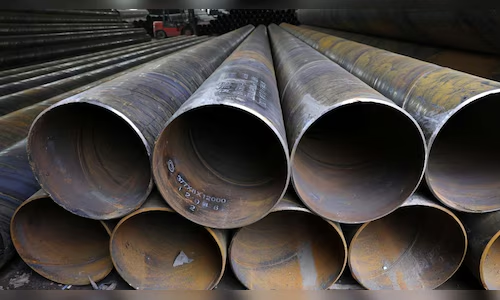
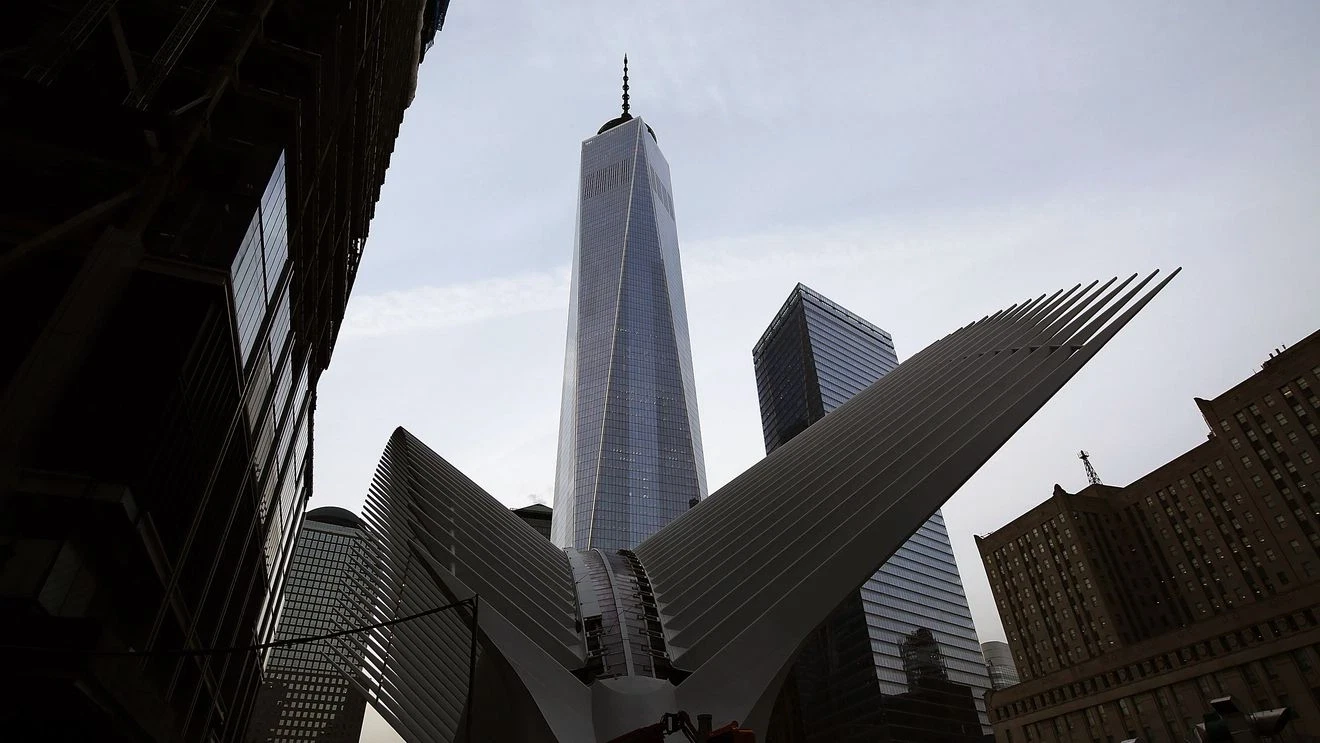
The Sydney Harbour Bridge was built with Redcar steel – a fact of which many locals were, at least in the past, well aware. Now, their pride is tinged with a lingering sadness. Because the lumbering industrial sights that once loomed along the shoreline – the chimneys, the tower, the blast furnace – have gone. Looking north from Redcar Beach, you can see a windfarm instead.

The Sydney Harbour Bridge under construction in 1930, using Redcar steel – Fox Photos/Hulton Archive
So what does it mean to swap out a long-standing industry around which people built lives, identities, communities, and put in its place the infrastructure of the information age?
“I don’t think a data centre will bring a sense of pride as steel did, because you’re just storing something there,” says Jade More, a volunteer at Link, a mental health charity with a base on the seafront. “You’re not making something, you’re not putting your stamp on something, you’re not building something.”
The data centre itself will be built on remediated land once occupied by the part of the steelworks called the Sinter Plant, where raw materials were processed for use in the blast furnace. The white heat of data centre technology is of a very different nature. Data centres – which are key to Labour’s economic growth plans – house the IT infrastructure for training and delivering AI services. Instead of iron ore, there will be servers and storage systems.
“Steel pulled people together and gave them an identity,” says More’s colleague Carl Sims. “ People say it built the world.”
Whether servers and storage systems can do the same here remains to be seen. But local residents are under no illusions that steel is coming back.
That was the past, says Sims. “There’s an element of that traditional industrial working class life that has gone.”
After the industry went, the families who had for generations relied on it were left to deal with the emotional fallout. There was apathy, boredom and anger. “That,” says Sims, “can manifest as mental health [issues], drug abuse, domestic violence.”
On the upside, the air is now cleaner, he points out, and Redcar has tried to reinvent itself: with restaurants, music venues, a micro pub in a former amusement arcade.

Rusting railway tracks at Teesport, the site of the demolished Redcar steelworks and the proposed home of a huge data centre – Bradford Council/Guzelian
Inside another drinking establishment, the Hop & Grape pub on the high street, older men shelter in the warmth nursing their afternoon pints. Among the drinkers keeping the foul winter weather at bay is Norman, a 67-year-old former shipyard worker, who sounds a despondent note.
One of his children has moved to the Middle East to teach. “It’s a better life,” he says. “There’s nothing here, it’s depressed, jobs-wise and social-wise.”
Norman doesn’t have high hopes that an AI data centre will be the answer to the town’s problems.
“A data centre is all we need,” he says, with heavy sarcasm. “We’ve got loads of data here.”
Others are more pragmatic. The steel days are gone, says his drinking companion, who doesn’t want to be named. “You’ve got to move with the times.”
Drinking at the bar, Dave Devenport, 73, welcomes the plans for a data centre, which can only help reduce unemployment in an area where, he says, “the young ones have no prospects”.
But he doubts whether it can pull off the tougher job of replacing the sense of community that’s been lost.
For 23 years, Devenport worked as a crane slinger at the steel plant. He remembers the Redcar of old as a town that was “always busy, [with] everyone in and out of the shops – really bouncing”.

The King Edward VII memorial clock in Redcar. The town centre used to be ‘always busy… really bouncing,’ says local Dave Devenport – Bradford Council/Guzelian
He made what he calls a “decent amount of money”. British Steel, he says wistfully, was a job for life.
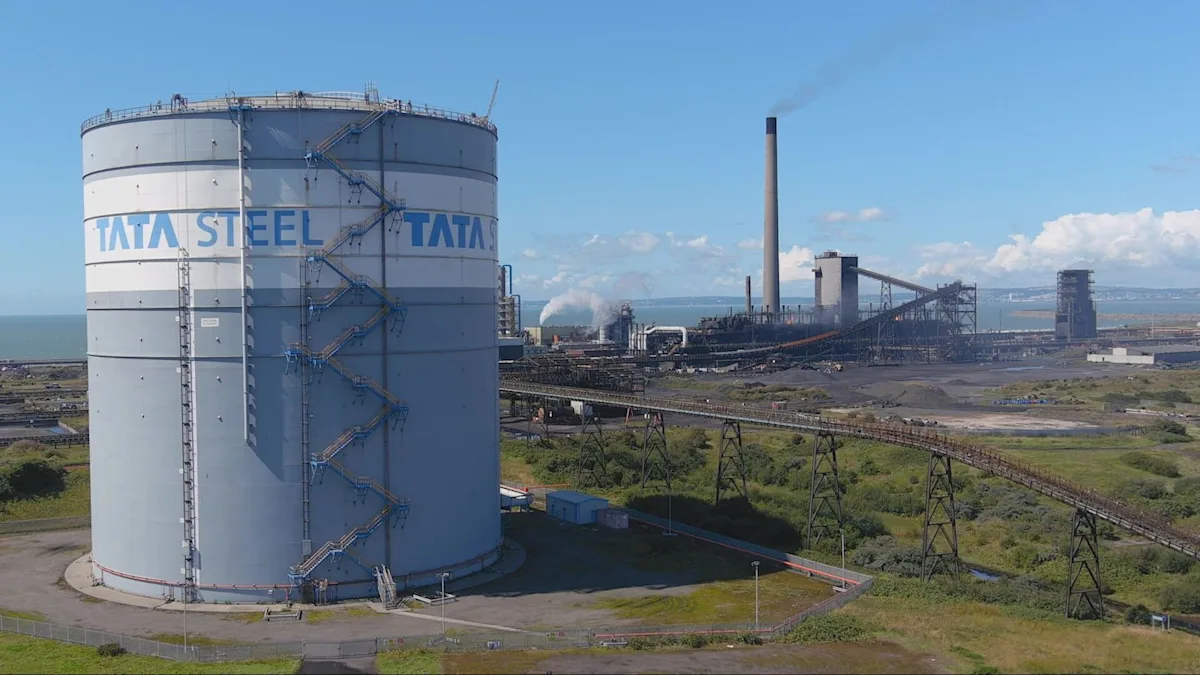
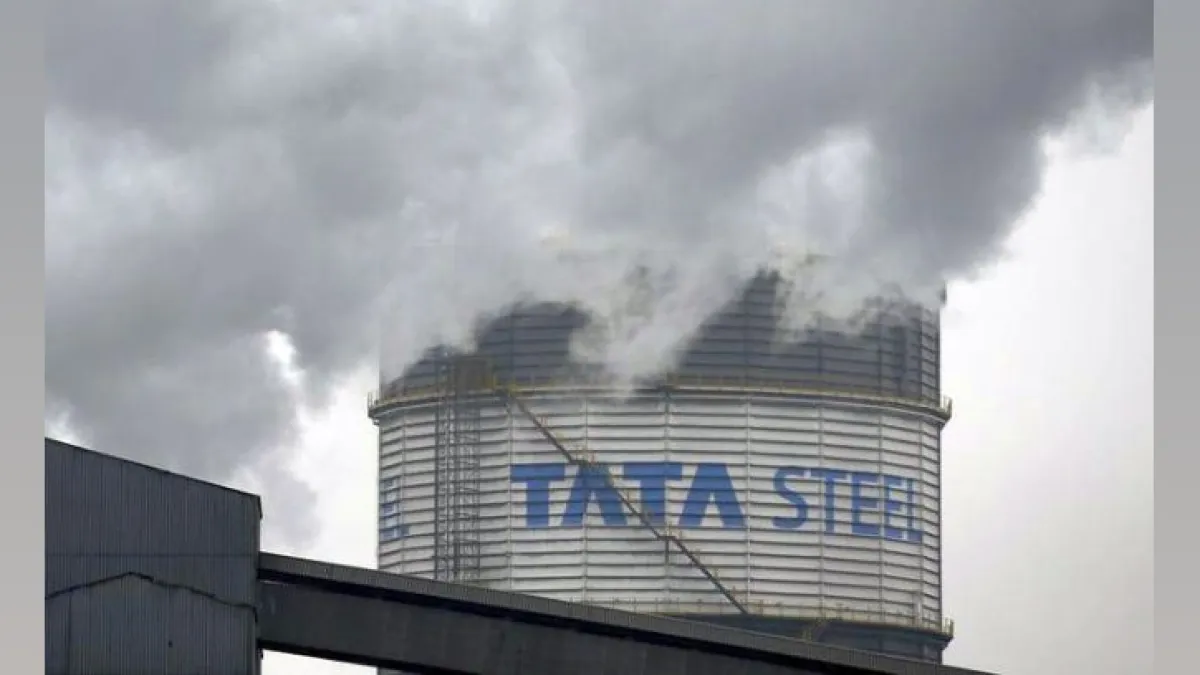
But British Steel had left years before the site closed. In 2007, the plant was taken over by Indian firm Tata Steel, then by SSI in 2011.
Its ultimate demise – following that of the ICI chemicals sites in Teesside – “killed the town”, he believes.
“Everything [here] is a barbershop, kebab shop or charity shop 1773223830,” agrees his friend Ken Riley, 71, another former steelworker, whose throat cancer has left him with a hoarse, rasping voice.
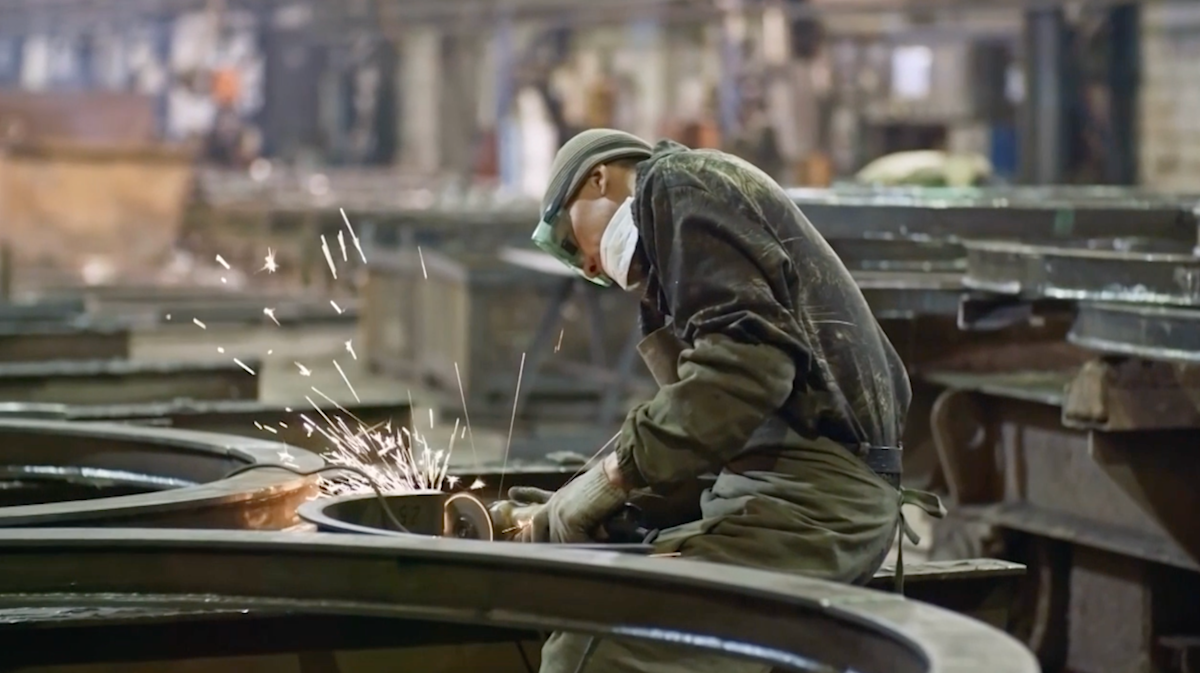
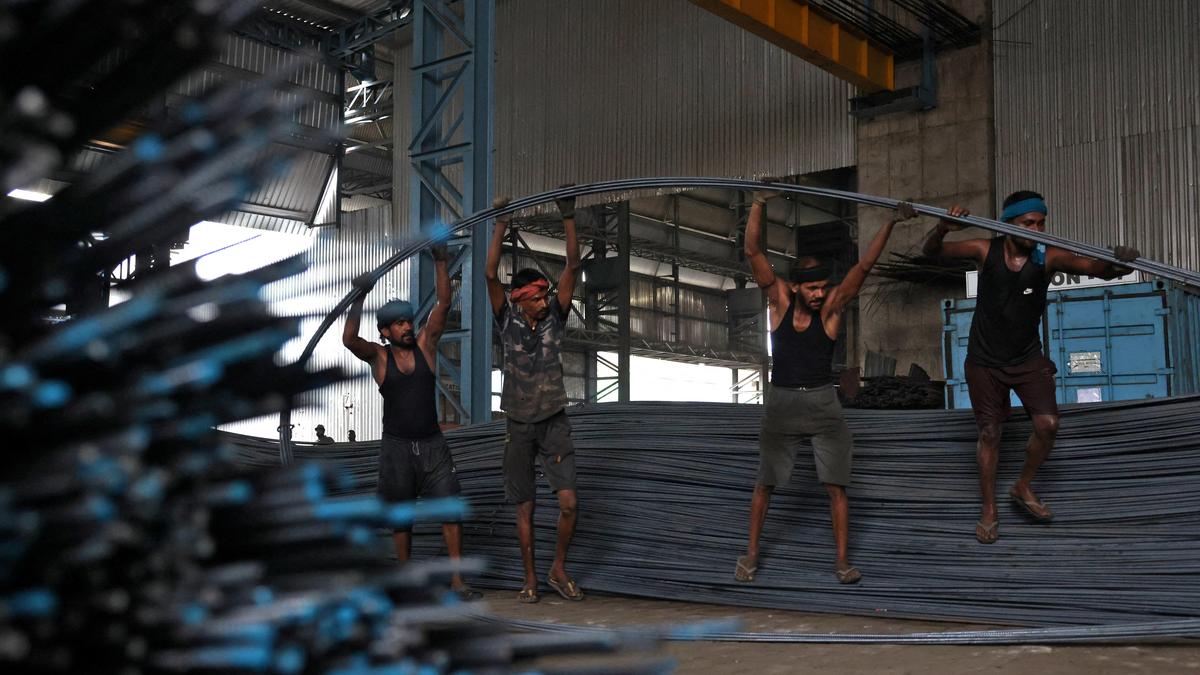
The hard, hot, smelly and filthy work in steel had its dark side. While it may have provided a sense of purpose, some people worked themselves to death.
“That’s where I think I got the asbestosis,” says Devenport. “Quite a few people who worked down there have died of it.”
He was diagnosed with the lung condition in 1995, one of a number of steelworkers who contracted it after working in steel plants between the 1950s and the 1970s.
Today, male healthy life expectancy in Redcar and Cleveland is 55.5 years, compared to the national median of 60.6, according to Office for National Statistics figures.
Outside, beneath a washed-out sky, more men stand smoking near the doors of other pubs along the road. It is quiet, save for the screech of the seagulls and sporadic rumble of traffic.
Colleen Cassidy, 56, has stepped onto the pavement for a vape. Her husband and son were steelworkers. When the steelworks went, “you felt like your life was ending”, she recalls. It is said that grown men cried.

Lord Cameron’s Conservative government at the time pledged tens of millions of pounds to support those who lost their jobs. This included funding for retraining and to help workers start their own businesses.
Yet there remains here a sense of bitterness towards a political class perceived, over successive administrations, to have left Teesside to its fate. With it, there’s a keen awareness that raking over history won’t bring back lost time.
Cassidy is among those who believe the town must move on to survive. “AI is the way forward,” she shrugs.
Less than a year after the steelworks closed, Redcar and Cleveland voted for Brexit by a decisive 66.2 per cent. Then, in 2024, Labour gained the parliamentary seat of Redcar from the Conservative levelling up minister Jacob Young.
Levelling up, though, is still the name of the game here. The brownfield land where the steelworks stood is now given over to Teesworks, which bills itself as “the UK’s largest and most connected industrial zone, home to diverse, sustainable and low-carbon activity”.
It is run as a joint venture private sector partnership, supported by the publicly-funded South Tees Development Corporation.
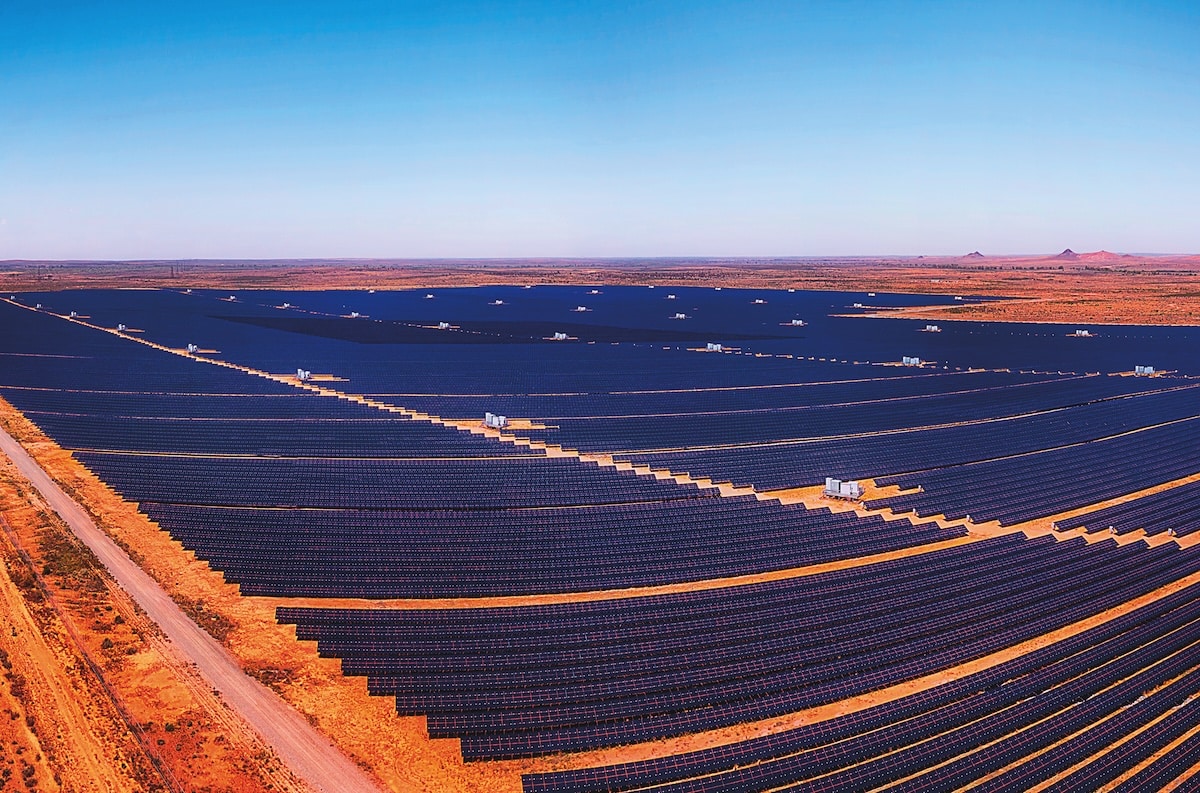
On this 4,500-acre site, the planned data centre will join other new infrastructure, including a heavy-lift quay, a factory making parts for offshore wind turbines, and what it is hoped will be the world’s first gas-fired power station with carbon capture and storage.

Teesside Wind Farm, seen from Redcar’s esplanade. The data centre will be accompanied by a factory making parts for offshore turbines – Bradford Council/Guzelian
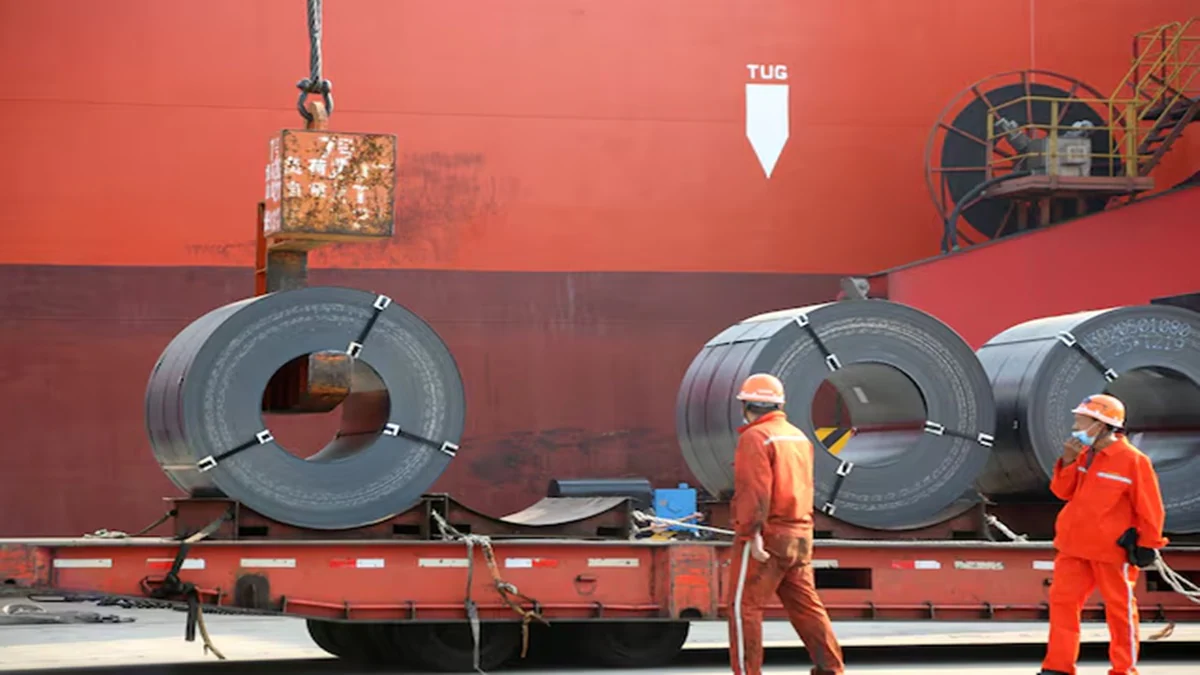
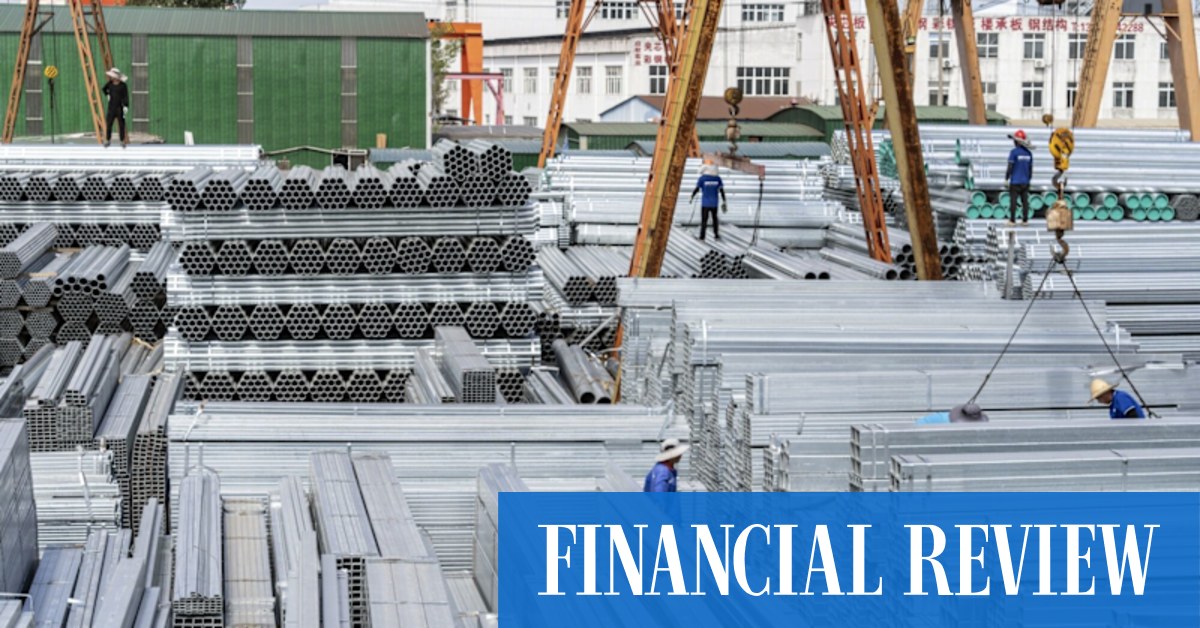
Construction work on the power station is already under way, with a planned opening in 2028. Proposals to use Chinese steel to build it have been condemned by Houchen and trade association UK Steel. China was also a part of the story back in the 2010s, when the future of Redcar’s plant hung in the balance. Some of the problems faced by the British steel industry as a whole were blamed on China dumping steel – effectively making Western production uncompetitive.
Net Zero Teesside Power, the company behind the facility, said in response that procurement balanced a range of commercial and technical considerations, including value for money, and that subcontracts were awarded through “transparent, competitive procurement processes”.
And Houchen today is upbeat about the next chapter in Redcar’s story, and its promise of regeneration and rebirth. “We’ve seen people gain huge amounts of confidence, and people in the communities take huge amounts of positivity from the investment that’s already come to the [Teesworks] site because it shows there’s hope and a positive future,” he says. “Whether it’s large-scale renewables, whether it’s logistics, freight, things like civil aviation fuel, all the things we’re building on Teesside at the moment – or whether it’s data centres – it’s about creating, fundamentally, a platform with a stronger, more resilient economy.”
Does he think a data centre can restore the sense of local pride that was lost when the steelworks went?
“Yeah,” he says, “Of course it can.”
But he accepts it won’t happen overnight. “To fundamentally create a region and a community that has significant prosperity and hope, and has eliminated a number of the challenges we have, that’s going to take years.”
Back on the seafront, retired maths teacher Barry Dobson, 59, shares some of Houchen’s optimism. He’s popped into Daisy-Mae’s Vintage Tearoom to collect a chocolate cake he ordered. In the tearoom there’s another vein of nostalgia on show: for an England of china cups and saucers, afternoon tea and cake. Jars of preserves stand in line on an old-fashioned wooden dresser.
But Dobson, a father, is looking to what comes next. “The sense of community [in Redcar] came from the sense of generational employment, and the sense that your dad and granddad and great-granddad worked in the steel industry,” he says. “The world has changed, it’s moved on.”

Barry Dobson is optimistic for Redcar’s future – Bradford Council/Guzelian
There’s potential for a sense of community that is rooted in something else in years to come, he believes. It will come when people can provide positive answers to questions like “who are we?” and “how valuable are we?”
If the data centre and other new employment opportunities create not only jobs but also a renewed sense of local pride and commitment, “the community will come”, he believes.
Outside the tearoom window as he talks, the daylight is starting to fade. Further along the promenade, fishing boats are grounded on the concrete slipway. And rising up from the North Sea, the great blades of the wind turbines slowly turn.