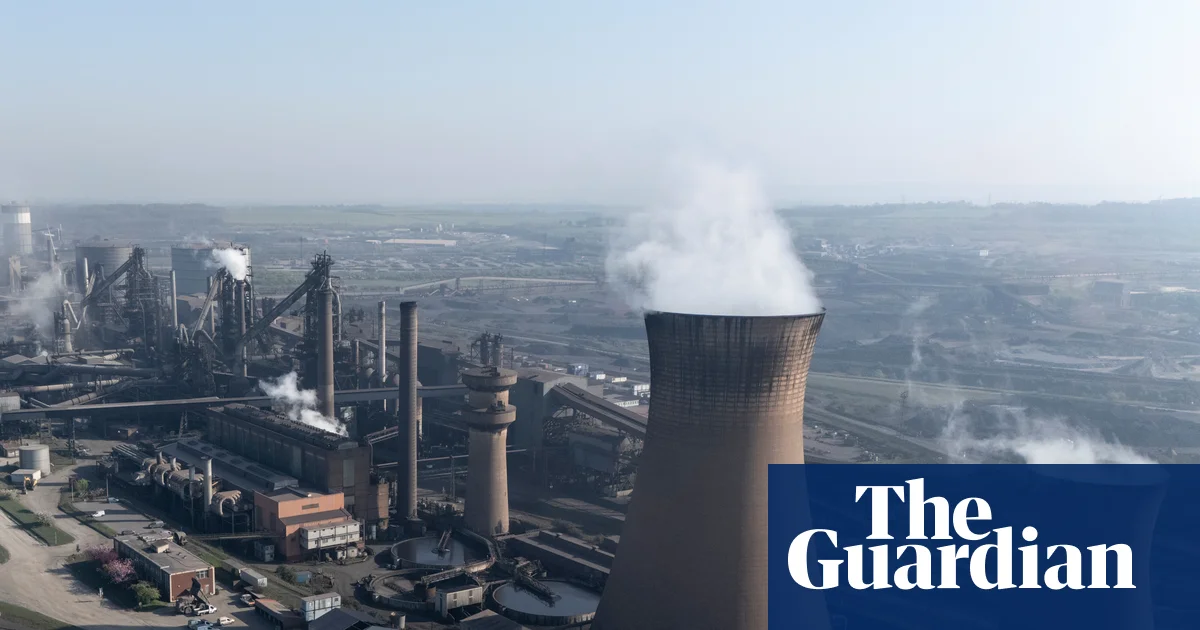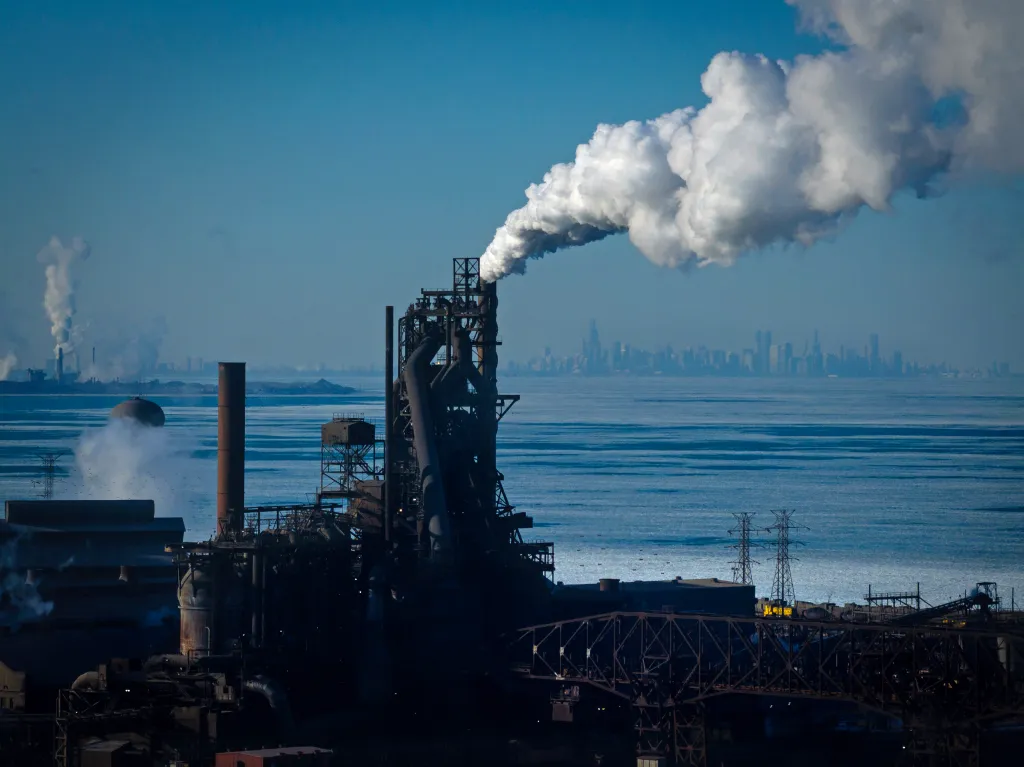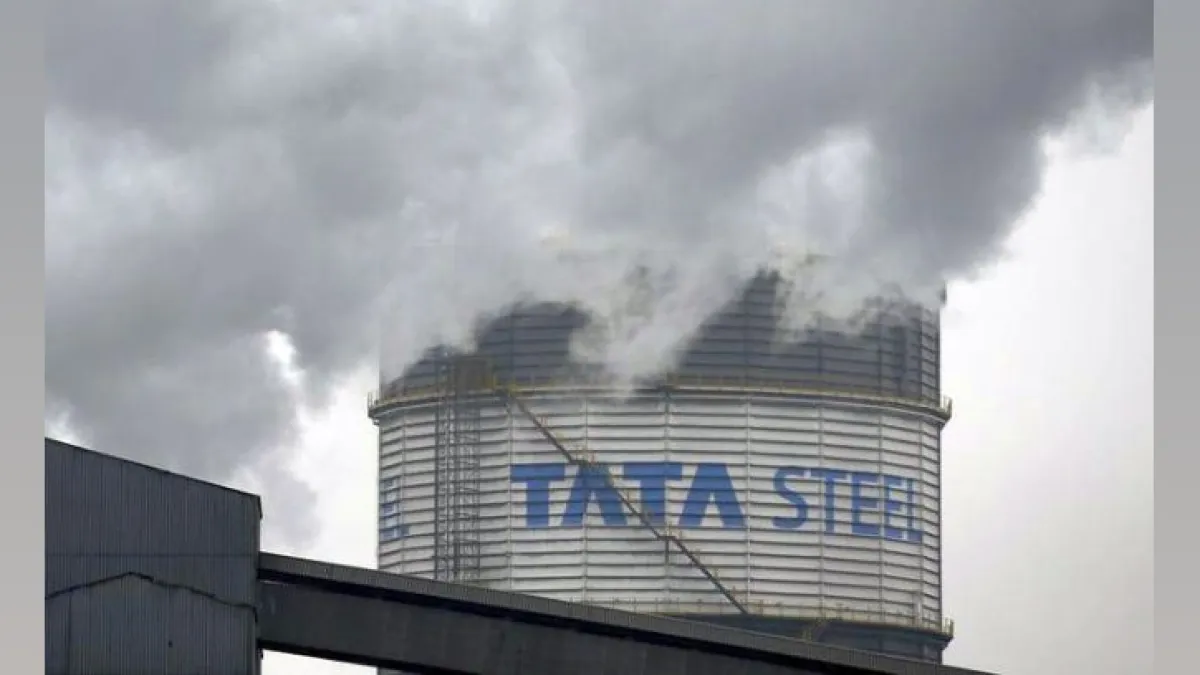
U.S. Steel and Cleveland-Cliffs are falling behind other global companies in their investments into clean, green steelmaking, a recent report claims.
SteelWatch, an international watchdog organization, publicly released its corporate scorecard on Tuesday, which evaluates 18 steelmakers across 11 countries. The assessment measures progress toward near-zero emissions in steel production, including in low-emissions technologies, coal phase-out planning, and social and environmental governance, according to a news release.
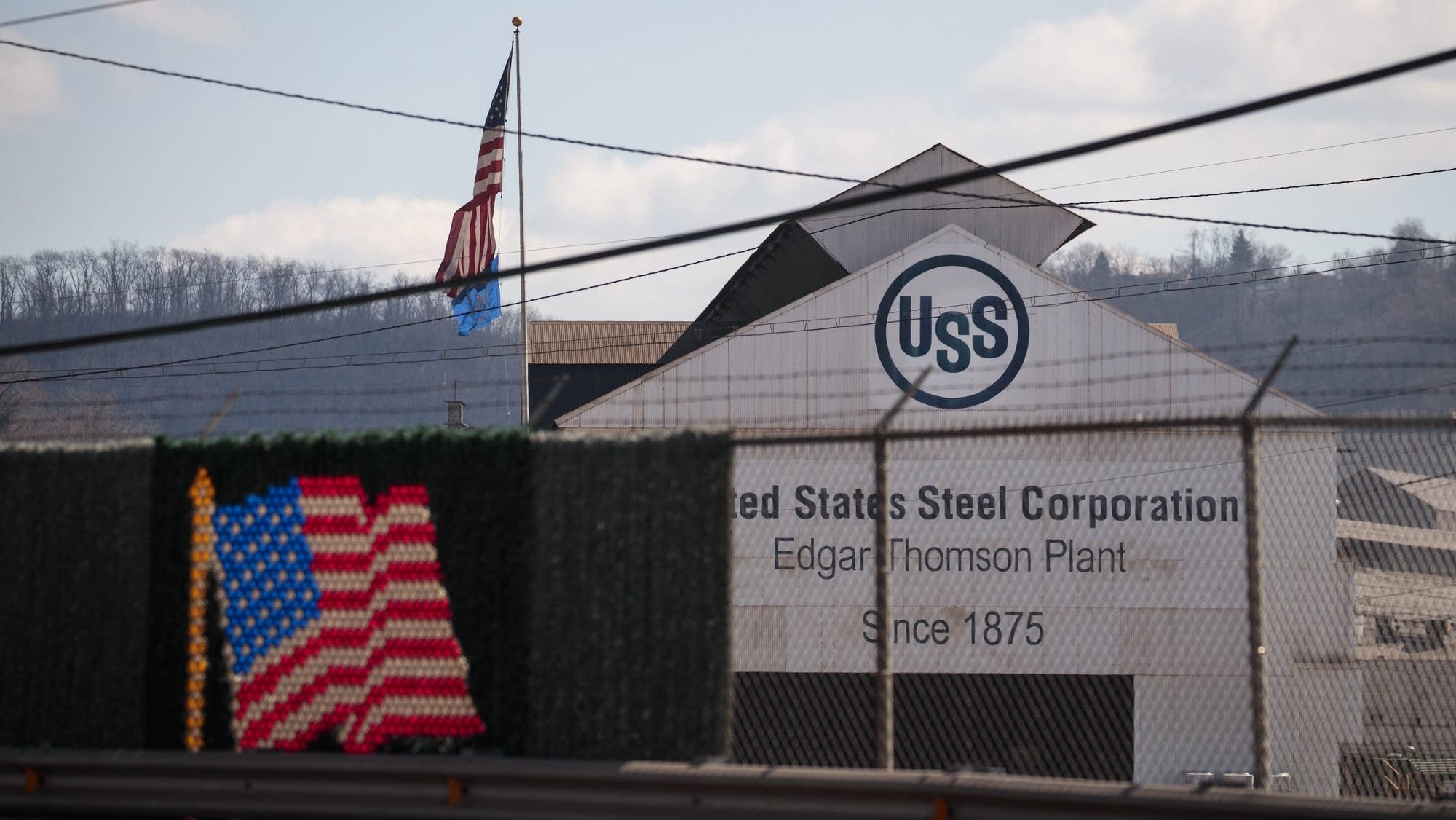
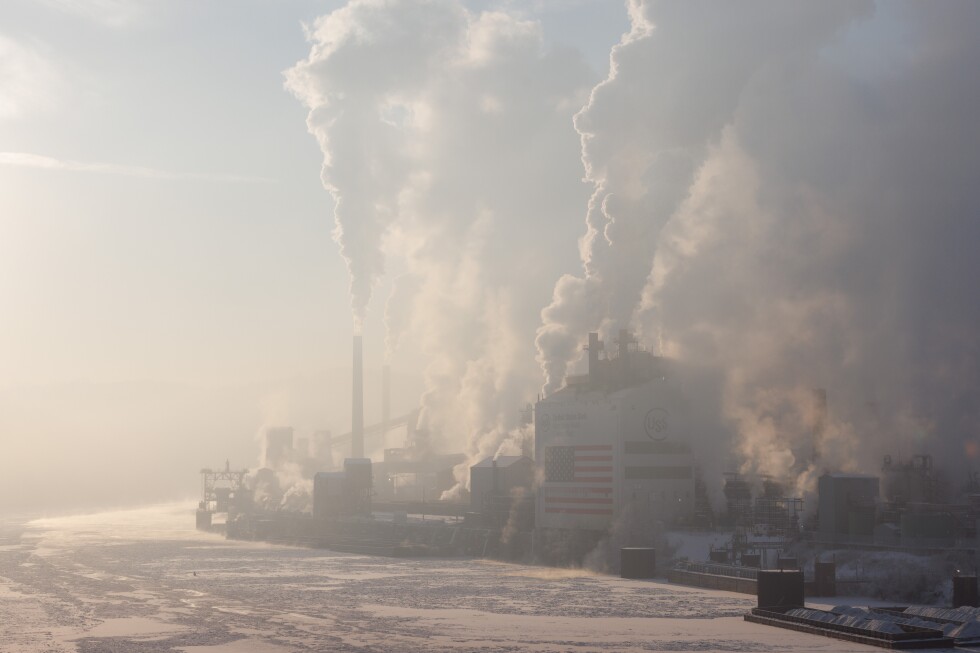
U.S. Steel and Cleveland-Cliffs both received failing grades, according to the report. Cleveland-Cliffs scored a 29.4 out of 100, and U.S. Steel received a 28.3 out of 100.
A Cleveland-Cliffs spokesperson was unable to immediately respond to the study’s findings.
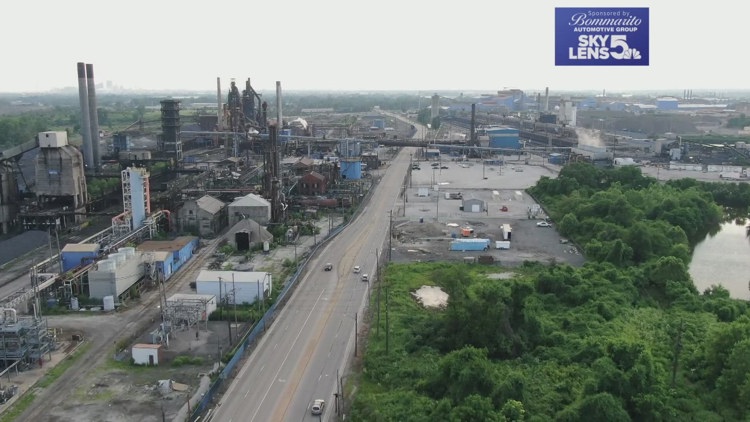
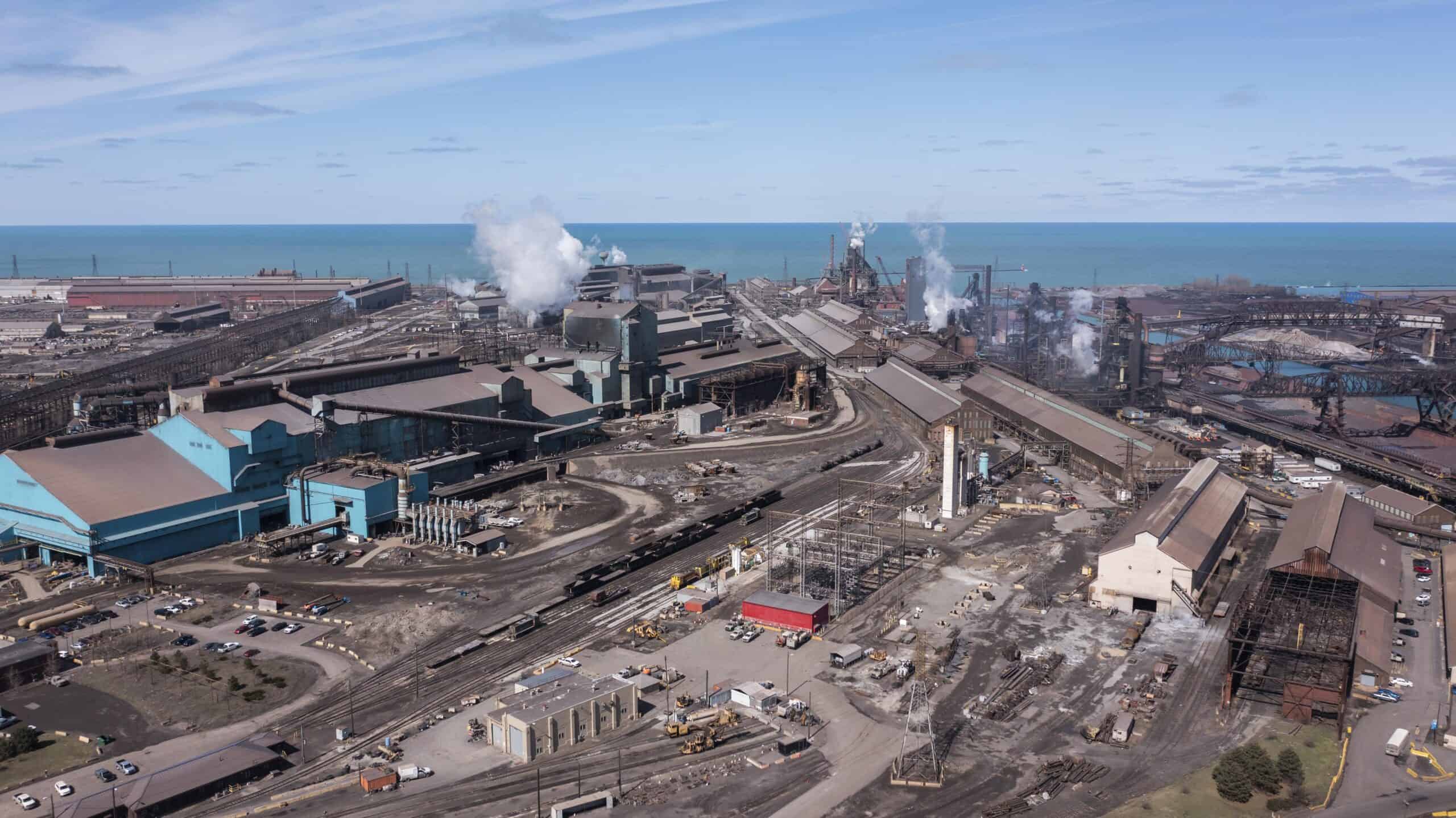
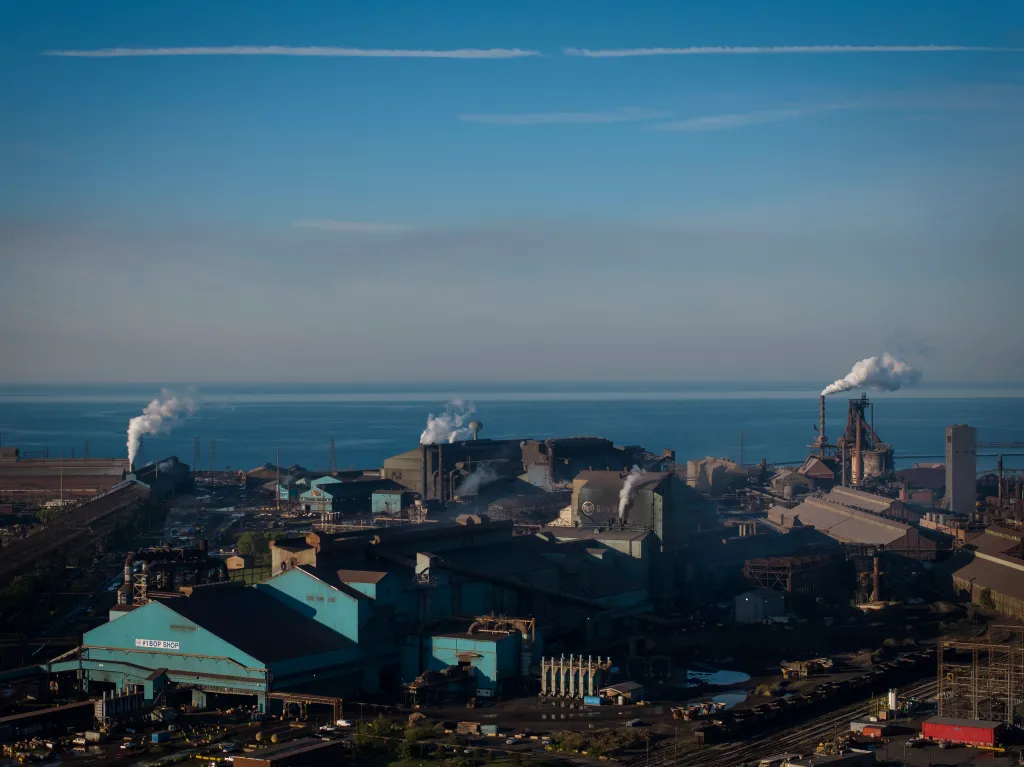
Nippon Steel — which is investing at least $3.1 billion into U.S. Steel’s Gary Works facility — received a 16.8 out of 100, which was the second lowest score.
“We’re really trying to assess how major steelmakers are performing on this incredibly important transition,” said Caroline Ashley, executive director of SteelWatch. “To get to new zero-emission steelmaking, they have to transform their infrastructure, their plant, their technology and their business model. That transition has hardly begun.”
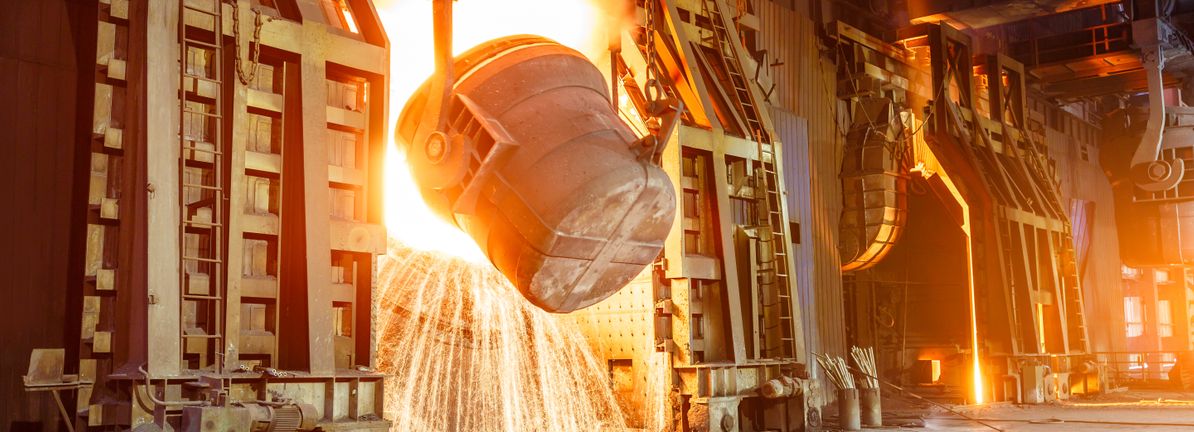
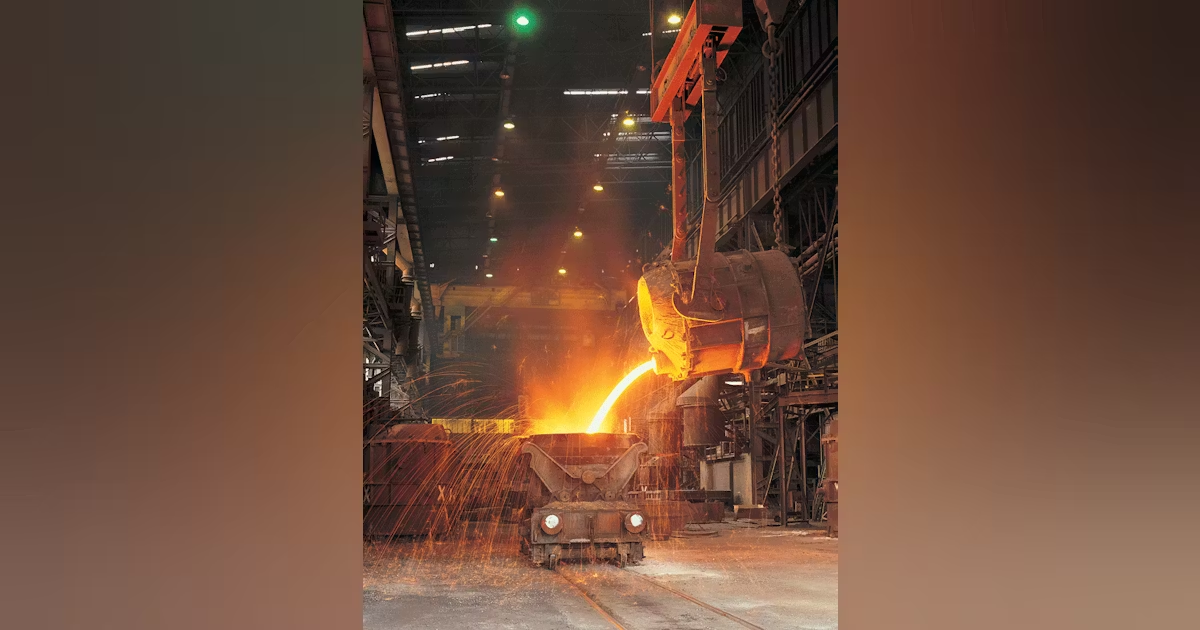
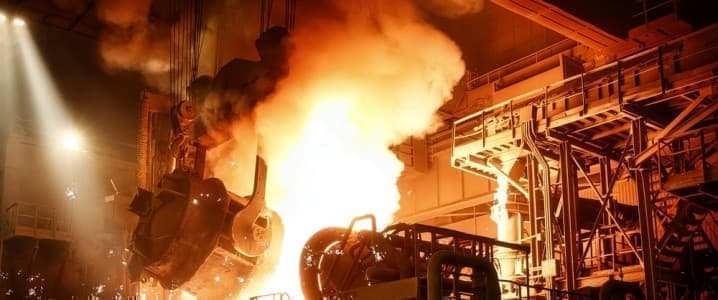
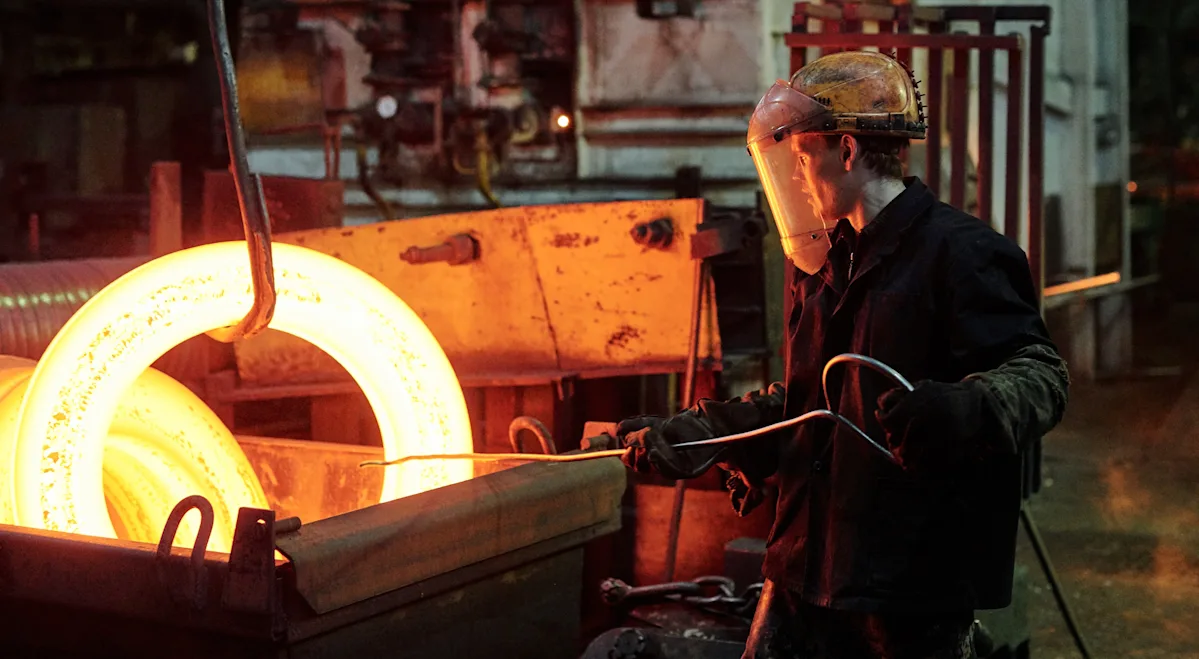
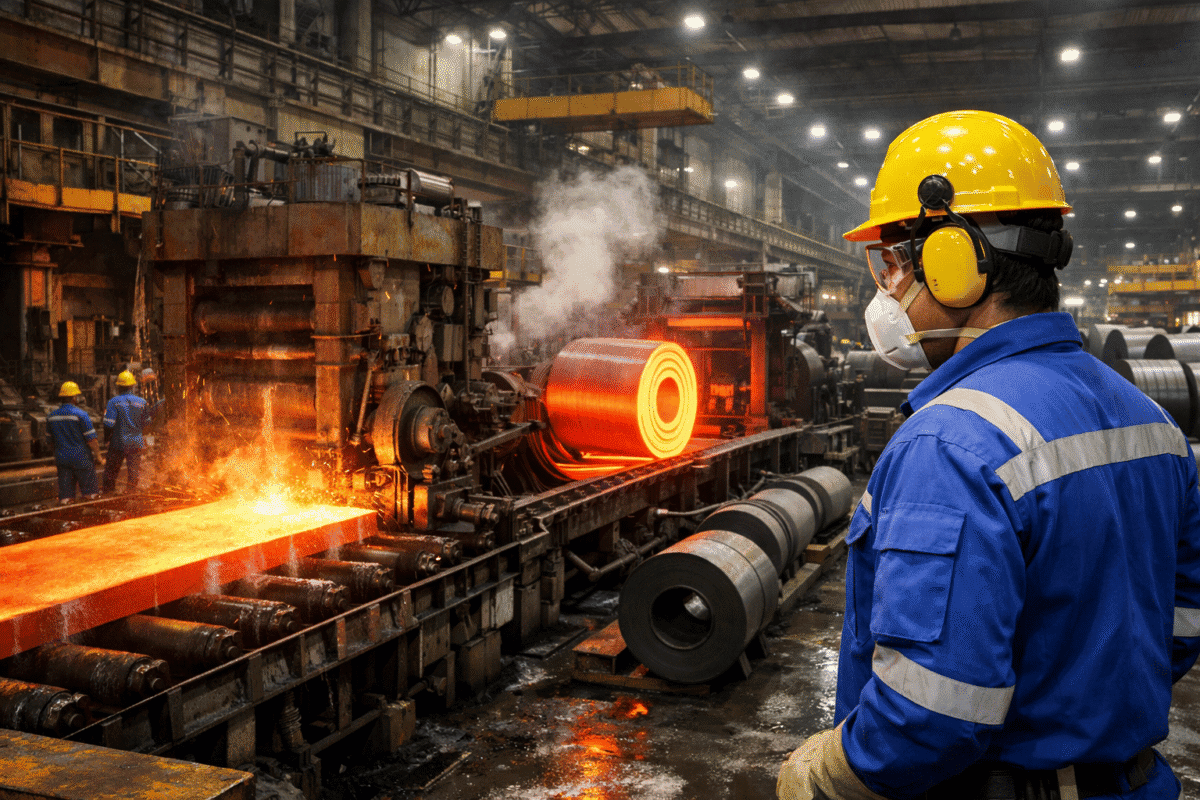
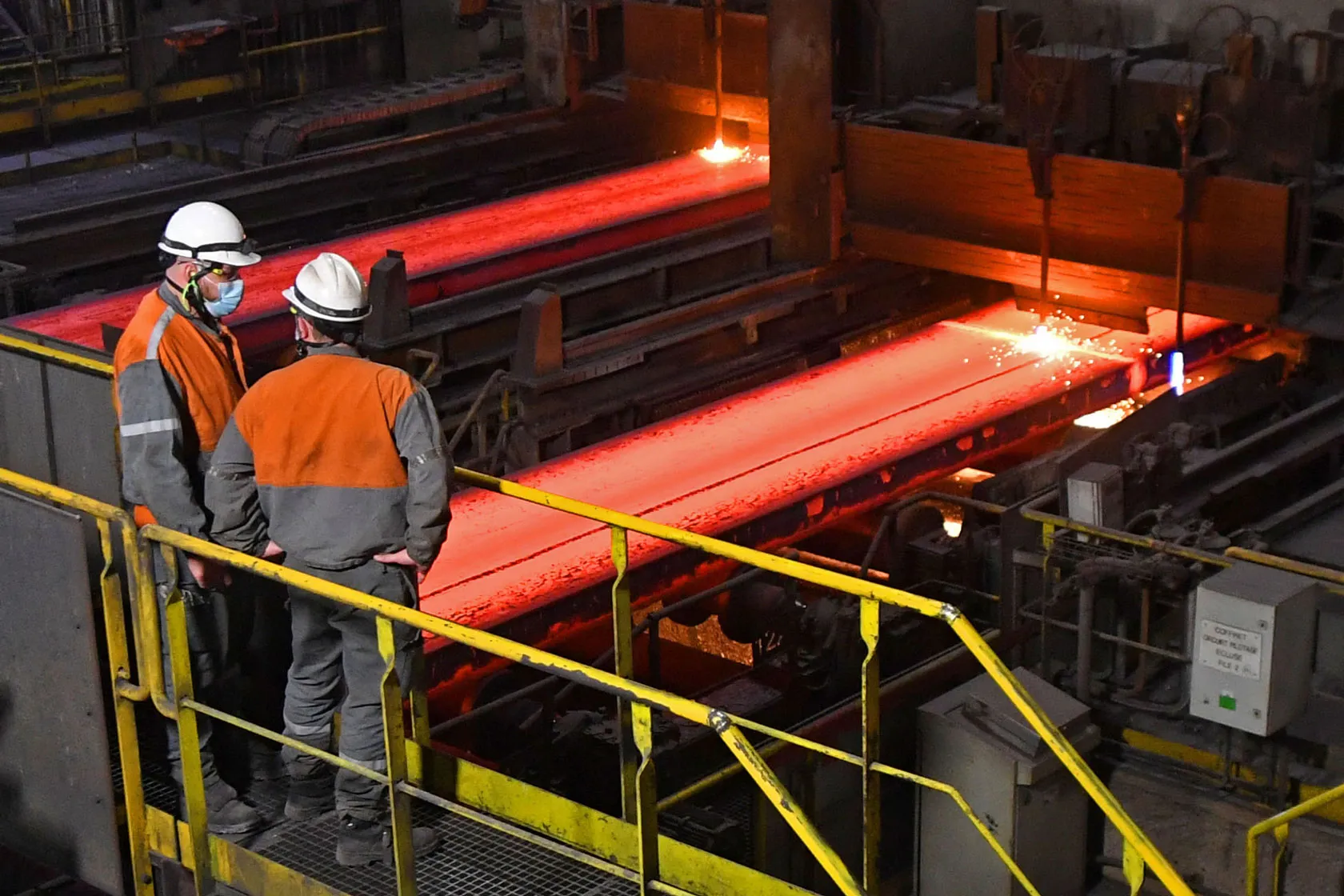
The study was put together using companies’ annual and financial reports published in 2025 that cover fiscal year 2024, according to a news release. The report found that most steelmakers are “heavily reliant” on coal-based blast furnace production and “have yet to incorporate near-zero-emissions ironmaking technologies into core business strategies.”
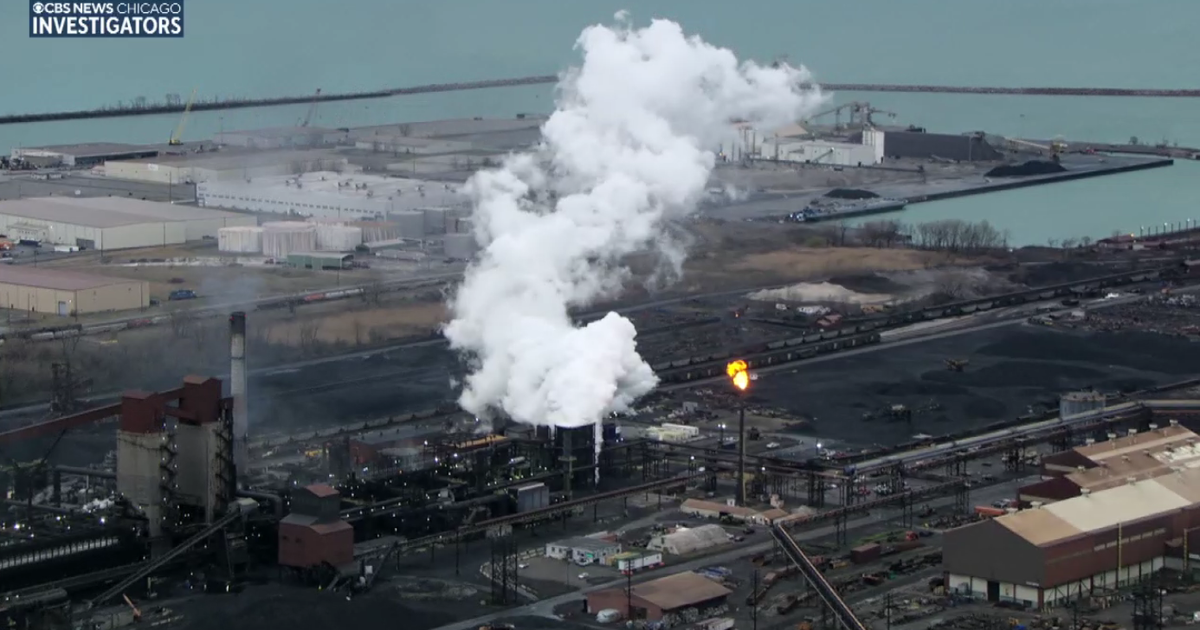
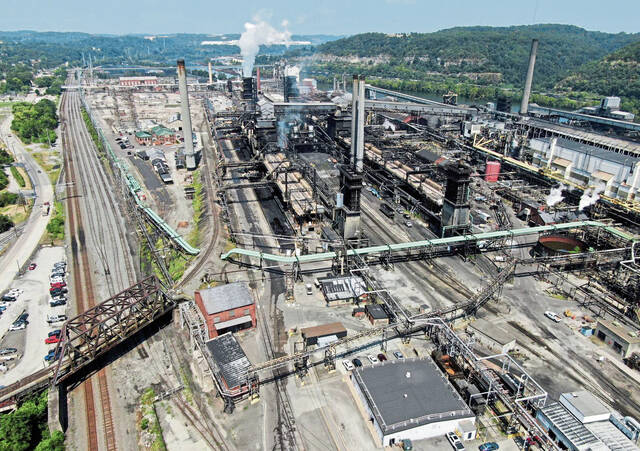
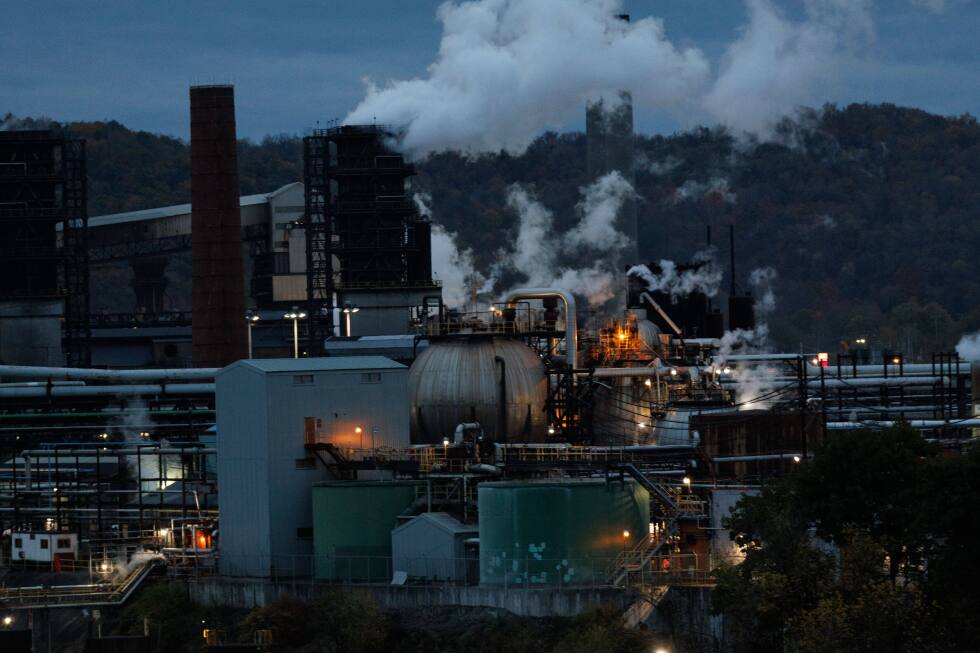
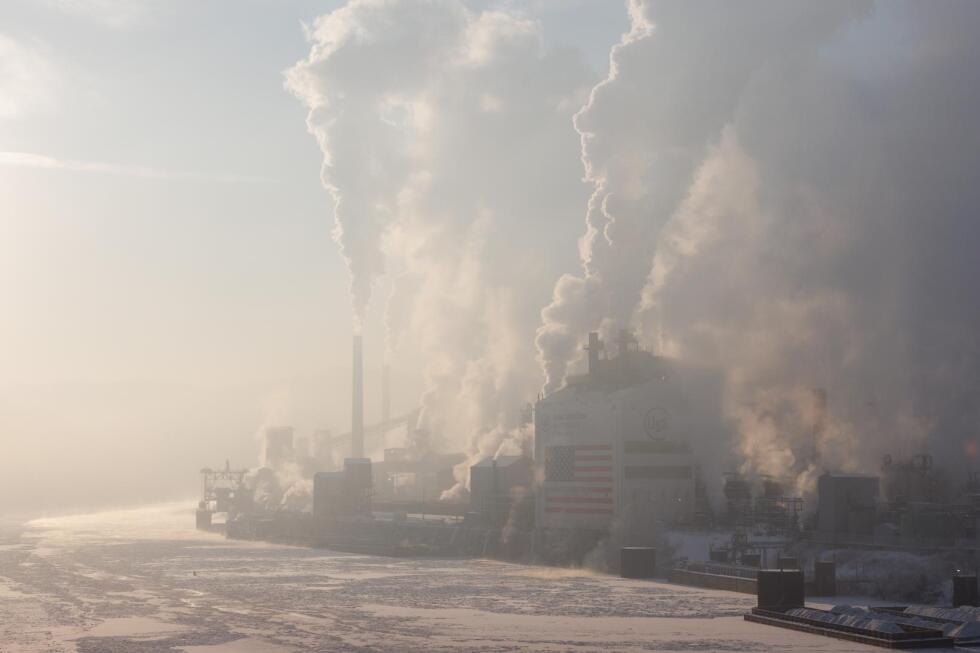
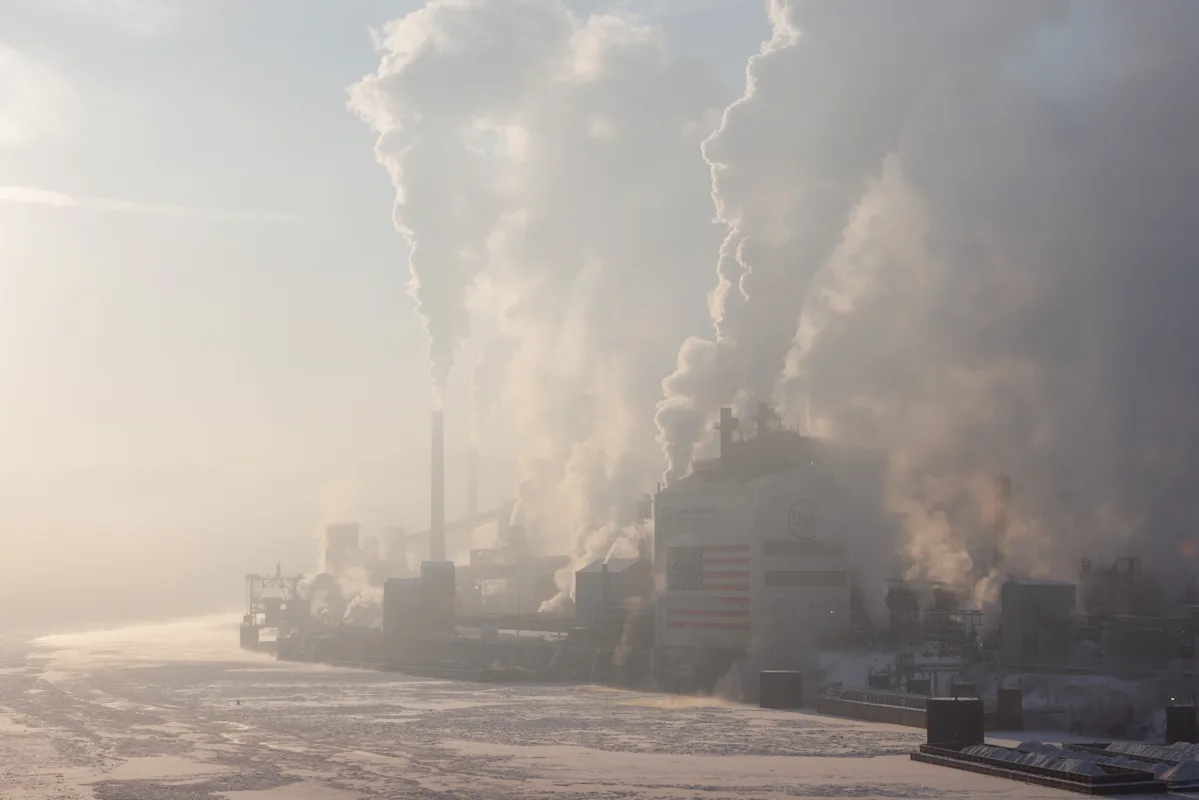
U.S. Steel will receive a reline for blast furnace #14 this May, which will cost $350 million and take 100 days, ending in August, according to previous information from the company. The reline is funded through Nippon Steel’s investment.
Ashley is concerned about how U.S. Steel’s production will be impacted by Nippon’s multi-billion-dollar investment.
“The risk is it’s going to entrench U.S. Steel further into coal-based steelmaking,” Ashley said. “That’s why this moment is so key, and we think this scorecard has come up at a good time to expose this risk and this crossroad.”
In a statement Tuesday, a U.S. Steel spokesperson said the report advocates for technology that isn’t accessible or affordable at steelmaking scale, and it “has never been economically feasible without major government subsidies.”
“As such, it generates misleading headlines and hides what SteelWatch and other anti-business groups are calling for: for U.S. Steel to tear down its integrated steelmaking operations and rebuild them around DRI and electric arc furnace technology. What SteelWatch ignores is the true cost – thousands of jobs lost and a financially disastrous change in operations,” the statement said.
“U.S. Steel produces some specialized steel grades that (electric arc furnace) technology cannot replicate at scale at this time. Rebuilding existing blast furnace facilities would mean closing them for years, eliminating thousands of good-paying jobs, and devastating the communities in which they operate. Our commitment to invest $11 billion across our U.S. footprint by the end of 2028 will improve efficiency and make the steel we produce cleaner and higher quality. This is the path to delivering real environmental benefits and generational job security to the communities where we live and work.”
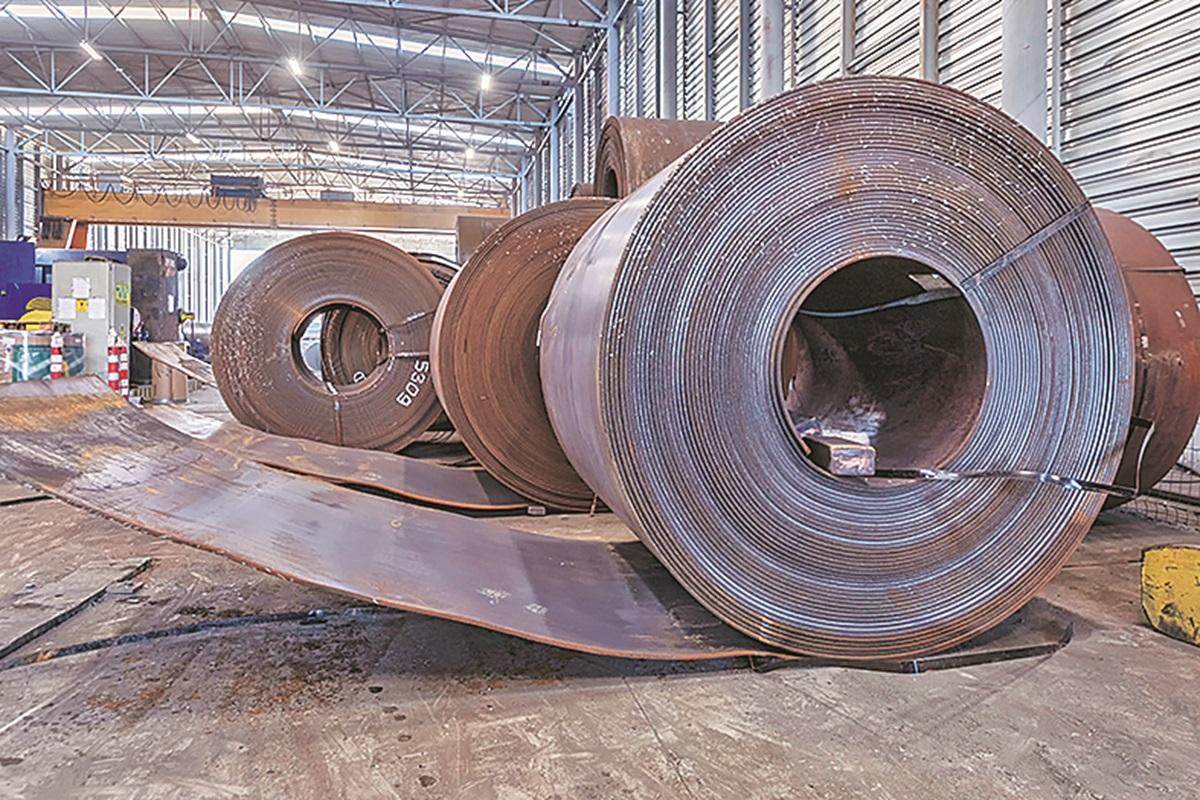
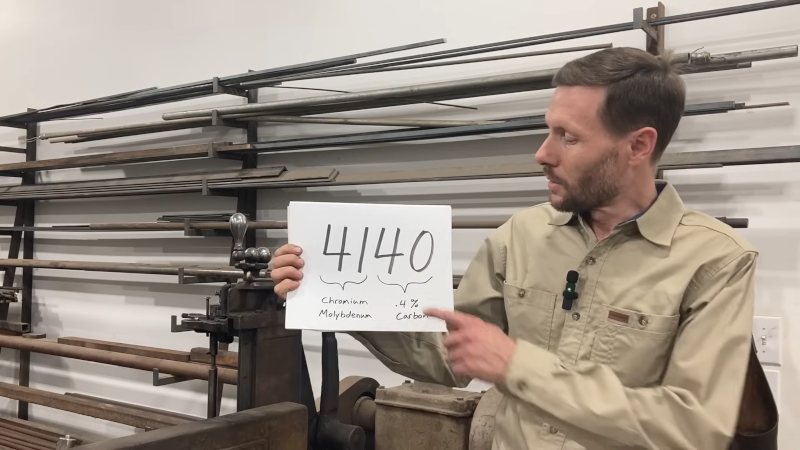
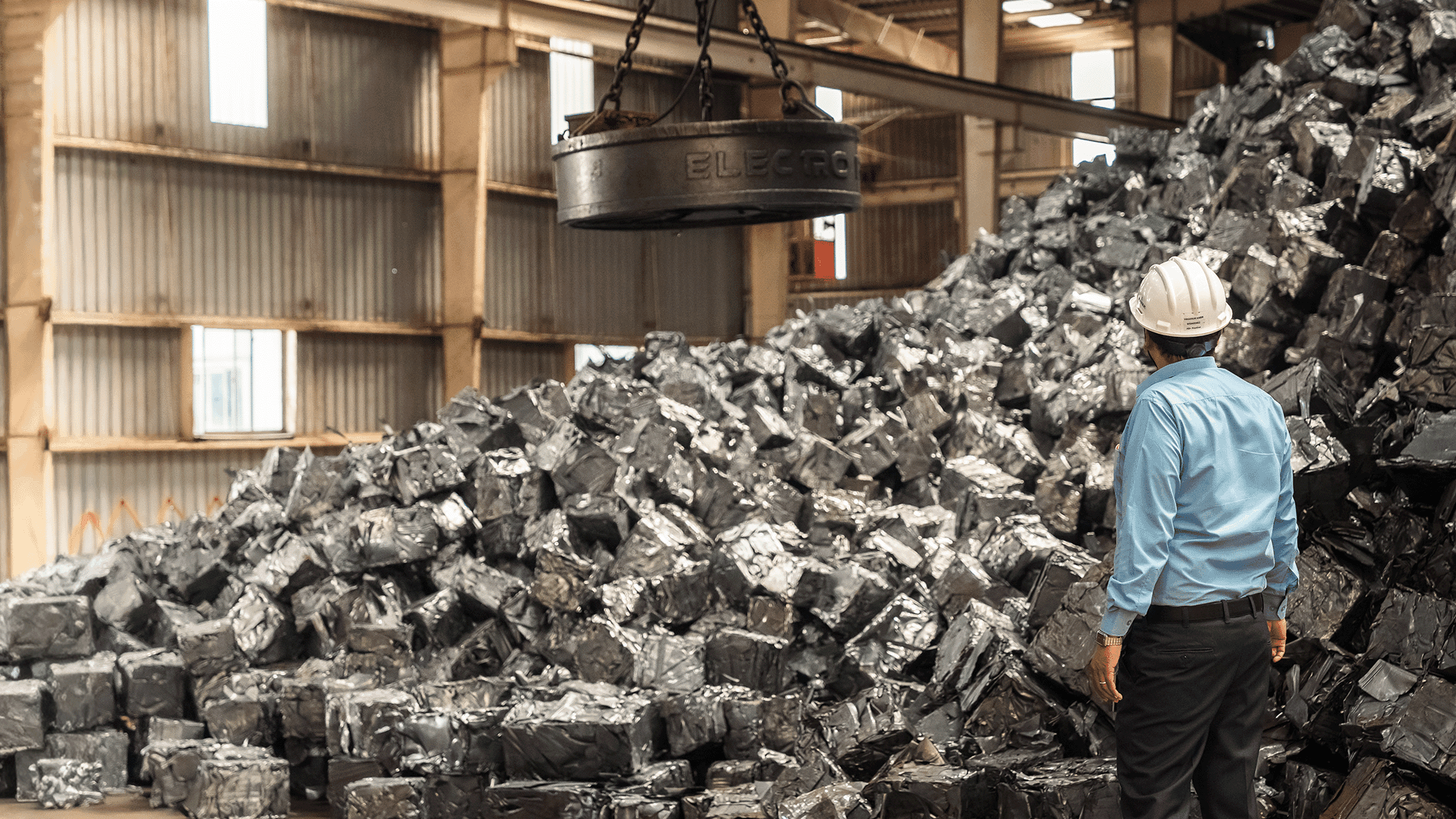
Rather than using blast furnaces, which require coal, Ashley recommends the switch to electric arc furnaces, which use electricity and recycled scrap steel, according to Nucor. According to Post-Tribune archives, a U.S. Steel spokesperson previously said that the company would have to build a new electric arc furnace-based steel shop “from the ground up” to implement it at Gary Works.
Gary Advocates for Responsible Development — a Northwest Indiana advocacy group — has pushed for the use of direct reduction furnaces at Gary Works, which members claim is more efficient than blast furnaces and could be used to create iron for steelmaking.
According to the Association for Iron and Steel Technology, direct reduction creates sponge iron, which “is produced in a reactor by direct reduction of iron ore in solid form, utilizing natural gas as the reducing agent to produce pellets or briquettes.” Direct reduction can create iron, but the process itself cannot create steel.
Direct reduced iron, or sponge iron, is consumed by electric arc furnaces rather than blast furnaces, and instead uses pig iron, which is created at Gary Works. According to U.S. Steel’s website, the company has electric arc furnaces at a facility in Alabama and another in Arkansas.
Ariana Criste, deputy communications director for Industrious Labs, believes there’s a chance U.S. companies could get left behind if other countries globally transition more to green steel.
“The reality is Gary (Works) and U.S. steelmakers can’t compete in tomorrow’s market if they’re locked into yesterday’s technology,” Criste said.
Criste also highlighted SSAB, a Swedish steelmaker that received the highest score in SteelWatch’s report with a 46.2 out of 100. SSAB is shipping fossil-free iron from Sweden to Iowa to process it there, Criste said.
“I think that’s just indicative of the fact that if companies are willing to ship green iron across the Atlantic (Ocean), it shows how strong the demand already is and how valuable it could be to have our own domestic supply of clean iron,” Criste said.
Matthew Groch, senior director at Mighty Earth, said that as more foreign steel companies come to the U.S. and say they’ll invest in green steel, it’s important to hold them accountable.
“I think that’s one of the things that a lot of groups are concerned about,” Groch said. “They’re talking a big game. … But, what’s going to happen (in Gary) when the next cycle of the blast furnace is up? Because at that point, it’s going to be an antiquated facility. … I can’t see them doing another reline when the rest of the world is making green steel.”
Ashley encouraged community members to continue fighting for a transition to green steel in Northwest Indiana.
“It’s definitely not a time to be quiet,” she said. “It’s time to increase their involvement and voice.”
mwilkins@chicagotribune.com