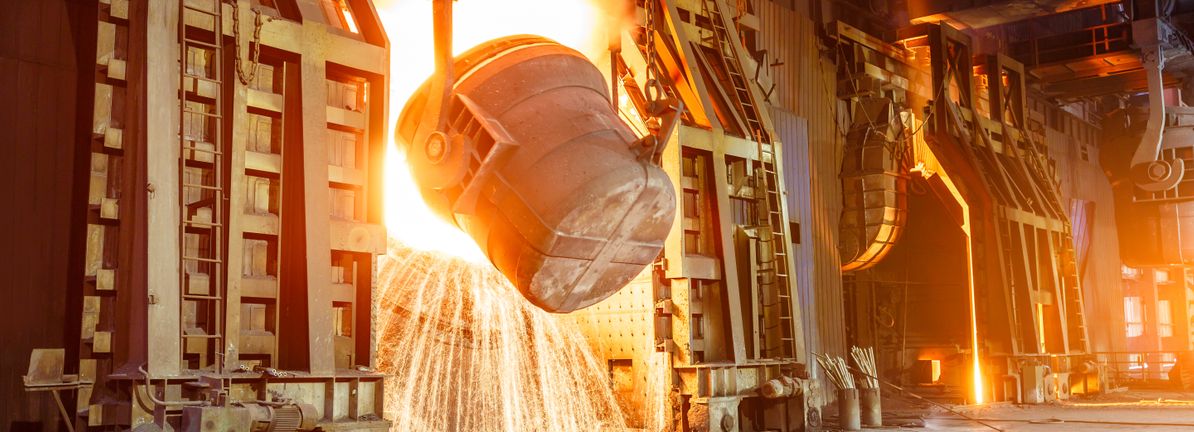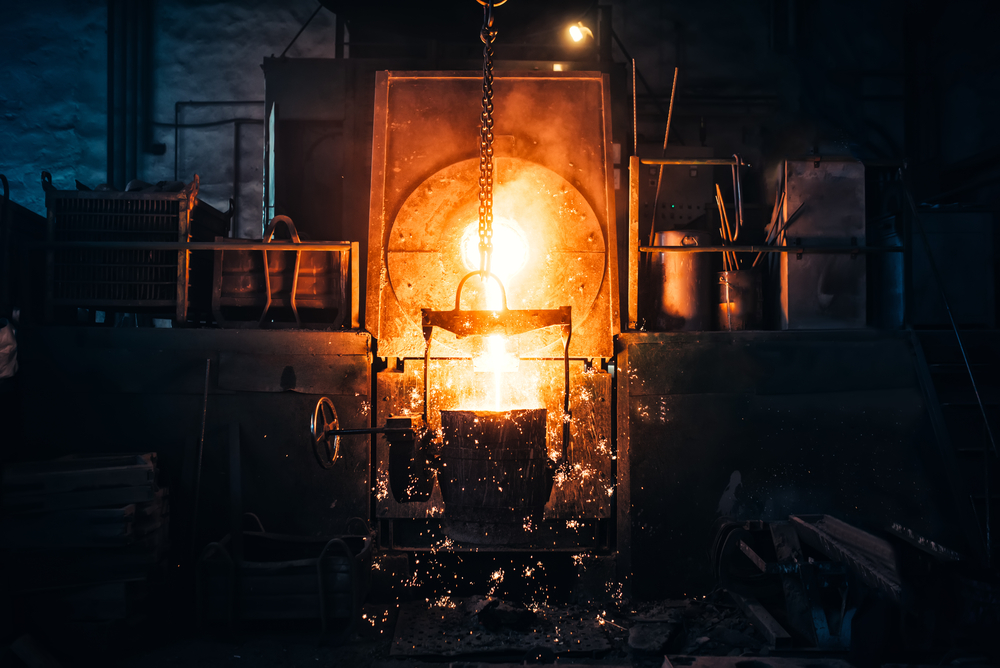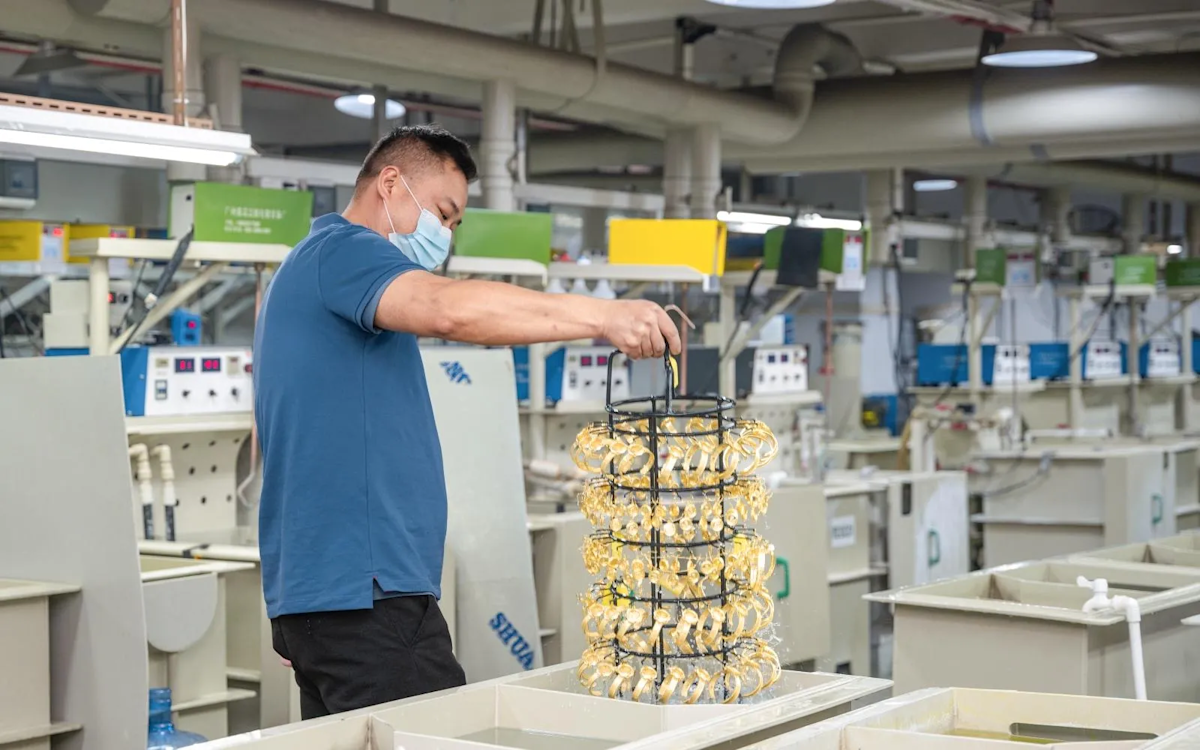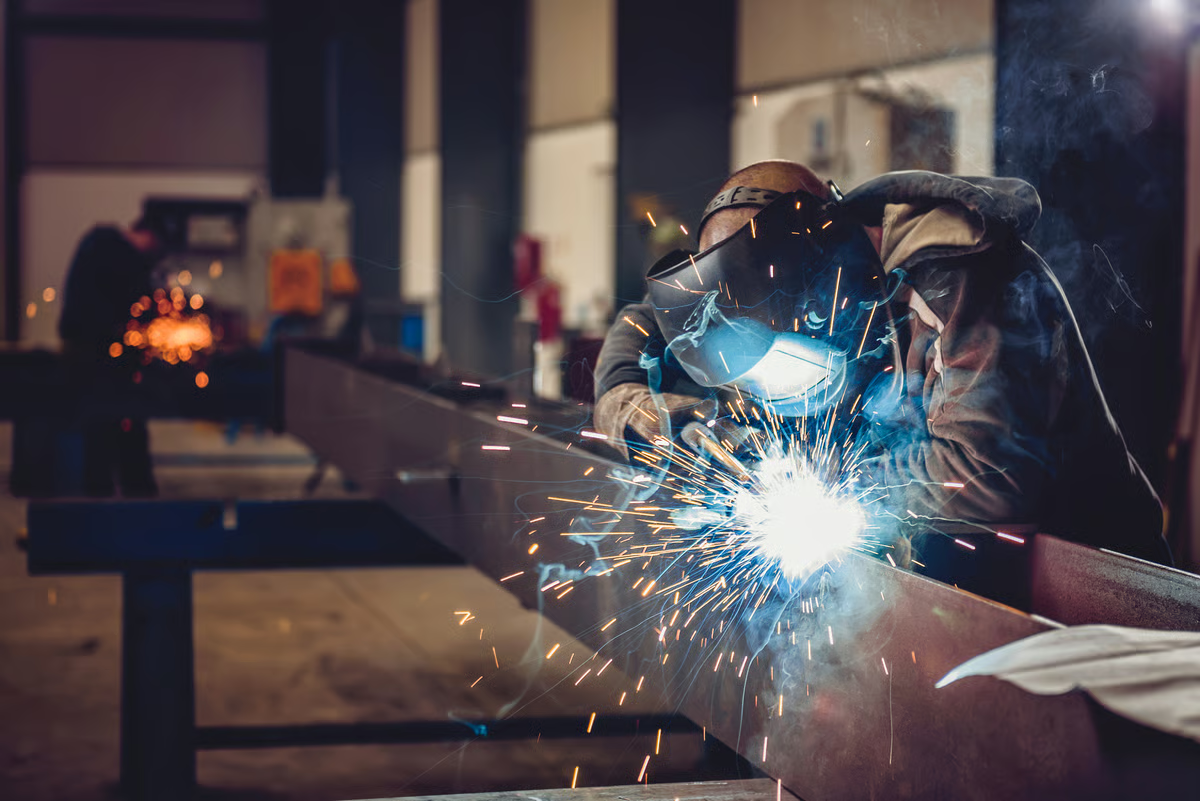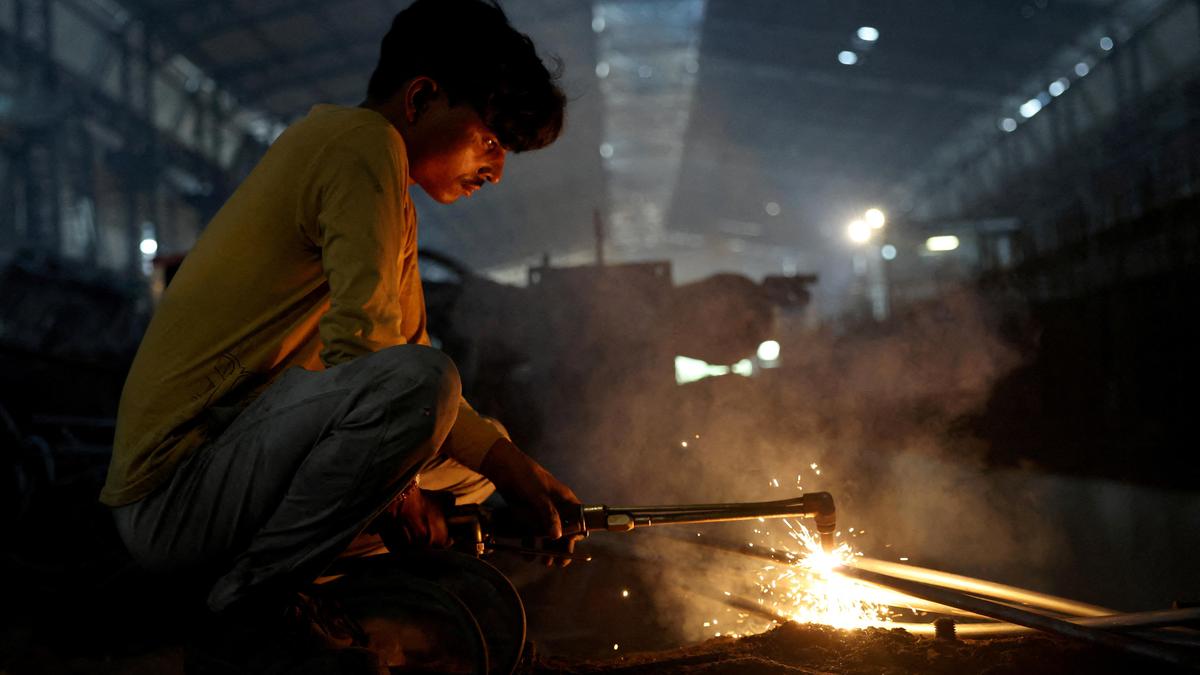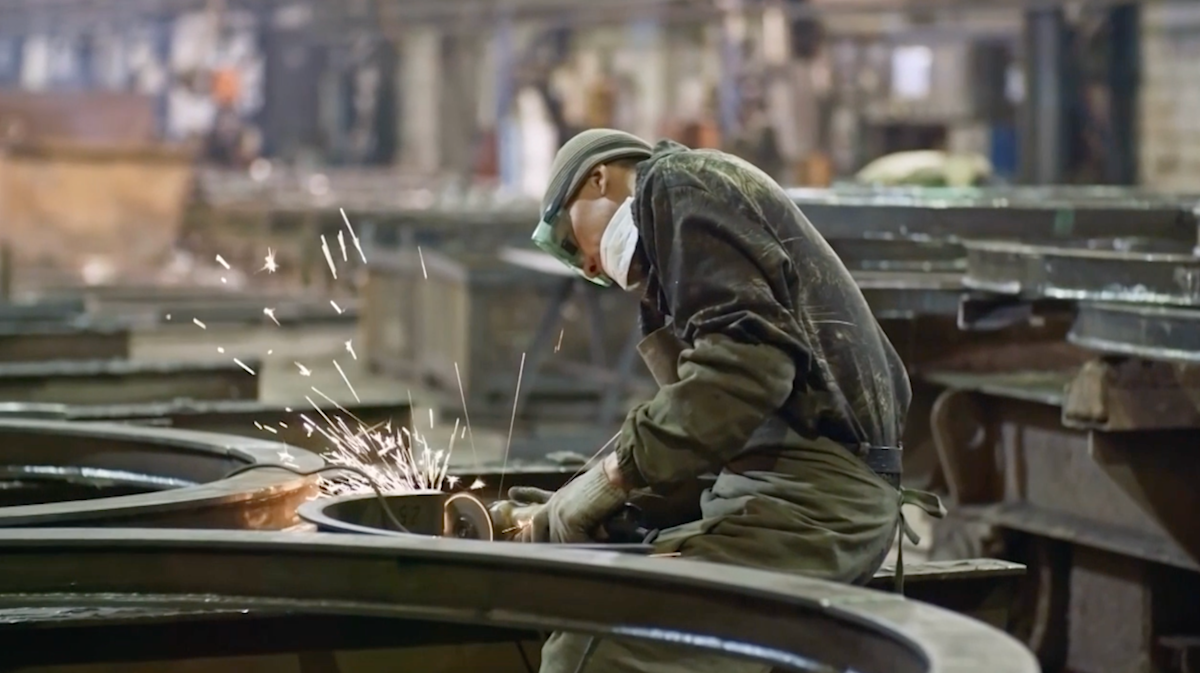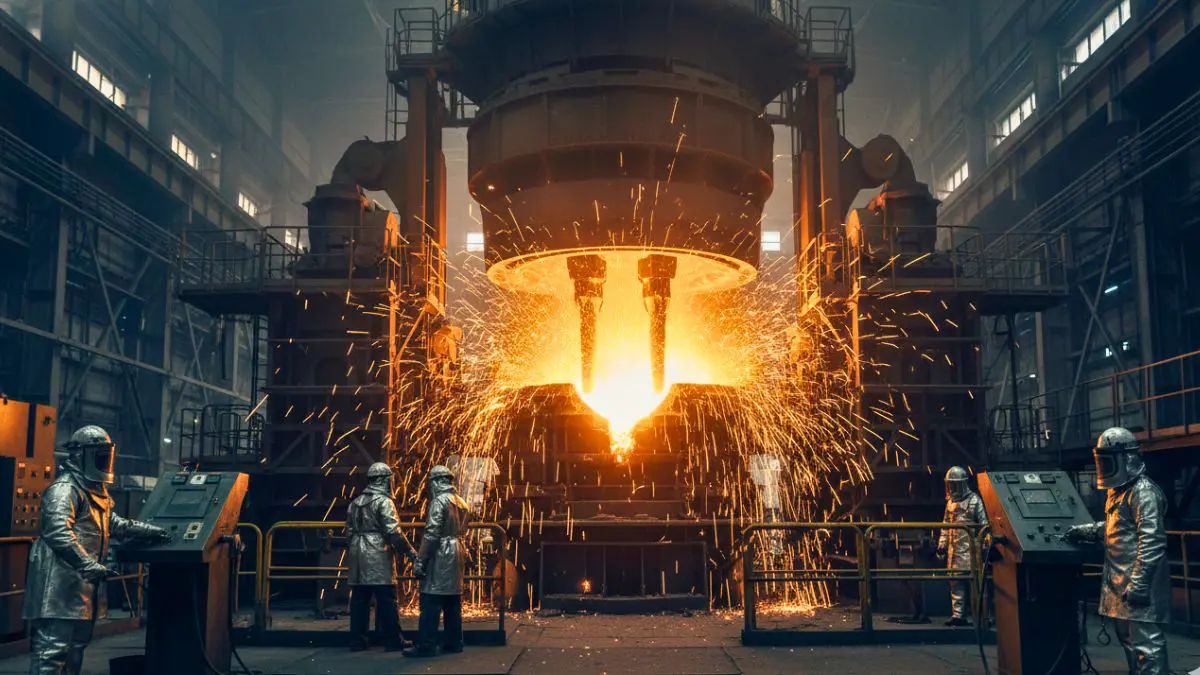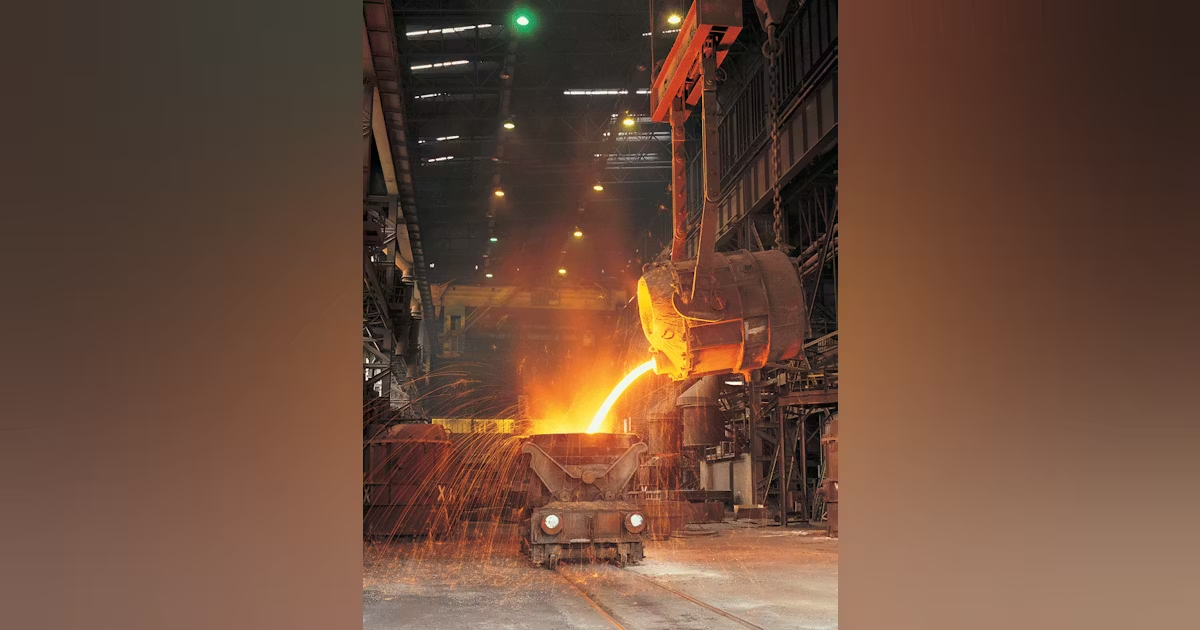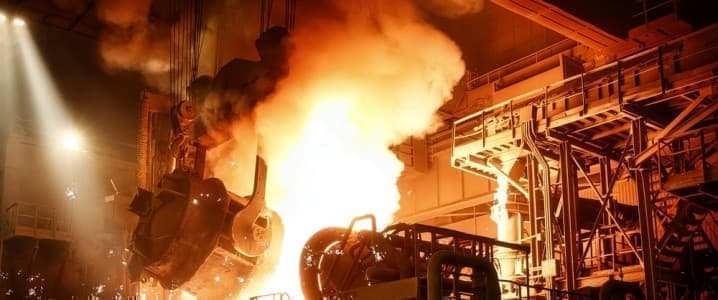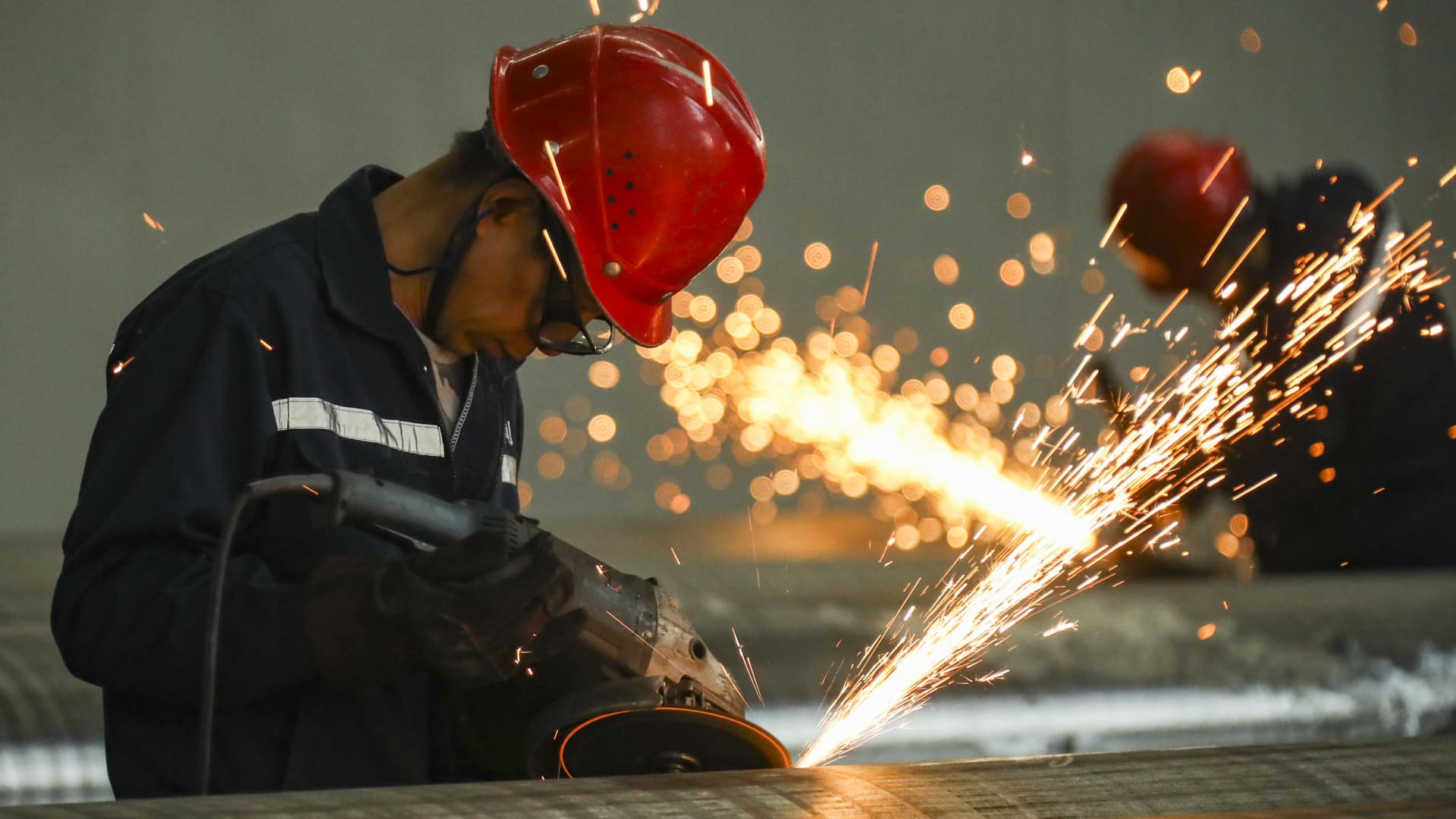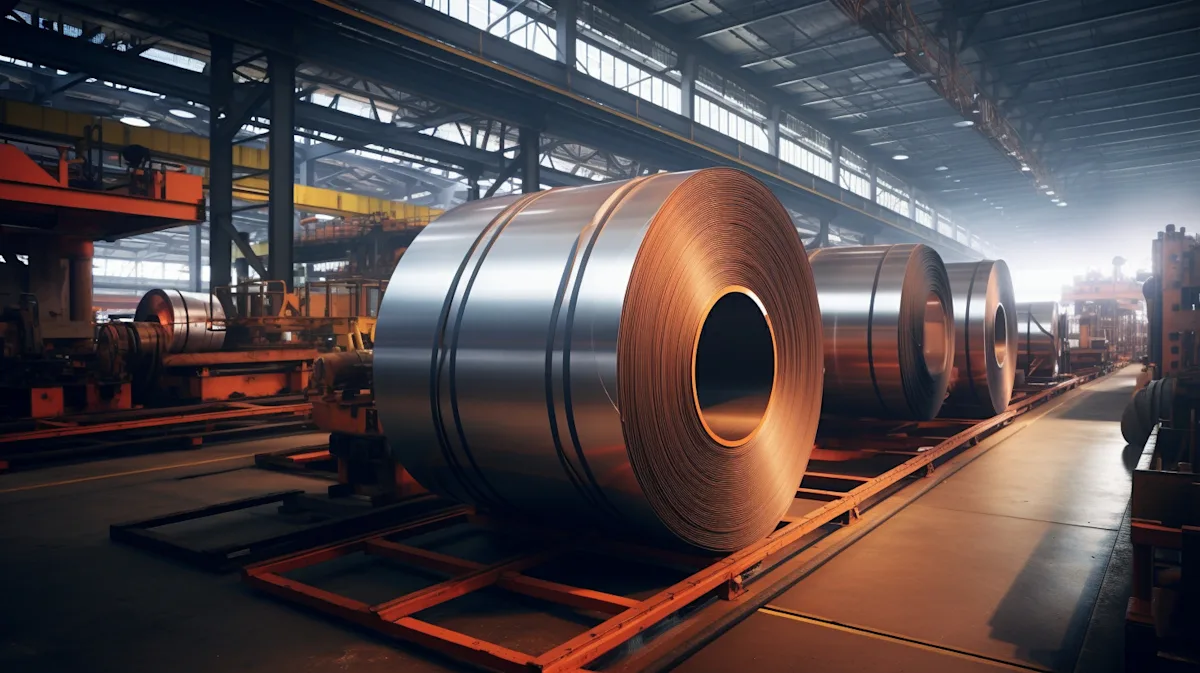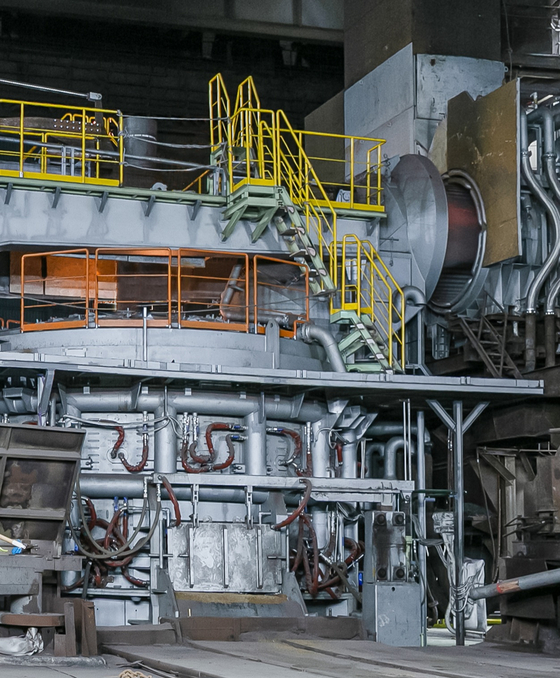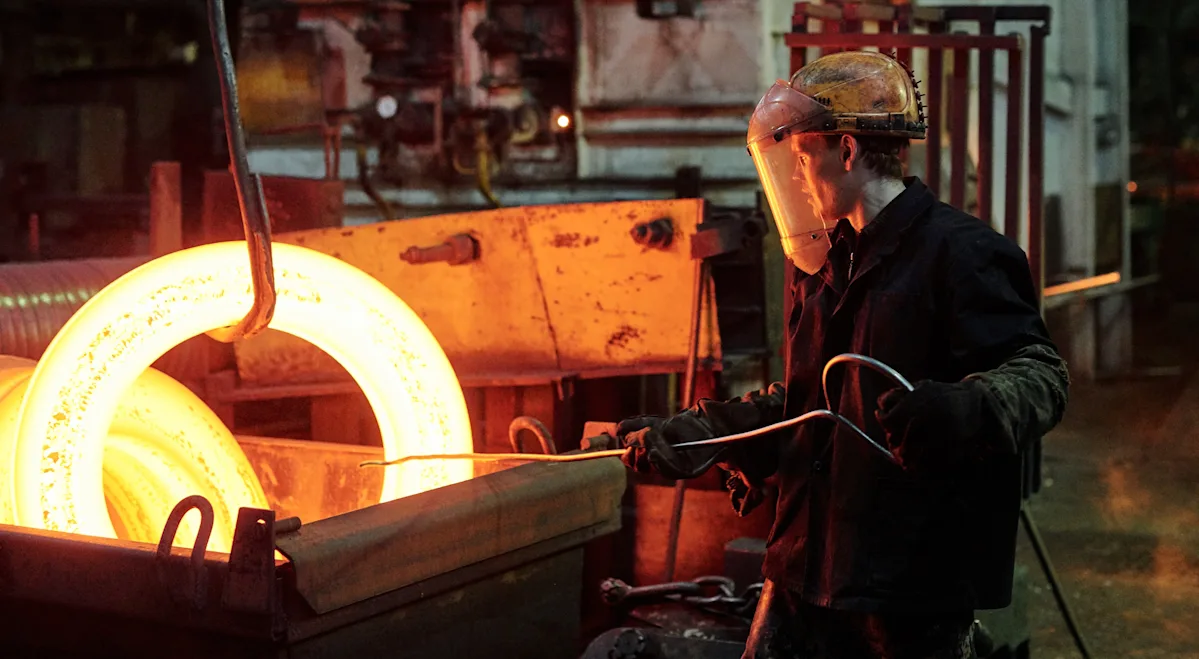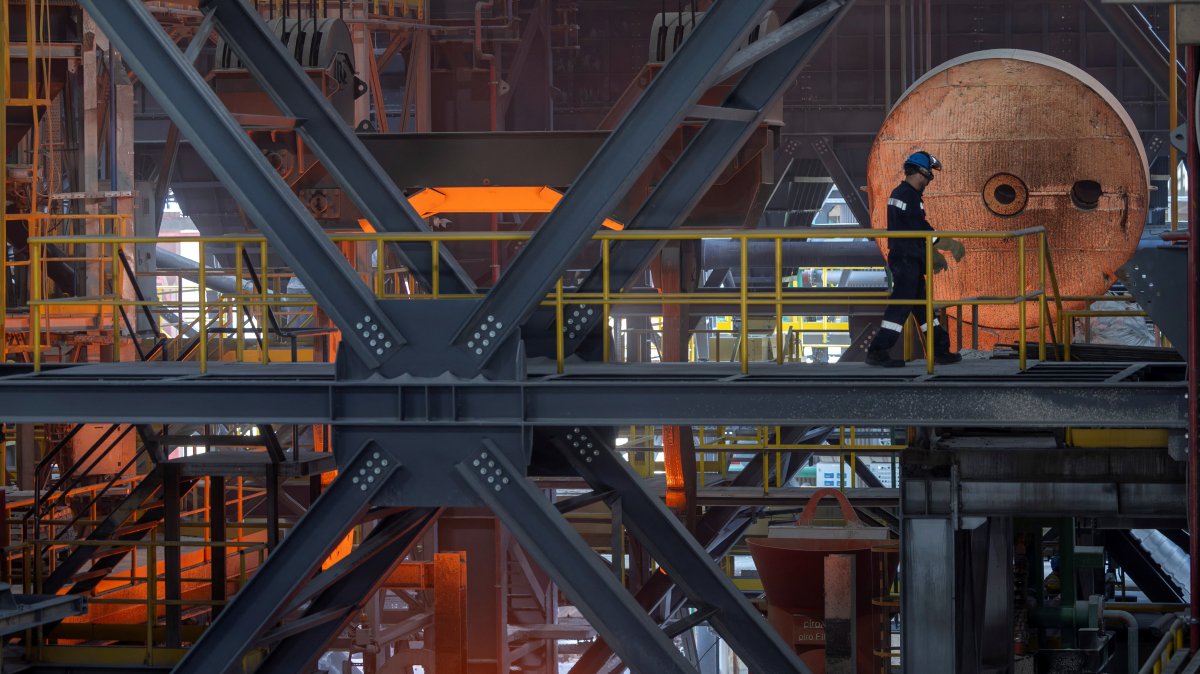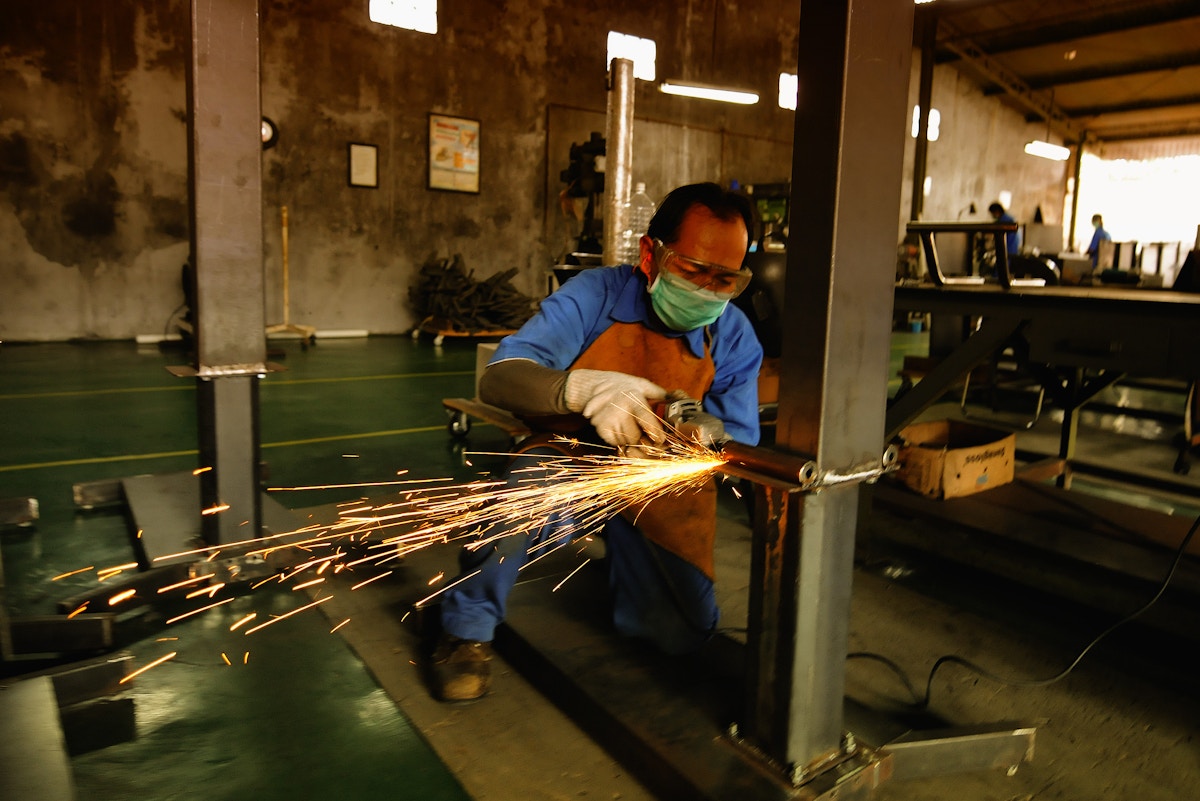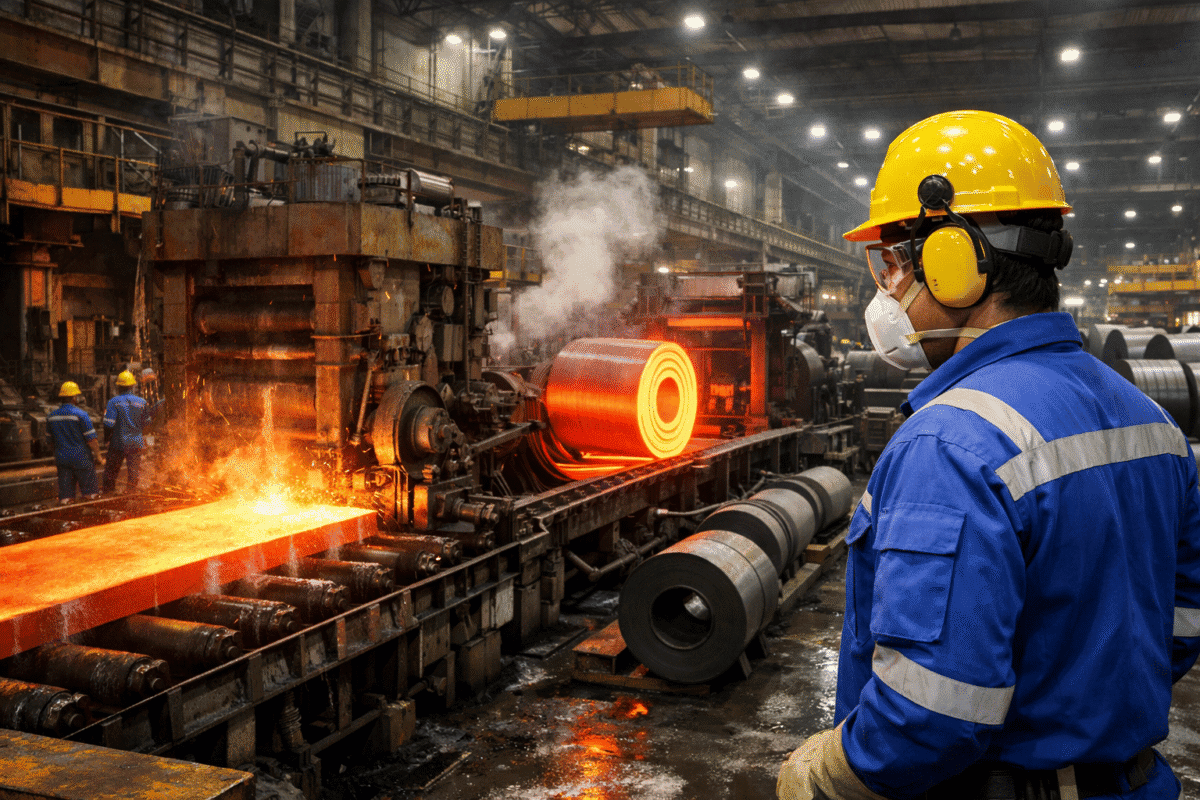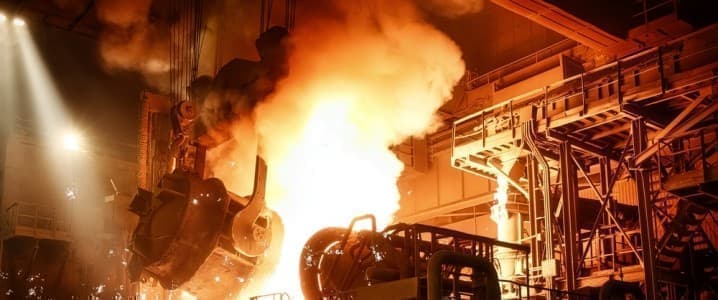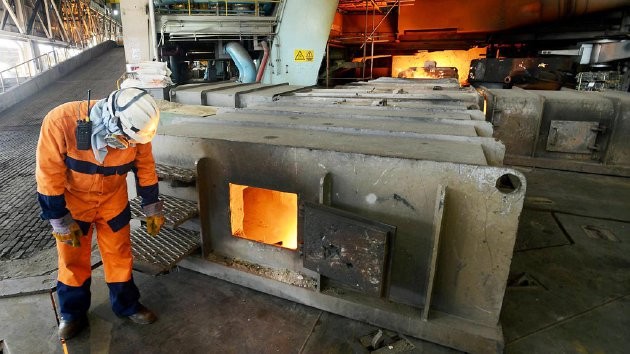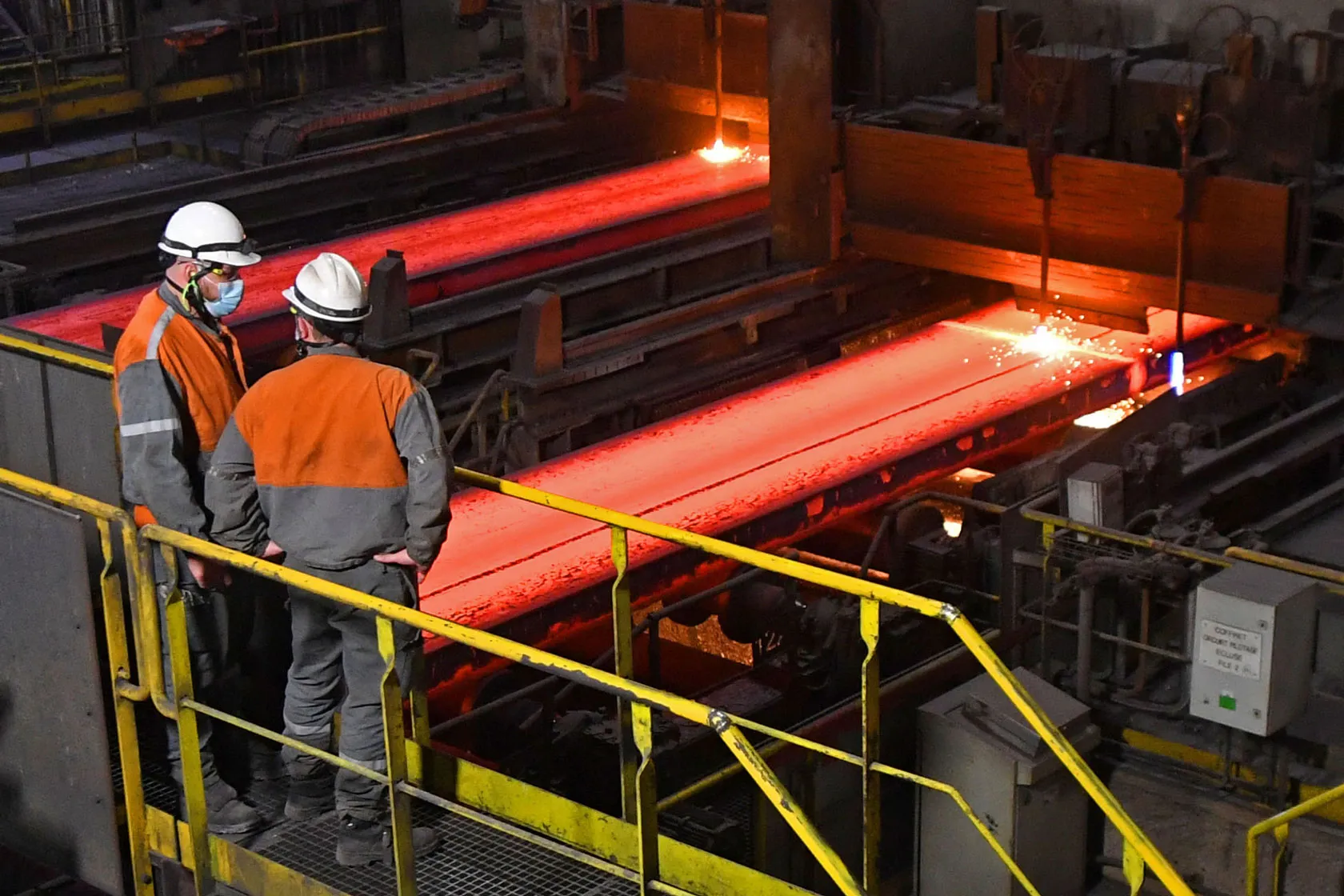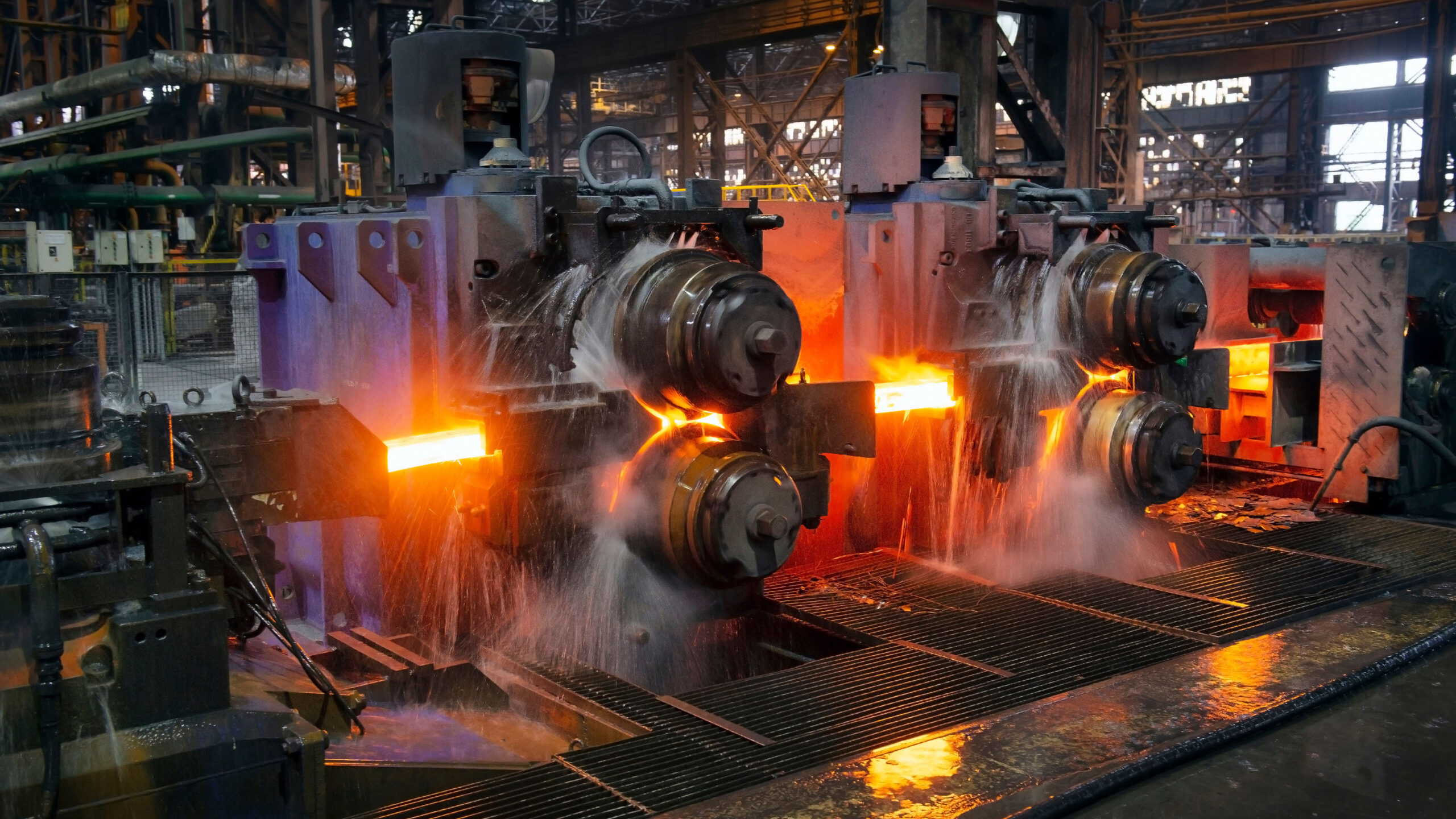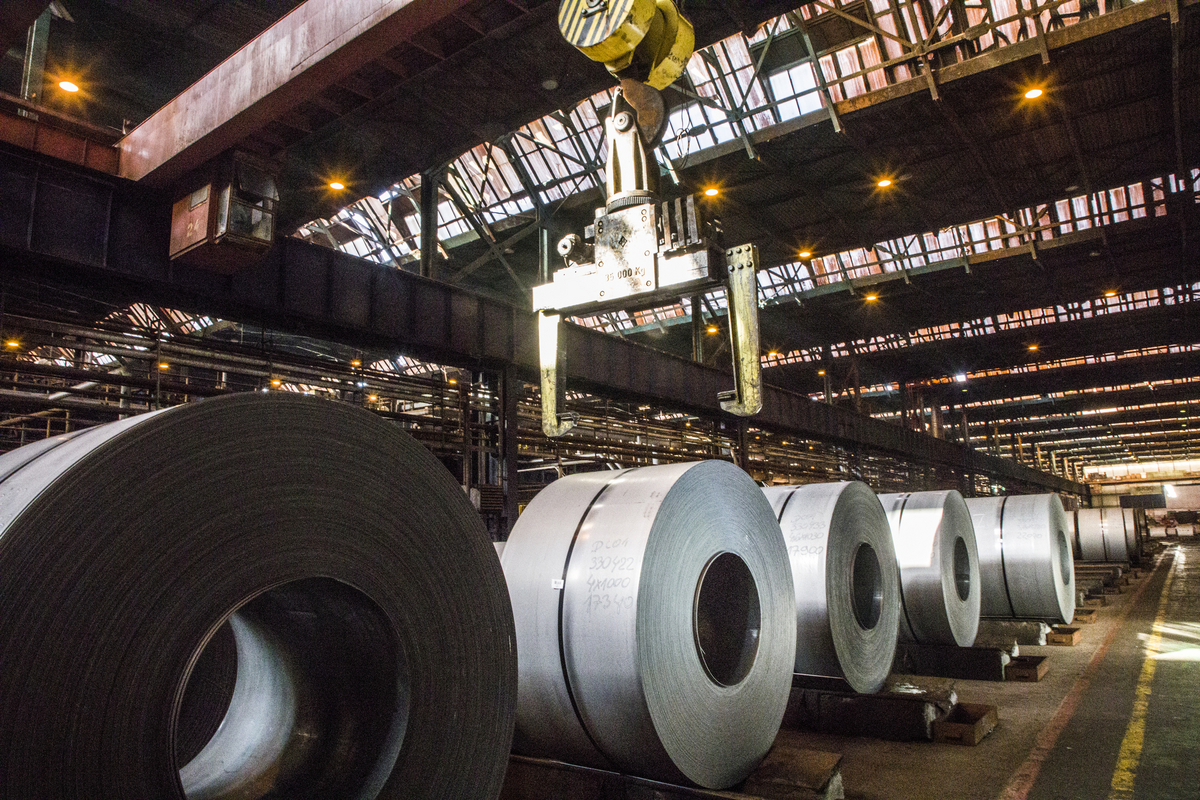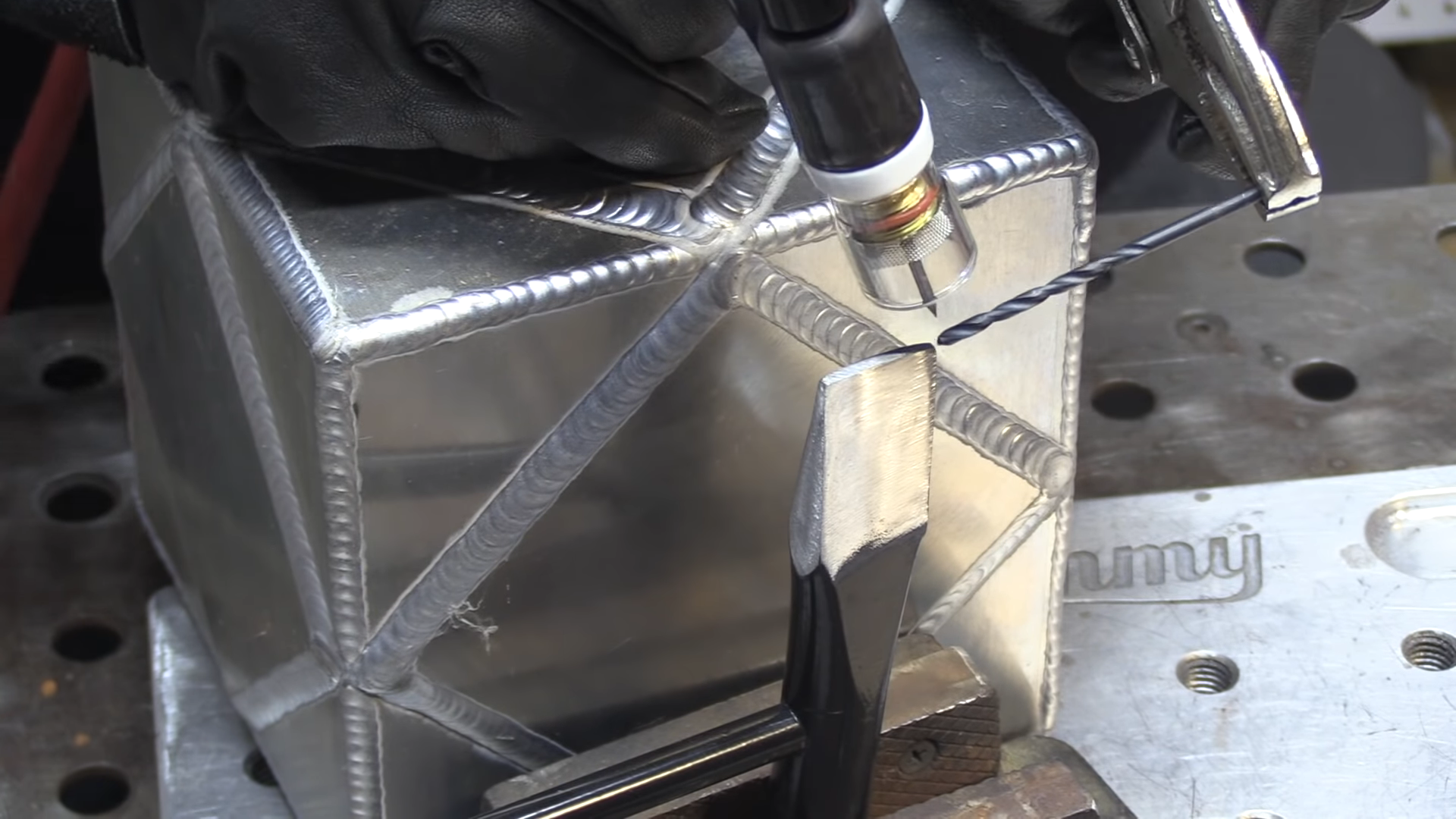
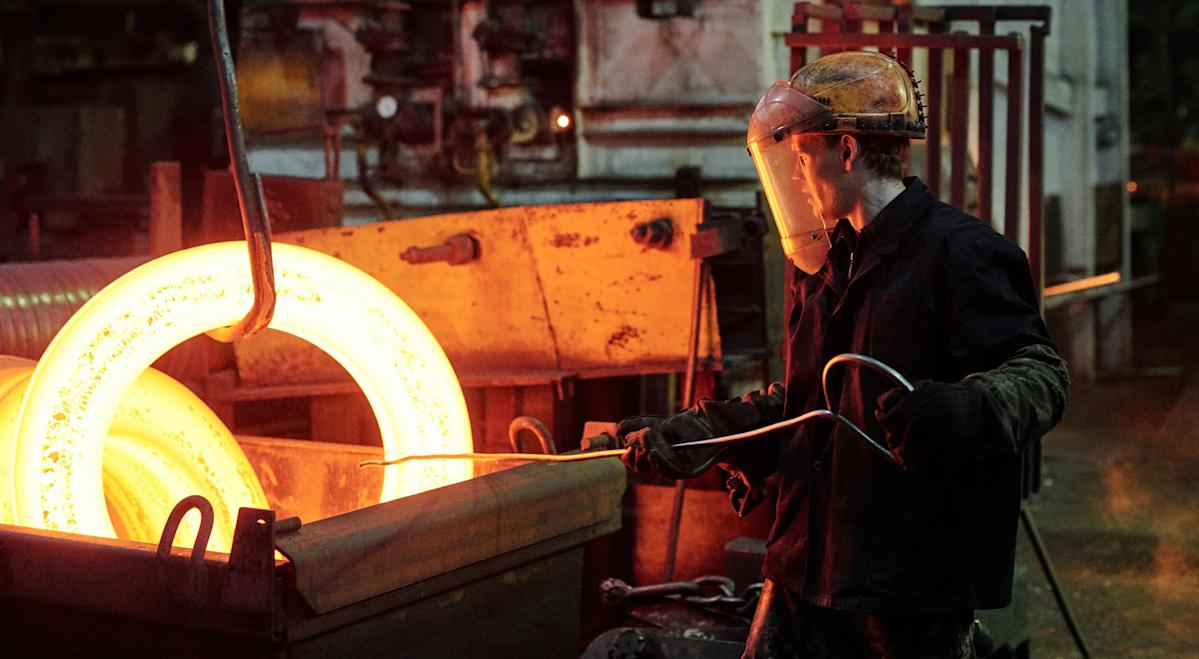

Worker in protective wear melting metal in a factory.
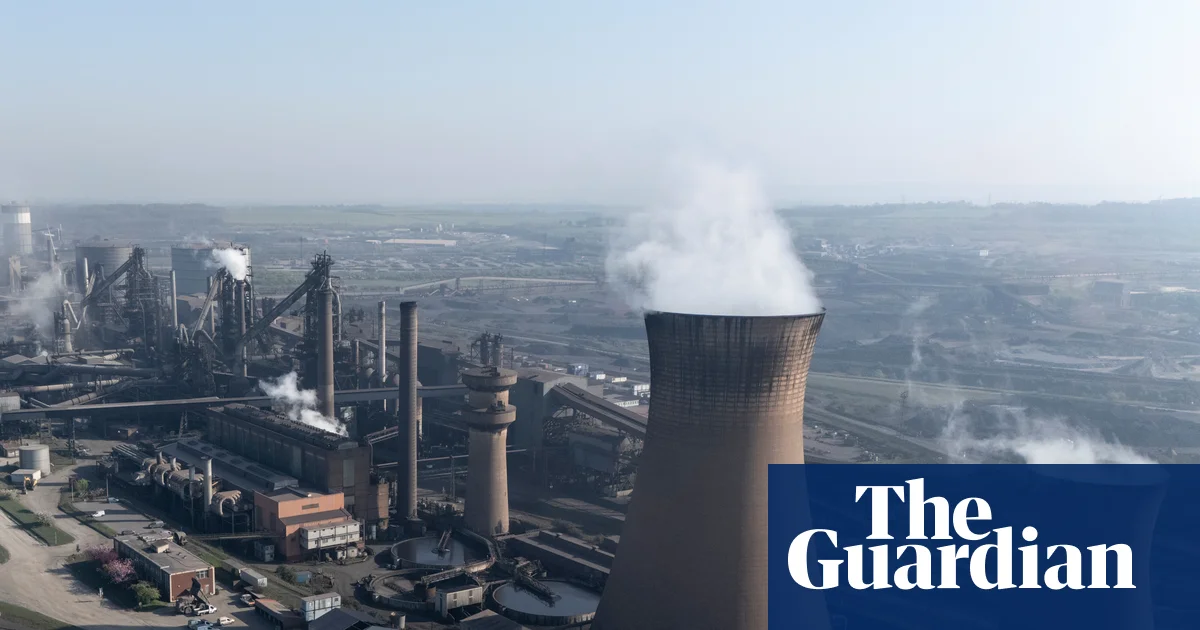
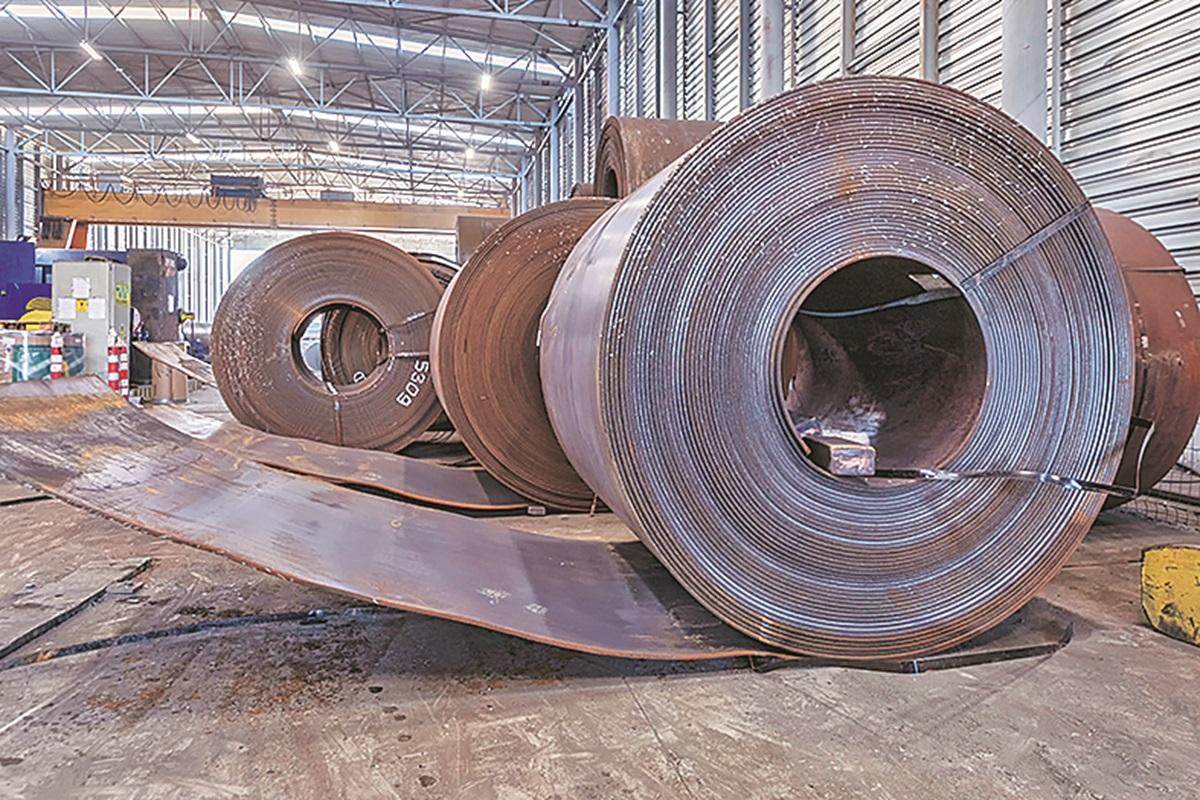
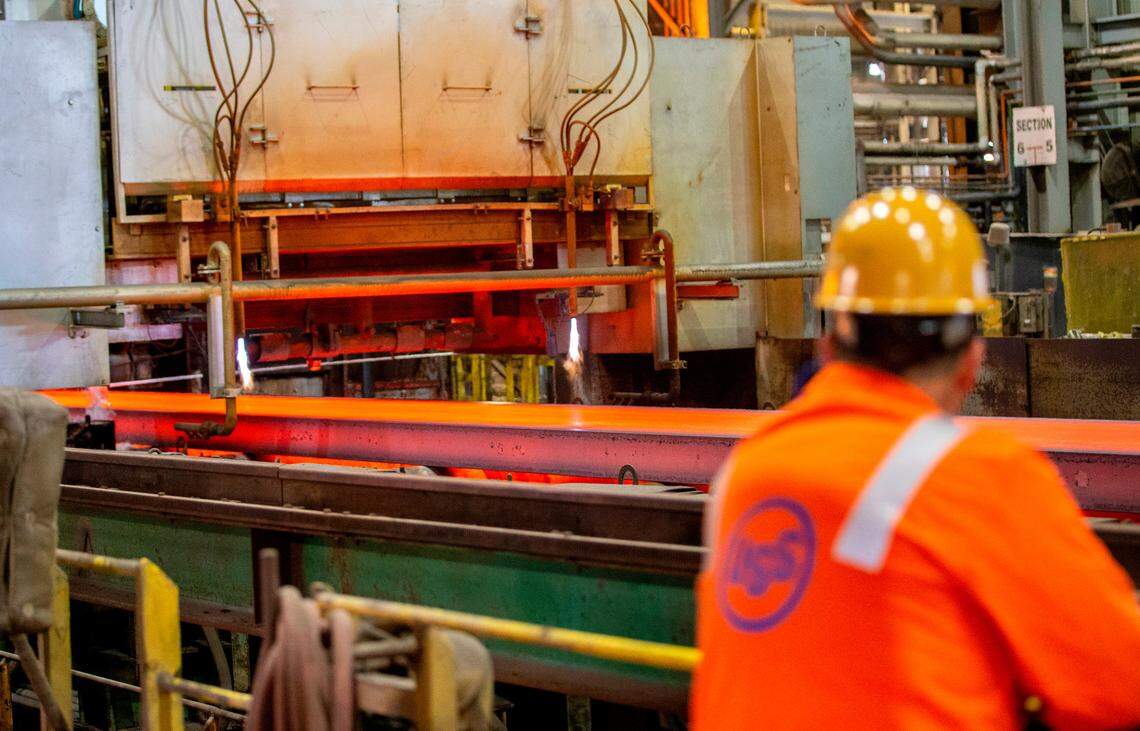
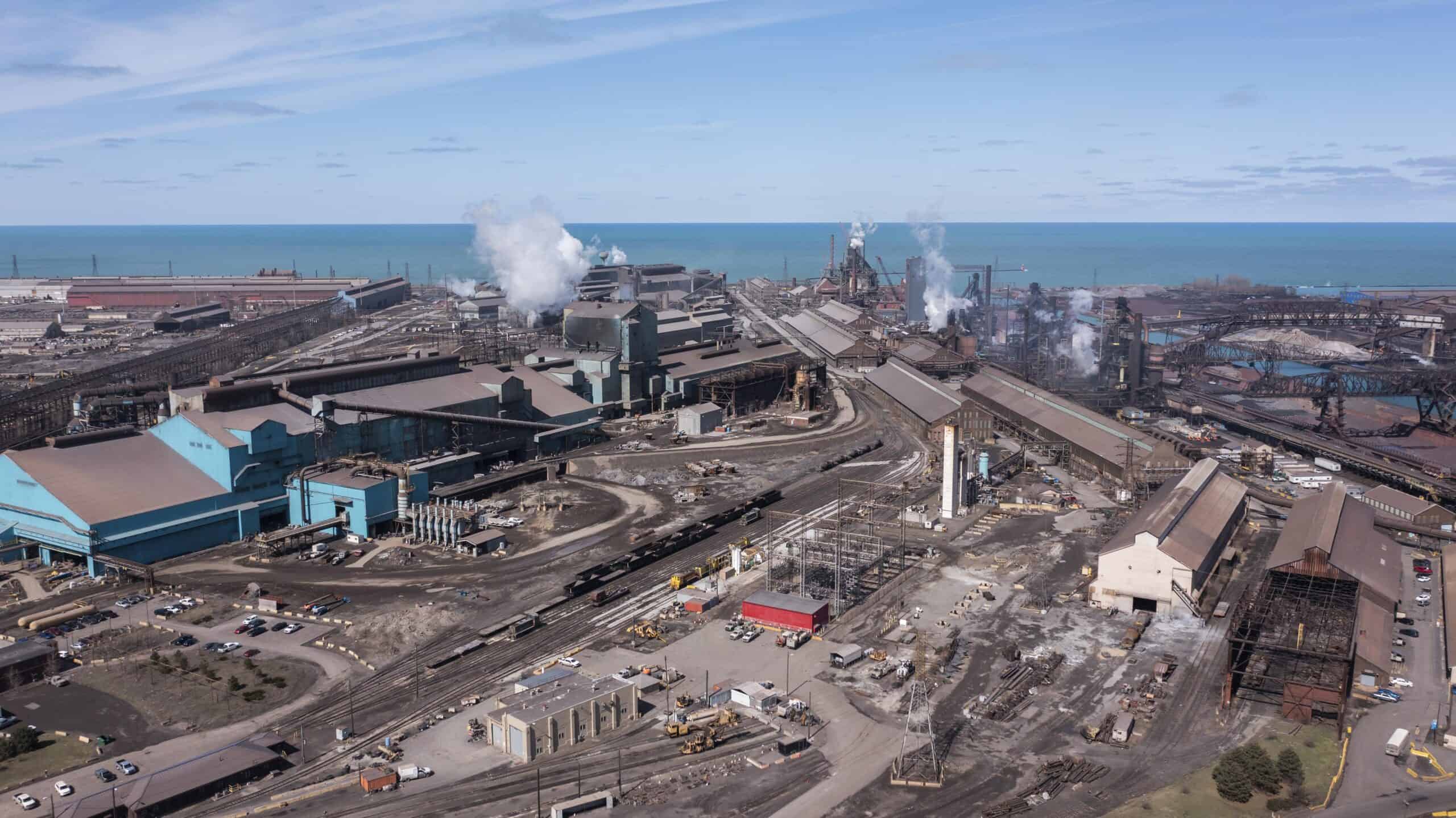
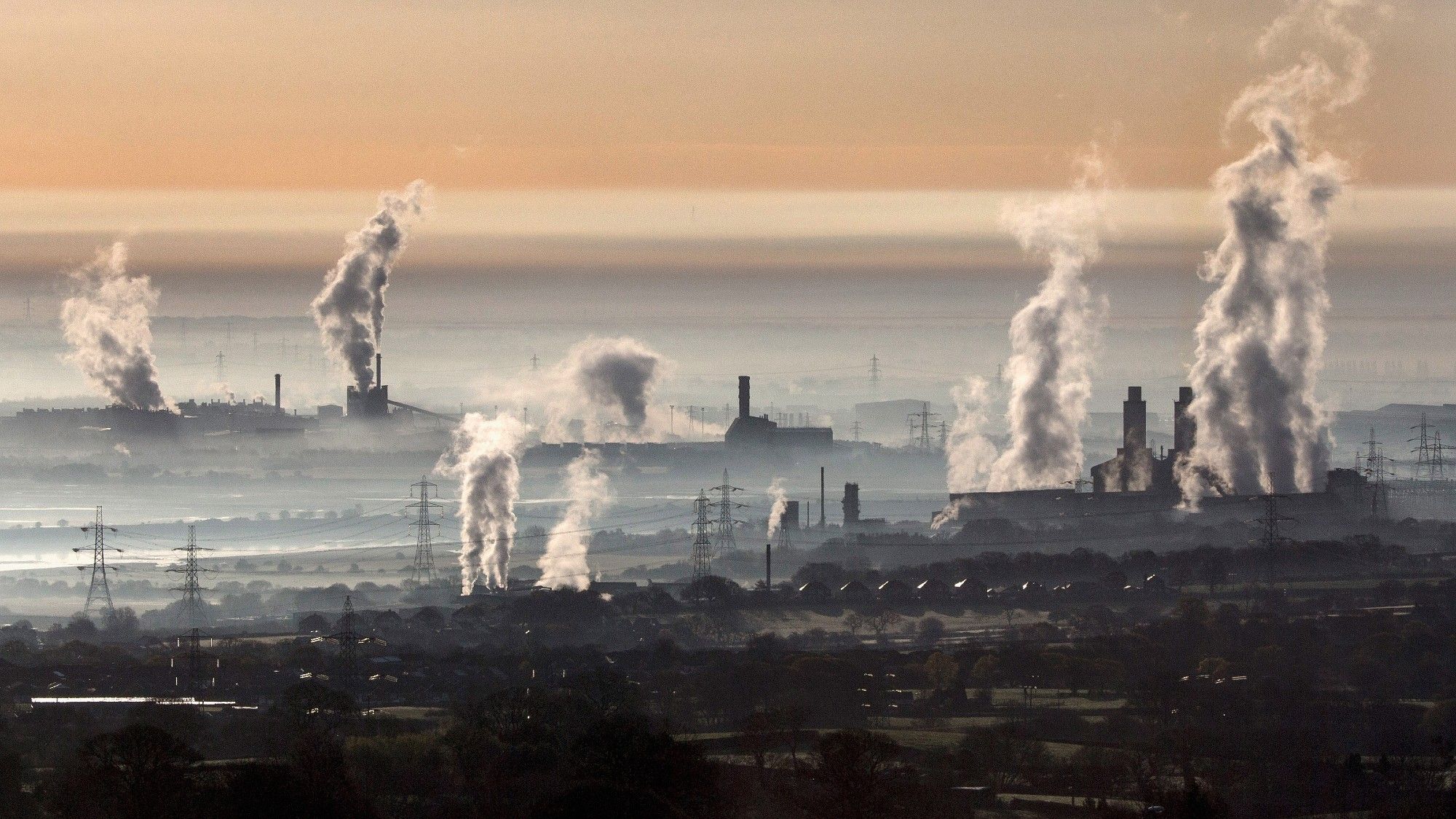
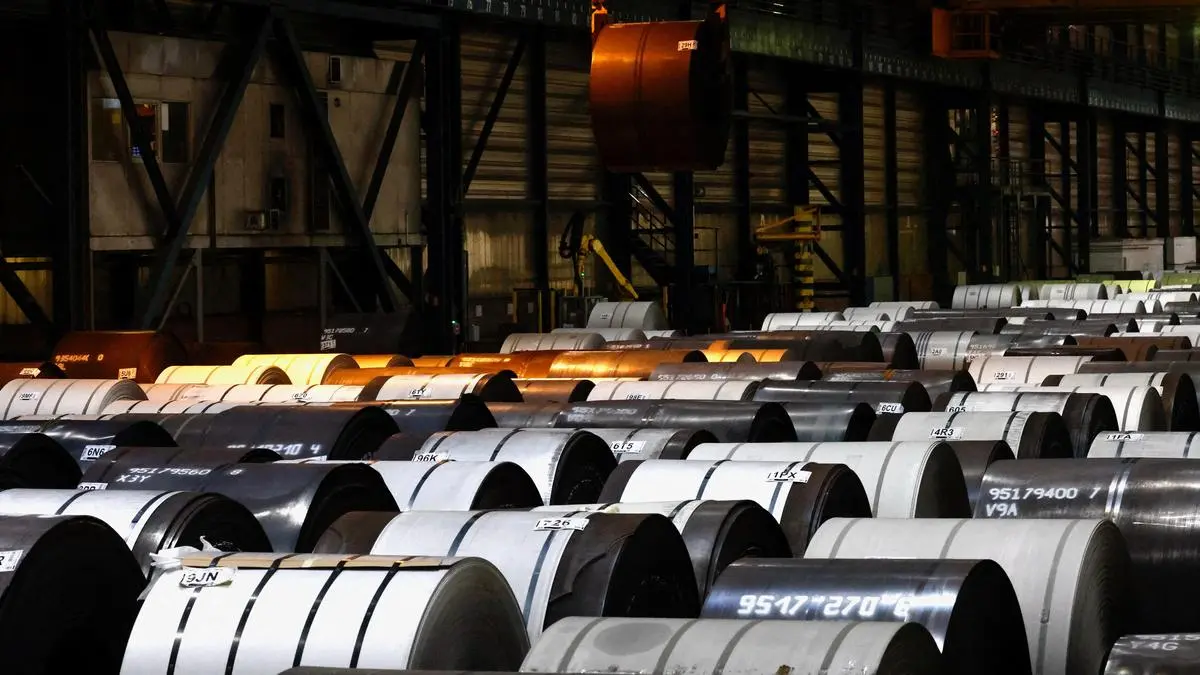
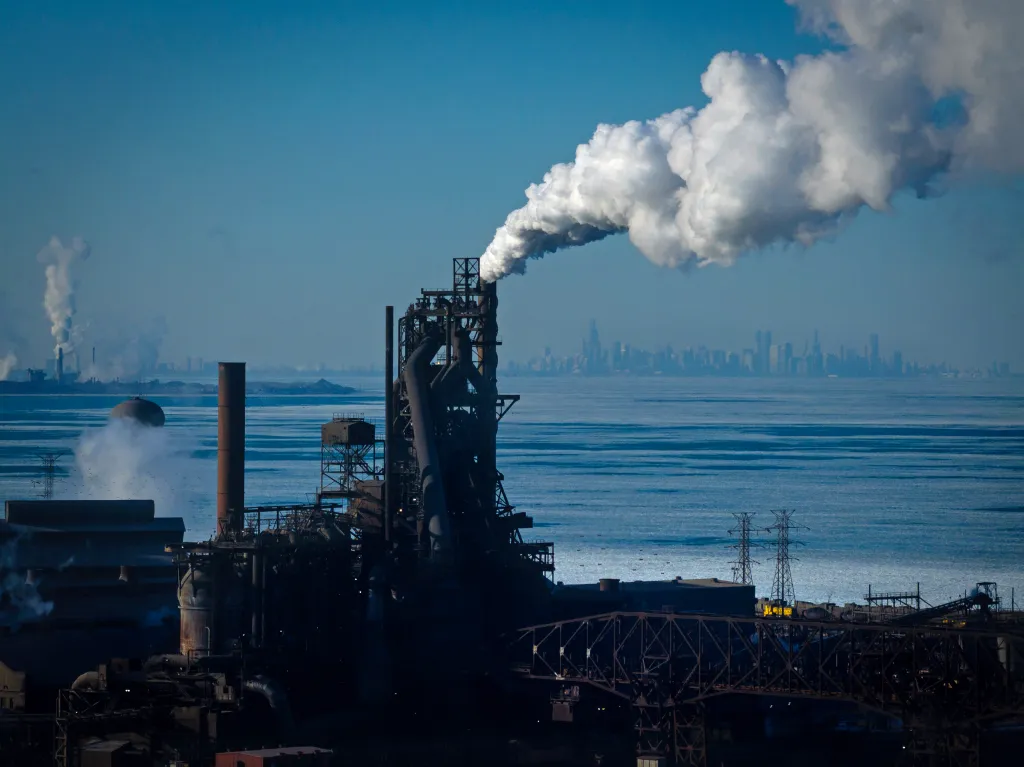
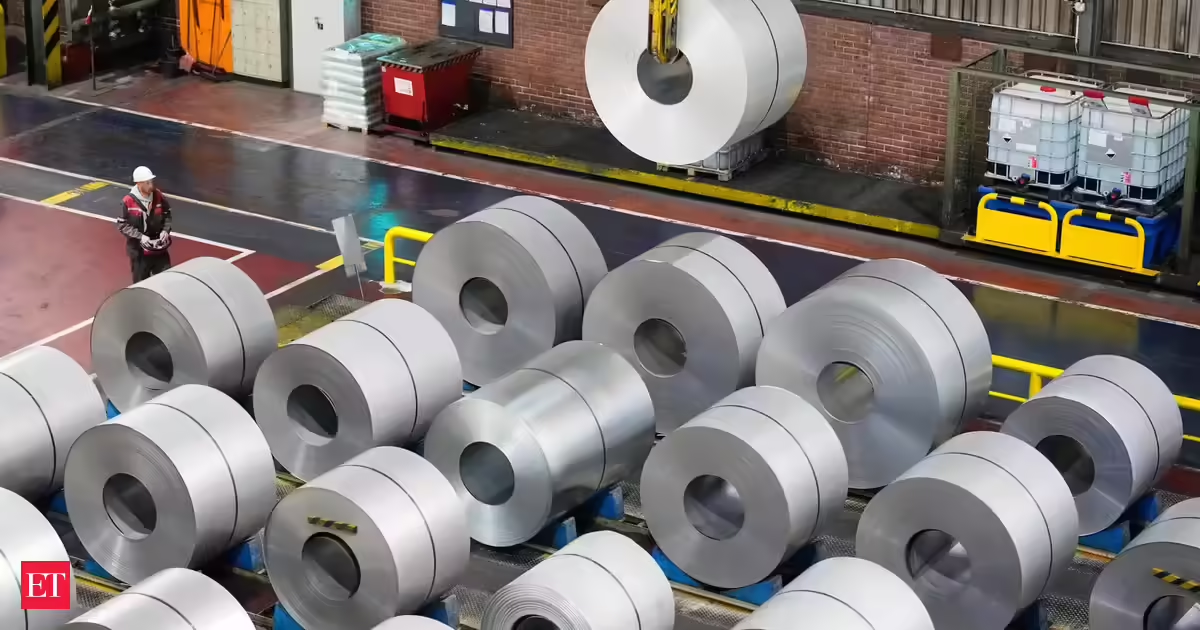
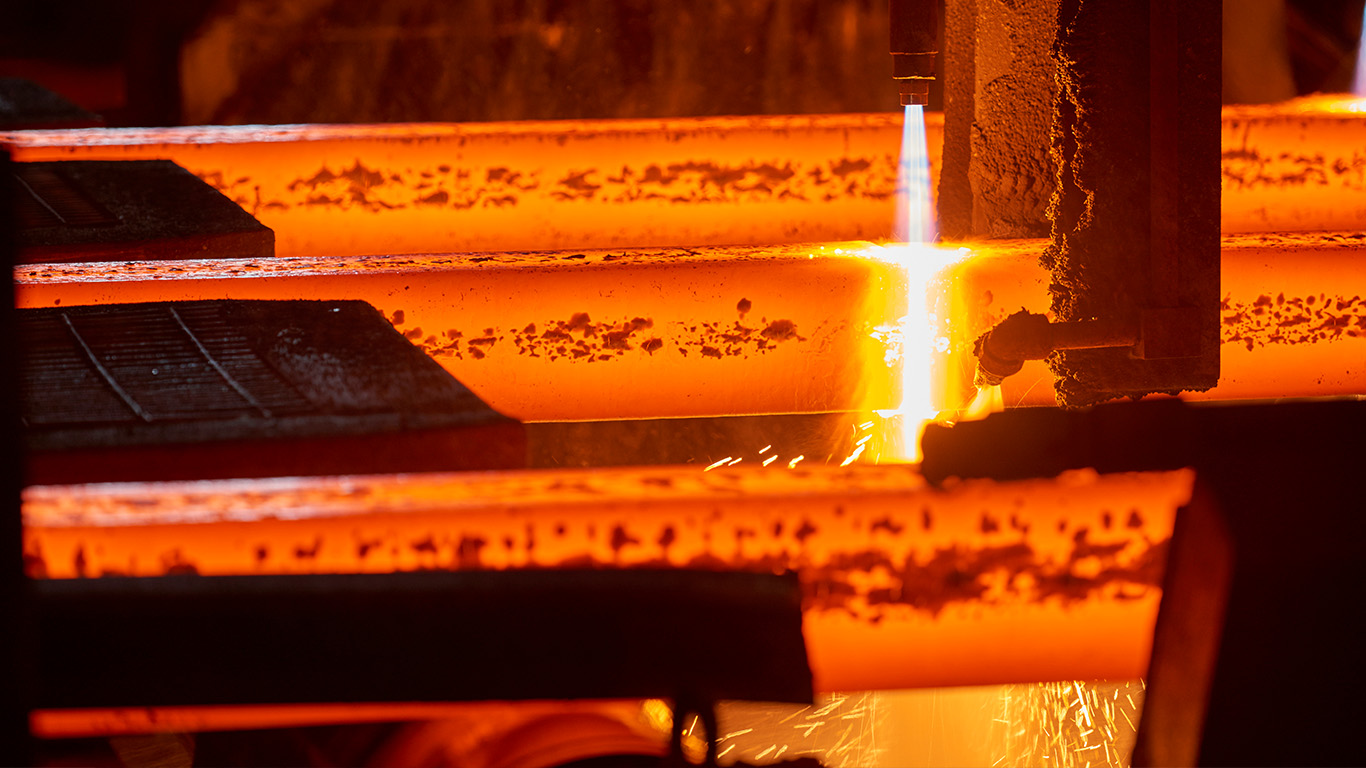
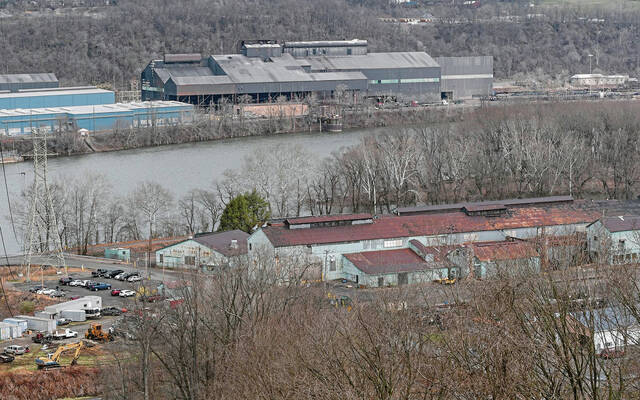
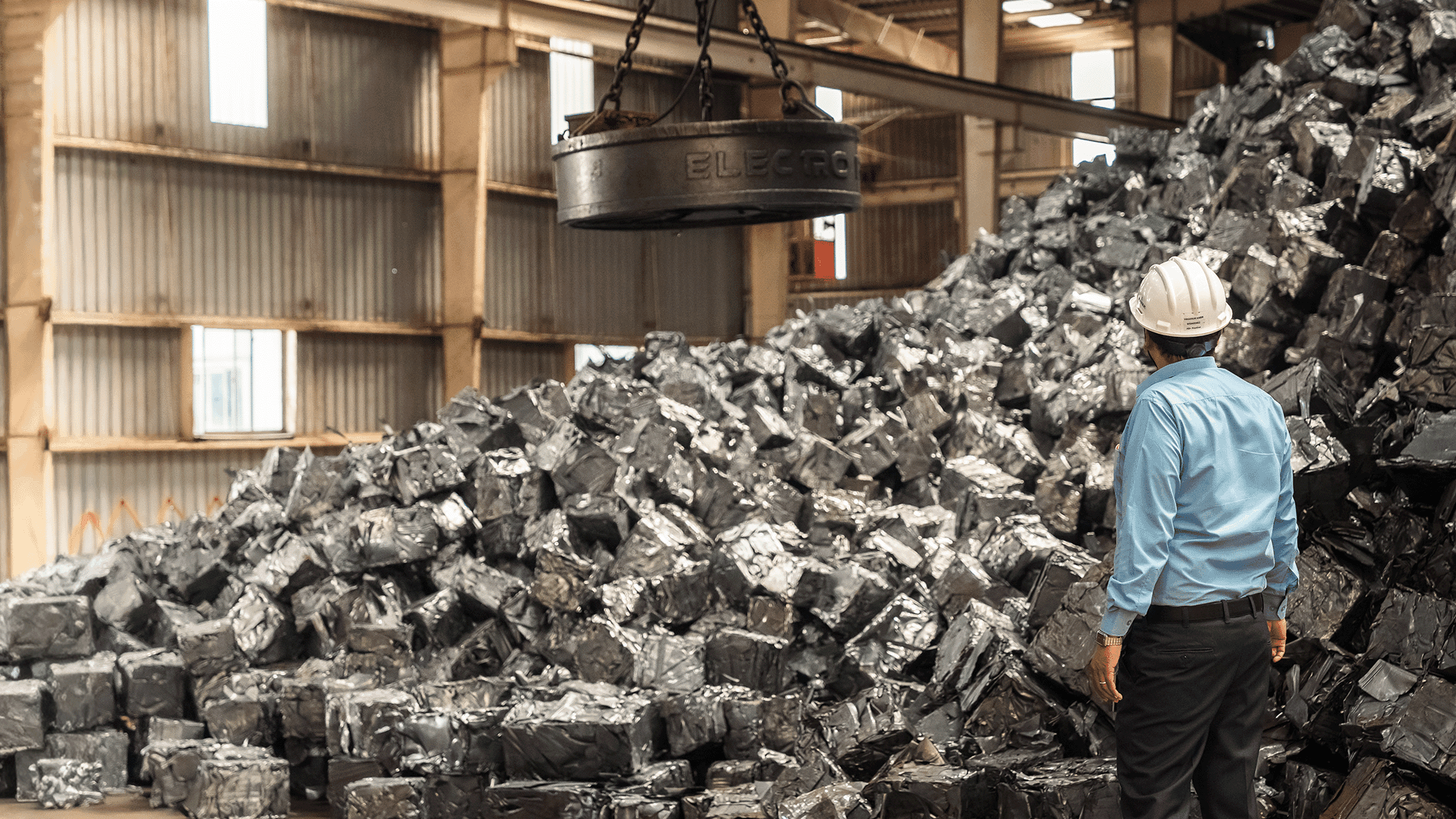
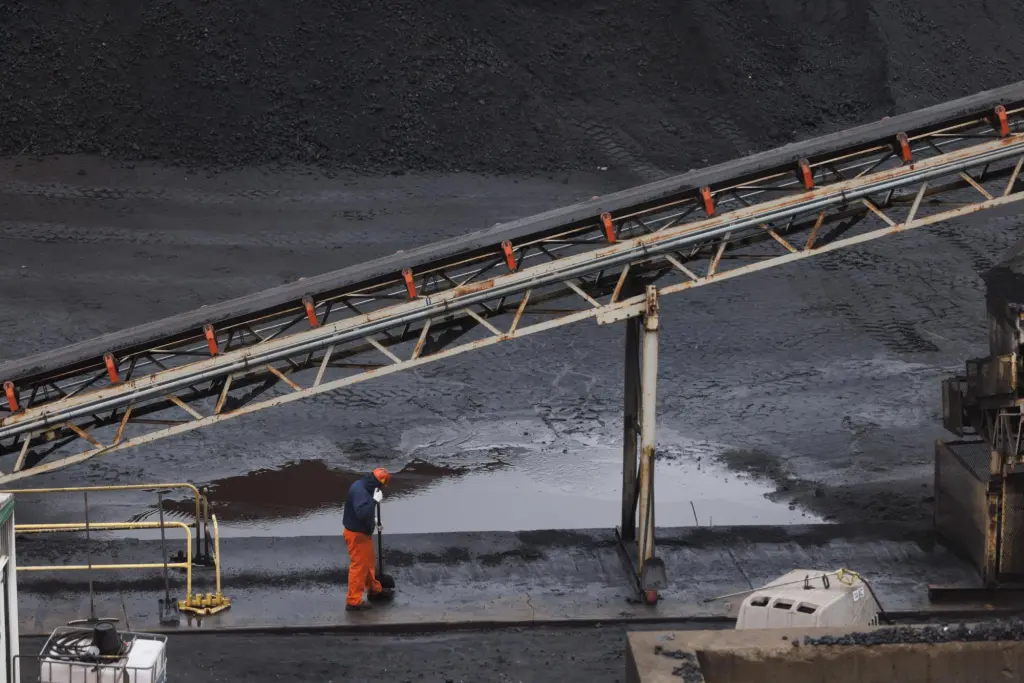
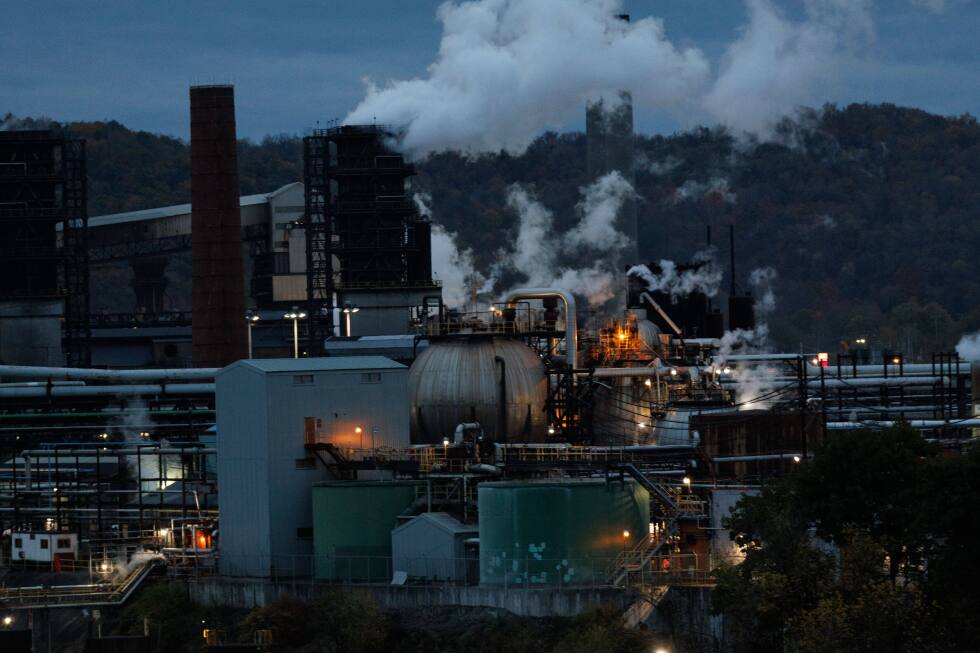
American steel production jumped to 82 million tons in 2025, up about 3%, pushing the U.S. past Japan to become the world’s third-largest steel producer, behind only China and India. It’s the first time in 26 years the U.S. has held that spot (1).
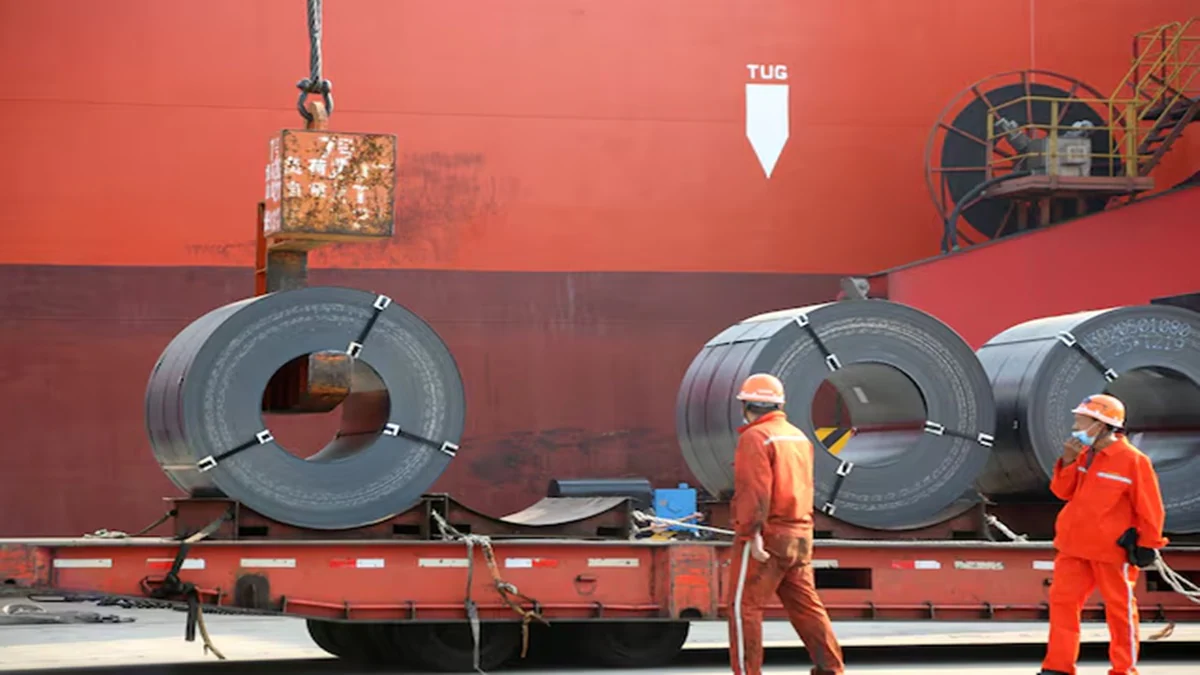
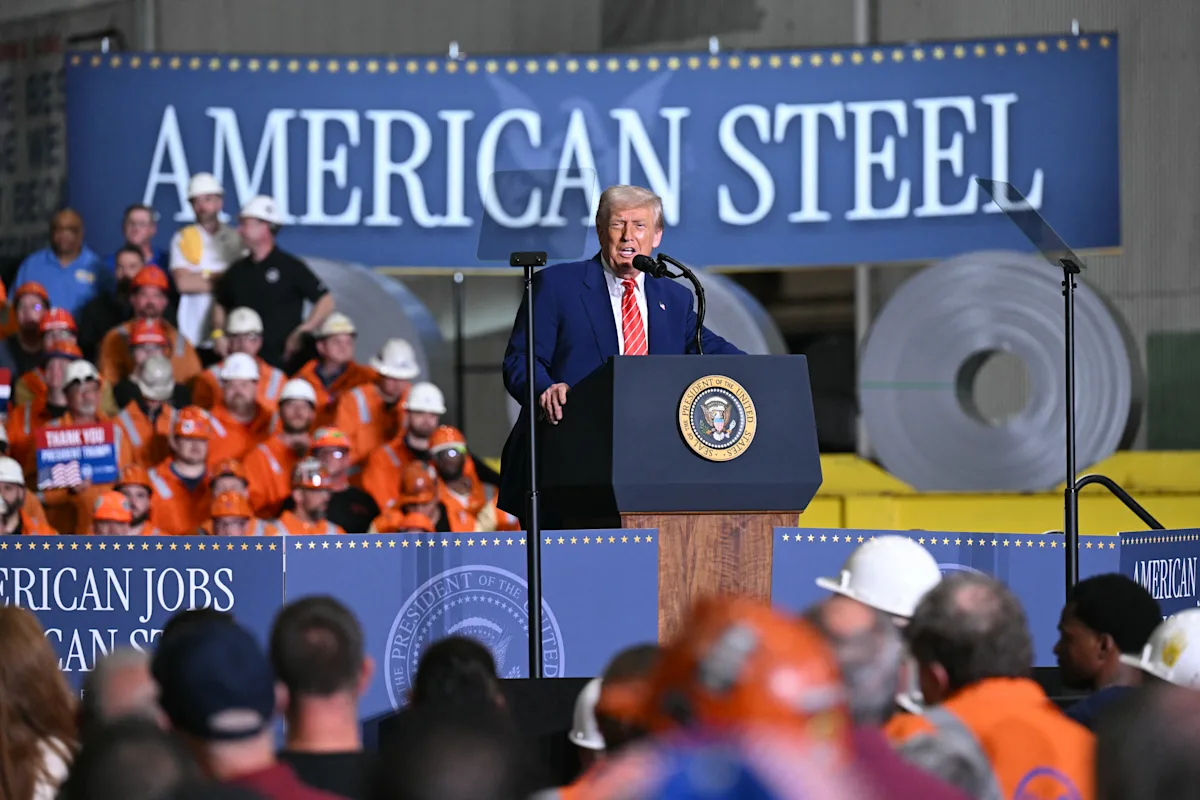
The surge was driven in large part by President Trump’s 50% tariffs on imported steel, imposed in June 2025, which made foreign steel significantly more expensive and steered buyers toward domestic suppliers.
Must Read
On the surface, that sounds like a win for American industry. But while rising production looks good on paper, the broader effects are more complicated, and the way they filter down to everyday households may not be immediately obvious.
What’s driving the steel comeback
By making imported steel more expensive, the tariffs have pushed companies to buy more U.S.-made steel instead.
That shift has helped domestic steel mills increase production and post sharply higher profits. Industry groups say the policy protects American jobs and bolsters national security, and steelmakers have been quick to point to the gains.
If the goal was to lift U.S. steel production, the tariffs have largely succeeded. But production gains tell only part of the story. Manufacturers that depend on steel, including automakers, appliance makers and construction firms, face rising costs.
Research from the Peterson Institute for International Economics found that earlier steel tariffs imposed in 2018, at a 25% rate, did boost industry profits and preserve some steel manufacturing jobs. But the cost was steep — roughly $650,000 in higher prices and economic losses for every steel job saved (2).
While the latest data shows a production bump, economists say it’s unclear whether higher tariffs will make U.S. steel more competitive over the long term — or simply raise prices while limiting foreign competition.
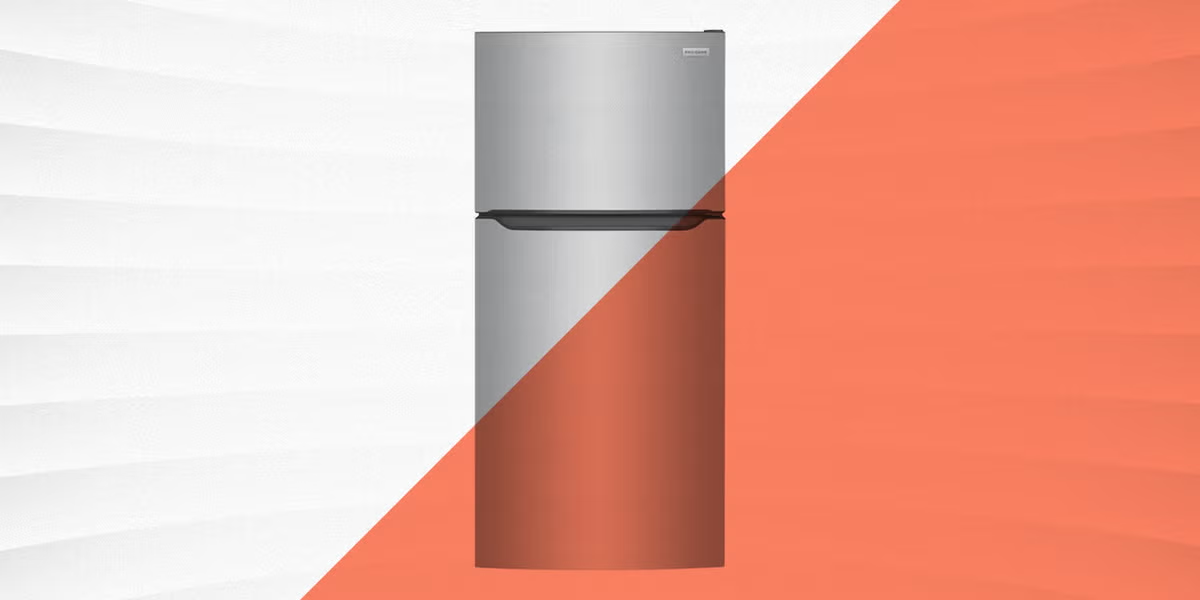
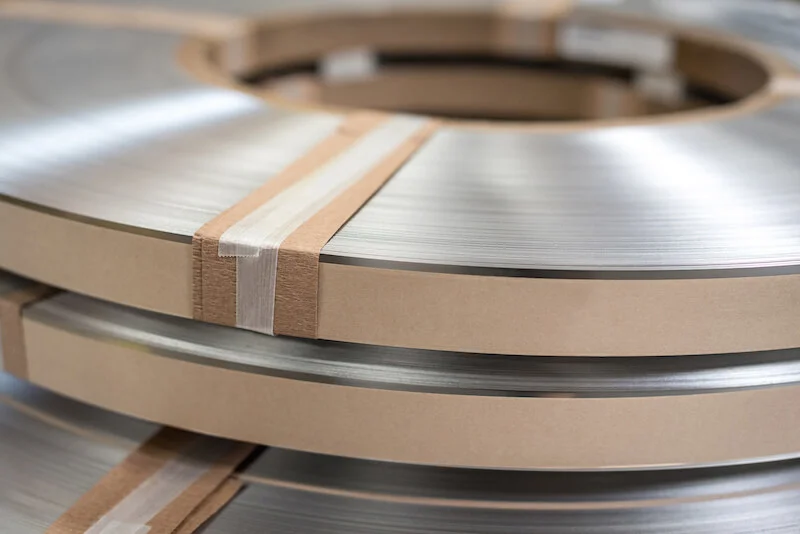
Steel is a basic input in thousands of products. When manufacturers pay more for steel, their production costs rise. Automakers, appliance makers and construction firms don’t usually absorb those higher costs, they pass part of them along through higher sticker prices. Over time, that can mean paying more for a car, a refrigerator or a home renovation, even if you never buy raw steel yourself.
Read More: Non-millionaires can now invest in this $1B private real estate fund starting at just $10
Read More: Warren Buffett’s 8 simple and repeatable rules to get rich (and stay rich) in America
What you can do as a consumer
While steel companies and their shareholders benefit, much of the cost ultimately lands on households. The impact shows up in everyday purchases many Americans make.
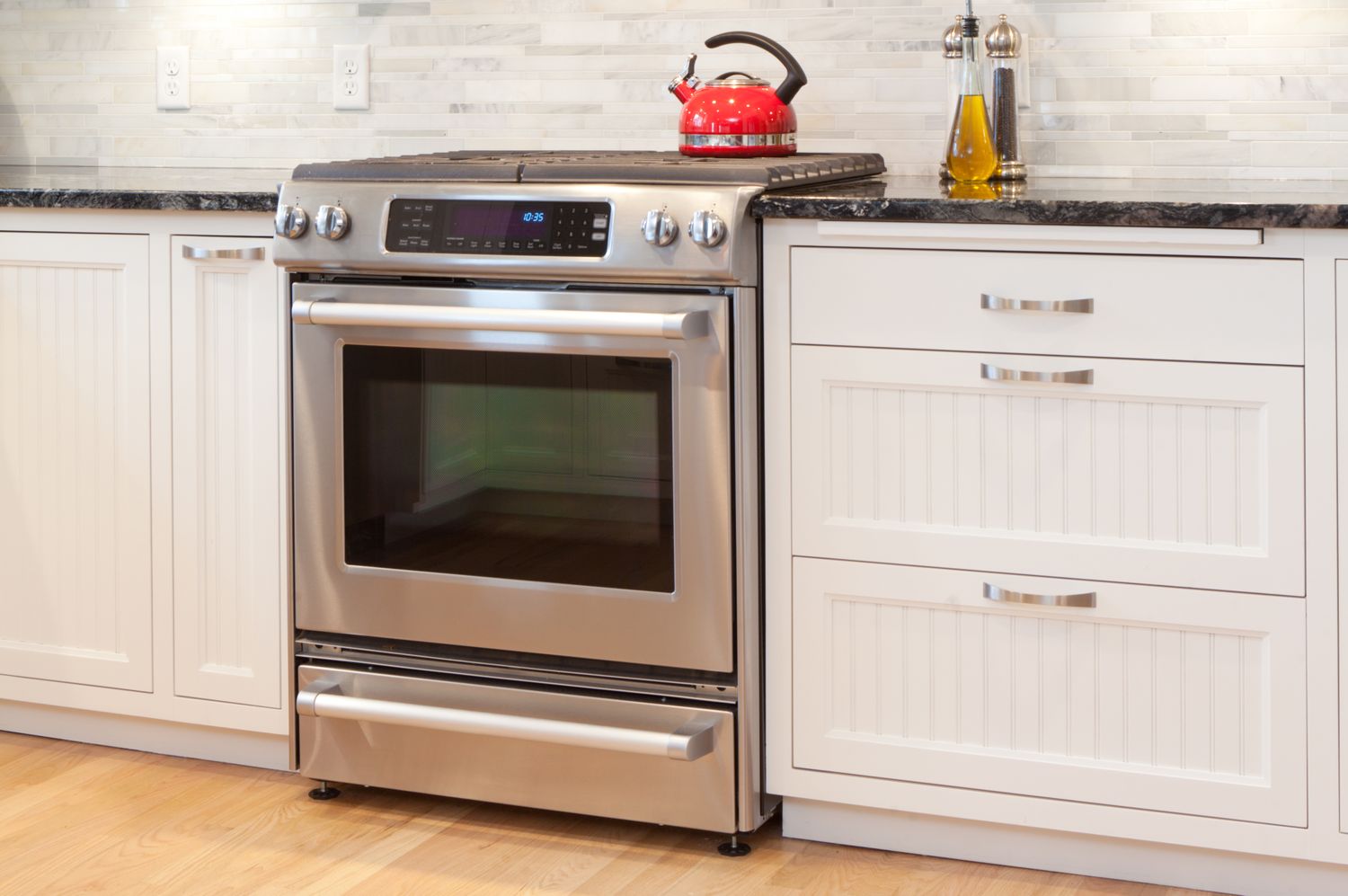
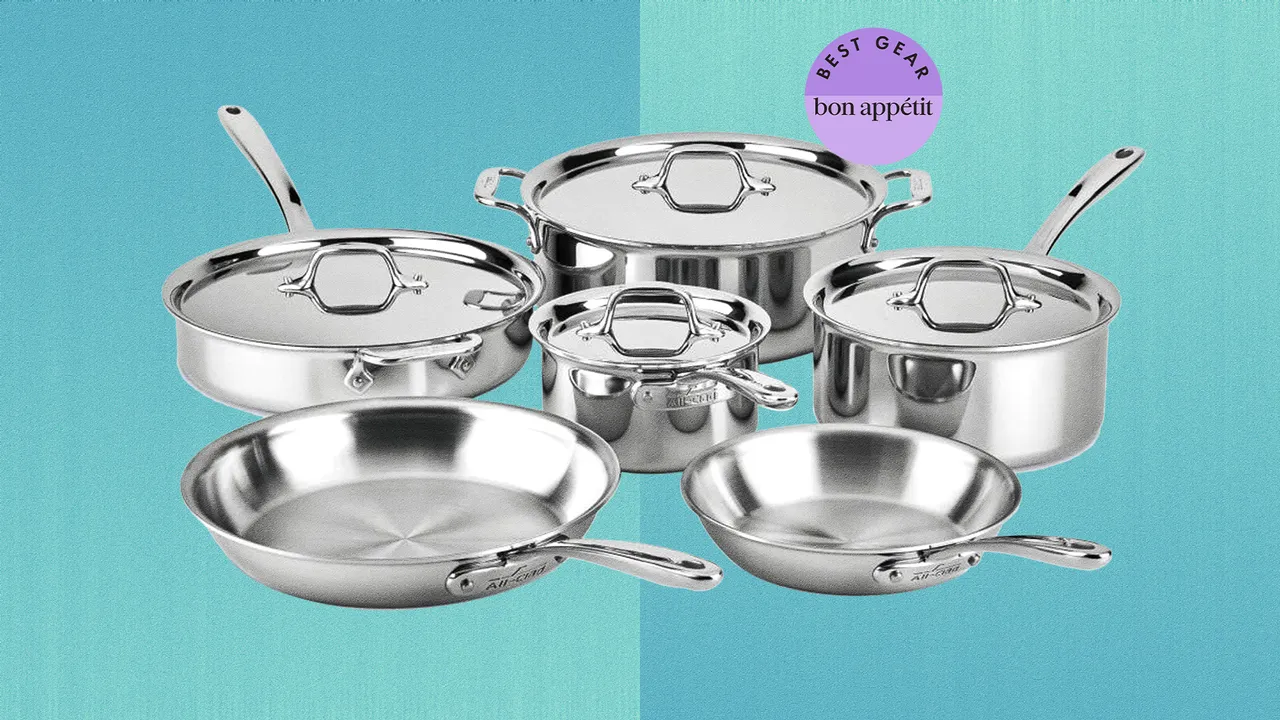
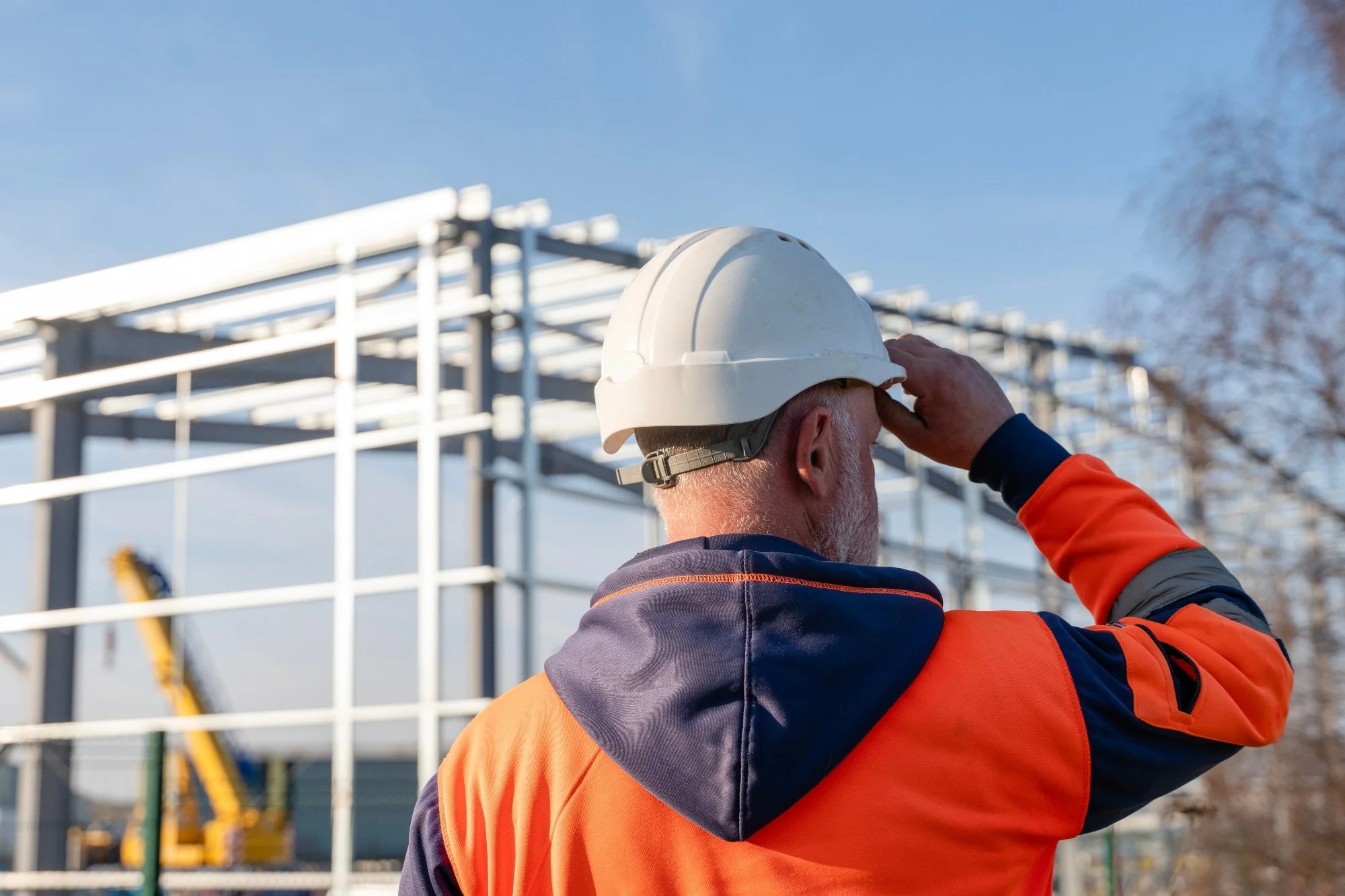
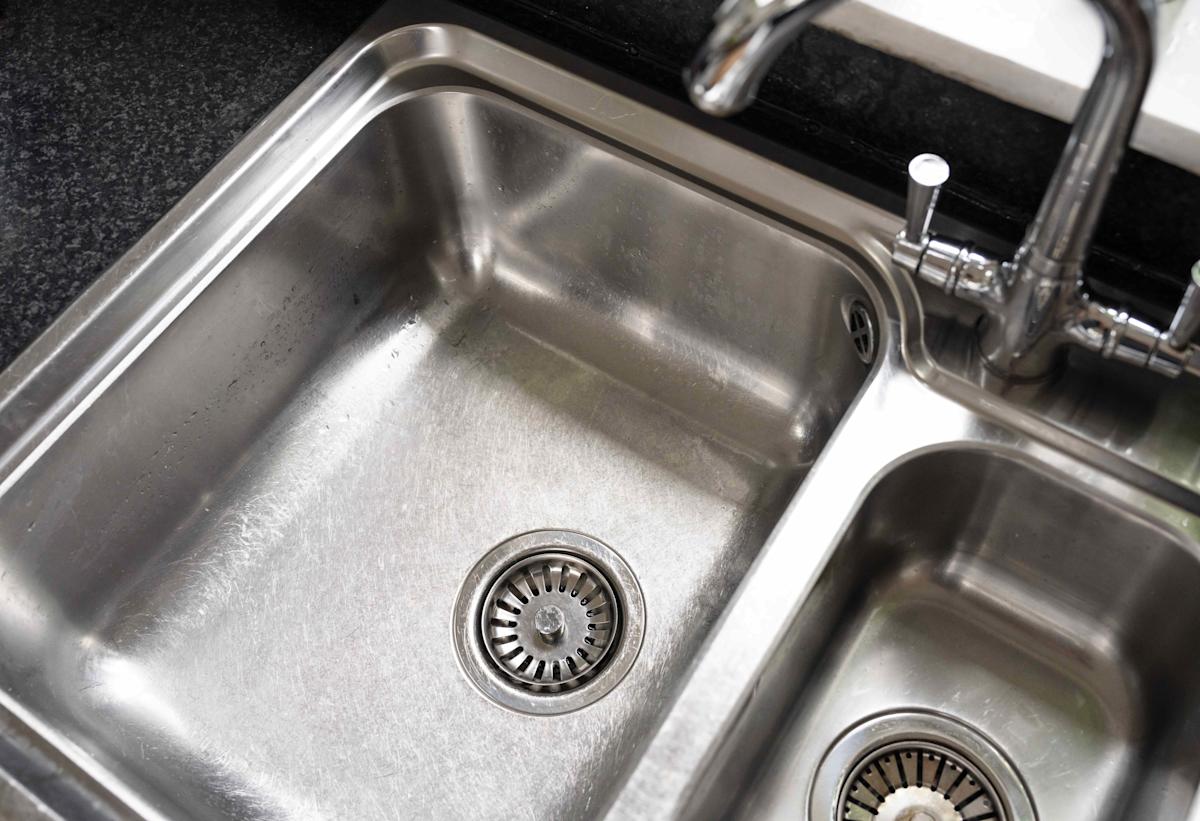
Car prices can go up since higher steel costs feed into car production. Major appliances, including washers, dryers and refrigerators, are also affected because steel is a main material. In housing and construction, steel used in framing and structural components can push up the cost of renovations and new builds (3).
In the short term, the prices stay high. Tariffs raise costs, and there’s no guarantee U.S. steelmakers will lower prices later, especially when foreign competition is limited.
In the longer term, a stronger domestic steel industry could mean more reliable supply chains. But economists warn that tariffs alone won’t magically make products cheaper. Global supply chains adjust slowly, and higher costs can stick around for years.
If steel prices are pushing up what you pay, a few smart moves can help soften the blow:
Delay, or strategically time, big purchases. If you can wait, cars often go on sale during holidays or at the end of model years (4).
Compare alternatives. Some products use less steel or substitute other materials and they may cost less. For example, in home renovation consider engineered wood, fiberglass or composite materials instead of steel.
Shop around. Prices can vary depending on where you shop, so make sure to take your time and compare.
Buy used when it makes sense. Certified used cars or refurbished appliances can save serious money.
Some purchases are more exposed to rising steel prices than others. Big-ticket items such as cars, major appliances and home renovation projects use large amounts of steel, making them more likely to show price increases (5). On the other hand, products like electronics, clothing, and most furniture don’t rely on steel as much and are generally less affected.
It also helps to think about the bigger picture. If you live in an area with a lot of construction, it’s smart to budget for higher material costs going forward. And when you’re making long-term plans to move or thinking about where to retire, rising building and renovation costs in certain regions are worth factoring into the decision.
U.S. steel production is rising and that’s good news for the steel industry.
The resurgence in U.S. steel production marks a notable shift in global rankings and a win for domestic manufacturers. But tariffs don’t operate in isolation. While steel producers benefit from higher prices and reduced foreign competition, those same higher input costs ripple outward through the economy. For households planning major purchases, understanding where those costs show up may matter more than the production numbers themselves.
What To Read Next
Join 250,000+ readers and get Moneywise’s best stories and exclusive interviews first — clear insights curated and delivered weekly. Subscribe now.
Article sources
We rely only on vetted sources and credible third-party reporting. For details, see our editorial ethics and guidelines.
Nikkei Asia (1); Peterson Institute for International Economics (2); Time (3); AAA (4); Tampa Steel & Supply (5)
This article provides information only and should not be construed as advice. It is provided without warranty of any kind.