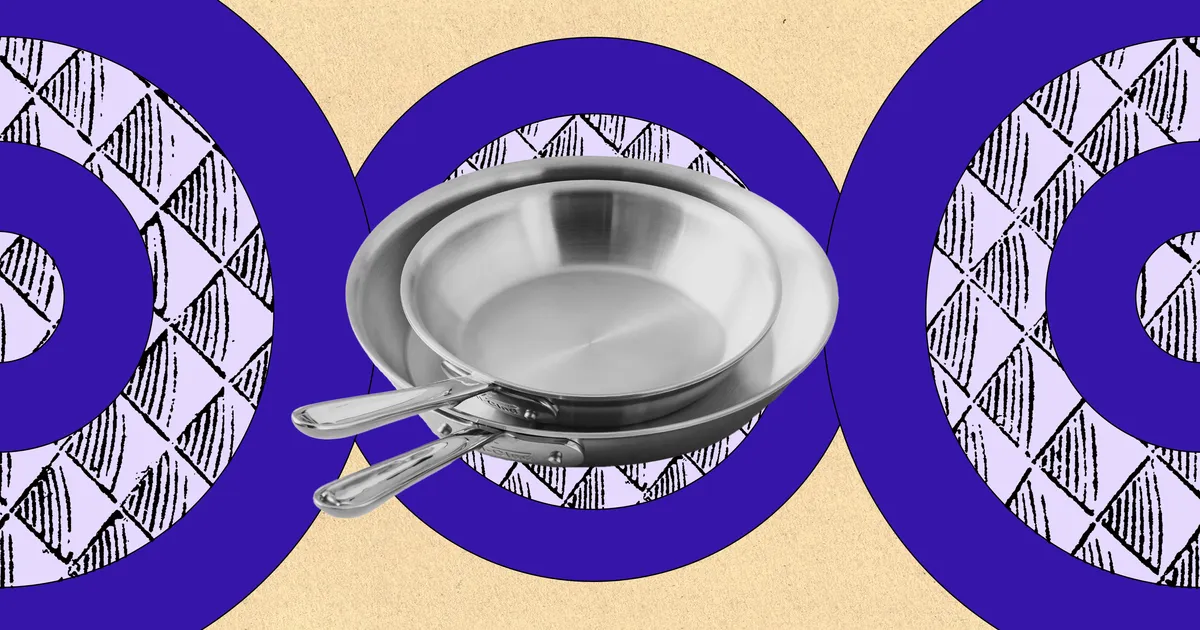

Photo-Illustration: The Strategist; Photo: Retailer
In all my reporting on and testing of stainless-steel skillets, I’ve been able to determine which models are best — based on professionals telling me so, or how well my own dinners turn out. But over the years, I’ve also wondered why some work and others are just kind of meh. Is price really a determining factor? Are more layers of metal inherently better? To figure out what makes a quality stainless-steel skillet, I turned to two experts in different fields: Chef and cookbook author Carla Lalli talked about the cooking side of things. And materials scientist Zack Feinberg explained how the qualities of the raw metal and how it’s formed into a piece of cookware affect how it ultimately performs.
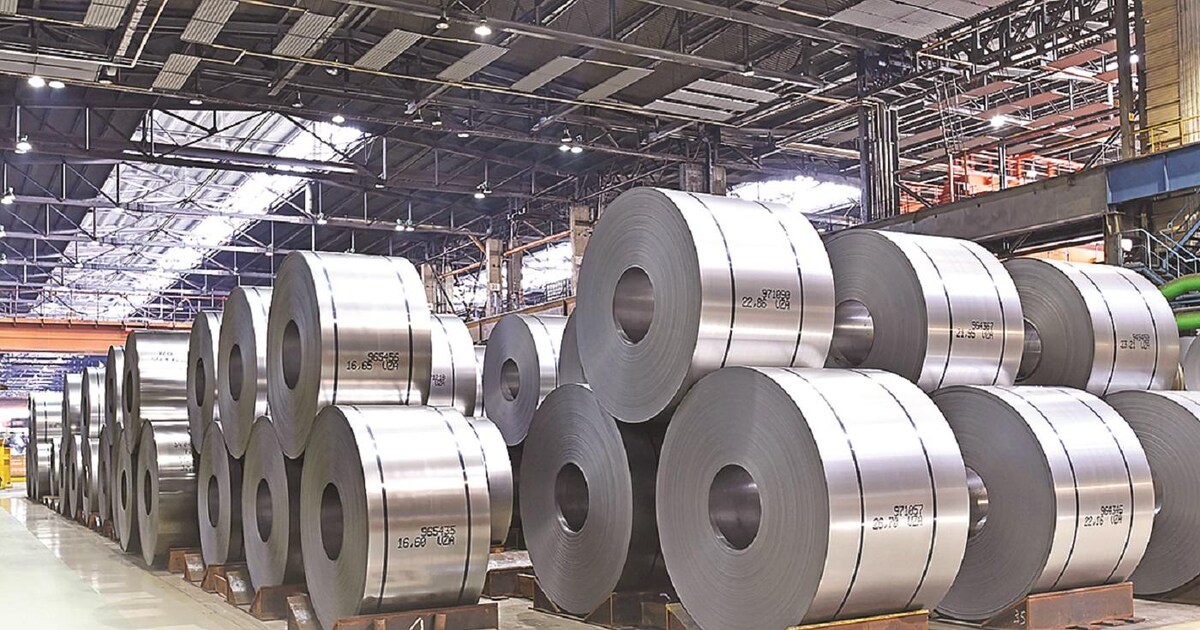
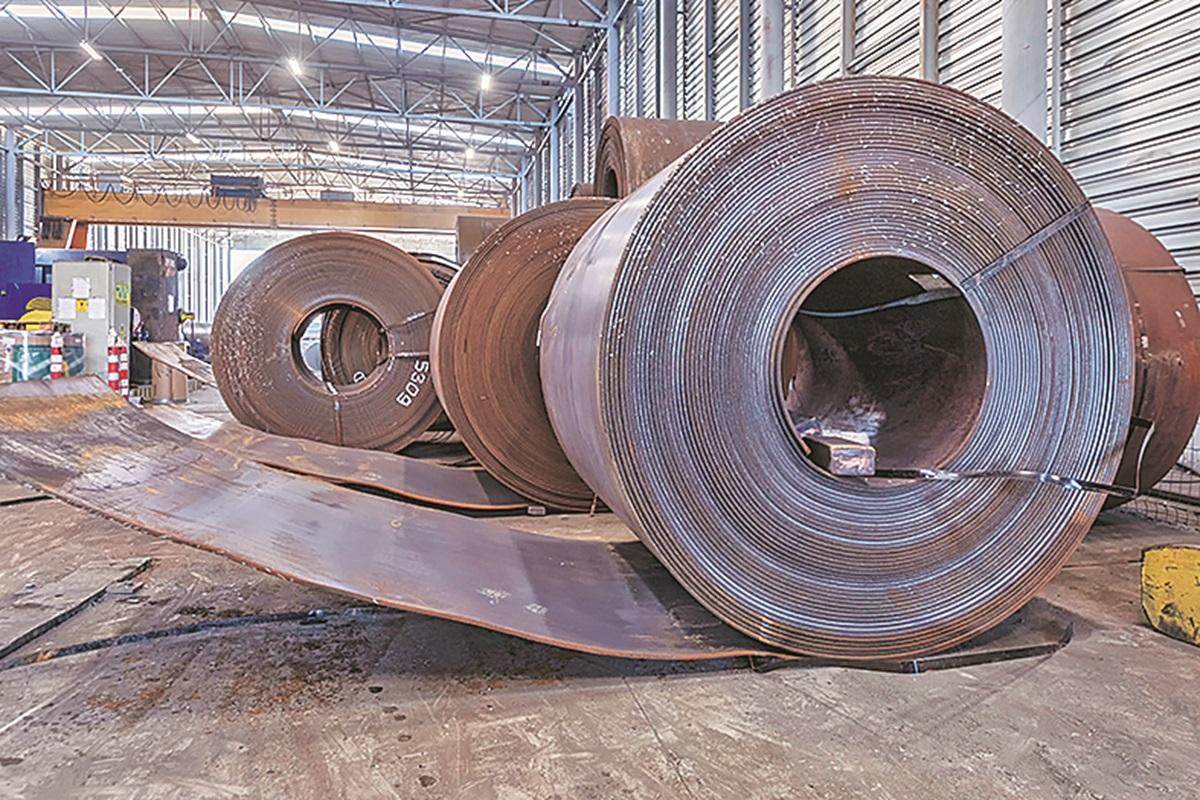
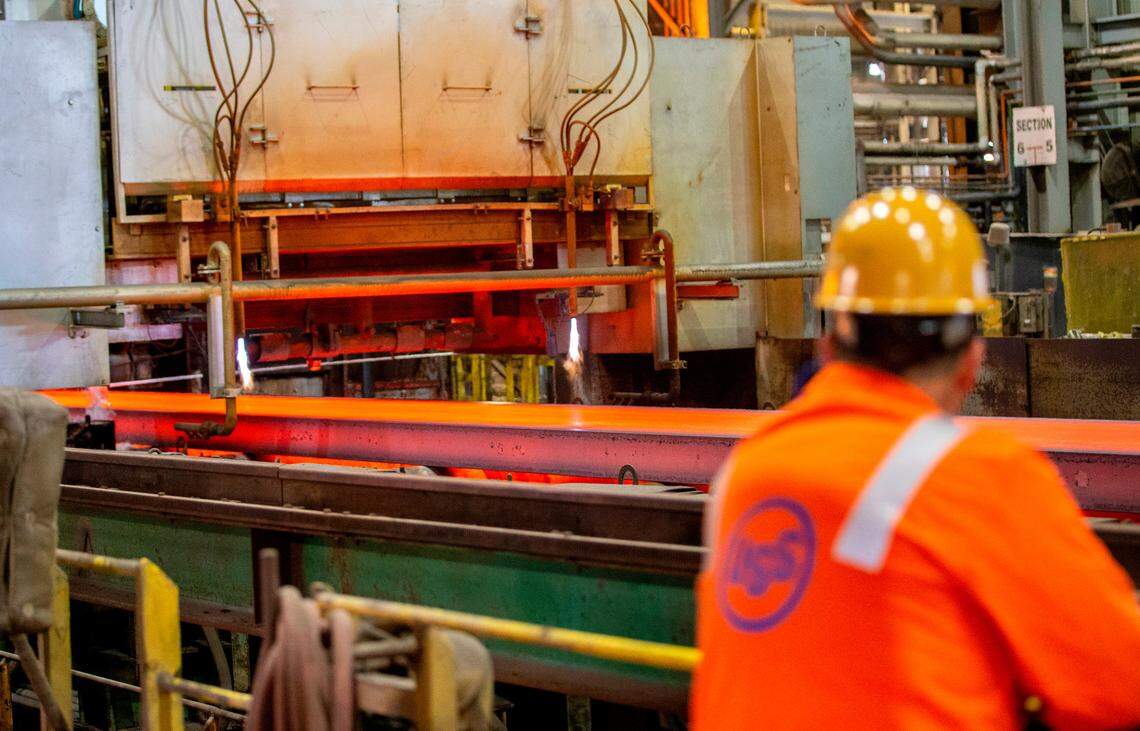
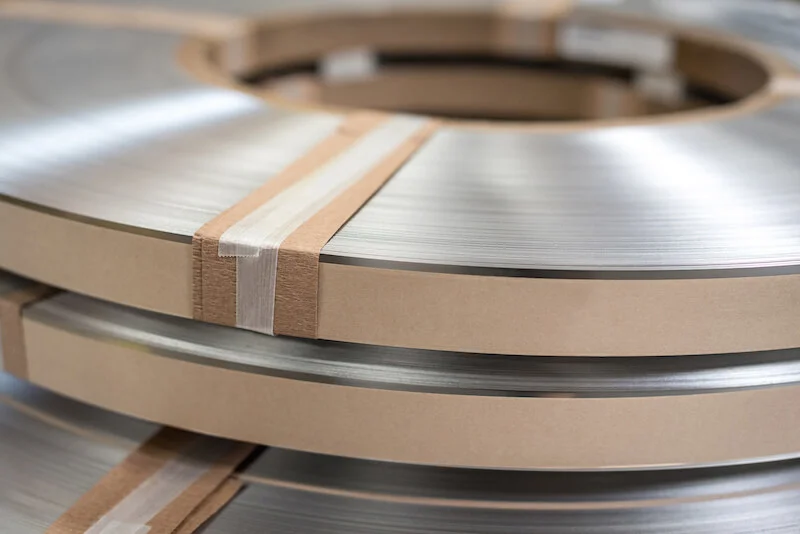
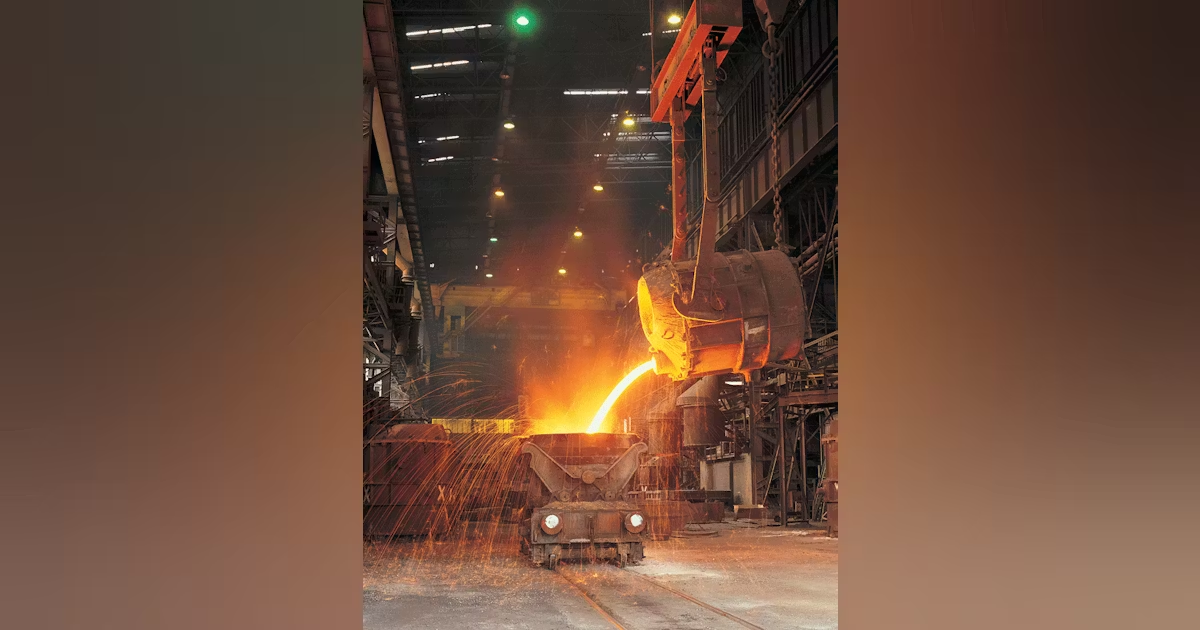
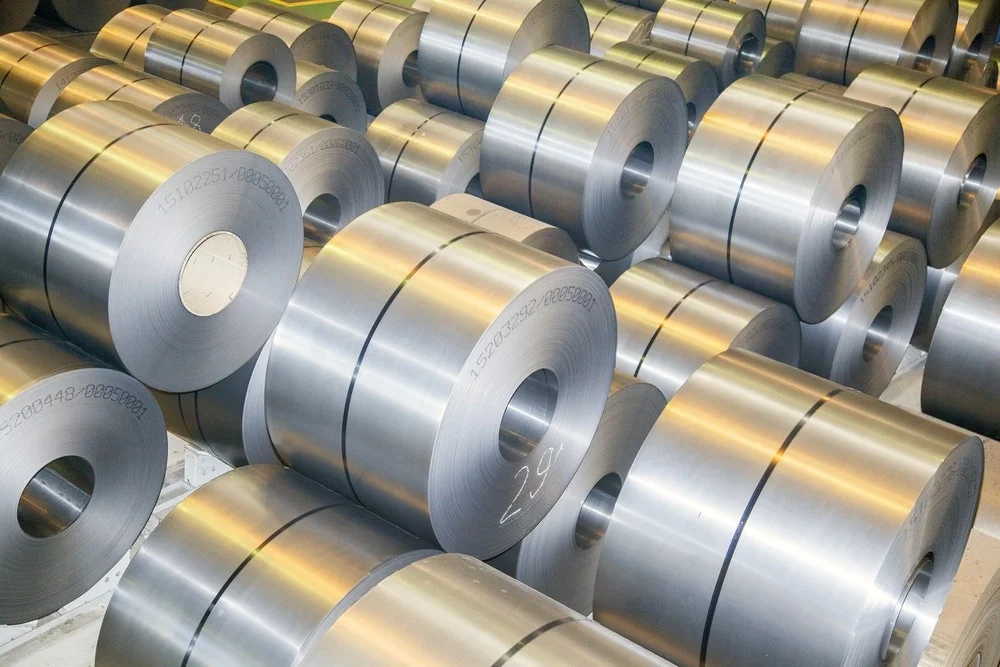
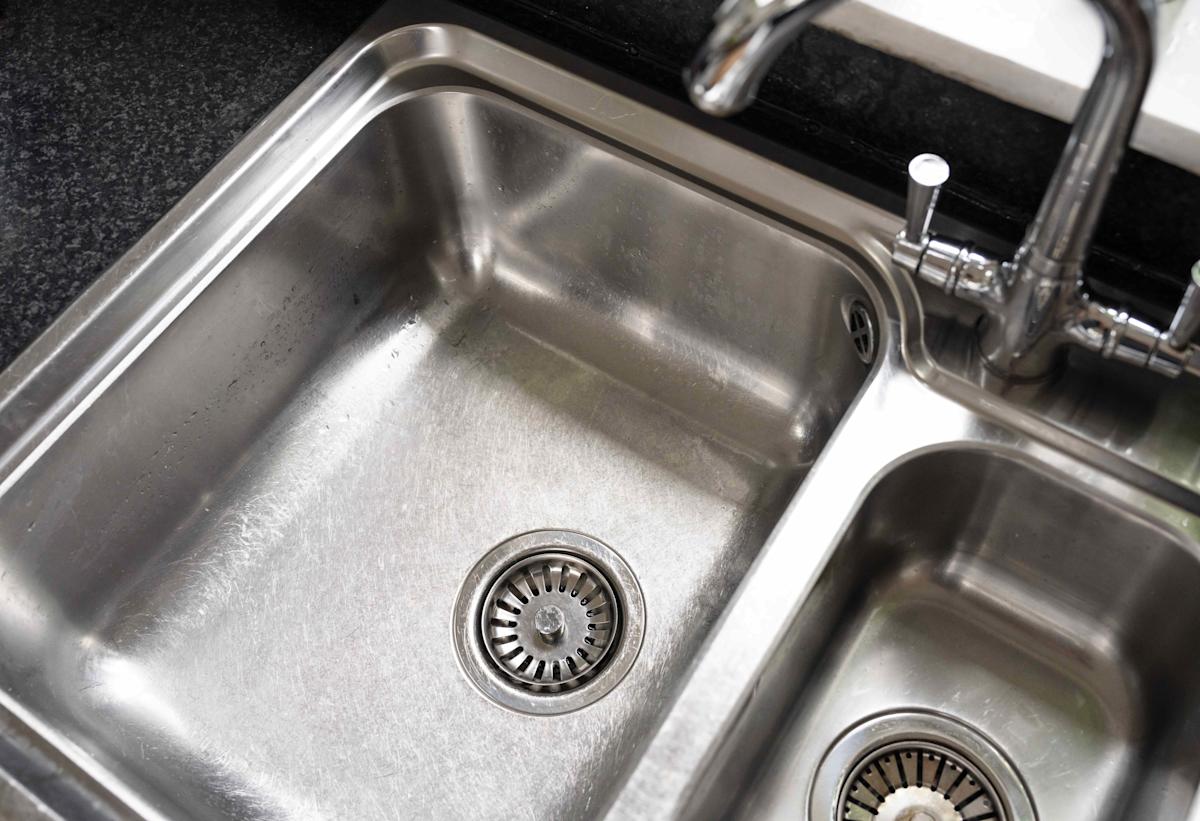
Stainless steel is an alloyed metal, meaning it’s made up of other metals. There are flexible components that aren’t always in the mix, like nickel or manganese, for example, which have the ability to make the stainless steel nonmagnetic. But stainless steel always has to have iron (the base metal, basically) and always has to have a minimum of 10.5 percent chromium. “Most iron-based alloys will corrode readily, but stainless steel has enough chromium content to create this unique passive film on the surface,” Feinberg says. “It’s very, very thin — like one to three nanometers, which is like a hundred thousand times less than the size of a human hair. And that is actually what protects the stainless steel from rusting. Even if you scratch it, this layer is pretty amazing because it automatically regenerates.” That’s why using metal kitchen utensils or a textured wire sponge on the surface of your skillet won’t damage it.
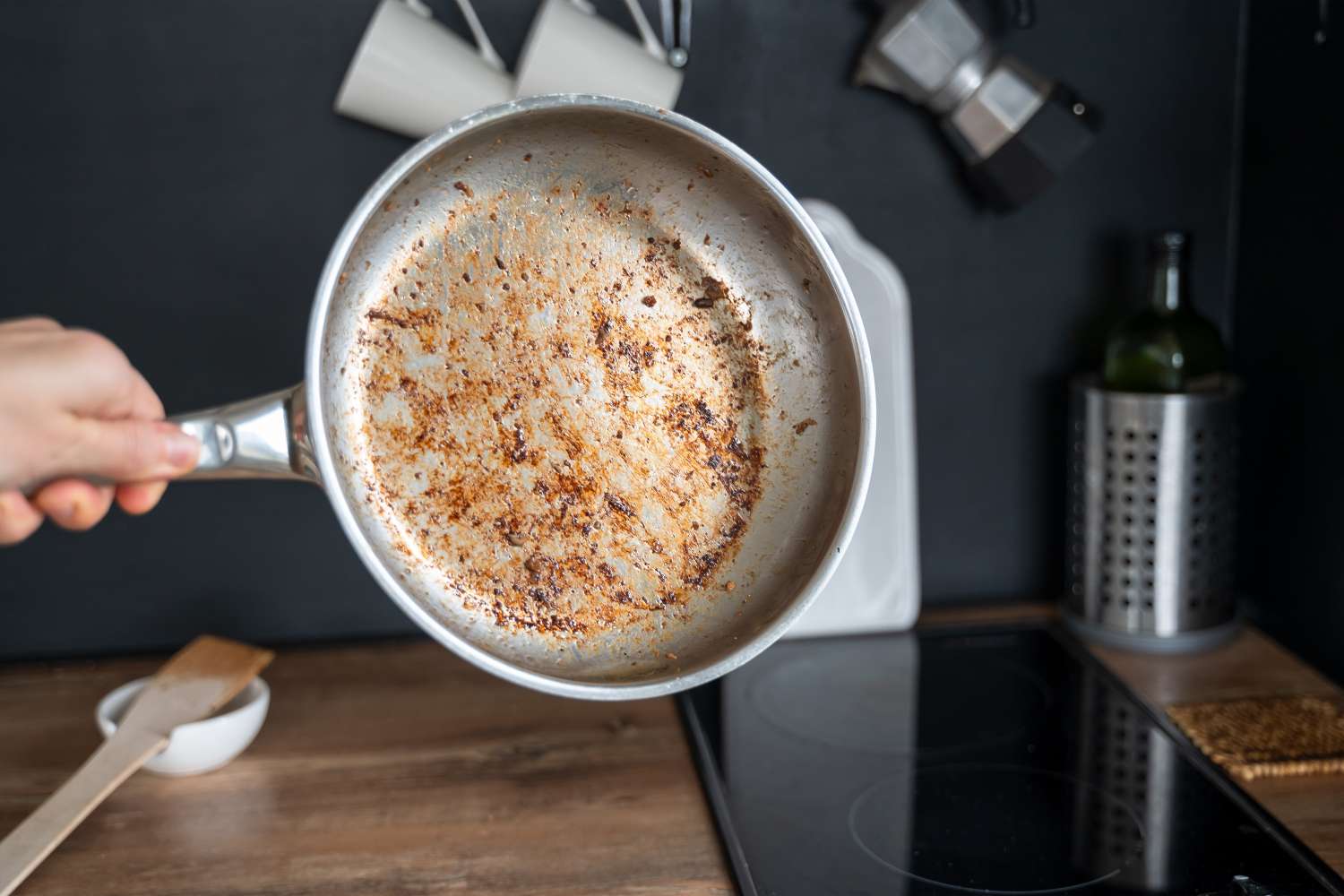
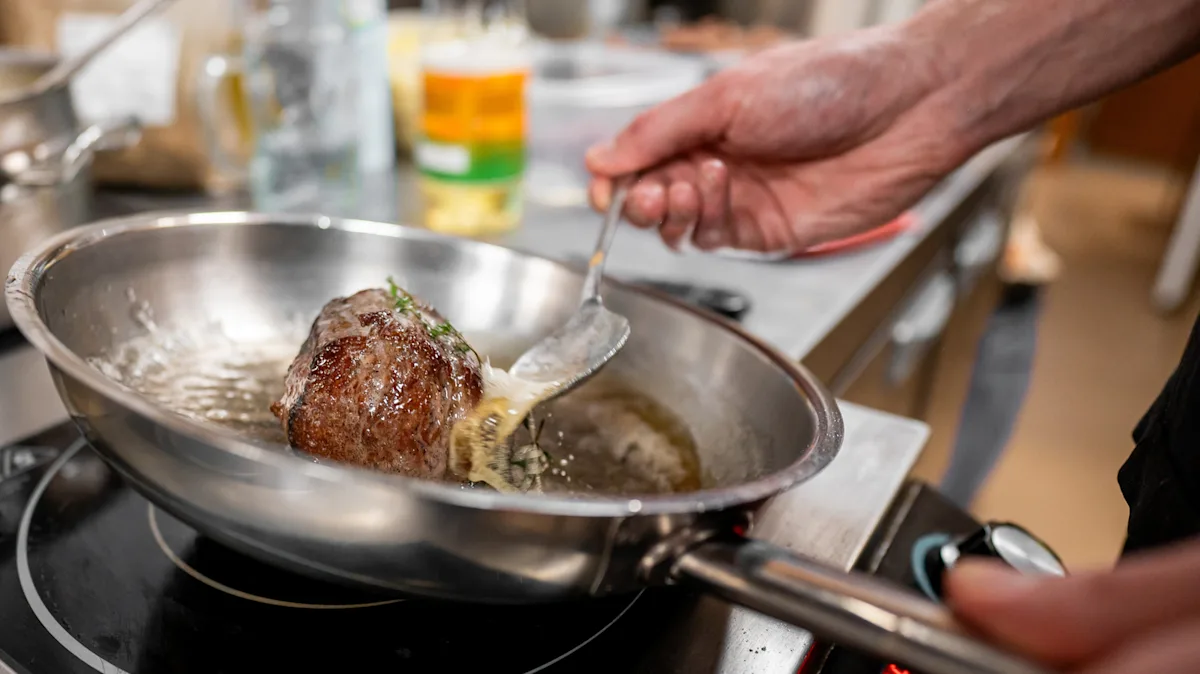
Stainless steel has other advantages, too, beyond being corrosion resistant. “It gets hot really fast, unlike cast iron or enameled cast iron, which take a long time to heat up,” Lalli says. “And it cools down faster, too.” And unlike cast iron and carbon steel, it’s nonreactive — meaning you can put acidic ingredients in it, like tomatoes and lemon juice, without ruining the surface and without your food turning metallic tasting. Finally, “if you treat it right, it will behave like a nonstick, even for eggs,” Lalli says.
One of the only things stainless steel isn’t good at is heat spreading, so you’ll almost always find at least one middle layer in your skillet that’s made from a different metal — most commonly aluminum or copper. “Your heat source is localized, so if your pan doesn’t spread heat well, you’re going to have a very hot spot, and then it’s gonna be much cooler next to it,” Feinberg says. On a technical level, copper has even greater thermal conductivity than aluminum. It’s more expensive, and often held up as the platonic ideal of what you see in a fancy restaurant kitchen, Ratatouille-style. “If you like to make French omelets, then the exact temperature and responsiveness of the pan might matter,” Feinberg says. But anecdotally, as a regular home cook, I haven’t noticed much of a difference when using pans with a copper core versus an aluminum one.
The cost of the raw metal — both the stainless steel and the core — go into how much a skillet costs a consumer, of course. But there are so many other factors at play that it’s not actually a good determinant. As Lalli points out, where a pan is manufactured (either in the U.S. or abroad) and a brand’s business model (whether a piece is being sold direct-to-consumer or not) can affect the price.
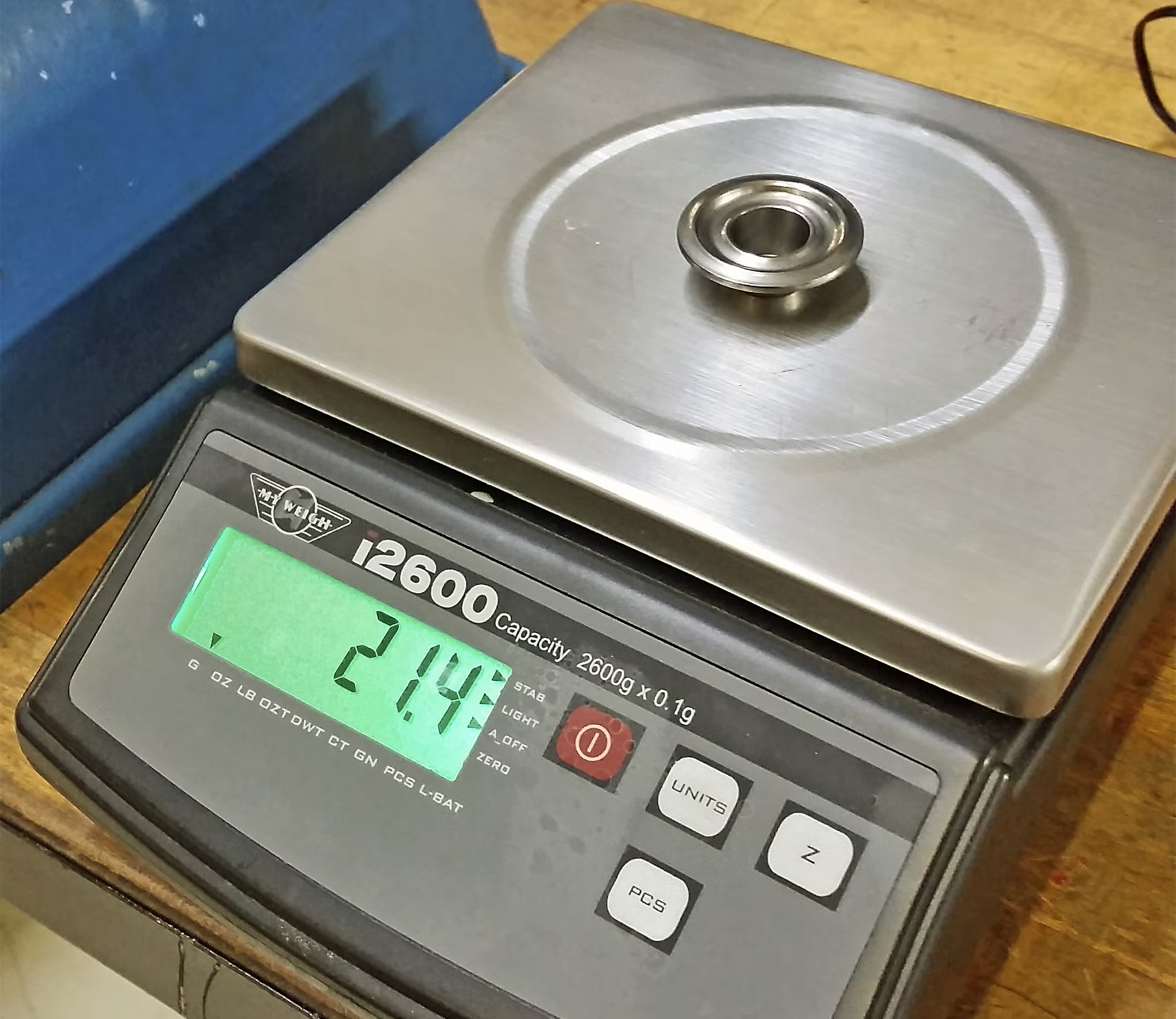
But more than anything else, Feinberg and Lalli both pointed to weight as a potentially telling factor. While there isn’t a minimum number of pounds a skillet should weigh to perform well, heavier pans are sturdier and less prone to warping over time. “Also, with the really thin ones, the amount of time in a recipe is going to be off,” Lalli says. “Like say it says to heat to medium and add your celery and onion — if you’re cooking in a really thin pan, it’s going to overheat so much faster, and you’re going to get more scorching and more burning.”
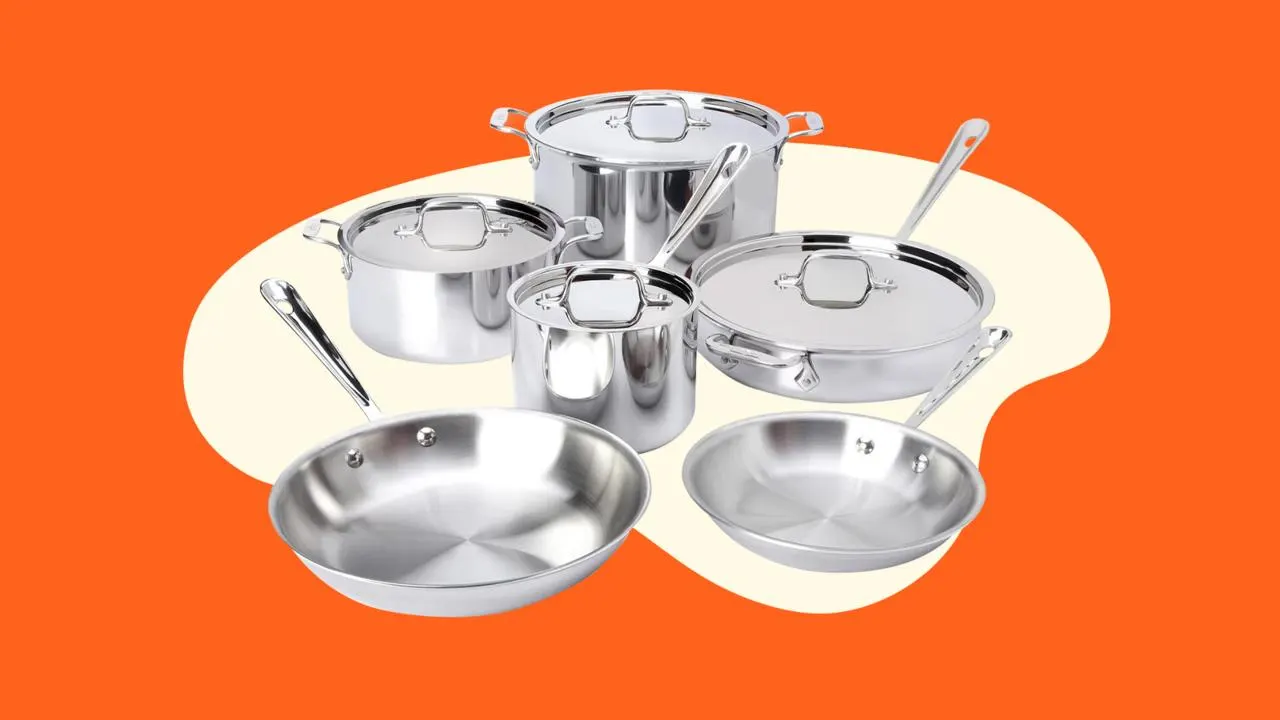
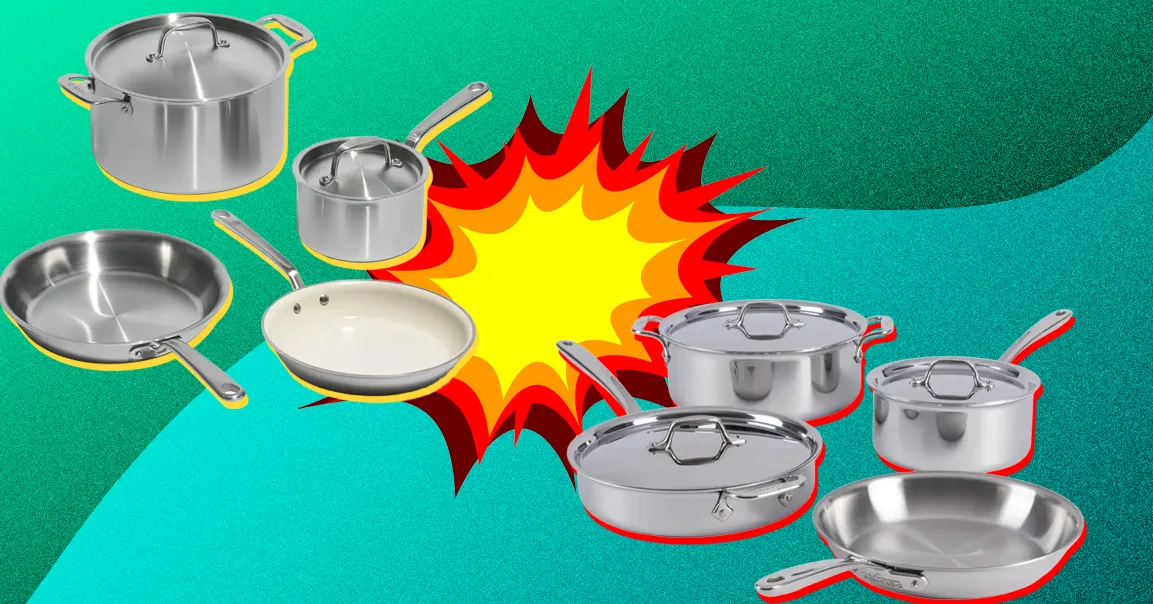
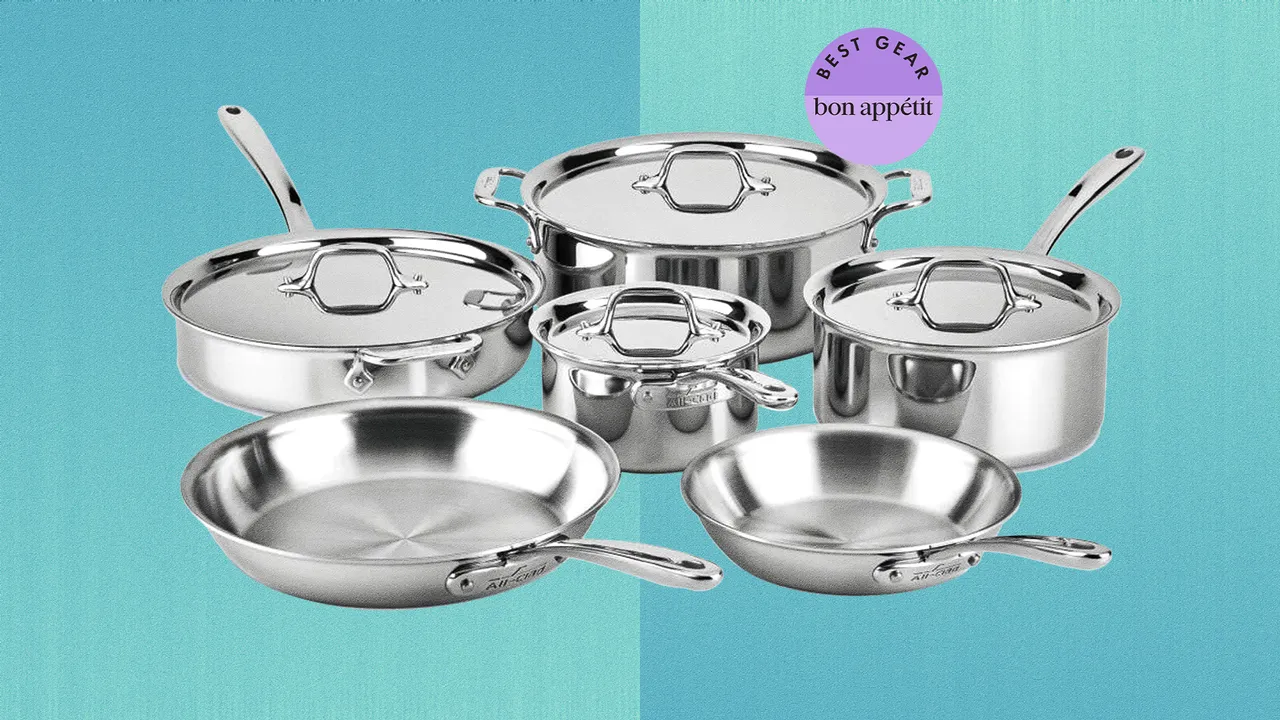
Crucially, the number of layers — whether simply stated in the product description or in the name itself, i.e., tri-ply, 3-ply, or 5-ply — doesn’t necessarily have anything to do with the weight. “You have to be careful,” Feinberg says. “The average consumer might think 5 is better than 3, but that can be gamed. You could make a pan with 5 layers but thin out each of those layers. So if a 5-layer weighs the same as a 3-layer, what are you actually getting? You can’t fake weight.” Sometimes it checks out: All-Clad’s 10-inch D3 skillet is 2.13 pounds, and its same-size D5 is 2.63 pounds. But by contrast, Made In’s 5-layer skillet is 2.25 pounds, and Misen’s is 2.86 pounds. Goldilocks’s 3-layer skillet is 2.56 pounds, and Cuisinart’s Multiclad Pro — the cheapest of these — is the heaviest of all, weighing in at 3.7 pounds. To be clear: These are all pans we like and recommend, but the variation demonstrates that the number of layers are not indicative of weight.
If the layers aren’t well bonded, they can separate over time. This is especially true if you tend to put a hot skillet directly in cold water (which you should avoid if you can help it). If they do indeed “delaminate” as Feinberg puts it, “that’s internal and unfixable,” he says. “Now the heat isn’t spreading as effectively. So it’s not only important that it’s cladded, it’s important how well they cladded it. What process did they use? What temperature did they use? What pressure did they use?” Unfortunately, this isn’t something you can tell from the naked eye — so it’s back to looking at weight, along with a few other factors.
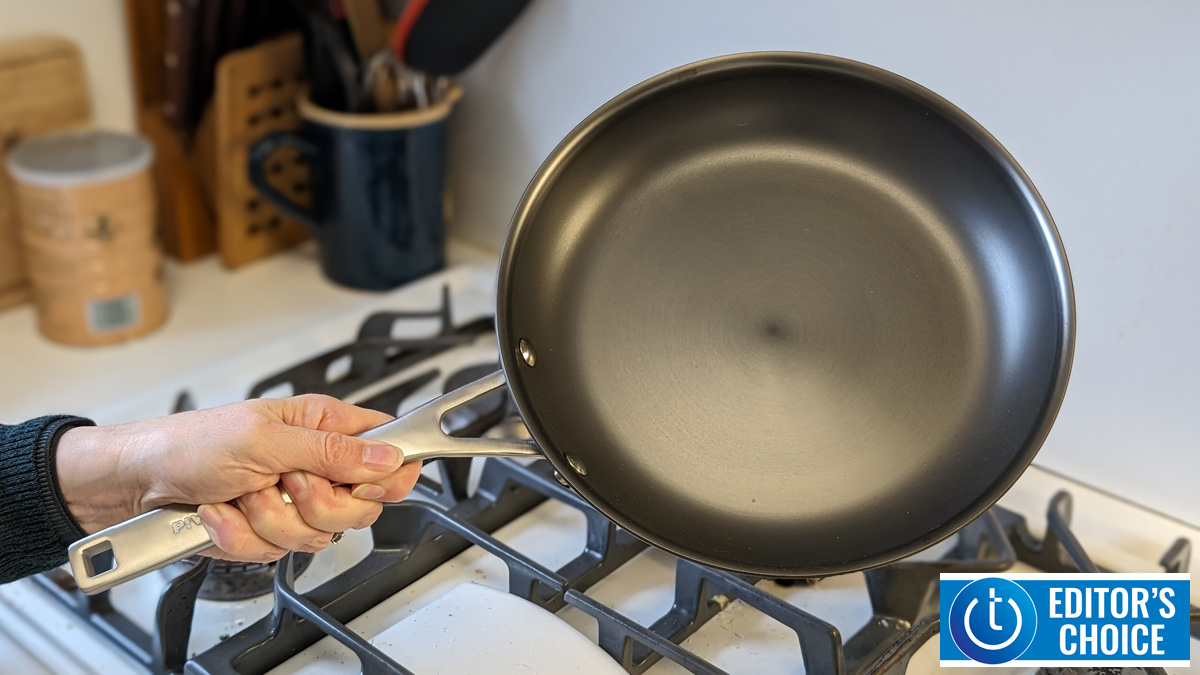
There are a few tells about how nice a skillet is that you can determine just by looking. You can look at how the handle is attached to the body of the pan: “You want to see the rivets go all the way through,” says Lalli. Sometimes, even if that’s the case, those rivets may be of lesser quality and degrade over time, especially if you wash your pieces in the dishwasher. Such was the case with Strategist senior editor Winnie Yang’s Cuisinart pan after about five years of consistent use and what she says is an aggressive dishwasher detergent. Still, we recommend the model, as it’s one of the affordable versions out there that cooks very well all around.
Lalli says you also want to see that the material of the handle is the same material as the body (with most high-quality pans, this will be the case), and that the handle is of an adequate length. “If it’s too short, or doesn’t have a nice angle on it, you’re more likely to burn your hand,” she says. You can look at how the lip curves, so that you can pour a sauce out of the pan, or slide an omelet out, and how thick the material of the lip is, too. To that last point, Feinberg notes that you should make sure the cladding goes all the way up from the bottom to the sides, versus only having a layer on the bottom. “In that case it might be good at spreading heat at the bottom of your pan, but not up the walls — and then you get uneven cooking,” he says.
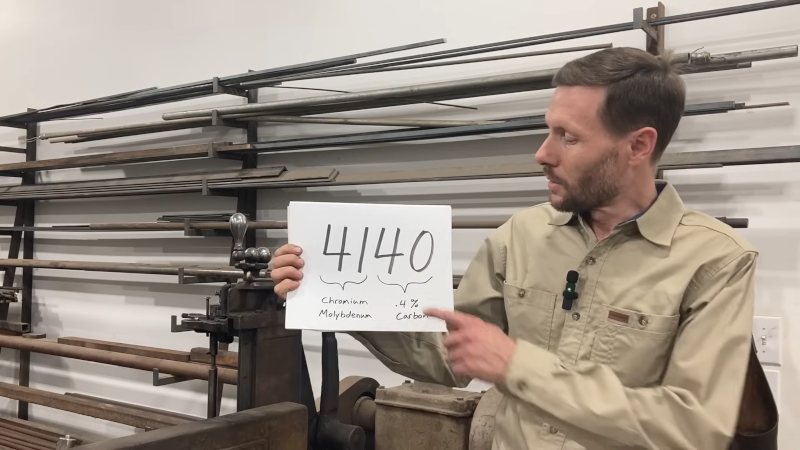
Feinberg told me that if a brand lists the exact types of stainless steel in a description, that can be a positive indicator of transparency — but it’s also a rarity. In all the product pages of reputable stainless-steel skillets I looked through, only one, Goldilocks, lists this information. Price will inevitably be in the decision-making mix, but only as much as it personally matters to you — like what your budget is. And there are great options at both ends of the spectrum.
So really, outside of weight and those few obvious-to-the-eye details I named above, you mostly want to pay attention to which has a good track record, Feinberg says. You’re going to have to go off of reputation — the pieces that have been time tested and that cooks you trust recommend based on having used them themselves.
The Strategist is designed to surface useful, expert recommendations for things to buy across the vast e-commerce landscape. Every product is independently selected by our team of editors, whom you can read about here. We update links when possible, but note that deals can expire and all prices are subject to change.