
Fact checked by Nick Blackmer

Drinking too much caffeine, not getting enough sleep, and skipping meals can all increase your blood sugar.
Credit: Getty Images / evrim ertik
-
Cooking more meals at home is linked to lower rates of type 2 diabetes and obesity.
-
Short bouts of activity, like a 10-minute walk, can help manage your blood sugar levels.
-
Dehydration can raise your blood sugar levels by increasing vasopressin and cortisol hormones.
Habits that spike your blood sugar include drinking sugary beverages and not getting enough sleep. They can affect your heart health and increase your risk of diabetes.
1. Drinking Sugary Beverages
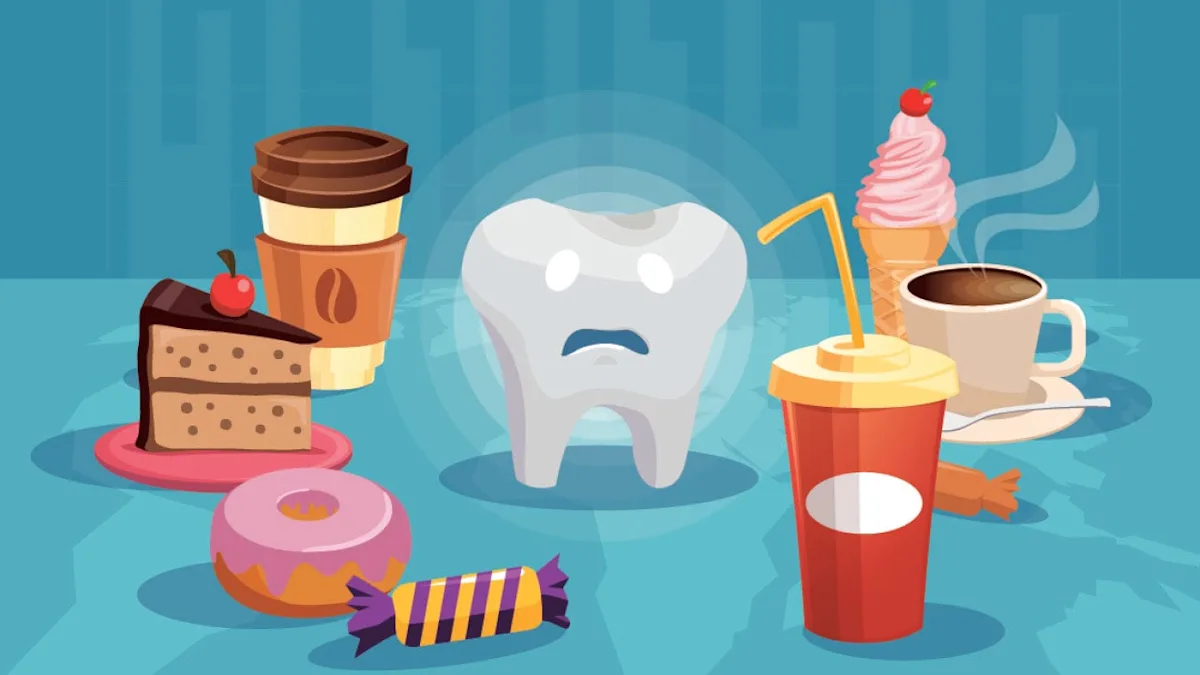
Sipping sodas, chocolate milk, and fruit juices throughout the day can spike your blood sugar. Regularly drinking sugar-sweetened beverages can raise your risk of type 2 diabetes and metabolic syndrome.
Tip: Enjoy sweetened beverages sparingly. Mostly drink water, unsweetened tea, or seltzer.
2. Skipping Meals
Skipping meals causes your body to release stored glucose (sugar) and the stress hormone cortisol. Both cause a spike in your blood sugar levels.
Tip: Try eating breakfast every day to avoid overeating later in the day and reduce blood sugar spikes after lunch and dinner.
3. Not Eating Enough Protein and Fiber
Protein and fiber slow digestion and help prevent blood sugar spikes after meals.
Think meal order does not matter? A 2020 study of people with type 2 diabetes found that eating protein and vegetables before carbohydrates decreased post-meal blood sugar levels by 40%.
Tip: Include protein (tofu, beans, chicken) and fiber (vegetables and whole grains) with every meal or snack.
4. Eating Takeout and Fast Food
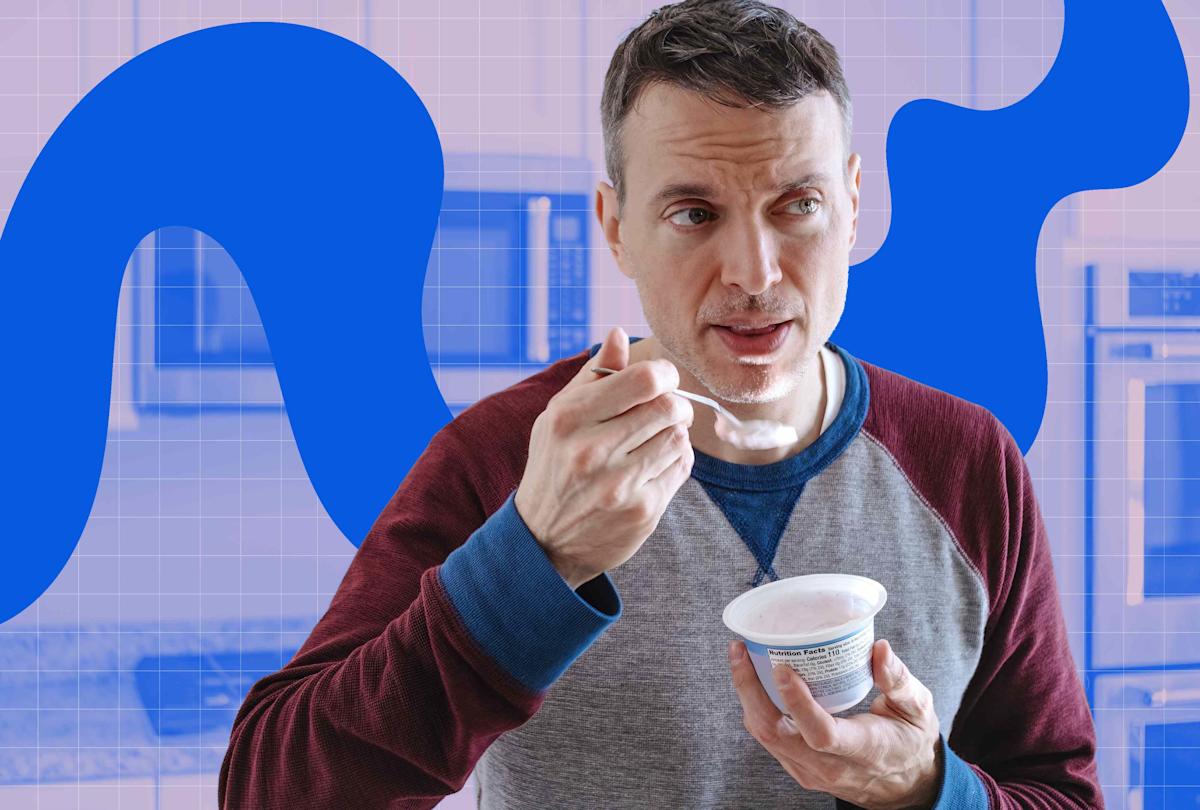
Fast food is full of refined carbohydrates, unhealthy fats, and extra calories, which can spike your blood sugar levels. Cooking more at home is linked to lower rates of type 2 diabetes and obesity.
Tip: Try preparing more meals at home with blood sugar-friendly ingredients like lean proteins, healthy fats, and high-fiber carbohydrates.
5. Living a Sedentary Lifestyle
Being sedentary raises your risk of many conditions, including type 2 diabetes. Even short activity bouts (like a 10-minute walk after dinner) can help manage your blood sugar.
Tip: Adults need 150 minutes of moderate activity (or 75 minutes of vigorous activity) weekly. Pair it with at least two days of strength training.
6. Being Stressed
Stress releases hormones like adrenaline and cortisol, which can raise your blood sugar levels. Being constantly stressed can also make you hungrier and increase cravings for sugary foods.
Tip: Manage stress with calming activities like walking, meditation, or journaling.
7. Drinking Caffeine
Your morning latte or energy drink might perk you up, but it can also spike your blood sugar with added sugars.
Here’s how much added sugar is in some favorites:
-
Grande White Chocolate Mocha from Starbucks: 46 grams (g), or 11.5 teaspoons (tsp)
-
Rockstar Energy Drink (16 ounces): 61 g, or 15 tsp
These drinks lack nutrients like fiber and protein, which help stabilize blood sugar. Drinking them on an empty stomach can make the impact on your blood sugar worse.
Tip: If you love your sugary morning coffee, consider reducing the sugar or pairing it with a high-protein, high-fiber breakfast.
8. Being Dehydrated
Dehydration can raise your blood sugar levels because low water intake boosts hormones like vasopressin and cortisol. These hormones affect glucose regulation.
Tip: Sip water throughout the day—not just when you are thirsty. Increasing water intake can lower your risk of type 2 diabetes.
9. Not Getting Enough Sleep
Not enough sleep can impact your blood sugar levels. Sleep deprivation increases blood sugar changes and boosts hunger and cravings for sugary foods.
Tip: Get at least 7 hours of sleep each night. If you have trouble sleeping, speak with a doctor or a sleep specialist.
10. Waking Up in the Morning (Dawn Phenomenon)
Your blood sugar levels naturally increase in the morning, signaling to your body that it’s time to wake up. In people with insulin resistance, in which glucose builds up in the blood, this may cause a spike.
How Can You Fix Your Blood Sugar Quickly?
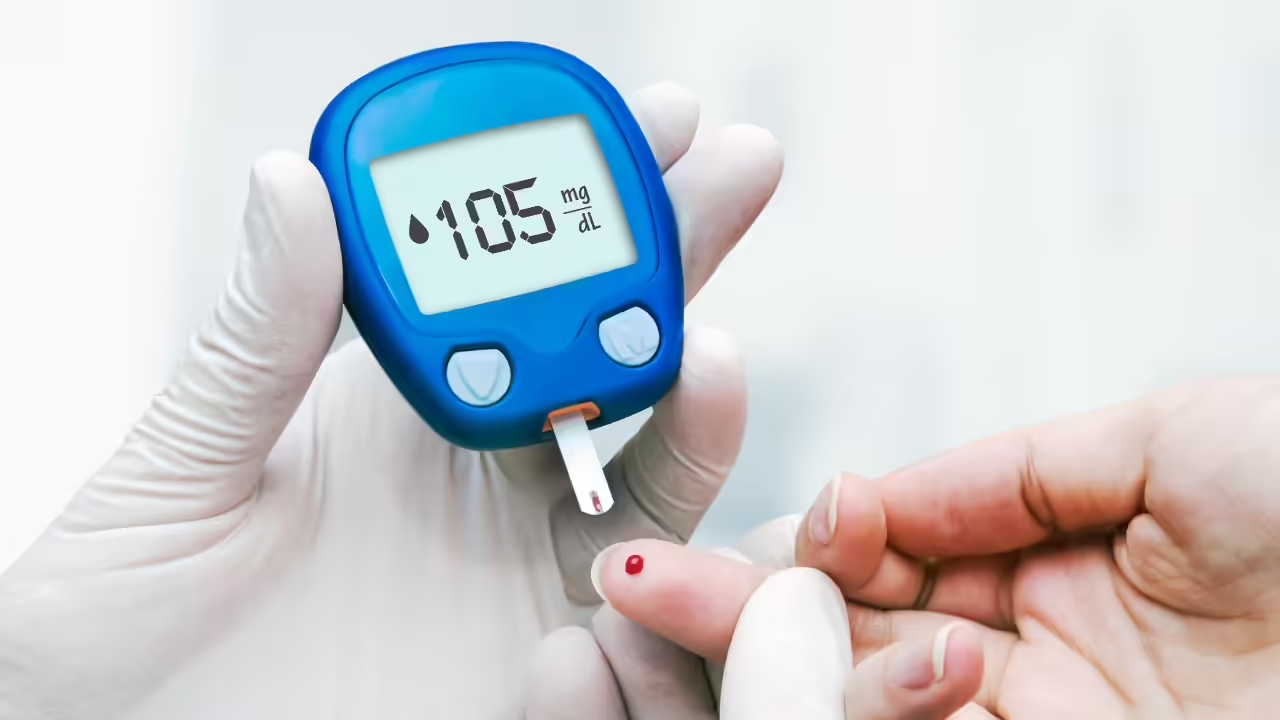
It’s best to make an appointment with a doctor if you think your blood sugar is too high. They can run blood tests, check your glucose levels, and provide further guidance.
If you have high blood sugar levels, a doctor can help develop a plan to support glycemic control that includes:
-
Decrease added sugars and refined carbohydrates.
-
Increase physical activity.
Read the original article on Health