
16 Foods Experts Say Help Keep Blood Sugar Stable FreshSplash – Getty Images
“Hearst Magazines and Yahoo may earn commission or revenue on some items through these links.”
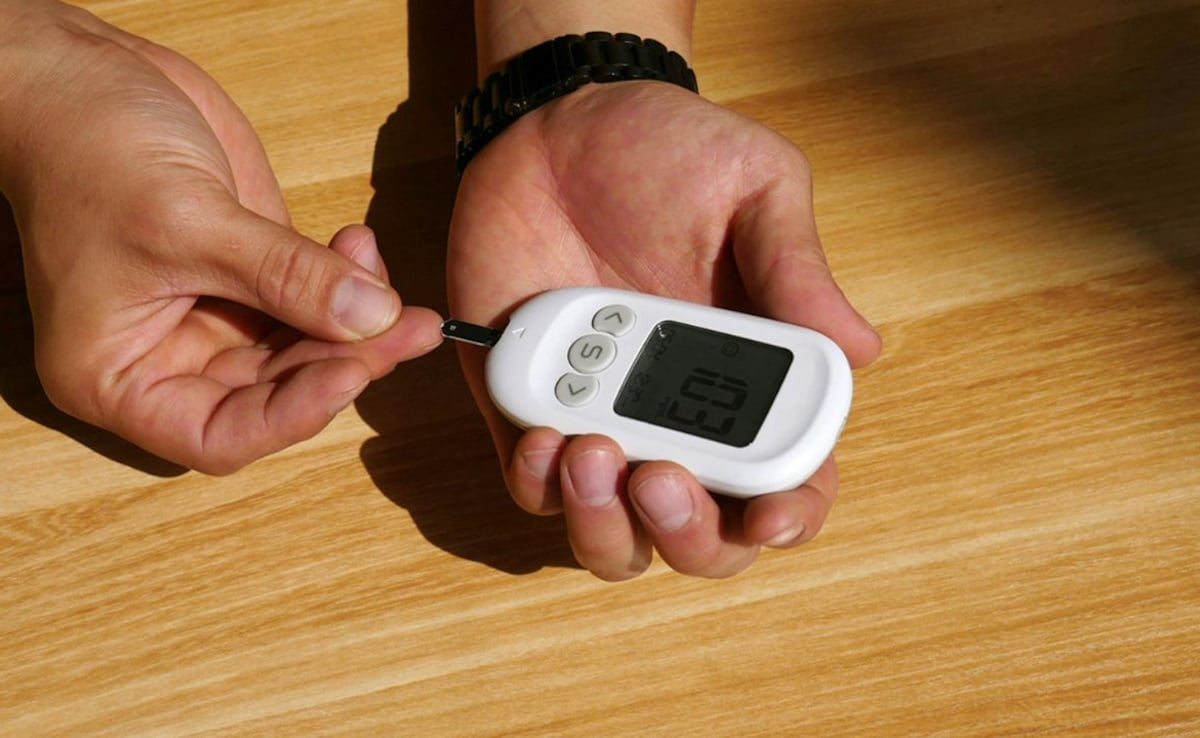
Depending on whether you have a form of diabetes, are prediabetic, or are merely watching your blood sugar, you will have different strategies for managing your glucose levels. But regardless of whether you use insulin, medication, or neither, filling your plate with the best foods to manage blood sugar can go far towards keeping your levels in a healthy zone.
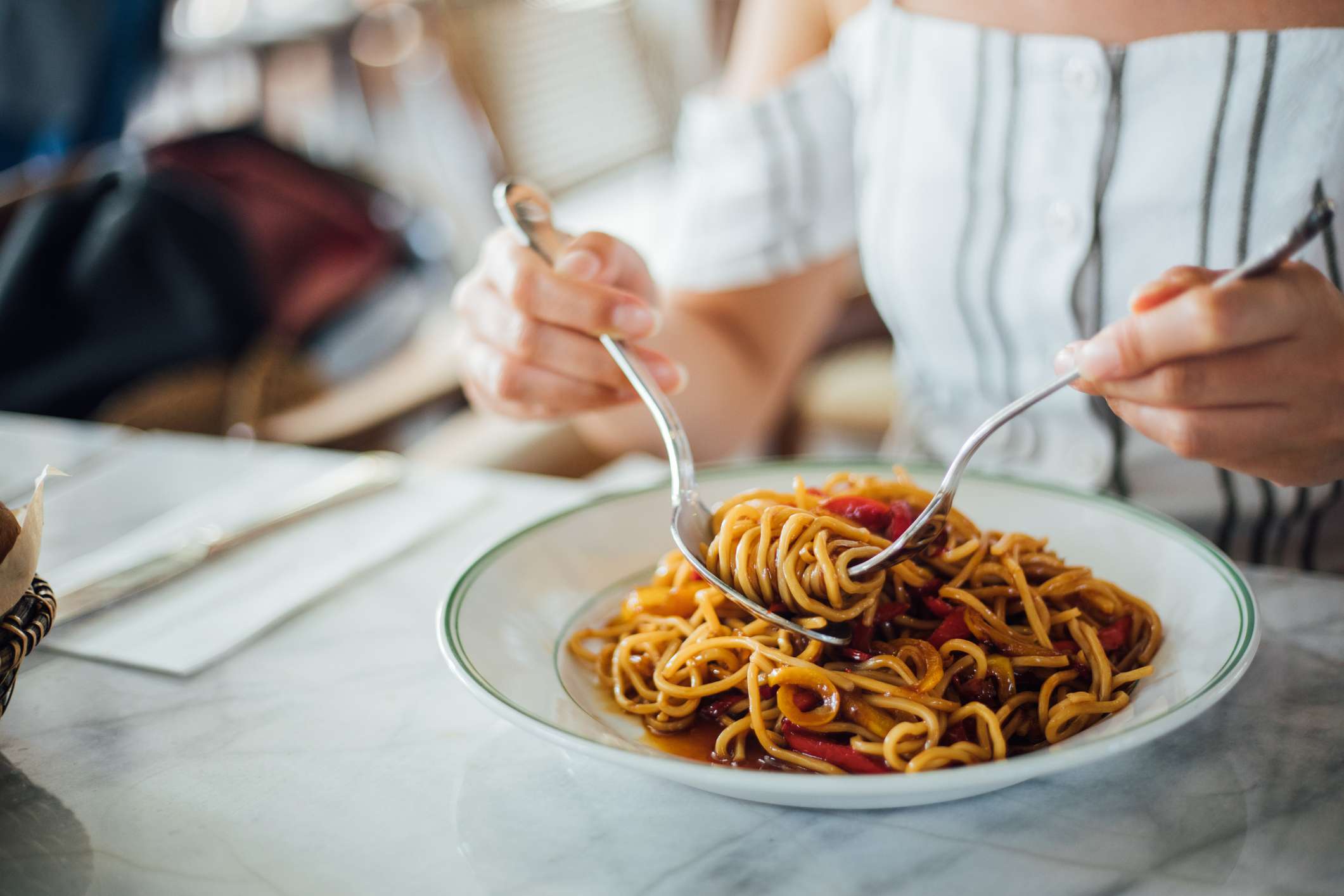
“Monitoring your diet is a great way to manage blood sugar, lower your risk for developing diabetes, and better manage your diabetes if you do live with it,” said Lauren Twigge, M.C.N., R.D.N., L.D., founder of Lauren Twigge Nutrition. While no single food can replace medication and exercise for blood sugar management, certain foods do have the power to spike your levels and send your blood sugar out of whack. Foods with carbohydrates have the largest effect on blood sugar. More specifically, refined, processed carbohydrates—like white bread, white rice, and pasta—cause the largest spikes and drops, explained Erin Palinski-Wade, R.D., C.D.C.E.S., L.D.N., C.P.T., a registered dietitian, diabetes specialist and author of 2 Day Diabetes Diet.
Meet the experts: Lauren Twigge, M.C.N., R.D.N., L.D., founder of Lauren Twigge Nutrition; Erin Palinski-Wade, R.D., C.D.C.E.S., L.D.N., C.P.T., a registered dietitian, diabetes specialist and author of 2 Day Diabetes Diet; Rebecca Denison, R.D., L.D.N., a doctor of integrative medicine and diabetes educator at Greater Baltimore Medical Center’s Geckle Diabetes and Nutrition Center.
“Choosing complex carbohydrates, like fruits, vegetables, and whole grains over processed carbohydrates can positively affect blood sugar control,” she added. “Other nutrients, like fiber, protein, and fat slow the absorption of sugar into the bloodstream, so choosing higher-fiber carbs or consuming carbs along with other healthy proteins and fats is a great way to maintain steady blood sugar.”
Working with a registered dietitian or healthcare practitioner who specializes in diabetes can help you make sure you’re building your meals in a healthy way that works for you and your needs. But in the meantime, read on to discover some of the best foods to add to your plate, plus some smart lifestyle strategies that can help you manage your blood sugar.
The best foods for blood sugar management
Avocado
Twigge recommended adding avocado to any carb-central snack (think avocado toast). “Avocados feature both fat and fiber, two nutrients that are essential to balancing out blood sugar and helping slow down the digestion and metabolism of carbs,” she explained.
Whole wheat bread
If you’re going to make that aforementioned avocado toast, try doing so with whole wheat or pumpernickel bread, suggested Palinski-Wade. “These types of breads are less processed than white bread and are high in fiber, which slows digestion,” she said.
Beans
“Beans offer both fiber and plant-based protein, two blood sugar-stabilizing nutrients that you want to focus on,” said Twigge. Palinski-Wade added that they’re naturally rich in resistant starch, a type of fiber that has been found to improve blood sugar levels and body weight.
Berries
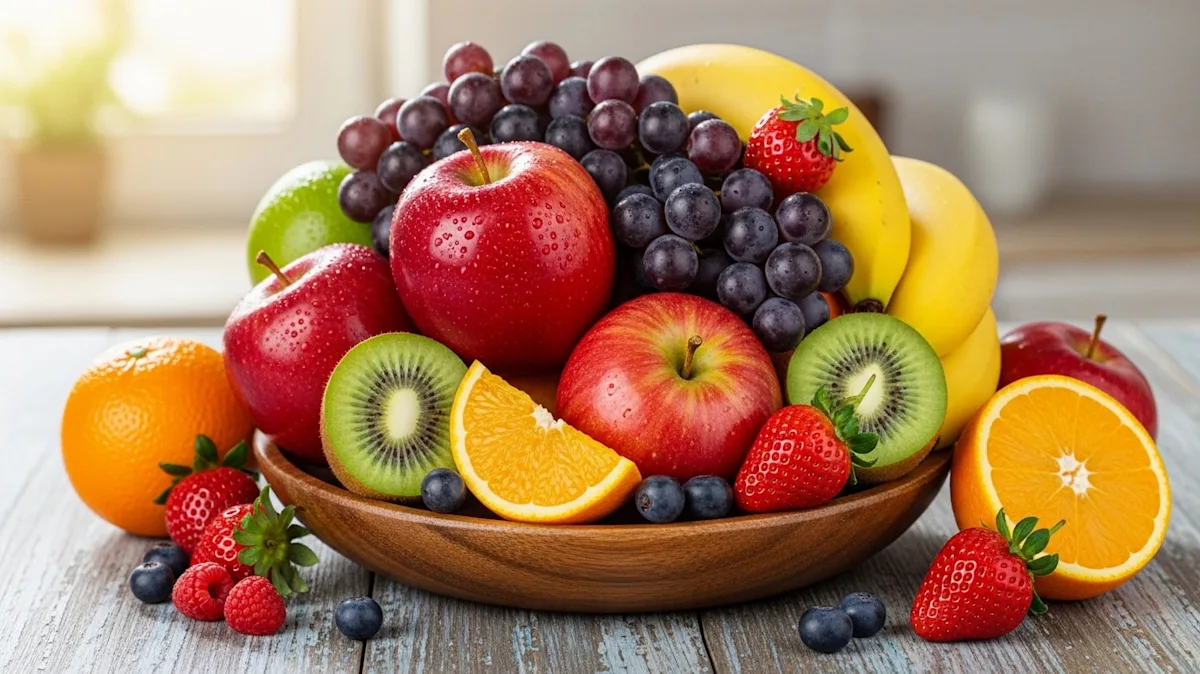
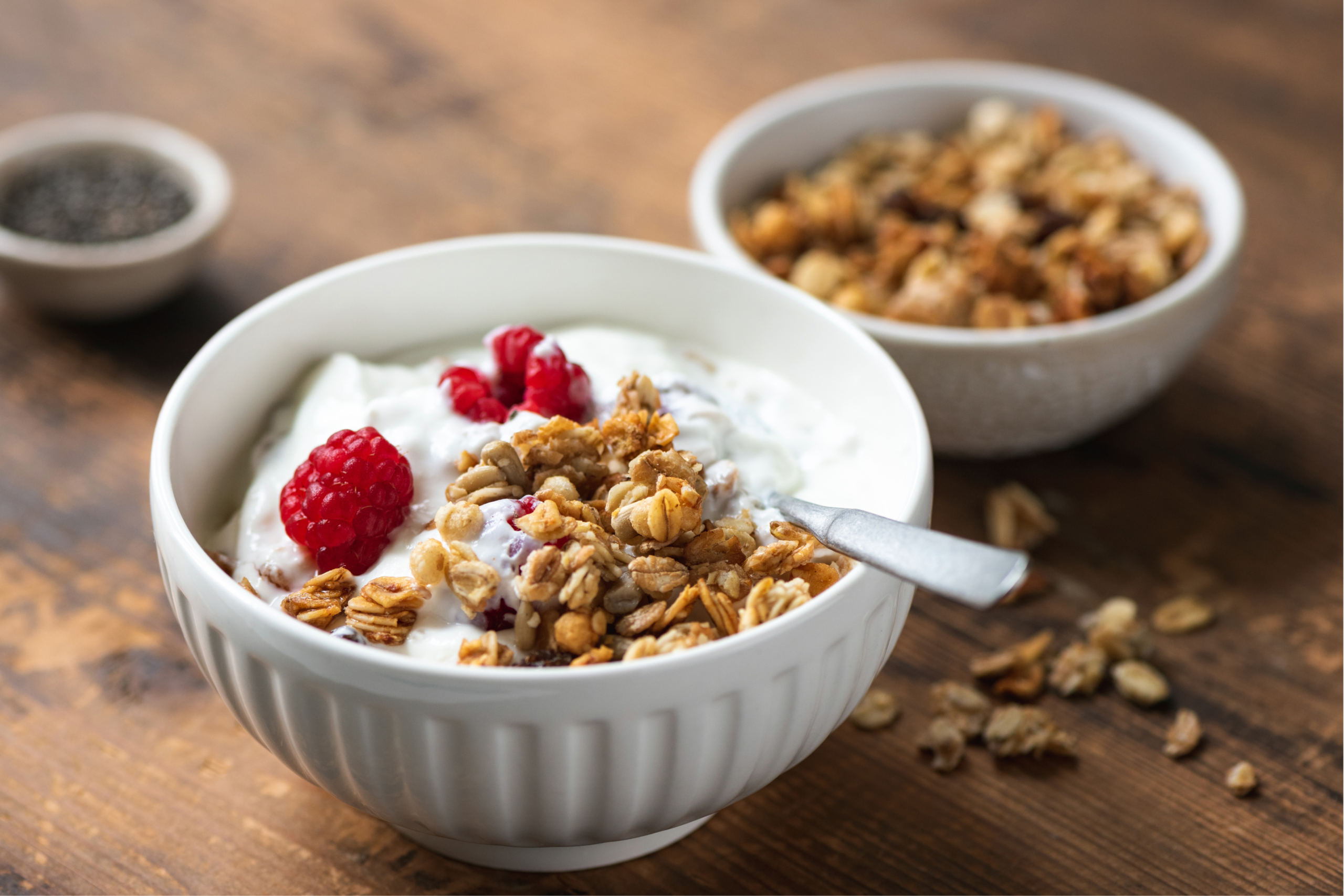
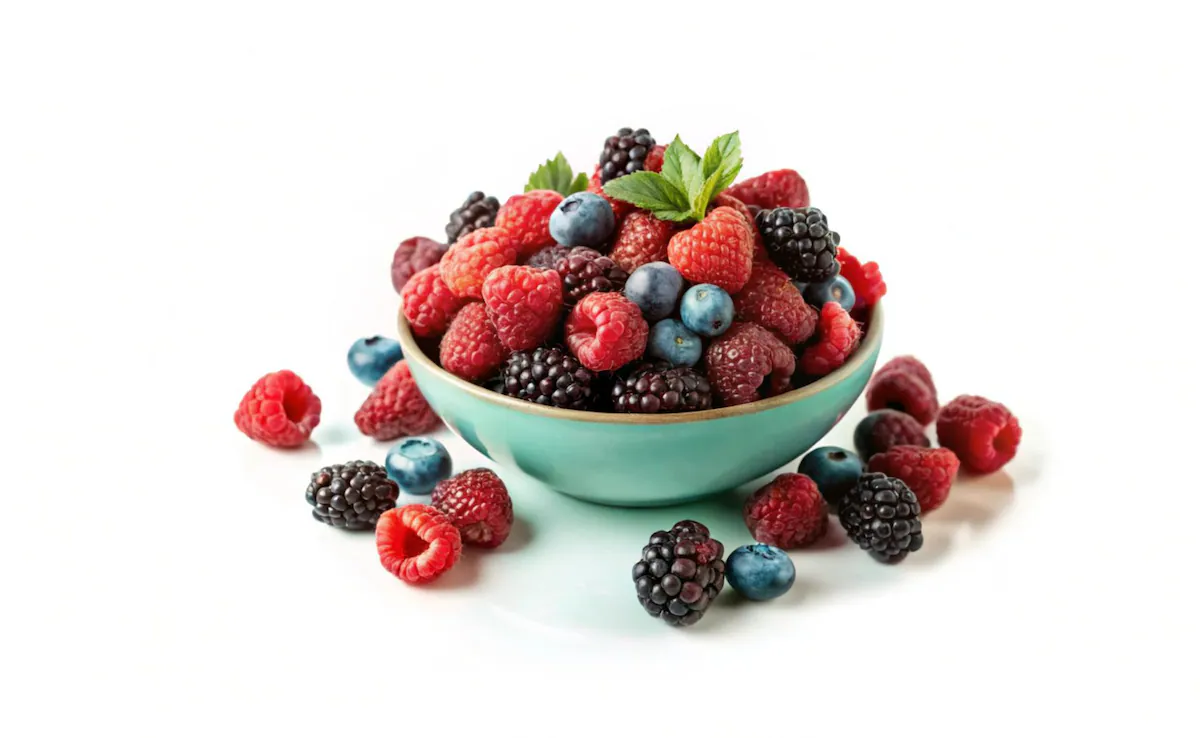
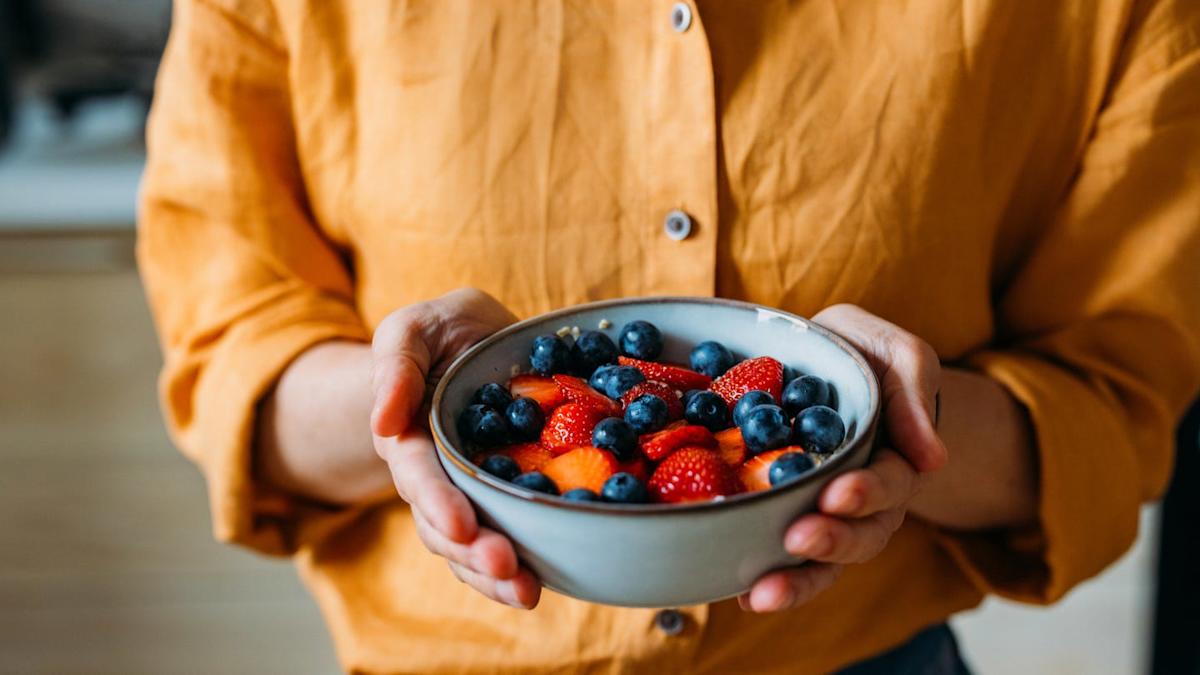
The water and fiber content in most fresh fruits balance out their fructose sugars, plus slow digestion and promote fullness, said Palinski-Wade. “Berries contain the lowest amount of sugars for a fruit while being rich in antioxidants,” she explained, adding that studies have also proven that berry consumption may lower type 2 diabetes risk.
Yogurt
“Dairy products have been shown in research to lower risk for type 2 diabetes,” said Twigge. “In addition to the vast nutrient profile, high-quality protein, and stabilizing fatty acids, fermented dairy foods like yogurt and kefir also feature probiotics, which can support healthy gut bacteria, lower inflammation, and improve blood sugar management.”
Broccoli
“This dark green veggie contains sulforaphane, a compound which may help to improve fasting glucose levels,” said Palinski-Wade. Other sources of sulforaphane include cauliflower, Brussels sprouts and cabbage.
Eggs
Eggs are a quick and convenient snack that can amp up the protein content of any meal, helping to balance your blood sugar after you clean your plate. One study even found that regular egg consumption may benefit healthy glucose metabolism and lower type 2 diabetes risk.
Apples
“While many are quick to eliminate fruit from their diet to balance blood sugar, research shows that a diet that includes a variety of fruits can actually protect against developing type 2 diabetes and manage overall blood sugars,” said Twigge. “Similar to berries, apples are higher in fiber, which lowers their glycemic index and leads them to have less of an impact on blood sugar spikes.”
Chili peppers
Palinski-Wade said these spicy peppers may help to boost metabolism. “They also may help to lower blood sugar by stimulating insulin secretion and helping to reduce post-meal glucose levels,” she added, so much so that a study in Nutrition Journal found that regularly eating spicy food may lower your risk of developing type 2 diabetes.
Lentils
“Similar to beans, lentils offer both fiber and plant-based protein,” said Twigge. “These two nutrients slow down the absorption of carbohydrates which will, in turn, slow down a blood sugar spike and can help bring blood sugar back down at a moderate pace.” A study in Nature Communications found that a diet rich in legumes like lentils helped improve metabolic health in people with prediabetes, potentially delaying the progression to diabetes.
Nuts and seeds
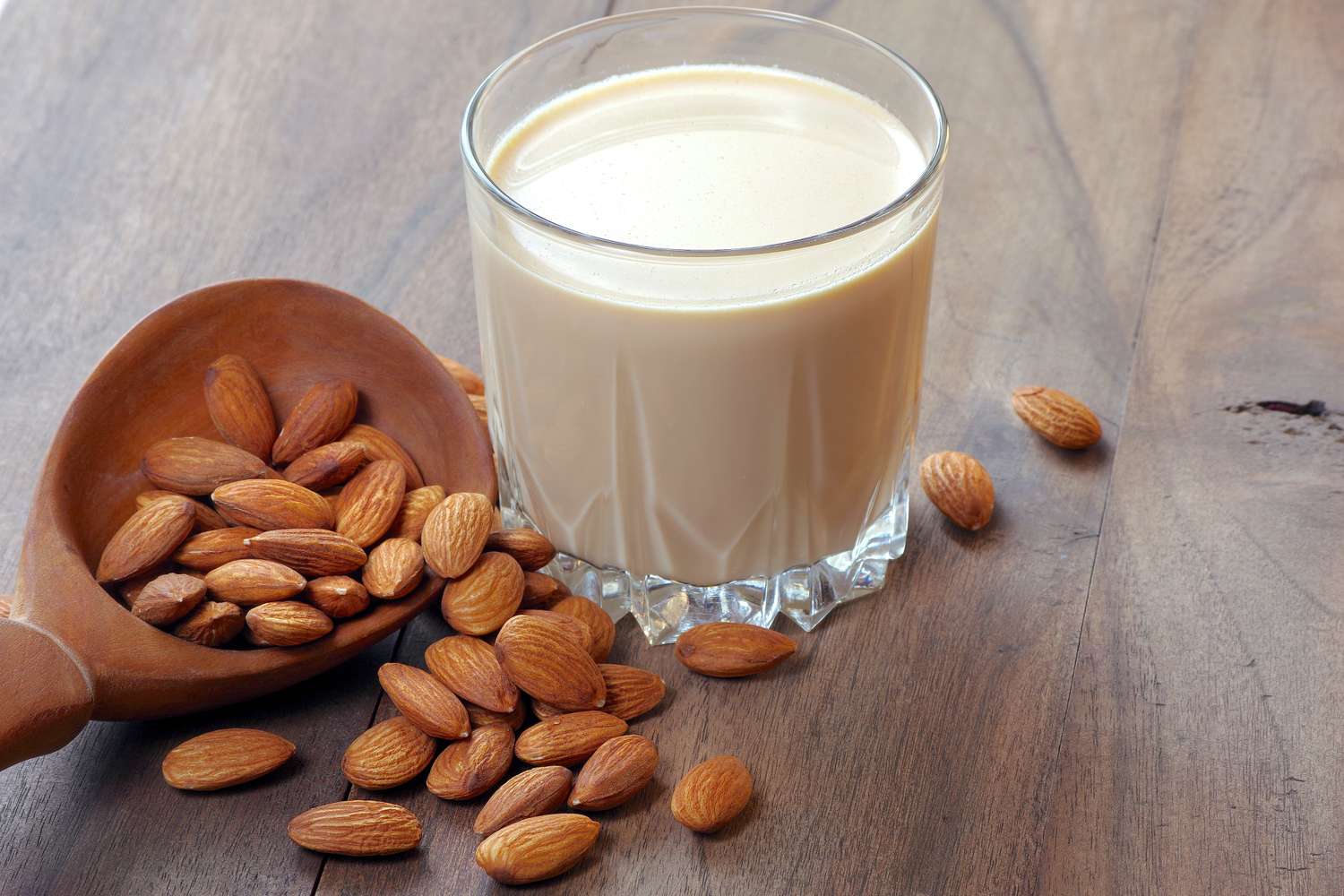
Palinski-Wade said any nut-seed combo of your choosing will provide a good boost of quality fats to help slow digestion and mitigate blood sugar spikes—plus they’re easy to sprinkle over or pair with most meals.
Milk
Dairy milk, specifically, “plays an important role in overall health,” said Twigge. “Its 13 essential nutrients and unique fatty acid profile have been shown in research to reduce risk for developing type 2 diabetes.”
Olive oil
Olive oil is a great way to incorporate a drizzle of healthy fats into any carb-heavy meal without having to try too hard. You can turn it into a salad dressing or cook your food in it—the options are endless. The unsaturated fats in olive oil have been linked to improved insulin resistance, according to research in Lipids in Health and Disease.
Chicken
Lean proteins like chicken boost a meal’s satiety factor and help slow digestion, Palinski-Wade said, so blood sugar rises and falls more gradually. Indeed, research from Stanford Medicine found that eating protein before carbohydrates helps to lower the resulting spike in blood glucose levels.
Fish
If you’re not a fan of chicken, or perhaps follow a pescatarian diet, fish is also a great lean protein to rely on for bolstering your meals and slowing digestion. Try salmon, tuna, or mahi-mahi. Salmon also delivers a dose of healthy fats.
Spinach
Diets high in fiber and leafy green vegetables, like spinach, kale, and Swiss chard, have been shown to improve blood sugar control and lower your risk of developing type 2 diabetes, according to research in the Journal of Nutritional Science.
Lifestyle strategies to keep blood sugar stable
In addition to eating as many of the above foods as you can on a regular basis, consider these easy lifestyle tweaks to manage your blood sugar.
Eat every 3 to 6 hours
Have breakfast within an hour or two of waking up and then eat a snack or meal every three to six hours after that, said Rebecca Denison, R.D., L.D.N., a doctor of integrative medicine and diabetes educator at Greater Baltimore Medical Center’s Geckle Diabetes and Nutrition Center. This will add up to three to six total meals and snacks daily. It takes about four to six hours for your body to digest a meal. “You want to eat just a teeny bit before you actually need it so that your body doesn’t have to figure out how to keep your blood sugar stable,” Denison explained.
Balance your meals
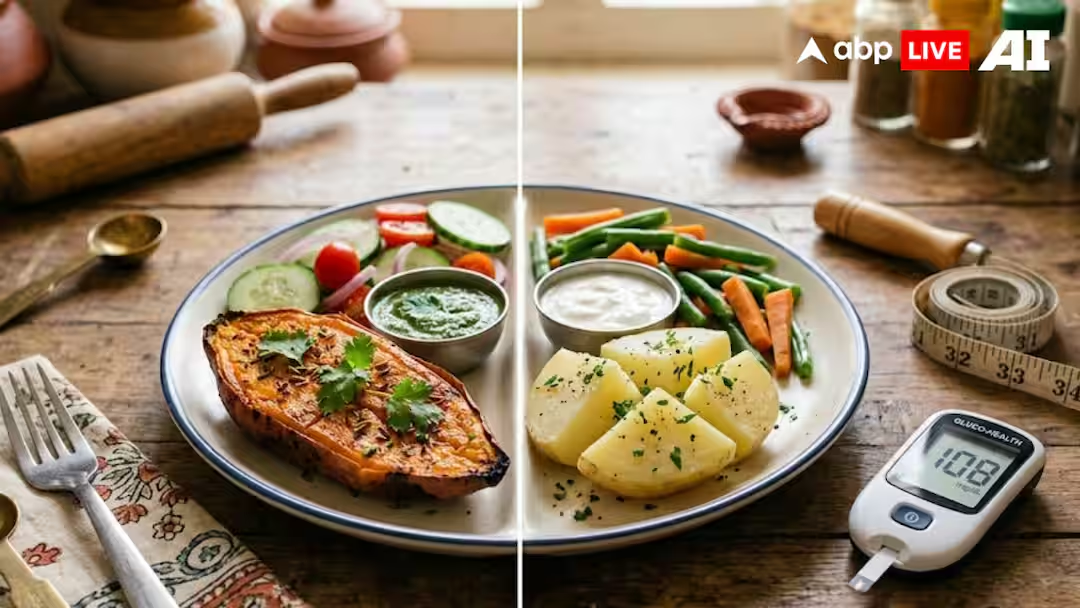
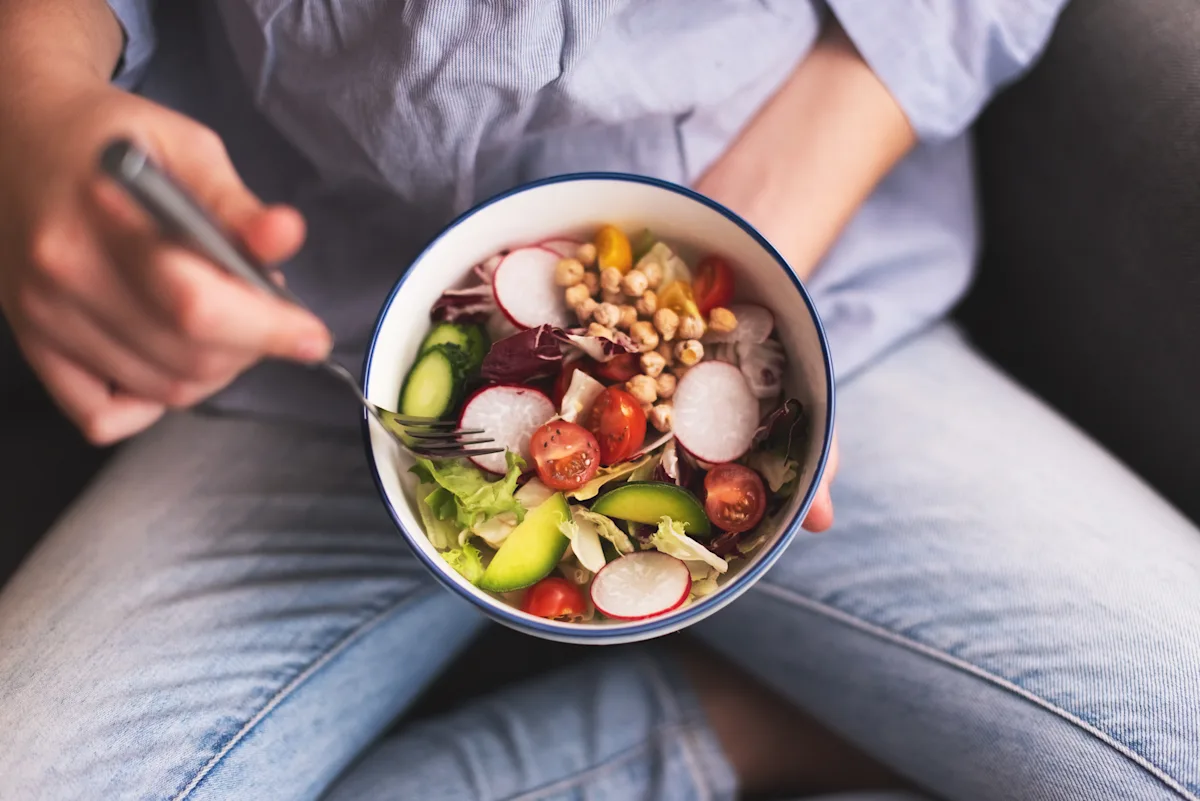
The American Diabetes Association recommends following this method for putting together your meals: Fill half your plate with non-starchy vegetables. Split the other half in two between protein and whole-food carbs—such as brown rice, quinoa, beans, and legumes—or ancient grains, such as amaranth, millet, or farro. These complex carbohydrates have more fiber and nutrients than processed carbs—such as white rice, bread, and pasta—and the fiber helps manage blood sugar levels.
Avoid processed foods
“Avoiding refined, processed foods and incorporating more nutrient-dense foods into your diet will prevent your body [from] having to work harder to keep the blood sugar within the desired range,” said Palinski-Wade. “Eating a well-balanced diet of fruits, vegetables, whole grains, lean protein, healthy fats, and low-fat dairy is the best way to maintain healthy blood sugar levels.”
Drink water
Choosing water as your go-to source of hydration helps flush out excess glucose in your system and is a great way to stay hydrated without carbohydrates. Plus, the CDC says that dehydration can actually cause a blood sugar spike, so making sure you’re sipping enough throughout the day is key.
Get moving
“To lower risk for diabetes and manage healthy blood sugar levels, start by prioritizing exercise,” said Twigge. The American Diabetes Association recommends aiming for 150 minutes of moderate-intensity exercise every week. You can split up those minutes in any way you like—just try not to go more than 48 hours between sessions in order to maximize the benefits.
You Might Also Like