

Image Credit: Shutterstock.
Some foods are delicious going in but create a particular aromatic situation on their way out. It’s a weird but true biological fact that what we eat can directly influence our personal scent, and not always for the better. These foods are packed with compounds that, once broken down, release odors through our sweat, breath, and urine.
You need to know which foods are likely to negatively accessorise your perfume before you attend that big meeting or a close-talker-friendly date. The good news is that for most of these foods, you don’t have to give them up entirely. A few simple adjustments can help you enjoy your meals without becoming a walking air freshener (otherwise, you can just embrace it or keep your distance!).
Here are the foods that might be making you a little more fragrant than you’d like.
1. Garlic

Image Credit: Shutterstock.
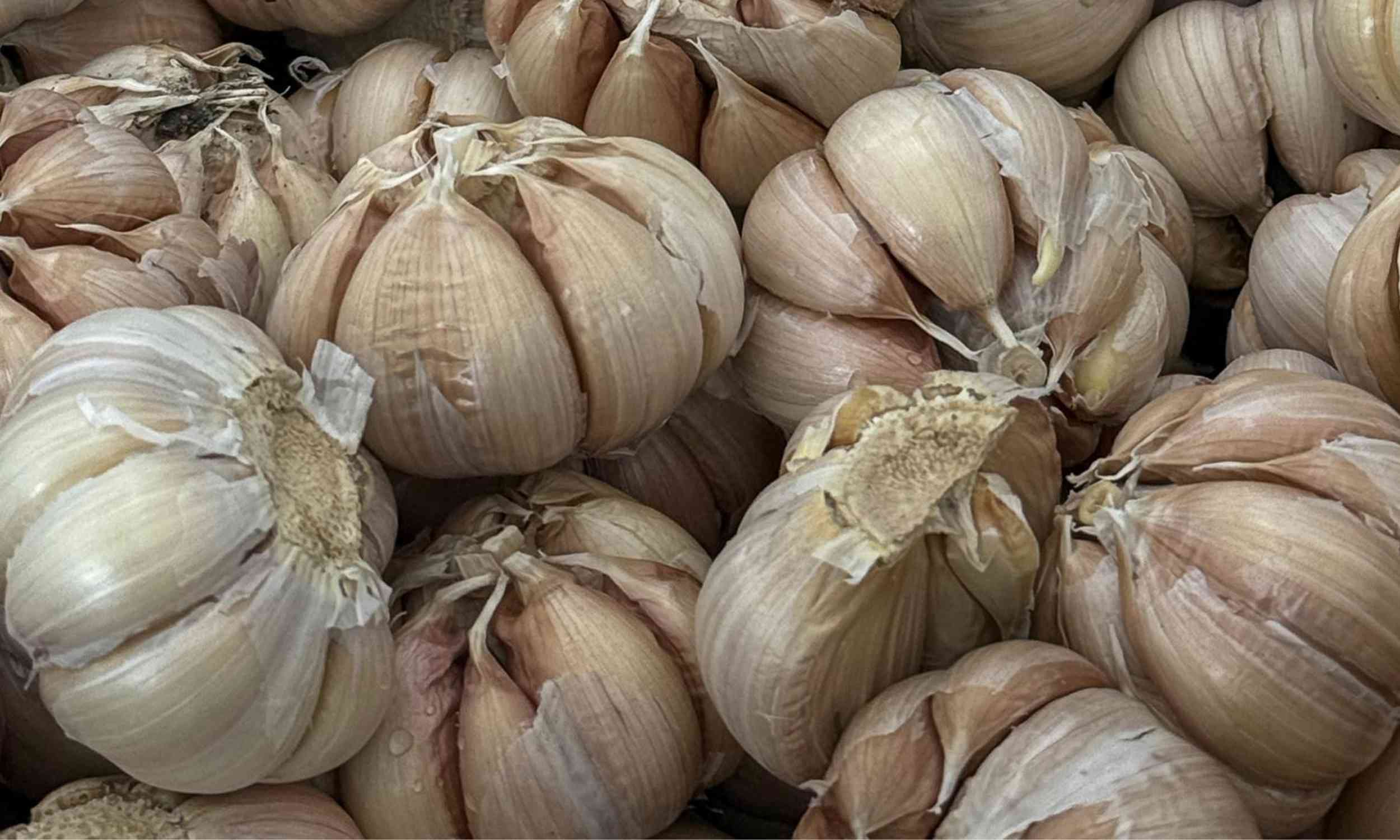
Rumor had it that even Queen Elizabeth didn’t eat garlic, and we know why. That beloved bulb, a staple in kitchens everywhere, is a notorious offender. Garlic contains sulfur compounds, specifically allicin, which are responsible for its potent flavor and smell. When you crush or chop garlic, these compounds are released. Once ingested, they break down and enter your bloodstream, eventually escaping through your pores and breath, leading to that unmistakable garlic scent that can linger for a day (or even two).
Quick Tips:
-
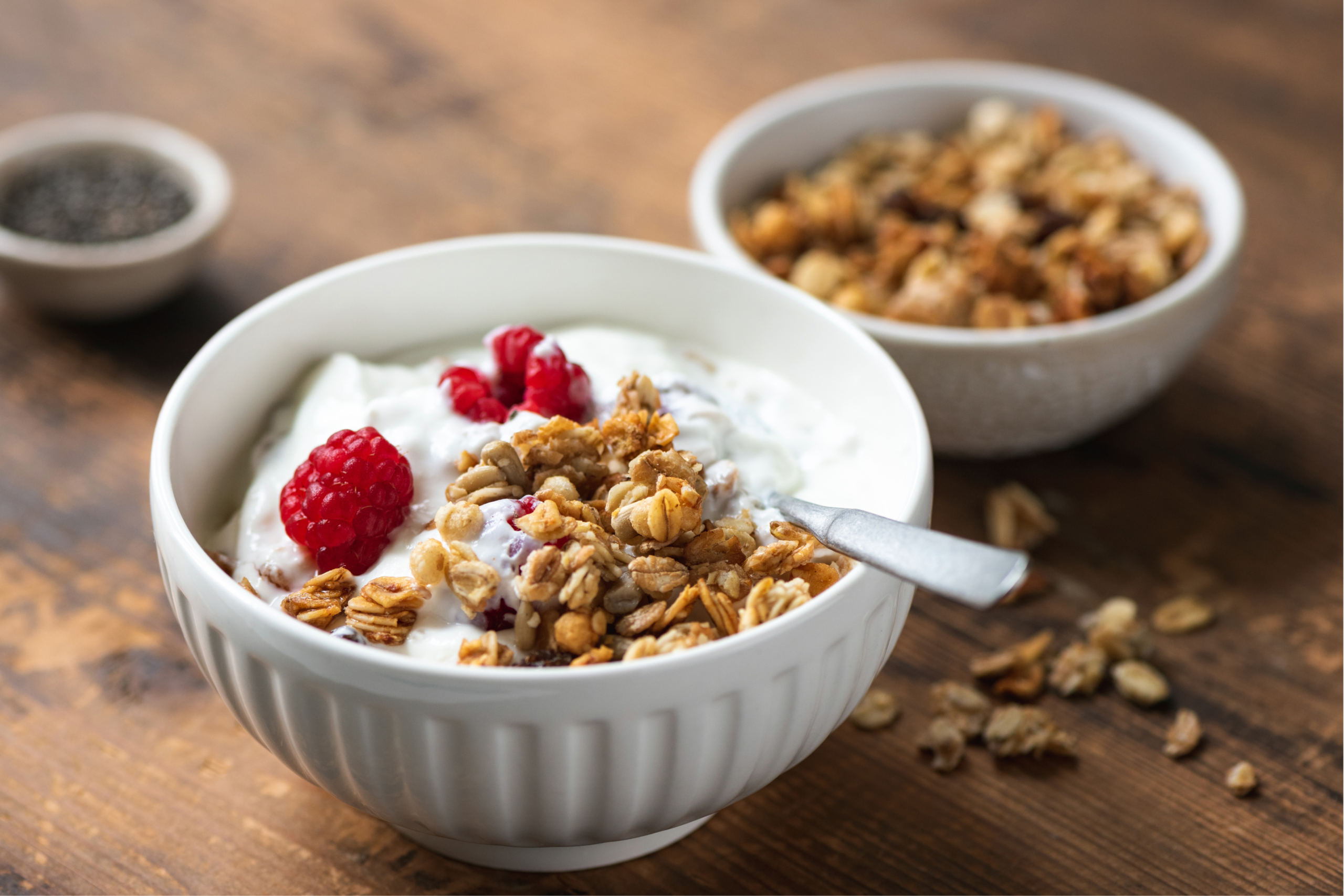
Drink Yogurt: Some evidence suggests dairy (plain yogurt) or fresh mint may help reduce lingering garlic compounds.
-
Cook it Through: Cooking garlic can reduce the concentration of the odor-causing compounds, though it may also diminish some of its health benefits.
2. Onions

Image Credit: Shutterstock.
Like their close relative, garlic, onions are rich in sulfur compounds. When your body metabolizes these compounds, they produce smelly substances that get absorbed into the bloodstream and are released through your breath and sweat. The effect is particularly strong with raw onions, which is why that burger with extra onions can follow you around for hours.
Quick Tips:
-
Soak Before Eating: If you love raw onions in your salads, try soaking the slices in cold water for about 30 minutes to lessen their pungency.
-
Pair with Parsley: Chewing on fresh parsley after eating onions can act as a natural breath freshener.
-
Brush and Floss: Good oral hygiene is your best friend after an onion-heavy meal.
3. Red Meat

Image Credit: Shutterstock.
A hearty steak or a juicy burger can be a satisfying meal, but red meat can contribute to body odor. During digestion, its amino acids can interact with gut bacteria. This bacterial activity can produce compounds that may influence body odor, both through the gut and potentially via the skin.
Quick Tips:
-
Portion Control: You don’t have to give up red meat completely. Moderating your intake can make a difference.
-
Hydrate Well: Drinking plenty of water helps flush your system and can dilute the concentration of odor-causing compounds.
-
Balance Your Plate: Pair red meat with fiber-rich greens to aid digestion.
4. Fish

Image Credit: Shutterstock.
Fish is known for its numerous health benefits, but certain types, such as tuna and salmon, are particularly high in choline, a member of the B vitamin family. Some people have a genetic condition called trimethylaminuria, where the body can’t break down trimethylamine, a compound derived from choline. This results in a strong, fishy odor being released through sweat, urine, and breath.
Eating fish doesn’t cause Trimethylaminuria, but it can trigger symptoms in people who already have the disorder. For most people, fish won’t produce a strong, lasting body odor, and the condition is rare. Even for those without the condition, a very high intake of choline-rich foods can sometimes produce a milder version of this effect.
Quick Tips:
-
Squeeze of Lemon: The acid in lemon juice can help neutralize the trimethylamine in the fish before you even eat it.
-
Choose Wisely: If you are sensitive, you might notice the effect is stronger with certain types of fish.
-
Herbal Help: Chewing on fennel seeds after a fish dinner can help freshen your breath.
5. Asparagus

Image Credit: Shutterstock.
There is a lot you can make with asparagus, but the infamous “asparagus pee” is a real phenomenon for many. Asparagus contains asparagusic acid. When your body metabolizes this compound, it produces several sulfur-containing byproducts that are volatile and have a strong, cabbage-like smell. These compounds are excreted through urine, and the scent can appear as quickly as 15 to 30 minutes after eating.
Quick Tips:
-
It’s Genetic: Not everyone can smell these compounds, so if you’ve never noticed it, you might have a genetic quirk that makes you immune to the scent.
-
Speed Up Digestion: Drinking water and staying hydrated will help you flush the compounds out of your system faster.
-
Don’t Worry: This effect is harmless and temporary, so there’s no need to skip this nutritious vegetable.
6. Curry & Cumin

Image Credit: Shutterstock.
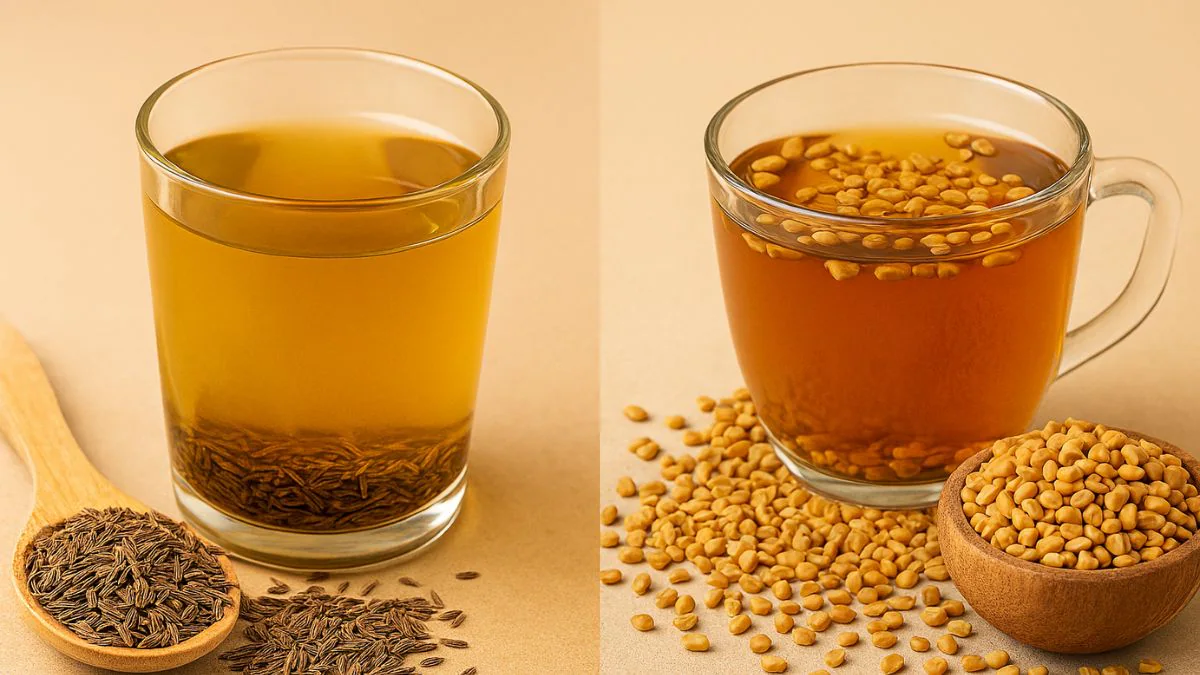
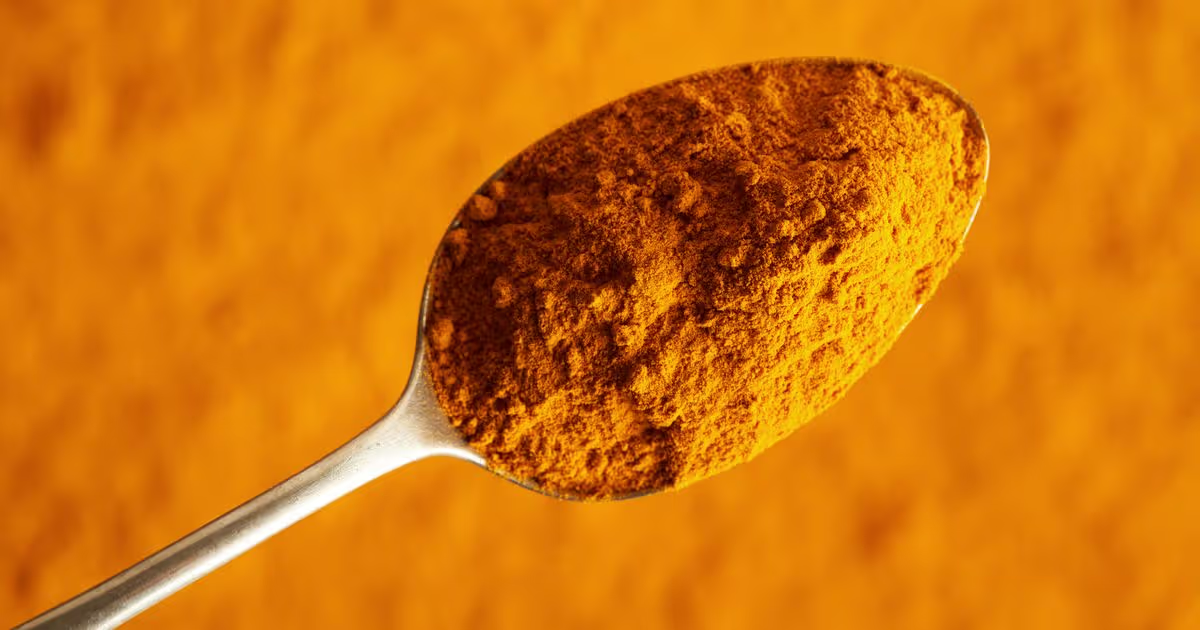
The warm, earthy spices of curry and cumin are what make many dishes so irresistible. However, their potent aromas don’t just stay in the kitchen. These spices linger in your system, and their scent can seep out through your pores for days after your meal. The strong aromatic compounds are absorbed into the bloodstream and released through sweat, making your body odor take on a similar spicy note.
Quick Tips:
-
Air it Out: If the smell is clinging to you, a good sweat session at the gym followed by a shower can help clear it out.
-
Moderation is Helpful: Enjoy these spices, but maybe not right before an important, close-quarters event.
-
Boost Your Greens: Eating leafy greens can help deodorize your system from the inside out.
7. Broccoli, Cabbage, & Brussels Sprouts

Image Credit: Shutterstock.
Cruciferous vegetables like broccoli, cabbage, and Brussels sprouts are nutritional powerhouses packed with fiber and beneficial compounds. They are also high in sulfur. As your digestive system breaks them down, it can produce hydrogen sulfide, the gas responsible for the rotten egg smell. This leads to both odorous flatulence and a potential change in your body odor as the compounds are released through your sweat.
Quick Tips:
-
Steam, Don’t Boil: Some people claim that steaming these vegetables can make them easier to digest and can reduce the odorous gas they produce compared to eating them raw.
-
Add Spices: Cooking them with caraway or fennel seeds can help counteract the gas-producing effects.
-
Build Up Slowly: If you’re not used to a high-fiber diet, introduce these vegetables gradually to give your digestive system time to adapt.
8. Coffee

Image Credit: Shutterstock.
Your morning cup of coffee might wake you up, but it can also contribute to bad breath. Coffee is highly acidic, which creates an ideal environment for bacteria to multiply in your mouth. Additionally, caffeine has a diuretic effect, which can lead to a dry mouth. A dry mouth lacks saliva, which is essential for washing away bacteria and food particles, resulting in classic “coffee breath.”
Quick Tips:
-
Rinse After: Swish some water in your mouth after finishing your coffee to rinse away acids and residue.
-
Chew Sugar-Free Gum: This stimulates saliva production to combat dry mouth.
-
Don’t Drink it on an Empty Stomach: Eating food with your coffee can help absorb some of the oils and acids.
9. Alcohol

Image Credit: Deposit Photos.
A night of drinking can lead to more than just a hangover. As your body metabolizes alcohol, it converts most of it into acetic acid. However, some of it is released through your pores and breath. This is why you can often smell stale alcohol on someone the morning after a night out. The process contributes to a distinct, sour body odor.
Quick Tips:
-
Hydrate Between Drinks: Alternating alcoholic beverages with water can help dilute the alcohol and keep you hydrated.
-
Choose Clear Spirits: Darker liquors contain more congeners, compounds that can contribute to odor.
-
Shower the Next Day: A thorough wash will help remove the smell from your skin and hair.
10. Dairy Foods

Image Credit: Shutterstock.
For the many people with some degree of lactose intolerance, dairy products can cause digestive distress. When the body can’t produce enough lactase to break down the lactose (sugar) in milk, it ferments in the gut. This fermentation process produces foul-smelling gases, such as hydrogen sulfide, which can lead to bloating, flatulence, and an unpleasant odor.
Quick Tips:
-
Try Lactose-Free: Many lactose-free milk and cheese alternatives are available.
-
Use Enzyme Supplements: Over-the-counter lactase enzyme pills can be taken before a dairy-heavy meal.
-
Go for Aged Cheeses: Hard, aged cheeses like cheddar and Swiss have less lactose than soft cheeses.
11. Junk Food (Sugary Treats)

Image Credit: Deposit Photos.
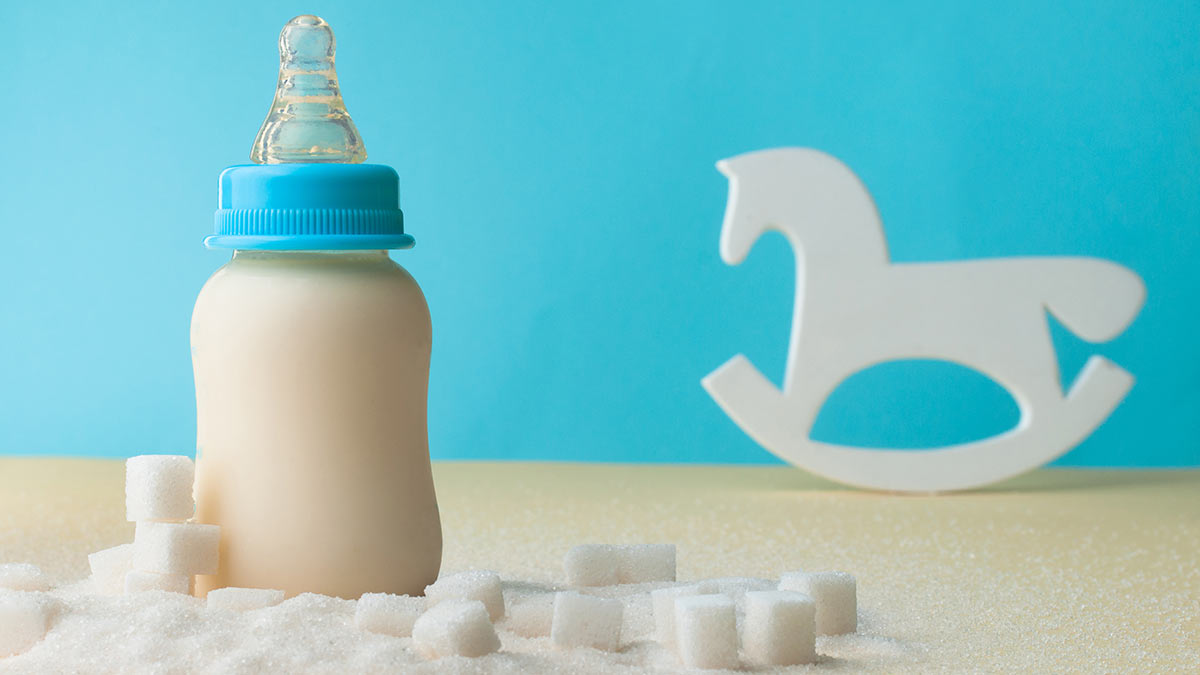
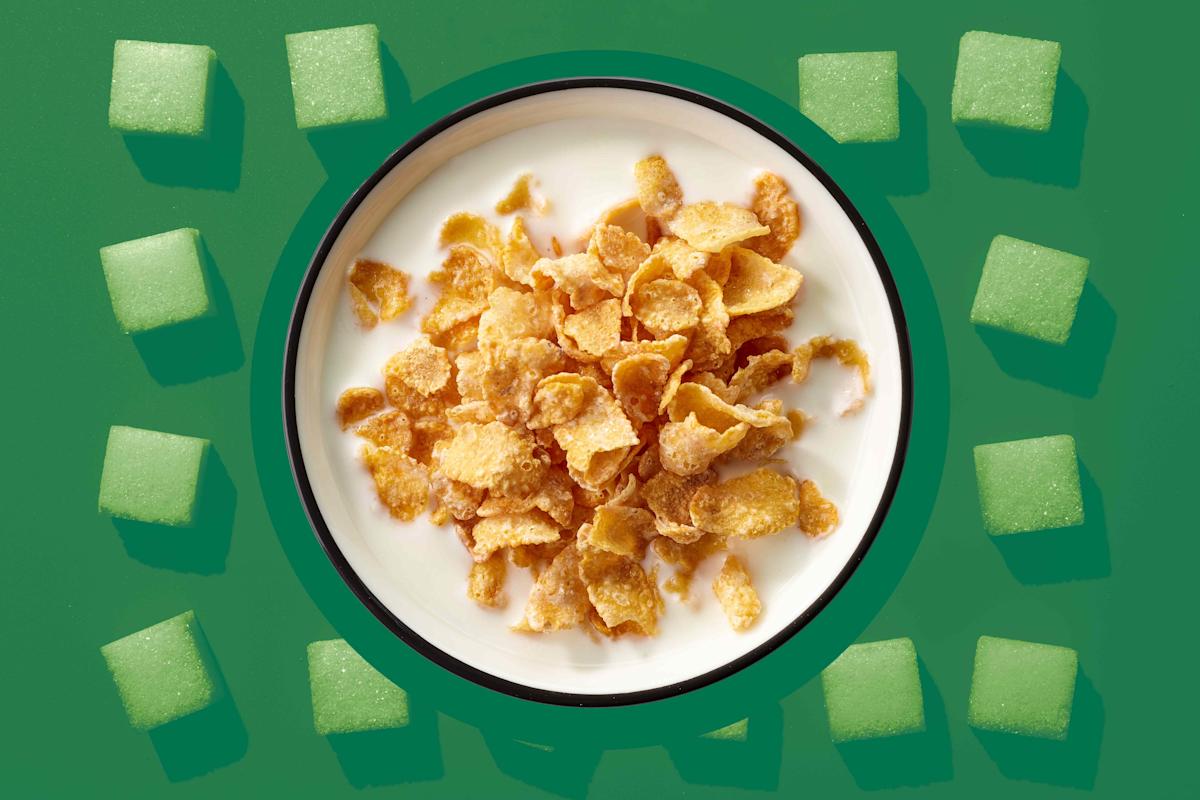
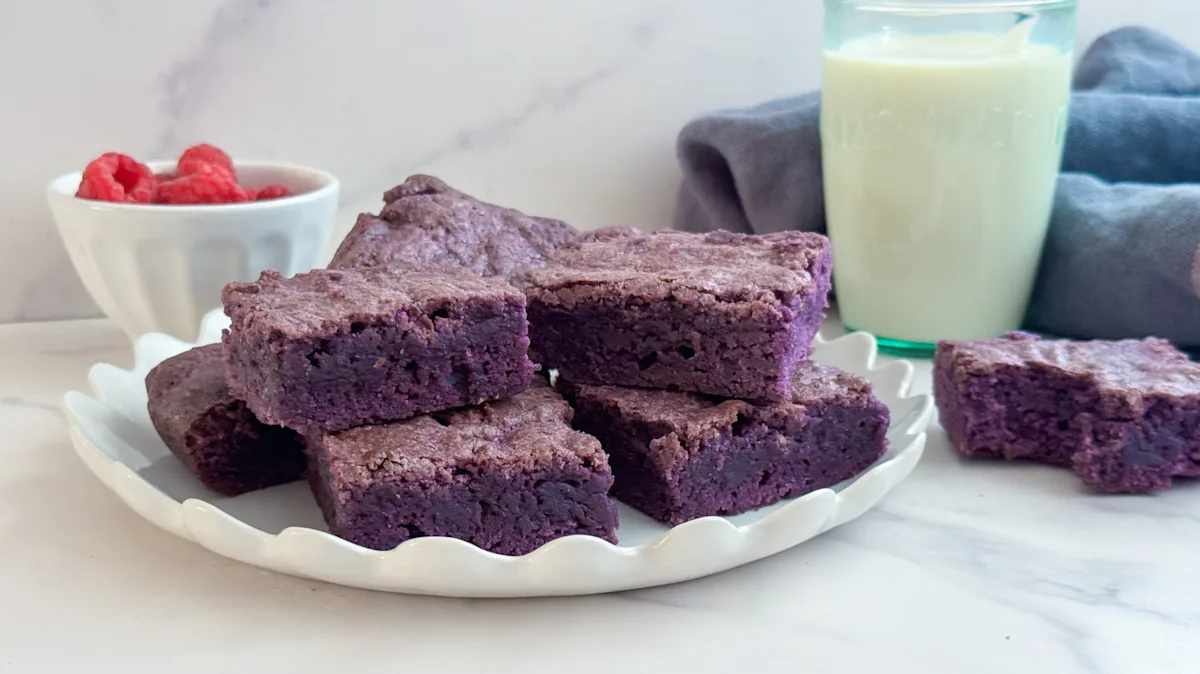
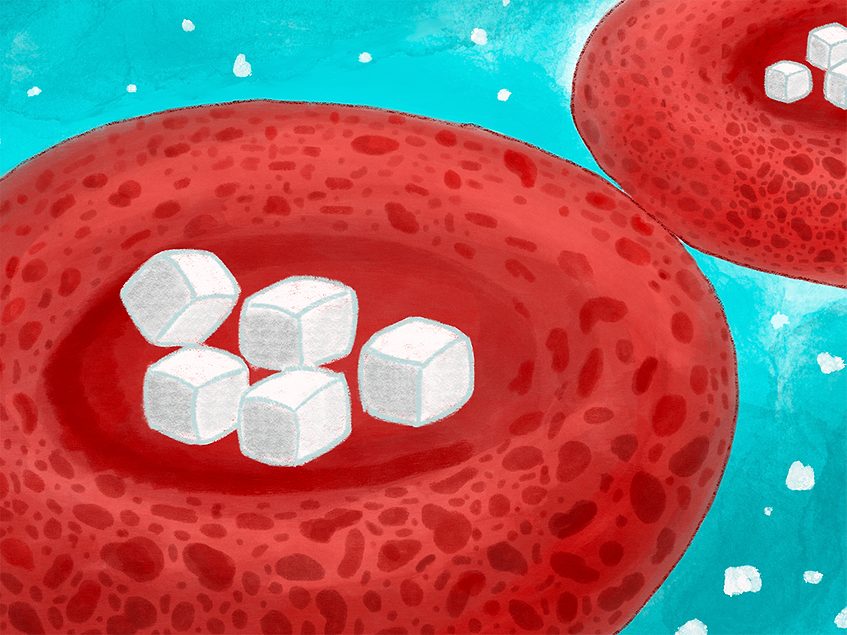
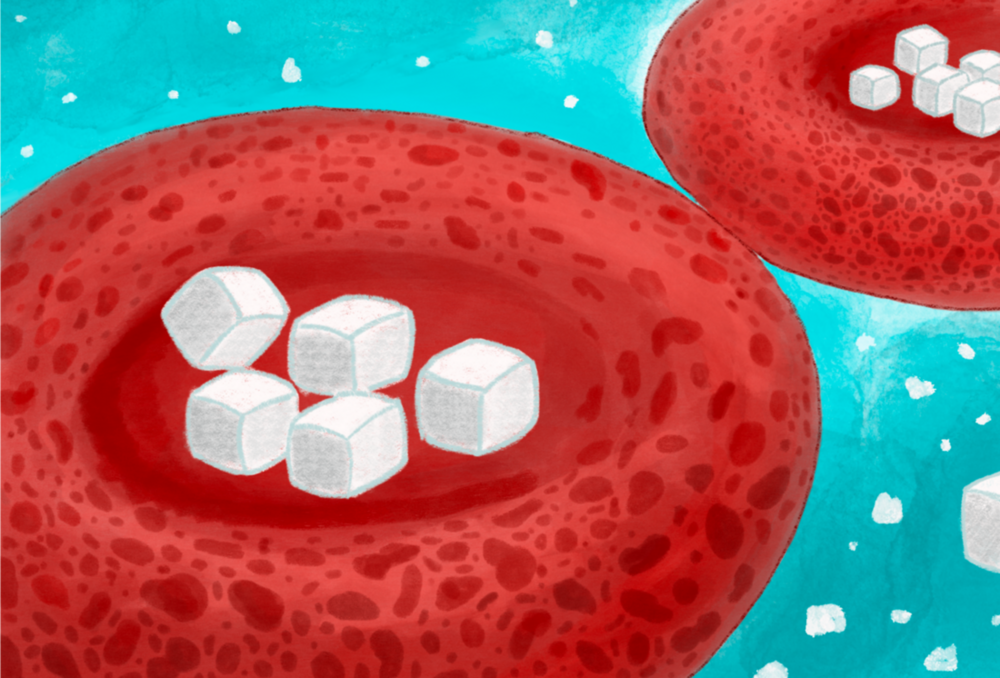
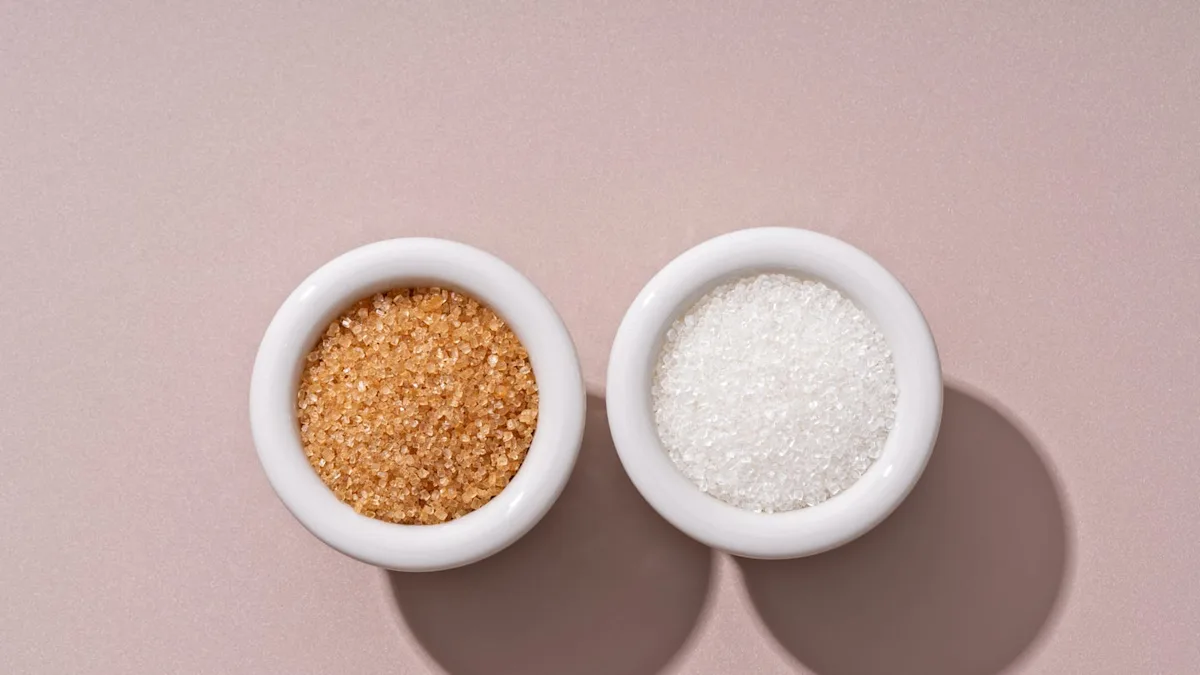
Junk food is not just bad for your health; it may also be making you stink. Foods high in refined sugar, like candy, pastries, and soda, can cause a foul smell. A diet rich in sugar feeds the bad bacteria in your mouth, leading to tooth decay and bad breath. Internally, the sugar can also disrupt your gut microbiome and promote the growth of yeast, which can lead to the release of odorous compounds through your digestive system.
Quick Tips:
-
Read Labels: Be mindful of hidden sugars in processed foods and sauces.
-
Opt for Fruit: When a sugar craving hits, reach for a piece of fruit, which contains fiber to slow down sugar absorption.
-
Prioritize Whole Foods: A diet based on whole, unprocessed foods naturally reduces your intake of refined sugar.
12. Fenugreek

Image Credit: Shutterstock.
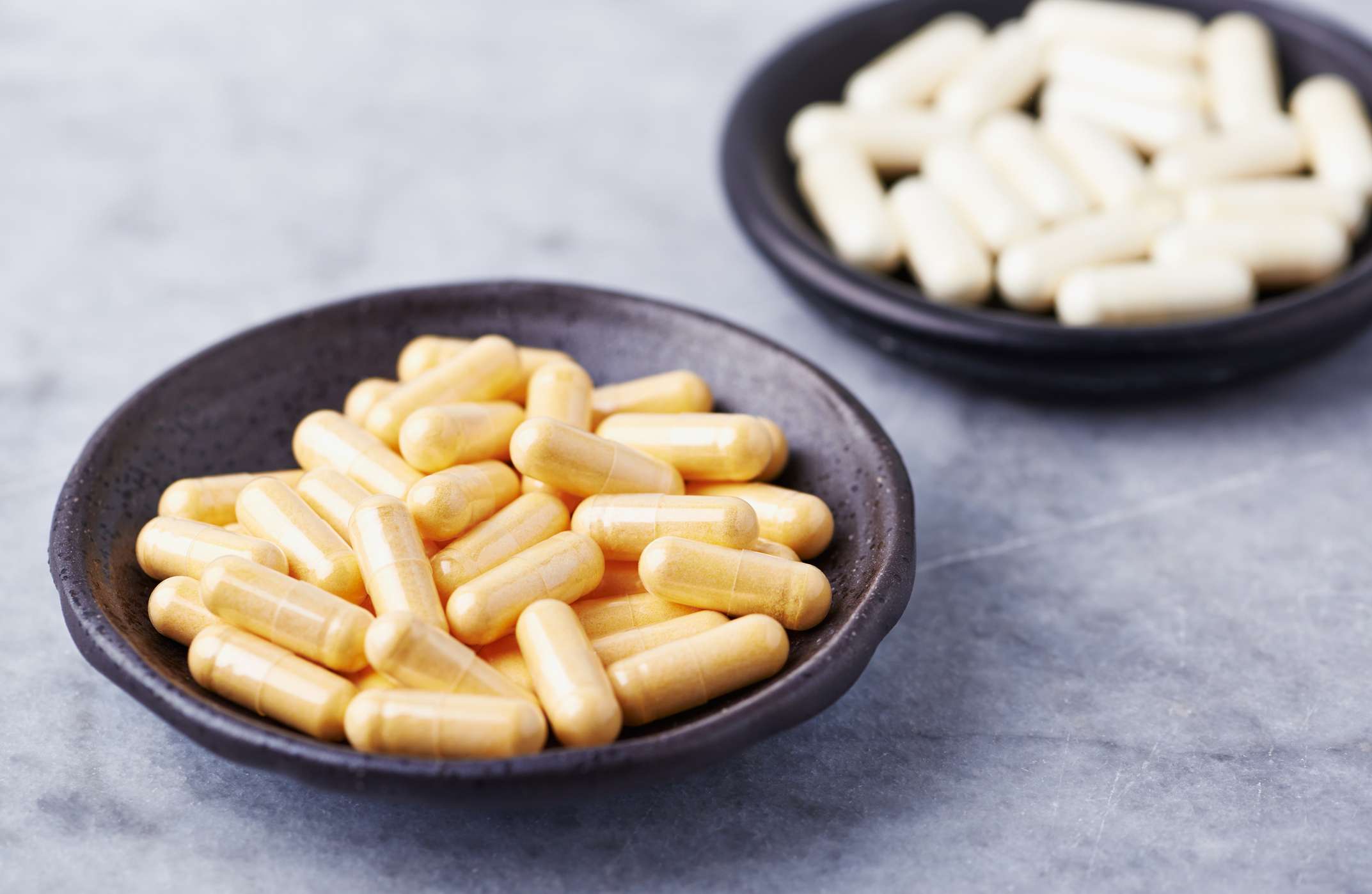
Fenugreek is an herb often used in Indian cooking and as a health supplement. It contains a compound called soloton, which has a strong, sweet, maple-syrup-like scent. When you consume fenugreek in large quantities, soloton is excreted through sweat and urine, making you smell uncannily like a pancake breakfast. The scent is quite potent and can last for a day or more.
Quick Tips:
-
Be Aware: This is a well-known side effect, especially for those taking fenugreek supplements.
-
Dosage Matters: The effect is directly related to how much you consume. Reducing the amount can eliminate the odor.
-
Temporary Effect: The smell will fade once the compound has been fully flushed from your system.
13. High-Fiber Foods

Image Credit: Shutterstock.
While fiber is essential for good digestion, a sudden and large increase in fiber intake can lead to an increase in gas. Your gut bacteria feast on fiber, and a byproduct of their work is gas. Some of these gases, like hydrogen sulfide, can be quite smelly. Foods like beans, whole grains, and certain vegetables are common culprits.
Quick Tips:
-
Increase Gradually: Add fiber to your diet slowly over several weeks to allow your digestive system to adjust.
-
Drink More Water: Water helps fiber move through your system more efficiently, which can reduce gas and bloating.
-
Soak Your Beans: Soaking beans overnight and changing the water before cooking can help reduce their gas-producing potential.
14. Beets

Image Credit: Shutterstock.
Beets give everything from salads to juices a beautiful crimson color, and they can do the same to your urine and stool. This phenomenon, called beeturia, is harmless. Beets are also rich in methyl, which breaks down into chemical compounds in the digestive system. For some individuals, this can result in a fishy body odor as the compounds are processed.
Quick Tips:
-
Don’t Panic: If you notice red or pink in the toilet after eating beets, it’s most likely just the beet pigment.
-
Cook Them: Cooking beets can sometimes lessen the intensity of the compounds that cause odor.
-
Enjoy in Moderation: As with many foods on this list, the effect is often related to the quantity consumed.
15. Spicy Foods

Image Credit: Shutterstock.
Ever notice that you start sweating after eating a particularly spicy dish? That’s your body’s reaction to capsaicin, the compound that gives peppers their heat. The capsaicin triggers your nerves to feel warm, and your body responds by sweating to cool down. The sulfur-containing compounds in many spicy foods can then mix with this sweat, creating a noticeable body odor.
Quick Tips:
-
Have Dairy on Hand: A glass of milk or a spoonful of yogurt can help neutralize capsaicin in your mouth and gut.
-
Know Your Limit: Enjoy the level of spice you’re comfortable with to avoid an excessive sweat response.
-
Keep Cool: Eating spicy food in a cool environment can help manage sweating.
16. Soy

Image Credit: Shutterstock.
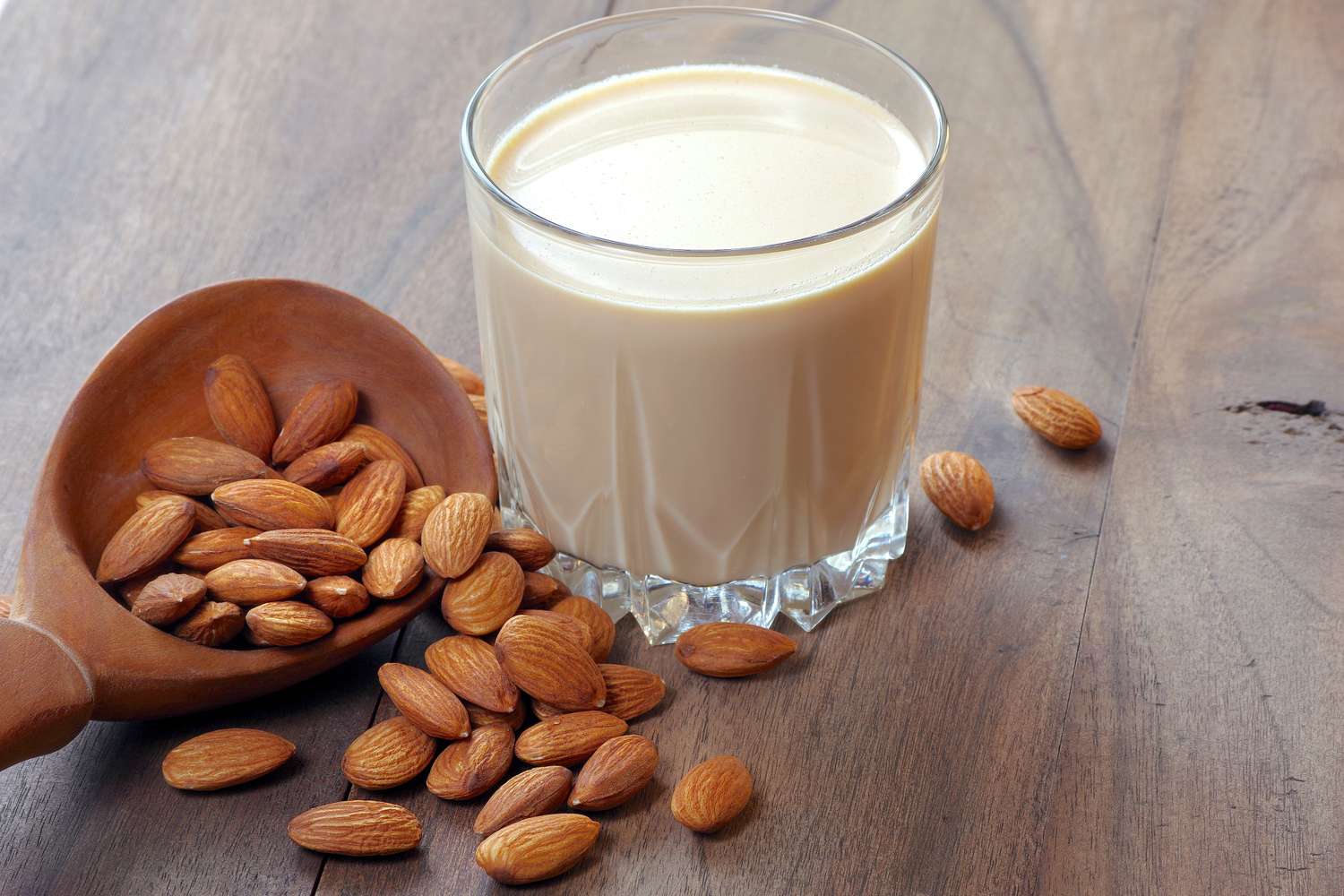
Soy products like tofu and soy milk can be tricky for some people’s digestive systems. They contain anti-nutrients like phytates and enzyme inhibitors that can make them difficult to digest, leading to gas and bloating. Fermented soy products, like tempeh and miso, are often easier on the gut because the fermentation process breaks down some of these compounds.
Quick Tips:
-
Choose Fermented: Opt for tempeh, miso, or natto over processed soy products if you experience digestive issues.
-
Cook Thoroughly: Properly cooking soy can help deactivate some of the enzyme inhibitors.
-
Listen to Your Body: Pay attention to how you feel after eating soy to determine your tolerance.
17. Durian Fruit

Image Credit: Shutterstock.
Known as the “king of fruits” in Southeast Asia, durian is infamous for its overpowering smell. It’s so potent that it’s banned in many public places. The fruit contains a unique and complex mix of volatile sulfur compounds that give it a smell often described as a combination of rotten onions, turpentine, and gym socks. This odor can linger on your breath and skin for hours after eating it (or even just handling it).
Quick Tips:
-
Handle with Care: The smell clings to everything, so it’s best eaten outdoors.
-
Rinse with Saltwater: Rinsing your mouth with saltwater after eating durian is a folk remedy to reduce the aftertaste.
-
An Acquired Taste: For those who love it, the creamy texture and unique flavor are worth the smell. For others, it’s a hard pass.
Living an Odor-Free Life

Image Credit: Deposit Photos.
Dealing with food-related body odor doesn’t mean you have to live on a bland diet. Most of these fragrant foods are incredibly healthy and delicious. The best approach is to be aware of and moderate your use. Pay attention to how your body reacts to different foods, and use that knowledge to plan your meals, especially before social situations where you want to be at your best.
Good hygiene, staying hydrated, and eating a balanced diet rich in leafy greens can do wonders to keep your natural scent neutral. A little bit of planning is all it takes to enjoy the foods you love without worrying about any unwanted aromatic side effects.