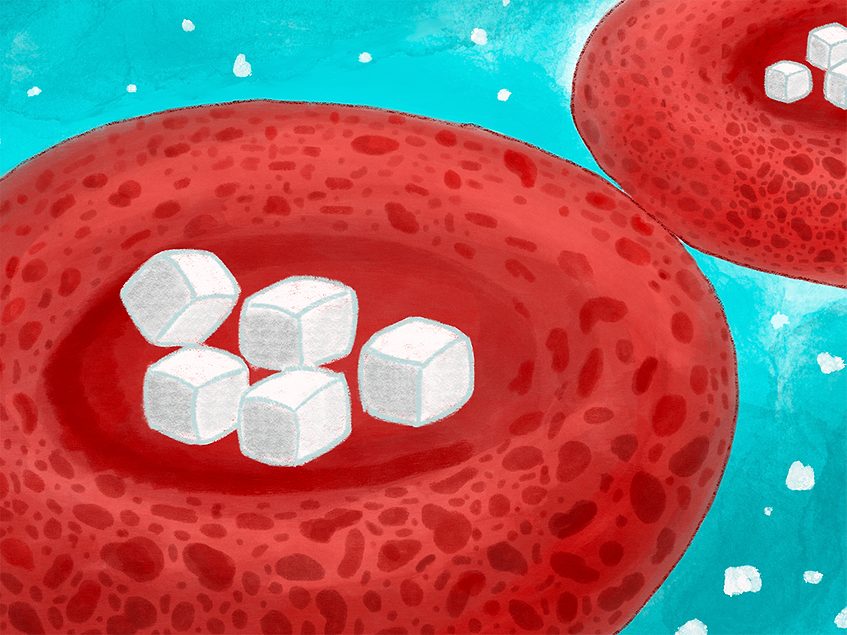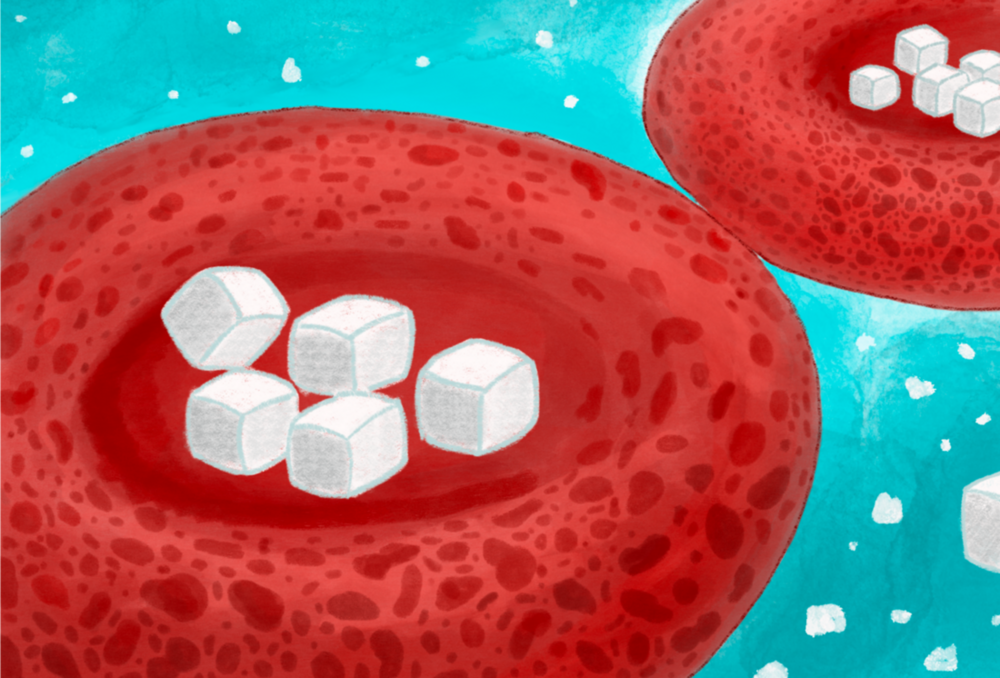
Seeds can help keep blood sugar levels steady by slowing digestion and preventing spikes. Chia, flax, and pumpkin are some seeds rich in fiber, protein, and healthy fats that support better sugar (glucose) control.
1. Chia Seeds
NelliSyr / Getty Images
Chia seeds are tiny, edible seeds rich in fiber and protein. When you eat them, they absorb fluid from the digestive tract, forming a gel in the gut that helps slow digestion and prevent your blood sugar from spiking. Eating them regularly may also slow down sugar absorption and lower post-meal blood glucose levels. However, the research is mixed.
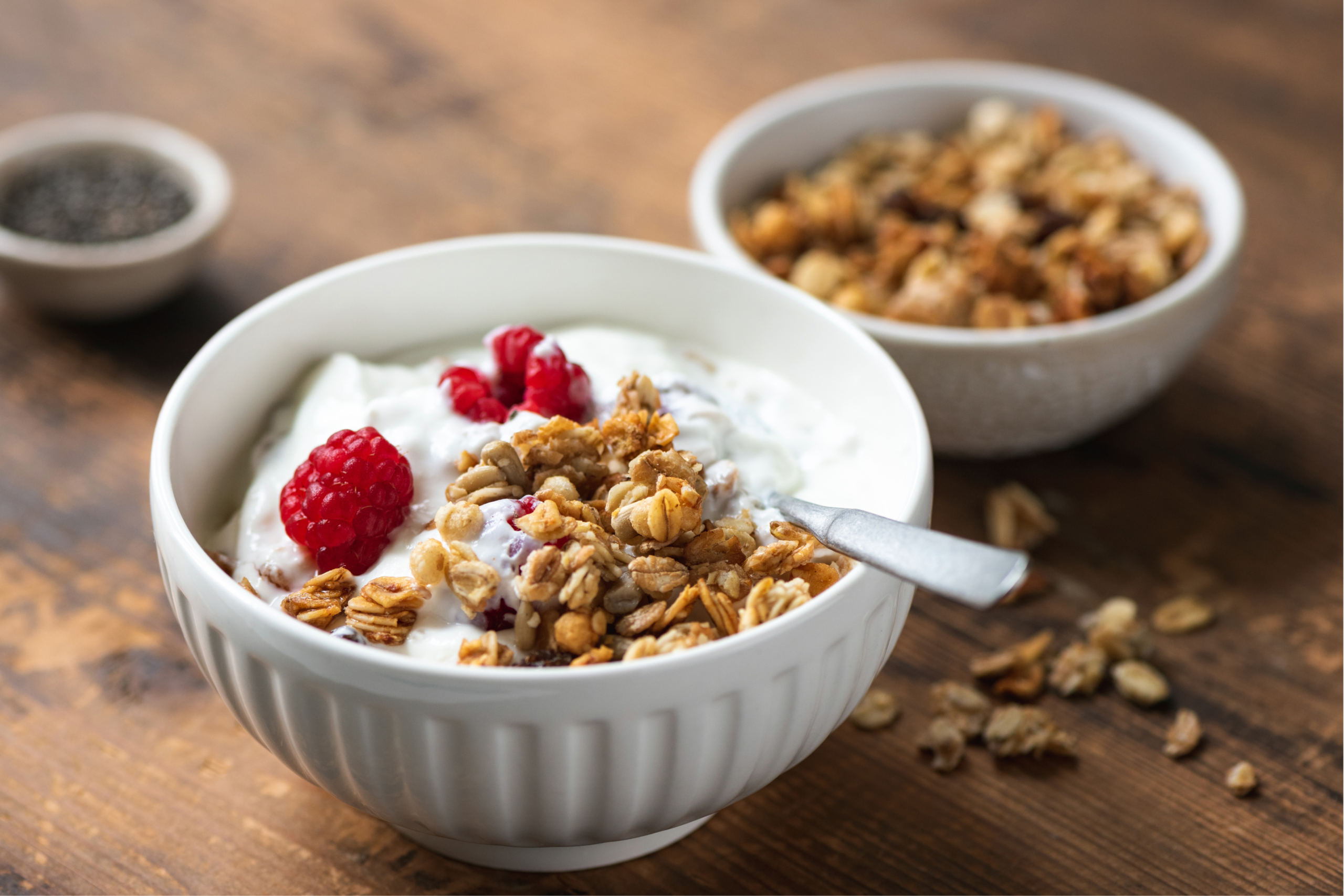
Eating a diet rich in chia seeds may help you feel fuller longer. To add chia seeds to your diet, try sprinkling them over your oatmeal or yogurt parfait. They act as a thickening agent in smoothies and protein shakes. Try mixing chia seeds with water or milk to create a chia pudding.
2. Flaxseeds
Severga / Getty Images
Flaxseeds are rich in fiber, which helps slow digestion and keep blood sugar levels stable. One study found that consuming ground flaxseeds or flaxseed oil can lower blood sugar levels and reduce the risk of type 2 diabetes.
Flaxseeds contain lignans, plant compounds with antioxidant and anti-inflammatory effects. They may regulate blood sugar and lower the risk of heart disease. Flaxseeds are an excellent source of alpha-linolenic acid (ALA), a type of plant-based omega-3 fatty acid. Research found that eating a diet rich in ALA may improve insulin sensitivity and reduce blood sugar levels.
Ground flaxseed is easier for the body to digest than whole seeds. To add flaxseed to your diet, try mixing ground flaxseed into smoothies, yogurt, or baked goods.
3. Pumpkin Seeds
lauraag / Getty Images
Pumpkin seeds contain several healthy nutrients, including fiber, magnesium, zinc, antioxidants, and unsaturated fats. A study found that eating a two-ounce serving of pumpkin seeds and a high-carbohydrate meal can help lower blood sugar levels.
Pumpkin seeds are a good source of magnesium, an essential mineral that helps the body convert food into energy. One study found that consuming a high-magnesium diet can lower the risk of type 2 diabetes by as much as 15%.
Eating pumpkin seeds may also increase the body’s supply of nitric oxide, which relaxes blood vessels and reduces the risk of heart disease.
4. Sunflower Seeds
SGAPhoto / Getty Images
While more research is needed, studies have found that regularly eating sunflower seeds may help reduce blood sugar levels.
Sunflower seeds contain a plant compound called chlorogenic acid that has powerful antioxidant properties. Consuming a diet rich in chlorogenic acid may reduce inflammation and regulate blood sugar levels. Eating sunflower seeds with carbohydrates may prevent a blood sugar spike.
5. Fenugreek Seeds
Madeleine_Steinbach / Getty Images
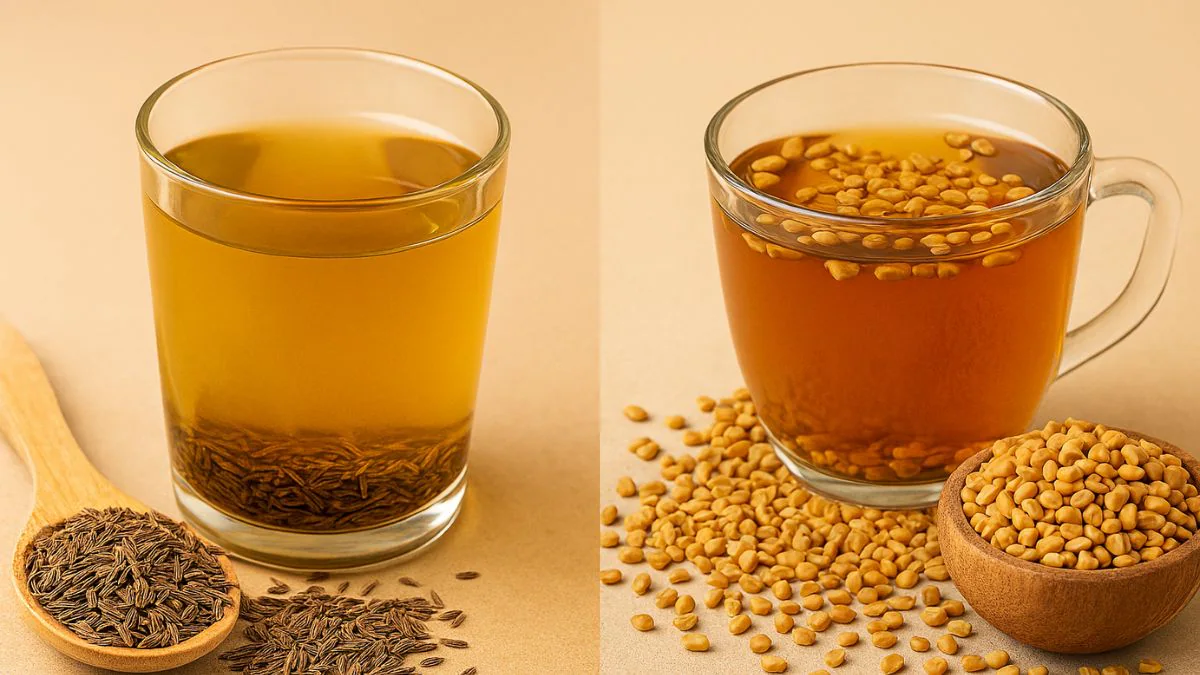
Fenugreek seeds come from the fenugreek plant, an herb with medicinal properties. Fenugreek seed is available as a supplement to treat diabetes. While these seeds may improve insulin sensitivity, more research is needed to determine whether eating fenugreek seeds can lower blood sugar levels.
Some research found that eating bread made with fenugreek flour may reduce insulin resistance in people with type 2 diabetes. However, there is insufficient evidence to determine whether fenugreek lowers blood sugar levels.
How to Incorporate Seeds into Your Diet
Seeds are a versatile plant-based food that can be added to a variety of dishes. Consider adding seeds to:
- Oatmeal
- Yogurt
- Smoothies
- Salads
- Soups
- Stir-fries
- Baked goods
:max_bytes(150000):strip_icc():format(webp)/carriemadormo3-0d20d62434bb4344bdea385664529e28.jpg)