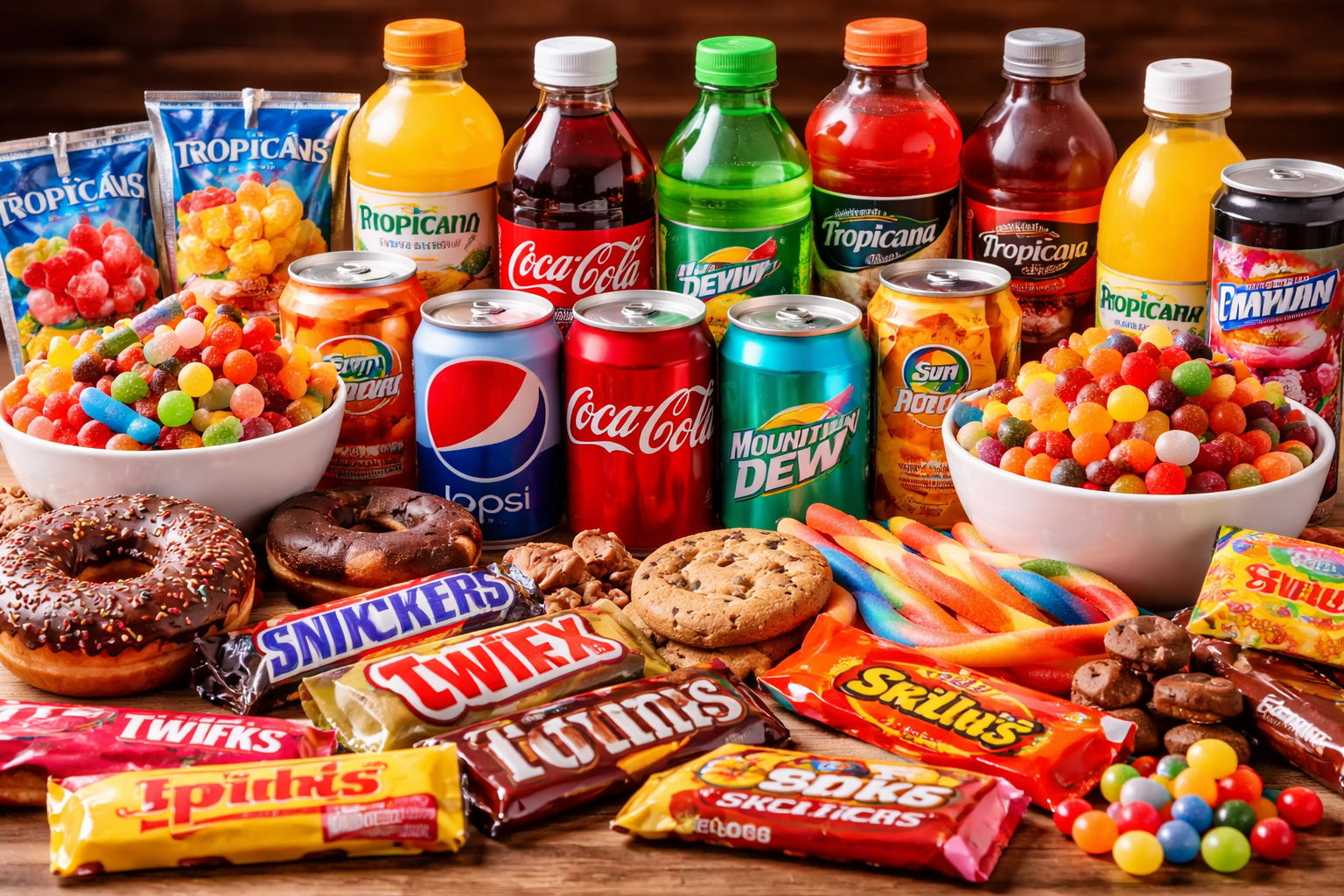

Hands up if you’ve eaten at least one sweet treat so far today? According to a 2024 study from the Oral Health Foundation, 84% of the UK population eats at least one sugary snack per day, while 79% consume up to three.
Sugar is in a lot of what we eat and, much like caffeine, it’s something that many of us depend on for a pick-me-up or burst of energy.
But it’s important to recognise that too much sugar can have a significant impact on our health and lead to major issues like heart disease, arthritis and obesity.
However, “not all sugar is created equal,” says Nichola Ludlam-Raine, the registered dietitian behind Yahoo UK’s Eat Better series.
She explains that it’s important to understand the difference between natural sugar and added sugars.
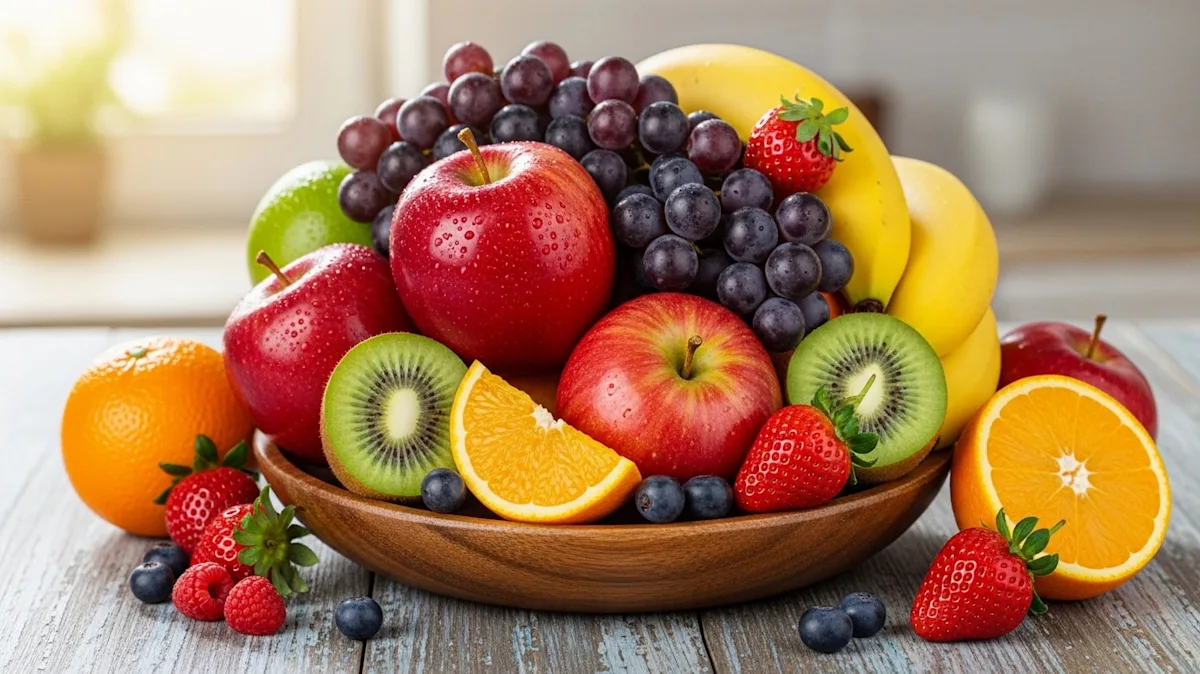
Natural sugars are found in foods like fruit (fructose), milk and yoghurt (lactose) and some vegetables. These foods often provide fibre, protein, vitamins and minerals that support overall health, whereas free or added sugars – which are incorporated into processed foods to increase flavour or extend shelf life – are the main concern.
Ludlam-Raine, who’s also a spokesperson for the British Dietetic Association, says, “Consistently high intakes of added sugar can affect energy levels, appetite regulation, teeth health, gut health, skin and immune function – particularly when they displace more nutrient-dense whole foods in the diet.”
Here are some signs to look out for if you suspect you’re consuming too much sugar in your daily diet.

There are a number of signs you might be eating too much sugar, including acne, bloating and fatigue.
(Kinga Krzeminska via Getty Images)
Signs you’re eating too much sugar
👉 You’re experiencing acne breakouts
Studies suggest that there is a link between diets high in sugar and adult acne.
This 2020 investigation examined whether the consumption of certain foods is associated with acne in adults. It found that those who eat more fatty and sugary foods, sugary drinks and milk are more likely to report issues with acne.
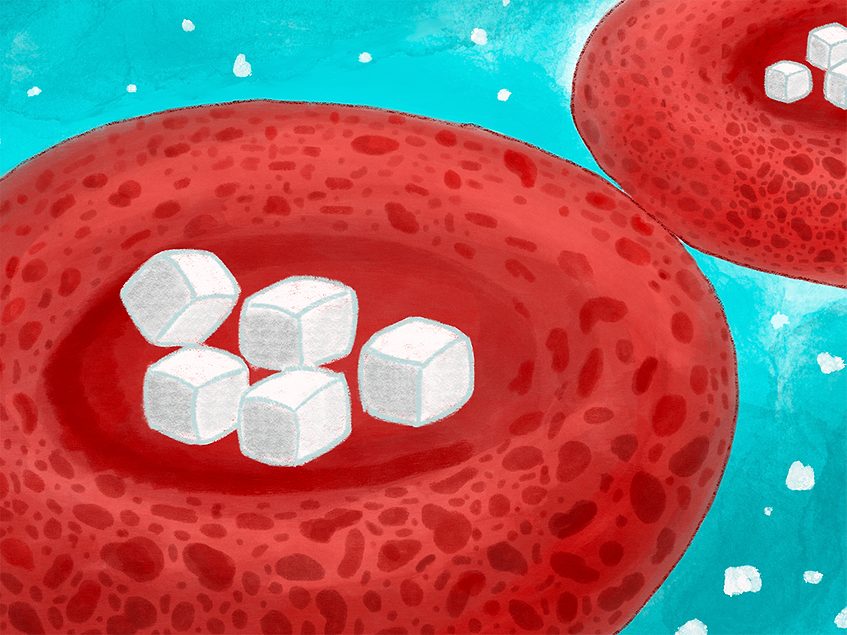
Sugar causes a spike in blood sugar and insulin levels, which in turn stimulates sebum production. Excess oil can clog pores and create the perfect environment for bacteria to grow on the skin, leading to breakouts.
Ludlam-Raine tells us, “While sugar isn’t the sole cause of breakouts, a consistently high intake may exacerbate them in some susceptible individuals.”
👉 You’re suffering from increased fatigue
Feeling tired and sluggish? There’s a chance this is down to how much sugar you’re consuming.
You might notice that, shortly after you’ve consumed something high in sugar, you experience what’s commonly known as a “sugar crash”. This happens when your blood sugar spikes and then dramatically drops, leaving you feeling drained, low on energy and often craving more sugar to recover.
This review from 2019 discovered that carbohydrate (sugar) ingestion is associated with greater feelings of fatigue and lower alertness shortly after eating.
“Relying on sugar for energy often replaces balanced meals that contain protein, fibre and healthy fats, which provide more sustained energy,” explains Ludlam-Raine.

Too much sugar can leave you feeling fatigued and lethargic.
(ingwervanille via Getty Images)
👉 You’re always bloated
Just as eating too much salt can cause bloating, so can sugar. If you feel swollen or puffier than usual, this could be because your body is holding on to water after consuming high levels of sugar.
Ludlam-Raine says, “Excess sugar, particularly from fizzy drinks, sweets and highly processed foods, can alter the balance of gut bacteria and increase fermentation in the gut, leading to bloating and discomfort.”
It can also happen as a result of our bodies struggling to absorb certain sugars. “Large amounts of fructose (especially from sweetened drinks or syrups) can also be poorly absorbed in some people, contributing to digestive symptoms,” says Ludlam-Raine.
Malabsorption is a digestive disorder where the body cannot absorb enough of certain nutrients. It happens when the small intestine can’t properly break down or transport sugars into the bloodstream.
In some cases, people experience difficulty with sugar, which can cause gas pain and abdominal bloating.
👉 You’re craving sugary foods
Eating lots of sugar leads to eating more sugar. When we consume high levels of sugar, our brains have a strong dopamine response. This response is one we find ourselves regularly craving, which is why we feel the urge to eat even more.
This creates a cycle in which we constantly seek out sugary foods that instantly reward us.
Foods high in sugar have also been associated with releasing certain hormones in the body that reduce feelings of stress – increasing the desire to eat more.
“Frequent consumption of high-sugar foods can condition your palate to prefer sweeter tastes and may dysregulate appetite hormones.” says Ludlam-Raine. “Blood sugar fluctuations can also drive cravings, creating a cycle where you reach for another quick sugar hit to restore energy.”
👉 You’re frequently ill
“Chronically high sugar intakes may impair aspects of immune function, particularly if they contribute to overall poor diet quality. Diets high in added sugar often lack key nutrients such as zinc, vitamin C, fibre and protein, all of which are important for a well-functioning immune system,” Ludlam-Raine tells Yahoo UK.
A high-sugar diet can negatively affect your immune system, causing dysregulation of your body’s immune response, according to this 2022 study.
This may contribute towards autoimmune and chronic inflammatory diseases like rheumatoid arthritis, multiple sclerosis, psoriasis and inflammatory bowel disease.
👉 You require a lot of fillings
If you eat excessive amounts of sugar, chances are you have a lot of fillings.
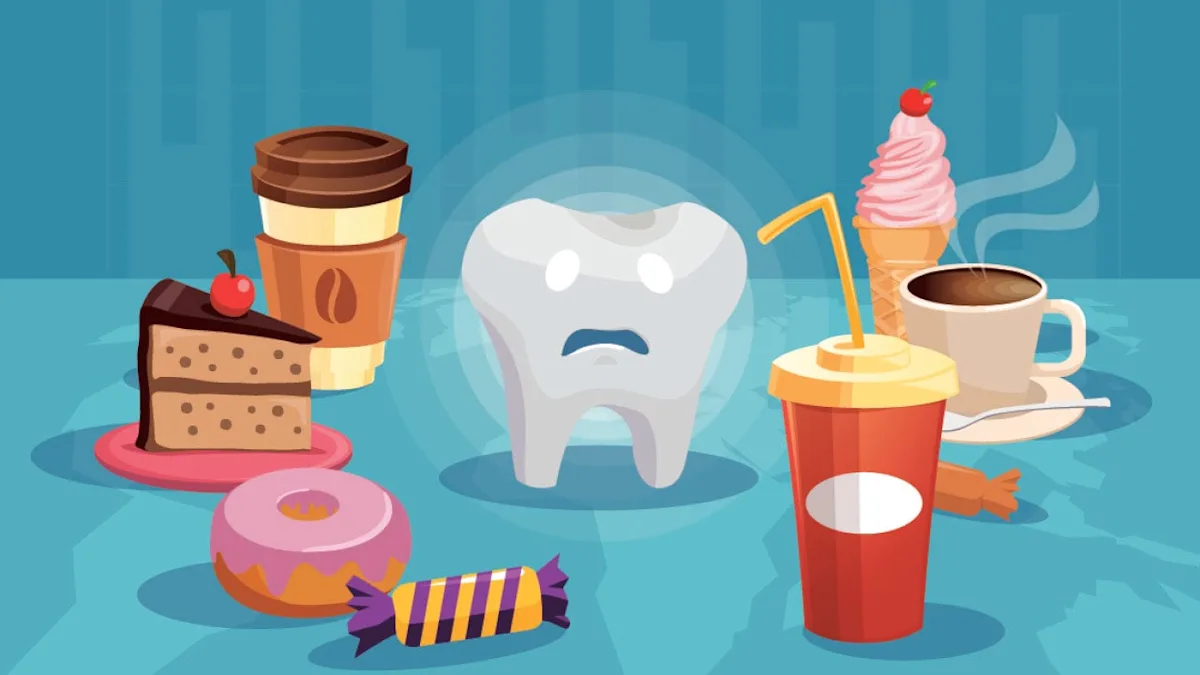
Ludlam-Raine says, “Frequent consumption of sugary foods and drinks is one of the strongest risk factors for dental caries. Oral bacteria feed on sugar and produce acids that erode tooth enamel, leading to decay over time.”
A good oral hygiene routine teamed with limited added sugars can significantly reduce the risk of cavities.

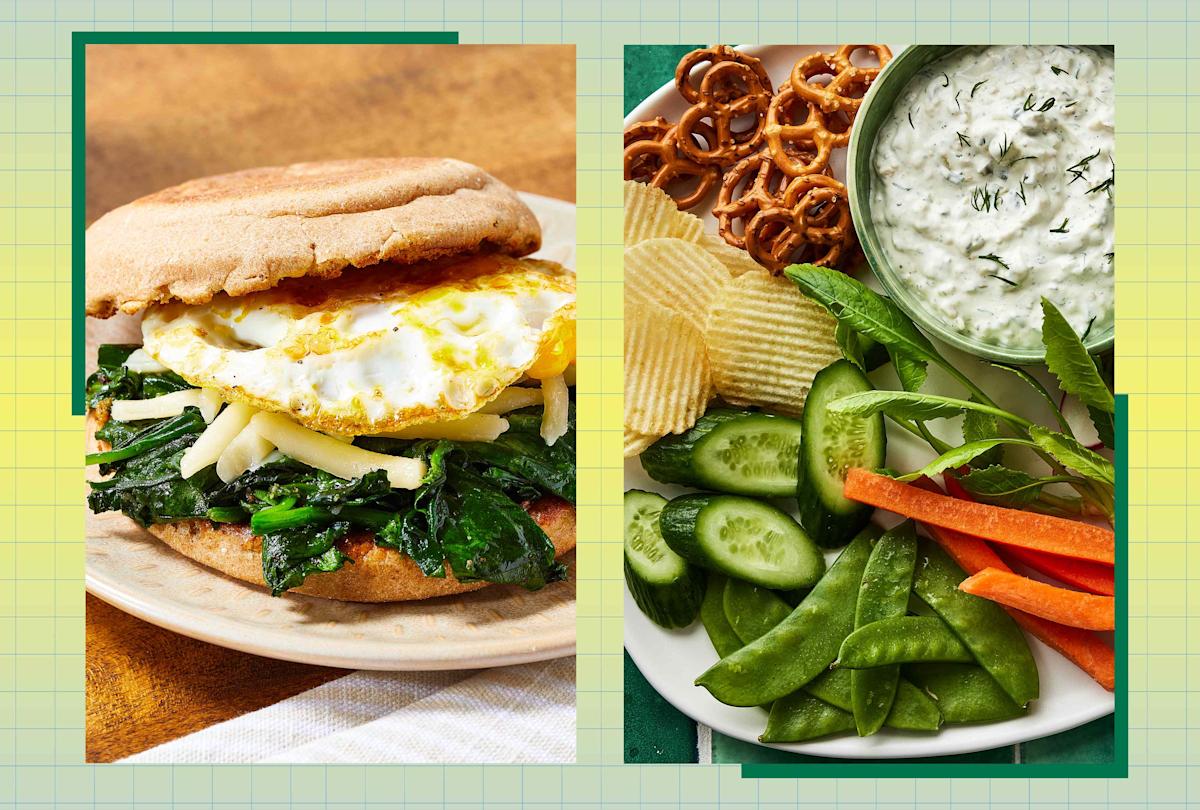
Some sauces and condiments have lots of added sugar.
(Nathan Bilow via Getty Images)