
Key Takeaways
- High-protein foods help slow digestion, curb hunger, and soften blood sugar spikes when paired with fiber and healthy fats.
- Your overall meal pattern matters more than any single food, so consider what you pair with your protein sources.
- Including a source of protein at each meal and snack is a simple way to help control blood sugar levels over time.
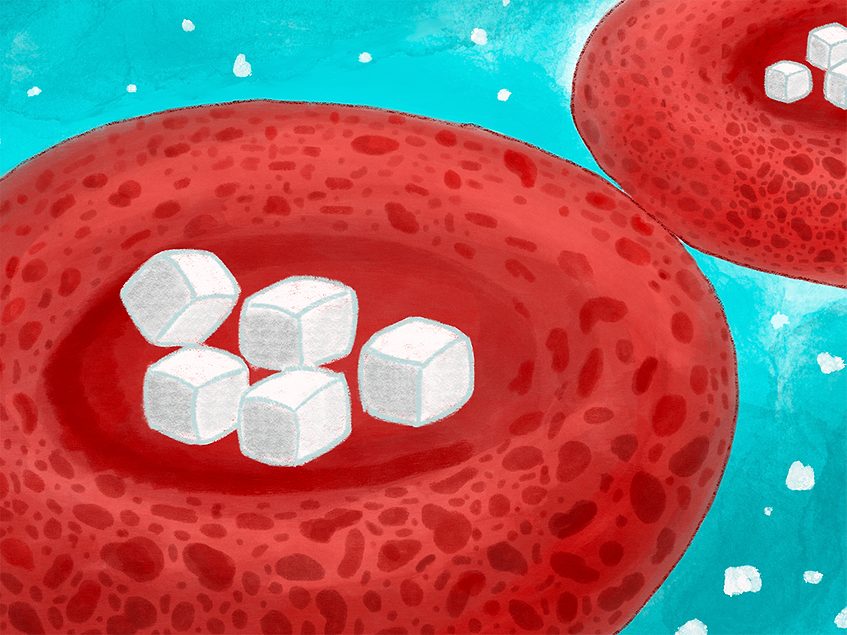
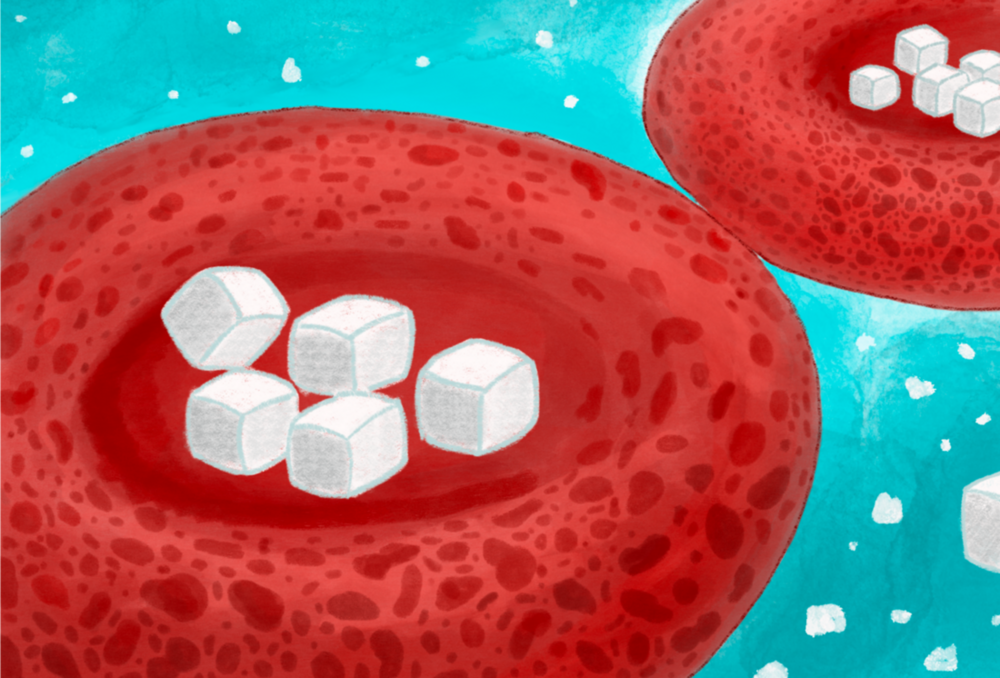
Protein-rich foods can help slow digestion, blunt blood sugar spikes, and help you feel fuller longer. Research also suggests that including adequate protein at meals, alongside fiber and healthy fats, can support better post-meal glucose (sugar) patterns.
1. Greek Yogurt
Arx0nt / Getty Images
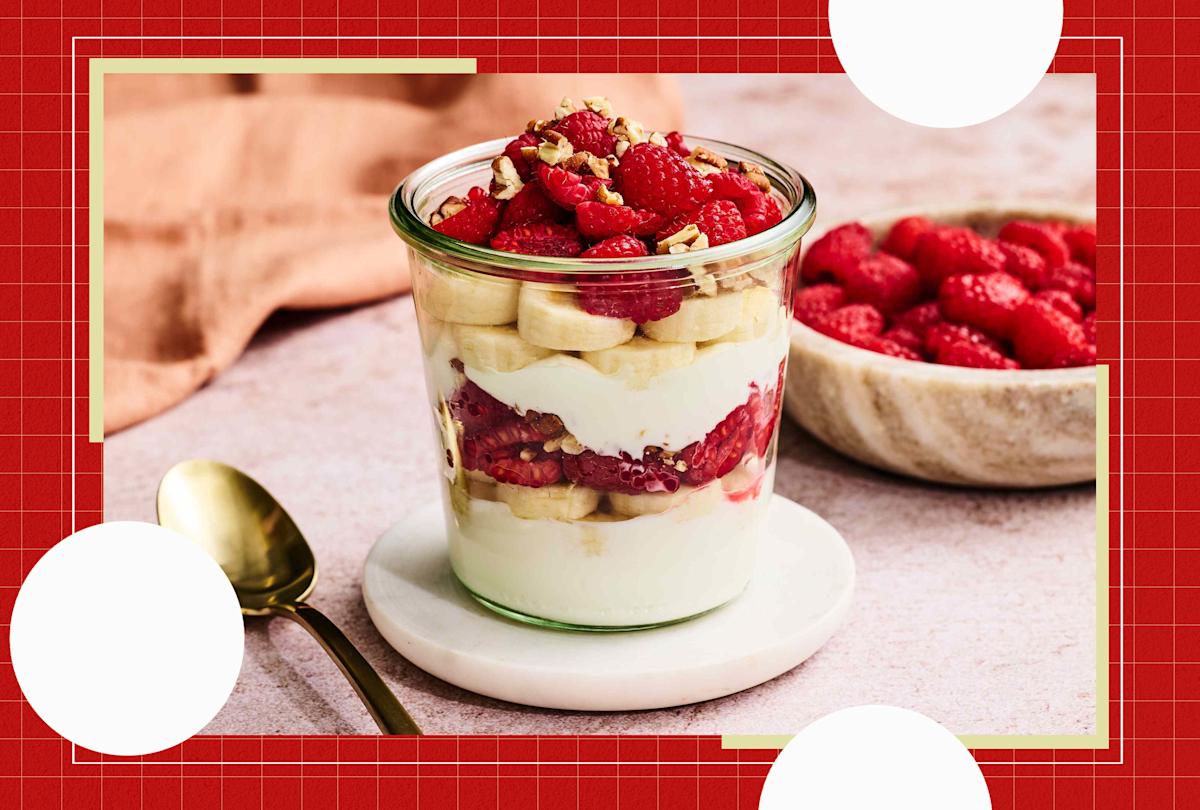
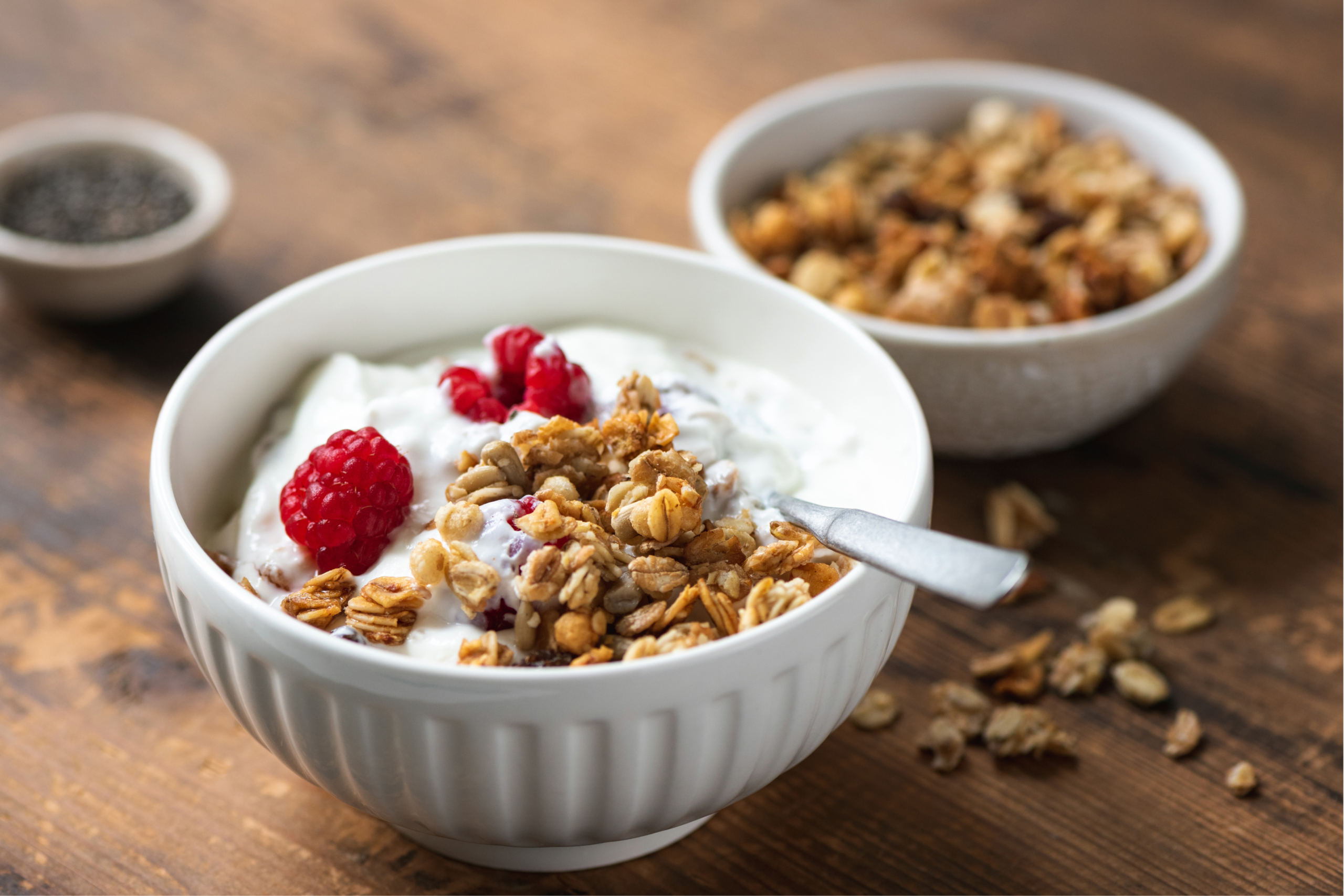
Plain (unsweetened) Greek yogurt is naturally high in protein and lower in lactose compared to regular yogurt, with fewer carbohydrates per serving. Yogurt now holds a qualified health claim indicating that regular yogurt intake may help reduce the risk of type 2 diabetes, based on limited but consistent observational studies.
Choose plain yogurt and build the flavor yourself:
- Add fresh or frozen berries for natural sweetness and extra fiber.
- Sprinkle in nuts or seeds to add healthy fats and more protein.
- Drizzle a small amount of honey or maple syrup, if desired.
- Swap it in for sour cream on tacos, chili, or baked potatoes.
2. Eggs
lacaosa / Getty Images
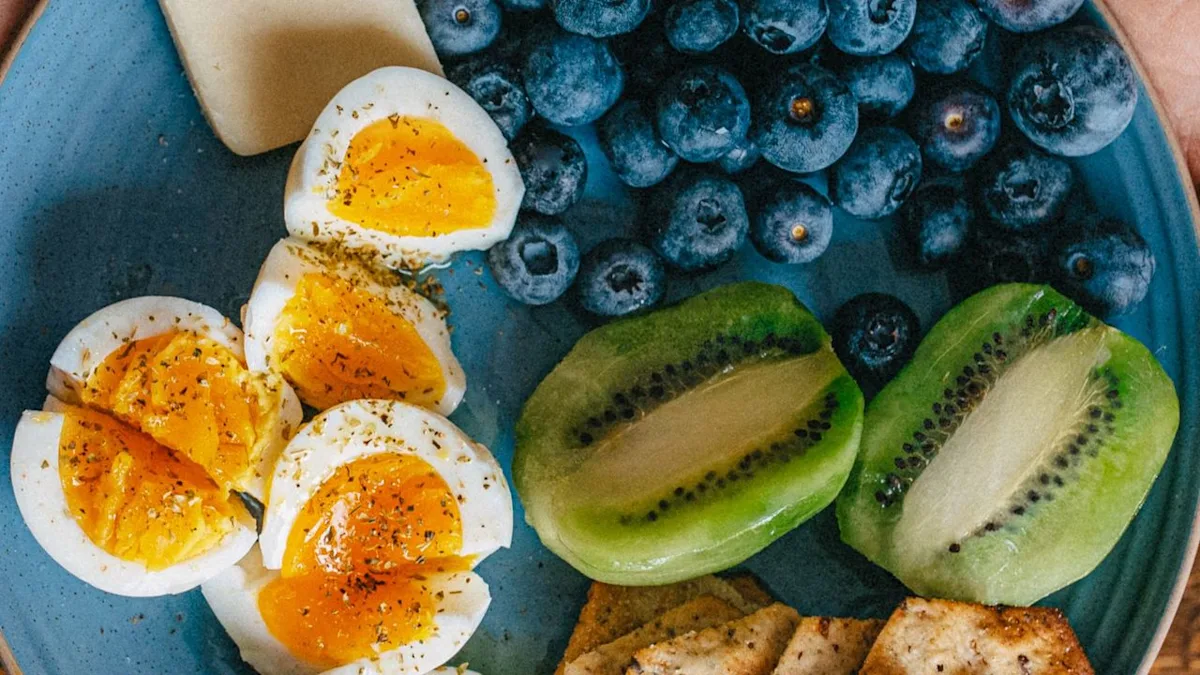
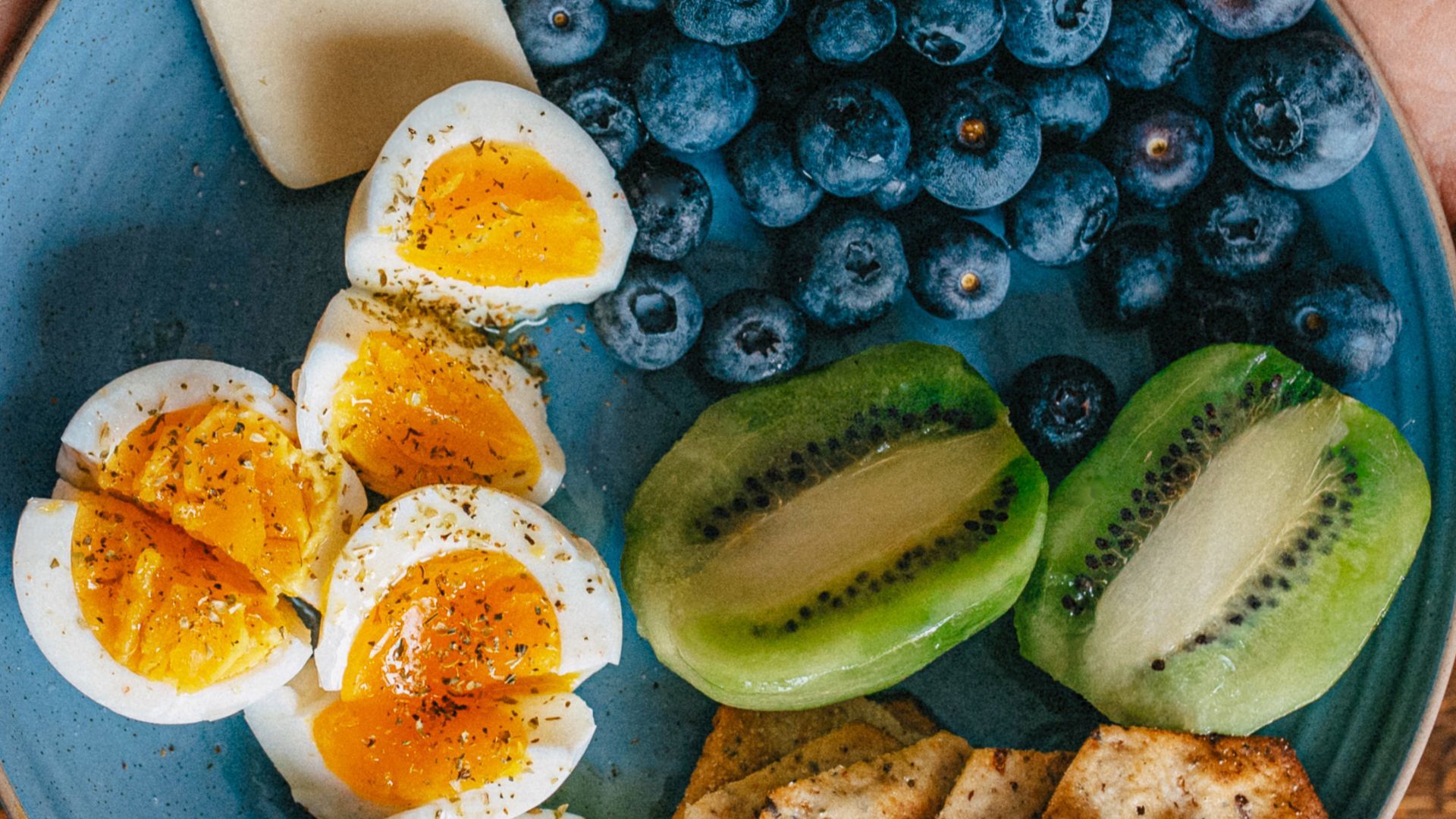
Eggs provide high-quality protein with virtually no carbohydrates. Studies have shown that including eggs at breakfast can improve satiety and reduce calorie intake later in the day, which may support blood sugar management.
Here are ways to add eggs to a blood sugar-friendly diet:
- Combine eggs with vegetables and a slice of whole-grain toast.
- Make a veggie-loaded omelet or frittata for easy leftovers.
- Pair hard-boiled eggs with fruit for a balanced snack.
- Add chopped hard-boiled eggs to a salad for extra protein.
3. Chicken
Elena_Danileiko / Getty Images
Chicken (skinless) is a versatile source of lean protein that fits into healthy eating patterns like the Dietary Approaches to Stop Hypertension (DASH) and Mediterranean-style diets.
A 4-ounce serving boasts about 25 grams of protein, making it a filling choice that can help stabilize blood sugar and make meals more satisfying.
Simple ways to make chicken part of a blood sugar-friendly meal include:
- Bake, grill, or sauté skinless chicken and pair it with non-starchy vegetables and whole grains.
- Shred cooked chicken for tacos or bowls, then add beans, veggies, and salsa.
- Add chopped chicken to a salad to boost protein and satiety.
- Be mindful of sugary marinades or sauces that add unexpected carbs.
4. Lentils
Westend61 / Getty Images
Lentils provide plant-based protein, slowly digestible carbs, and fiber, which work together to improve post-meal glucose levels. Clinical trials show that replacing faster-digesting carbs with lentils can lower post-meal glucose and insulin levels.
Utilize lentils in many simple dishes:
- Make lentil soup or a vegetable-packed stew.
- Use lentils in place of some ground meat in tacos, meatloaf, or pasta sauce.
- Toss cooked lentils into salads or grain bowls.
5. Tofu
Yagi Studio / Getty Images
Tofu, made from soy, is low in carbohydrates and offers high-quality plant protein. Meta-analysis findings suggest that soy consumption is linked to a lower risk of type 2 diabetes and cardiovascular disease.
To keep tofu meals gentle on blood sugar:
- Stir-fry tofu with a variety of non-starchy vegetables.
- Bake or air-fry marinated tofu, then serve with brown rice or quinoa.
- Add tofu to curries or soups instead of relying on noodles or potatoes alone.
6. Cottage Cheese
Liudmila Chernetska / Getty Images
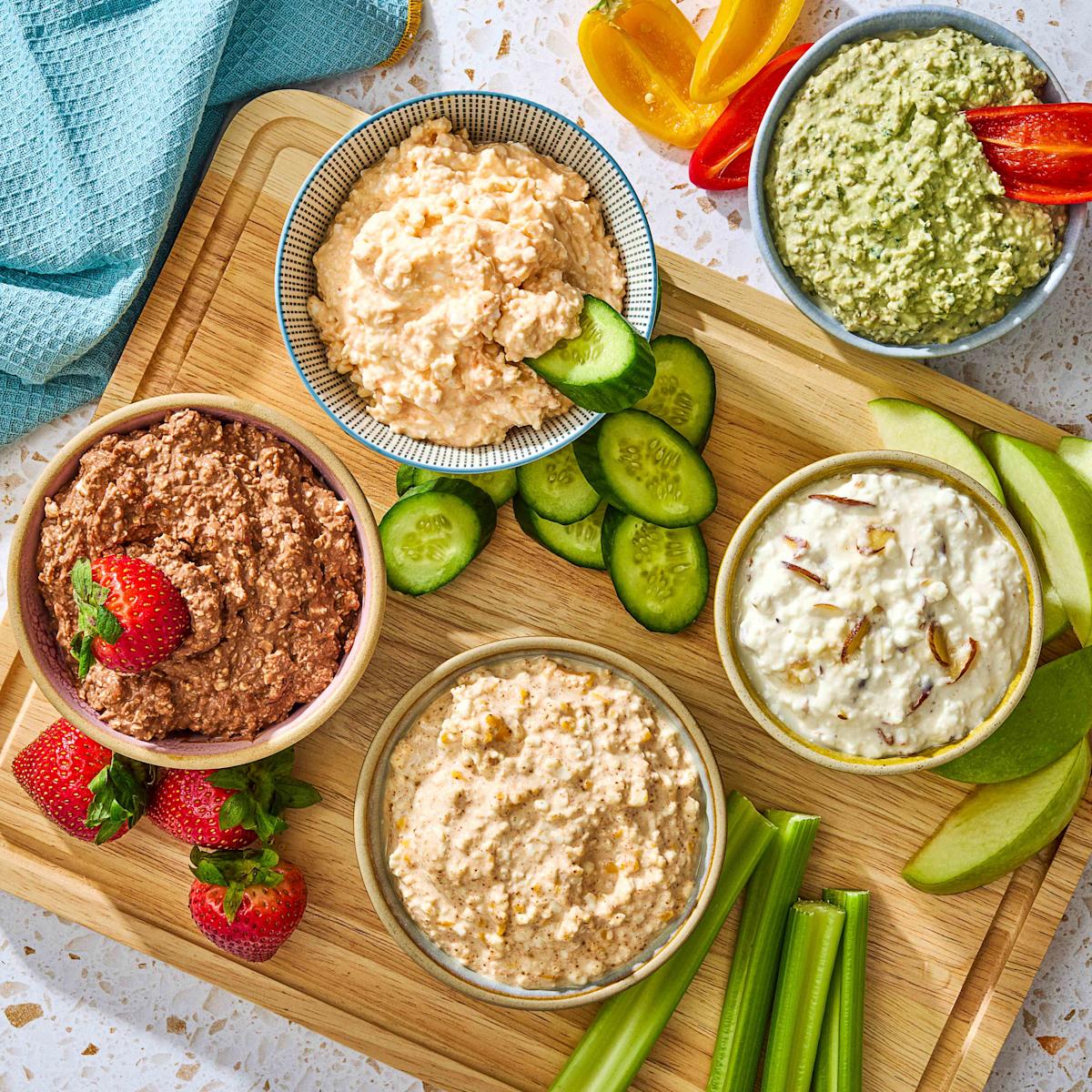
Cottage cheese provides a mix of protein and modest carbohydrates, offering 12 grams of protein and about 4 grams of carbs per half-cup. Its high protein content makes it a filling choice that can help curb cravings and support balanced eating throughout the day.
It is easy to turn cottage cheese into a balanced meal or snack:
- Pair it with fruit and a handful of nuts.
- Spread it on whole-grain toast with tomatoes and pepper.
- Blend it into smoothies to increase protein and creaminess.
- Use blended cottage cheese as an alternative to ricotta in pasta dishes, or mix it into pasta sauce for a creamier sauce.
7. Salmon
Delia Pirvu / 500px / Getty Images
Salmon packs in 25 grams of protein in a 4-ounce serving and is carbohydrate-free. It is also rich in heart-healthy omega-3 fatty acids, which may help reduce inflammation that can influence insulin sensitivity.
It fits naturally into balanced meals:
- Mix canned salmon with Greek yogurt, lemon juice, and herbs for a lighter salmon salad.
- Serve smoked salmon on whole-grain crackers with sliced vegetables.
- Add flaked salmon to salads, tacos, or grain bowls for a quick protein boost.
- Bake, grill, or air-fry salmon and serve it with vegetables and a whole-grain side dish.
8. Almonds
Suwanmanee99 / Getty Images
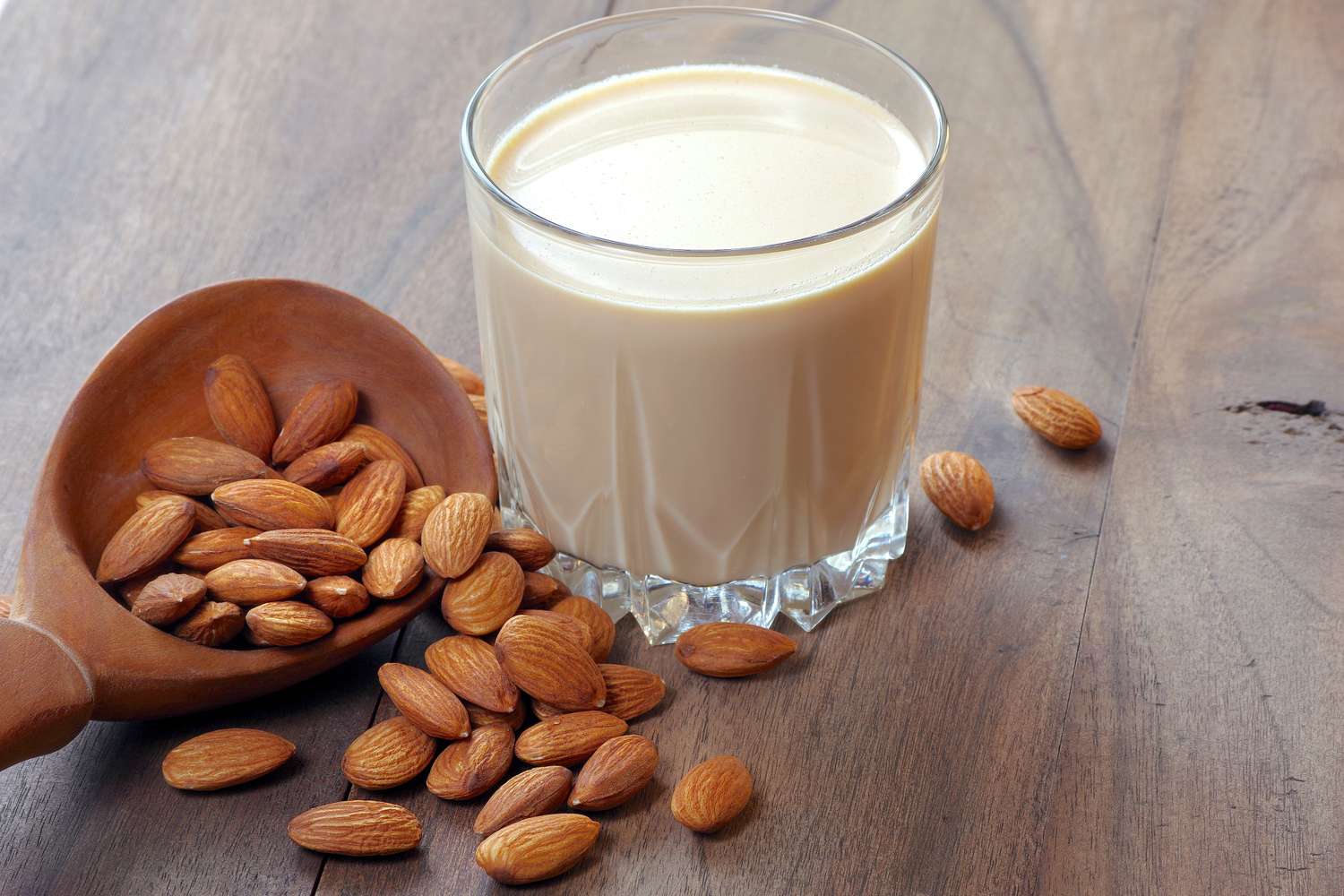
Almonds are a naturally low-carbohydrate, high-protein nut that can help control blood sugar when eaten with meals or as a balanced snack. They also provide healthy fats and fiber that help to moderate how quickly carbohydrates are digested and keep energy more stable.
Simple ways to include almonds in your diet include:
- Pair a small handful of almonds with fruit for a balanced snack.
- Add sliced or chopped almonds to oatmeal, yogurt, or salads for extra protein and crunch.
- Blend natural almond butter into smoothies or use it as a spread on whole-grain toast or pancakes.
- Use ground almonds as a low-carb breading for baked salmon or chicken.